




Hebei Jinjiu Metal Products Co.,Ltd


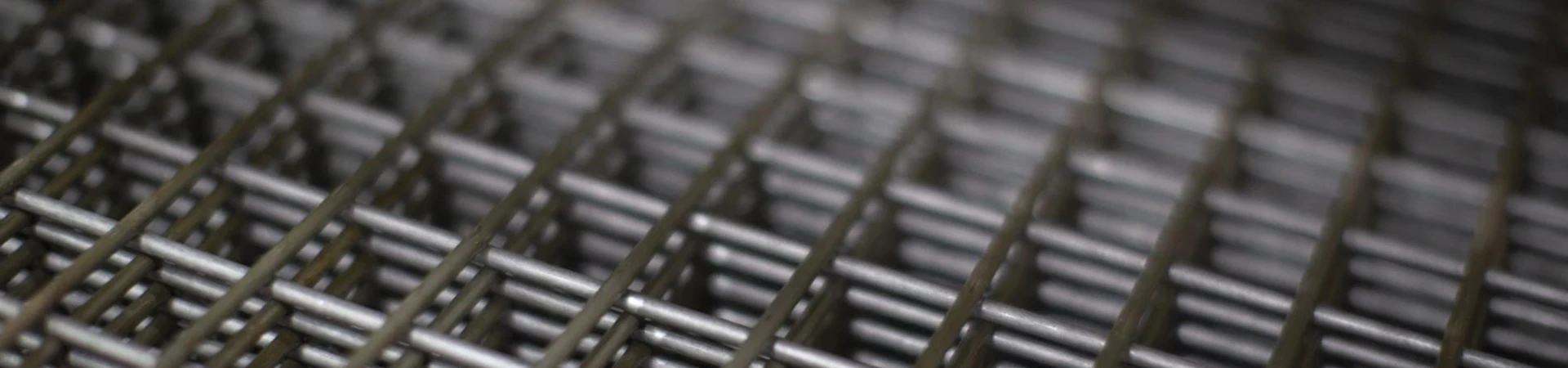

Anti-Tank Track Wire Mesh Barrier – Durable & Customizable Solutions
Jan . 03, 2026 01:25
Understanding the Anti-Tank Track Wire Mesh Barrier
Having spent a good chunk of my career in industrial security equipment, I can tell you that anti-tank track wire mesh barrier systems are a curious mix of brutal functionality and intricate engineering. They’re designed to do one thing: halt or slow down the movement of armored vehicles by severely limiting their mobility. Yet, behind that apparently simple purpose is a fascinating story of materials science, deployment strategy, and customization that you don’t often hear about.
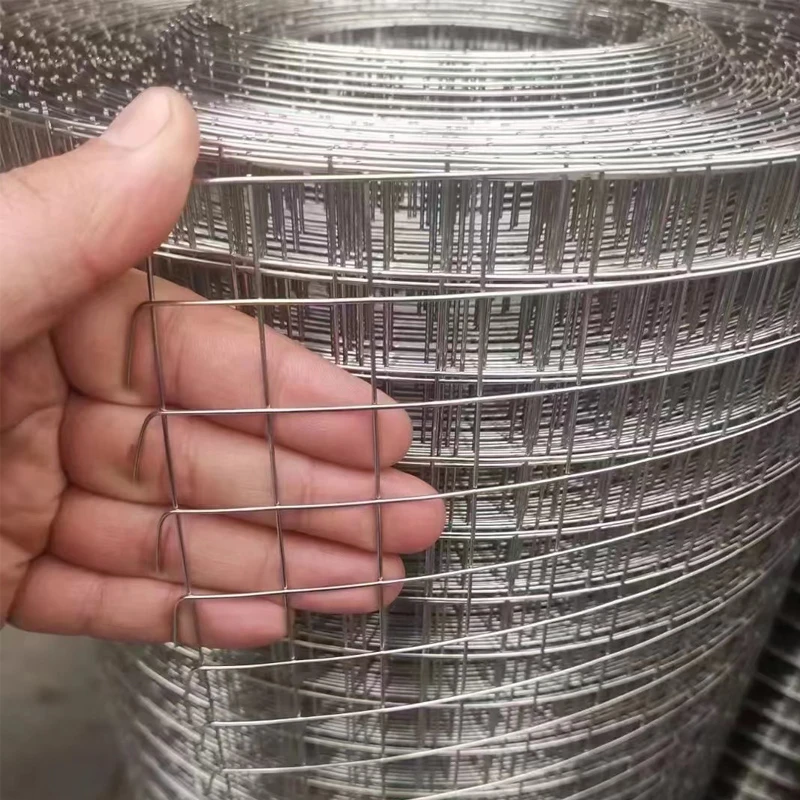
Oddly enough, these barriers aren't just about thick wires strung together; they're carefully engineered frameworks that must withstand serious force. In field tests, I’ve noticed how the choice of wire diameter and mesh pattern directly impacts the barrier’s effectiveness. A thin mesh might just shred under the weight or pressure of a tank, while a robust welded wire mesh creates a formidable obstacle.
Material choice dominates the conversation here. Typically, high-carbon steel wires are galvanized to resist corrosion for long-term outdoor deployment. Sometimes, there’s an additional PVC coating for extra durability and weather resistance. You could say the engineering behind these barriers is a bit of an arms race — stronger tanks push for tougher barriers, and vice versa.
| Specification | Details |
|---|---|
| Wire Diameter | 4.0 mm – 6.0 mm |
| Mesh Opening Size | 50 mm × 50 mm to 100 mm × 100 mm |
| Material | Galvanized Steel Wire (optional PVC coating) |
| Height | 1.2 m to 2.5 m |
| Length per Panel | 2 m (customizable) |
| Finish | Hot-dip galvanized or electro-galvanized |
One of the things that stands out to me is the customization aspect. Sure, there’s a sort of standard size, but I’ve worked with clients who requested barriers tailored for rocky terrains or deserts. Different environments stress the wire mesh differently, so the ability to tweak wire thickness, mesh size, and finish can make or break the installation’s longevity.
It’s interesting how in military contexts, the speed and ease of deployment are just as critical as robustness. The modern anti-tank track wire mesh barriers are typically modular — they come in panels that connect seamlessly to cover large fields quickly. That not only reduces labor but also allows for partial replacements if some panels get damaged in the field, which frankly, happens more often than you’d expect.
| Vendor | Wire Diameter (mm) | Mesh Size (mm) | Galvanization | Customization Options | Lead Time |
|---|---|---|---|---|---|
| Jin Jiu Wire Mesh | 4.0 - 6.0 | 50×50 to 100×100 | Hot-dip & Electro-galvanized | Full (size, finish, coating) | 2-4 weeks |
| Alpha Defense Supplies | 3.5 - 5.5 | 75×75 | Electro-galvanized | Limited (standard sizes only) | 3-6 weeks |
| SecureMesh Global | 5.0 - 7.0 | 60×60 to 90×90 | Hot-dip galvanized only | Moderate | 4-5 weeks |
I've personally worked with Jin Jiu Wire Mesh on a few occasions, particularly appreciating how their commitment to customizable sizing and quick turnaround really helped meet tight military project deadlines. One time, a client needed a barrier tailored for a mountainous region with uneven ground — Jin Jiu made specific adjustments that ensured structural integrity despite the challenging terrain. You don’t always get that kind of flexibility without paying a hefty premium.
In real terms, what makes an anti-tank track wire mesh barrier a worthwhile investment boils down to longevity and reliability. Many engineers say it’s not just about stopping tanks, but about offering enough resistance to slow them down so follow-up defenses can mobilize. That balance between strength and modular deployment feels, to me, like the sweet spot of modern battlefield engineering.
So, if you’re in the market for durable, serviceable anti-tank barriers, the “Jinjiuwiremesh” option is one to seriously consider — partly because they have that useful combination of expertise and the ability to customize, partly because their galvanized finish tends to hold up well even in harsh weather. And frankly, in this line of work, that’s half the battle won before you even deploy.
To wrap it all up — it’s a niche product with a very specific purpose, but the level of detail in design and function is fascinating once you get into it. It’s sort of like watching a finely tuned machine stop a giant tank. There’s something oddly satisfying about that, isn't there?
References:

Related Products


Related News


2026-08-27 16:53:08
What Are the Key Differences Between Pulse Electric Fence and Traditional Security Fences?
When it comes to perimeter protection, choosing the right security solution is essential for safeguarding people, property, and valuable assets.

2026-08-27 16:48:09
Key Benefits of Installing a Perimeter Security Electric Fence Around Factories and Warehouses
In today’s industrial environment, factories and warehouses face increasing security challenges ranging from theft and vandalism to unauthorized access and operational disruptions.

2026-08-27 16:44:07
How to Choose a High Quality Farm Electric Fence Exporter for Your Agricultural Project?
As modern agriculture continues to develop, livestock management and property protection have become increasingly important for farmers around the world.

2026-08-27 16:41:24
Industrial facilities today face growing security challenges that can result in significant financial losses, operational disruptions, and safety risks.

2026-08-27 16:37:36
Design Principles of a Residential Electric Fence: Balancing Security, Aesthetics, and Functionality
When designing a modern residential perimeter, security is no longer the only consideration.

2026-08-27 16:34:02
A Guide to Choosing a Pulse Electric Fence for High-Security Areas: Benefits and Custom Solutions
Protecting high-security facilities requires more than a conventional fence or a passive physical barrier. Government facilities, power and energy stations, industrial parks, restricted areas, mining sites, and other critical infrastructure often face risks such as unauthorized access, climbing, cutting, forced entry, and vandalism.

2026-08-18 10:01:19
Ultimate Guide to Easy Electric Fencing for Livestock
With the continuous development of modern farming and animal husbandry, efficient livestock management has become increasingly important for improving breeding efficiency and reducing daily management costs.

2026-08-18 09:56:07
Pulse Electric Fence: A Complete Guide to Materials, Types, Installation, Applications, and Price
With the increasing demand for reliable perimeter security solutions, traditional fences alone are often unable to meet modern protection requirements.


 English