




Hebei Jinjiu Metal Products Co.,Ltd


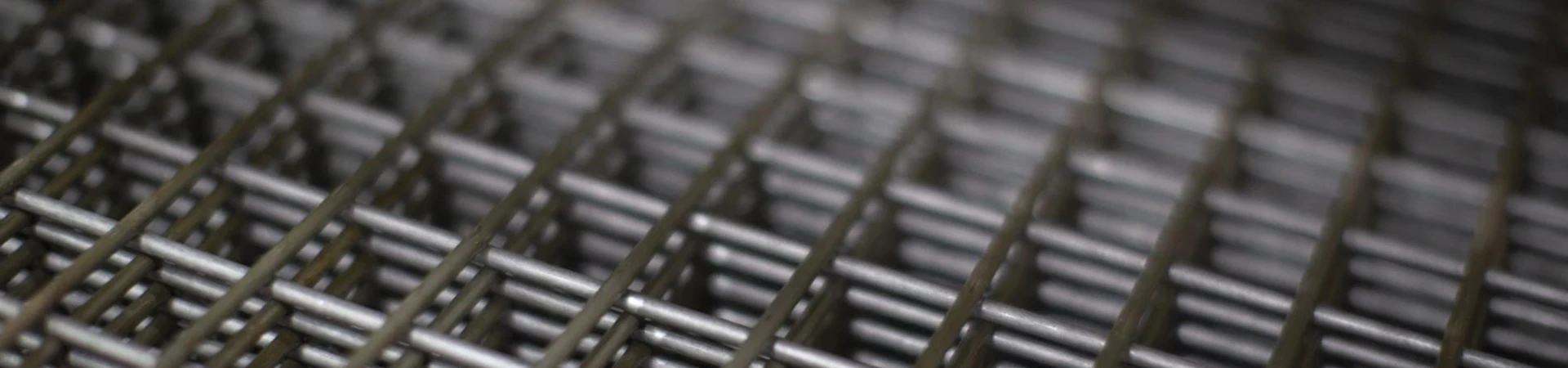

Finding the Right Wire Fence for Sale Quality, Installation and Long Term Value
Jan . 29, 2026 08:19
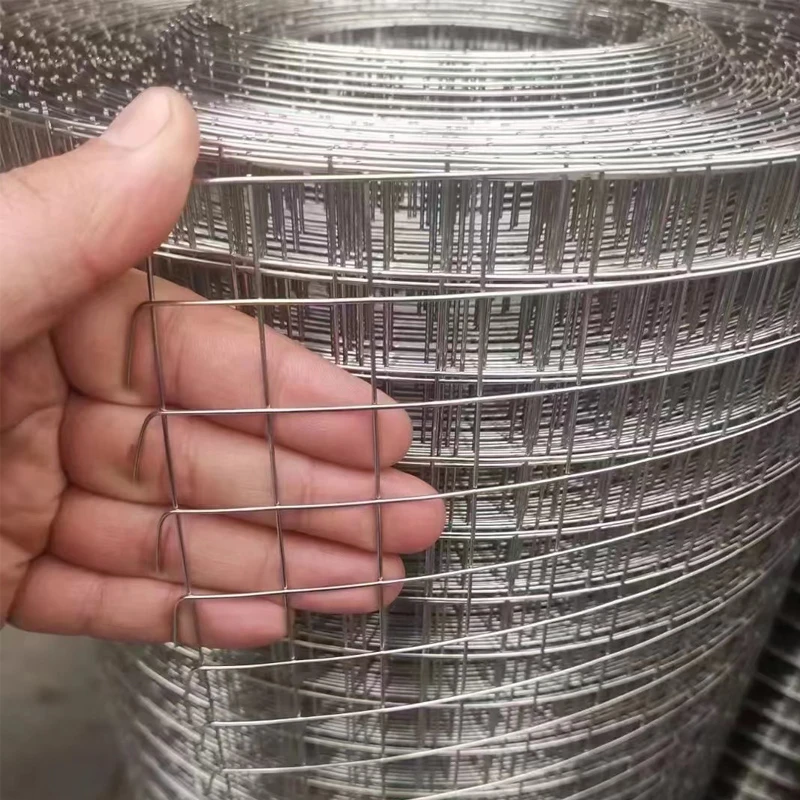
Look, after running around construction sites all year, you start to see patterns. Wire fence for sale...it’s not glamorous, right? But it's everywhere. And honestly, lately everyone's talking about higher tensile strength, PVC coating that actually lasts, and galvanized steel that isn't going to rust through in six months. It’s a race to the bottom on price, but the ones that cut corners…you can tell. You really can.
I've seen so many guys try to save a buck on the wire gauge, thinking “oh, it’ll hold." It won't. Believe me. It’ll sag, it’ll fail, and you'll be back replacing it. And that's just money down the drain. The whole thing really boils down to knowing your application. What are you fencing in? What are you fencing out? Is it just a little garden? Or are you trying to secure a whole industrial facility? Different animals, totally different needs.
The biggest issue? People don't factor in the environment. Salt spray near the coast? Forget about standard galvanized. You need aluminum-coated, and even then…keep an eye on it.
The State of the Wire Fence Industry
To be honest, it’s all about price pressure right now. Everyone's squeezing suppliers. But you’re seeing a push for longer-lasting materials. I’ve been seeing more and more requests for heavier-gauge wire and better coatings. People are tired of replacing fences every couple of years. They're starting to realize that paying a little more upfront can save a lot of headaches later on. There's also a lot of focus on security – higher fences, smaller mesh sizes, things like that.
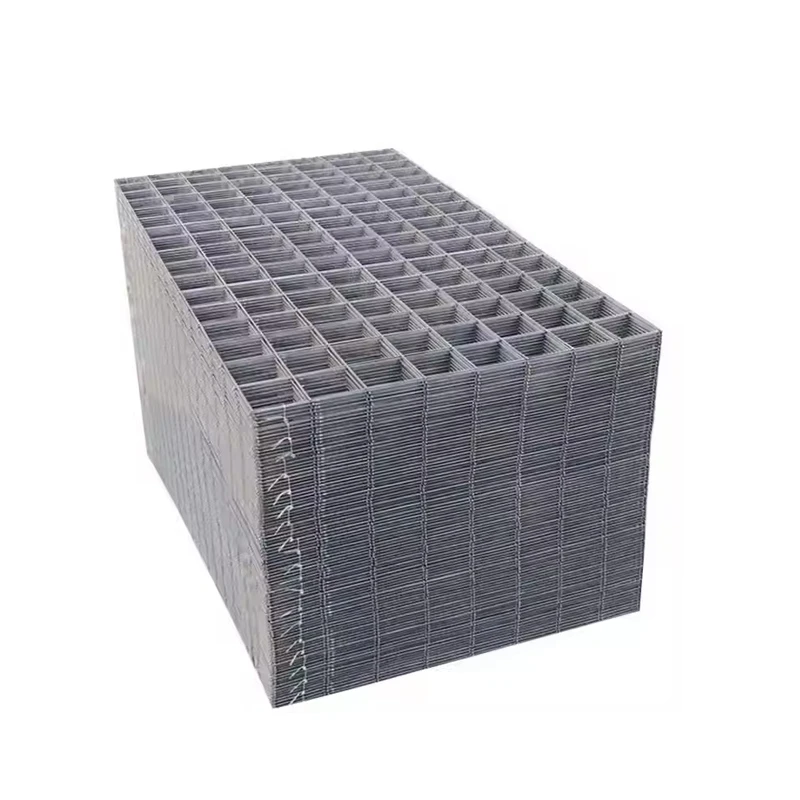
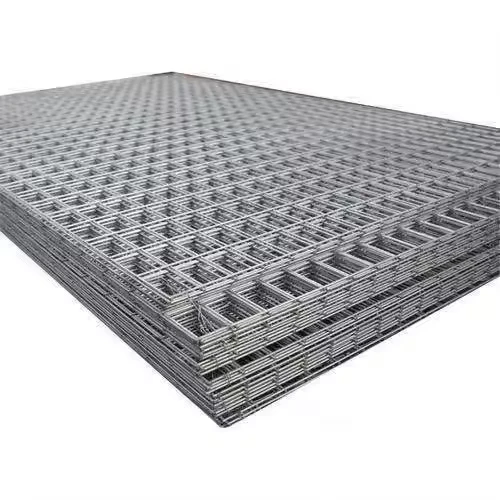
Have you noticed that prefabricated panels are getting really popular? It speeds up installation, which saves labor costs, and that’s a big deal. But… and there’s always a but… the quality control on those panels can be hit or miss. You gotta inspect everything before you install it. Seriously.
FAQS
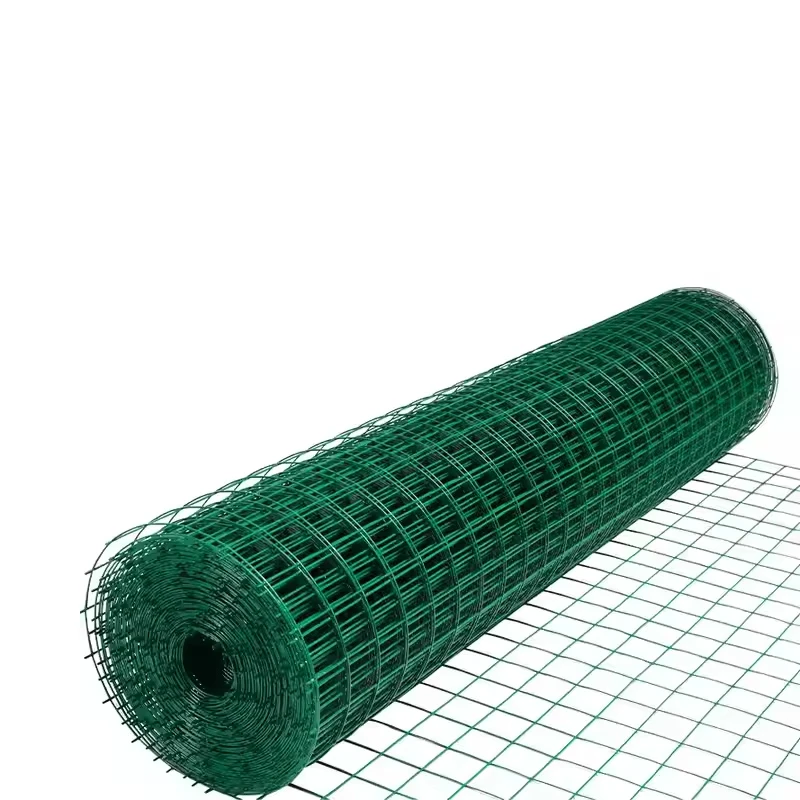
Galvanized steel is coated with zinc to prevent rust, making it good for general use, but it will eventually corrode. Stainless steel contains chromium, making it much more resistant to corrosion – it’s the better choice for harsh environments, but also pricier. I've seen galvanized fences rust through in less than five years near the ocean, while stainless steel will last decades.
Proper post spacing is key – generally 8-10 feet apart, depending on the wire gauge. Use heavier-gauge posts and deeper post holes for longer spans. Also, make sure to properly tension the wire during installation. Don’t just pull it tight; use a come-along or fence stretcher to get it really taut. And check it periodically, because things shift over time.
Deer are tricky. They can jump high, but they don’t like to go through tight spaces. A mesh size of 4 inches or less is generally effective, but you might need to add an angled section at the top of the fence to deter them from jumping over. Believe me, I’ve seen deer jump over a 6-foot fence!
Yes, absolutely! Steel wire is highly recyclable. Most scrap metal yards will take it. It’s a good way to reduce waste and get a little money back. Just make sure to remove any non-metal components, like PVC coating or wooden posts, before taking it in.
It depends on the damage. For a small break, you can use a fence splice kit, which includes sleeves and tension bars. For a larger break, you might need to replace a whole section of wire. The important thing is to make a secure connection that can withstand the tension. And don’t just tie it together with wire – that’s a temporary fix at best.
That depends on the length of the fence, the terrain, and the crew size. A simple straight run of 100 feet might take a day or two. A more complex installation with gates, curves, and uneven terrain could take a week or more. Always factor in time for site preparation, post hole digging, and wire tensioning.
Conclusion
So, there you have it. Wire fence for sale isn't glamorous, but it's a necessary part of a lot of projects. It’s about understanding the materials, the installation techniques, and the specific needs of the application. Don’t skimp on quality, don't cut corners, and always factor in the environment.
Ultimately, whether this thing works or not, the worker will know the moment he tightens the screw. And if he’s shaking his head, you’ve got a problem. You can find all the information you need, and even request a quote, at www.jinshieldmesh.com.

Related Products
Related News


2026-08-27 16:53:08
What Are the Key Differences Between Pulse Electric Fence and Traditional Security Fences?
When it comes to perimeter protection, choosing the right security solution is essential for safeguarding people, property, and valuable assets.

2026-08-27 16:48:09
Key Benefits of Installing a Perimeter Security Electric Fence Around Factories and Warehouses
In today’s industrial environment, factories and warehouses face increasing security challenges ranging from theft and vandalism to unauthorized access and operational disruptions.

2026-08-27 16:44:07
How to Choose a High Quality Farm Electric Fence Exporter for Your Agricultural Project?
As modern agriculture continues to develop, livestock management and property protection have become increasingly important for farmers around the world.

2026-08-27 16:41:24
Industrial facilities today face growing security challenges that can result in significant financial losses, operational disruptions, and safety risks.

2026-08-27 16:37:36
Design Principles of a Residential Electric Fence: Balancing Security, Aesthetics, and Functionality
When designing a modern residential perimeter, security is no longer the only consideration.

2026-08-27 16:34:02
A Guide to Choosing a Pulse Electric Fence for High-Security Areas: Benefits and Custom Solutions
Protecting high-security facilities requires more than a conventional fence or a passive physical barrier. Government facilities, power and energy stations, industrial parks, restricted areas, mining sites, and other critical infrastructure often face risks such as unauthorized access, climbing, cutting, forced entry, and vandalism.

2026-08-18 10:01:19
Ultimate Guide to Easy Electric Fencing for Livestock
With the continuous development of modern farming and animal husbandry, efficient livestock management has become increasingly important for improving breeding efficiency and reducing daily management costs.

2026-08-18 09:56:07
Pulse Electric Fence: A Complete Guide to Materials, Types, Installation, Applications, and Price
With the increasing demand for reliable perimeter security solutions, traditional fences alone are often unable to meet modern protection requirements.


 English