




OEM electric fence security solutions refer to customized, high-voltage perimeter security systems designed to deter, detect, and delay unauthorized entry. Unlike standard fencing, these systems integrate energized wires with intelligent monitoring to provide an active layer of defense that delivers a non-lethal but powerful shock to intruders while triggering immediate alarms for security personnel.
For industries managing large-scale assets, the primary challenge is maintaining a secure perimeter without constant manual patrolling. Traditional passive fences can be cut or climbed without detection, leaving critical infrastructure vulnerable to theft, vandalism, and espionage. This creates an urgent need for active systems that offer real-time alerts and physical deterrence.
This article provides a comprehensive analysis of OEM electric fence systems, exploring their technical mechanisms, application scenarios in industrial and agricultural sectors, and a procurement guide to help security managers select the most durable and compliant configurations for their specific site requirements.

1Understanding Active Perimeter Deterrence

Active perimeter deterrence shifts the security paradigm from passive observation to proactive intervention. While a standard chain-link fence serves as a physical boundary, oem electric fence security solutions transform that boundary into a sensor. By maintaining a high-voltage pulse across the conductor wires, the system can instantly detect any breach—whether it be a wire cut, a short circuit caused by a climber, or a physical touch.
The psychological impact of an electric fence is as significant as its physical barrier. Warning signs indicating a high-voltage zone serve as a primary deterrent, discouraging intruders before they even attempt to breach the perimeter. This multi-layered approach combines visual warnings, physical obstacles, and electronic alerts.
For high-security sites, these systems are often integrated with other technologies like vibration sensors or laser beams to eliminate blind spots. This creates a comprehensive security envelope that protects against various intrusion methods, from sophisticated cutting tools to simple scaling.
2Core Technical Components of OEM Systems
A professional OEM electric fence system consists of several critical components that must work in harmony to ensure reliability and safety. The energizer is the heart of the system, converting low-voltage power into high-voltage pulses. Modern energizers are designed for stability, ensuring that the pulse remains consistent regardless of fence length or environmental conditions.
The conductor wires, often made of high-tensile galvanized steel or stainless steel, carry the pulse. In OEM configurations, these are precisely spaced to prevent accidental shorting while remaining tight enough to resist sagging over time. Insulators are equally important, as they prevent the current from leaking into the support posts, which would trigger false alarms.
The monitoring unit handles the intelligence. It analyzes the return current and voltage levels. If a wire is cut, the circuit is broken; if a climber touches the fence, the current is shunted to the ground. The system distinguishes between a genuine breach and environmental interference, such as wind-blown vegetation, to reduce false alarm rates.
3Strategic Application Scenarios
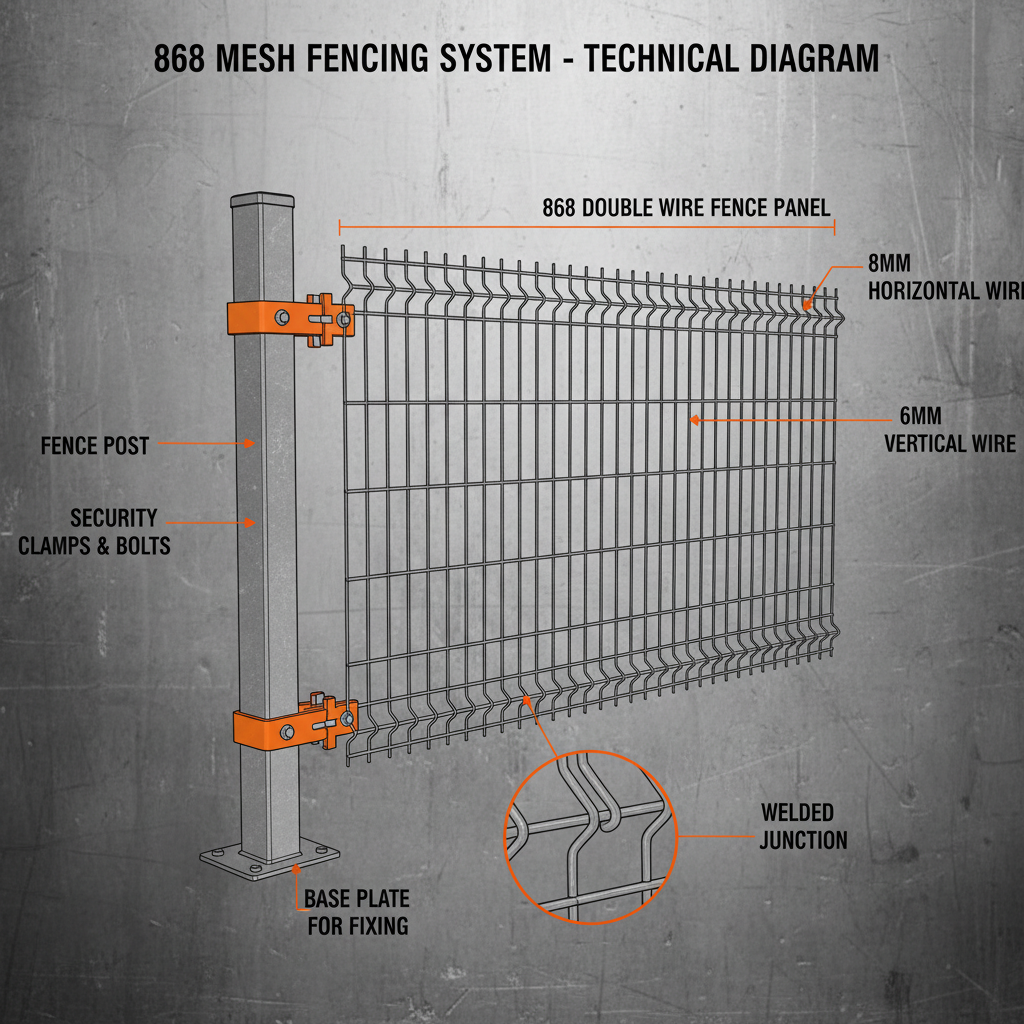
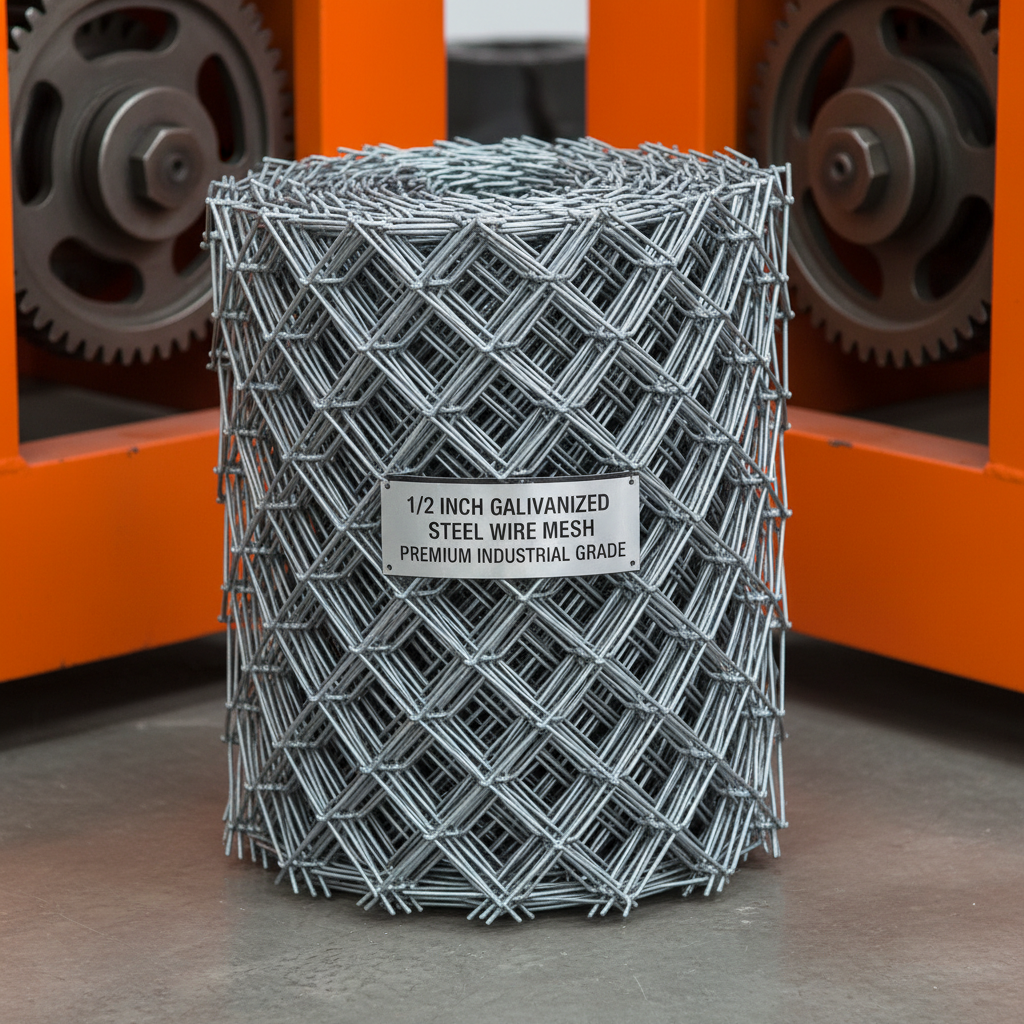
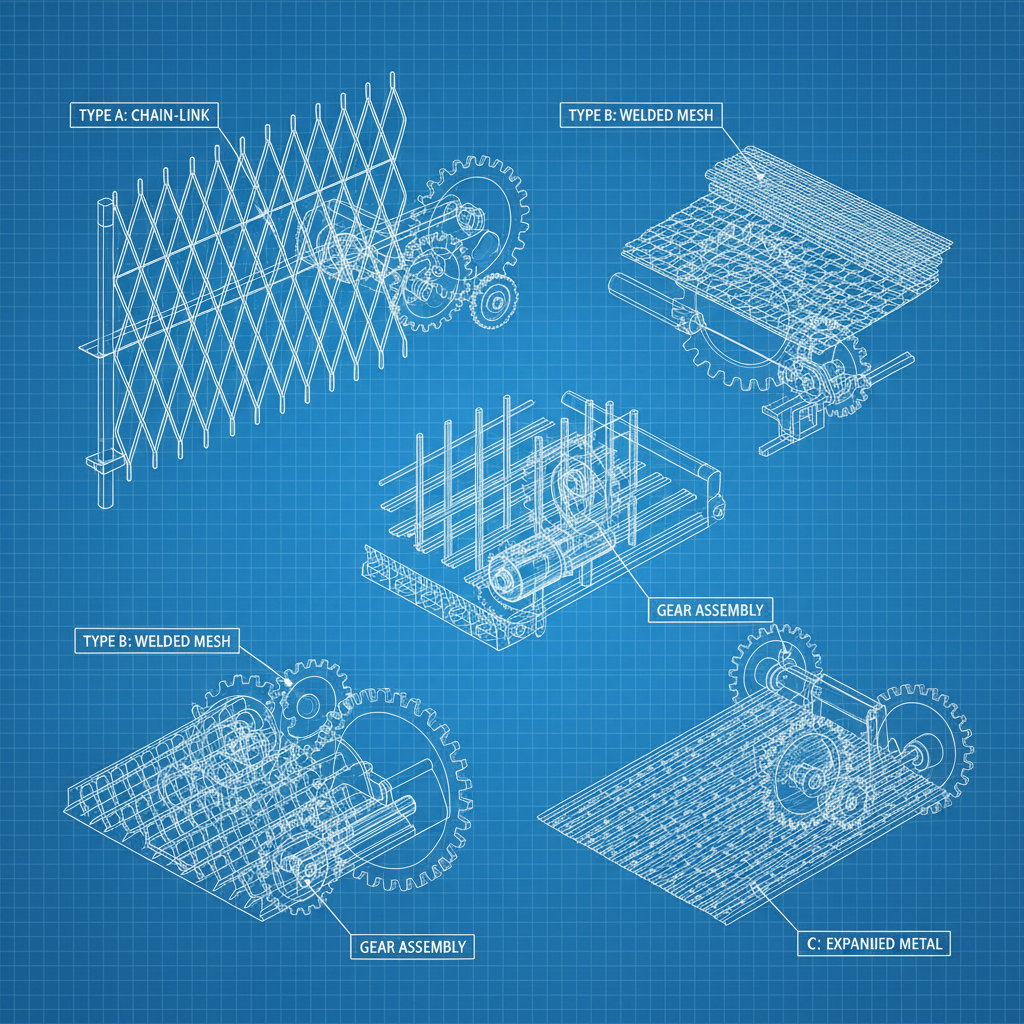
Industrial and logistics parks benefit significantly from these solutions due to the sheer size of their perimeters. The combination of tough chain-link mesh and pulse fence intelligent alarms prevents illegal entry and equipment theft. For large-area factory enclosures, the automated monitoring allows a small security team to manage several kilometers of boundary efficiently.
In agricultural and breeding bases, the primary goal is twofold: preventing livestock from escaping and deterring wild animals or poachers. Corrosion-resistant materials are essential here, as the fences are exposed to harsh outdoor elements and animal contact. The non-lethal shock ensures that animals are deterred without causing permanent harm.
Key security areas, such as government campuses, research parks, and power stations, require the highest level of security. In these zones, physical mesh protection is paired with concealed intelligent pulse warnings, providing a blind-spot-free environment that meets strict international security standards.
4Performance Metrics and Efficiency Analysis
Evaluating the effectiveness of an electric security system requires looking at detection accuracy and deterrence success. Traditional fences rely on human sight or camera motion detection, which often have high false-positive rates. OEM electric solutions provide a binary state: the circuit is either intact or breached, leading to higher detection precision.
The efficiency of these systems is also measured by their operational life and maintenance requirements. High-quality galvanized coatings and UV-stabilized insulators ensure that the system does not degrade rapidly under extreme weather, maintaining its voltage output over decades of service.
oem electric fence security solutions Performance Metrics
As shown in the metrics, the integration of active pulse technology significantly outperforms industry averages in detection rates and deterrence levels. While the initial installation may require more precision than a standard fence, the long-term reduction in security manpower and the increase in asset protection provide a superior return on investment.
5Implementation and Installation Best Practices
Successful deployment begins with a detailed site survey. Identifying low-lying areas where water may accumulate or zones with heavy vegetation is crucial, as these can cause grounding issues and false alarms. The layout should ensure that the energizer is centrally located to minimize voltage drop over long distances.
Installation teams should prioritize tensioning. Loose wires are prone to swaying in the wind, which can cause them to touch each other or the support posts, creating "nuisance alarms." Using high-quality tensioners and periodic checks ensures the structural integrity of the conductor array.
Integration with a centralized security management system (SMS) is the final step. By linking the fence controller to the site's main alarm panel, security teams can identify the exact zone of a breach via a digital map, allowing for a rapid and targeted response to the intrusion point.
6Operational Constraints and Maintenance
Despite their effectiveness, electric fences have specific limitations. Environmental interference is the most common challenge. Overhanging tree branches or heavy snowfall can create temporary shorts, triggering alarms. This requires a dedicated "clear zone" around the fence line to maintain operational stability.
Regulatory compliance is another critical constraint. Different regions have strict laws regarding the voltage levels, pulse duration, and the placement of warning signs. An OEM provider must ensure the system adheres to local safety standards to avoid legal liability.
Maintenance involves periodic vegetation control and testing of the battery backup systems. Since security must be maintained during power outages, the health of the backup batteries determines whether the site remains protected during a total power failure.
7Selection Criteria for Security Procurement
When procuring oem electric fence security solutions, managers must look beyond the initial price and evaluate the total cost of ownership. This includes the quality of materials, the reliability of the energizer, and the ease of integrating the system with existing security infrastructure.
Different site needs require different configurations. A prison or military base will prioritize anti-cutting materials and high-density wiring, whereas a residential community or park may prioritize aesthetics and safety warnings over extreme deterrence.
| Fence Type | Primary Strength | Best Use Case | Maintenance Level |
|---|---|---|---|
| Standard Passive Mesh | Low Cost | Low-risk boundaries | Low |
| Electric Pulse Fence | Active Deterrence | Industrial/High-Value | Medium |
| Dual-Layer Security | Max Security | Prisons/Military | High |
| Intelligent Hybrid | Low False Alarms | Research Parks | Medium |
| Agricultural Electric | Animal Control | Farms/Breeding | Medium |
| Concealed Pulse | Stealth Protection | Government Sites | Medium |
Ultimately, the choice depends on the threat level of the environment. For those requiring professional manufacturing and customized design, partnering with an experienced provider like Hebei Jinjiu Metal Products Co., Ltd ensures that the fence meets exact specifications for durability and security.
Frequently Asked Questions
Conclusion
OEM electric fence security solutions provide a critical advantage in perimeter protection by combining physical deterrence with real-time electronic detection. By shifting from passive boundaries to active monitoring, industries can significantly reduce the risk of theft and unauthorized access while optimizing their security manpower. Success depends on the selection of high-quality components and a rigorous installation process that prioritizes grounding and environmental management.
For organizations seeking a reliable and customized security perimeter, evaluating the specific threat level and site conditions is the first step. Detailed product specifications and professional consultation can be found at www.jinshieldmesh.com to ensure the chosen system meets all safety and security requirements.