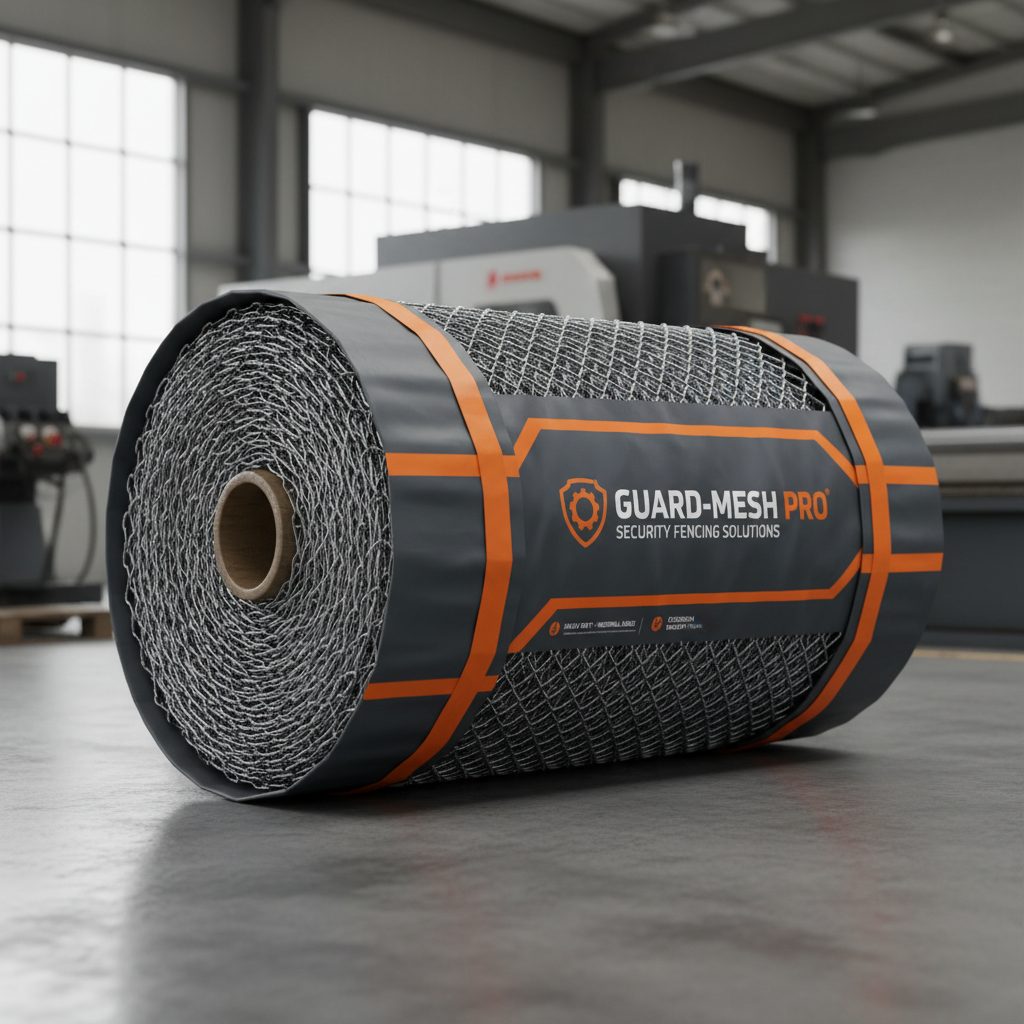





Securing large-scale perimeters requires more than just physical barriers; it demands an intelligent sensing layer capable of detecting intrusions in real-time. When evaluating a fiber optic security system manufacturer, the focus shifts from mere hardware to the integration of vibration sensing technology and structural durability.
Traditional fencing often fails to provide the precise localization of a breach, leading to delayed response times and increased vulnerability. The transition toward distributed fiber optic sensing (DFOS) allows operators to monitor kilometers of perimeter with pinpoint accuracy, transforming a passive fence into an active security asset.
For critical infrastructure such as airports, military bases, and industrial zones, the synergy between high-strength metal fencing and intelligent sensors is non-negotiable. Understanding the technical nuances of these systems is essential for procurement officers and security architects aiming for zero-failure perimeter protection.

The Mechanics of Distributed Vibration Fiber Optic Sensing

At its core, a distributed vibration fiber optic sensor works by injecting laser pulses into a sensing cable. As external vibrations—such as climbing, cutting, or digging—occur near the cable, they induce minute changes in the backscattered light. This process, known as Phase-OTDR (Optical Time Domain Reflectometry), allows the system to calculate the exact location of the disturbance based on the time it takes for the light to return.
Unlike traditional electronic sensors that require repeated power points along the fence, fiber optic cables are passive. This means they are immune to electromagnetic interference (EMI) and cannot be detected by electronic sniffing equipment, making them ideal for high-security military and governmental installations where stealth and reliability are paramount.
The integration of these sensors with physical barriers, such as JS-Dual Layer Perimeter Fencing or JS-Metal Security Fencing, creates a comprehensive defense-in-depth strategy. The fence provides the physical delay, while the fiber optic system provides the immediate detection, ensuring that security personnel are alerted before a breach is fully realized.
Critical Technical Advantages of Fiber Optic Perimeters
The primary value of adopting a fiber-based system lies in its ability to cover vast distances without signal degradation. While traditional sensors may suffer from voltage drops over several kilometers, light pulses maintain their integrity, allowing a single interrogator unit to monitor perimeters extending up to 50km or more.
Furthermore, the sensitivity of these systems can be digitally tuned. This is crucial for reducing false alarms caused by environmental factors like wind, rain, or small animals. By analyzing the "signature" of the vibration, the system can distinguish between the rhythmic pattern of rain on a metal fence and the irregular, high-energy vibration of a human attempt to scale the barrier.
When combined with accessories like Razor Wire or Wall Spikes, the fiber optic system acts as the "eyes" of the fence. It provides the situational awareness necessary to deploy rapid response teams to the exact coordinates of the event, drastically reducing the search area in large-scale industrial zones.
High-Security Application Scenarios Across Global Industries
In airport security, where perimeters are expansive and strict international standards must be met, the combination of JS-Metal Fencing and distributed fiber optic sensors ensures no blind spots. The system can monitor the entire airfield boundary, alerting the control tower to any unauthorized approach with precise location data.
Prison security presents a different challenge, requiring anti-cutting materials and dense barrier configurations. In these environments, fiber optic sensors are often embedded within dual-layer fences to detect both external intrusion attempts and internal escape efforts. The high-frequency sampling of the fiber optic cable can detect the subtle vibrations of a saw cutting through steel long before the breach is complete.
Industrial and warehouse zones often utilize these systems to protect high-value assets from theft. By integrating the sensor with JS-Hesco Barriers or JS-Defensive Barriers in temporary high-risk zones, companies can maintain a secure perimeter that is both rapid to deploy and highly intelligent in its detection capabilities.
Performance Benchmarks for Intelligent Perimeter Sensing
Evaluating the efficacy of a perimeter system requires looking at detection probability versus the false alarm rate. Traditional fence sensors often struggle with a high false-alarm ratio in adverse weather, which leads to "alarm fatigue" among security operators.
Fiber optic systems, when calibrated by an experienced manufacturer, demonstrate a significantly higher precision in threat localization. The following metrics illustrate the relative performance increase when shifting from legacy electronic systems to an integrated fiber optic and metal fencing solution.
fiber optic security system manufacturer Performance Metrics
The data indicates that the primary gain is found in the reduction of false alarm rates and the increase in localization accuracy. By narrowing the detection zone from a general sector to a few meters, the operational efficiency of the security team is maximized, allowing for faster intervention and lower labor costs.
Strategic Procurement and Implementation Considerations
Selecting the right components is only half the battle; the installation methodology determines the system's ultimate reliability. A common error is improper cable tensioning, which can lead to "ghost alarms" or dead zones where vibrations are not captured by the fiber.
Procurement officers should prioritize manufacturers who provide a complete ecosystem—from the physical metal security fencing to the fiber optic interrogators and the management software. This vertical integration ensures that the sensing cable is physically compatible with the fence mesh, reducing the risk of mechanical failure over time.
Maintenance schedules should focus on the integrity of the fiber optic junctions and the physical stability of the fence posts. Because the sensing element is passive, the primary maintenance cost is shifted from electrical repair to physical site inspection and software calibration to adapt to seasonal environmental changes.
The Evolution Toward AI-Driven Threat Classification
The next frontier in perimeter security is the integration of Artificial Intelligence and Machine Learning (ML) to automate threat classification. Current systems rely on threshold-based alerts, but AI can analyze the complex waveforms of vibrations to identify the specific type of intrusion.
For example, a system equipped with ML could distinguish between a human climbing a fence and a large animal leaning against it, or differentiate between a manual cutting tool and a power saw. This level of granularity allows security teams to prioritize alarms based on the actual threat level, significantly reducing operational fatigue.
We may also see the integration of fiber optic sensing with other technologies, such as JS-Laser Beam Detectors or CCTV with auto-tracking. When a fiber optic sensor detects a vibration, it can trigger the nearest camera to zoom in on the exact coordinates, providing a visual verification of the event in real-time.
Comparing Perimeter Security Technologies for Optimal Selection
Choosing between different security layers depends on the risk profile of the facility. While a simple welded wire mesh may suffice for residential areas, critical infrastructure requires a multi-layered approach combining physical deterrence with intelligent detection.
The following table compares common perimeter security approaches to help facility managers determine the appropriate balance of cost, complexity, and security level for their specific needs.
| Security Layer | Detection Method | Primary Use Case | Reliability Level |
|---|---|---|---|
| Standard Metal Fence | Visual/Manual | Residential/Low Risk | Basic |
| Electric Fence | Circuit Interruption | Agricultural/Private | Moderate |
| Passive Infrared (PIR) | Heat Signature | Small Perimeters | Moderate |
| Fiber Optic Sensor | Vibration Analysis | Airports/Military | Very High |
| Laser Beam Detector | Light Interruption | High-Value Entry Points | High |
| Integrated Hybrid System | Multi-modal Sensing | National Infrastructure | Maximum |
Ultimately, the most robust solution is one that integrates the physical strength of architectural wire mesh with the intelligent oversight of a distributed fiber optic system, ensuring that any attempt at breach is detected, located, and neutralized instantly.
Frequently Asked Questions
Conclusion
The integration of intelligent sensing with physical barriers represents the modern standard for perimeter security. By shifting from reactive monitoring to proactive, pinpoint detection, organizations can significantly reduce their risk profile and optimize their security personnel's deployment.
For those seeking a comprehensive solution that balances structural durability with cutting-edge detection technology, reviewing the product range and technical capabilities available through www.jinshieldmesh.com can provide the necessary insights for an informed procurement decision.