




Hebei Jinjiu Metal Products Co.,Ltd



wire mesh wholesale
Jan . 27, 2026 19:21
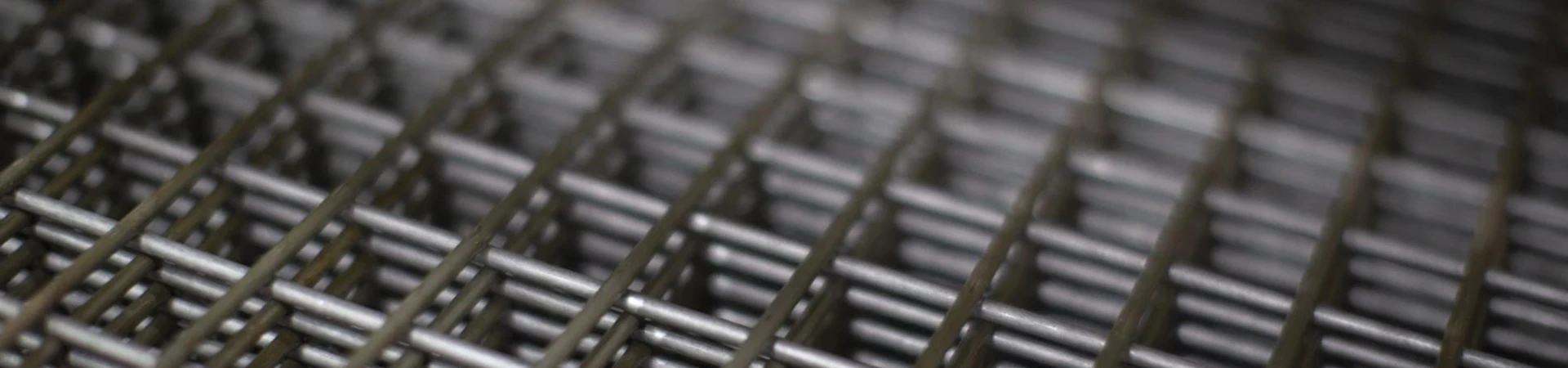
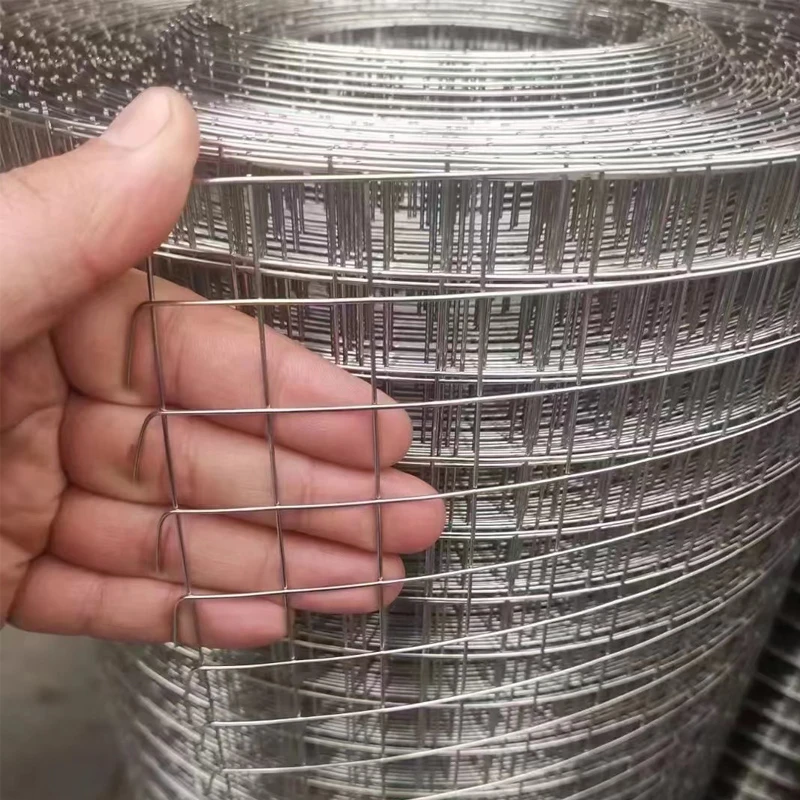
To be honest, the whole wire mesh wholesale game has been buzzing lately about prefabrication. Everyone's talking about speeding things up, getting things modular… it’s a big push. It’s not exactly new, but the scale is different now. People aren’t just thinking about pre-fab homes, but entire sections of buildings, even infrastructure components. You see it particularly in the booming data center construction – they need speed, and they need consistency. And honestly, speed is usually the driver.
But have you noticed how everyone jumps on the 'strongest possible' bandwagon? They spec these insane tensile strengths for the wire mesh wholesale, and then the poor guy on site is fighting to bend it into shape. I encountered this at a factory in Foshan last time – the mesh was so stiff, they were snapping bolts just trying to fasten it. It's a classic trap. Strength is important, obviously, but workability is crucial. A mesh that's impossible to handle isn’t saving anyone time.
We mainly work with galvanized steel wire mesh wholesale, stainless steel (304 and 316 mostly, depending on the environment), and sometimes even PVC-coated stuff. The galvanized stuff… well, it smells like metal, obviously. It gets slick with handling, gets little burrs easily. You gotta wear gloves. The stainless, especially the 316, that's smooth, almost cold to the touch. Feels higher quality, you know? And the PVC coated, that one's… well, it smells like plastic. It's durable, but it doesn’t breathe, so you gotta watch for condensation buildup.
The Rise of Prefabrication in Wire Mesh Wholesale
Strangely enough, a lot of the demand isn’t even coming directly from construction anymore. It’s coming from other sectors. Like, filtration systems are huge – water treatment plants, air purification. And the agricultural side, for poultry enclosures, animal containment... they're all needing bulk wire mesh wholesale. It's a subtle shift, but it’s changing the volume we’re moving.
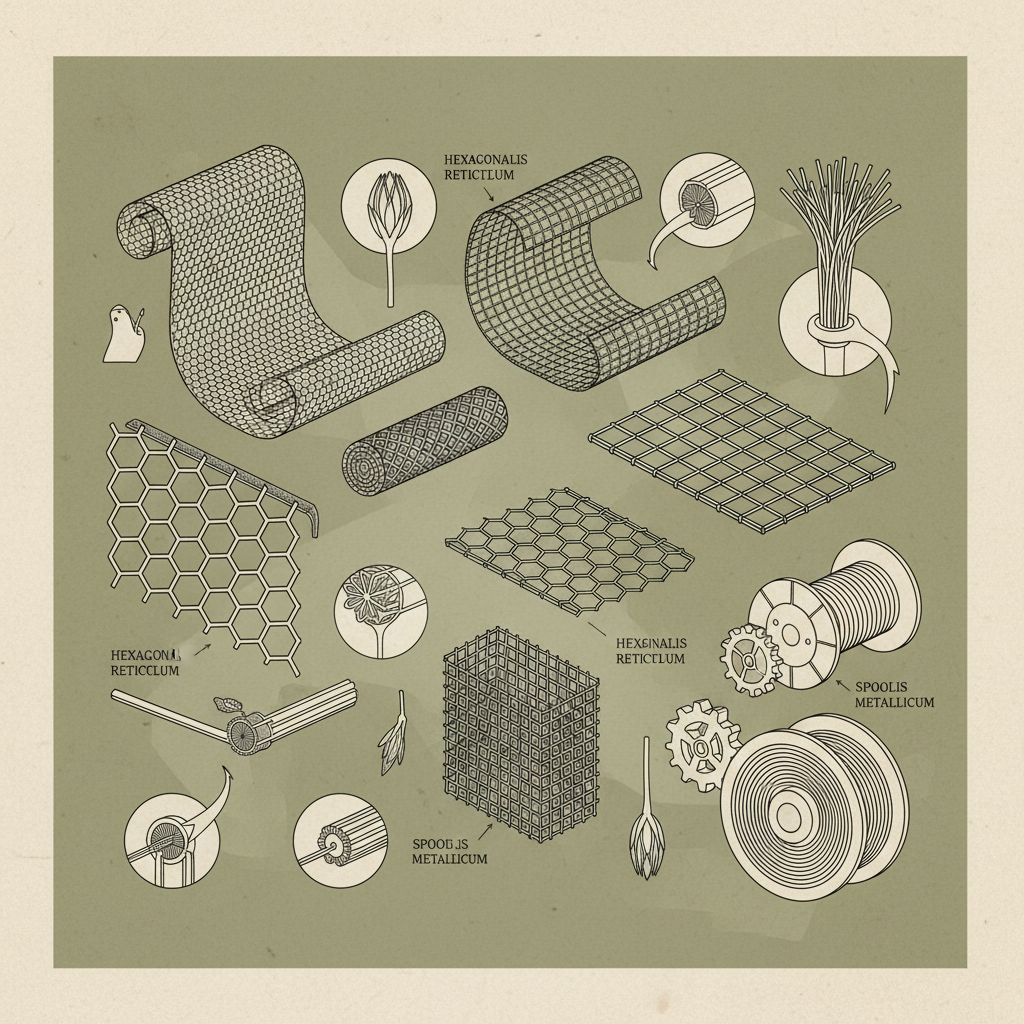
The prefabrication push is directly impacting this. Companies are wanting mesh delivered pre-cut, pre-bent, even partially assembled into panels. Less waste, faster assembly on their end. Makes sense, right? But it also puts more pressure on our quality control.
FAQS
Lead times really depend on the complexity of the order and our current workload. Generally, for standard customizations like different mesh sizes or coatings, we can deliver within 2-3 weeks. But for more complex designs, or large quantities, it can take 6-8 weeks or even longer. It's always best to get a quote and confirm the delivery date upfront. We try to be transparent about it, because delays are a pain for everyone.
That’s a good question. The wire gauge depends on the load it needs to bear and the level of security you require. Thicker wire provides greater strength and durability, but it also increases the cost and weight. We typically recommend starting with a wire gauge that's appropriate for the expected load, and then adding a safety factor. It’s always better to err on the side of caution. A structural engineer can also give you guidance.
Galvanized steel is coated with a layer of zinc to protect it from rust. It’s more affordable than stainless steel, but it’s not as corrosion-resistant. Stainless steel, especially 316 grade, is highly resistant to corrosion and is ideal for harsh environments. The downside is that it's significantly more expensive. If you're in a saltwater environment, stainless is almost always the way to go. Otherwise, galvanized can be a good option.
Yes, wire mesh can be welded, but it requires proper technique and equipment. You need to use a low-heat welding process to avoid damaging the mesh. And the wire gauge needs to be appropriate for welding. We offer welding services in-house, and we can also provide guidance to customers who want to do it themselves. Be careful, because if you overheat it, you'll lose the temper of the steel and it'll become brittle.
Our standard galvanized steel and stainless steel mesh are inherently fire-resistant. They won't burn or melt. However, PVC-coated mesh is flammable and should not be used in applications where fire resistance is critical. We also offer specialized fire-resistant coatings for certain applications. It’s important to check local building codes and regulations to ensure compliance.
We have a rigorous quality control process that starts with the raw materials and continues throughout the manufacturing process. We inspect the wire for defects, check the mesh size and wire diameter, and perform coating thickness measurements. We also conduct regular pull tests and bend tests to ensure that the mesh meets our specifications. And as I said earlier, we get feedback from customers and fabricators to continuously improve our quality.
Conclusion
So, what's the takeaway? Wire mesh wholesale isn’t glamorous, but it's essential. It's a versatile, cost-effective material that’s used in a wide range of applications. The market's shifting towards prefabrication and customization, so we need to be agile and responsive to customer needs. Understanding the materials, the applications, and the limitations is key to delivering a quality product.
Ultimately, whether this thing works or not, the worker will know the moment he tightens the screw. If it bends too easily, if it breaks, if it doesn’t fit… they’ll let you know. And honestly, that’s the best feedback you can get. Visit our website for more information and to request a quote.

Related Products
Related News


2026-08-27 16:53:08
What Are the Key Differences Between Pulse Electric Fence and Traditional Security Fences?
When it comes to perimeter protection, choosing the right security solution is essential for safeguarding people, property, and valuable assets.

2026-08-27 16:48:09
Key Benefits of Installing a Perimeter Security Electric Fence Around Factories and Warehouses
In today’s industrial environment, factories and warehouses face increasing security challenges ranging from theft and vandalism to unauthorized access and operational disruptions.

2026-08-27 16:44:07
How to Choose a High Quality Farm Electric Fence Exporter for Your Agricultural Project?
As modern agriculture continues to develop, livestock management and property protection have become increasingly important for farmers around the world.

2026-08-27 16:41:24
Industrial facilities today face growing security challenges that can result in significant financial losses, operational disruptions, and safety risks.

2026-08-27 16:37:36
Design Principles of a Residential Electric Fence: Balancing Security, Aesthetics, and Functionality
When designing a modern residential perimeter, security is no longer the only consideration.

2026-08-27 16:34:02
A Guide to Choosing a Pulse Electric Fence for High-Security Areas: Benefits and Custom Solutions
Protecting high-security facilities requires more than a conventional fence or a passive physical barrier. Government facilities, power and energy stations, industrial parks, restricted areas, mining sites, and other critical infrastructure often face risks such as unauthorized access, climbing, cutting, forced entry, and vandalism.

2026-08-18 10:01:19
Ultimate Guide to Easy Electric Fencing for Livestock
With the continuous development of modern farming and animal husbandry, efficient livestock management has become increasingly important for improving breeding efficiency and reducing daily management costs.

2026-08-18 09:56:07
Pulse Electric Fence: A Complete Guide to Materials, Types, Installation, Applications, and Price
With the increasing demand for reliable perimeter security solutions, traditional fences alone are often unable to meet modern protection requirements.


 English