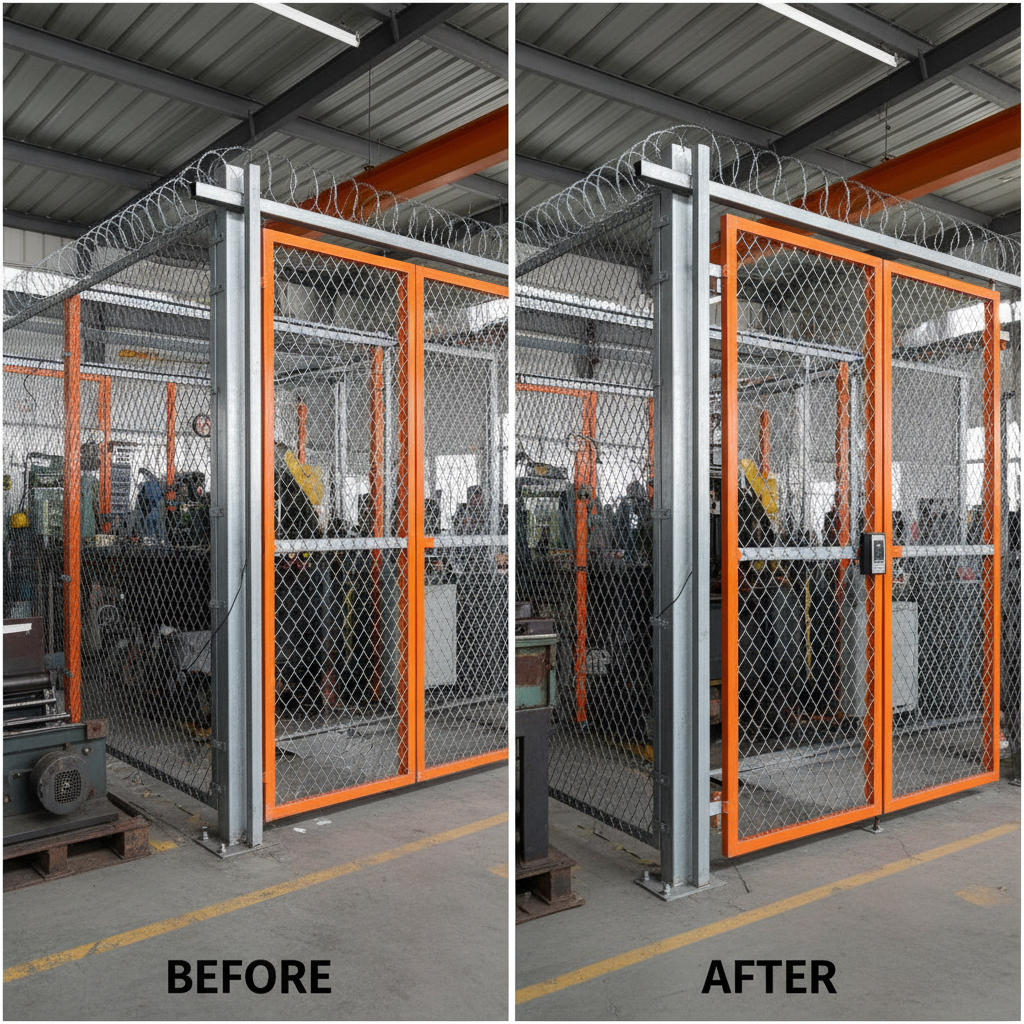
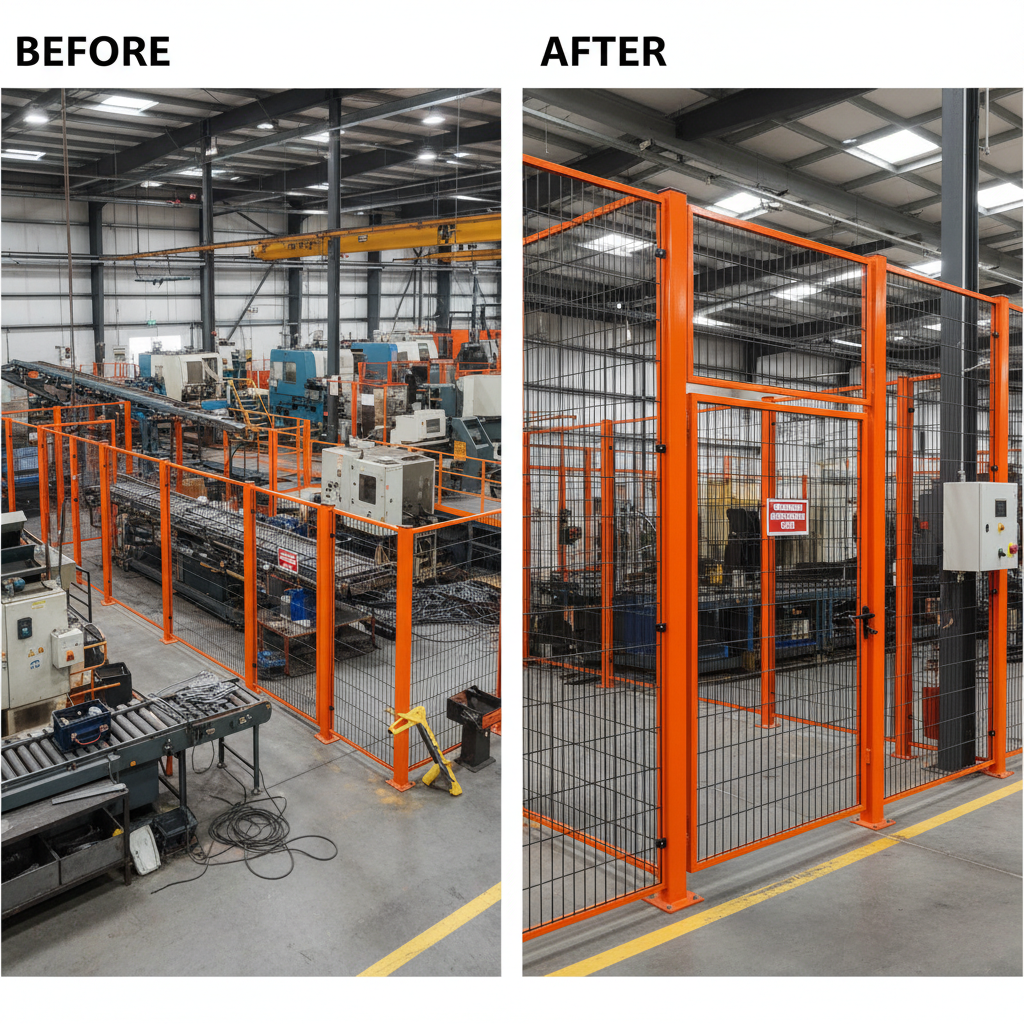
1 inch square mesh fencing is a versatile and robust material gaining prominence across various industries worldwide. Its unique construction – a grid of interwoven wires with one-inch openings – provides a balance of security, visibility, and airflow. From agricultural applications to high-security perimeters, this fencing solution addresses critical needs for containment, protection, and efficient resource management. Understanding its properties and applications is crucial for professionals and decision-makers in sectors ranging from construction and agriculture to security and humanitarian aid.
The global demand for effective and durable fencing solutions is consistently growing, driven by factors like increasing security concerns, rapid urbanization, and the need for efficient agricultural practices. 1 inch square mesh fencing answers this demand by offering a cost-effective and long-lasting alternative to traditional fencing materials. Its adaptability and ease of installation make it particularly valuable in challenging environments, where rapid deployment and resilience are paramount. The UN estimates a growing need for robust infrastructure in disaster relief and refugee camps, where fencing plays a critical role in establishing secure boundaries and protecting vulnerable populations.
Ultimately, 1 inch square mesh fencing isn’t simply about keeping things in or out; it's about providing peace of mind, enabling efficient operations, and contributing to safer, more secure environments. Its increasing adoption reflects a global shift towards practical, reliable, and adaptable infrastructure solutions. This material stands out as a key component in modern safety and containment strategies.
Introduction to 1 inch square mesh fencing
The strength of 1 inch square mesh fencing lies in its simple, yet effective design. The consistent square openings provide a uniform barrier, capable of containing animals, securing perimeters, and providing support for climbing plants. It’s a solution frequently chosen when visibility and airflow are desired, distinguishing it from solid fencing alternatives.
This type of fencing has seen increased use in diverse applications, from agricultural enclosures and animal containment to high-security installations and even architectural features. The demand stems from its durability, cost-effectiveness, and relatively easy installation process, making it a practical choice for a wide range of projects.
The Global Context of 1 inch square mesh fencing
Globally, the market for fencing materials is substantial and steadily expanding. According to a report by Transparency Market Research, the global fencing market was valued at approximately US$28.3 billion in 2022 and is projected to reach US$40.1 billion by 2032. A significant portion of this demand is driven by the need for secure perimeter solutions in both developed and developing nations. The agricultural sector, in particular, contributes heavily to this demand, especially in regions focused on livestock farming and crop protection.
Increasing urbanization and a growing emphasis on security in public spaces also contribute to the demand for robust fencing solutions. Moreover, the need for disaster relief and emergency preparedness, particularly in areas prone to natural disasters or conflict, is creating a consistent demand for rapidly deployable and durable fencing options, with 1 inch square mesh fencing being a prime candidate.
ISO standards play a crucial role in ensuring the quality and performance of fencing materials. Compliance with these standards, such as those related to corrosion resistance and tensile strength, is becoming increasingly important for manufacturers and end-users alike, driving a demand for higher-quality 1 inch square mesh fencing products.
Defining 1 inch square mesh fencing
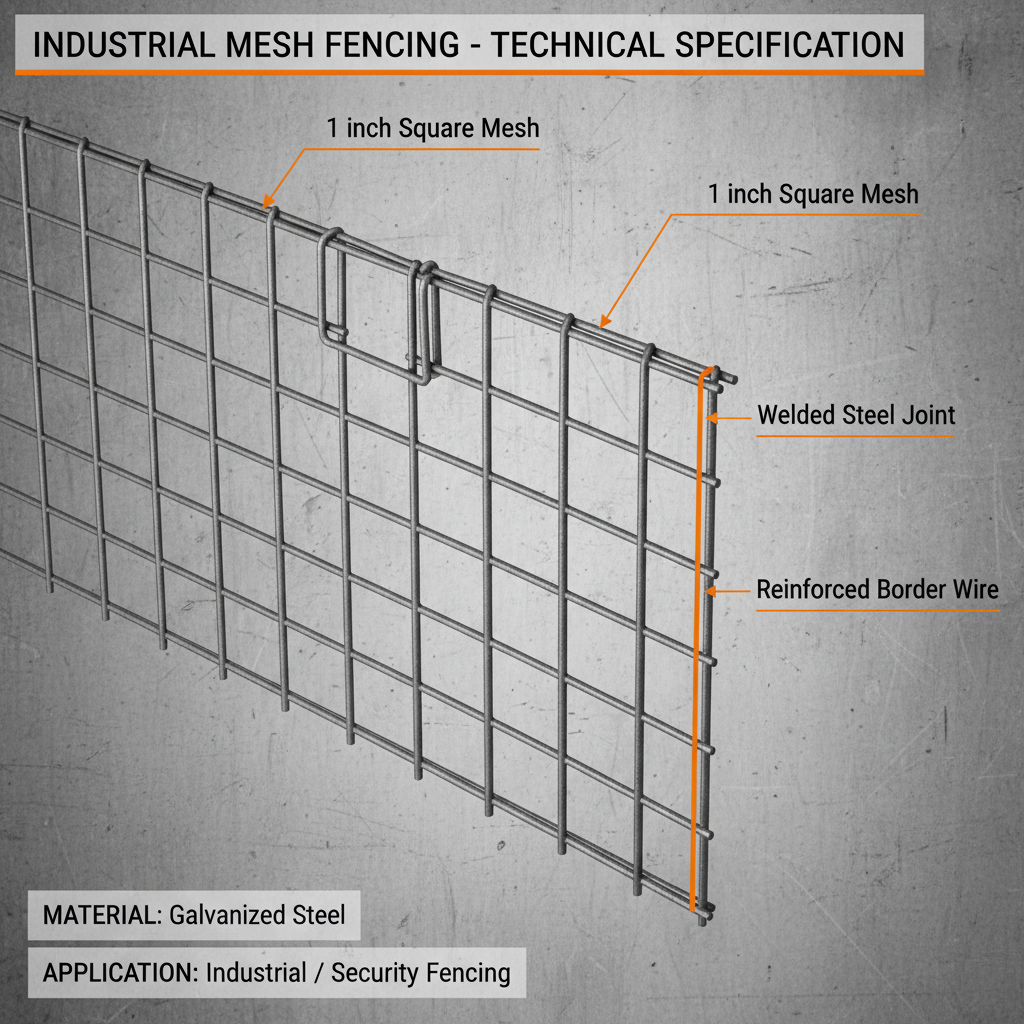
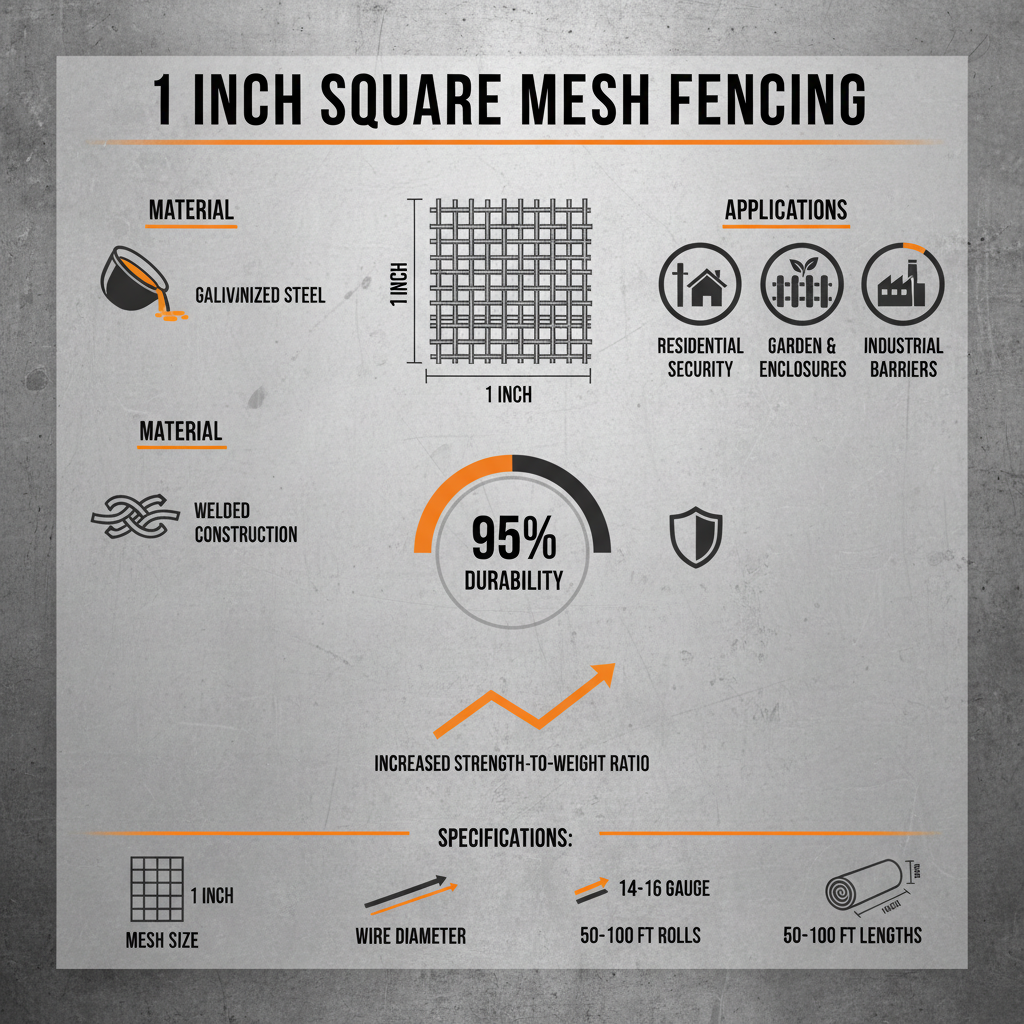
1 inch square mesh fencing refers to a type of woven wire fencing characterized by a grid pattern where the openings are one inch by one inch. It’s typically constructed from galvanized steel wire, although stainless steel and other materials are also used to enhance corrosion resistance and durability. The weaving process creates a strong and relatively flexible structure.
Its connection to modern needs is profound. In agriculture, it offers secure and cost-effective animal containment. In construction, it serves as safety netting and temporary barriers. Humanitarian organizations utilize it for establishing secure perimeters in refugee camps and disaster relief zones. It’s increasingly valued not just for its functional benefits but also for its ability to provide a balance between security and visibility.
Fundamentally, 1 inch square mesh fencing represents a practical and adaptable infrastructure element. Its design prioritizes both containment and monitoring, making it an ideal solution for a broad spectrum of challenges encountered in diverse operational landscapes.
Key Factors of 1 inch square mesh fencing
The popularity of 1 inch square mesh fencing is rooted in several key attributes that make it a superior choice for numerous applications. These characteristics contribute to its widespread adoption and continued relevance across diverse industries.
Let's delve into some of these aspects:
Durability Ratings for Different 1 inch square mesh fencing Types
Global Applications of 1 inch square mesh fencing
1 inch square mesh fencing finds application in a surprisingly wide array of settings worldwide. In Australia, it’s widely used for livestock containment, particularly for sheep and cattle, owing to its ability to withstand harsh weather conditions and prevent animal escape. In the United States, it’s a popular choice for poultry farming and garden protection.
Across Europe, the fencing is employed in vineyards and orchards, providing support for growing plants while deterring pests. In post-disaster relief operations in regions like Haiti and Nepal, 1 inch square mesh fencing has been invaluable for establishing temporary shelters and secure perimeters in refugee camps. Its rapid deployment capabilities are crucial in these urgent scenarios.
In remote industrial zones in Canada and Russia, 1 inch square mesh fencing secures valuable equipment and prevents unauthorized access. Even in urban environments, it’s utilized for security fencing around construction sites and for creating safe barriers in public parks.
Advantages of 1 inch square mesh fencing
The tangible benefits of utilizing 1 inch square mesh fencing are numerous. Its relatively low cost compared to other fencing materials makes it an accessible solution for a wide range of budgets. Furthermore, its durability ensures a long lifespan, reducing the need for frequent replacements, thus lowering long-term costs.
Beyond economic advantages, 1 inch square mesh fencing contributes to increased safety and security. The consistent mesh pattern deters unwanted access while still allowing for visibility, providing a sense of security without creating an oppressive barrier. This sense of security and the peace of mind it provides are often underestimated, yet are vital components of its overall value.
Future Trends in 1 inch square mesh fencing
The future of 1 inch square mesh fencing is likely to be shaped by advancements in materials science and manufacturing techniques. Research into more sustainable and environmentally friendly coating materials is gaining momentum, aiming to reduce the environmental impact of production and disposal. Developments in smart fencing technology, integrating sensors and communication capabilities, are also on the horizon.
We can expect to see increased automation in the manufacturing process, leading to higher precision, reduced waste, and lower production costs. Moreover, the integration of digital tracking and monitoring systems will enhance the security and management capabilities of 1 inch square mesh fencing, making it an even more valuable asset in diverse applications.
The pursuit of lighter-weight and stronger materials will also drive innovation. Composites and advanced alloys may replace traditional steel in certain applications, offering enhanced performance and durability. These advancements will solidify the position of 1 inch square mesh fencing as a leading solution for containment and security needs.
Challenges and Solutions Related to 1 inch square mesh fencing
While 1 inch square mesh fencing offers numerous benefits, certain challenges are associated with its use. Corrosion, particularly in harsh environments, remains a concern, even with galvanized coatings. Another challenge is the potential for damage from large animals or extreme weather events, which can compromise the integrity of the fence.
Innovative solutions are being developed to address these issues. Utilizing stainless steel wire, although more expensive, offers superior corrosion resistance. Employing heavier gauge wire and reinforced weaving patterns can increase the fence's strength and resilience. Regular inspection and maintenance, including applying protective coatings and repairing any damage, are also crucial for extending the lifespan of the fence.
Further, incorporating advanced coating technologies, such as ceramic coatings or polymer blends, can provide enhanced protection against corrosion and abrasion. Investing in these preventative measures ensures that 1 inch square mesh fencing continues to deliver long-term value and reliability.
Summary of Challenges and Corresponding Solutions for 1 inch square mesh fencing
| Challenge |
Impact |
Solution |
Implementation Cost |
| Corrosion |
Reduced lifespan, weakened structure |
Utilize stainless steel wire or advanced coatings |
Medium to High |
| Damage from Animals |
Breaches in security, loss of containment |
Use heavier gauge wire, reinforce weaving |
Low to Medium |
| Weather-Related Damage |
Sagging, tearing, structural failure |
Regular inspection, timely repairs, wind bracing |
Low |
| Installation Complexity |
Increased labor costs, potential for errors |
Professional installation, pre-assembled sections |
Medium |
| Limited Height Options |
May not be suitable for all security applications |
Combine with other fencing systems, add security features |
Low to Medium |
| Visibility Concerns |
May not provide complete privacy |
Add privacy slats or vegetation screening |
Low to Medium |
FAQs
1 inch square mesh fencing is frequently used in agriculture for containing livestock, protecting crops from pests like birds and deer, and providing support for climbing plants. Its open design allows for airflow and visibility, ensuring the well-being of animals and the health of plants. It’s a cost-effective and durable solution for farmers seeking to improve efficiency and security.
While galvanized steel offers good corrosion resistance, stainless steel significantly outperforms it in terms of longevity, especially in harsh environments like coastal areas or industrial zones. Stainless steel is less prone to rust and degradation, resulting in a longer lifespan and reduced maintenance requirements. However, stainless steel comes at a higher initial cost.
The recommended post spacing for 1 inch square mesh fencing typically ranges from 8 to 12 feet, depending on the terrain and the intended use. Closer spacing is recommended for areas with heavy animal pressure or high wind exposure. Properly spaced posts provide adequate support and prevent the fence from sagging or collapsing.
Yes, 1 inch square mesh fencing can be used for security, providing a visible deterrent and a physical barrier. However, it’s not as secure as solid fencing options. Its open design allows for visibility, which can be a disadvantage in certain situations. Adding security features like barbed wire or surveillance cameras can enhance its security capabilities.
1 inch square mesh fencing can be a sustainable option, particularly when utilizing recycled materials or galvanized steel with long lifespans. The durability of the material reduces the need for frequent replacements, minimizing waste. Choosing environmentally friendly coatings and responsible manufacturing processes further enhances its sustainability profile.
The cost of installing 1 inch square mesh fencing can vary depending on factors like the type of wire used (galvanized, stainless steel), post materials, labor costs, and terrain complexity. Generally, you can expect to pay between $3 to $8 per linear foot for materials and installation, but this is a rough estimate and can fluctuate.
Conclusion
In conclusion, 1 inch square mesh fencing is a versatile, cost-effective, and durable solution addressing diverse needs across agriculture, security, and humanitarian sectors. Its balance of strength, visibility, and airflow, combined with its relative ease of installation, makes it a preferred choice for a wide range of applications. Understanding its strengths and limitations, and staying informed about emerging trends in materials and technology, is crucial for maximizing its benefits.
Looking ahead, continued innovation in coating technologies, smart fencing integration, and sustainable manufacturing practices will further enhance the value and adaptability of 1 inch square mesh fencing. For reliable fencing solutions, explore our extensive range of products at JinShield Mesh. We are dedicated to providing high-quality, durable, and cost-effective 1 inch square mesh fencing solutions to meet your specific needs.