1. 2 m wire mesh fencing plays a crucial role in modern infrastructure, security, and even humanitarian efforts globally. From agricultural applications to perimeter security, its versatility and cost-effectiveness make it a fundamental component in numerous sectors. Understanding its properties, applications, and future trends is essential for professionals across engineering, construction, and disaster relief.
The demand for reliable and adaptable fencing solutions is consistently increasing worldwide, driven by population growth, urbanization, and the rising need for secure environments. 1.2 m wire mesh fencing offers a practical and efficient solution, particularly in situations requiring rapid deployment and cost-conscious solutions. Its adaptability to diverse terrains and purposes solidifies its global relevance.
Investing in knowledge about 1.2 m wire mesh fencing empowers informed decision-making, optimizing project outcomes, and ensuring safety and security. This understanding extends beyond simple material selection to encompass installation best practices, maintenance strategies, and emerging innovations that enhance its performance and lifespan.
The Significance of 1.2 m Wire Mesh Fencing
1. 2 m wire mesh fencing is a foundational element in numerous industries and applications. Its strength, durability, and affordability make it a preferable choice over more expensive fencing options in many situations. From securing construction sites to providing containment for livestock, the versatility of this fencing material is well-established.
Beyond functional applications, 1.2 m wire mesh fencing is increasingly employed in security systems, disaster relief, and temporary enclosures. Its ease of installation and portability contribute to its widespread adoption, especially in rapid-response scenarios where immediate perimeter control is critical.
Global Context and Industry Relevance
The global fencing market is substantial and growing, driven by infrastructure development, security concerns, and agricultural needs. According to industry reports, the demand for wire mesh fencing, including the 1.2 m variant, constitutes a significant portion of this market. Emerging economies, in particular, are driving demand due to rapid urbanization and increased investment in infrastructure.
The ISO 9001 certification for fencing manufacturers is becoming increasingly important, demonstrating a commitment to quality and consistency. Countries like China, India, and Brazil are major producers and consumers of wire mesh fencing, playing a vital role in the global supply chain. This underlines the significance of understanding the material’s standards and applications.
A pressing challenge globally is balancing security needs with cost-effectiveness. 1.2 m wire mesh fencing effectively addresses this challenge by offering a robust security solution at a comparatively lower price point than alternatives like concrete walls or solid steel fencing. This accessibility makes it a crucial component in securing perimeters across various sectors.
Defining 1.2 m Wire Mesh Fencing
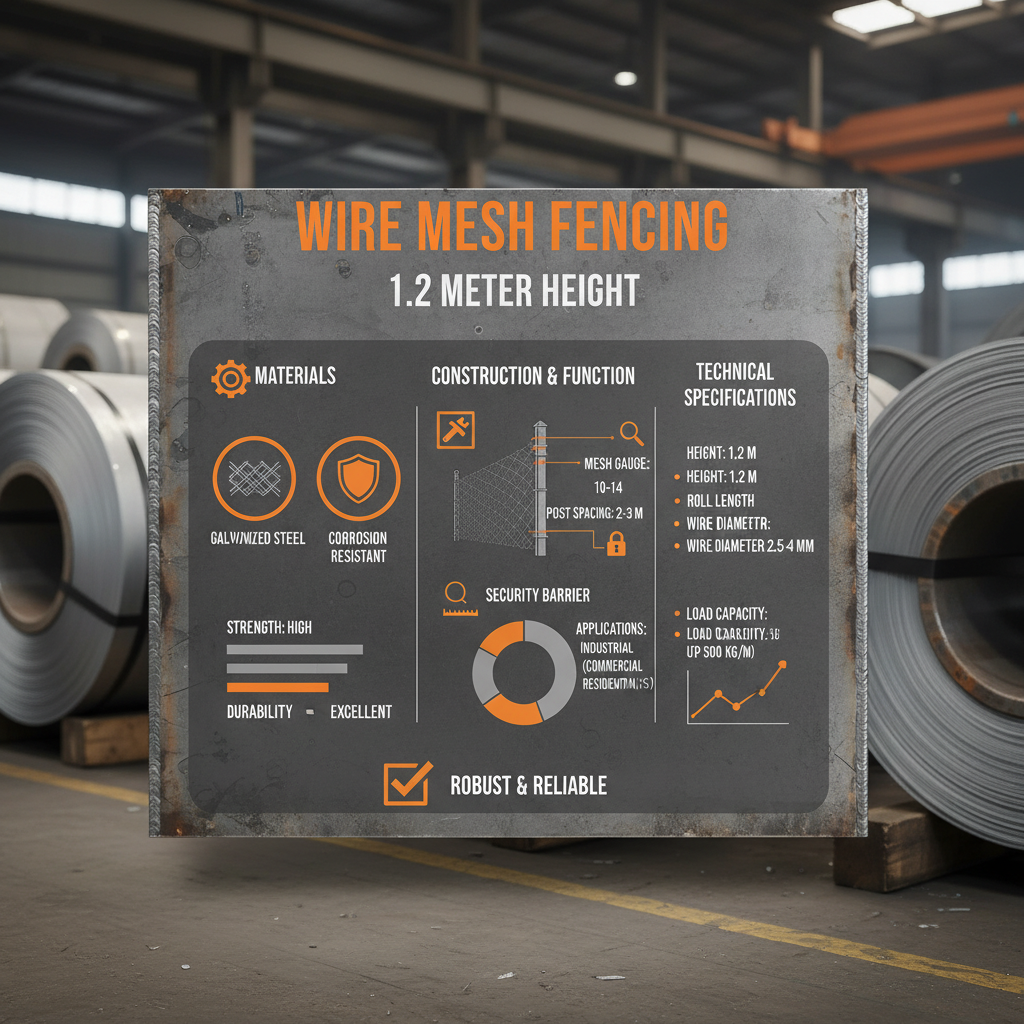
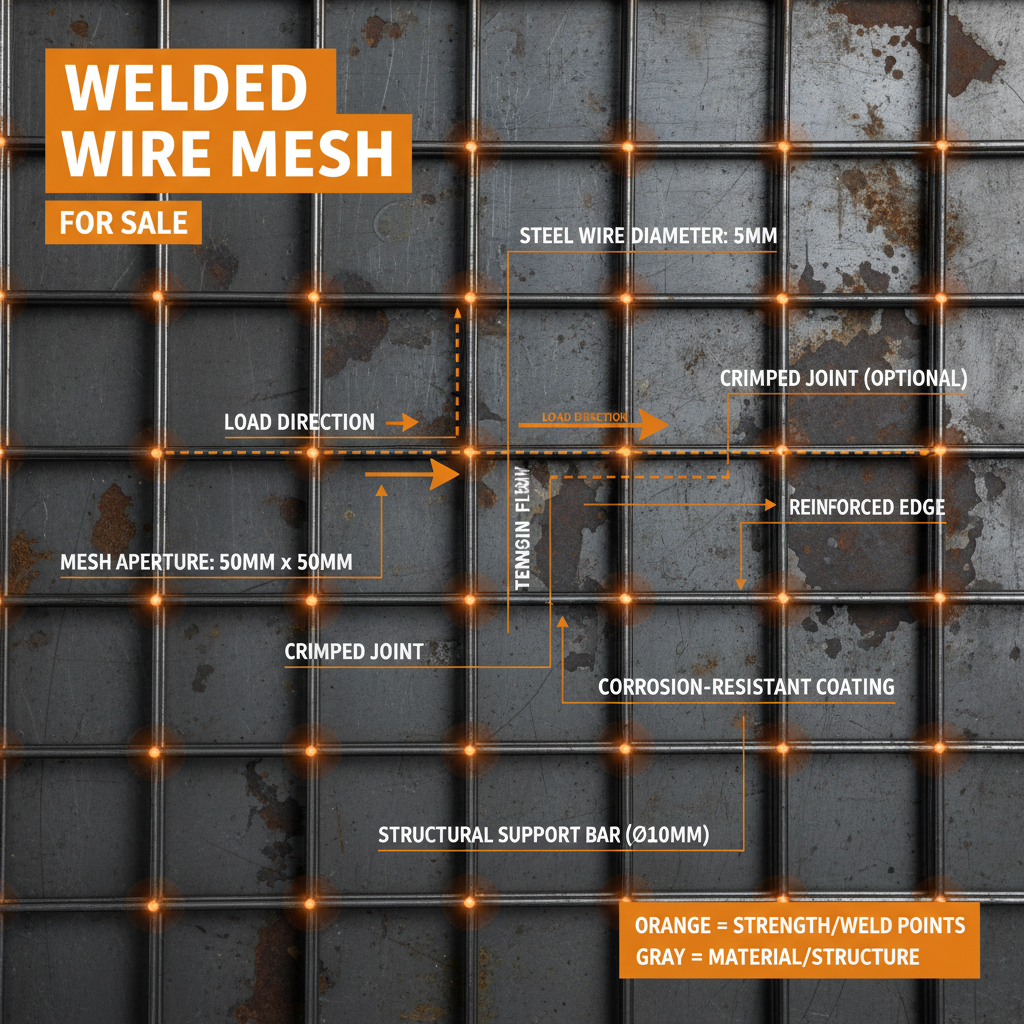
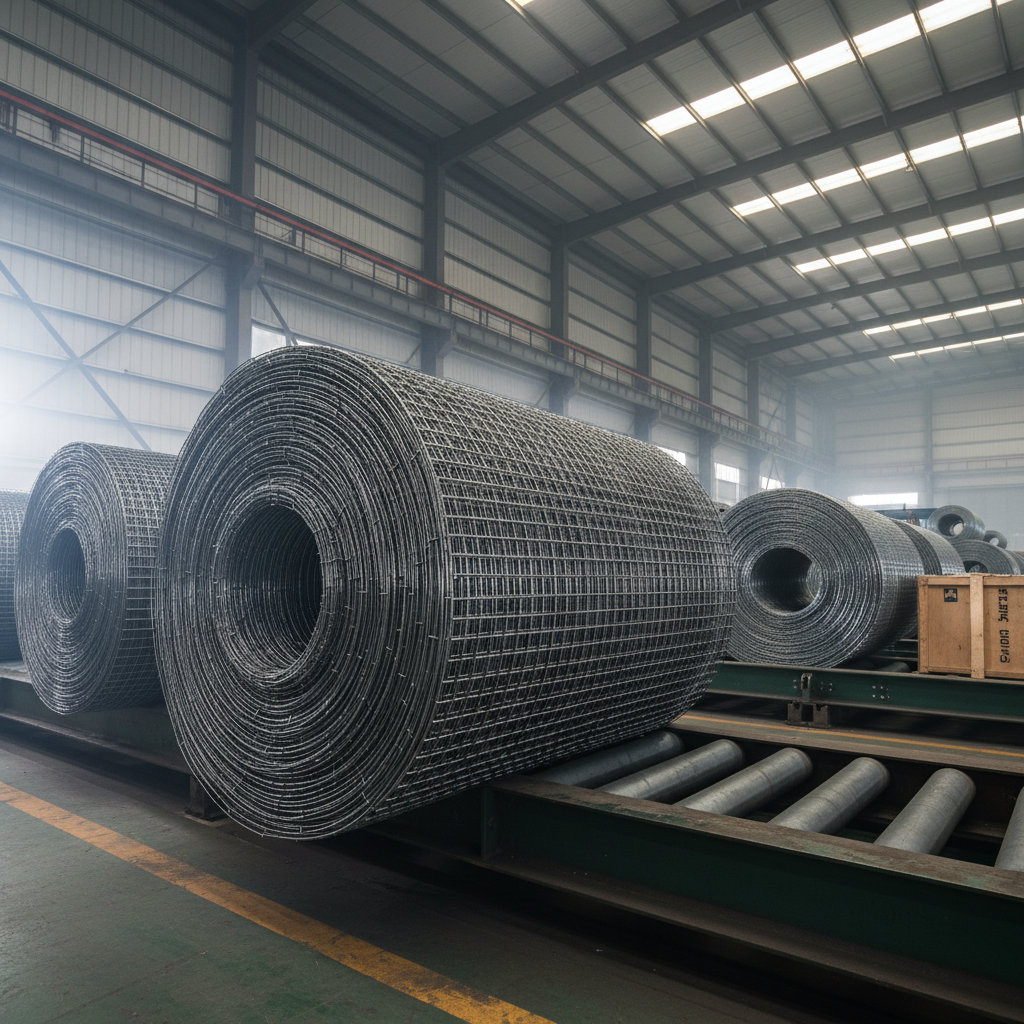
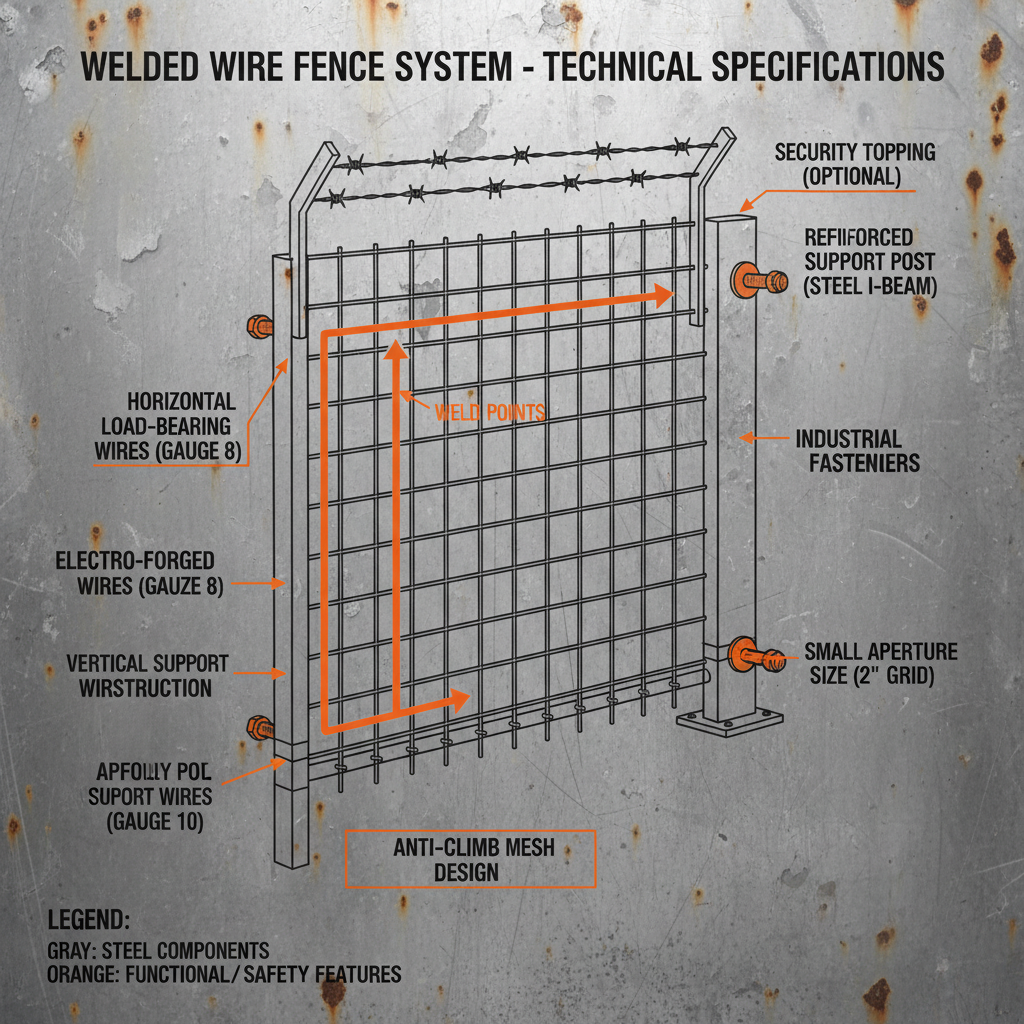
1. 2 m wire mesh fencing refers to a type of fencing constructed from woven or welded wire, typically with apertures ranging from 25mm to 50mm. The ‘1.2 m’ designation indicates the standard height of the fencing. It’s commonly made from galvanized steel wire, providing resistance to corrosion, and often features a PVC coating for enhanced durability and aesthetic appeal.
Its connection to modern industry and humanitarian needs lies in its adaptability. It’s frequently used in livestock management, ensuring animal containment while minimizing disruption to natural grazing patterns. In disaster relief, it provides swift perimeter establishment for refugee camps and temporary shelters, offering a degree of security and privacy.
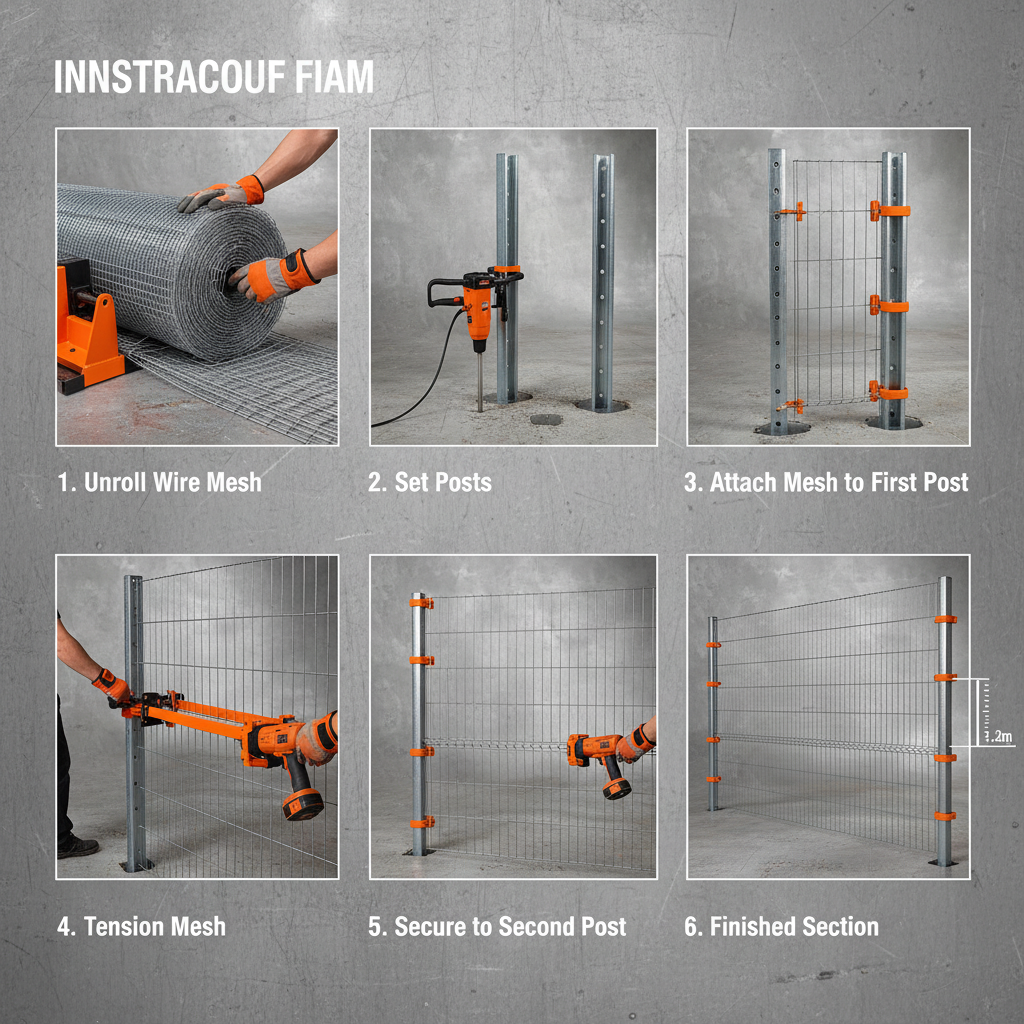
Furthermore, 1.2 m wire mesh fencing’s straightforward installation process makes it ideal for self-assembly in remote locations or emergency situations. This ease of use, coupled with its relatively lightweight nature, significantly contributes to its widespread adoption in diverse contexts, aligning with evolving global needs.
Key Factors and Core Components
The effectiveness of 1.2 m wire mesh fencing relies on several key factors. Firstly, Durability is paramount, with galvanized steel and PVC coatings providing resistance to weather, corrosion, and general wear and tear, ensuring a long lifespan. Secondly, Scalability allows for easy adaptation to varying terrain and perimeter requirements.
Cost Efficiency is another crucial aspect; compared to more robust fencing options, 1.2 m wire mesh fencing presents a significantly more affordable solution without compromising on fundamental security. Ease of Installation minimizes labor costs and allows for quick deployment, especially in time-sensitive scenarios. Lastly, Visibility is important in some contexts, allowing for clear sightlines while still providing a defined boundary.
Performance Metrics of 1.2 m Wire Mesh Fencing Types
Global Applications & Use Cases
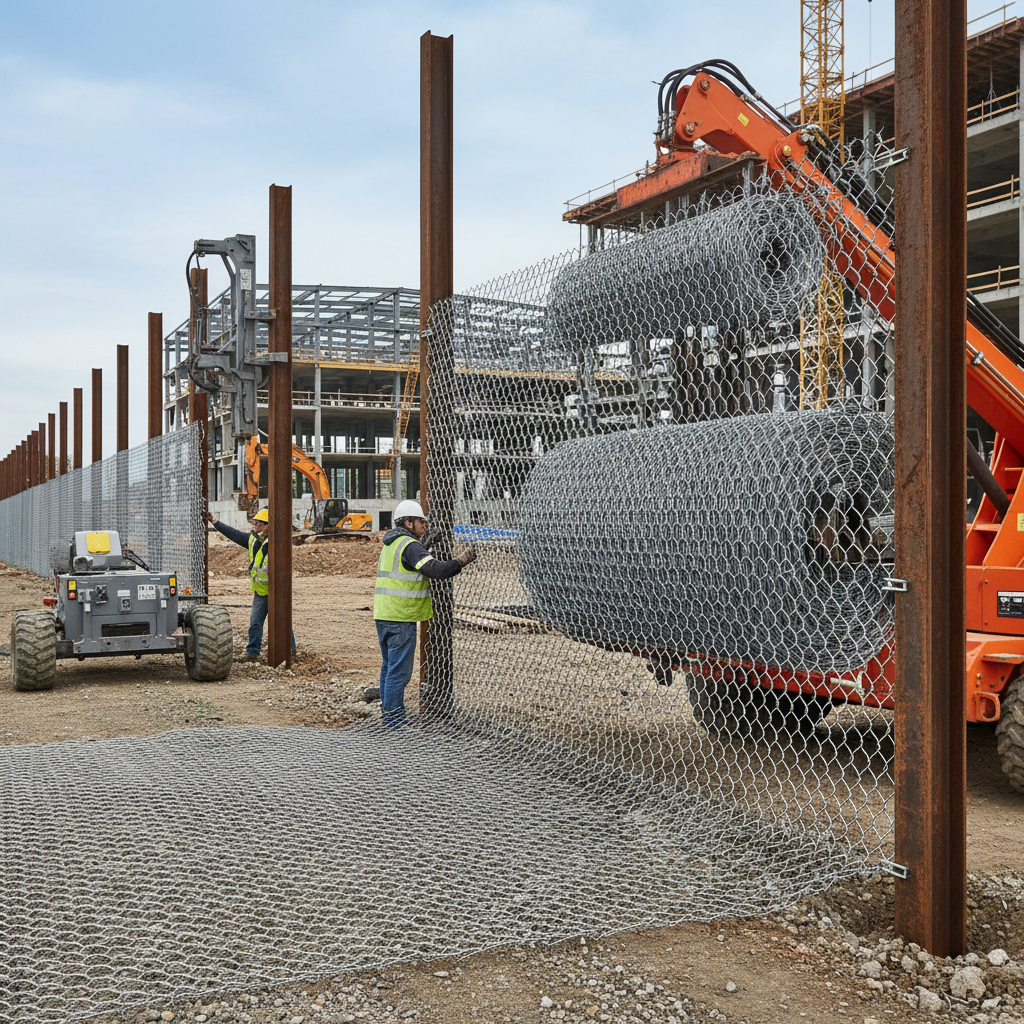
1. 2 m wire mesh fencing finds application across diverse sectors. In agriculture, it protects crops and livestock from predators and unauthorized access. In construction, it secures job sites and prevents material theft. Security companies utilize it for perimeter control in residential and commercial properties.
In post-disaster relief operations, it’s swiftly deployed to establish secure zones for refugees and aid distribution centers, providing a critical sense of safety and order. In remote industrial zones, it marks boundaries and protects valuable assets, especially where long-term, robust security is needed but capital investment is limited.
Organizations like the UNHCR frequently employ 1.2 m wire mesh fencing in refugee camps worldwide. Agricultural cooperatives in developing nations use it to enhance livestock management and protect harvests. Security firms in urban centers rely on it for perimeter defense. This widespread application underscores its global utility.
Advantages and Long-Term Value
The tangible benefits of 1.2 m wire mesh fencing are numerous. It offers significant cost savings compared to alternatives like concrete or wrought iron. Its relatively lightweight nature reduces transportation and installation expenses. The inherent flexibility of the wire mesh allows it to conform to uneven terrain, minimizing the need for extensive site preparation.
Beyond the practical, 1.2 m wire mesh fencing contributes to long-term value through its durability and minimal maintenance requirements. Its robust construction provides a sense of security and contributes to a safer environment, enhancing peace of mind. This fosters trust and promotes sustainable community development.
Future Trends and Innovations
Innovation in 1.2 m wire mesh fencing is focused on enhancing security and sustainability. The integration of smart technology, such as embedded sensors for intrusion detection, is gaining traction. Research into bio-based coatings and materials is aimed at reducing the environmental impact of production and disposal.
Digital transformation plays a role, with advanced modeling and design tools allowing for optimized fencing layouts and reduced material waste. Automation in manufacturing processes is increasing efficiency and reducing costs. The demand for eco-friendly fencing solutions, utilizing recycled materials, is expected to grow significantly.
The convergence of fencing with renewable energy systems, such as integrating solar panels into fencing structures, represents an emerging trend. These innovations aim to create multifunctional fencing solutions that deliver added value beyond perimeter security, aligning with global sustainability goals.
Challenges & Solutions
Despite its benefits, 1.2 m wire mesh fencing faces challenges like susceptibility to cutting or climbing, particularly in high-security applications. Corrosion, even with galvanized coatings, can occur over extended periods in harsh environments. Aesthetic concerns can arise in situations demanding a more visually appealing boundary solution.
Solutions include incorporating anti-climb features like razor wire or barbed wire extensions (where permissible), utilizing heavier gauge wire for increased resistance to cutting, and opting for robust PVC coatings for enhanced corrosion protection. Integrating landscaping or cladding can mitigate aesthetic concerns.
Furthermore, advancements in material science are leading to the development of more cut-resistant wire alloys and innovative coating technologies. Regular maintenance and inspection are crucial for prolonging the lifespan and effectiveness of 1.2 m wire mesh fencing, ensuring continued security and value.
Summary of Challenges and Solutions for 1.2 m Wire Mesh Fencing
| Challenge |
Impact Level (1-5) |
Proposed Solution |
Implementation Cost (Low/Medium/High) |
| Vulnerability to Cutting |
4 |
Utilize heavier gauge wire, anti-cut mesh |
Medium |
| Corrosion in Harsh Environments |
3 |
Robust PVC coating, regular maintenance |
Low |
| Climbing Potential |
3 |
Add anti-climb extensions (razor wire) |
Medium |
| Aesthetic Concerns |
2 |
Landscaping, cladding, color options |
Low/Medium |
| Limited Height for High Security |
4 |
Combine with higher security systems, surveillance |
High |
| Installation on Uneven Terrain |
2 |
Flexible wire mesh, careful post placement |
Low |
FAQS
The lifespan of 1.2 m wire mesh fencing varies depending on the quality of materials and environmental conditions. Galvanized steel fencing can last 10-20 years with minimal maintenance. PVC-coated options extend this lifespan to 20-30 years, offering superior corrosion resistance. Regular inspection and timely repairs can further prolong its usability, making it a cost-effective long-term solution.
1. 2 m wire mesh fencing exhibits good performance in most weather conditions. Galvanized steel provides resistance to rain, snow, and moderate temperatures. However, in coastal areas with high salinity, more frequent maintenance is required to prevent corrosion. Strong winds can also exert force, necessitating robust post installation and wire tensioning. PVC coating adds an extra layer of protection.
While 1.2 m wire mesh fencing provides a visual deterrent and perimeter control, its security level is moderate. For enhanced security, consider combining it with anti-climb extensions, security cameras, or alarm systems. Heavier gauge wire and smaller apertures also improve resistance to cutting and climbing. It's best suited for securing large areas rather than high-security facilities.
The recommended post spacing for 1.2 m wire mesh fencing typically ranges from 2.4 to 3 meters, depending on the terrain and wire gauge. Closer spacing provides greater stability, particularly in areas prone to strong winds or uneven ground. Proper post depth and concrete anchoring are also crucial for ensuring the fence’s structural integrity and longevity. Consulting with a fencing professional is recommended for optimal spacing.
1. 2 m wire mesh fencing can be relatively environmentally friendly, particularly when using galvanized steel with a long lifespan. Choosing PVC-coated options with recycled content further reduces its environmental impact. The recyclability of steel at the end of its lifespan also contributes to sustainability. Exploring bio-based coatings offers a future path toward even greater eco-friendliness.
Regular maintenance for 1.2 m wire mesh fencing includes inspecting for corrosion, damaged wire, and loose connections. Repairing any damage promptly prevents further deterioration. Periodically tightening wire tension and clearing vegetation around the fence line are also important. Applying a protective coating to exposed metal can extend its lifespan, especially in harsh environments.
Conclusion
1. 2 m wire mesh fencing stands as a versatile, cost-effective, and reliable solution for a broad spectrum of applications, from agricultural containment to security perimeters and disaster relief. Its inherent durability, scalability, and ease of installation, coupled with ongoing innovations in materials and technology, ensure its continued relevance in addressing global needs.
Looking ahead, continued investment in sustainable materials, smart technologies, and improved installation techniques will further enhance the value and longevity of 1.2 m wire mesh fencing. To learn more about our products and how we can help you meet your fencing needs, visit our website: www.jinshieldmesh.com