Welded mesh fencing 1.8 m has become an increasingly vital component in a diverse range of applications, from security perimeters and animal containment to industrial safety and even temporary event structures. Its robust construction and cost-effectiveness have driven global demand, making it a staple in both developed and developing nations. Understanding the nuances of this fencing type – its materials, construction, and best-use scenarios – is crucial for engineers, security professionals, and anyone involved in infrastructure planning.
The growing need for efficient and reliable perimeter security, coupled with rising concerns over public safety, fuels the demand for high-quality welded mesh fencing 1.8 m. Global events and geopolitical instability further emphasize the importance of secure boundaries. This demand is bolstered by the fencing's ability to offer a balance between visibility, deterrence, and affordability, making it a practical solution for a wide spectrum of users.
Furthermore, the versatility of welded mesh fencing 1.8 m extends beyond simple containment. Its adaptability to various terrains and ease of installation contribute to its popularity. Modern advancements in coating technologies, like galvanization and powder coating, have dramatically improved its longevity and resistance to corrosion, making it a sustainable and long-term investment. This has broadened its applications into challenging environments where durability is paramount.
Introduction to Welded Mesh Fencing 1.8 m
The standard height of 1.8 meters (approximately 6 feet) for welded mesh fencing offers a practical balance between security and visibility. This height is often preferred in residential, commercial, and industrial settings for its effectiveness in deterring trespassers and containing assets. The strength derived from the welded wire construction, combined with the height, provides a robust physical barrier.
Understanding the core properties of welded mesh fencing 1.8 m, like wire gauge, aperture size, and coating type, is essential for selecting the optimal solution for specific applications. Proper selection ensures longevity, security, and cost-effectiveness, ultimately maximizing the return on investment. Different environments and security requirements necessitate different specifications, highlighting the importance of knowledgeable purchasing decisions.
Global Relevance and Industry Context
The global market for fencing, including welded mesh fencing 1.8 m, is substantial and continuously growing, driven by factors such as population growth, urbanization, and increased security concerns. According to industry reports, the fencing market was valued at over $30 billion in 2023 and is projected to reach $45 billion by 2030. This growth is particularly pronounced in emerging economies undergoing rapid infrastructure development.
A significant challenge in the fencing industry is balancing security needs with aesthetic considerations. While robust security is paramount, many applications, particularly in residential areas, require fencing solutions that blend seamlessly with the surrounding environment. Welded mesh fencing 1.8 m offers a good compromise, providing effective security without being overly imposing. Furthermore, the industry is facing increased scrutiny regarding sustainable materials and manufacturing processes.
International standards, such as those set by ISO and ASTM, play a crucial role in ensuring the quality and performance of welded mesh fencing 1.8 m. Adherence to these standards is vital for manufacturers to maintain credibility and for end-users to ensure they are purchasing a reliable and durable product. These standards cover aspects such as wire tensile strength, weld integrity, and coating thickness.
Defining Welded Mesh Fencing 1.8 m
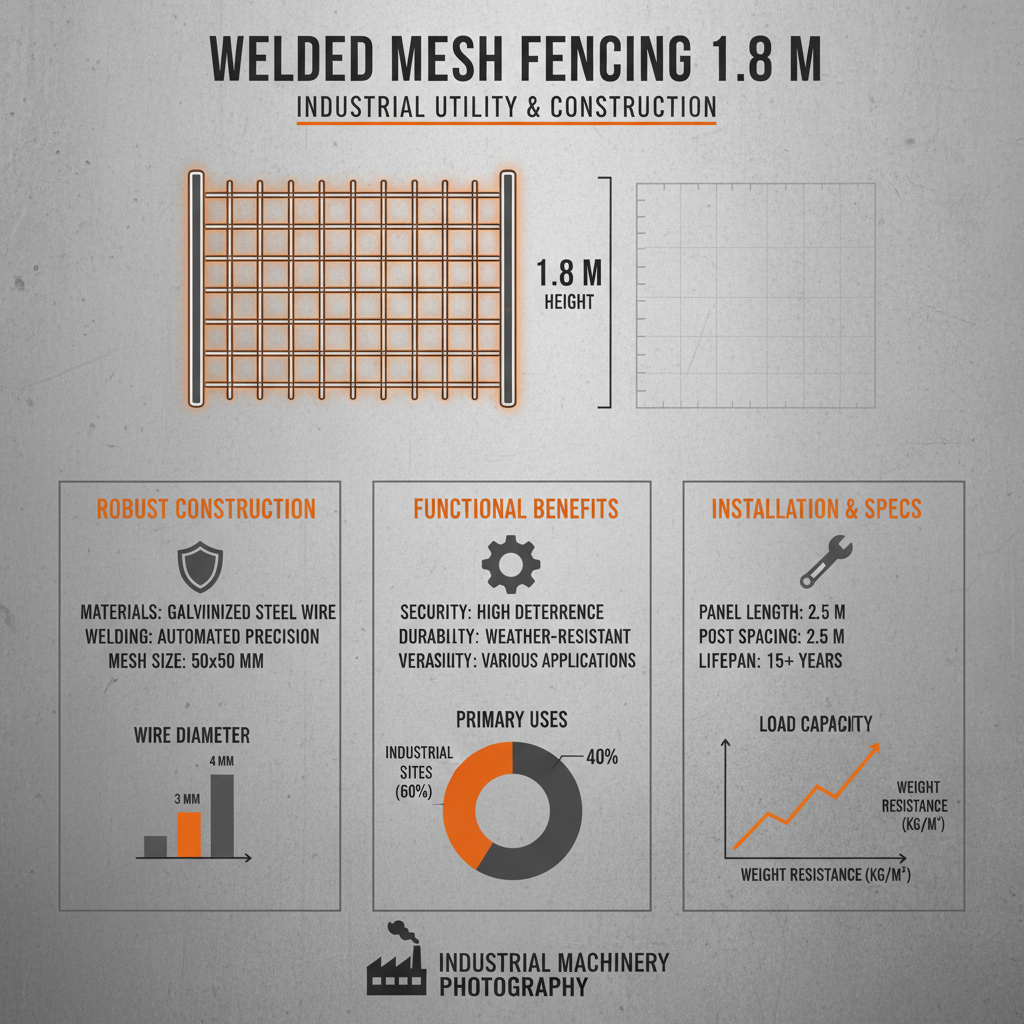
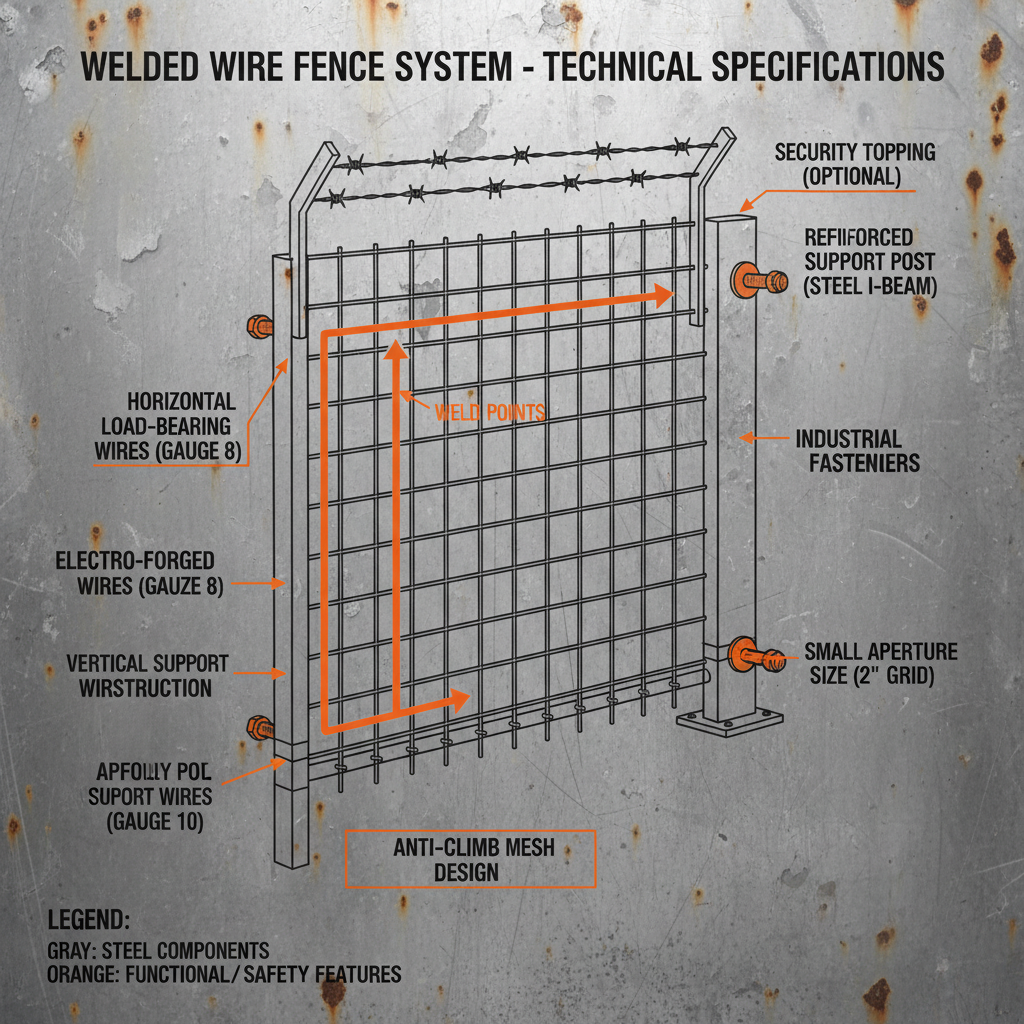
Welded mesh fencing 1.8 m consists of a series of wires welded together at each intersection, forming a rigid and durable panel. Typically constructed from galvanized steel wire, it’s designed to provide a secure perimeter barrier. The 1.8-meter height is a common standard, providing substantial physical deterrence while maintaining visibility. Variations in wire gauge and aperture size (the space between the wires) dictate the fencing’s strength and security level.
Its connection to modern industrial needs lies in its efficiency in large-scale containment and security applications. Unlike traditional fencing methods like chain-link, welded mesh offers superior structural integrity and aesthetic appeal. It’s a vital component in securing industrial sites, livestock farms, airports, and schools, providing a cost-effective alternative to more elaborate security systems. It has also found uses in humanitarian contexts for establishing temporary shelters and refugee camps, quickly providing safe boundaries.
Welded mesh fencing 1.8 m’s relevance extends to addressing critical safety and security concerns. Its robust construction provides a reliable barrier against intrusion, protecting property and personnel. The visibility offered by the mesh allows for surveillance and quick response in case of security breaches, making it an invaluable asset in maintaining safe and secure environments.
Key Factors and Core Components
Durability: The galvanized steel construction of welded mesh fencing 1.8 m provides exceptional resistance to corrosion and weathering, ensuring a long service life. Additional coatings, like powder coating, further enhance this durability, making it suitable for harsh environments.
Security Level: The wire gauge and aperture size are key determinants of security. Thicker wires and smaller apertures offer greater resistance to cutting and climbing, providing a higher level of protection.
Cost-Effectiveness: Compared to other fencing options, such as wrought iron or solid wood, welded mesh fencing 1.8 m is relatively inexpensive to purchase and install, making it an attractive option for budget-conscious projects.
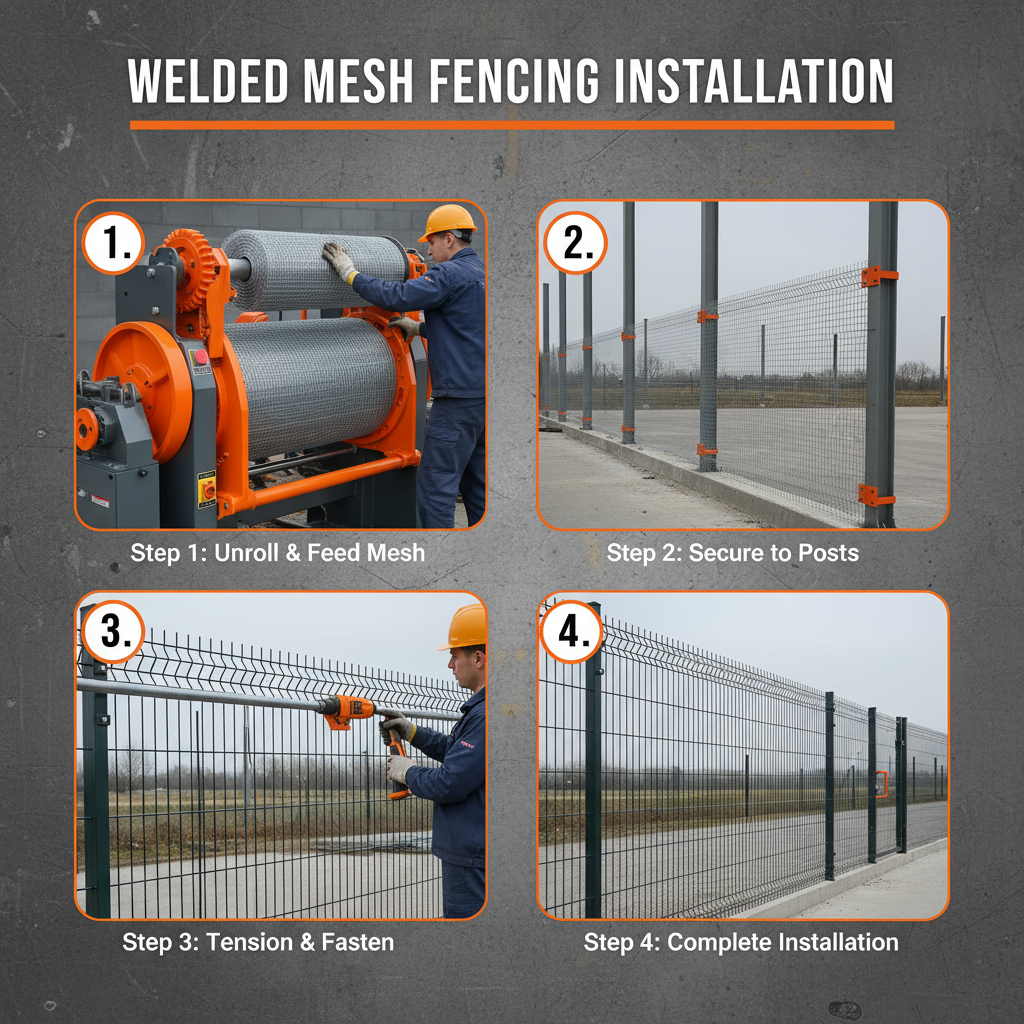
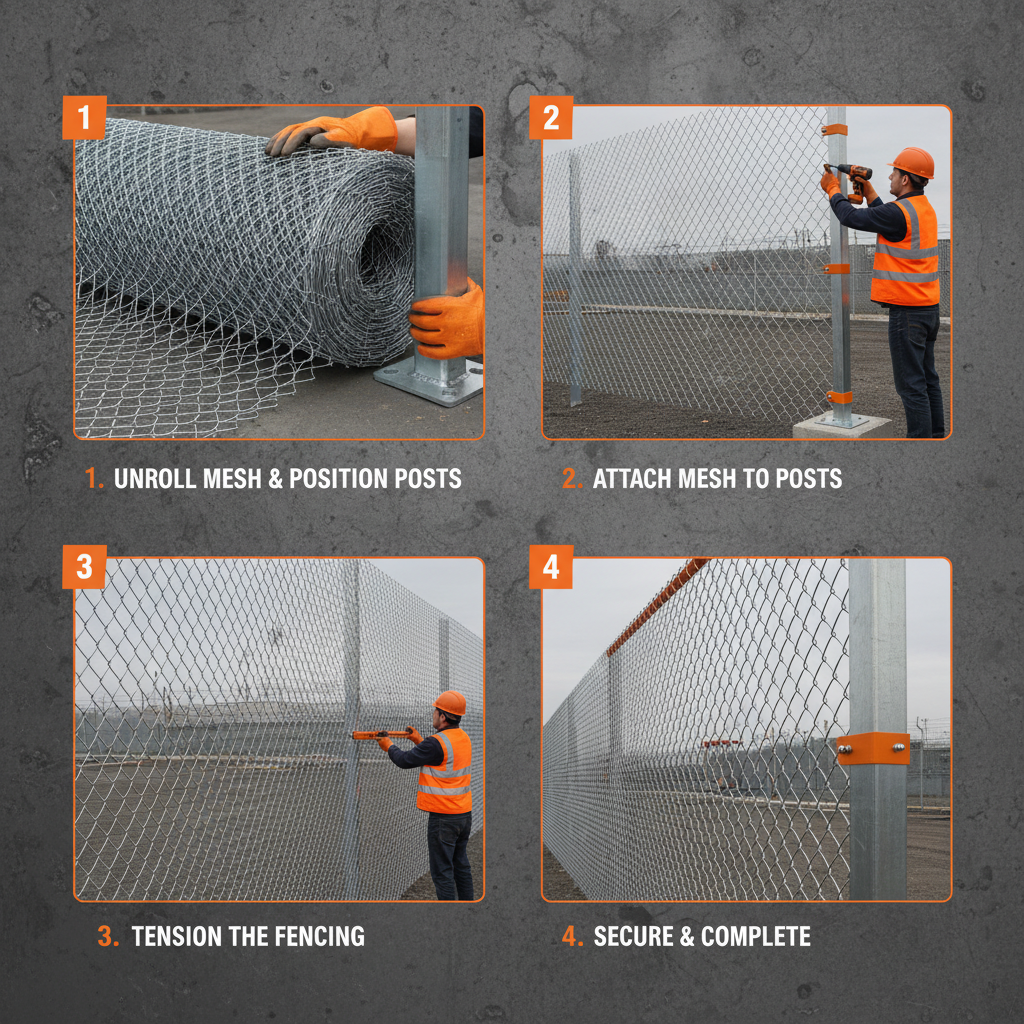
Ease of Installation: Welded mesh panels are lightweight and easy to handle, simplifying the installation process and reducing labor costs. The panels can be quickly secured to posts using specialized clips or ties.
Visibility: The open mesh design allows for good visibility, which is essential for security surveillance and aesthetic considerations. This is particularly important in public spaces where maintaining a clear line of sight is crucial.
Versatility: Welded mesh fencing 1.8 m can be adapted to various terrains and applications. It can be installed on uneven ground, slopes, and around obstacles, offering a flexible fencing solution.
Welded Mesh Fencing 1.8 m Performance Metrics
Global Applications and Use Cases
Welded mesh fencing 1.8 m finds widespread application in securing industrial sites, protecting equipment, and delineating property boundaries. In post-disaster relief operations, it's frequently deployed to establish temporary secure zones for aid distribution and refugee accommodation.
Agricultural sectors benefit significantly, utilizing it for livestock containment and crop protection, preventing animal intrusion and minimizing damage. Municipalities employ welded mesh fencing 1.8 m around parks, schools, and recreational facilities, ensuring public safety and controlled access.
Advantages and Long-Term Value
The tangible benefits of welded mesh fencing 1.8 m include reduced maintenance costs due to its corrosion-resistant properties, minimizing the need for frequent repairs or replacements. Its long lifespan translates to a substantial return on investment, especially when compared to less durable fencing options. The simple design and ease of installation contribute to lower labor costs, further enhancing its cost-effectiveness.
Beyond the economic advantages, welded mesh fencing 1.8 m offers peace of mind, knowing that your property is secure. The robust construction and deterrent effect contribute to a safer environment for families, employees, and communities. Its ability to adapt to various terrains and applications makes it a versatile and reliable security solution. The inherent aesthetic qualities, particularly when combined with landscaping, add value to the overall appearance of a property.
Future Trends and Innovations
Innovations in coating technologies, such as graphene-enhanced coatings, are promising to significantly increase the corrosion resistance and lifespan of welded mesh fencing 1.8 m. The integration of smart technologies, like embedded sensors and alarm systems, is also gaining traction, transforming traditional fencing into intelligent security solutions.
The shift towards sustainable materials and manufacturing processes is driving demand for recycled steel and eco-friendly coatings. Manufacturers are increasingly adopting green practices to minimize their environmental impact and meet growing consumer demand for sustainable products. Digital tools, such as 3D modeling and virtual reality, are being used to optimize fencing designs and streamline the installation process.
Automation and robotics are expected to play a greater role in the manufacturing of welded mesh fencing 1.8 m, increasing efficiency and reducing production costs. This will likely lead to lower prices and wider accessibility, making it an even more attractive option for a broader range of applications. Furthermore, ongoing research into new wire alloys promises to deliver even stronger and more durable fencing solutions.
FAQS
The typical lifespan of welded mesh fencing 1.8 m, when properly installed and maintained with a quality galvanized or powder-coated finish, is 15-25 years. However, this can vary based on environmental factors, such as exposure to salt air or harsh chemicals. Regular inspections and timely repairs can significantly extend its life. Choosing a thicker wire gauge and higher-quality coating further enhances longevity.
Smaller aperture sizes in welded mesh fencing 1.8 m provide a higher level of security as they make it more difficult to cut or climb. Larger apertures offer better visibility but compromise security. Selecting the appropriate aperture size depends on the specific security requirements of the application. A balance between visibility and security must be achieved for optimal results.
Yes, welded mesh fencing 1.8 m is relatively adaptable to sloped terrain. The panels can be stepped or angled to follow the contour of the ground. However, proper post spacing and installation techniques are crucial to ensure stability and prevent sagging. In some cases, custom-fabricated panels may be required for complex slopes.
Galvanization involves coating the steel wire with a layer of zinc to protect against corrosion. Powder coating adds a decorative and protective polymer layer over the galvanized coating. Powder coating offers enhanced durability, a wider range of color options, and improved resistance to scratches and UV damage, making it ideal for harsh environments.
The cost of welded mesh fencing 1.8 m varies depending on wire gauge, aperture size, coating type, and quantity purchased. Generally, prices range from $20 to $50 per meter, excluding installation costs. Obtaining quotes from multiple suppliers is recommended to secure the best price.
Minimal maintenance is typically required for welded mesh fencing 1.8 m, particularly if it has a high-quality coating. Regular inspections for damage, such as broken wires or loose connections, are recommended. Removing any vegetation that grows against the fencing will help prevent corrosion and maintain its aesthetic appearance. Periodic cleaning may also be necessary in dusty or polluted environments.
Conclusion
Welded mesh fencing 1.8 m stands as a versatile, cost-effective, and reliable security solution with applications spanning across diverse industries and contexts. Its combination of durability, ease of installation, and adaptability makes it a preferred choice for perimeter security, animal containment, and industrial safety. Understanding the key factors influencing its performance – wire gauge, aperture size, and coating type – is crucial for maximizing its long-term value.
Looking ahead, continued innovation in materials, coatings, and smart technologies promises to further enhance the capabilities of welded mesh fencing 1.8 m. Embracing sustainable practices and incorporating digital tools will be essential for meeting evolving market demands and ensuring a responsible approach to security. To explore our range of welded mesh fencing solutions and find the perfect fit for your needs, visit our website: www.jinshieldmesh.com.