Chain mesh fencing, a ubiquitous yet often overlooked component of modern infrastructure, plays a critical role in security, containment, and public safety across the globe. From safeguarding industrial sites to defining property lines, and even providing crucial barriers in humanitarian crises, its versatility and cost-effectiveness make it a cornerstone of numerous applications. Understanding the nuances of chain mesh fencing – its materials, construction, and evolving technologies – is paramount for professionals in construction, security, and disaster relief.
The global demand for chain mesh fencing is driven by escalating security concerns, rapid urbanization, and the increasing need for robust perimeter control. According to recent market reports, the industry is projected to experience steady growth, particularly in emerging economies undergoing significant infrastructure development. Organizations like the International Organization for Standardization (ISO) actively contribute to maintaining quality standards, ensuring the reliability and longevity of these vital security structures. This makes chain mesh fencing an essential consideration for anyone involved in building and maintaining secure environments.
Ultimately, chain mesh fencing offers a fundamental solution to the universal need for defined boundaries and protected spaces. Its adaptability to diverse terrains and climates, coupled with its relative ease of installation and maintenance, solidifies its importance in both developed and developing nations. Investing in quality chain mesh fencing is an investment in long-term security and peace of mind.
Introduction to chain mesh fencing
Chain mesh fencing, at its core, is a woven structure of interconnected metal wires, typically galvanized steel or stainless steel, forming a robust and durable barrier. Its simplicity in design belies its versatility and wide range of applications. The initial development of chain mesh fencing dates back to the 19th century, evolving from basic agricultural fencing to the sophisticated security systems we see today.
The strength of chain mesh fencing lies in its inherent flexibility. Unlike rigid barriers, it can absorb impact and withstand significant stress, making it ideal for perimeter security and crowd control. This adaptability, combined with its relative affordability, has cemented its position as a preferred fencing solution for diverse sectors, including residential, commercial, and industrial environments.
Defining Chain Mesh Fencing
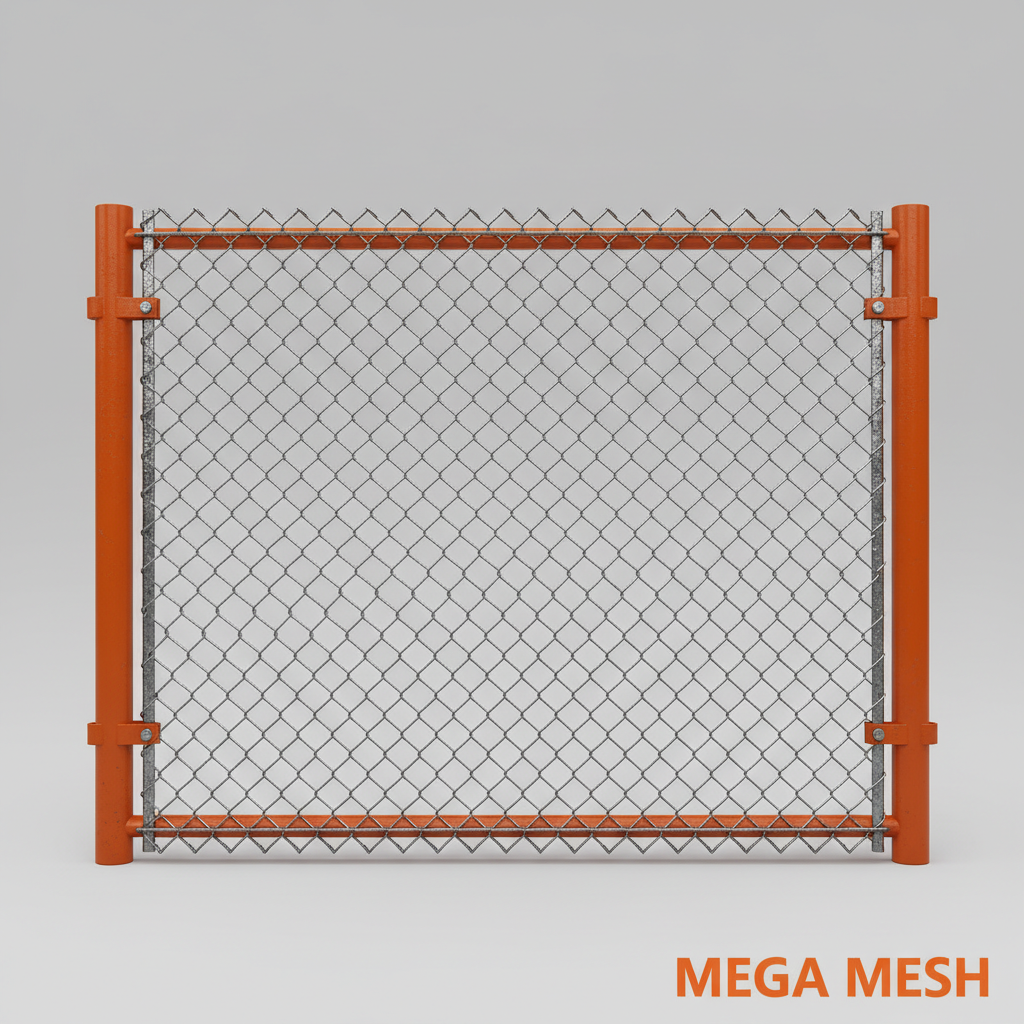
Chain mesh fencing is fundamentally a type of woven fence crafted from interlocking steel wires. These wires are bent into a series of interlocking loops, creating the distinctive diamond-shaped pattern commonly associated with this fencing material. This weaving process imparts significant strength and resilience, allowing the fencing to withstand considerable tension and impact forces. It’s often referred to as ‘hurricane fencing’ due to its ability to yield under strong winds without breaking.
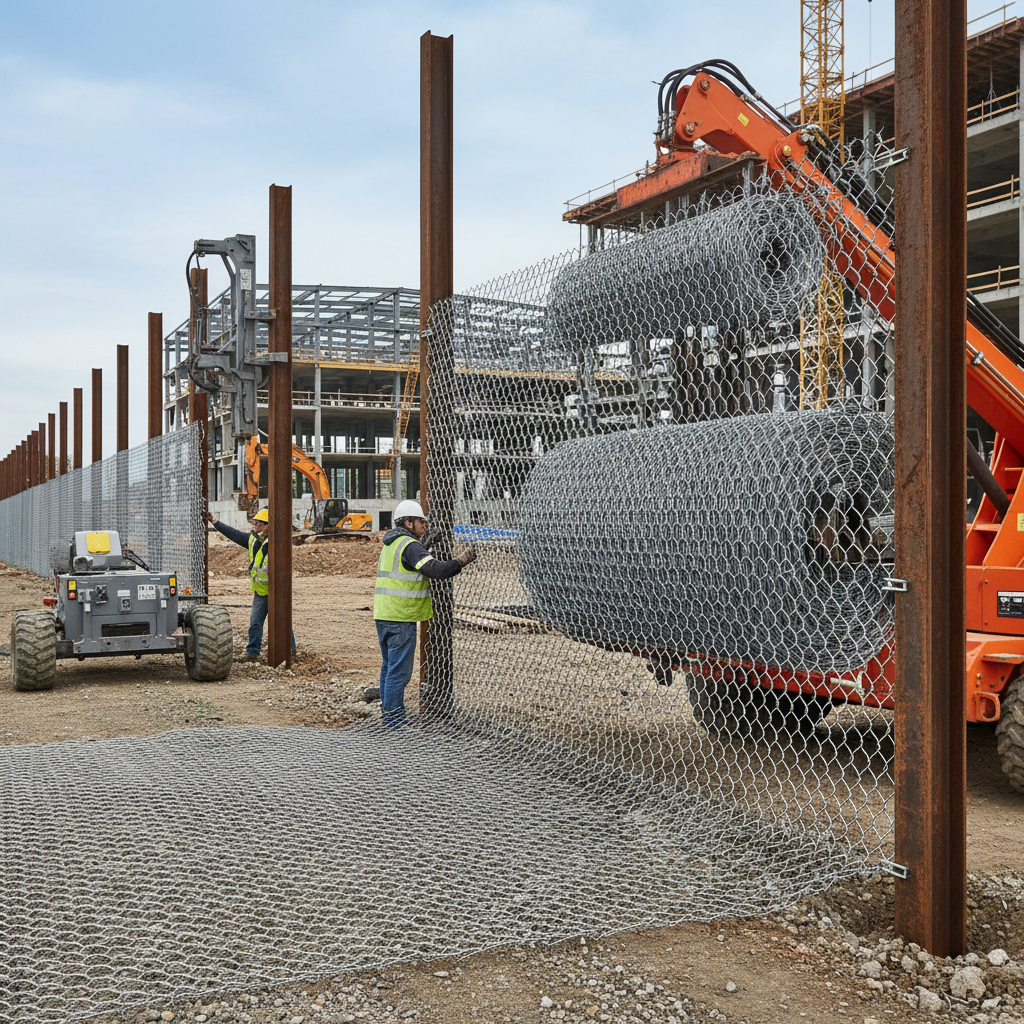
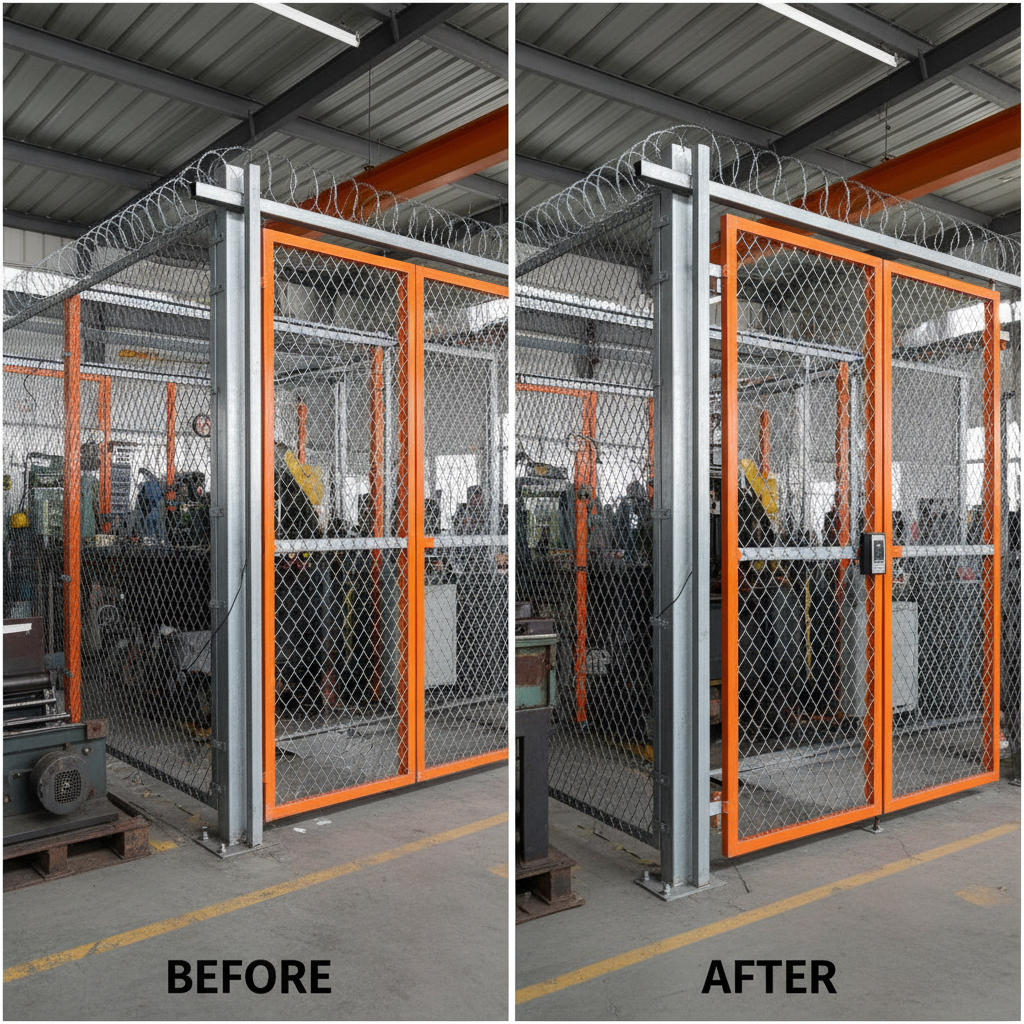
Its connection to modern industry and humanitarian needs is deeply ingrained. In industrial settings, chain mesh fencing provides essential security for valuable assets and controlled access points. In disaster relief efforts, it serves as a crucial element in establishing temporary shelters and securing aid distribution zones. Its rapid deployment capabilities are vital in emergency situations, offering immediate perimeter control and enhancing safety. chain mesh fencing is truly a versatile tool.
The material’s adaptability extends beyond these examples. Chain mesh fencing can be used in animal enclosures, sports facilities, and even as a structural component in certain construction projects, illustrating its broad applicability in the modern world.
Core Components of Chain Mesh Fencing
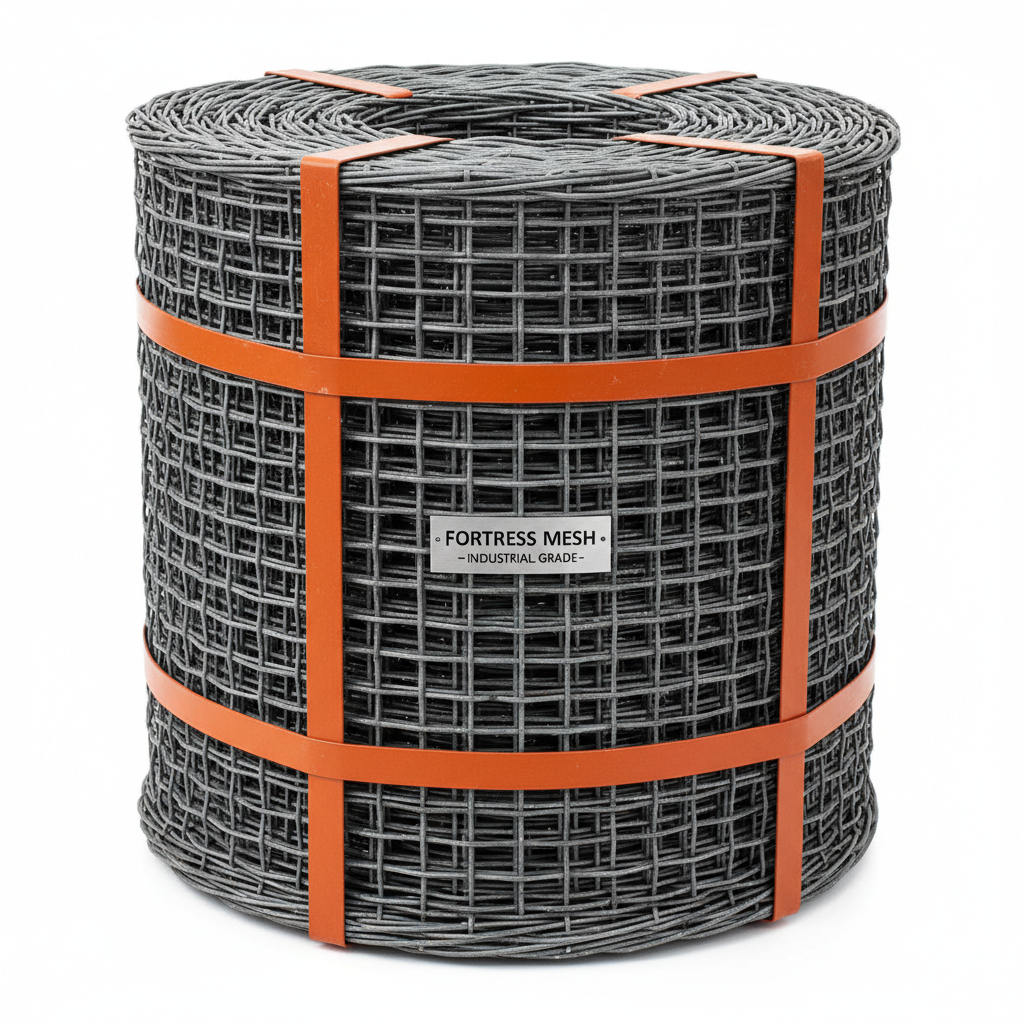
The effectiveness of chain mesh fencing stems from the interplay of several key components. The fabric itself, constructed from woven steel wire, is the most visible element. Wire gauge – the thickness of the wire – directly impacts the fencing's strength and durability; heavier gauges offer greater resistance to cutting and damage.
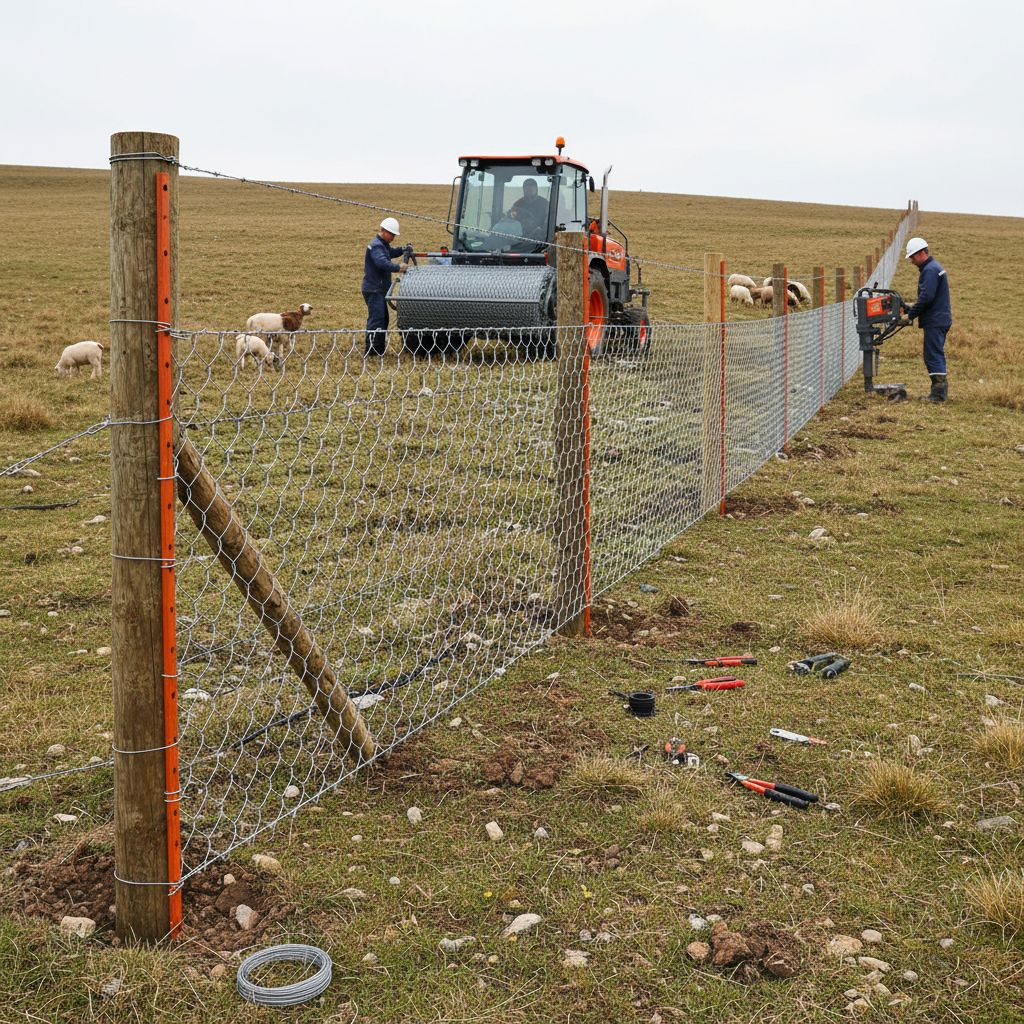
Supporting the fabric are posts, typically made from steel pipe or timber, securely embedded in the ground. The spacing between posts is critical for maintaining fabric tension and structural integrity. Top rails and tension wires are also vital – the top rail provides a finished edge and adds stability, while tension wires, stretched taut along the bottom and sometimes the top of the fence, prevent sagging and maintain a consistent barrier height.
Finally, fasteners – brackets, tension bands, and tie wires – are essential for attaching the fabric to the posts and maintaining overall fence structure. The quality of these components directly affects the longevity and performance of the entire system. Galvanization, PVC coating, or other protective treatments are crucial for preventing corrosion and ensuring long-term resilience.
Key Performance Indicators of chain mesh fencing
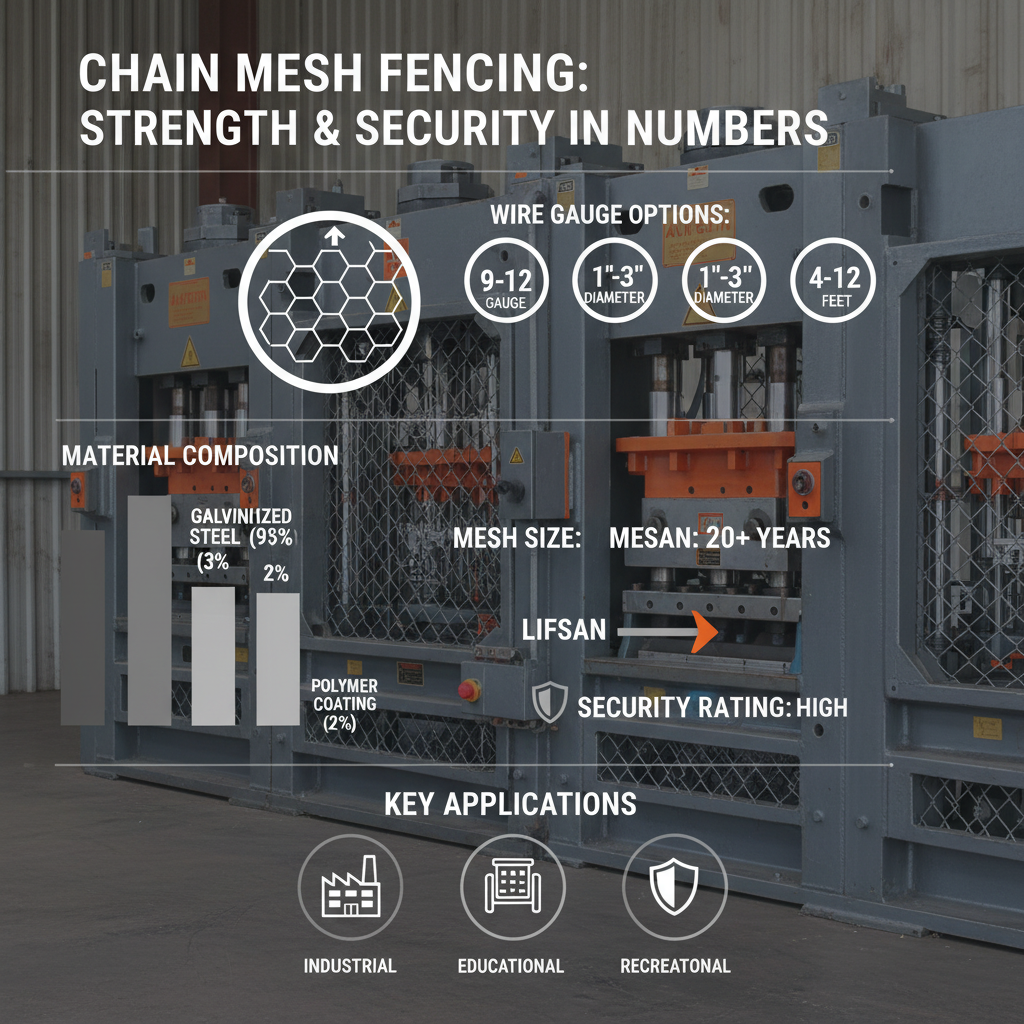
Assessing the quality and suitability of chain mesh fencing requires evaluating several key performance indicators. One critical factor is the wire gauge; a higher gauge indicates thicker, stronger wire, offering greater resistance to cutting and deformation. The mesh size, defined by the dimensions of the diamond openings, influences the level of security; smaller mesh sizes provide a tighter barrier, preventing the passage of smaller objects or individuals.
Another important indicator is the coating type. Galvanization offers basic corrosion protection, while PVC coating provides an additional layer of defense against harsh weather conditions and chemical exposure. The post spacing and embedment depth are also crucial, ensuring structural stability and resistance to toppling or displacement.
Chain Mesh Fencing Performance Metrics
Global Applications of chain mesh fencing
Chain mesh fencing finds widespread application across diverse sectors globally. In the United States and Canada, it’s commonly used for residential fencing, securing backyards and pet enclosures. Across Europe, it’s frequently employed for industrial perimeter security and crowd control at public events. In Australia, its resilience against harsh weather conditions makes it a popular choice for agricultural fencing and rural properties.
In post-disaster relief operations, such as after earthquakes or hurricanes, chain mesh fencing provides rapid perimeter control for aid distribution centers and temporary shelters. In remote industrial zones in Africa and Asia, it safeguards valuable equipment and restricts unauthorized access. The versatility of chain mesh fencing ensures its relevance in both developed and developing regions.
Advantages and Long-Term Value
The benefits of chain mesh fencing extend beyond immediate security. Its cost-effectiveness is a significant advantage, especially compared to more expensive fencing options like wrought iron or solid wood. The relatively simple installation process also translates into lower labor costs, reducing the overall project budget. This makes chain mesh fencing an attractive solution for projects with limited financial resources.
From a sustainability perspective, chain mesh fencing, particularly when galvanized or PVC-coated, offers exceptional durability and longevity, minimizing the need for frequent replacements. This reduces waste and contributes to a more environmentally responsible approach. Moreover, the inherent security it provides fosters a sense of safety and well-being within communities, promoting social stability and trust.
Future Trends in chain mesh fencing
The future of chain mesh fencing is poised for innovation, driven by advancements in materials science and smart technology. Research is focused on developing more corrosion-resistant coatings and exploring the use of alternative materials like high-strength alloys to enhance durability and reduce maintenance requirements. Integration with smart security systems, such as motion sensors and CCTV cameras, is also gaining traction, transforming chain mesh fencing into a proactive security solution.
Digital transformation plays a crucial role, with remote monitoring and automated access control systems becoming increasingly prevalent. Automation in manufacturing processes promises to reduce production costs and improve quality control. Furthermore, a growing emphasis on sustainability is driving the development of eco-friendly coatings and recycling programs, minimizing the environmental impact of chain mesh fencing throughout its lifecycle.
The application of nanotechnology to create self-healing coatings is another exciting area of research, potentially extending the lifespan of chain mesh fencing and reducing long-term maintenance costs.
FAQS
A properly maintained galvanized chain mesh fence typically lasts between 15-20 years, depending on environmental factors like humidity and salt exposure. Regular inspection and cleaning can significantly extend its lifespan. Applying an additional PVC coating can further enhance its durability and increase longevity to 25 years or more. Periodic re-galvanization or coating repairs can also prolong its use.
Rust prevention begins with choosing a high-quality galvanized or PVC-coated chain mesh. Regular cleaning to remove dirt and debris is crucial. For galvanized fences, applying a zinc-rich primer and paint can provide an additional protective layer. Inspect the fence annually for any signs of corrosion and address them promptly with appropriate rust inhibitors and coatings. Maintaining good ventilation around the fence can also help prevent moisture buildup.
The recommended post spacing for a chain mesh fence typically ranges from 8 to 10 feet, depending on the height of the fence and the gauge of the mesh. For taller fences or heavier gauge mesh, closer post spacing is recommended to ensure adequate support and prevent sagging. Always consult local building codes and manufacturer guidelines for specific requirements. Proper post embedment depth is also crucial for stability.
Yes, chain mesh fencing can be adapted to sloped terrain, but it requires careful planning and installation. Stepped sections or a terraced approach are typically used to follow the contour of the slope. Ensuring proper tensioning is critical to prevent sagging and maintain a uniform appearance. Professional installation is highly recommended for sloped installations to guarantee structural integrity and longevity.
Chain mesh fencing offers excellent security due to its inherent difficulty to climb and cut. The interwoven wire structure provides a robust barrier against intruders. It can be further enhanced with security features like barbed wire attachments, razor wire, or anti-climb paint. Its visibility also acts as a deterrent, alerting potential trespassers to the presence of a security perimeter.
PVC coating adds to the initial cost of chain mesh fencing, but it significantly extends its lifespan. The coating provides superior corrosion resistance, protecting the steel wire from rust and weathering. While galvanized fencing offers good protection, PVC coating provides an additional layer of defense, particularly in harsh environments. This long-term durability often results in lower overall costs due to reduced maintenance and replacement needs.
Conclusion
Chain mesh fencing stands as a testament to simple yet effective engineering, providing a versatile and enduring solution for security, containment, and safety across a multitude of applications worldwide. From its foundational role in perimeter protection to its adaptability in disaster relief, the benefits of chain mesh fencing – its cost-effectiveness, durability, and relative ease of installation – are undeniable. Understanding its core components, performance indicators, and emerging trends is crucial for professionals and consumers alike.
Looking ahead, continued innovation in materials and smart technologies will undoubtedly enhance the capabilities of chain mesh fencing, solidifying its position as a cornerstone of infrastructure and security for years to come. Exploring the options and investing in a high-quality chain mesh fencing system is a proactive step towards safeguarding assets, protecting communities, and building a more secure future.