Sheep mesh fencing, it’s not just wire and posts, it’s about livelihoods, protecting investments, and frankly, keeping things running smoothly. I’ve spent years on farms, ranches, and even wildlife reserves seeing what works and what doesn’t. It’s amazing how much hinges on a reliable fence. A breach can mean lost livestock, damaged crops, or even significant ecological impacts. We’re talking about real money, real time, and a whole lot of stress for the people relying on it. This isn’t some abstract construction project; it's a fundamental piece of infrastructure for those working the land.
What's driving the demand? Well, globally, food security is a big one. As populations grow, the need for efficient and protected agriculture becomes more critical. Plus, we’re seeing a resurgence in smaller, sustainable farms focusing on quality over quantity, and those operations need secure perimeters. There's also a growing awareness of responsible land management, which includes controlling grazing and protecting sensitive ecosystems. And let’s not forget the sheer logistical headache of dealing with escapes; chasing sheep isn’t anyone’s idea of a good time.
I've seen too many projects stall because of underestimated fencing needs. Choosing the right sheep mesh fencing isn’t just about price; it's about long-term performance, ease of installation, and minimizing maintenance. It's about building something that lasts and provides peace of mind. It’s something I consider every time I am on a construction site, and it’s something I'll explain in detail.
The Core Principles of Sheep Mesh Fencing
Look, when it comes to sheep mesh fencing, the fundamental principle is containment – plain and simple. But it’s a smart containment. We’re talking about preventing escapes, deterring predators, and maintaining the integrity of the grazing land. It's not just about keeping the sheep in; it’s about keeping everything else out. The mesh size is critical – too large and you risk losing lambs, too small and it's a nightmare to repair. And the tensile strength? That's what separates a fence that lasts from one that fails under pressure.
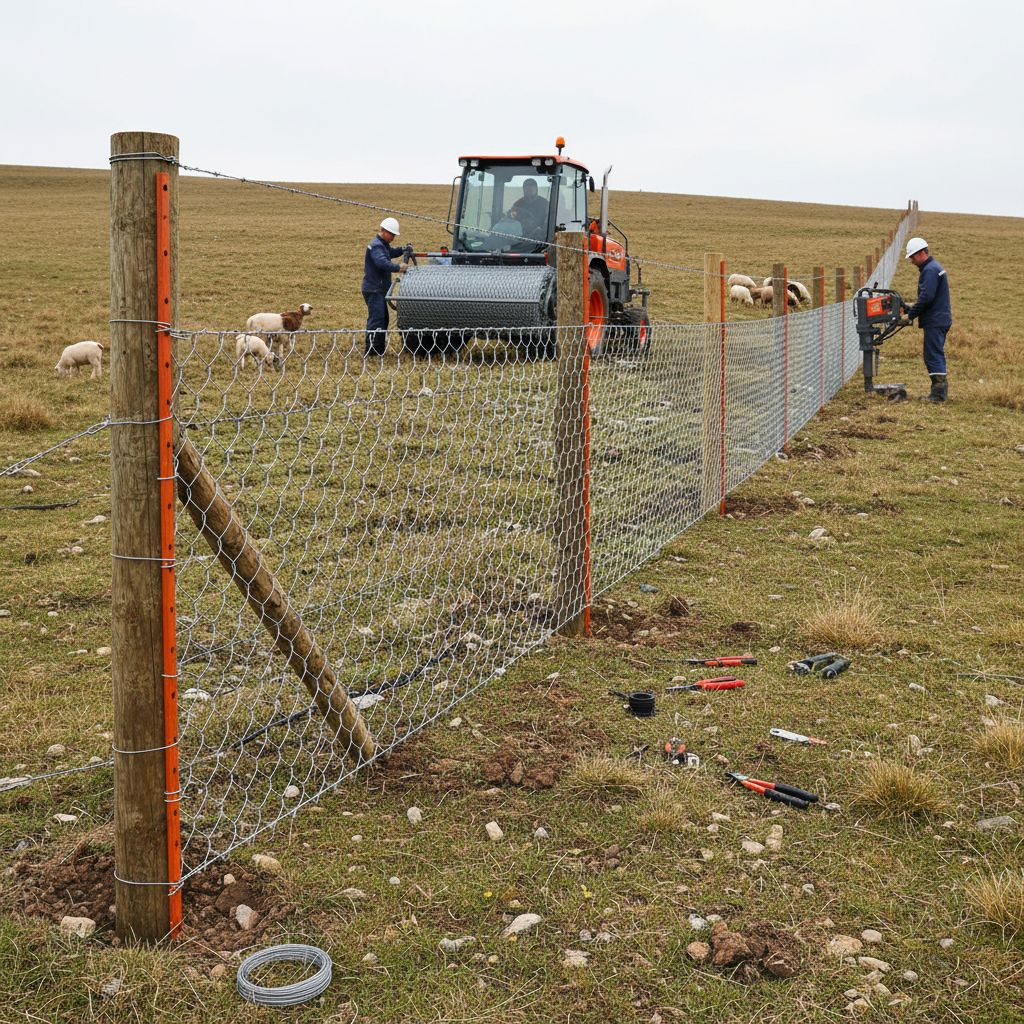
From a practical standpoint, the installation process is just as important as the materials themselves. Proper post spacing, secure anchoring, and correctly tensioned mesh are non-negotiable. I've seen fences that looked great on paper but fell apart after the first harsh winter because of sloppy installation. It's about understanding the terrain, anticipating the stress points, and building a fence that can withstand the elements and the animals it’s meant to contain.
Global Relevance and Market Dynamics
Sheep and other livestock are vital to food security in countless regions. From the rolling hills of New Zealand to the vast ranches of Australia and the smaller farms of Europe, effective fencing is a necessity. We’re seeing increased demand in emerging economies as well, where livestock farming is becoming a key driver of economic development. The UN estimates that livestock contributes to the livelihoods of over 1.3 billion people globally - and protecting those livelihoods is paramount.
The market’s getting more sophisticated too. It’s not just about basic wire mesh anymore. There’s a growing demand for high-tensile fencing, electric fencing combinations, and specialized coatings to resist corrosion and UV damage. Regulations around animal welfare and environmental protection are also playing a role, pushing producers towards more humane and sustainable fencing solutions. I'm seeing more and more farms prioritize animal welfare and it is really impacting fencing choices.
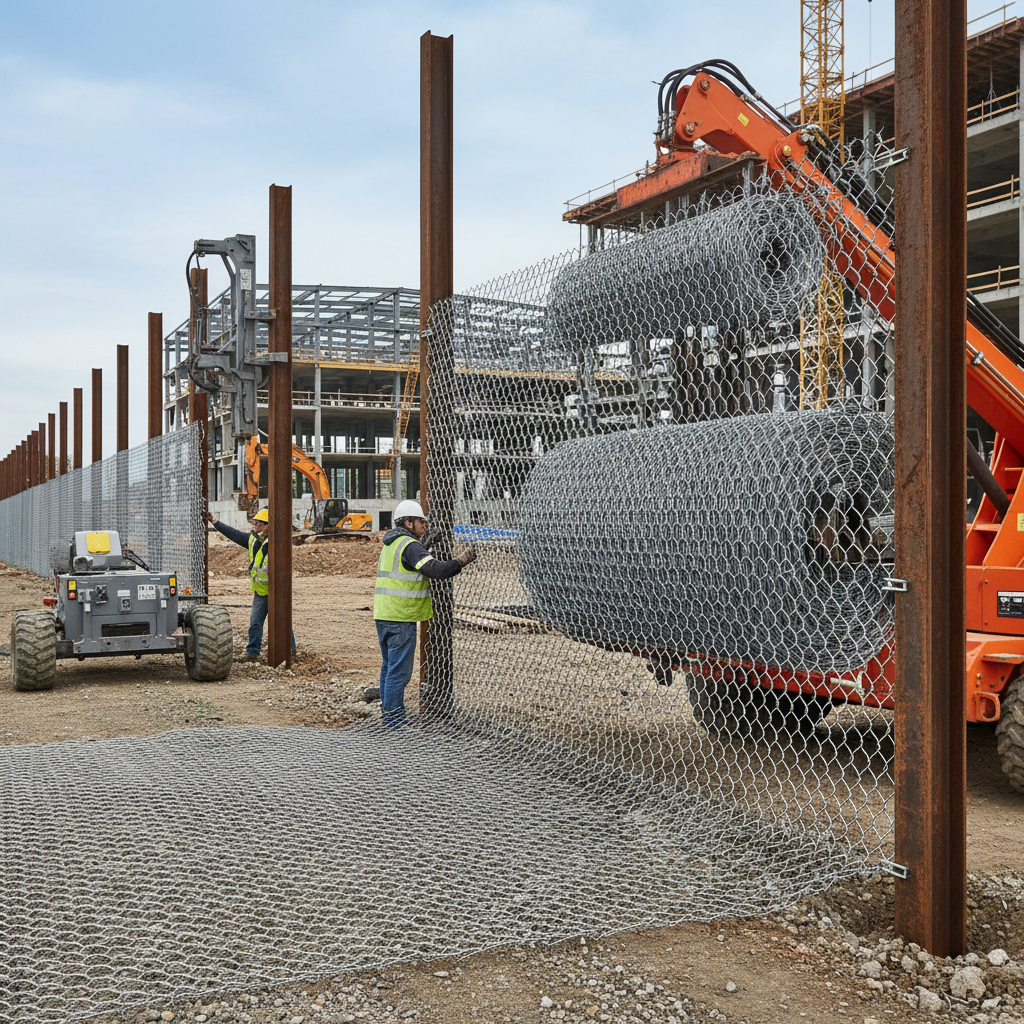
And let's talk logistics. Getting the right materials to remote locations can be a major challenge. That's where efficient supply chains and durable, lightweight fencing options become critical. We can't just show up with a truckload of heavy posts and expect everything to go smoothly. Planning is key, and choosing materials that are easy to transport and install is a huge advantage.
Defining Sheep Mesh Fencing: A Practical Perspective
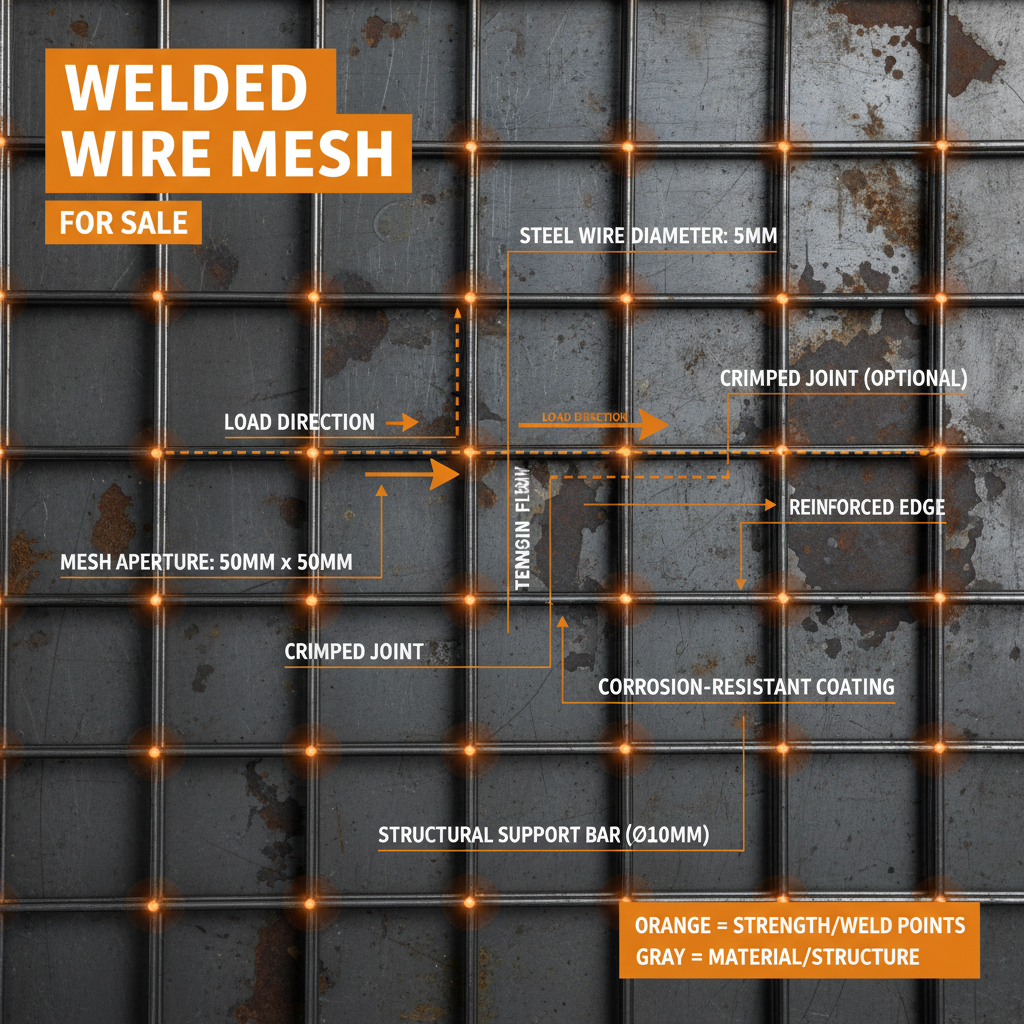
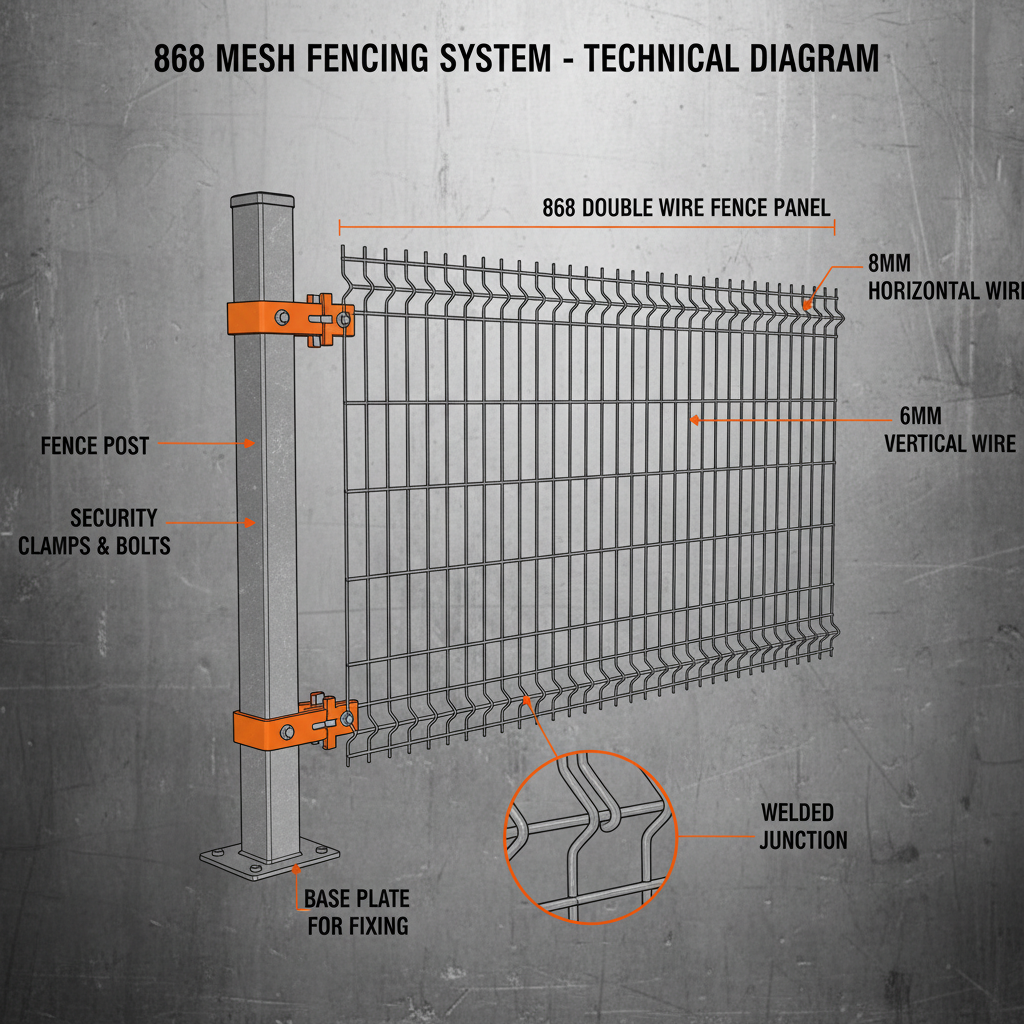
Sheep mesh fencing, at its core, is a woven wire netting specifically designed to contain sheep and other small livestock. It’s distinct from traditional barbed wire fencing which poses a risk of injury to the animals. The mesh openings are sized to prevent sheep, lambs, and other livestock from getting their heads or bodies stuck. It's about safety and minimizing stress for the animals.
Modern sheep mesh fencing is often galvanized or coated with a polymer to protect against rust and corrosion. The wire gauge, mesh size, and height of the fence all vary depending on the breed of sheep, the terrain, and the level of predator pressure. It’s rarely a “one size fits all” solution. Choosing the right specs is vital, and you have to know the animals you’re trying to contain.
From a practical standpoint, sheep mesh fencing is an integral part of sustainable agriculture and responsible land management. It allows farmers to control grazing patterns, protect sensitive vegetation, and prevent soil erosion. It's a long-term investment in the health of the land and the productivity of the farm.
Key Characteristics for Optimal Performance
Durability is paramount. I've seen fencing that's been up for decades, still going strong, and it all comes down to the quality of the materials and the construction. High-tensile wire, properly galvanized, can withstand years of exposure to the elements. sheep mesh fencing has to be able to hold its own.
Scalability is another crucial factor. Can the fencing system be easily extended or modified to accommodate changing needs? Adding new paddocks, adjusting grazing areas, or responding to unforeseen challenges should be straightforward. A flexible system saves time and money in the long run.
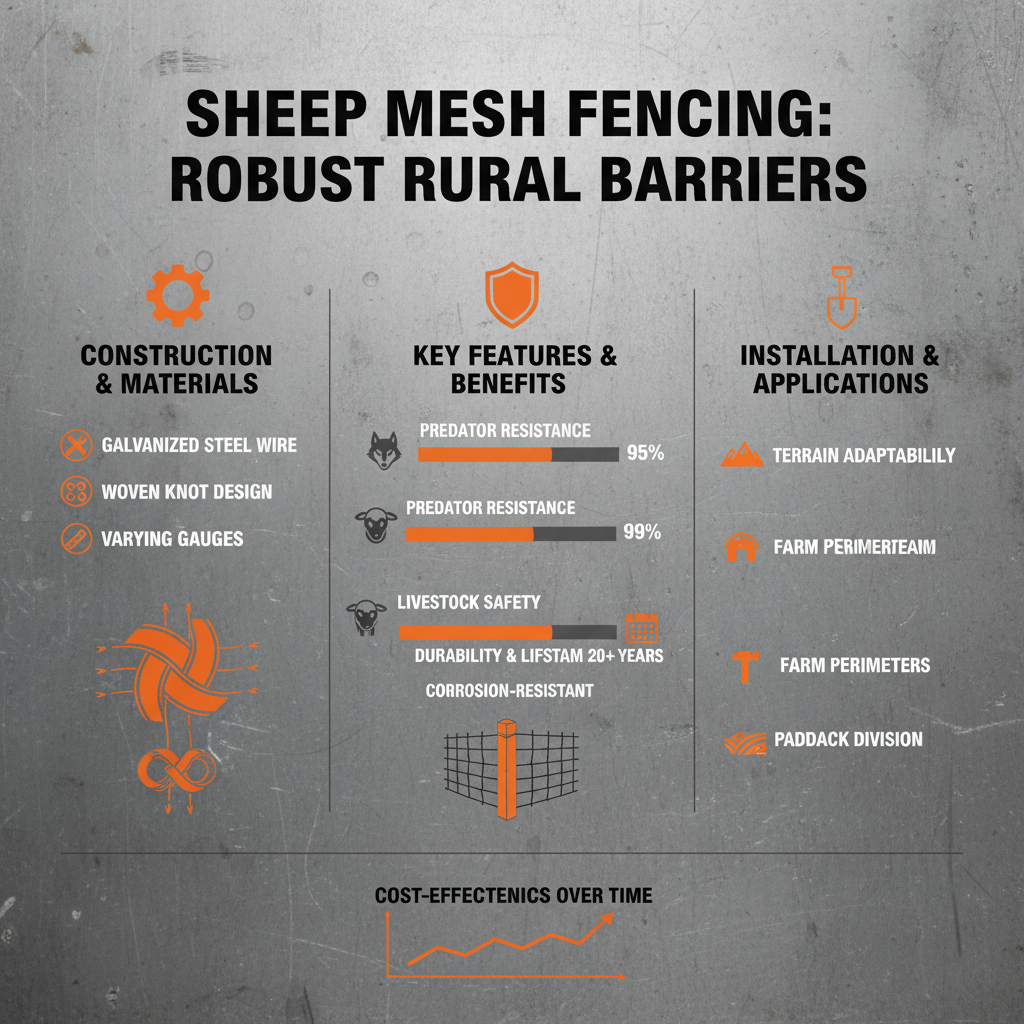
Sheep Mesh Fencing Performance Metrics
Real-World Applications Across Diverse Regions
In Australia, large-scale sheep and cattle stations rely heavily on robust sheep mesh fencing to manage vast grazing lands and control livestock movement. The conditions there are harsh – intense heat, drought, and occasional floods – so durability is key. I've seen setups that cover hundreds of kilometers, designed to withstand years of abuse.
In the UK and Europe, smaller farms often utilize sheep mesh fencing for rotational grazing systems. These systems involve dividing pastures into smaller paddocks and moving livestock between them, allowing vegetation to recover and improving land health. It's about maximizing productivity while minimizing environmental impact.
Long-Term Value: Cost, Sustainability, and Reliability
While the initial cost of high-quality sheep mesh fencing might be higher, the long-term value is undeniable. Reduced maintenance, fewer repairs, and a longer lifespan all translate to significant cost savings over time. I've seen farms save thousands of dollars just by investing in a more durable fencing system.
Sustainability is increasingly important. Choosing fencing materials that are recyclable or have a lower environmental footprint is a responsible choice. Plus, well-maintained fences can help prevent overgrazing and soil erosion, contributing to the overall health of the ecosystem.
Ultimately, reliability is the most valuable asset. Knowing that your fence can withstand the elements, protect your livestock, and provide peace of mind is priceless. It's an investment in the future of your farm and the sustainability of your livelihood.
Future Trends and Innovation in Sheep Mesh Fencing
We're starting to see more integration of technology into fencing systems. Smart fencing, with embedded sensors and remote monitoring capabilities, is becoming a reality. This allows farmers to detect breaches, monitor animal behavior, and optimize grazing patterns in real-time.
New materials are also emerging. High-strength polymers and composite materials offer increased durability and reduced weight, making installation easier and more efficient. We're even exploring biodegradable fencing options for temporary applications.
The focus on animal welfare will continue to drive innovation. We’ll likely see more fencing designs specifically tailored to minimize the risk of injury and stress for sheep and other livestock. It’s not just about keeping them in, it’s about keeping them safe.
Summary of Key Trends in Sheep Mesh Fencing Innovation
| Innovation Area |
Technology Level |
Impact on Performance |
Adoption Rate |
| Smart Fencing (Sensors & Monitoring) |
High |
Significant improvement in breach detection and animal management. |
Low (Early Adopter Phase) |
| High-Strength Polymer Mesh |
Medium |
Increased durability, reduced weight, easier installation. |
Medium (Growing Interest) |
| Biodegradable Temporary Fencing |
Low |
Reduced environmental impact for short-term applications. |
Very Low (Research & Development) |
| Automated Tensioning Systems |
Medium |
Maintains optimal fence tension, reducing sagging and extending lifespan. |
Low (Emerging Technology) |
| UV-Resistant Coatings |
High |
Extends the life of the fence by preventing degradation from sunlight. |
High (Standard Practice) |
| Predator Deterrent Mesh Designs |
Medium |
Offers increased protection against predators, reducing livestock losses. |
Medium (Increasing Demand) |
FAQS
Barbed wire, while cheaper initially, poses a serious risk of injury to sheep. They can get tangled, cut themselves, and experience significant stress. Sheep mesh, with its smaller openings, provides a safe and secure barrier without the risk of injury. It’s a more humane and ultimately more cost-effective solution when you factor in vet bills and lost productivity due to injured animals.
Mesh size depends on the breed of sheep and the age of the animals. For lambs, you'll want a smaller mesh size to prevent them from escaping. Larger breeds may be fine with a slightly larger mesh, but it’s always better to err on the side of caution. Consider the presence of predators as well; smaller mesh can deter smaller predators.
Proper installation is crucial. Use sturdy posts, space them appropriately, and ensure the mesh is correctly tensioned. Regular inspections and re-tensioning are also important, especially after periods of heavy rain or snow. Using high-tensile wire and appropriate bracing can also help prevent sagging.
Galvanization is the process of coating the wire with zinc, which protects it from rust and corrosion. A thicker galvanization layer provides longer-lasting protection, especially in harsh environments. Look for fencing with a high zinc coating weight for maximum durability. Polymer coatings offer further protection and extend lifespan even more.
Yes, but it requires careful planning and installation. You may need to use more posts and adjust the spacing to conform to the terrain. Proper bracing is essential to ensure the fence remains stable. Consider using a flexible mesh that can adapt to the contours of the land.
With proper installation and regular maintenance, a well-maintained sheep mesh fence can last for 20-30 years, or even longer. The lifespan depends on factors such as the quality of the materials, the severity of the climate, and the level of predator pressure. Investing in quality upfront is always a smart move.
Conclusion
Sheep mesh fencing isn’t just about keeping sheep contained; it’s about protecting livelihoods, promoting sustainable agriculture, and ensuring the wellbeing of animals. The right fencing solution, built with quality materials and installed correctly, represents a long-term investment in the health and productivity of your farm. It’s a foundational element of responsible land management and a key component of a successful agricultural operation.
Looking ahead, we'll continue to see innovation in this space – smart fencing, more sustainable materials, and designs tailored to specific needs. By embracing these advancements and prioritizing quality and durability, we can build fencing systems that stand the test of time and support the future of agriculture. For the right fencing solutions and expert advice, visit our website today: sheep mesh fencing.