Mesh security fencing isn't just about keeping things in or out; it's a foundational element of modern safety and security, touching everything from critical infrastructure protection to disaster relief and even high-value agricultural zones. Globally, the need for robust, rapidly deployable, and cost-effective security solutions is skyrocketing, driven by geopolitical instability, increasing urbanization, and the growing frequency of natural disasters. The UN estimates over 79.5 million people are forcibly displaced worldwide, and safeguarding refugee camps and providing secure perimeters for aid distribution are critical challenges. Similarly, the World Bank focuses heavily on infrastructure projects in developing nations, where perimeter security is essential to protect investments and personnel. Understanding the nuances of mesh security fencing – its materials, construction, and deployment methods – is crucial for anyone involved in building, protecting, or responding to crises.
The demand for effective security is impacting industries across the board. Consider the rise in industrial espionage and the need to protect sensitive equipment and intellectual property. From data centers and power plants to construction sites and logistics hubs, the cost of security breaches is escalating. Traditional perimeter solutions – concrete walls, chain-link fences – are often slow to deploy, expensive to maintain, and lack the flexibility needed for dynamic security environments. This has fueled the growth of mesh security fencing as a viable, often superior, alternative.
Ultimately, mesh security fencing offers a proactive, adaptable, and increasingly necessary solution to a wide range of security challenges. It’s about more than just barriers; it’s about creating safe spaces, protecting assets, and enabling stability in an uncertain world.
The Global Relevance of Mesh Security Fencing
As someone who's spent years out in the field, I can tell you that security isn't a one-size-fits-all thing. What works for a high-security government facility isn't going to cut it for a disaster relief camp. The beauty of mesh security fencing is its adaptability. From protecting critical infrastructure in major cities to securing remote construction sites in challenging environments, this stuff is being deployed everywhere. We’re seeing huge demand in regions experiencing political instability, and in areas prone to natural disasters like earthquakes and hurricanes, where rapid deployment and ease of setup are paramount.
You've got to look at the sheer numbers to understand the scale. The global security market is a multi-billion dollar industry, and mesh fencing is taking a larger slice every year. Organizations like the UN and NGOs are increasingly relying on it for perimeter security around refugee camps, protecting vital supplies and vulnerable populations. The ISO standards for security fencing are constantly evolving, driving innovation in materials and construction techniques. It's a dynamic field, and staying on top of the latest developments is critical.
Defining Mesh Security Fencing
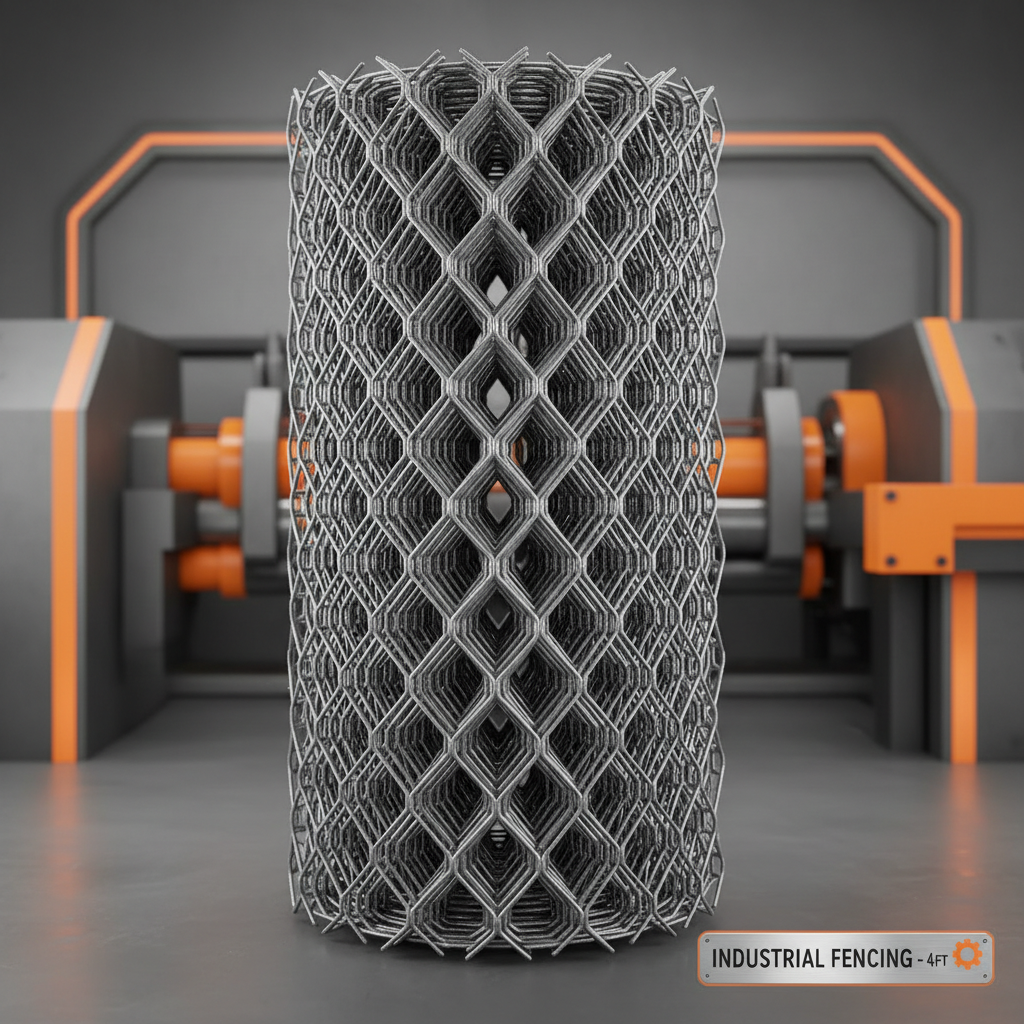
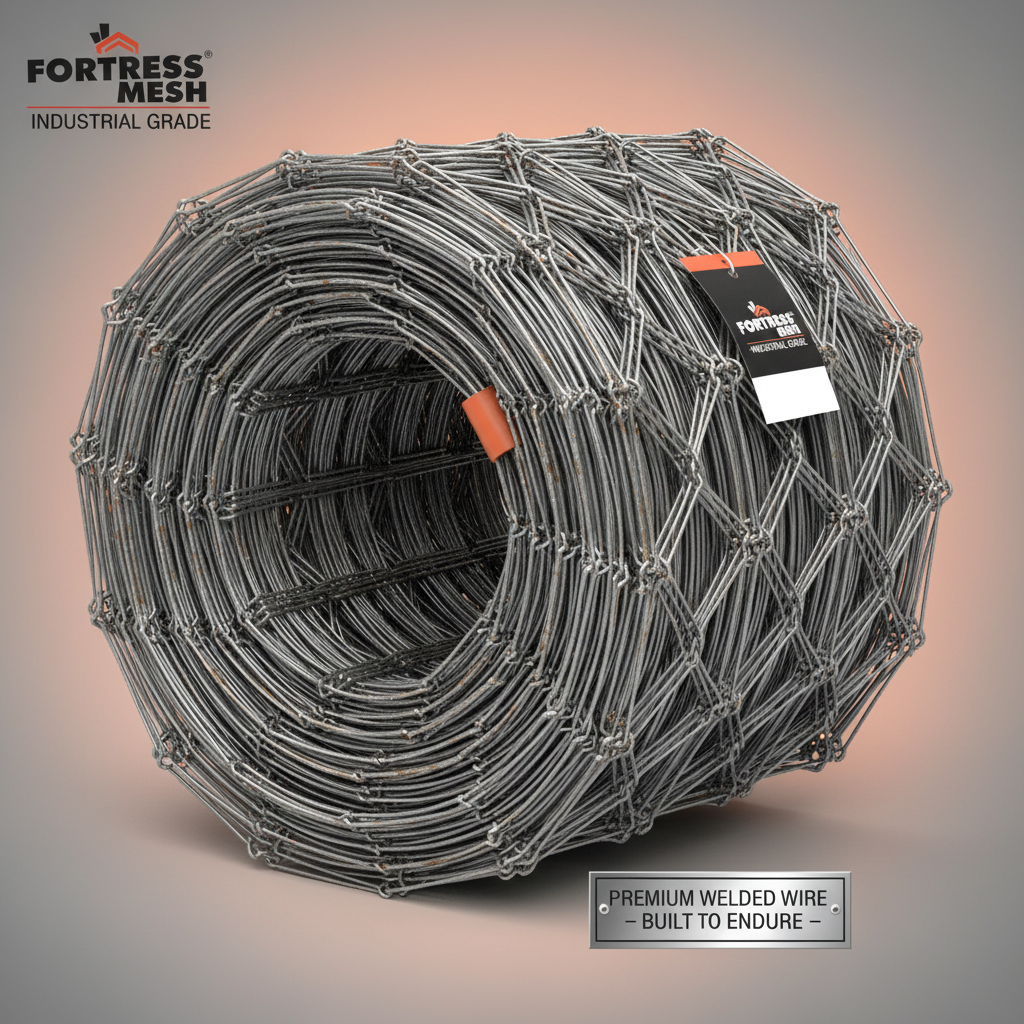
Simply put, mesh security fencing is a woven or welded wire system designed to create a physical barrier. But it’s evolved significantly from the old chain-link stuff your grandpa remembers. Modern mesh fencing uses high-tensile steel wire, often with anti-climb and anti-cut features, creating a robust and effective deterrent. It's not just about the wire itself, though. It’s the complete system – the posts, the fixings, the gates – that determines its overall strength and security level.
What’s really driving its adoption is its connection to modern needs. Think about fast-deployment housing projects, where speed and portability are key. Or consider protecting sensitive industrial facilities from theft and vandalism. Mesh fencing offers a flexible, scalable solution that can be tailored to specific requirements. It’s a direct response to the limitations of traditional perimeter security methods.
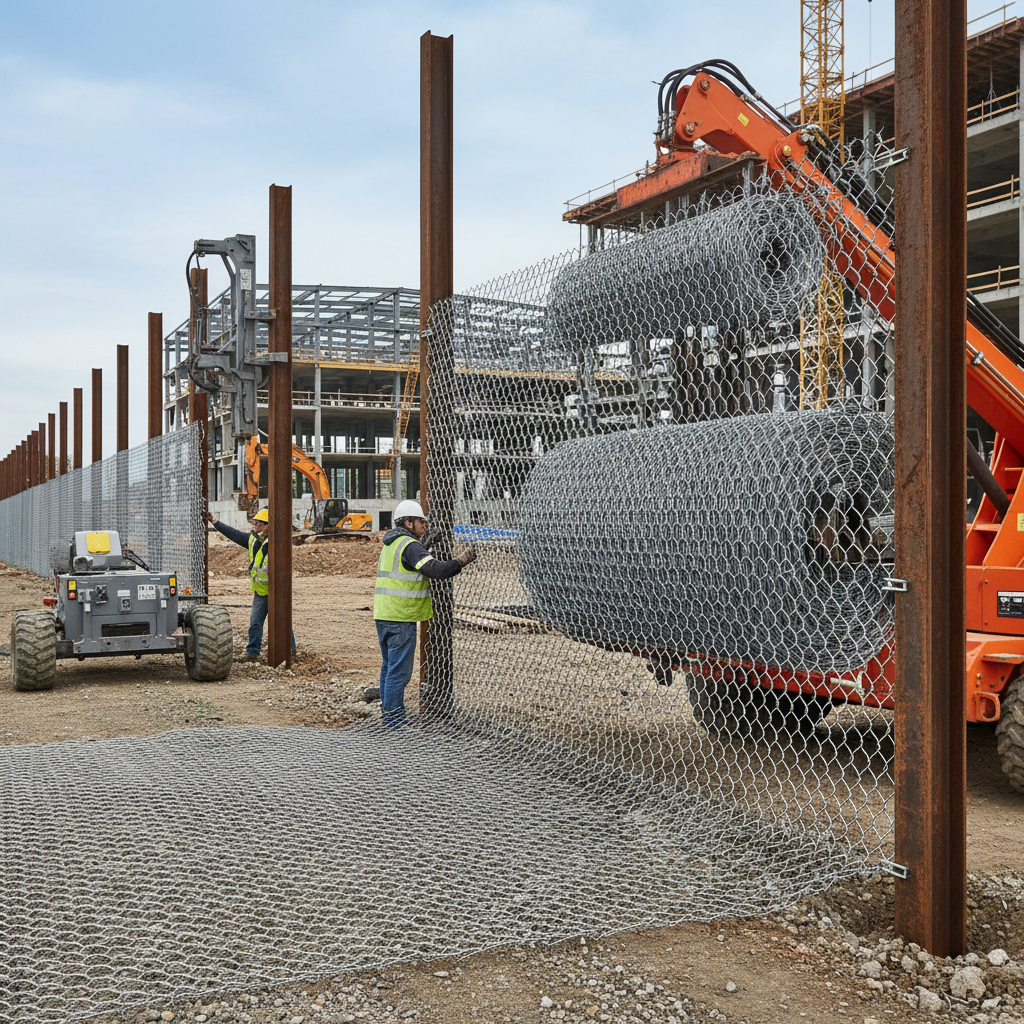
From my experience on job sites, the connection to humanitarian needs is pretty clear. When you need to secure a large area quickly – say, a field hospital after an earthquake – you don’t have time to pour concrete foundations. Mesh fencing can be installed rapidly, providing immediate security and allowing aid workers to focus on what they do best.
Key Factors of Effective Mesh Security Fencing
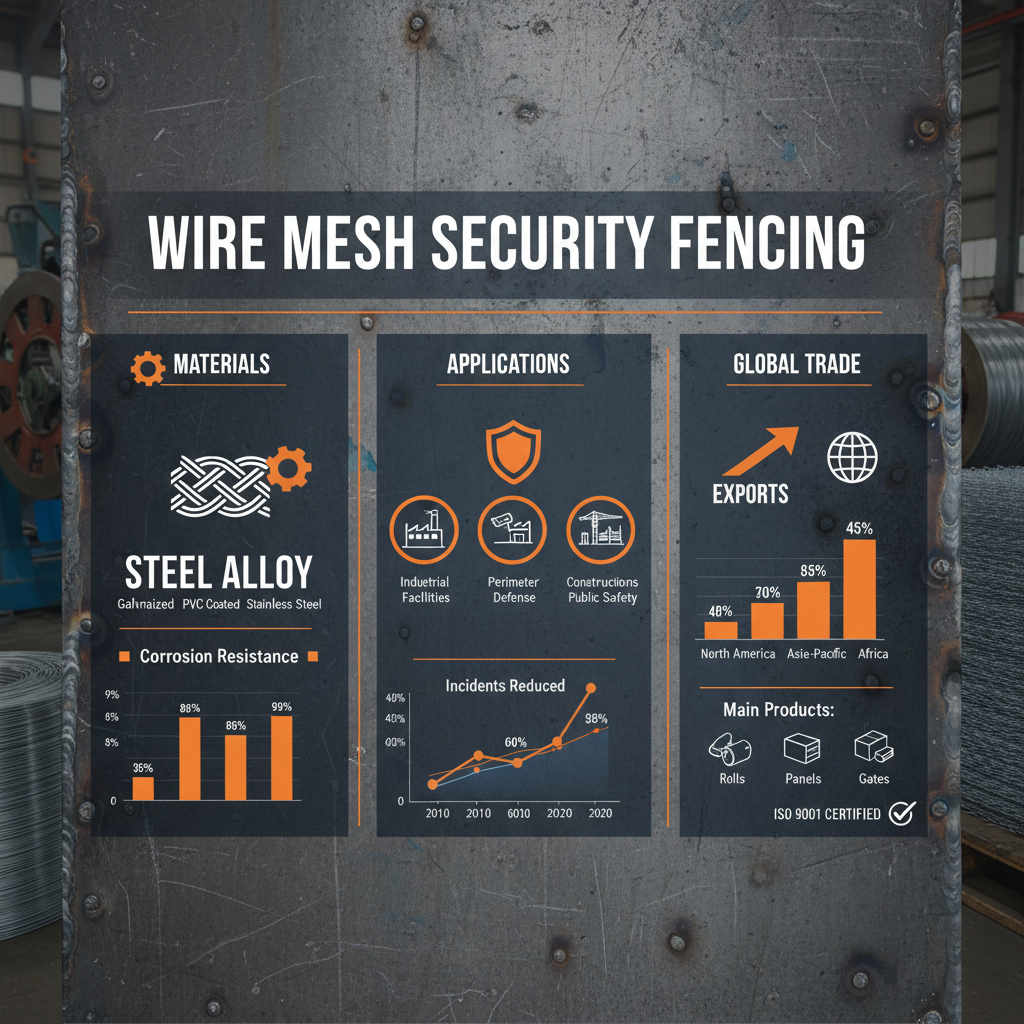
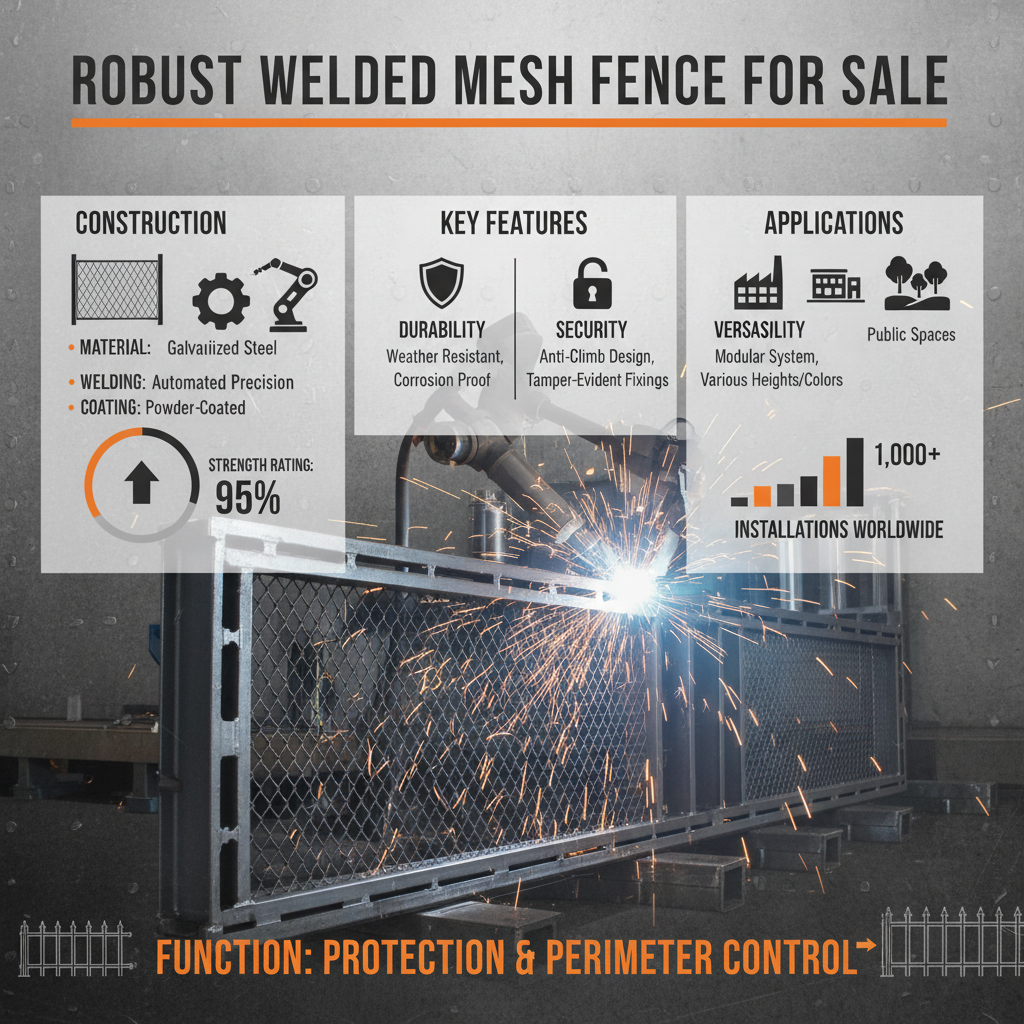
Durability is paramount. We're talking about materials that can withstand harsh weather conditions, attempted breaches, and years of exposure. Galvanization and powder coating are standard, but the quality of these coatings matters. A cheap coating will fail quickly, leading to corrosion and compromising the fence's integrity. I’ve seen fences rust through in a matter of months in coastal environments, which is a complete waste of money.
Scalability is another crucial factor. A good system needs to be easily adaptable to different site layouts and security requirements. Can you easily add height or extend the perimeter? Can you integrate it with access control systems like gates and card readers? A modular design is essential for flexibility. That's one of the biggest selling points - you can easily adjust as needs change.
Cost efficiency doesn’t just mean a low initial price tag. It's about considering the total cost of ownership – installation, maintenance, and lifespan. Mesh fencing often wins out here because it requires less ongoing maintenance than traditional options like wood or concrete. Plus, the faster installation time translates to lower labor costs.
Applications and Use Cases
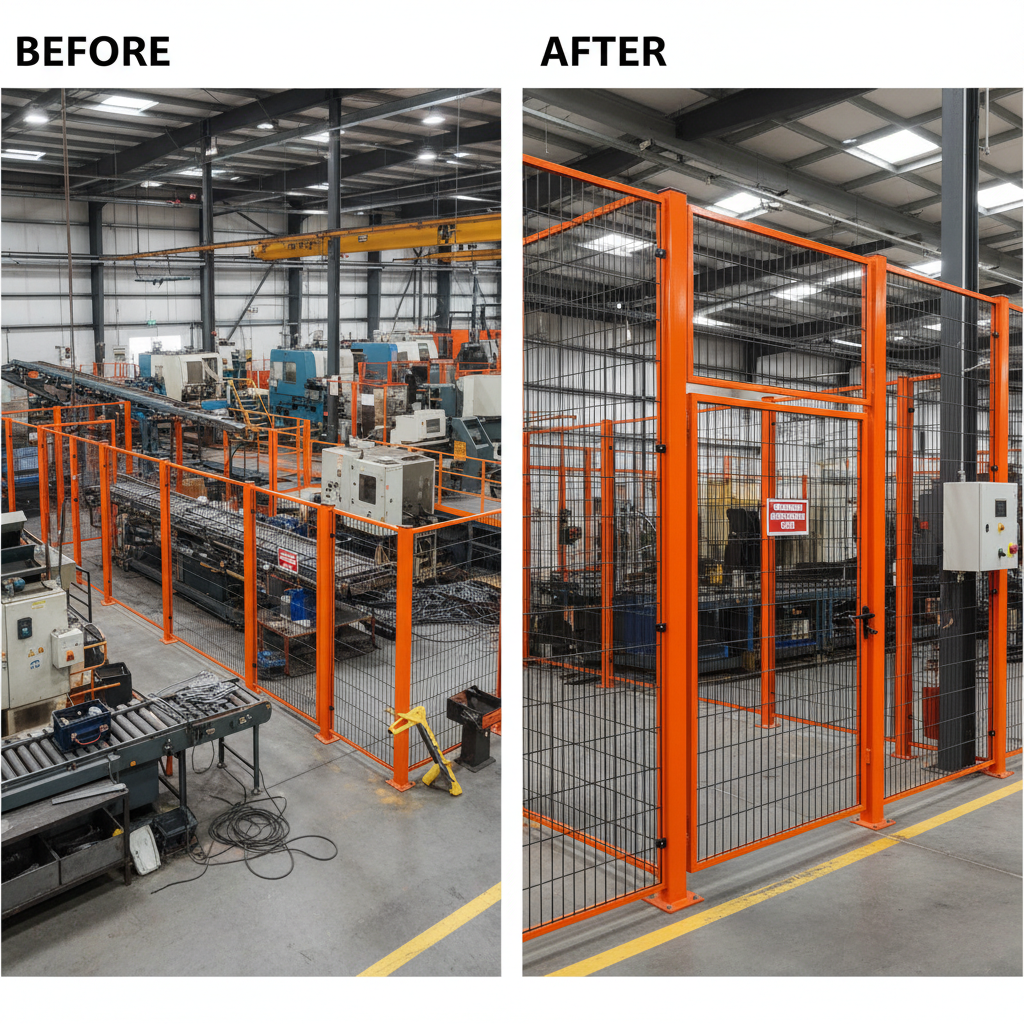
You'll find mesh security fencing everywhere. In post-disaster relief operations, it’s used to secure aid distribution points and create safe zones for displaced people. In remote industrial zones, it protects valuable equipment and prevents unauthorized access. I recently worked on a project securing a solar farm in the desert, and mesh fencing was the only practical solution. It could withstand the extreme temperatures and the constant wind, and it was far more cost-effective than building a concrete wall.
We’re also seeing increased use in high-security applications, like protecting critical infrastructure facilities – power plants, water treatment plants, communication towers. Here, the focus is on preventing intrusions and protecting against terrorism. The higher-security mesh systems, with anti-climb and anti-cut features, are becoming increasingly popular.
Mesh Security Fencing Effectiveness by Application
Advantages and Long-Term Value
The tangible benefits are pretty straightforward. Reduced costs due to faster installation and lower maintenance. Increased security thanks to robust materials and design features. But it goes beyond that. There's a real social impact when you can quickly secure an area and provide a safe environment for vulnerable populations. Knowing you've contributed to that is a good feeling.
And let's not underestimate the value of trust. When you’re protecting critical infrastructure or valuable assets, you need a security solution you can rely on. Mesh fencing, when properly installed and maintained, provides that peace of mind. It’s a long-term investment in security and safety.
Future Trends and Innovations
We’re starting to see integration with smart technology – sensors, cameras, and alarms embedded directly into the fencing system. This allows for real-time monitoring and automated threat detection. The use of more sustainable materials is also gaining traction, with manufacturers exploring recycled plastics and bio-based polymers.
I think digital transformation will play a huge role. Using drones for fence inspections, employing AI to analyze sensor data, and integrating fencing systems with broader security platforms – these are all areas we'll see significant innovation in the coming years.
Challenges and Solutions
One of the biggest challenges is installation in difficult terrain – rocky ground, steep slopes, or areas with limited access. Requires skilled installers and often specialized equipment. Proper grounding is also critical, especially in areas prone to lightning strikes. Poor grounding can damage the fencing system and create a safety hazard.
Theft of the fencing material itself can be a problem in some areas. Using tamper-proof fixings and implementing security measures to protect the materials on site can help mitigate this risk. And, as always, proper training for installers is essential to ensure the system is installed correctly and securely.
I've seen firsthand how proper planning and attention to detail can overcome these challenges. It's not just about slapping up a fence; it's about building a comprehensive security system that meets the specific needs of the site.
Key Considerations for Mesh Security Fencing Project Success
| Site Assessment |
Material Selection |
Installation Quality |
Ongoing Maintenance |
| Terrain analysis, threat assessment, local regulations. |
Steel gauge, coating type, mesh aperture size, post material. |
Post depth, tensioning, fixing security, gate operation. |
Regular inspections, corrosion control, repair of damage. |
| Soil stability, drainage, access constraints. |
Resistance to corrosion, UV exposure, and impact. |
Compliance with industry standards and safety protocols. |
Timely replacement of damaged components. |
| Identification of potential vulnerabilities and weak points. |
Consideration of environmental impact and sustainability. |
Qualified and experienced installation crew. |
Record keeping and documentation of maintenance activities. |
| Security requirements and budget constraints. |
Anti-climb and anti-cut features for high-security applications. |
Proper tensioning to prevent sagging and deformation. |
Routine cleaning to remove debris and maintain visibility. |
| Integration with existing security systems. |
Long-term durability and resistance to weathering. |
Secure fixing of gates and access control systems. |
Proactive identification and mitigation of potential risks. |
| Local permitting and regulatory compliance. |
Aesthetic considerations and visual impact. |
Thorough quality control checks throughout the installation process. |
Budget allocation for preventative maintenance. |
FAQS
The lifespan of mesh security fencing varies depending on the materials used, the coating applied, and the environmental conditions. Galvanized steel fencing can typically last 15-20 years with minimal maintenance. Powder-coated fencing offers even greater protection against corrosion and can extend the lifespan to 25 years or more. Regular inspections and prompt repairs are crucial for maximizing longevity. We’ve seen systems last over 30 years with diligent maintenance.
Modern mesh security fencing is designed to withstand a wide range of extreme weather conditions. High-tensile steel wire provides excellent strength and flexibility, allowing the fencing to withstand strong winds and heavy snow loads. The coatings used – galvanization, polyester powder coating – provide corrosion resistance against rain, salt spray, and UV exposure. However, it’s essential to choose materials appropriate for the specific climate.
Several anti-climb features are available, including small mesh apertures, anti-climb wire extensions, and barbed wire additions. The smaller the mesh openings, the more difficult it is to gain a foothold. Anti-climb wire extensions prevent climbers from getting a secure grip. Barbed wire, while effective, can pose safety concerns and may be restricted by local regulations.
The difficulty of installation depends on the terrain and the complexity of the system. On relatively flat ground, installation can be straightforward with the right tools and experience. However, challenging terrain, such as rocky ground or steep slopes, may require specialized equipment and skilled installers. Proper post depth and tensioning are critical for ensuring the fence's stability and security.
Mesh security fencing is generally significantly less expensive than concrete walls. The material costs are lower, and the installation time is much faster, reducing labor costs. While concrete walls offer higher physical security, mesh fencing provides a good balance between security, cost, and ease of installation. The total cost of ownership often favors mesh fencing due to lower maintenance requirements.
Absolutely. Mesh security fencing can be seamlessly integrated with various access control systems, including gates, card readers, biometric scanners, and CCTV cameras. This allows for controlled access to the protected area and enhances overall security. Integrating these technologies creates a comprehensive security solution tailored to specific needs.
Conclusion
Mesh security fencing has moved far beyond a simple barrier. It’s a versatile, adaptable, and increasingly essential solution for a wide range of security challenges. From protecting critical infrastructure and securing disaster relief operations to safeguarding industrial sites and agricultural land, its benefits are clear: cost-effectiveness, rapid deployment, scalability, and long-term durability. Understanding its nuances and selecting the right system for your specific needs is paramount.
The future of mesh security fencing lies in innovation – smarter materials, integration with smart technologies, and a focus on sustainability. By staying abreast of these developments, we can continue to enhance security, protect assets, and create safer environments for communities around the world. For reliable mesh security fencing solutions, visit our website: mesh security fencing.