

whatsapp2
3_whatsapp174131086911

Hebei Jinjiu Metal Products Co.,Ltd

0%

Table of Contents

1.8 m wire mesh fencing is a versatile and crucial component in a wide range of applications, from security and containment to agricultural protection and infrastructure development. Its inherent strength, durability, and cost-effectiveness make it an indispensable material globally. Understanding the nuances of this fencing – its construction, applications, and evolving innovations – is vital for professionals in construction, security, agriculture, and disaster relief, as well as for policymakers involved in infrastructure planning and public safety.

Globally, the demand for robust and reliable fencing solutions is continuously increasing, driven by growing security concerns, expanding agricultural sectors, and the increasing frequency of natural disasters requiring rapid deployment of protective barriers. 1.8 m wire mesh fencing addresses these needs with a balance of affordability and performance. The United Nations and various NGOs frequently utilize this type of fencing in peacekeeping operations and refugee camp construction, highlighting its importance in humanitarian efforts.

The increasing adoption of 1.8 m wire mesh fencing also reflects a growing emphasis on sustainable and efficient infrastructure solutions. Its relatively low environmental impact, compared to more resource-intensive fencing materials like concrete or wood, positions it favorably in a world increasingly focused on environmentally conscious building practices.
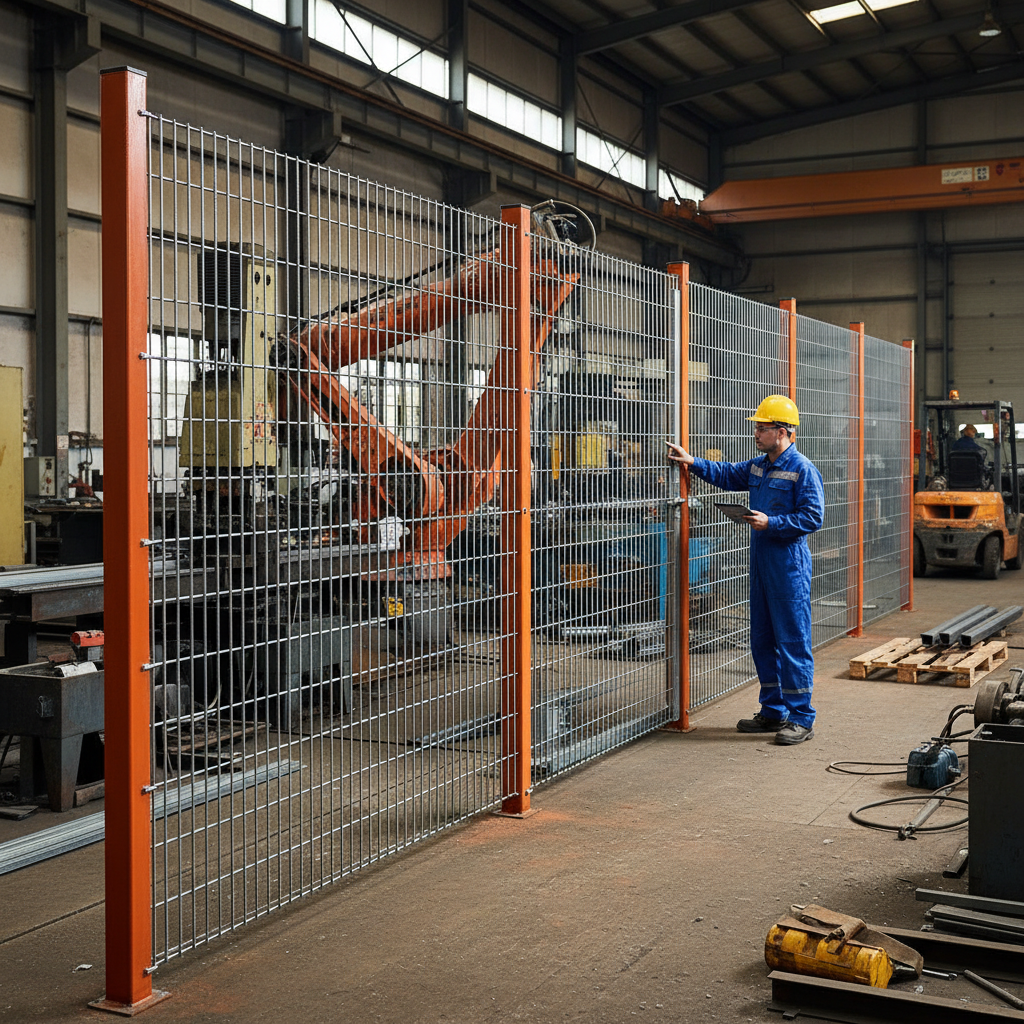
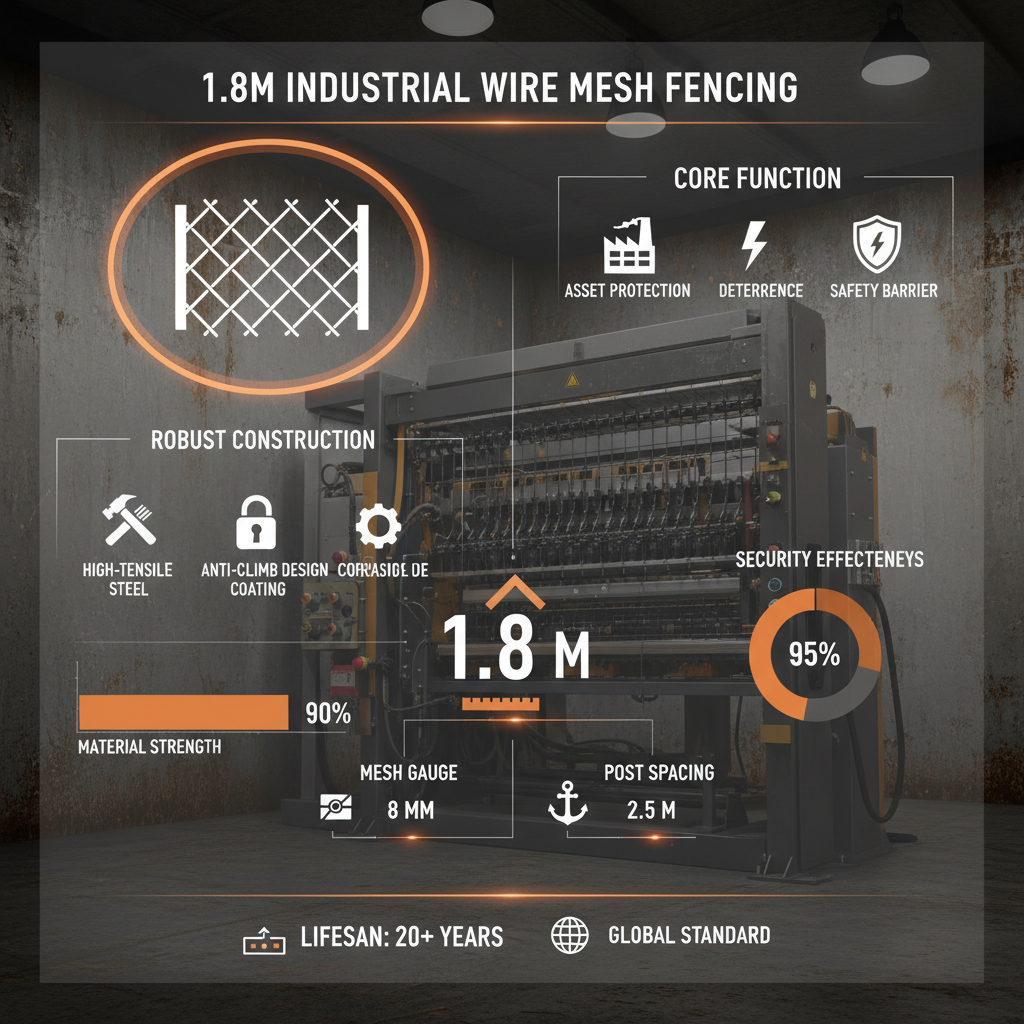
Exploring the Applications and Benefits of 1.8 m wire mesh fencing

Introduction to 1.8 m wire mesh fencing

Exploring the Applications and Benefits of 1.8 m wire mesh fencing

1.8 m wire mesh fencing offers a practical balance between security and accessibility, making it ideal for a diverse range of applications. Its standardized height allows for effective perimeter control while remaining relatively unobtrusive. This makes it a popular choice for both residential and commercial properties.

The construction typically involves galvanized or PVC-coated steel wires woven into a diamond or square mesh pattern, providing substantial strength and resistance to corrosion. The choice of coating and wire gauge dictates the fence’s longevity and suitability for specific environmental conditions.

Global Relevance and Industry Context

The global fencing market is a multi-billion dollar industry, with 1.8 m wire mesh fencing representing a significant portion due to its versatile applications. According to market research reports, the demand for perimeter security solutions, including wire mesh fencing, is projected to grow steadily in the coming years, particularly in developing nations undergoing rapid urbanization and infrastructure expansion.

The World Bank's infrastructure projects frequently utilize wire mesh fencing for site security and resource management. Furthermore, organizations like the UNHCR rely heavily on this type of fencing for creating secure boundaries in refugee camps and providing protection to vulnerable populations. This underscores the critical role this fencing plays in addressing global humanitarian needs.

A significant challenge lies in ensuring the ethical and sustainable sourcing of materials used in the production of 1.8 m wire mesh fencing. Concerns regarding labor practices and environmental impact in some manufacturing regions necessitate a focus on responsible procurement and supply chain transparency.

Defining 1.8 m wire mesh fencing

1.8 m wire mesh fencing, at its core, is a woven barrier typically constructed from galvanized steel wire. The ‘1.8 m’ refers to the standard height of the fencing, offering a balance of security and visibility. The mesh pattern, whether diamond, square, or other configurations, determines the fence’s aesthetic appearance and its ability to contain or deter passage.

Its connection to modern industry stems from its ability to provide cost-effective and scalable security solutions. In contrast to solid barriers, wire mesh fencing allows for some visibility and airflow, making it suitable for applications where complete obstruction is undesirable. It’s also easily adaptable to various terrains and site conditions.

Increasingly, 1.8 m wire mesh fencing is seen as more than just a physical barrier; it's a critical element in broader security systems, often integrated with access control technologies, surveillance cameras, and alarm systems to create comprehensive protection solutions.

Core Components of 1.8 m wire mesh fencing

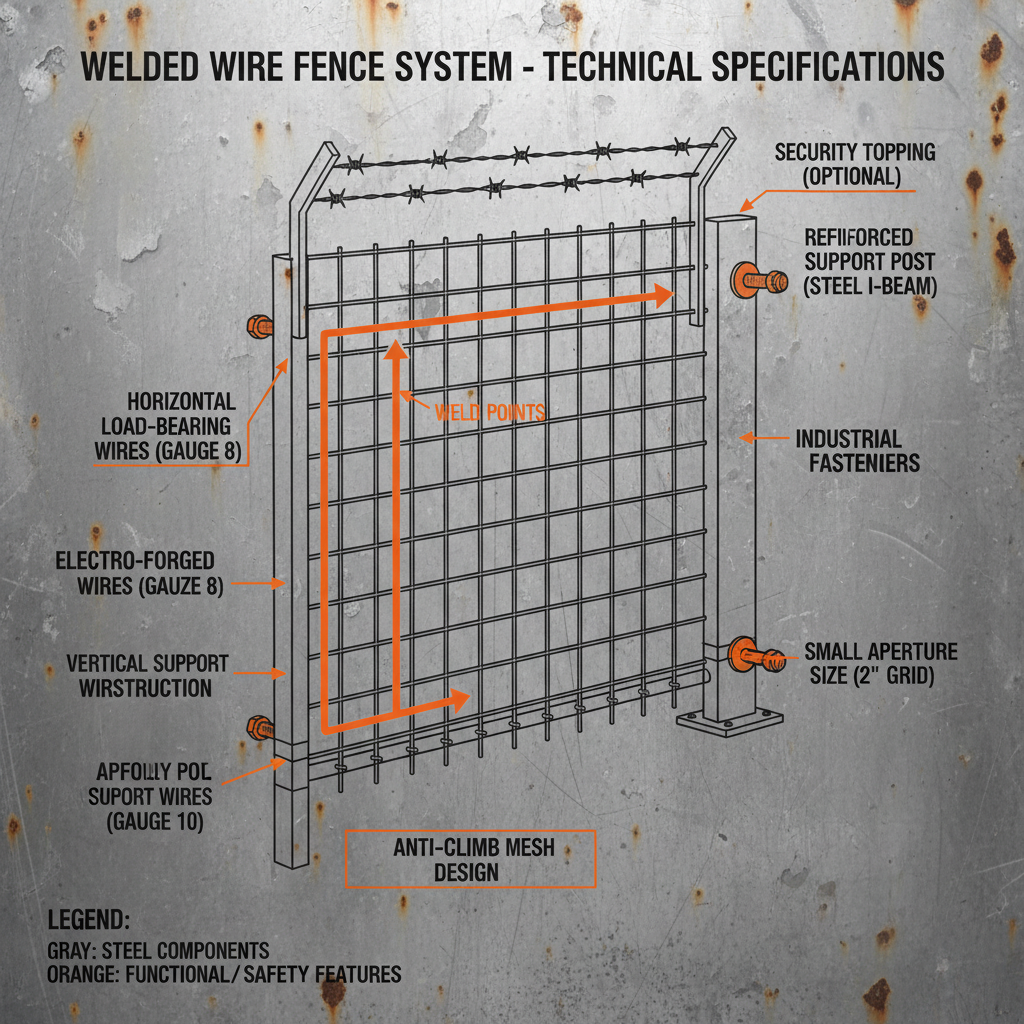
Several key factors contribute to the effectiveness and longevity of 1.8 m wire mesh fencing. First, the wire gauge dictates the strength and resistance to cutting or bending; heavier gauges provide greater security. Second, the mesh pattern influences both the visual appearance and the ability to contain objects or deter passage.

Third, the coating—typically galvanization or PVC—is critical for corrosion resistance, especially in harsh environments. Fourth, the post spacing and post material (steel, wood, or concrete) affect the structural integrity of the fence. Lastly, the quality of the weaving process significantly impacts the fence’s overall durability and resistance to stretching or sagging.

Durability Factors in 1.8 m wire mesh fencing


Applications and Use Cases Worldwide

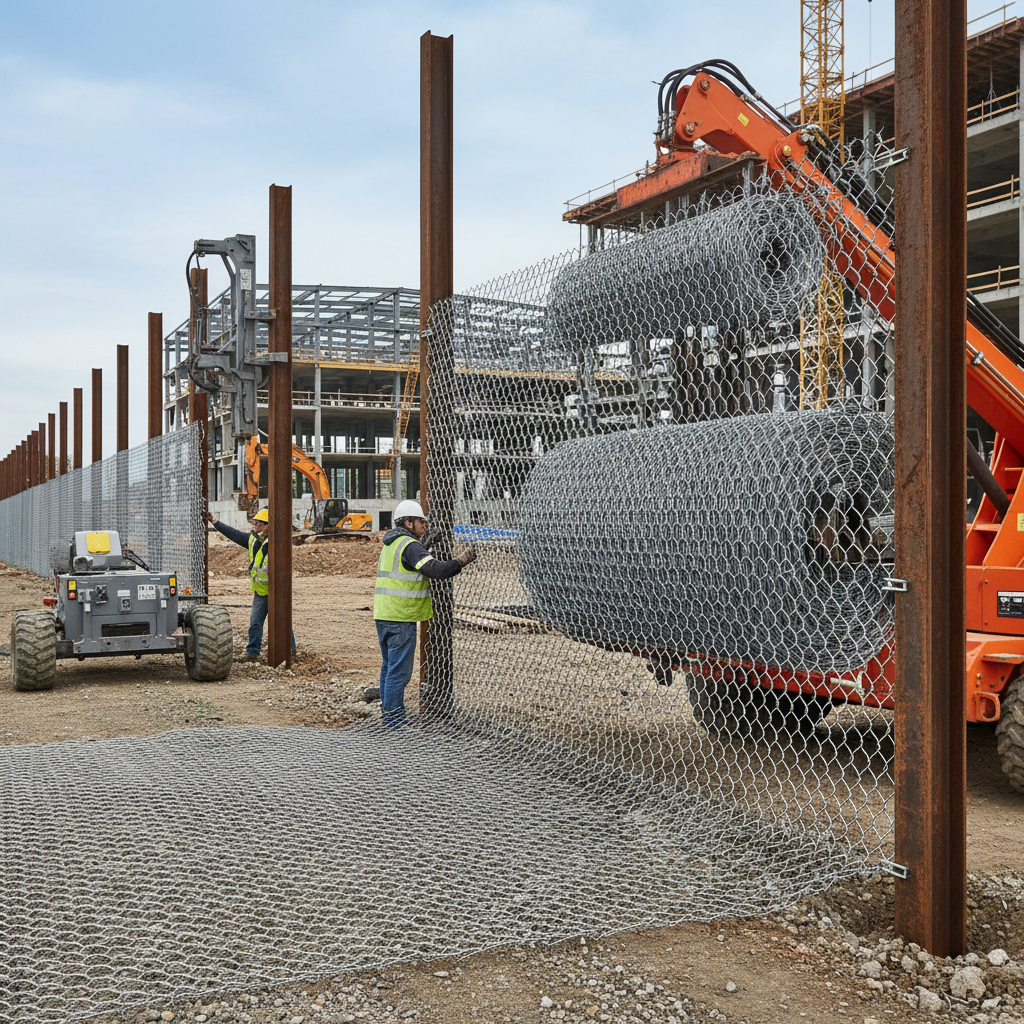
1.8 m wire mesh fencing finds applications in a remarkably diverse range of sectors. In agriculture, it’s widely used for livestock containment, crop protection from wildlife, and creating secure perimeters around farms. In industrial settings, it secures facilities, construction sites, and storage yards.

In remote industrial zones in Australia, 1.8 m wire mesh fencing is employed to secure valuable mining equipment and deter unauthorized access. In post-disaster relief operations, particularly in regions affected by earthquakes or floods, it's rapidly deployed to create temporary shelters, secure aid distribution points, and establish safe zones.

Advantages and Long-Term Value

The advantages of 1.8 m wire mesh fencing extend beyond its initial cost-effectiveness. Its durability translates to a long service life, minimizing the need for frequent repairs or replacements. The relatively low maintenance requirements – typically limited to occasional cleaning and inspection – further reduce long-term ownership costs.

The psychological benefits of a secure perimeter should not be underestimated. It provides a sense of safety and security for residents and employees, contributing to peace of mind and improved quality of life. From a sustainability perspective, the recyclability of steel wire mesh makes it a relatively environmentally friendly fencing option.

Future Trends and Innovations

The future of 1.8 m wire mesh fencing is intertwined with broader trends in materials science and security technology. Research into new coating materials offering enhanced corrosion resistance and UV protection is ongoing. The integration of smart sensors and IoT devices into the fencing structure is also gaining traction.

These innovations aim to create ‘intelligent fences’ capable of detecting intrusions, monitoring environmental conditions, and providing real-time alerts. Furthermore, the development of more sustainable and biodegradable wire mesh materials is a key focus area, aligning with the global push for environmentally responsible building practices.

Automation in the manufacturing process, coupled with digital design and modeling tools, is also contributing to greater precision and efficiency in the production of 1.8 m wire mesh fencing, ultimately lowering costs and improving quality.

FAQS

What is the typical lifespan of 1.8 m wire mesh fencing?

The lifespan of 1.8 m wire mesh fencing varies depending on the materials used and the environmental conditions. Galvanized steel fencing typically lasts 10-20 years, while PVC-coated fencing can extend that to 25 years or more. Regular inspection and maintenance, such as cleaning and repairing any damage, can significantly prolong its service life. Factors like salt spray, industrial pollution, and extreme weather conditions can accelerate corrosion and reduce lifespan.

How does the mesh size impact security?

Smaller mesh sizes offer greater security, as they make it more difficult to climb or cut through the fence. Larger mesh sizes provide better visibility but compromise security. The optimal mesh size depends on the specific security requirements of the application. For high-security applications, a smaller mesh size combined with heavier gauge wire is recommended. For perimeter fencing where visibility is important, a larger mesh size may be acceptable.

Is 1.8 m wire mesh fencing suitable for steep slopes?

1.8 m wire mesh fencing can be adapted for use on steep slopes, but it requires careful installation and potentially specialized techniques. Using shorter post sections and following the contours of the slope is crucial. In some cases, terracing or using additional support structures may be necessary to ensure the fence remains stable and secure. Proper anchoring of the posts is essential to prevent the fence from sliding or collapsing.

What is the difference between galvanized and PVC-coated wire mesh?

Galvanized wire mesh is coated with a layer of zinc to protect against corrosion. PVC-coated wire mesh has an additional layer of PVC plastic over the galvanization, providing even greater protection, particularly in harsh environments. PVC coating also offers a wider range of color options and a more aesthetically pleasing appearance. However, PVC-coated fencing is generally more expensive than galvanized fencing.

How much maintenance does 1.8 m wire mesh fencing require?

1.8 m wire mesh fencing generally requires minimal maintenance. Regular inspections for damage, such as cuts, breaks, or corrosion, are recommended. Any damaged sections should be repaired promptly to prevent further deterioration. Periodic cleaning to remove dirt, debris, and vegetation can help prolong the fence's lifespan. For PVC-coated fencing, occasional washing with mild soap and water can maintain its appearance.

Is 1.8 m wire mesh fencing environmentally friendly?

Compared to some other fencing materials like wood, 1.8 m wire mesh fencing has a relatively low environmental impact. Steel is a recyclable material, reducing landfill waste. While the manufacturing process does consume energy, the long lifespan of the fencing minimizes the need for frequent replacements. Choosing coatings with low VOC content and sourcing materials from responsible suppliers can further enhance its environmental sustainability.

Conclusion

1.8 m wire mesh fencing remains a cornerstone of perimeter security, agricultural containment, and infrastructure protection worldwide. Its cost-effectiveness, durability, and versatility continue to drive its widespread adoption across diverse applications. Understanding the core components, emerging trends, and potential challenges associated with this fencing is critical for making informed decisions and optimizing its performance.

As security needs evolve and sustainability concerns grow, innovations in materials, coatings, and smart technologies will shape the future of 1.8 m wire mesh fencing. By embracing these advancements and prioritizing responsible sourcing and installation practices, we can maximize the long-term benefits of this essential fencing solution.

David Miller

David Miller

David Miller is a seasoned Project Manager at Hebei Jinjiu Metal Products Co., Ltd, with over 15 years of experience in the architectural wire mesh industry. He specializes in overseeing large-scale perimeter security projects, particularly in the US market. David was instrumental in the successful completion of the City Park
Previous Comprehensive Guide to 1 2 inch wire mesh fencing Applications and Market Trends
Next The Essential Role of Chain Mesh Fencing in Modern Security and Infrastructure
We can customized wire mesh products by your drawing and requirements