Fencing mesh, a versatile and robust material, has become increasingly vital across a wide spectrum of applications, from agricultural security and industrial containment to humanitarian aid and wildlife management. Its inherent properties – strength, durability, and cost-effectiveness – make it an indispensable component in modern infrastructure and disaster relief efforts. Understanding its nuances, applications, and emerging trends is critical for professionals and organizations operating in these diverse fields.
The global demand for fencing mesh is steadily increasing, driven by factors like population growth, urbanization, and the need for enhanced security measures. According to the United Nations, rapid urbanization, particularly in developing nations, creates a demand for secure boundaries and controlled access. Furthermore, growing concerns about border security and the protection of critical infrastructure further fuel this demand. The inherent benefits of fencing mesh—its ability to define spaces, restrict movement, and safeguard assets—contribute to its widespread adoption.
The escalating challenges of land disputes, poaching, and illegal immigration necessitate effective perimeter security solutions. Fencing mesh offers a practical, scalable, and relatively affordable answer to these concerns, making it a cornerstone of security strategies worldwide. As industries and communities prioritize safety and protection, the role of fencing mesh will continue to expand and evolve.
Introduction to Fencing Mesh
Fencing mesh, in its simplest form, is a woven or welded network of wires designed to create a barrier. It's not merely a physical divider; it represents security, delineation, and control. The versatility of fencing mesh lies in its adaptability to diverse environments and requirements, making it a foundational element in numerous sectors.
From safeguarding agricultural lands against livestock intrusion to protecting critical infrastructure from unauthorized access, fencing mesh plays a crucial role in maintaining order and preventing loss. The modern advancements in materials and manufacturing techniques continue to enhance its performance and expand its application possibilities, solidifying its position as a staple in both public and private sectors.
Defining Fencing Mesh
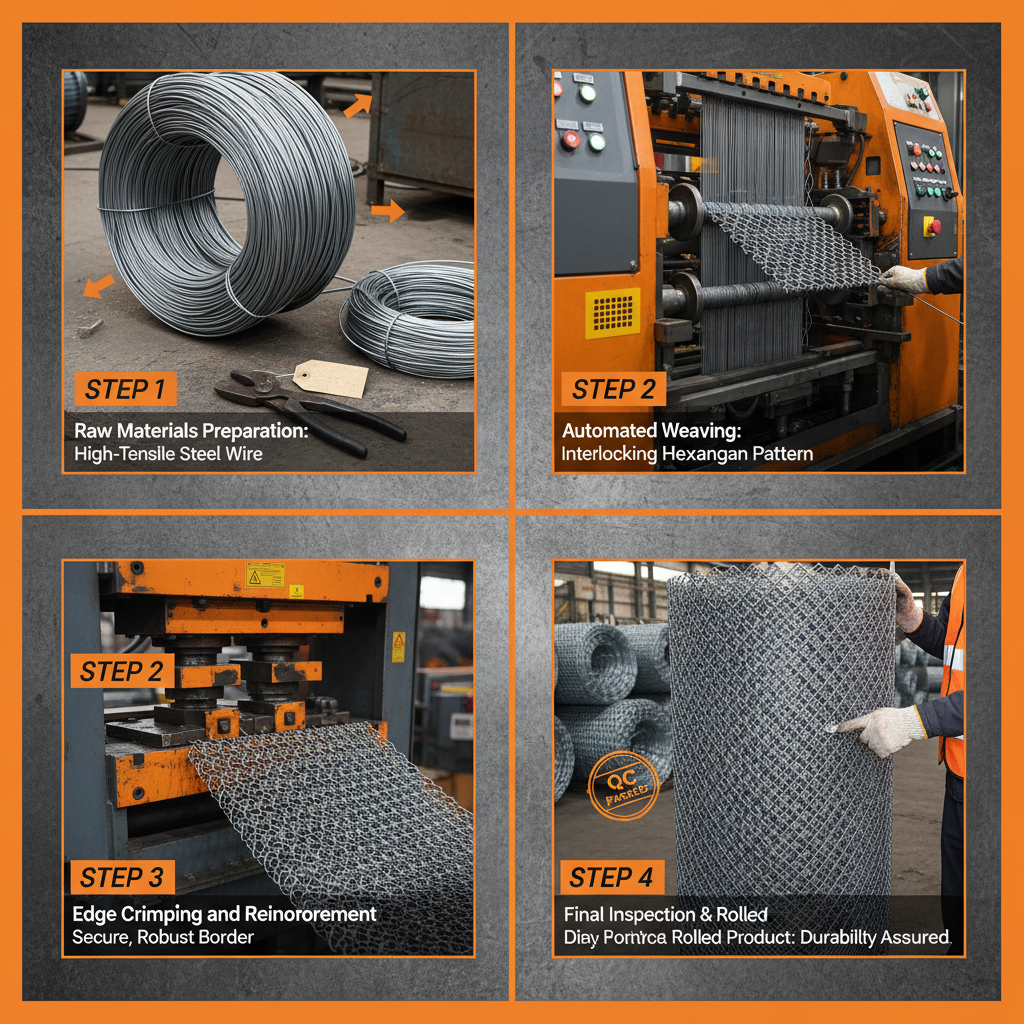
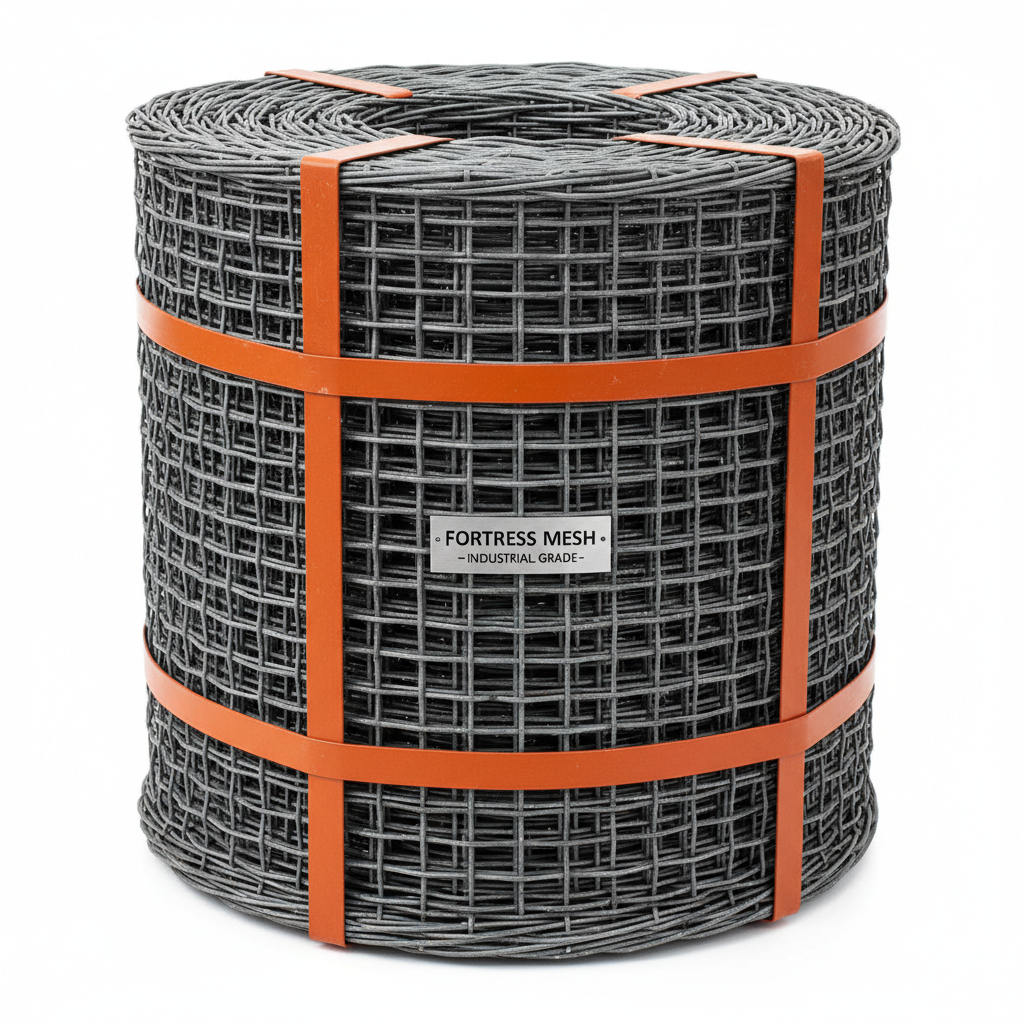
Fencing mesh is essentially a wire fabric constructed through weaving, welding, or a combination of both processes. The materials used commonly include galvanized steel, stainless steel, aluminum, and even specialized polymers for specific applications. The ‘mesh’ refers to the size of the openings in the wire network, a key factor determining its suitability for different purposes – smaller mesh sizes provide greater security, while larger mesh sizes are often used for agricultural fencing.
Its connection to modern industry lies in its ability to provide cost-effective and efficient perimeter control. In a world increasingly focused on security and asset protection, fencing mesh serves as a first line of defense against theft, vandalism, and unauthorized access. It's a fundamental building block of infrastructure, enabling the safe and efficient operation of various industries.
From a humanitarian perspective, fencing mesh is frequently deployed in refugee camps and disaster relief scenarios to establish secure perimeters, manage populations, and ensure the safety of vulnerable individuals. This critical application highlights its role not only in protection but also in providing dignity and order in times of crisis.
Key Properties of Fencing Mesh
Durability is paramount. Quality fencing mesh resists corrosion, weathering, and physical damage, ensuring a long service life with minimal maintenance. The choice of material – galvanized steel, stainless steel, or polymer-coated wire – significantly impacts its longevity in varying environmental conditions.
Scalability refers to the ease with which a fencing system can be expanded or modified to meet changing needs. Modular fencing mesh designs allow for quick and efficient installation, adaptation, and extension, making them ideal for growing businesses or evolving security requirements. This flexibility is a major advantage over rigid fencing solutions.
Cost-efficiency is a key driver of its widespread adoption. Compared to traditional fencing materials like concrete or brick, fencing mesh offers a significantly lower upfront cost without compromising on security. The ease of installation further reduces overall project expenses.
Global Applications and Use Cases
The applications of fencing mesh are remarkably diverse. In agriculture, it protects crops and livestock from predators and theft, ensuring food security and economic stability. Industrial facilities utilize it to secure perimeters, control access, and protect valuable assets. Fencing mesh also serves a vital role in construction sites, providing safety barriers and preventing unauthorized entry.
In post-disaster relief operations, fencing mesh is rapidly deployed to create temporary shelters, secure aid distribution points, and establish safe zones for affected populations. In remote industrial zones, such as mining operations or oil fields, it provides essential perimeter security against vandalism and theft.
Regions with high levels of poaching, like parts of Africa, rely on robust fencing mesh to protect endangered wildlife populations. Governments worldwide employ it for border control, enhancing national security and managing migration flows. Security companies integrate fencing mesh into comprehensive security systems, providing layers of protection for commercial and residential properties.
Fencing Mesh Application Ratings by Sector
Advantages and Long-Term Value
The tangible benefits of utilizing fencing mesh are numerous. Cost savings are significant, both in initial investment and long-term maintenance. Its durability reduces the frequency of repairs and replacements, leading to lower lifecycle costs. Sustainability is increasingly a consideration, with many fencing mesh options being recyclable.
Beyond the purely practical, fencing mesh provides peace of mind and a sense of security. Protecting assets, safeguarding communities, and ensuring the well-being of individuals contribute to a more stable and prosperous society. It fosters trust and promotes responsible stewardship of resources, bolstering innovation and progress.
Future Trends in Fencing Mesh Technology
Innovation is driving the development of "smart" fencing mesh integrated with sensor technology for real-time monitoring and intrusion detection. These systems can provide immediate alerts to security personnel, enhancing response times and improving overall security effectiveness. The use of advanced materials, such as high-strength alloys and polymer coatings, is extending the lifespan and enhancing the performance of fencing mesh.
The integration of renewable energy sources, such as solar power, to power security features like lighting and cameras is becoming increasingly common. Furthermore, the adoption of digital twin technology allows for virtual modeling and optimization of fencing systems, improving design and performance.
Challenges and Solutions in Fencing Mesh Implementation
A common challenge is ensuring proper installation to maintain the integrity of the barrier. Incorrect tensioning or inadequate anchoring can compromise security. Solutions include employing certified installers and utilizing high-quality fastening systems.
Vandalism and attempts to breach the fence are ongoing concerns. Reinforced fencing mesh, anti-climb features, and perimeter monitoring systems can deter intruders and mitigate damage. Regular inspections and maintenance are essential to identify and address vulnerabilities.
Environmental factors, such as corrosion in coastal areas or extreme temperatures, can accelerate degradation. Selecting appropriate materials and applying protective coatings can significantly extend the service life of the fencing mesh and minimize maintenance requirements.
Summary of Common Challenges and Solutions in Fencing Mesh Applications
| Challenge Category |
Specific Challenge |
Impact Level (1-10) |
Proposed Solution |
| Installation |
Improper Tensioning |
7 |
Certified Installation Teams |
| Security |
Vandalism & Breaches |
8 |
Anti-Climb Features & Monitoring |
| Environmental |
Corrosion (Coastal Areas) |
6 |
Stainless Steel or Polymer Coating |
| Maintenance |
Lack of Regular Inspections |
5 |
Scheduled Maintenance Programs |
| Material Selection |
Inadequate Material for Application |
7 |
Expert Consultation & Material Analysis |
| Cost Management |
Initial Cost Concerns |
4 |
Lifecycle Cost Analysis & Value Engineering |
FAQS
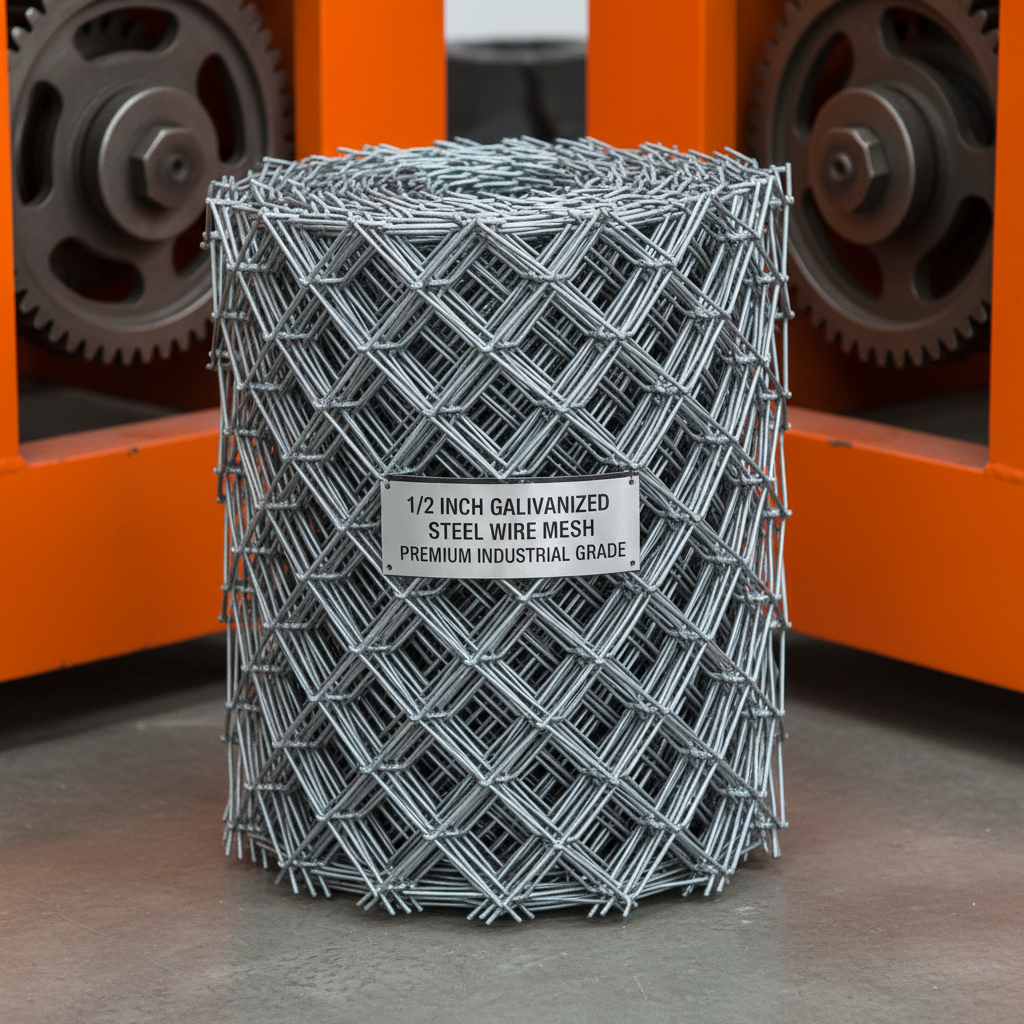
Fencing mesh comes in several varieties, including woven wire, welded wire, chain-link, and hexagonal netting. Woven wire offers flexibility and good tensile strength. Welded wire provides rigidity and is often used for more secure applications. Chain-link is a common, cost-effective choice for general perimeter fencing. Hexagonal netting is frequently used for poultry or animal enclosures. The ideal choice depends on the specific security needs, budget, and environmental conditions.
Galvanized steel fencing mesh is coated with zinc to protect against corrosion, making it suitable for most outdoor environments. It’s more affordable than stainless steel. However, stainless steel offers superior corrosion resistance, particularly in harsh coastal or chemically exposed areas. Stainless steel also boasts a longer lifespan and requires less maintenance, justifying the higher initial investment in such applications.
To effectively deter small animals, a mesh size of 1 inch or smaller is recommended. This prevents rabbits, rodents, and other pests from squeezing through. For even greater protection, consider using hardware cloth, which has a very fine mesh. The selection should align with the size of the animals you are trying to exclude.
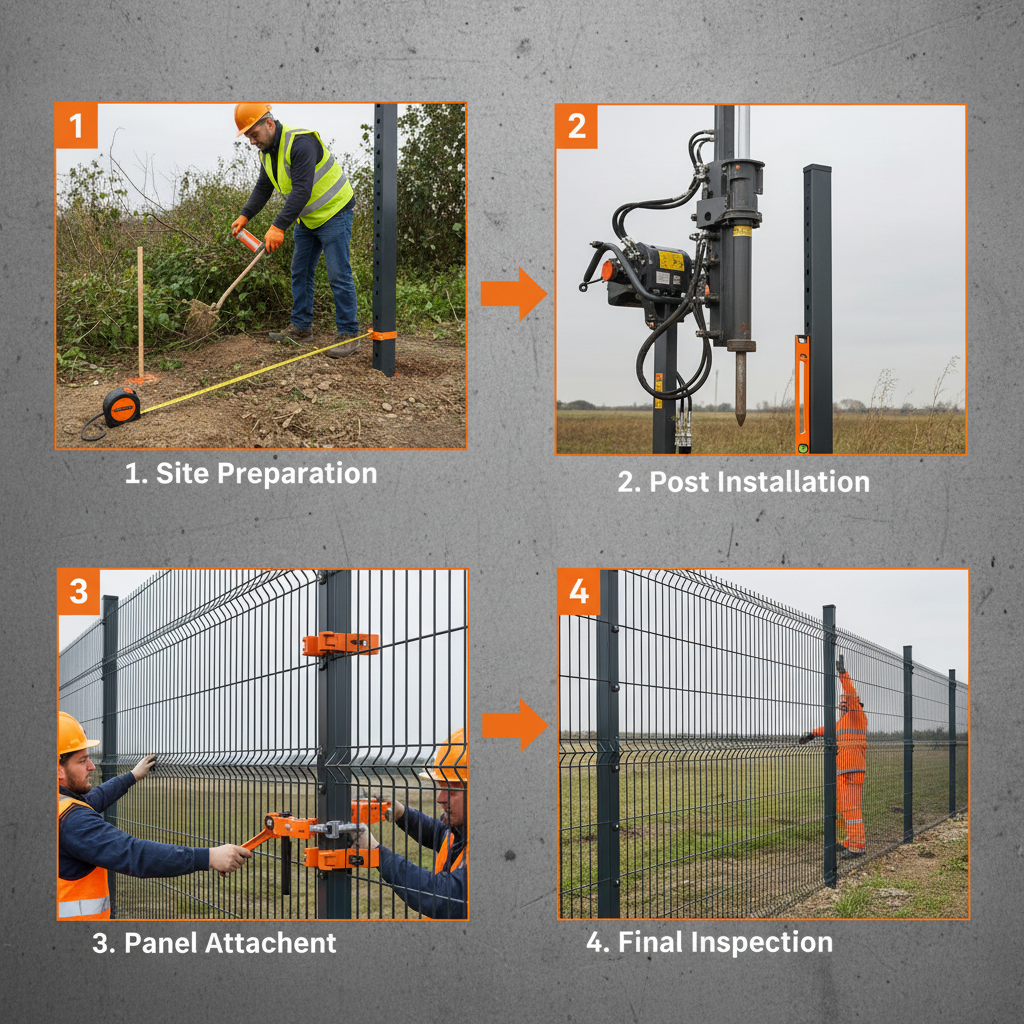
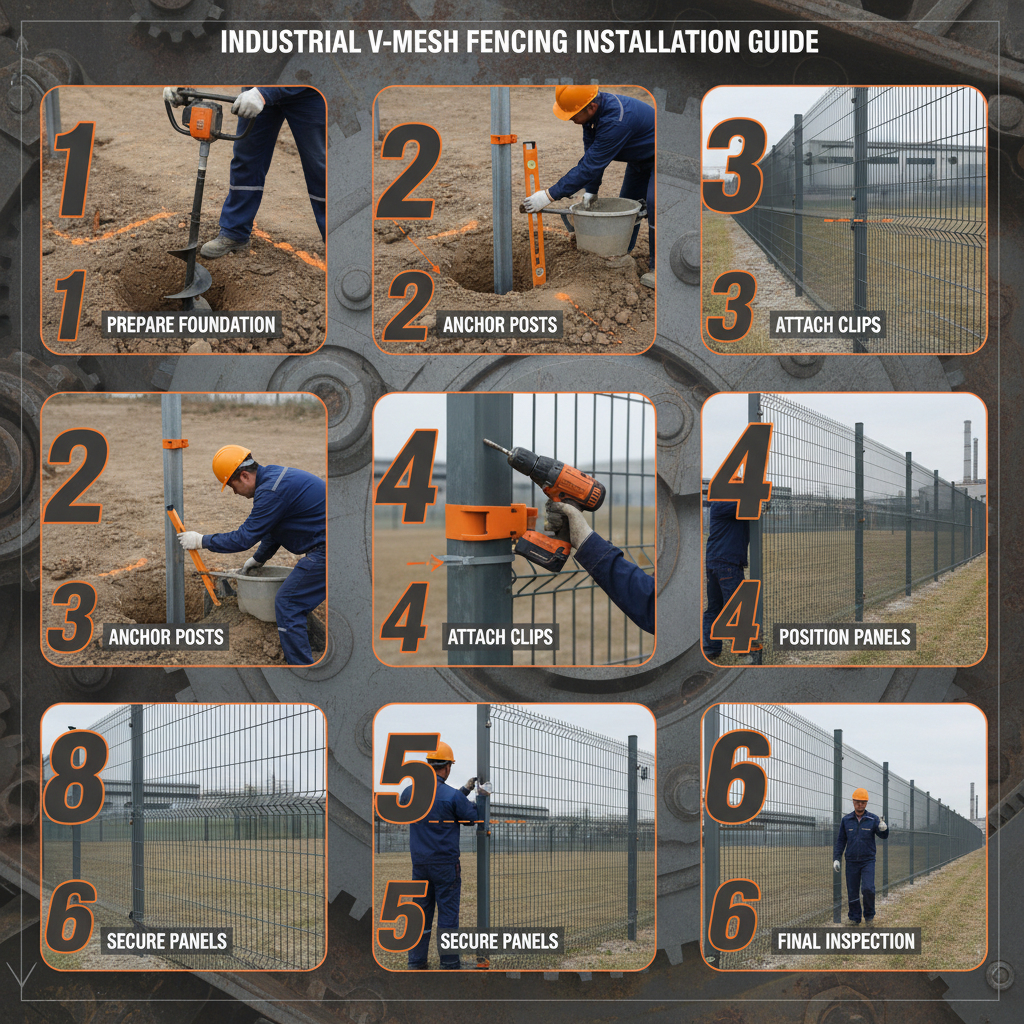
Proper installation is crucial. Begin by setting sturdy posts at appropriate intervals. Ensure the posts are deeply anchored in the ground to resist wind and tampering. Stretch the fencing mesh tightly between posts, using tension wires and secure fasteners. Proper bracing and reinforcement are essential to prevent sagging or collapsing. Consulting a professional installer is advisable for complex projects.
Fencing mesh can be an environmentally conscious choice. Many materials, like steel and aluminum, are recyclable. Choosing durable fencing mesh reduces the need for frequent replacements, minimizing waste. Consider opting for powder-coated finishes over traditional paints, as powder coating is more environmentally friendly. Responsible disposal of end-of-life fencing is also important.
With proper maintenance, a fencing mesh system can last for 15-25 years or even longer, depending on the material and environmental conditions. Galvanized steel typically lasts 15-20 years, while stainless steel can easily exceed 25 years. Regular inspections, cleaning, and repairs—such as replacing damaged sections or tightening tension wires—are key to maximizing its lifespan. Applying protective coatings can also extend its durability.
Conclusion
In conclusion, fencing mesh stands as a remarkably versatile and essential material across a diverse range of applications. Its inherent properties—durability, scalability, and cost-effectiveness—make it a fundamental component of security, agricultural practices, and humanitarian efforts worldwide. The continued evolution of materials and technologies promises even more innovative solutions for perimeter control and protection in the years to come.
Looking ahead, proactive maintenance, adoption of smart technologies, and responsible material selection will be key to maximizing the value and sustainability of fencing mesh systems. By embracing these advancements, we can ensure that fencing mesh continues to play a vital role in safeguarding communities, protecting assets, and fostering a more secure and prosperous future. Visit our website: www.jinshieldmesh.com to learn more.