Twin mesh fencing represents a significant advancement in perimeter security and containment solutions, increasingly crucial in a world demanding heightened protection for infrastructure, properties, and even humanitarian efforts. Its unique interwoven design offers superior strength and resilience compared to traditional fencing options, making it a preferred choice across diverse applications. Understanding its properties and benefits is paramount for professionals in security, construction, and disaster relief, as well as for individuals seeking robust and reliable fencing solutions.
The global demand for effective and durable fencing solutions is constantly rising, driven by factors such as increasing security concerns, rapid urbanization, and the need for efficient border control. According to reports from the UN Refugee Agency, secure enclosures are vital in providing safe environments for displaced populations. Twin mesh fencing, specifically, addresses this need with its high tensile strength, difficult-to-climb structure, and resistance to cutting or tampering. This translates into reduced maintenance costs and enhanced long-term security.
However, choosing the right fencing solution can be complex. Traditional options often fall short in terms of durability, security, or cost-effectiveness. twin mesh fencing emerges as a compelling alternative, providing a balance of these critical factors. Its ability to adapt to varying terrain and accommodate diverse security requirements makes it a versatile solution applicable to a wide range of scenarios.
The Core Principles of twin mesh fencing
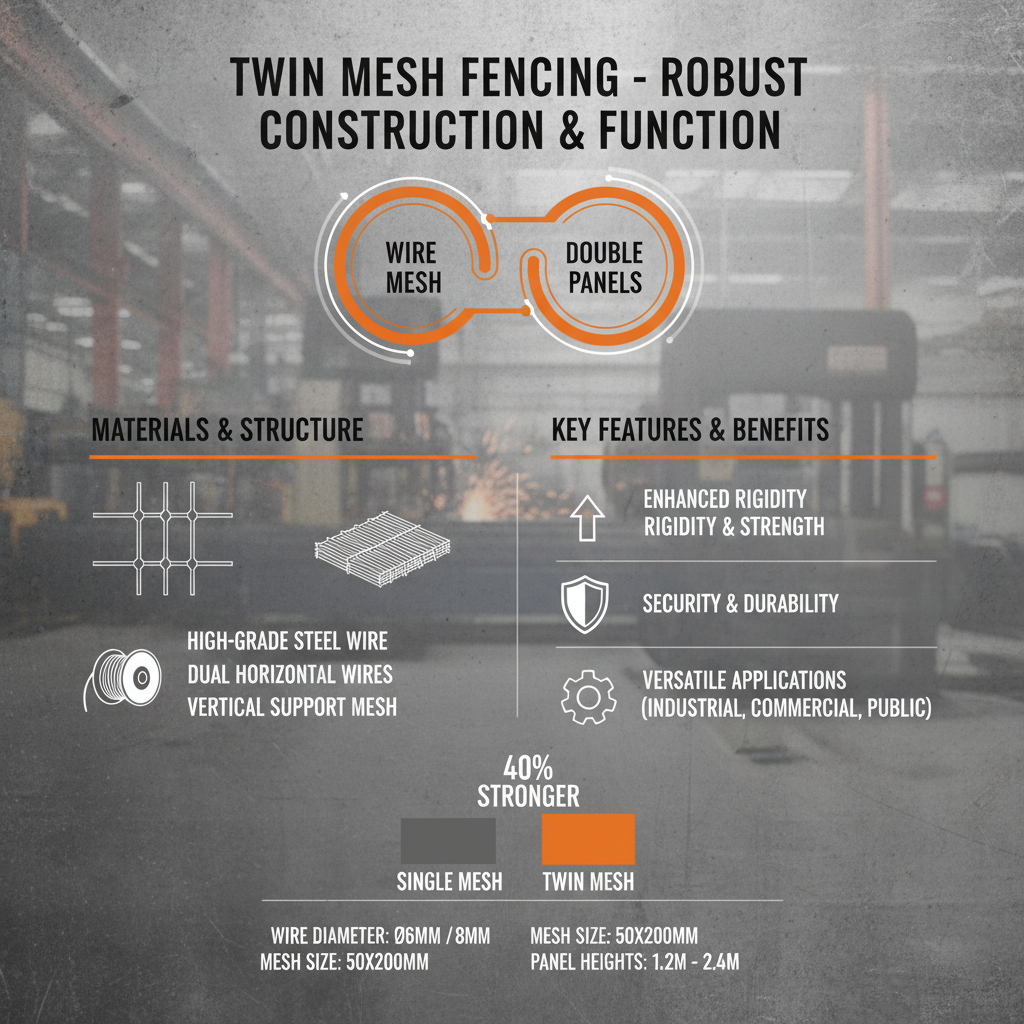
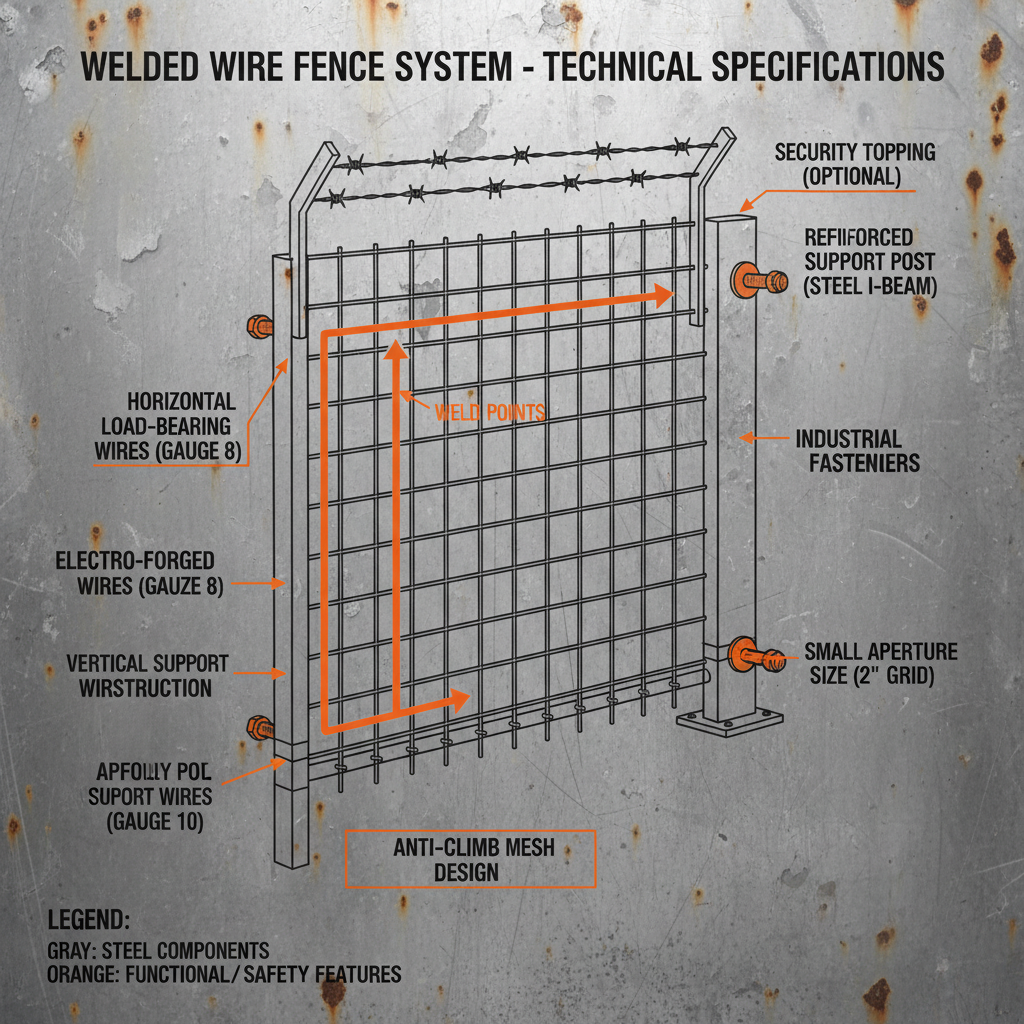
At its heart, twin mesh fencing relies on the principle of interlaced wires creating a robust and exceptionally difficult-to-penetrate barrier. Unlike traditional welded wire mesh, the double-wire construction provides redundancy; if one wire breaks, the neighboring wire maintains structural integrity. This design drastically increases the fence’s resistance to cutting, climbing, and general wear and tear. The twin mesh fencing design is engineered for security.
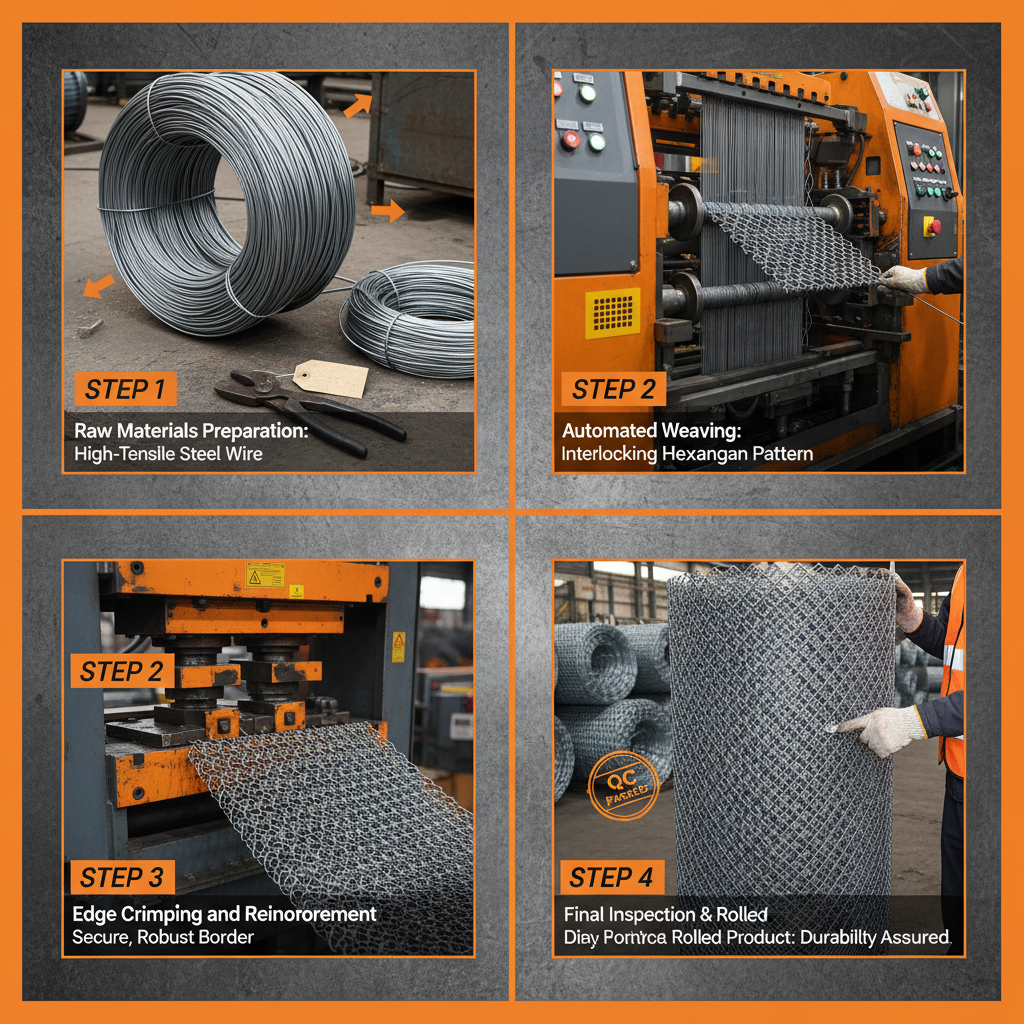
The effectiveness of this system stems from the meticulous manufacturing process and the high-quality materials used. Typically, galvanized steel or stainless steel wires are woven together under precise tension, ensuring a tight and consistent mesh pattern. This tension is critical, as it contributes significantly to the fence’s overall strength and resistance to deformation.
The Global Significance of twin mesh fencing
The demand for robust perimeter security is a global phenomenon, driven by increasing concerns over public safety, asset protection, and border control. From critical infrastructure like power plants and telecommunication facilities to sensitive government installations and commercial properties, the need for reliable fencing solutions is paramount. Twin mesh fencing has emerged as a key player in meeting this demand, offering a superior level of security compared to traditional fencing options.
Across Europe, twin mesh fencing is frequently used to secure industrial parks, airports, and data centers. In North America, it’s a popular choice for protecting correctional facilities and high-security government buildings. Furthermore, humanitarian organizations utilize it in establishing secure perimeters around refugee camps and disaster relief zones, providing a safe and controlled environment for vulnerable populations. The World Bank actively promotes secure infrastructure in developing nations, and durable fencing plays a crucial role.
The significance extends beyond simply preventing unauthorized access. It's about creating a sense of security, deterring criminal activity, and safeguarding valuable assets. The growing adoption of twin mesh fencing globally reflects a shift towards prioritizing long-term security and investing in solutions that offer genuine protection and peace of mind.
Defining twin mesh fencing: A Comprehensive Overview
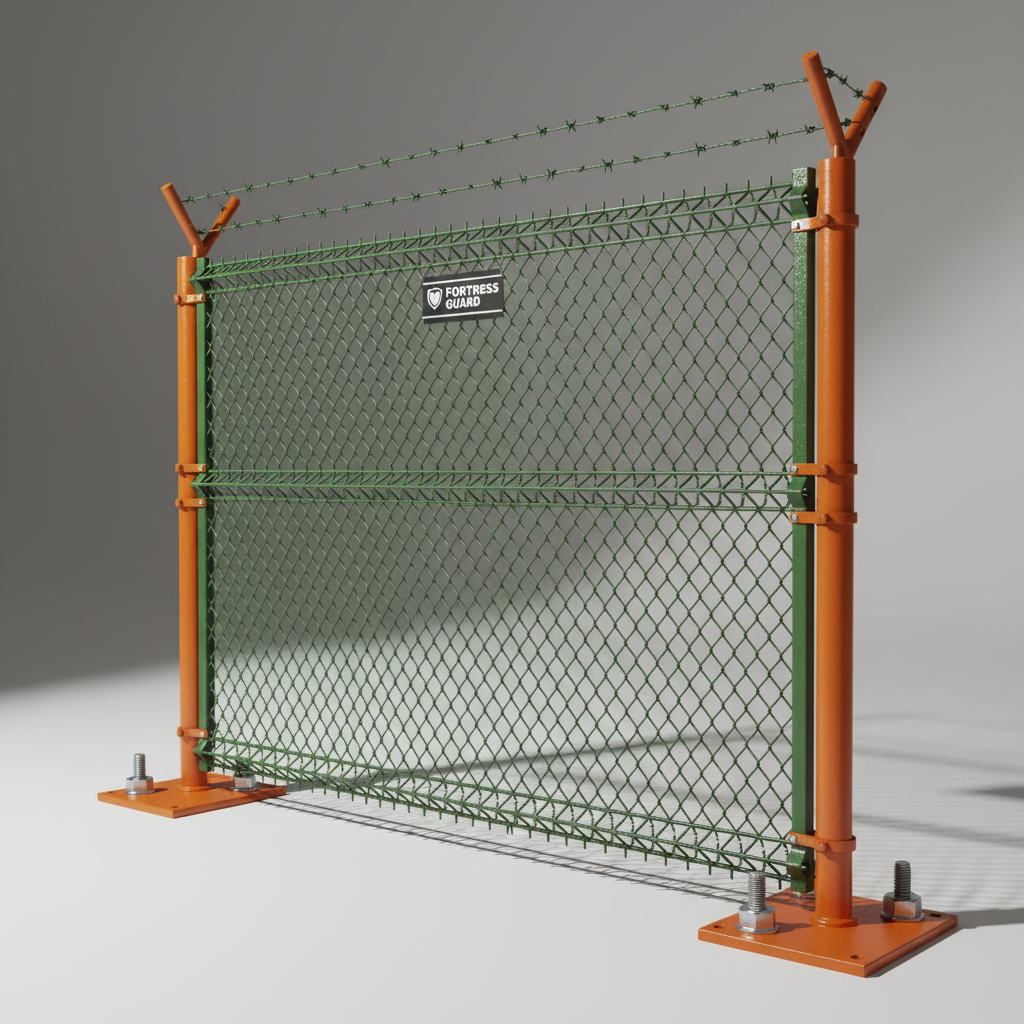
Twin mesh fencing, also known as double wire mesh fencing, is a specialized type of woven wire fence distinguished by its unique construction. Instead of single wires welded together, it features two wires woven into a single mesh panel. This interwoven structure provides significantly enhanced strength, rigidity, and resistance to cutting and climbing compared to conventional fencing systems. It's designed to create a near-impenetrable barrier offering long-lasting security.
The connection to modern industry and humanitarian needs is multifaceted. Industries requiring high-security perimeter protection – such as utilities, transportation, and data centers – rely on it to safeguard critical infrastructure. In humanitarian contexts, it provides a secure perimeter for refugee camps, disaster relief zones, and temporary shelters, helping to maintain order and protect vulnerable populations. The design is specifically chosen for its blend of durability and ease of deployment.
Understanding the composition is key. Typically manufactured from galvanized steel wire, sometimes with a PVC coating for added corrosion resistance, the mesh panels are designed to withstand harsh weather conditions and prolonged use. The weaving pattern itself creates multiple interlocking points, distributing stress and preventing single-point failures. twin mesh fencing is a comprehensive security solution.
Key Attributes of Superior twin mesh fencing
Several core attributes define the superiority of twin mesh fencing, making it a standout choice for a wide range of applications. These attributes are not merely features, but critical components that contribute to the overall effectiveness and long-term value of the system.
First and foremost is Durability. The double-wire weaving construction dramatically increases the fence’s resistance to cutting, climbing, and impact, ensuring long-lasting performance even in harsh environments. Secondly, Scalability is key; panels can be easily extended or adjusted to accommodate varying terrain and perimeter requirements.
Comparative Analysis of twin mesh fencing Attributes
Real-World Applications of twin mesh fencing
The versatility of twin mesh fencing translates into a diverse range of real-world applications. From high-security facilities to ecologically sensitive areas, it offers a reliable and effective solution for perimeter protection. In post-disaster relief operations, it provides a quick and secure means of establishing temporary enclosures for aid distribution and shelter.
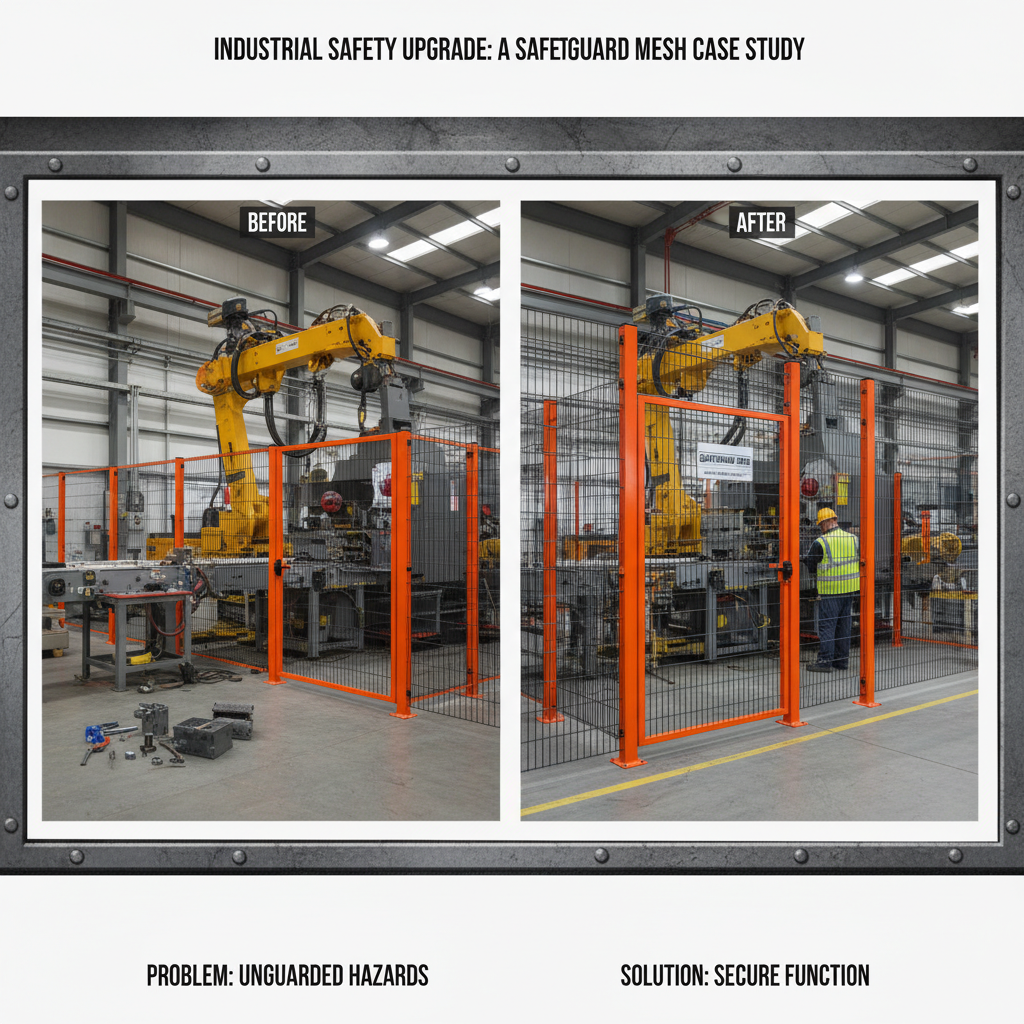
In remote industrial zones, such as oil and gas installations or mining operations, it safeguards valuable assets and personnel from unauthorized access and potential threats. Furthermore, it’s widely used in correctional facilities to prevent escapes and maintain a secure environment. Agricultural applications also benefit, protecting livestock and crops from predators and theft.
Its adaptability extends to environmental protection as well. Wildlife reserves and conservation areas utilize it to create boundaries that protect endangered species and control access to sensitive ecosystems, preventing poaching and habitat destruction.
The Long-Term Value and Benefits of twin mesh fencing
Investing in twin mesh fencing delivers a significant return on investment over the long term. The inherent durability and resistance to tampering translate into reduced maintenance costs and fewer replacements, minimizing lifecycle expenses. Its robust construction reduces the likelihood of breaches, safeguarding assets and minimizing potential losses from theft or vandalism.
Beyond the tangible economic benefits, twin mesh fencing contributes to enhanced safety and security, providing peace of mind for property owners and stakeholders. The visible deterrent effect alone can discourage criminal activity. The longevity of the material also aligns with sustainability goals, reducing the need for frequent replacements and minimizing environmental impact.
Future Innovations and Considerations for twin mesh fencing
The field of perimeter security is constantly evolving, and innovations in twin mesh fencing are ongoing. Current research focuses on incorporating smart technologies, such as integrated sensors and alarm systems, to enhance detection capabilities and provide real-time alerts. Advanced coatings are also being developed to further improve corrosion resistance and extend the lifespan of the fencing.
Sustainability is another key area of focus, with efforts to utilize recycled materials in the manufacturing process and minimize the environmental footprint of production. The integration of digital twin technology allows for virtual modeling and predictive maintenance, optimizing performance and reducing downtime. twin mesh fencing is evolving.
Furthermore, advancements in automation are streamlining the installation process, reducing labor costs and improving efficiency. As security threats become more sophisticated, the industry will continue to innovate, leveraging technology to create even more robust and reliable perimeter protection solutions.
A Comparative Overview of twin mesh fencing Performance Factors
| Security Level |
Installation Complexity |
Maintenance Requirements |
Long-Term Cost |
| High (9/10) |
Moderate (6/10) |
Low (4/10) |
Low (5/10) |
| Very High (10/10) with sensor integration |
Moderate (7/10) |
Low (3/10) |
Moderate (6/10) |
| Moderate (7/10) for standard configurations |
Easy (8/10) |
Very Low (2/10) |
Low (4/10) |
| High (8/10) with proper installation |
Moderate (6/10) |
Low (4/10) |
Moderate (5/10) |
| Variable (6-9/10) depending on wire gauge |
Moderate (7/10) |
Low (3/10) |
Moderate (6/10) |
| High (9/10) for corrosion-resistant materials |
Moderate (6/10) |
Very Low (2/10) |
Moderate (7/10) |
FAQS
The lifespan of twin mesh fencing is remarkably long, typically ranging from 20 to 30 years, and often exceeding that with proper maintenance. The galvanized or stainless steel construction provides excellent corrosion resistance, protecting against the elements. Unlike welded wire, the interwoven design minimizes the impact of single-wire failures, extending the fence’s overall durability. Regular inspections and occasional repairs can further prolong its service life.
Yes, absolutely. Twin mesh fencing is exceptionally adaptable to varying terrain. The panels can be easily contoured to follow the natural contours of the land, minimizing the need for extensive ground preparation. The inherent flexibility of the mesh allows it to conform to slopes and curves, providing a secure and aesthetically pleasing barrier even on challenging sites.
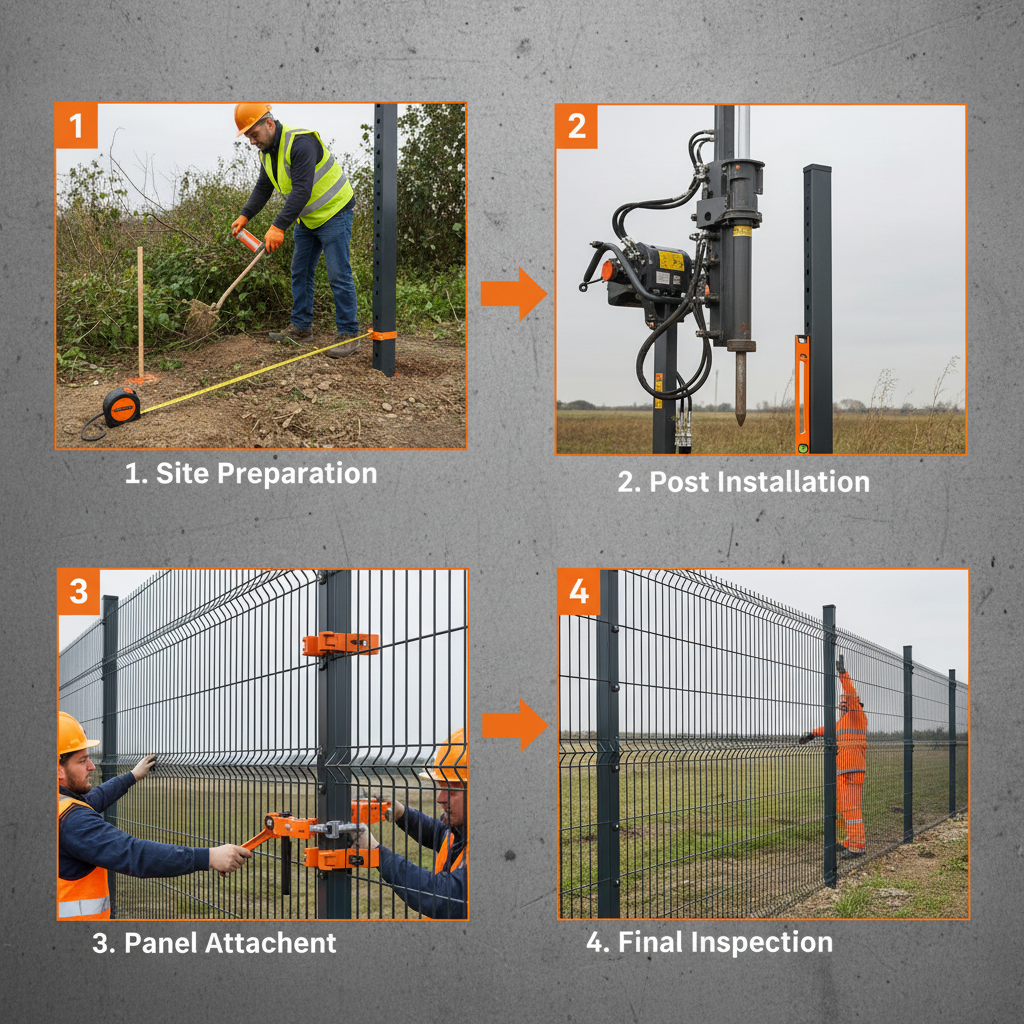
Installation costs vary depending on factors like site accessibility, terrain complexity, and the overall length of the fence. However, while the initial material cost might be slightly higher than some traditional fencing options, the long-term savings from reduced maintenance and replacements often offset this difference. Professional installation is recommended to ensure optimal performance and longevity.
Twin mesh fencing offers significantly superior security compared to chain-link. Its interwoven construction makes it much more difficult to cut or climb. Chain-link is relatively easy to breach with bolt cutters, while twin mesh requires specialized tools and considerable effort. The tighter mesh pattern also deters attempts to squeeze through the fence.
Absolutely. twin mesh fencing is highly compatible with a wide range of security systems, including motion detectors, vibration sensors, and CCTV cameras. The solid mesh provides an excellent mounting surface for these devices, enhancing their effectiveness. Integration with security systems allows for real-time monitoring and rapid response to potential breaches.
Twin mesh fencing can be a sustainable choice, particularly when manufactured with recycled materials. The long lifespan reduces the need for frequent replacements, minimizing waste. The durability of the materials also contributes to a lower environmental impact over the long term. Choosing a reputable supplier committed to responsible manufacturing practices is essential.
Conclusion
In conclusion, twin mesh fencing stands as a premier solution for perimeter security, offering a compelling combination of durability, scalability, and long-term value. From safeguarding critical infrastructure to providing secure environments in humanitarian crises, its versatility and reliability are undeniable. Understanding its core principles, applications, and future trends is crucial for informed decision-making in a world demanding robust protection.
Looking ahead, continuous innovation in materials, sensor integration, and smart technologies will further enhance the capabilities of twin mesh fencing. By embracing these advancements, we can create even more secure and sustainable perimeter solutions, contributing to a safer and more protected future. For premium twin mesh fencing solutions tailored to your specific needs, visit our website: www.jinshieldmesh.com.