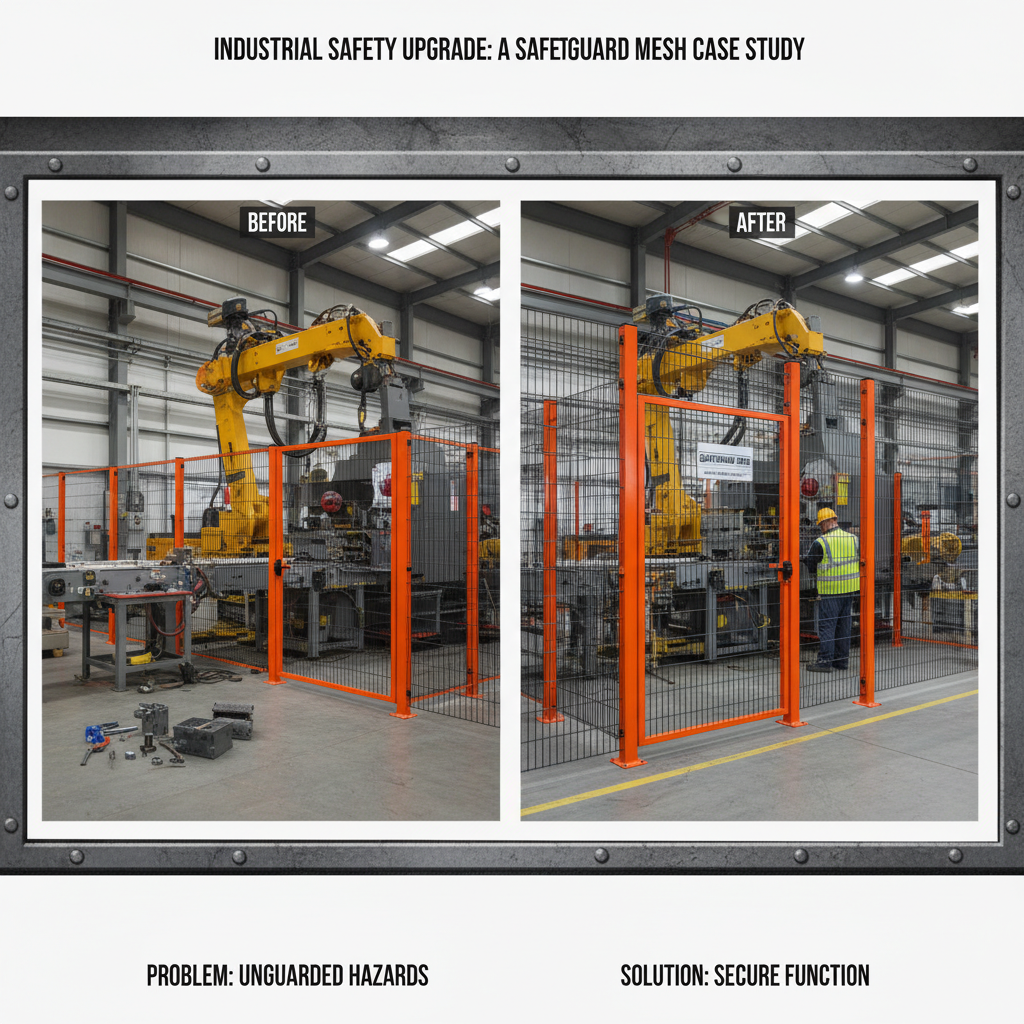
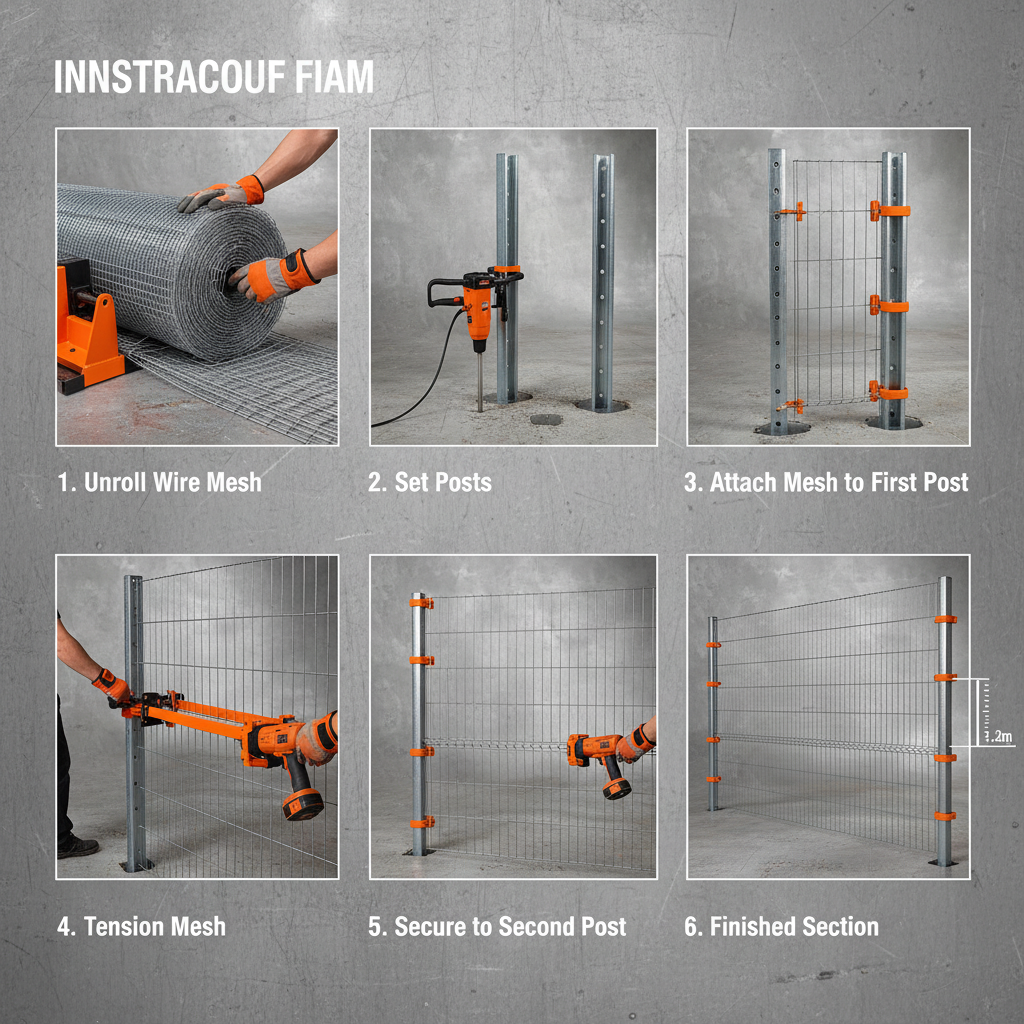
Chain mesh security fencing, a cornerstone of perimeter security globally, offers a robust and adaptable solution for a wide range of applications. From protecting critical infrastructure to securing residential properties, this versatile fencing material plays a vital role in safeguarding assets and ensuring peace of mind. Its inherent strength, combined with its cost-effectiveness and ease of installation, makes it a preferred choice for security professionals and property owners alike.
The increasing need for secure boundaries driven by both physical and digital threats has fueled demand for reliable fencing solutions. Globally, investment in security infrastructure continues to rise, with a focus on layered defense systems. Chain mesh, as a foundational element, fits seamlessly into these strategies. The UN's sustainable development goals also implicitly highlight the need for safe and secure communities, where chain mesh fencing can contribute to public safety.
Furthermore, advancements in manufacturing techniques and materials are continually improving the performance and longevity of chain mesh security fencing. Understanding its properties, applications, and future trends is crucial for making informed decisions and optimizing security investments.
The Importance of Chain Mesh Security Fencing
Chain mesh security fencing stands as a foundational element in modern security infrastructure. Its enduring relevance lies in its ability to deliver a significant deterrent against unauthorized access while offering a cost-effective security solution. The material’s inherent properties, including its strength and durability, contribute to its efficacy in a wide range of applications.
The increasing prevalence of security concerns globally, coupled with the need for scalable and adaptable fencing systems, solidifies the importance of chain mesh. This robust fencing solution serves as a visual barrier, a physical obstacle, and a crucial component of comprehensive security plans.
Defining Chain Mesh Security Fencing
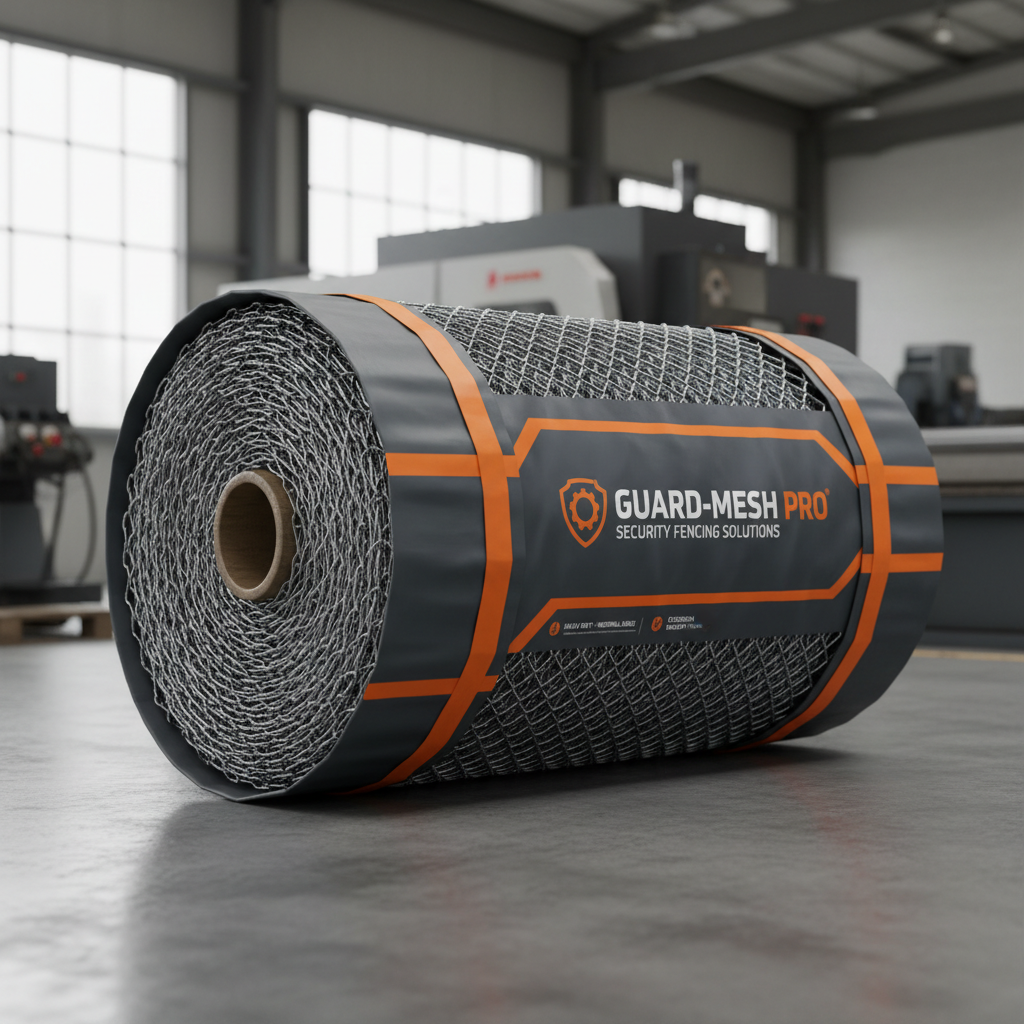
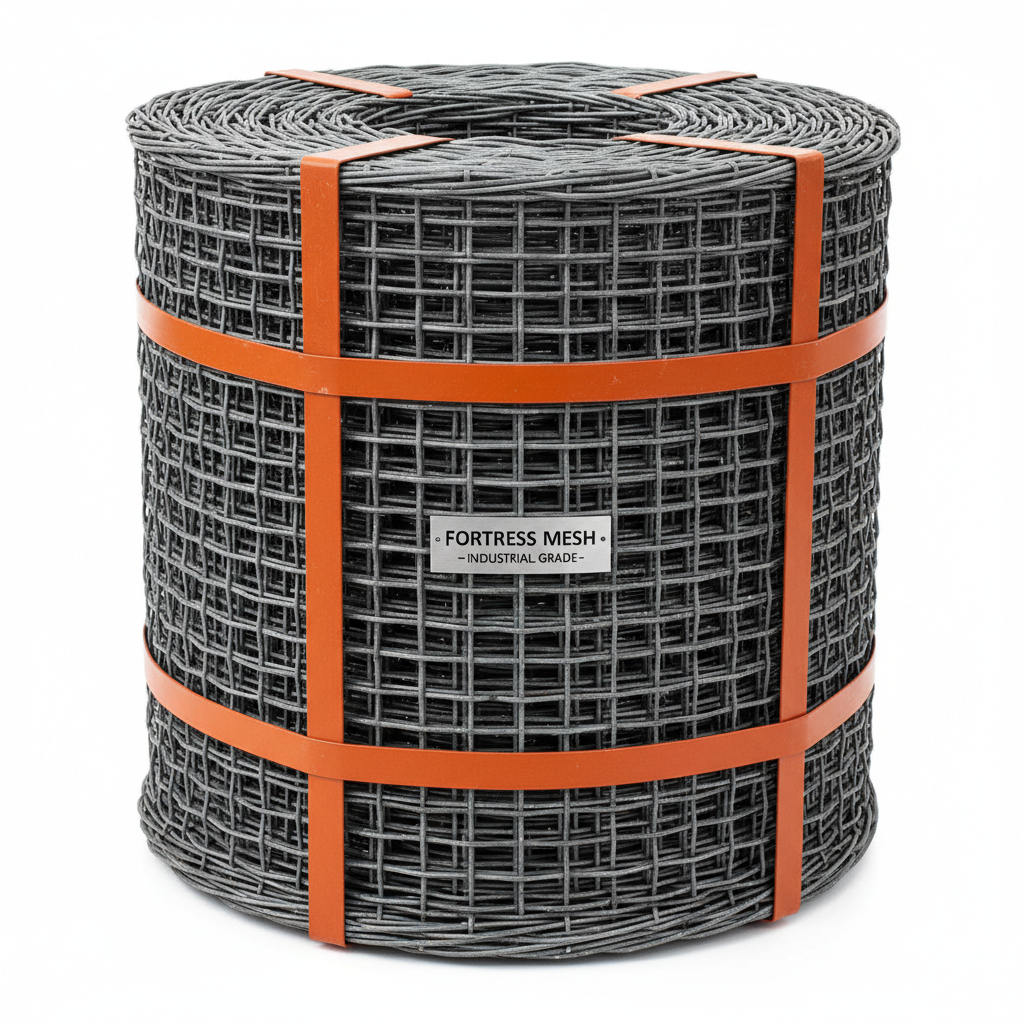
Chain mesh security fencing, also known as chain-link fencing, is a type of woven fencing typically made from galvanized steel wire. This wire is interlocked in a zigzag pattern to create a durable and resilient barrier. The mesh apertures, or openings, vary in size, influencing the level of security provided. A smaller mesh size offers greater security by making it harder to climb or cut through.
Its connection to modern industry and humanitarian needs stems from its versatility and adaptability. In industrial settings, it safeguards valuable assets and restricts access to hazardous areas. In humanitarian contexts, it provides secure perimeters for refugee camps or disaster relief zones, ensuring the safety and dignity of vulnerable populations.
Unlike more aesthetically-focused fencing, chain mesh prioritizes functionality and security. Its simplicity is a strength, making it an efficient and reliable solution where protection is paramount.
Key Characteristics of Robust Chain Mesh Fencing
One key characteristic is its durability. Galvanization, and sometimes powder coating, protects the steel from corrosion, ensuring a long service life even in harsh environmental conditions. This reduces maintenance costs and ensures long-term security. chain mesh security fencing offers exceptional longevity.
Scalability is another crucial aspect. Chain mesh fencing can be readily adapted to various heights and lengths, making it suitable for projects of any size. Whether securing a small residential property or a large industrial complex, the fencing can be customized to meet specific requirements. This adaptability is a significant advantage.
Cost-effectiveness makes chain mesh an attractive option for budget-conscious clients. Compared to other security fencing materials like wrought iron or concrete, chain mesh provides a high level of security at a lower cost. This allows for the allocation of resources to other crucial security measures.
Performance Factors in Chain Mesh Security Fencing
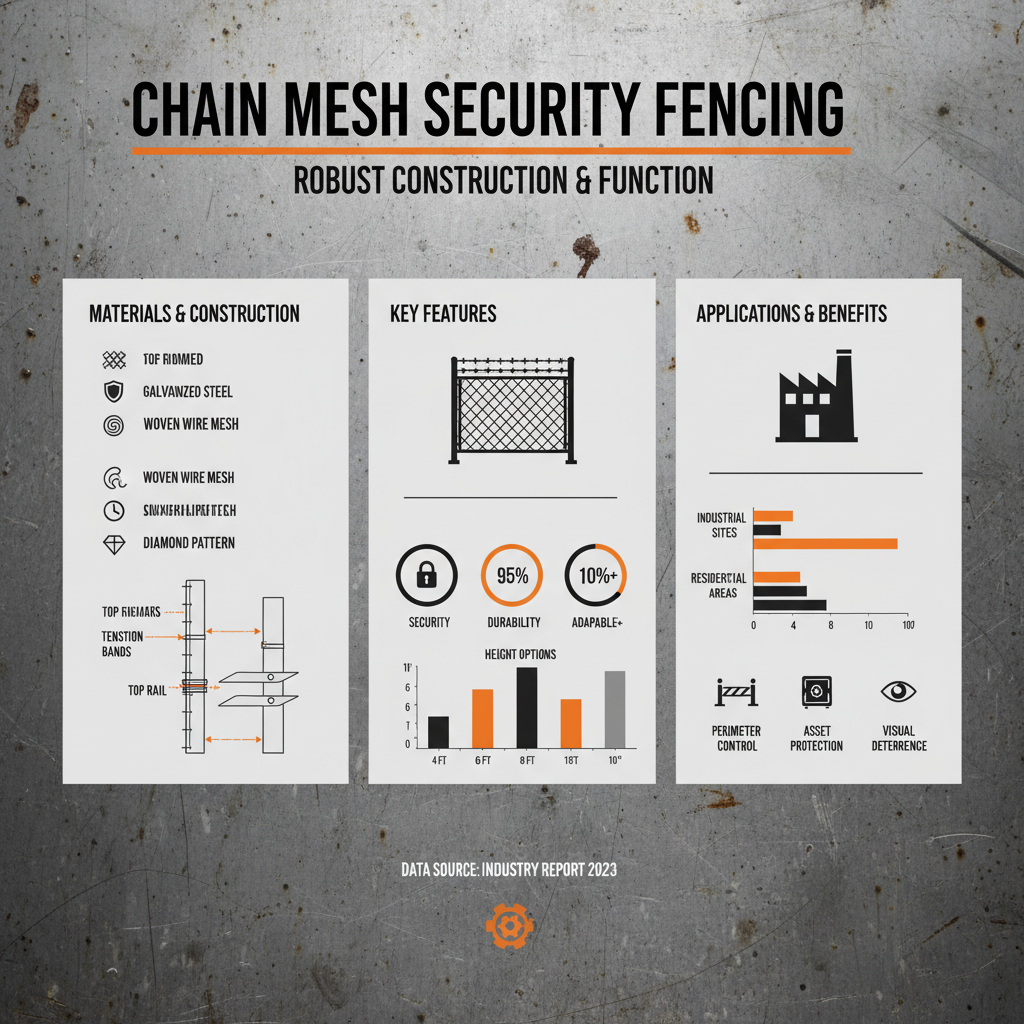
The performance of chain mesh security fencing is influenced by several factors. Wire Gauge is critical; thicker wire provides greater strength and resistance to cutting. Mesh Size directly impacts security – smaller mesh prevents climbing and unauthorized passage.
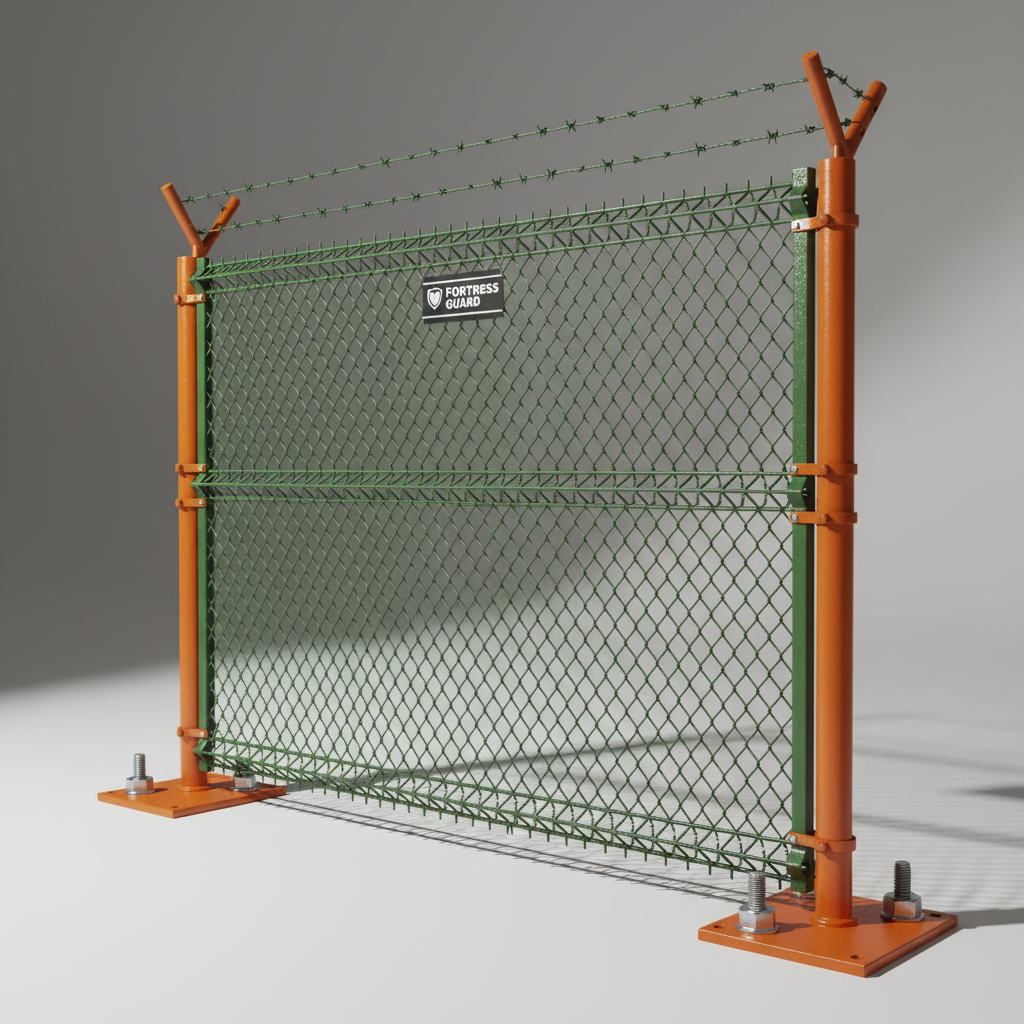
Framework Strength is vital. The posts and rails must be robust enough to withstand stress and impact. Properly spaced and securely anchored posts are essential for maintaining the integrity of the fence. Consider chain mesh security fencing constructed with heavy-duty frameworks.
Chain Mesh Security Fencing – Performance Metrics
Global Applications of Chain Mesh Security
Chain mesh security fencing finds application in diverse global settings. In post-disaster relief operations, it quickly establishes secure perimeters for aid distribution and displaced person camps, ensuring safety and order. It’s a vital component for humanitarian organizations.
In remote industrial zones, particularly in resource extraction or energy infrastructure, chain mesh secures valuable assets from theft and vandalism. It provides a robust barrier against unauthorized access and potential sabotage. The ease of installation in challenging terrains makes it particularly well-suited to these locations.
The Long-Term Value of Chain Mesh Fencing
The tangible benefits of chain mesh security fencing include its cost savings over its lifespan due to minimal maintenance. Its sustainability is enhanced by its longevity and recyclability. The social impact stems from increased safety and security for communities and individuals.
However, the value extends beyond the practical. Chain mesh fencing offers a sense of safety and security, contributing to peace of mind for property owners and residents. The inherent reliability of the material and its proven track record inspire trust. It is a sensible, long-term investment.
Future Trends and Challenges in Chain Mesh Security Fencing
Future trends point towards incorporating smart technologies into chain mesh systems, such as integrated sensors for intrusion detection and remote monitoring capabilities. The development of more advanced coatings promises enhanced corrosion resistance and aesthetic appeal. Innovations in weaving techniques could lead to even stronger and more secure mesh configurations.
Challenges include addressing concerns about visual aesthetics and mitigating the risk of determined climbers employing specialized tools. Further research into anti-climb features and advancements in material science are crucial for overcoming these limitations.
The rise of environmentally conscious practices is driving demand for sustainable materials and manufacturing processes. Chain mesh fencing manufacturers are increasingly adopting eco-friendly practices to minimize their environmental footprint.
Comparative Analysis of Chain Mesh Security Fencing Enhancement Strategies
| Enhancement Strategy |
Security Impact (1-10) |
Cost Factor (1-10) |
Implementation Complexity (1-10) |
| Razor Wire Integration |
9 |
6 |
7 |
| Anti-Climb Paint Application |
7 |
4 |
3 |
| Increased Wire Gauge |
8 |
5 |
2 |
| Sensor Integration (Vibration/Pressure) |
9 |
8 |
8 |
| Reinforced Post Anchoring |
7 |
5 |
4 |
| High-Visibility Marking |
5 |
2 |
1 |
FAQS
A properly installed and maintained chain mesh security fence, particularly one with robust galvanization or powder coating, can last for 20-30 years or even longer. The lifespan is significantly affected by the climate and environmental conditions. Regular inspections and minor repairs can extend the fence's operational life considerably. Choosing a higher wire gauge and superior coating also contributes to longevity.
Chain mesh fencing can perform well in high-wind areas, but proper installation is crucial. Using heavier gauge wire, robust posts with deep foundations, and appropriately spaced bracing are essential to withstand wind loads. Consider wind-rated mesh infill and a flexible tensioning system to allow for some movement without compromising the fence's integrity. It's recommended to consult local building codes and engineering standards.
Yes, chain mesh fencing is generally considered a highly cost-effective security solution. Compared to alternatives like wrought iron, wood, or concrete walls, chain mesh offers a similar level of security at a significantly lower initial cost. Furthermore, its minimal maintenance requirements contribute to long-term cost savings. The durability and longevity of the material make it a wise investment.
While effective, chain mesh fencing isn’t impenetrable. A determined intruder with the right tools can cut or climb over it. Its limitations can be addressed by adding security enhancements like razor wire, anti-climb paint, or integrating it with electronic surveillance systems. Selecting a smaller mesh size and a heavier wire gauge also improves security.
While not its primary function, chain mesh fencing can offer a degree of noise reduction, particularly when combined with noise barrier fabrics or specialized mesh infills designed for acoustic performance. The density of the mesh and its ability to deflect sound waves contribute to this effect. However, it won’t eliminate noise entirely but can lessen its impact.
Chain mesh fencing can be relatively environmentally friendly, especially when constructed from recycled materials and properly coated for longevity. Galvanized steel is recyclable, reducing landfill waste. Choosing manufacturers with sustainable practices minimizes the environmental impact of production. Its durability also reduces the need for frequent replacements.
Conclusion
Chain mesh security fencing remains a vital and versatile security solution globally. Its blend of cost-effectiveness, durability, scalability, and adaptability makes it a preferred choice across diverse industries and applications. From safeguarding critical infrastructure to securing residential properties, its enduring relevance is undeniable.
Looking ahead, innovations in materials, coatings, and smart technologies will further enhance its performance and address existing limitations. By embracing sustainable practices and focusing on continuous improvement, the chain mesh security fencing industry can contribute to a safer and more secure future. For dependable chain mesh security fencing, visit our website today.