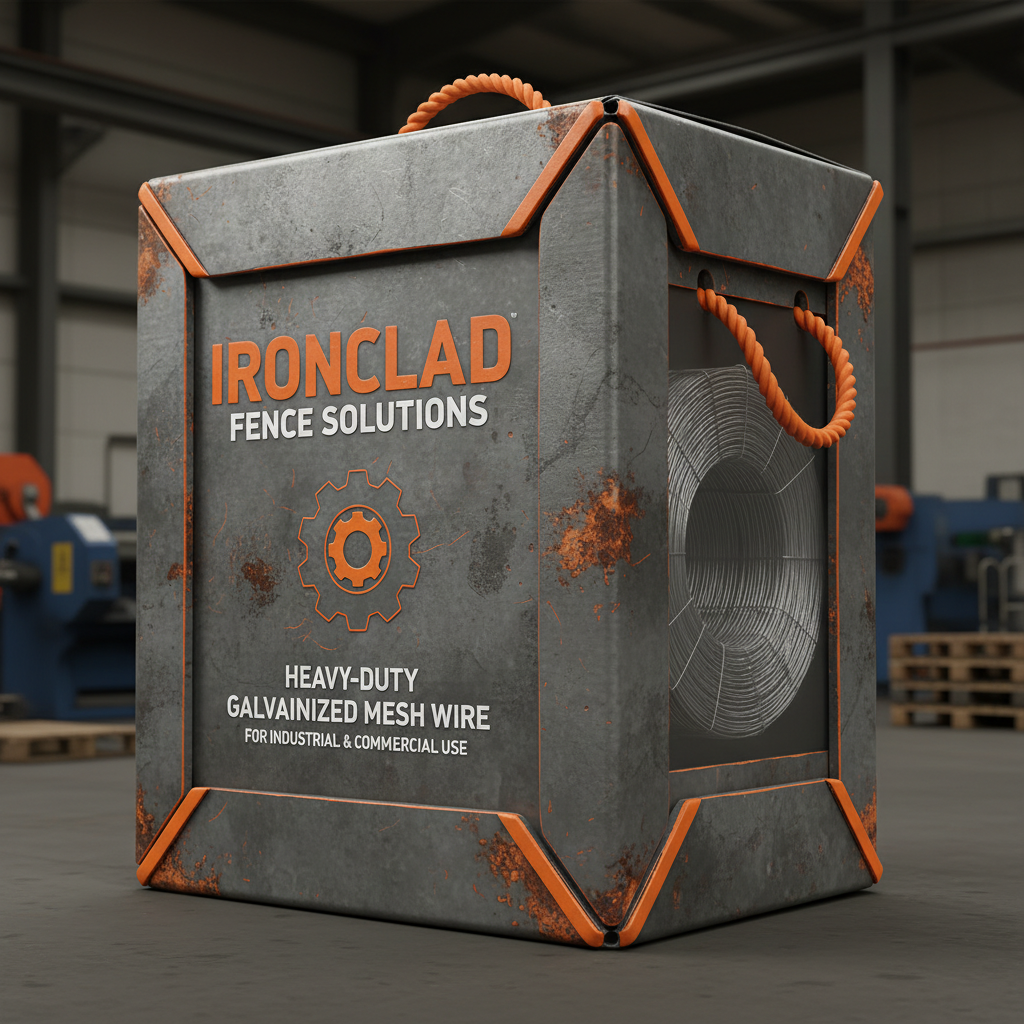
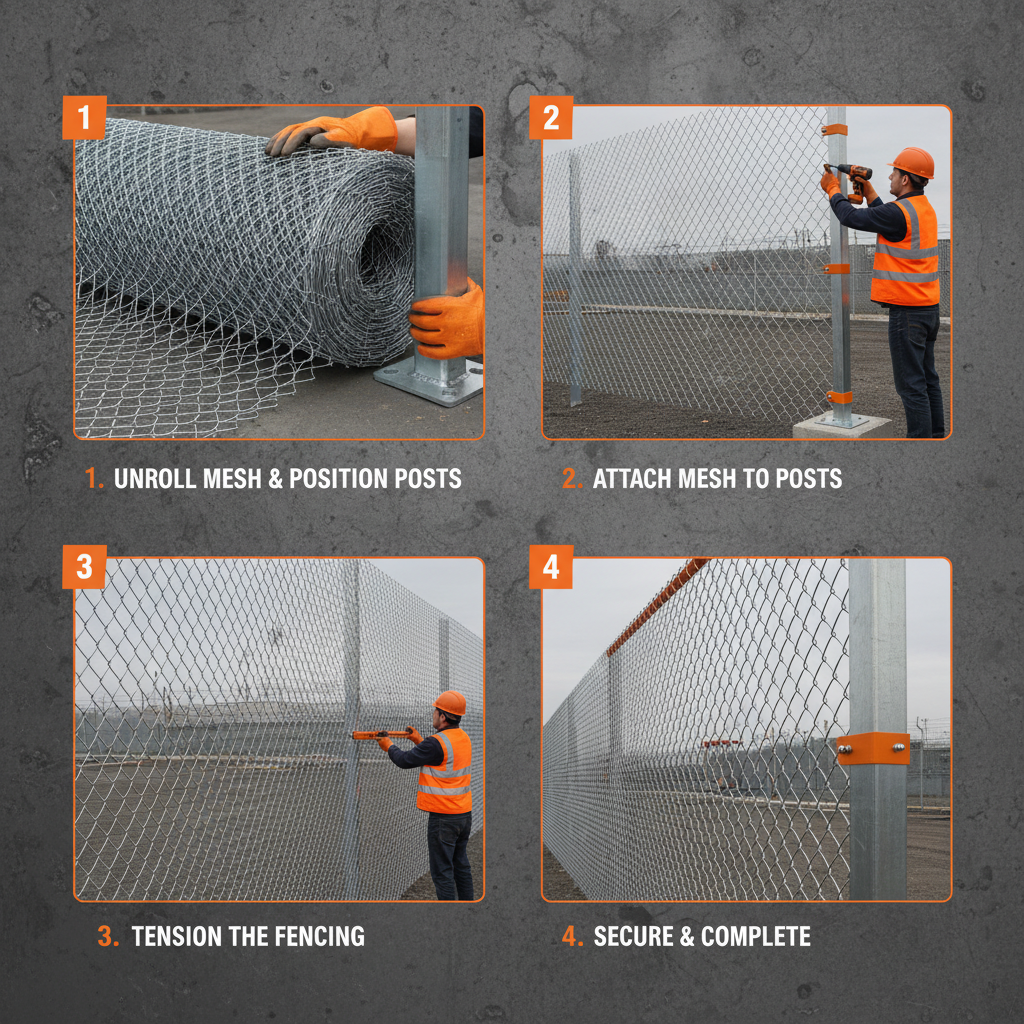
When it comes to high-security perimeter protection, twin wire mesh fencing stands out as a premier engineering solution designed to balance extreme rigidity with visual transparency. Unlike standard single-wire options, the twin-wire configuration utilizes two parallel horizontal wires, significantly increasing the panel's resistance to bending and cutting, making it a preferred choice for critical infrastructure globally.
The global demand for reinforced security barriers has surged as urban centers and industrial zones face evolving security threats. Understanding the technical nuances of twin wire mesh fencing allows facility managers and architects to implement a system that not only deters intruders but also minimizes maintenance costs over a decades-long lifecycle.
By integrating advanced galvanization techniques and precision welding, this fencing system addresses the critical gap between aesthetic openness and heavy-duty defensive capabilities. Whether it is for a high-traffic public space or a restricted military zone, the strategic application of twin-wire technology ensures a reliable, long-term security investment.
Global Relevance of Twin Wire Mesh Fencing
In an era of increasing global volatility, the protection of critical assets has become a priority for governments and private enterprises alike. According to ISO standards for security fencing, the structural integrity of a barrier is the first line of defense. twin wire mesh fencing has emerged as a global standard because it effectively addresses the "breach challenge"—the ability of intruders to create gaps using standard hand tools.
From the sprawling airports of Southeast Asia to the high-security data centers in North America, the adoption of twin-wire systems reflects a shift toward "anti-climb" and "anti-cut" philosophies. By doubling the horizontal reinforcement, these systems provide a psychological and physical deterrent that single-wire meshes simply cannot match, ensuring that restricted areas remain secure without appearing like an impenetrable fortress.
Defining the Twin Wire Mesh Architecture
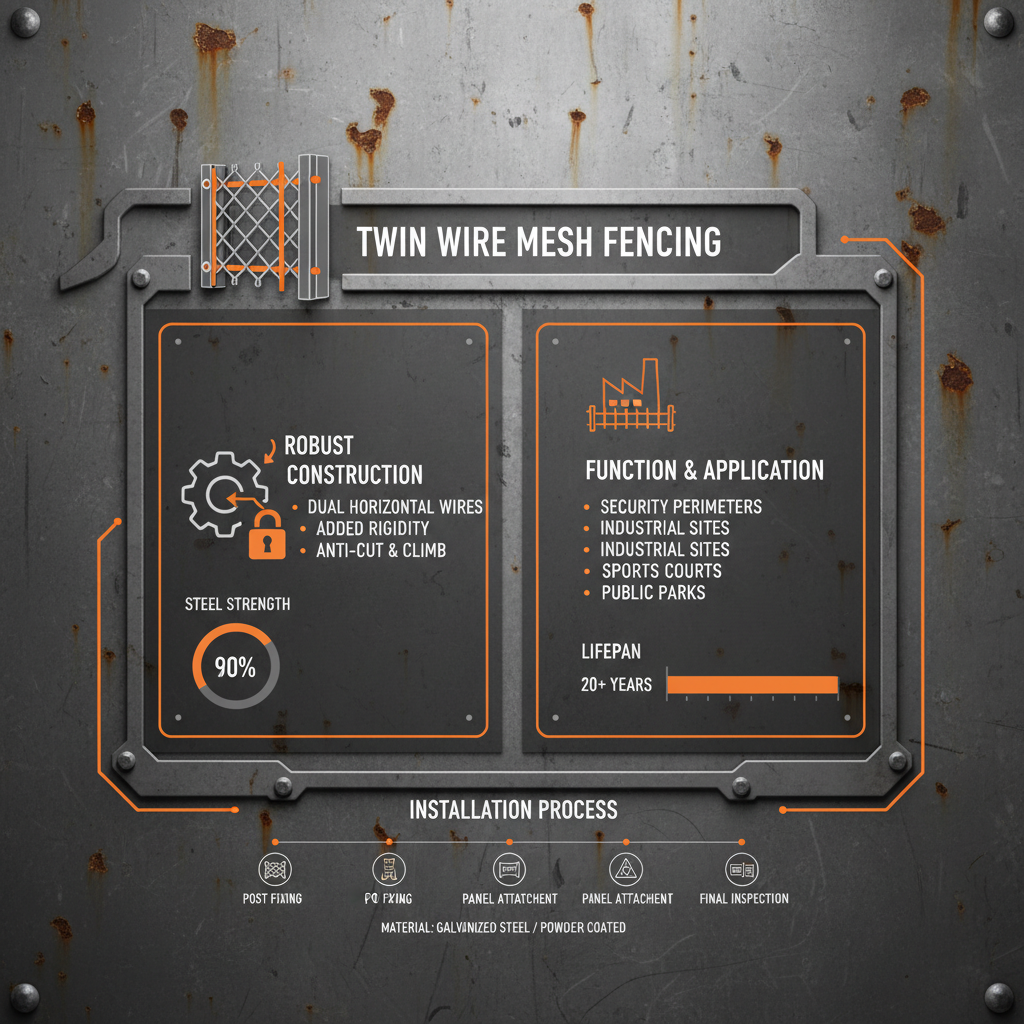
At its core, twin wire mesh fencing is a high-performance welded wire system where the horizontal elements consist of two parallel wires welded together. This structural reinforcement creates a rigid panel that resists deformation under pressure. Unlike traditional chain-link or simple welded mesh, the twin-wire design ensures that the panel remains flat and stable even when subjected to significant force.
The connection to modern industrial needs is clear: as facilities move toward automation and higher-value equipment, the cost of a security breach skyrockets. This fencing provides a modular, scalable solution that can be integrated with electronic sensors or topped with razor wire, bridging the gap between passive physical barriers and active security monitoring systems.
Furthermore, the precision engineering involved in the welding process ensures that there are no sharp edges or weak points. This makes it an ideal choice for humanitarian zones or public infrastructure where safety for the general public is as important as the security of the site itself.
Core Components for Maximum Security
The durability of twin wire mesh fencing is rooted in its material composition. Most high-grade systems utilize hot-dip galvanized steel, which creates a thick zinc layer to prevent corrosion. This is critical for installations in coastal regions or industrial zones where chemical exposure is common, ensuring the fence does not rust or lose structural integrity over time.
Scalability is achieved through the modular panel design. Each section of the twin wire mesh fencing is manufactured to exacting tolerances, allowing for rapid deployment across varying terrains. Whether the project requires a 2-meter height for commercial boundary marking or a 4-meter height for high-security prisons, the system adapts without sacrificing its inherent strength.
Cost-efficiency is realized not at the point of purchase, but through the total cost of ownership. Because twin-wire panels are virtually impossible to bend or warp, the need for frequent repairs is nearly eliminated. When compared to traditional concrete walls or heavy iron railings, this mesh offers a faster installation time and lower long-term maintenance requirements.
Industrial Applications and Use Cases
The practical application of twin wire mesh fencing spans across diverse sectors. In the transportation industry, it is extensively used in railway stations and airport perimeters to prevent unauthorized track access while maintaining clear lines of sight for security personnel. In remote industrial zones, such as mining sites or oil refineries, these fences protect expensive machinery from theft and vandalism.
Beyond heavy industry, we see significant use in public utility sectors. For instance, electrical substations and water treatment plants utilize twin-wire systems to ensure that only authorized technicians can enter, reducing the risk of catastrophic accidents caused by trespassers. Its versatility allows it to be integrated seamlessly into urban landscapes without creating a "prison-like" atmosphere.
Performance Analysis of Twin Wire Mesh Fencing Variations
Long-Term Economic and Social Value
The value of investing in twin wire mesh fencing extends beyond the physical barrier. Logically, the reduction in security breach incidents directly correlates to lower insurance premiums and decreased loss of assets. Emotionally, it provides a sense of safety and trust for employees and the public, knowing that the perimeter is guarded by an industry-leading defensive system.
From a sustainability perspective, the longevity of high-quality twin-wire systems means fewer replacements over time, reducing the total carbon footprint associated with steel production and transportation. By choosing a durable, long-life product, organizations demonstrate a commitment to sustainable procurement and environmental responsibility.
Future Innovations in Perimeter Barriers
The future of twin wire mesh fencing is being shaped by the integration of smart technology. We are seeing the emergence of "intelligent fences" where fiber-optic sensors are woven into the twin-wire structure, allowing the fence to detect the exact location of a cut or climb attempt in real-time. This digital transformation turns a passive barrier into an active surveillance asset.
Material science is also evolving. New hybrid coatings that combine anti-graffiti properties with enhanced UV resistance are being developed, ensuring that fences in urban environments remain aesthetically pleasing and functional for longer. These innovations are designed to reduce the manual labor required for inspections and maintenance.
Furthermore, automation in the manufacturing process is allowing for more customized panel shapes and sizes. This means that twin wire mesh fencing can now be tailored to the specific topographical challenges of a site, eliminating the weak points often found at the joints of standard prefabricated panels.
Overcoming Common Installation Challenges
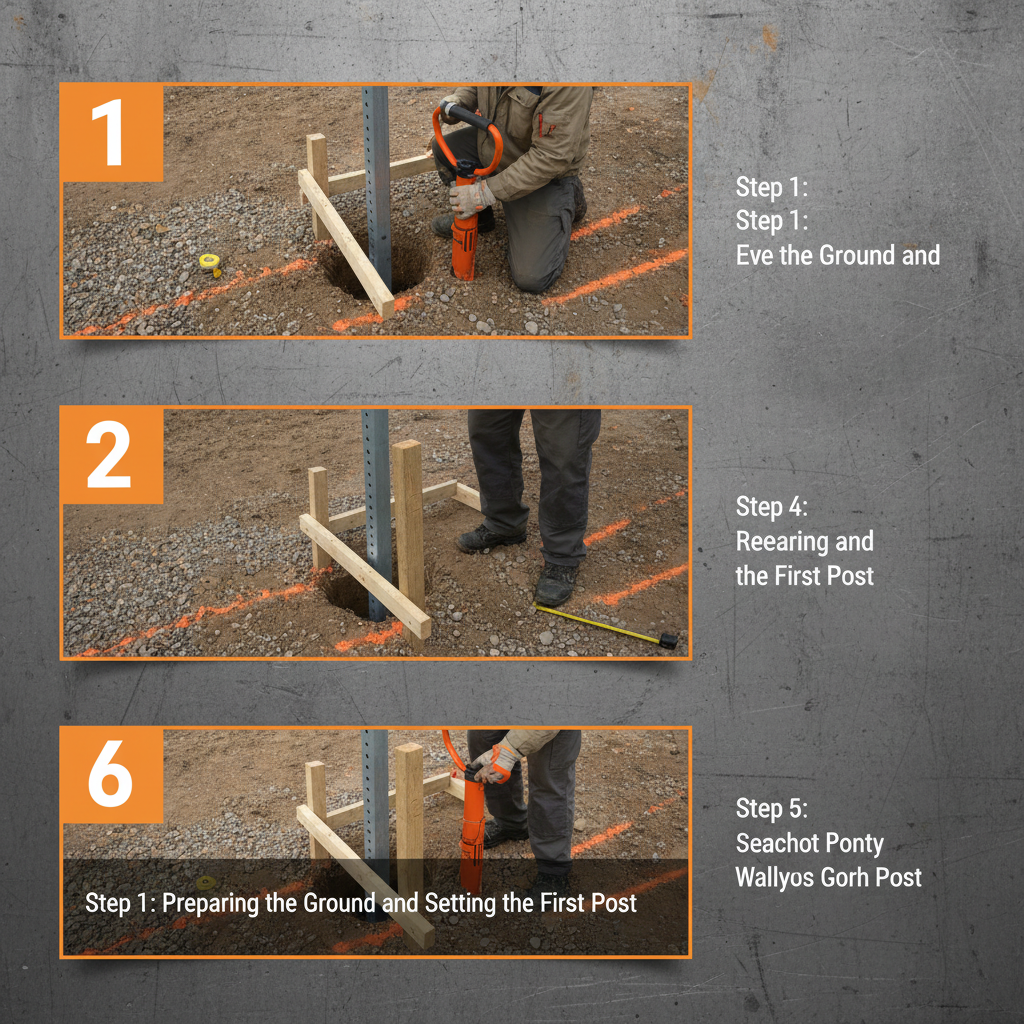
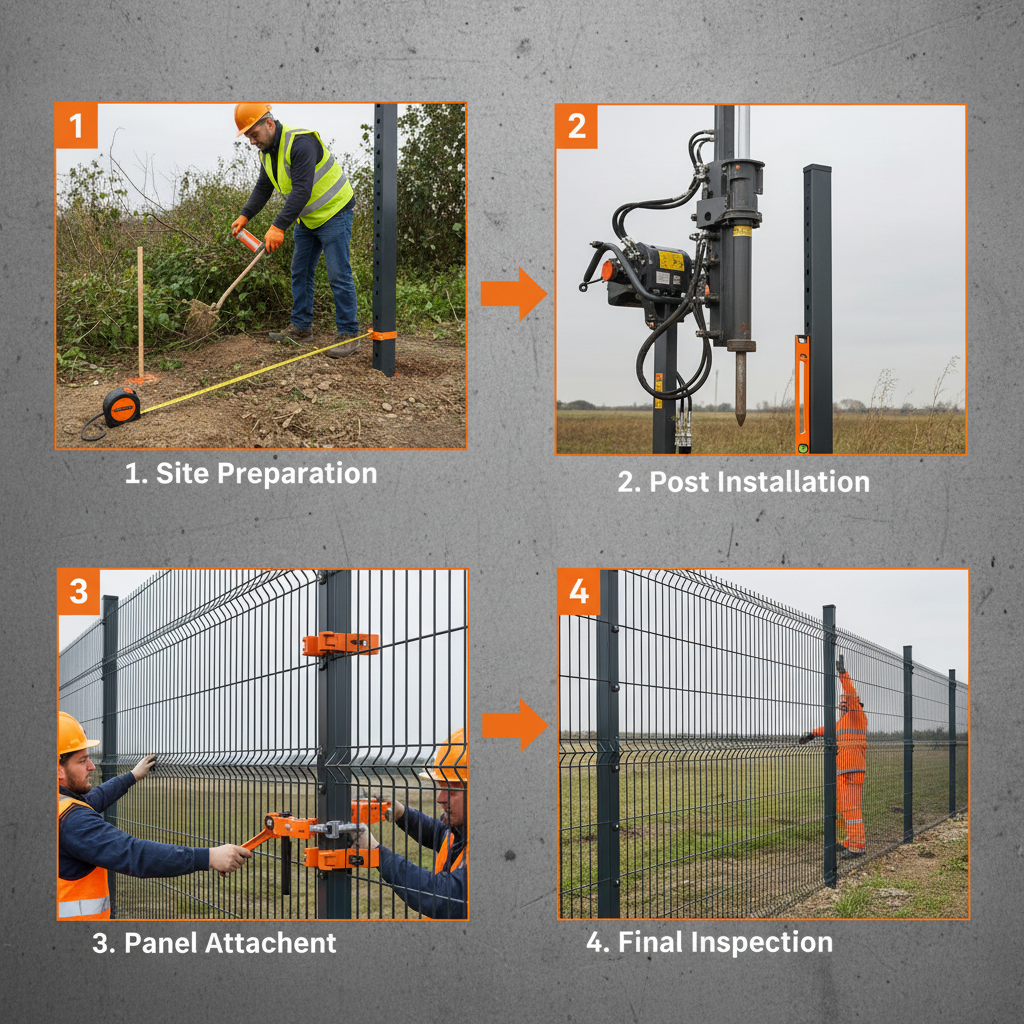
Despite its strengths, the installation of twin wire mesh fencing can present challenges, particularly regarding ground stability. In soft or uneven terrain, the rigidity of the panels can lead to misalignment if the posts are not anchored correctly. The professional solution is the use of reinforced concrete footings and adjustable mounting brackets that allow for fine-tuning during the installation process.
Another common issue is the vulnerability of the connection points. To overcome this, expert installers use security bolts and anti-tamper clamps that cannot be removed with standard tools. This ensures that the structural integrity of the twin-wire system is maintained from the first post to the last, leaving no "easy" entry points for intruders.
Finally, managing the logistics of transporting heavy twin-wire panels can be costly. By utilizing localized assembly kits and optimized packaging, companies can reduce shipping costs while ensuring that panels arrive on-site without deformation.
Technical Analysis of Twin Wire Mesh Fencing Implementation
| Installation Factor |
Challenge Level |
Recommended Solution |
Impact on Security |
| Ground Leveling |
Medium |
Adjustable Bracket Systems |
Prevents Base Gaps |
| Post Anchoring |
High |
Reinforced Concrete Footings |
Prevents Panel Tipping |
| Joint Security |
Medium |
Anti-Tamper Security Bolts |
Eliminates Dismantling |
| Corrosion Control |
Low |
Hot-Dip Galvanization |
Extends Lifecycle |
| Panel Alignment |
Medium |
Laser-Guided Positioning |
Maintains Visual Line |
| Weight Handling |
High |
Mechanical Lifting Gear |
Avoids Panel Damage |
FAQS
The primary difference lies in the horizontal reinforcement. By utilizing two parallel wires instead of one, twin wire mesh fencing offers significantly higher rigidity and resistance to impact. This makes it much harder for intruders to bend the panels to create a gap or use bolt cutters effectively, providing a superior level of security for high-risk perimeters.
When treated with high-quality hot-dip galvanization or a PVC coating, twin wire mesh fencing can last between 20 to 50 years depending on the environmental conditions. In highly corrosive coastal areas, stainless steel options are recommended to maintain structural integrity and prevent rust for several decades.
While the rigidity of the panels makes them less flexible than chain-link, professional installation techniques—such as using adjustable brackets and stepped footing—allow them to be installed on uneven ground. This ensures a consistent height and prevents gaps at the bottom of the fence.
Yes, twin wire mesh fencing is designed for compatibility. Most systems include pre-drilled holes or specialized brackets at the top of the posts, making it easy to install razor wire, barbed wire, or electronic detection sensors without compromising the structural integrity of the main panels.
While the initial material cost may be higher than basic fencing, the long-term value is superior. The combination of rapid installation, virtually zero maintenance, and the elimination of costly security breaches makes it one of the most cost-effective high-security solutions available today.
The most effective way is to use security-grade fasteners and anti-tamper bolts. These specialized fasteners require unique tools for removal, ensuring that the panels cannot be unscrewed or detached from the posts by unauthorized individuals with standard tools.
Conclusion
In summary, twin wire mesh fencing represents the pinnacle of perimeter security by combining structural rigidity, durability, and a professional aesthetic. From its robust twin-wire architecture to its ability to integrate with smart surveillance technologies, it addresses the most pressing security challenges of the modern industrial landscape while offering long-term economic value through reduced maintenance and enhanced protection.
As security needs evolve, the transition toward reinforced, anti-climb systems is no longer optional but a strategic necessity. For those seeking a balance between openness and impenetrable security, investing in a high-grade twin-wire system is the most reliable path forward. To explore our range of professional security barriers, visit our website: www.jinshieldmesh.com.