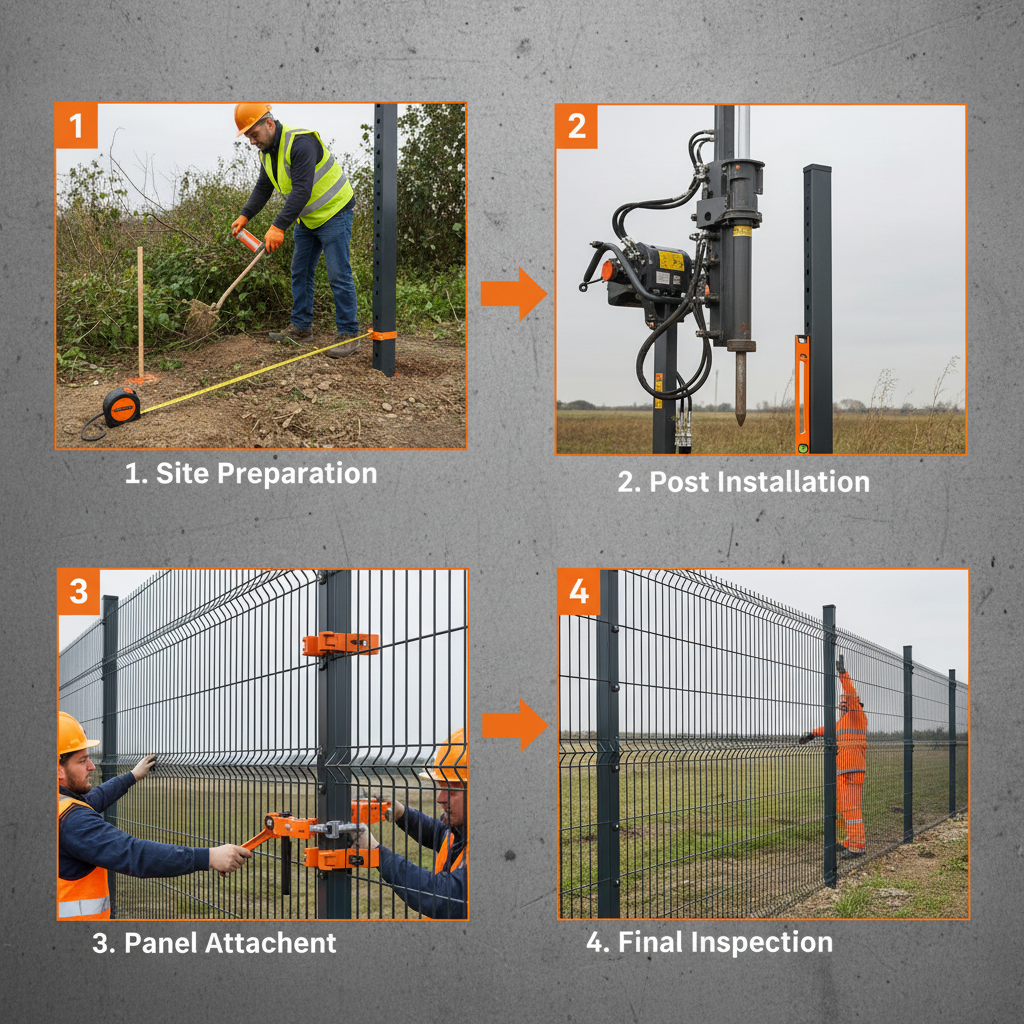
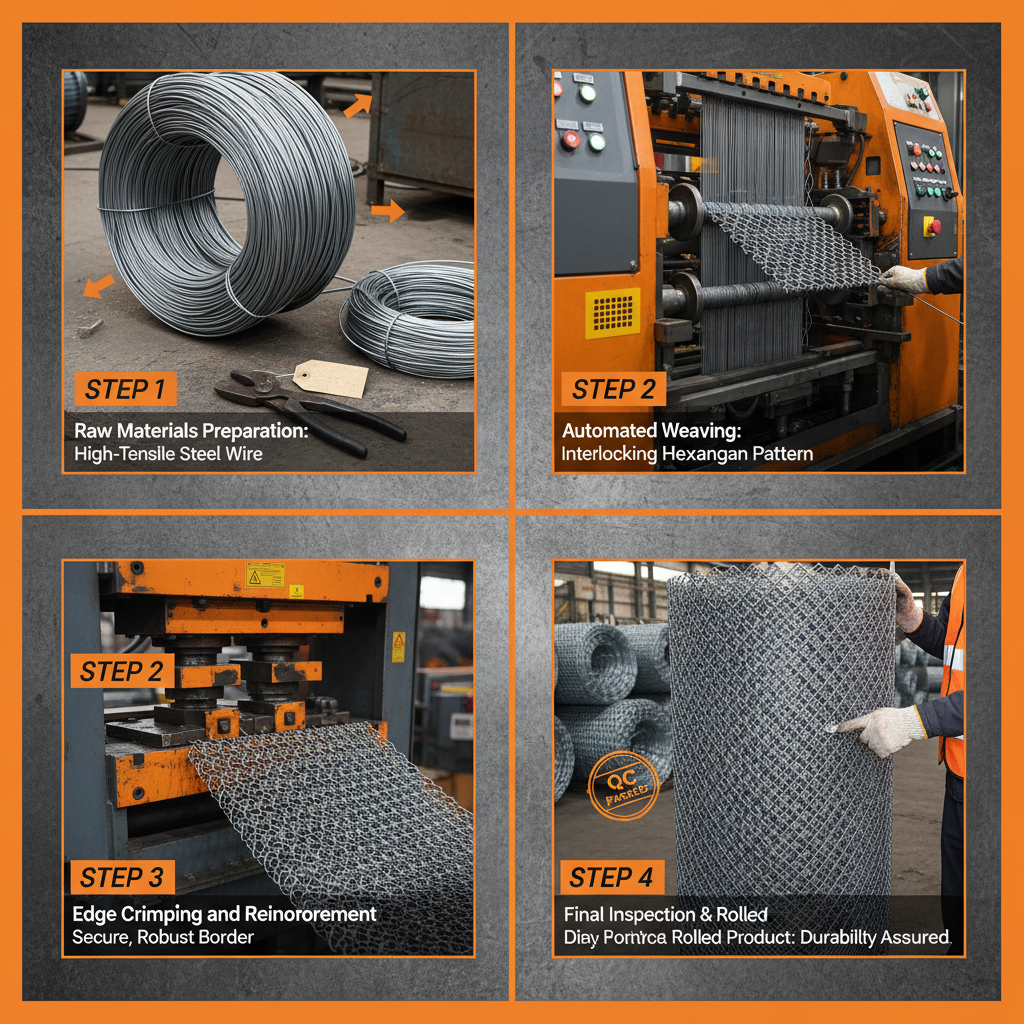
1 2 inch wire mesh fencing is a versatile and robust material finding increasing application across diverse sectors globally. Its unique combination of strength, durability, and cost-effectiveness makes it an essential component in security, agriculture, construction, and industrial applications. Understanding its properties and proper usage is crucial for optimizing performance and longevity, ultimately contributing to safer and more efficient operations.
The global demand for 1 2 inch wire mesh fencing is driven by factors such as growing security concerns, rapid urbanization, and the expanding agricultural sector. According to industry reports, the wire mesh market is projected to reach significant growth in the coming years. This growth underscores the importance of reliable sourcing and understanding the nuances of different mesh types. Addressing the need for secure perimeters and effective containment solutions is paramount in a world facing evolving challenges.
1 2 inch wire mesh fencing offers a practical and adaptable solution for a wide range of needs, from protecting valuable assets to creating safe enclosures for animals. Its straightforward installation and relatively low maintenance requirements further enhance its appeal, making it a preferred choice for both professionals and individuals. This accessibility contributes significantly to its worldwide adoption.
Introduction to 1 2 inch wire mesh fencing
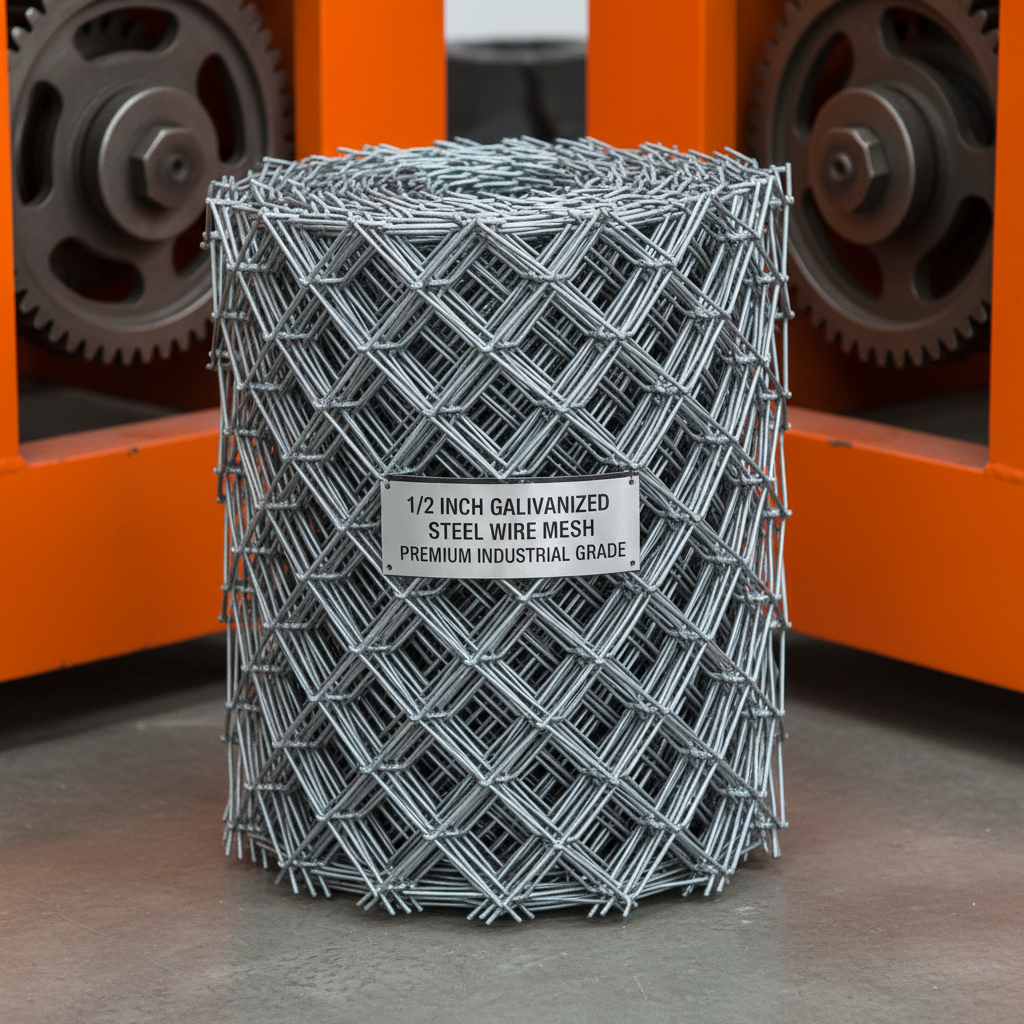
1 2 inch wire mesh fencing is a commonly used type of woven wire fabric characterized by its 1 2 inch openings. This precise dimension provides a balance between security and visibility, making it suitable for a wide array of applications. The consistent aperture size is crucial for containing animals, defining property lines, and enhancing security protocols.
The manufacturing process often involves galvanization or PVC coating, providing corrosion resistance and extending the service life of the fencing. This durability ensures longevity, reducing the need for frequent replacements and offering a cost-effective long-term solution. Proper installation is critical for maximizing its effectiveness and structural integrity.
Global Relevance and Market Dynamics
The demand for 1 2 inch wire mesh fencing is globally distributed, with significant demand stemming from agricultural regions, developing nations undergoing rapid urbanization, and areas requiring enhanced security measures. The United Nations reports show increasing needs for fencing in refugee camps and disaster relief scenarios for perimeter control and safety. This highlights its importance in humanitarian contexts.
The market is influenced by fluctuations in raw material costs, particularly steel and PVC. Geopolitical factors and supply chain disruptions also play a significant role in price volatility. Manufacturers are increasingly focused on sustainable sourcing and production methods to address environmental concerns and meet evolving consumer preferences. The ISO standards for wire mesh fencing ensure quality and consistency across different manufacturers.
The competitive landscape includes both large-scale manufacturers and smaller, regional suppliers. Different regions demonstrate varying preferences for mesh gauge, coating types, and overall fencing designs. Understanding these regional nuances is critical for successful market penetration and sustained growth.
Defining 1 2 inch Wire Mesh Fencing
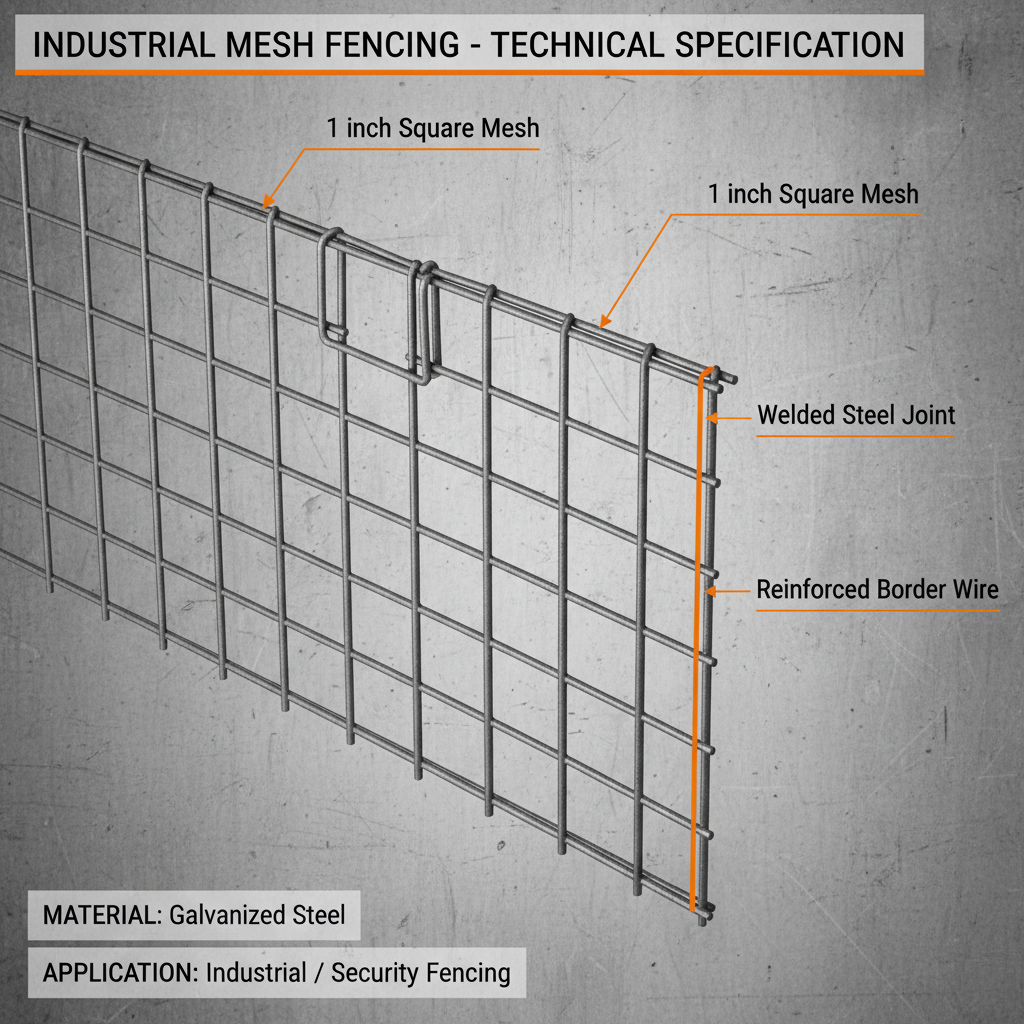
1 2 inch wire mesh fencing, fundamentally, is a woven fabric constructed from steel wire with openings measuring 1 2 inch in diameter. This precise opening size differentiates it from other mesh configurations. The weaving pattern, typically plain weave, is responsible for the structural integrity and provides resistance to stretching and deformation.
Its connection to modern industry stems from its versatility and adaptability to a diverse range of applications. From livestock containment in agriculture to security perimeters in industrial settings, 1 2 inch wire mesh fencing offers a reliable and cost-effective solution. In humanitarian crises, it provides immediate perimeter security and helps establish safe zones for displaced populations.
The mesh is typically available in various heights and lengths to accommodate diverse project requirements. Customization options, such as different wire gauges and coating types, further enhance its adaptability. The material choice and manufacturing process directly impact the fencing’s lifespan and resistance to environmental factors.
Key Characteristics of 1 2 inch Wire Mesh Fencing
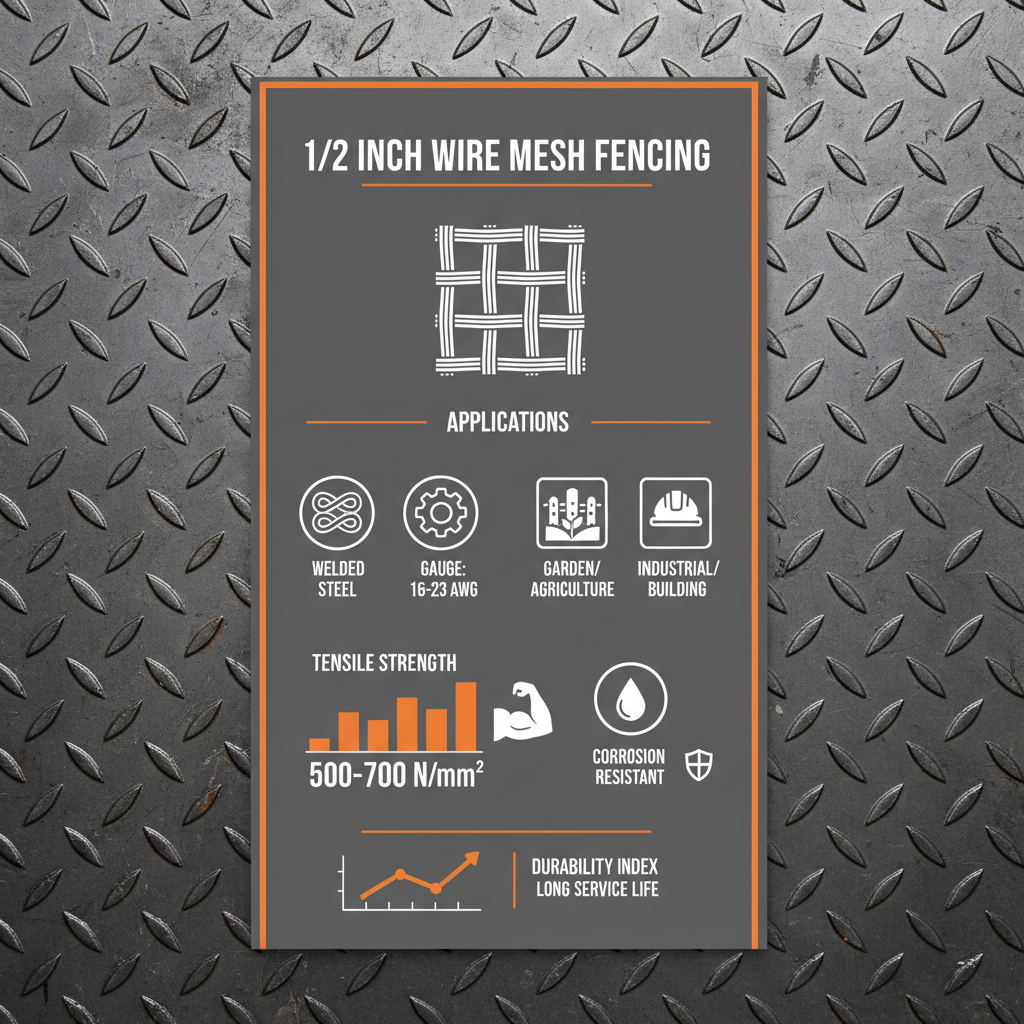
Durability is a defining characteristic of 1 2 inch wire mesh fencing. The galvanized or PVC-coated steel wire provides excellent resistance to corrosion, weathering, and physical damage, ensuring a long service life even in harsh environments. This durability minimizes maintenance and replacement costs.
Scalability refers to the ease with which the fencing can be adapted to different project sizes and configurations. The mesh is readily available in various heights and lengths, and can be easily cut and shaped to fit specific requirements. This flexibility makes it suitable for both small-scale residential applications and large-scale commercial projects.
Comparative Analysis of 1 2 inch Wire Mesh Fencing Methods
Diverse Applications of 1 2 inch Wire Mesh Fencing
In agriculture, 1 2 inch wire mesh fencing serves as an effective barrier for containing livestock, protecting crops from animal intrusion, and creating secure poultry enclosures. The 1 2 inch opening prevents smaller animals from passing through while allowing for adequate ventilation.
Within the construction industry, it's employed for site perimeter security, preventing unauthorized access and safeguarding materials and equipment. It is also used as a temporary safety barrier during building projects, protecting workers and the public from hazards.
The Advantages of Utilizing 1 2 inch wire mesh fencing
The cost-effectiveness of 1 2 inch wire mesh fencing is a major advantage. Compared to alternative fencing materials like concrete or wood, it offers a significantly lower initial investment and reduced long-term maintenance costs. This affordability makes it accessible to a wider range of users.
From a sustainability standpoint, steel is a recyclable material, reducing the environmental impact. Furthermore, the longevity of the fencing minimizes the need for frequent replacements, conserving resources and reducing waste. The relatively simple manufacturing process also contributes to its eco-friendliness.
The inherent security offered by 1 2 inch wire mesh fencing promotes peace of mind and protects valuable assets. It deters trespassers and safeguards property, contributing to a safer environment for individuals and businesses. This sense of security is a significant emotional benefit.
Future Trends and Innovations in Wire Mesh Technology
Ongoing research is focused on developing more sustainable and environmentally friendly coating materials for 1 2 inch wire mesh fencing. Bio-based coatings and recycled polymers are being explored as alternatives to traditional PVC, reducing the carbon footprint and promoting circular economy principles.
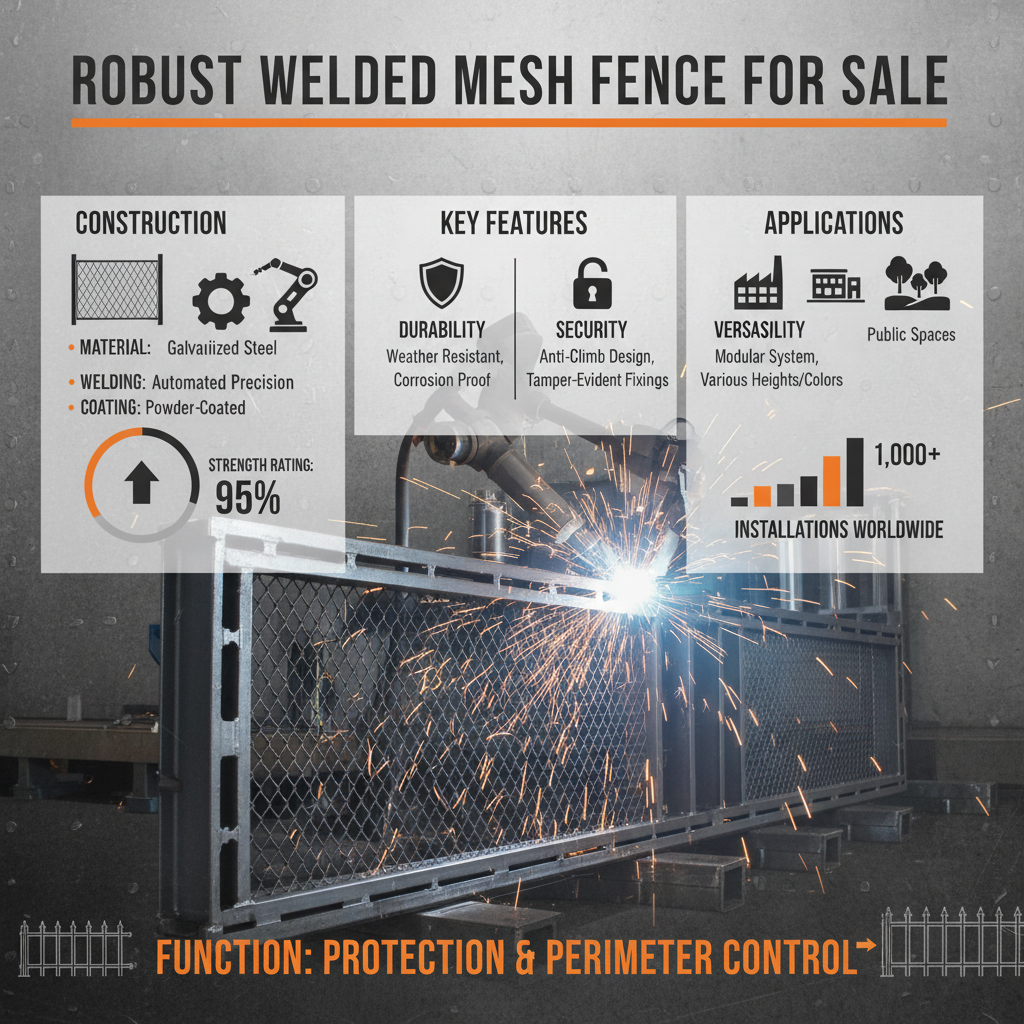
Automation is increasingly being integrated into the manufacturing process, enhancing efficiency and reducing production costs. Robotic welding and automated mesh weaving systems are becoming more prevalent, leading to improved consistency and quality control.
Digital transformation is also impacting the industry, with the development of smart fencing systems that incorporate sensors and connectivity. These systems can provide real-time monitoring of fence integrity, detect intrusion attempts, and integrate with security systems for enhanced protection.
FAQS
Generally, post spacing for 1 2 inch wire mesh fencing should be between 8 to 12 feet, depending on the terrain and the height of the fence. Closer spacing is recommended for uneven ground or taller fences to provide additional support and prevent sagging. Proper post spacing is crucial for the overall structural integrity and longevity of the fencing.
A properly installed and maintained galvanized 1 2 inch wire mesh fence can last 15-20 years or more, depending on the environmental conditions. Coastal areas with high salinity or industrial environments with corrosive fumes may reduce the lifespan. Regular inspection and maintenance, such as cleaning and re-coating if necessary, can significantly extend its longevity.
While 1 2 inch wire mesh fencing is versatile, it may not be sufficient for containing particularly aggressive or large animals like bulls or horses. For these applications, heavier gauge wire and smaller mesh openings are recommended. Consider reinforcing the fence with additional bracing or using a more robust fencing system designed for high-containment applications.
Galvanized fencing features a zinc coating that protects against rust, while PVC-coated fencing has a plastic coating over the galvanized wire for added protection and color options. PVC coating offers superior corrosion resistance, a smoother finish, and enhanced aesthetics, but it is generally more expensive than galvanized fencing.
Essential tools for installing 1 2 inch wire mesh fencing include post hole diggers, fence posts, wire stretchers, staples or clips, wire cutters, gloves, and safety glasses. A pneumatic staple gun can significantly speed up the installation process. It is important to wear appropriate safety gear to prevent injuries.
Yes, 1 2 inch wire mesh fencing can provide a reasonable level of security, particularly when combined with other security measures. However, it’s generally less secure than solid wall fencing or security panels. Adding features like barbed wire extensions, alarm systems, or security cameras can significantly enhance its security effectiveness.
Conclusion
In conclusion, 1 2 inch wire mesh fencing remains a highly valuable and adaptable solution for a broad spectrum of applications. Its combination of affordability, durability, scalability, and ease of installation makes it a preferred choice across agricultural, industrial, and security sectors. Understanding its properties and appropriate usage is paramount for maximizing its benefits and ensuring long-term performance.
Looking ahead, innovations in materials and manufacturing processes will likely further enhance the sustainability and efficiency of 1 2 inch wire mesh fencing. By embracing these advancements and prioritizing responsible sourcing and installation practices, we can continue to leverage the benefits of this versatile material for years to come. For all your 1 2 inch wire mesh fencing needs, visit our website: www.jinshieldmesh.com