






Hebei Jinjiu Metal Products Co.,Ltd



Comprehensive Guide to Deer Fence Cost Per Acre and Installation
Feb . 26, 2026 03:15
Understanding Deer Fence Cost Per Acre
Protecting your property from deer damage can be a significant concern for landowners, gardeners, and farmers. Installing a deer fence is a highly effective solution, but understanding the deer fence cost per acre is crucial for budgeting and planning. This article provides a comprehensive overview of the factors influencing deer fence costs, typical price ranges, material options, and installation considerations. We’ll help you navigate the process and make informed decisions to safeguard your valuable assets.
Factors Affecting Deer Fence Cost Per Acre
Several factors contribute to the overall cost of a deer fence. The primary determinant is the type of fencing material used. Woven wire, high-tensile wire, and plastic netting all have different price points. Terrain also plays a vital role; hilly or wooded areas will require more posts and potentially more labor, increasing costs. Fence height is another key factor—taller fences are more expensive. Finally, labor costs, which vary depending on your location and whether you hire a professional installer, significantly impact the total expenditure. Considering these variables is crucial for accurate cost estimation.
Key Considerations: Terrain, fence height, material type, and labor costs are the primary factors influencing the total expense of installing a deer fence.
Deer Fence Material Costs: A Comparison
Different deer fence materials come with varying price tags and levels of durability. Woven wire is a popular choice, offering good protection and longevity, but it's typically more expensive than plastic netting. High-tensile wire is a cost-effective option, especially for larger areas, but it requires proper installation and tensioning. Plastic netting is the most affordable option, but it's less durable and may require more frequent replacement. Selecting the right material depends on your budget, the severity of the deer pressure, and the aesthetic preferences. Investing in a higher-quality material upfront can often save you money in the long run by reducing maintenance and replacement costs.
Material Comparison:
• Woven Wire: Durable, effective, more expensive.
• High-Tensile Wire: Cost-effective, requires expertise.
• Plastic Netting: Affordable, less durable.
Average Deer Fence Cost Per Acre
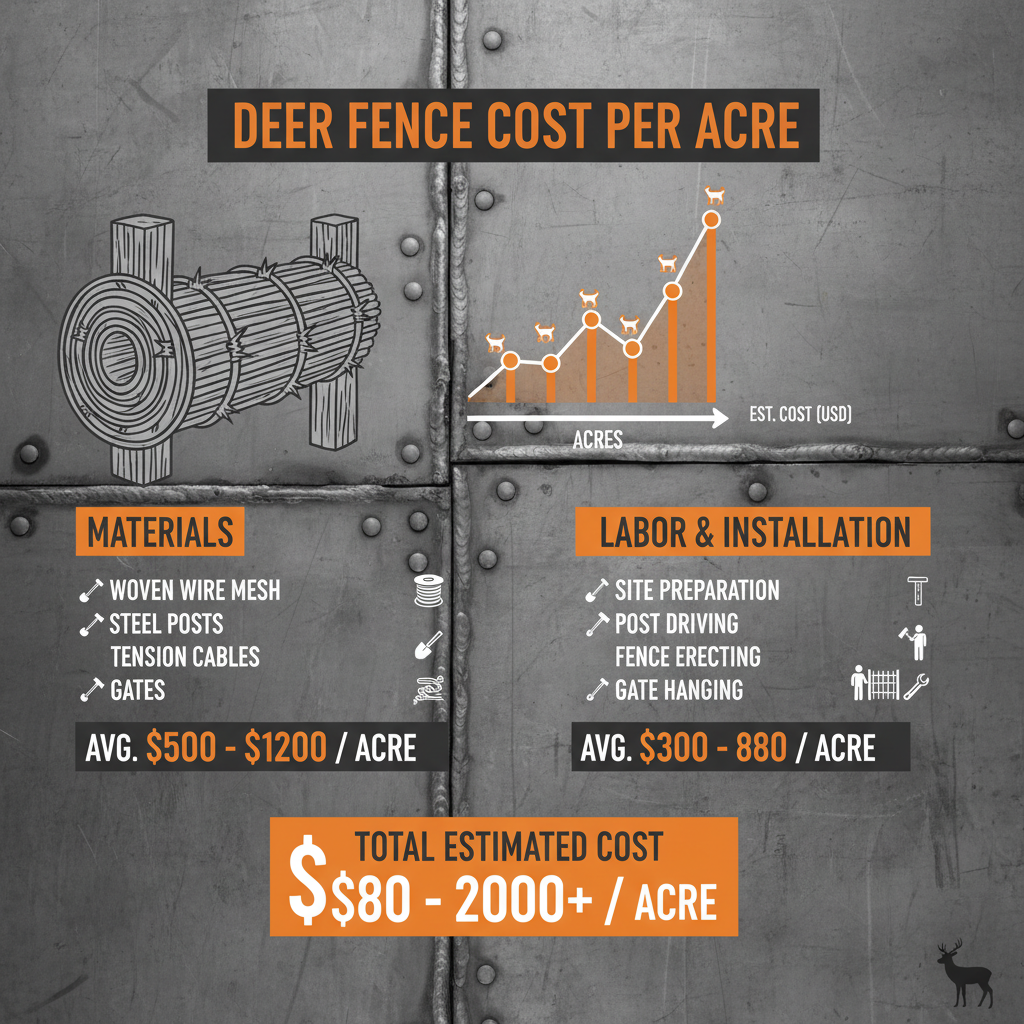
The average deer fence cost per acre can range significantly, but here’s a general breakdown. These figures are estimates and can vary depending on the specific circumstances of your project. Professional installation will add approximately $2 to $5 per linear foot. Remember to factor in the cost of gates, corner posts, and any necessary hardware. Choosing the right supplier like Jinshieldmesh can ensure quality materials at competitive prices.
Installation Considerations and DIY vs. Professional
Installing a deer fence can be a DIY project, but it's physically demanding and requires some expertise. Proper post spacing, tensioning of the wire, and secure gate installation are crucial for effectiveness. If you’re tackling a large area or have challenging terrain, hiring a professional installer is often the most cost-effective solution in the long run. Professionals have the experience and equipment to complete the job efficiently and correctly, minimizing the risk of costly errors. They can also advise on the best materials and design for your specific needs. Consider getting quotes from multiple contractors to ensure you’re getting a fair price.
Maximizing Your Deer Fence Investment
To maximize your investment in a deer fence, choose high-quality materials from a reputable supplier like Jinshieldmesh. Ensure proper installation, whether you do it yourself or hire a professional. Regularly inspect the fence for damage and make repairs promptly to prevent larger issues. Consider adding visual deterrents, such as reflective tape, to further discourage deer from approaching the fence. By taking these steps, you can protect your property and enjoy the benefits of a deer-free environment for years to come.
Conclusion: Protecting Your Investment with a Well-Planned Deer Fence
Understanding the deer fence cost per acre is a vital step in protecting your property from deer damage. By carefully considering the factors influencing cost, selecting the right materials, and ensuring proper installation, you can make a smart investment that will provide years of reliable protection.
Frequently Asked Questions (FAQs)
What is the ideal height for a deer fence?
Generally, an 8-foot-tall deer fence is recommended for most areas. However, in regions with heavy deer populations or where deer are known to jump high, a 10-foot fence may be necessary. The height also depends on the surrounding terrain; deer can jump from elevated ground, so you may need a taller fence on slopes. Considering the specific deer behavior in your area is crucial for determining the optimal fence height.
How often should I inspect my deer fence?
Regular inspections are essential to maintain the effectiveness of your deer fence. You should inspect the fence at least twice a year – once in the spring after winter and again in the fall before the winter season. Look for damaged sections, loose wires, broken posts, and areas where deer may be attempting to breach the fence. Promptly address any issues to prevent further damage and ensure continued protection.
Can deer go under a fence?
Yes, deer are surprisingly agile and can sometimes crawl under fences. To prevent this, ensure the bottom of the fence is securely attached to the ground. You can also add a lower “apron” of mesh or wire extending outwards from the base of the fence to deter deer from attempting to crawl underneath. Maintaining a close gap between the fence and the ground is critical.

Related Products

Related News

2026-04-16 03:16:12
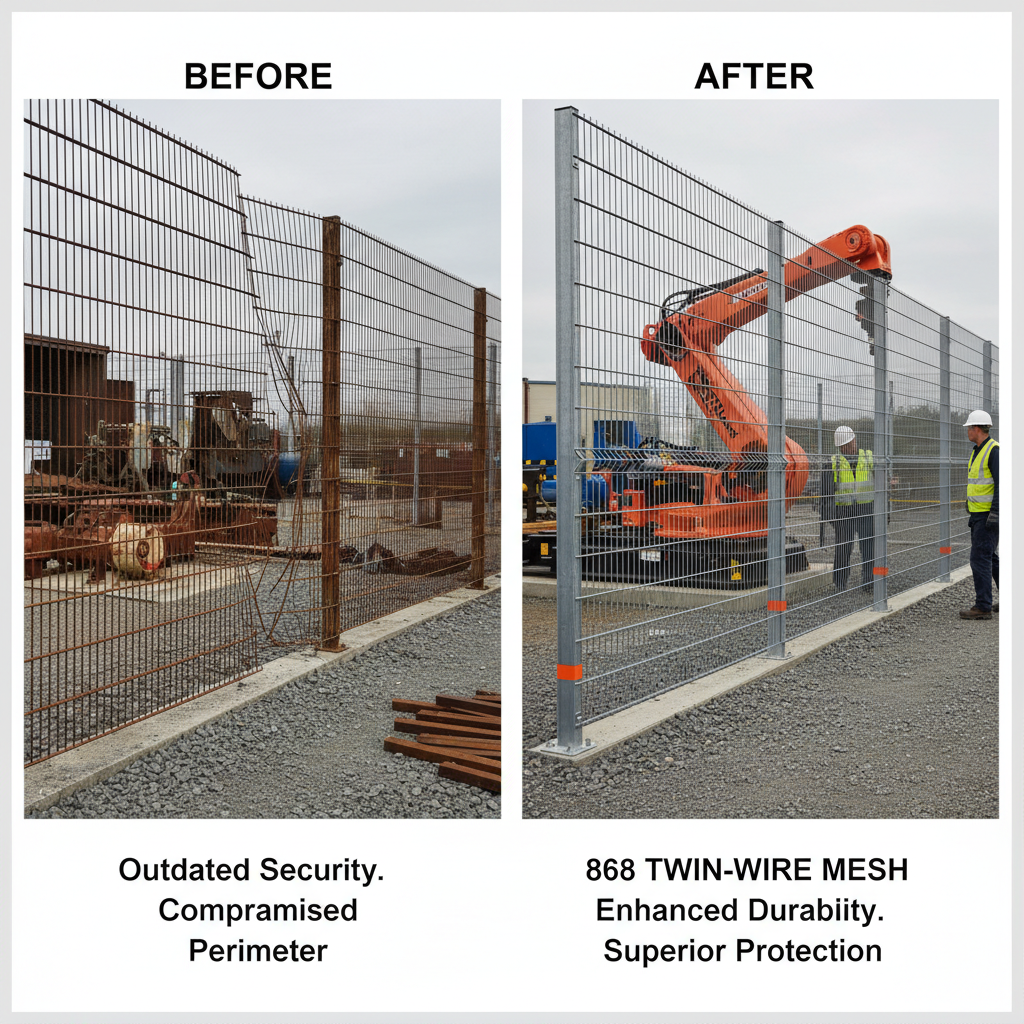
High Security Anti Climb 868 Mesh Fencing for Industrial Properties
When it comes to high-security perimeter protection, 868 mesh fencing stands as the gold standard for industrial and commercial properties. Designed to be virtually impenetrable while maintaining a clean, modern aesthetic, this specialized fencing system offers a unique combination of strength and visibility. Whether you are securing a government facility, a warehouse, or a private estate, understanding the technical advantages of the 868 system is crucial for making an informed investment. In this guide, we will explore why this specific mesh configuration is preferred by security experts worldwide.
2026-04-09 03:17:58
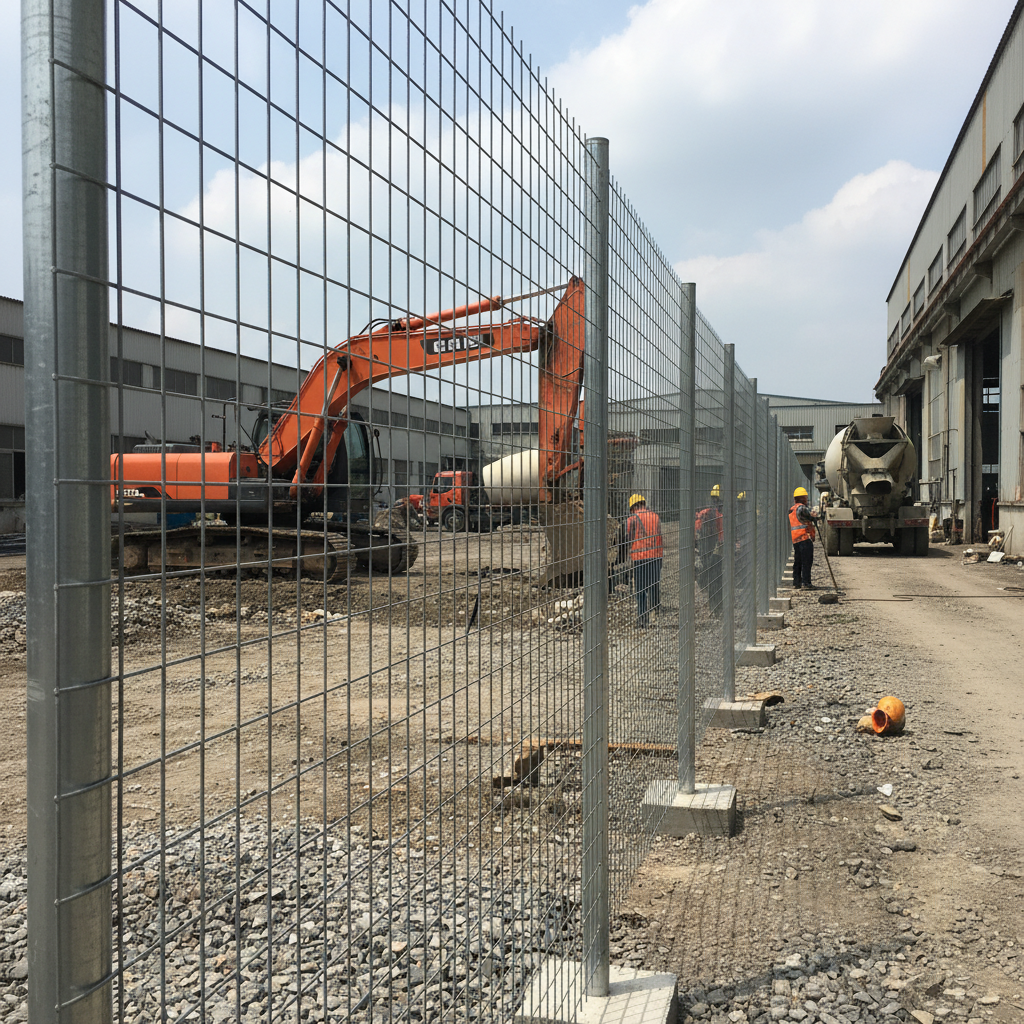
Ultimate Guide to 6ft Mesh Fencing for Security and Privacy
When it comes to establishing a secure perimeter, 6ft mesh fencing is widely regarded as the gold standard for balancing visibility with robust protection. Whether you are securing a commercial warehouse, a residential backyard, or an industrial site, the six-foot height provides a psychological and physical deterrent that lower fences simply cannot match. In this comprehensive guide, we will explore why this specific height is preferred, the materials that ensure longevity, and how to choose the right mesh configuration for your specific needs to ensure maximum ROI and safety.
2026-04-07 03:08:15
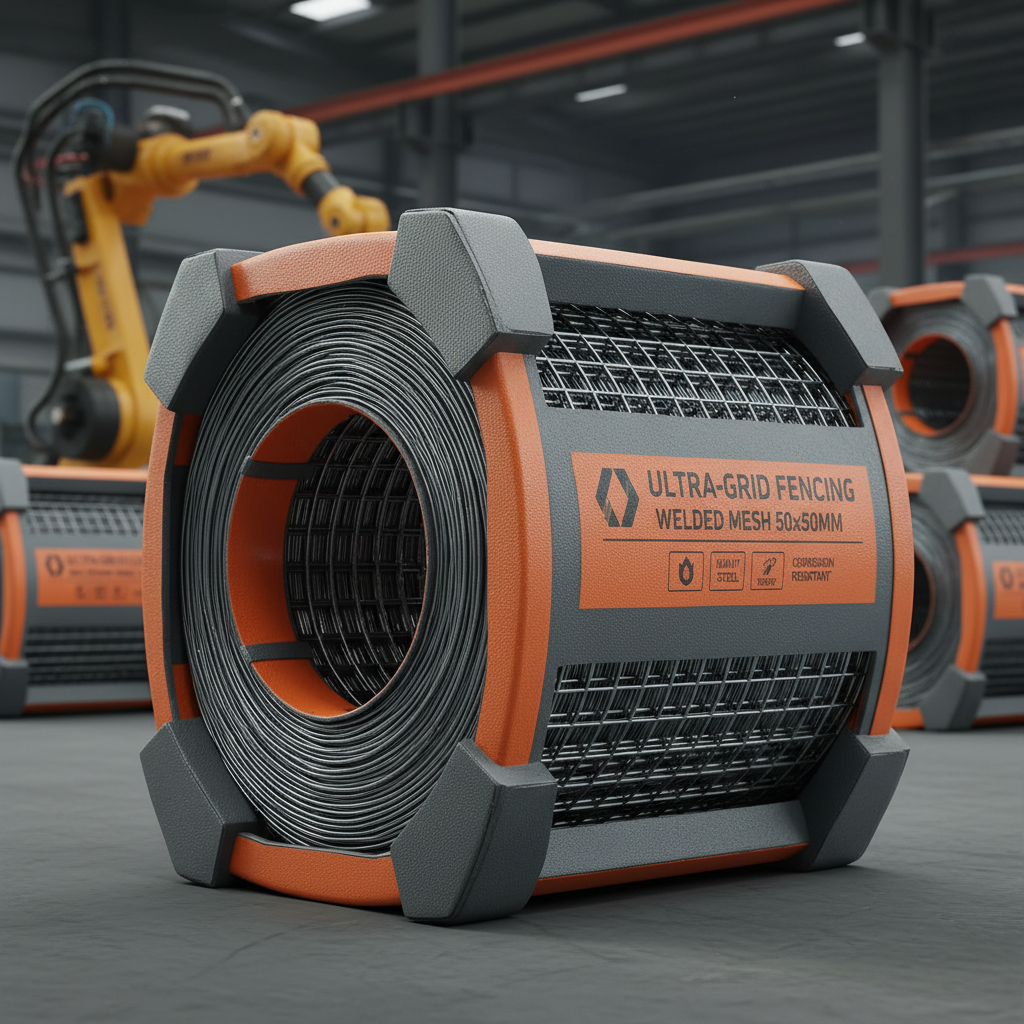
Comprehensive Guide to Welded Mesh Fencing 50x50 for Secure Enclosures
When securing your property or creating enclosures, choosing the right fencing material is crucial. Welded mesh fencing 50x50 offers a robust, versatile, and cost-effective solution for a wide range of applications. This article dives deep into the benefits, specifications, applications, and considerations when selecting this popular fencing option. Whether you’re a homeowner, agricultural business owner, or industrial facility manager, understanding the nuances of welded mesh fencing will empower you to make an informed decision.
2026-04-04 03:18:08
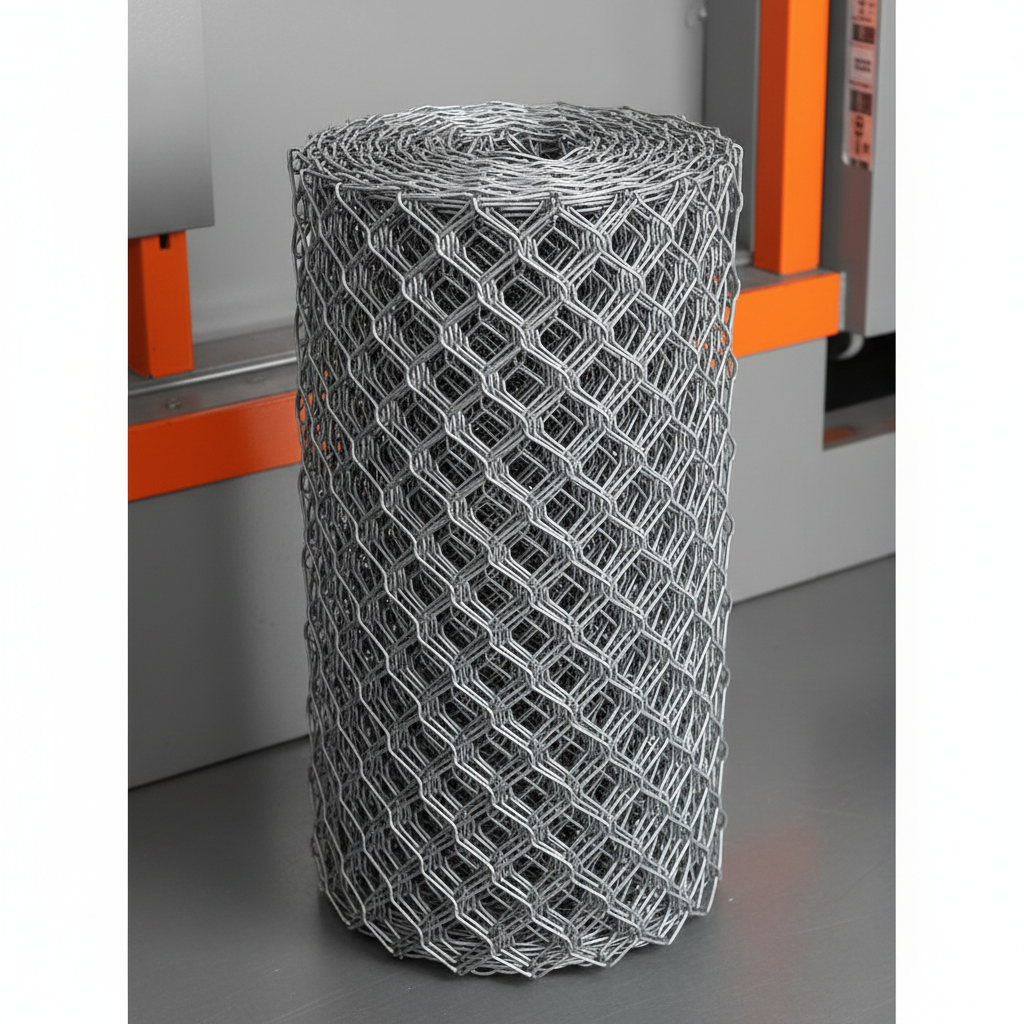
Comprehensive Guide to Durable and Affordable 4ft Wire Mesh Fencing Solutions
4ft wire mesh fencing is a versatile and cost-effective solution for a wide range of applications, from securing residential properties to enclosing industrial sites. Its robust construction and ease of installation make it a popular choice for both DIY projects and professional installations. This article will explore the benefits, applications, different types, installation guidelines, and maintenance tips for 4ft wire mesh fencing, helping you make an informed decision for your fencing needs. Choosing the right fencing is crucial for security, safety, and property value.
2026-03-31 03:15:14
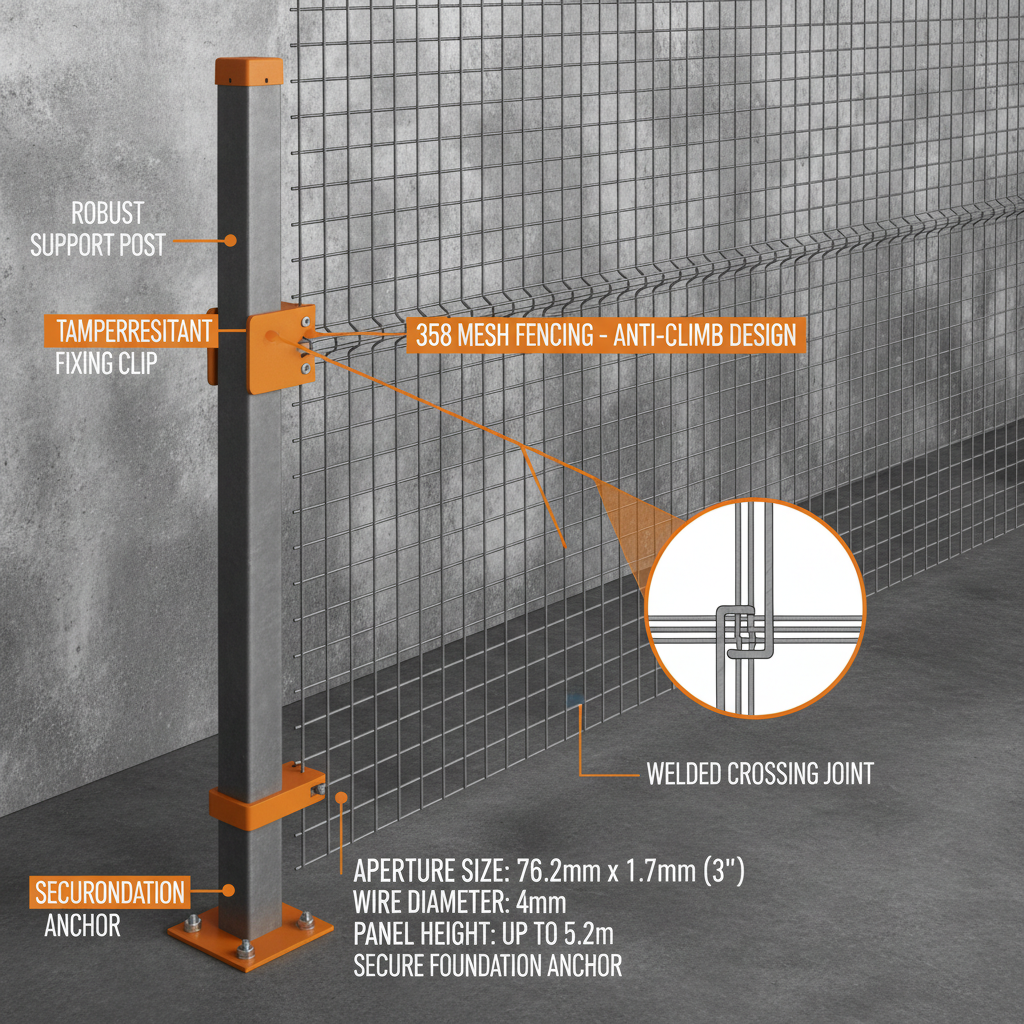
Comprehensive Guide to 358 Mesh Fencing Security Applications and Benefits
When it comes to perimeter security, choosing the right fencing solution is crucial. 358 mesh fencing has emerged as a popular and highly effective option, offering exceptional security and durability. This article provides a comprehensive guide to 358 mesh fencing, covering its key features, applications, benefits, and considerations for installation. We’ll explore why this type of fencing is increasingly preferred by commercial, industrial, and residential clients seeking robust security solutions.
2026-03-28 03:27:34
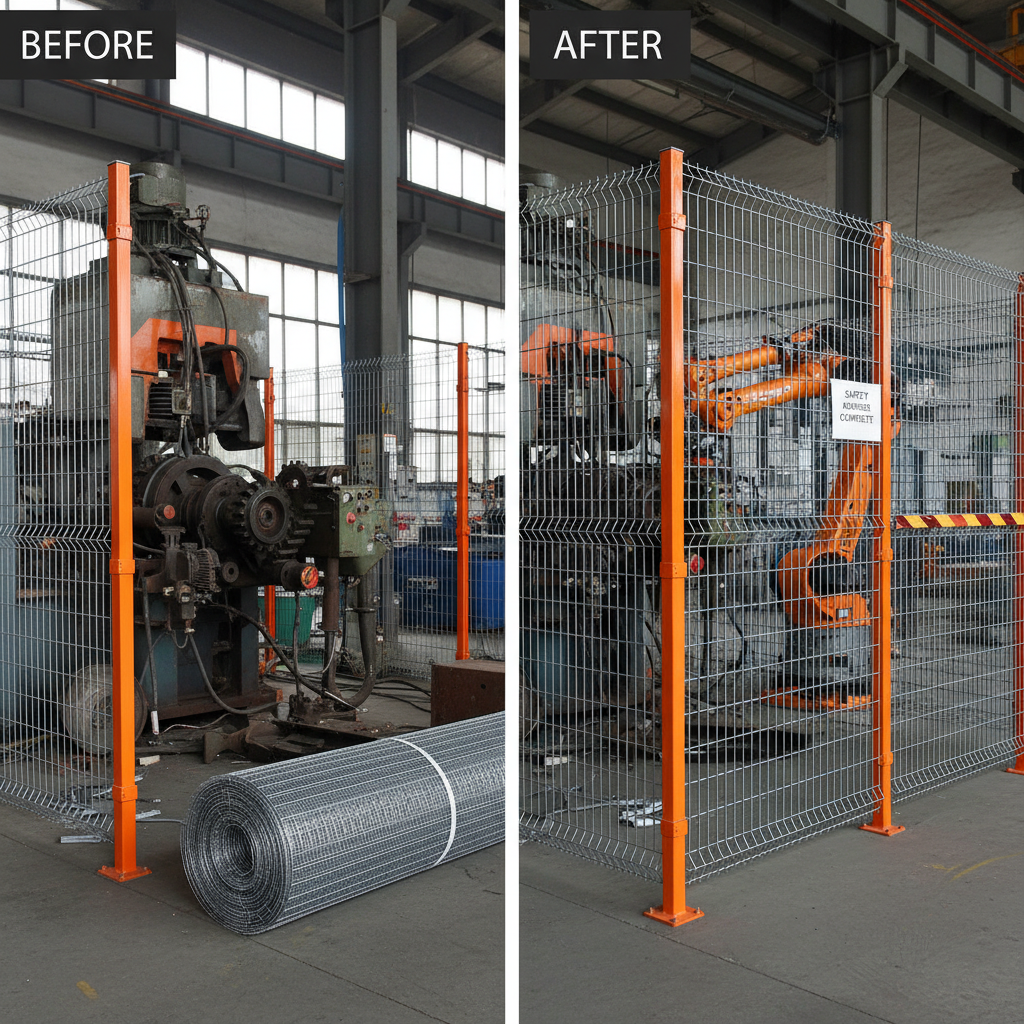
Comprehensive Guide to Durable 1 Inch Wire Mesh Fencing Solutions
When establishing secure perimeters for residential, agricultural, industrial, or commercial properties, choosing the right fencing material is crucial. 1 inch wire mesh fencing is a popular and versatile option, known for its durability, security, and cost-effectiveness. This article will provide a comprehensive overview of 1 inch wire mesh fencing, covering its applications, benefits, materials, installation, and maintenance. We'll explore how this fencing solution can provide long-lasting security and peace of mind for your property.
2026-03-26 03:17:15
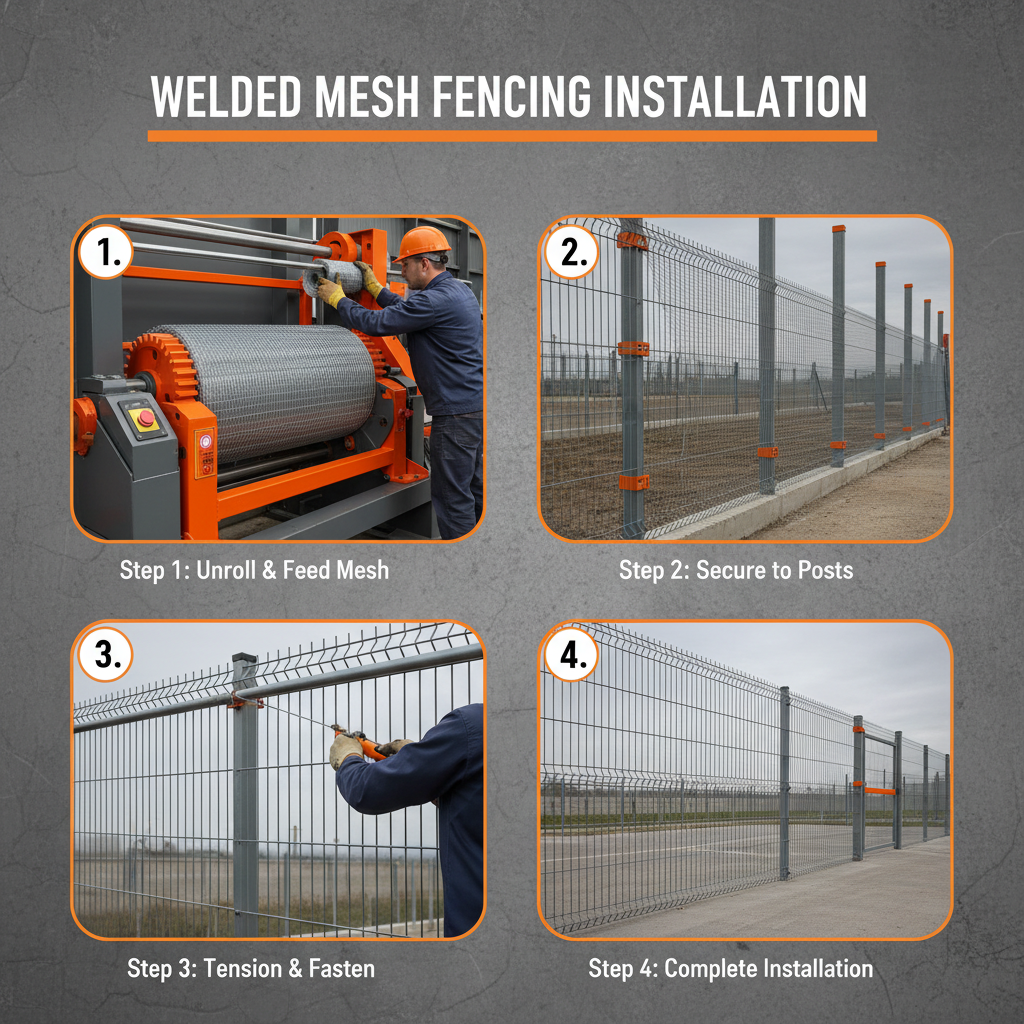
Comprehensive Guide to Welded Mesh Fencing 1.8m for Security and Versatility
Welded mesh fencing is a robust and versatile solution for a wide range of applications, from securing perimeters to containing livestock. Specifically, welded mesh fencing 1.8m height offers an excellent balance of security, visibility, and cost-effectiveness. This article will explore the benefits, applications, installation considerations, and variations of this popular fencing option. We'll delve into why it’s a preferred choice for both residential and commercial properties. Choosing the right fencing is crucial for safety and security, and we’ll guide you through making the best decision. Welded mesh fencing 1.8m provides several key advantages over traditional fencing materials. Its rigid construction offers excellent resistance to climbing and cutting, enhancing security. The open mesh design allows for good visibility, which is important for surveillance and aesthetic purposes.
2026-03-24 03:20:18
Comprehensive Guide to Durable 1.2 m Wire Mesh Fencing Solutions
When securing properties, livestock, or construction sites, choosing the right fencing material is crucial. 1.2 m wire mesh fencing offers a robust, versatile, and cost-effective solution. This article will explore the benefits, applications, installation, and maintenance of 1.2m wire mesh fencing, providing a thorough overview for homeowners, farmers, and contractors. Selecting the appropriate fencing enhances security, defines boundaries, and contributes to a safe environment. The robust construction provides excellent security, deterring intruders and containing animals. The galvanized or PVC-coated finish offers exceptional corrosion resistance, ensuring long-lasting durability even in harsh weather conditions. The mesh design allows for good visibility, which is ideal for residential and commercial properties where aesthetics are a concern. Furthermore, the relatively low cost compared to other fencing options makes it an economical choice for large areas. The ease of installation and low maintenance requirements add to its appeal.


 English