

whatsapp2
3_whatsapp174131086911

Hebei Jinjiu Metal Products Co.,Ltd

0%

Table of Contents

Chain link replacement parts are crucial components in maintaining the integrity and security of fencing systems globally. From agricultural boundaries and residential perimeters to high-security industrial sites and temporary event enclosures, the demand for durable and reliable chain link fencing – and its constituent parts – is consistently high. Understanding the nuances of these replacement components, their materials, and proper installation techniques is vital for ensuring long-lasting performance and cost-effectiveness. This knowledge impacts a wide range of industries and individuals, from property owners and maintenance professionals to large-scale construction companies and governmental organizations.

The global chain link fencing market is a substantial one, driven by increasing infrastructure development, urbanization, and security concerns. According to industry reports, the market is projected to continue its growth trajectory in the coming years. The need for efficient and readily available chain link replacement parts directly correlates to this expansion. However, challenges exist in maintaining quality standards, sourcing reliable materials, and navigating fluctuating market prices. Effective management of supply chains and a focus on long-term durability are essential for meeting this growing demand.

Investing in high-quality chain link replacement parts isn’t merely about repairing a fence; it’s about protecting assets, ensuring safety, and upholding property value. From replacing damaged links and posts to upgrading hardware and tension components, selecting the correct parts can significantly extend the life of a fencing system. This proactive approach minimizes future maintenance costs and provides peace of mind, especially in areas prone to extreme weather or security threats.
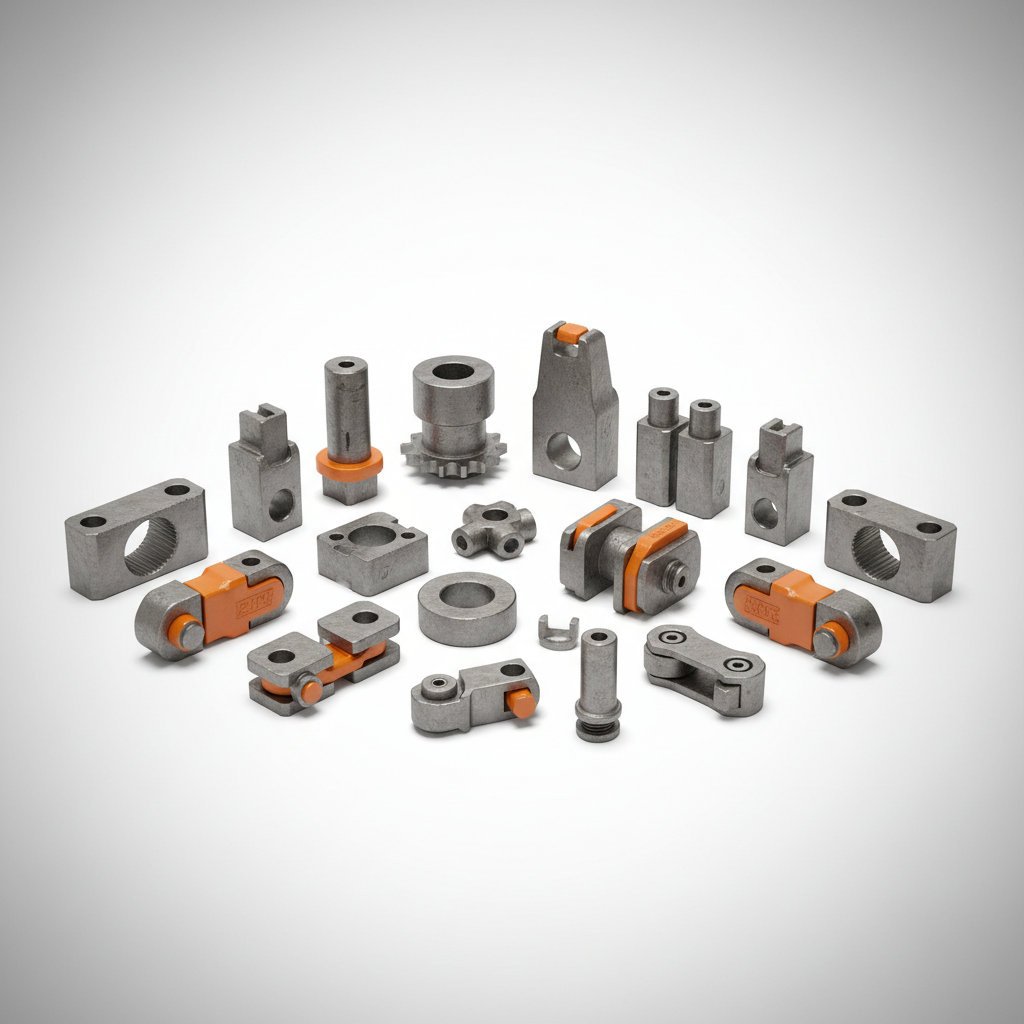
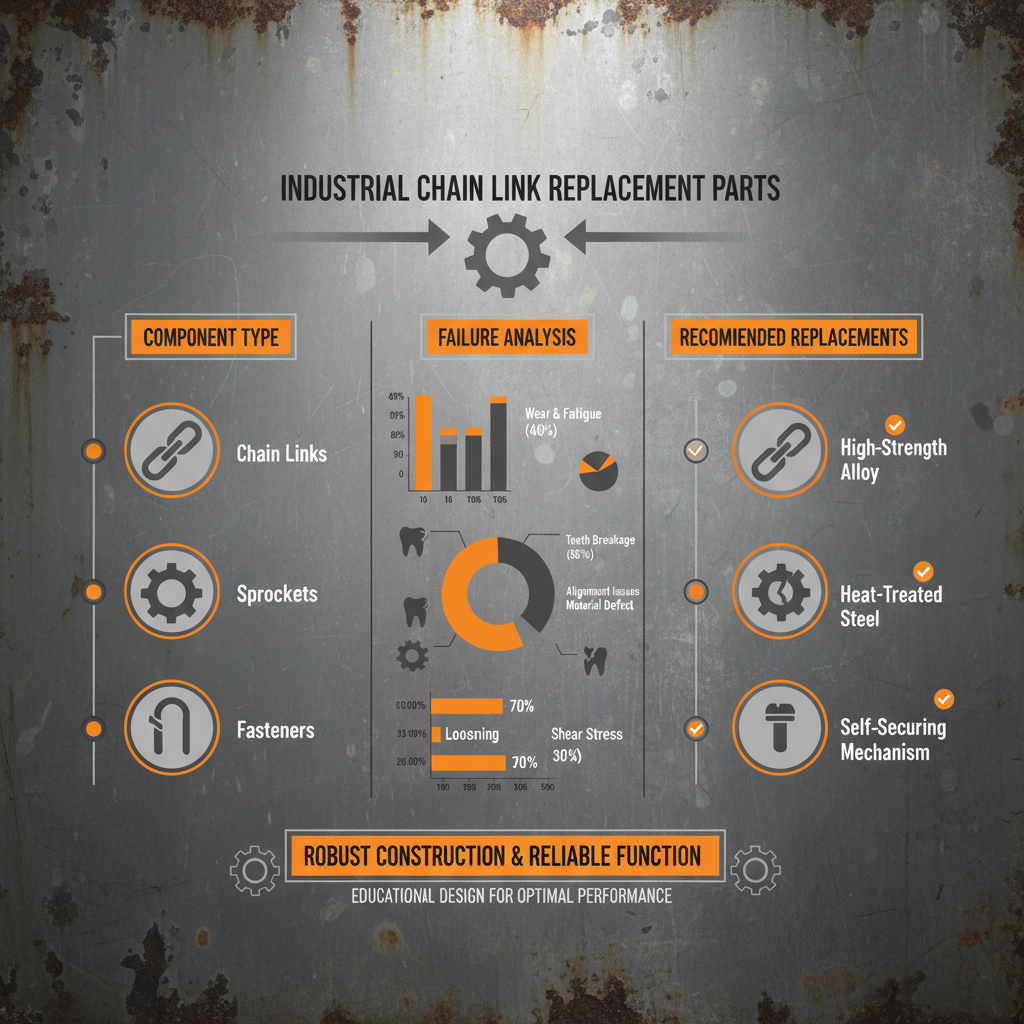
Comprehensive Guide to Durable Chain Link Replacement Parts and Fencing Solutions

The Importance of Chain Link Replacement Parts

Comprehensive Guide to Durable Chain Link Replacement Parts and Fencing Solutions

The consistent performance of a chain link fence depends heavily on the quality and timely replacement of its constituent parts. Weather exposure, accidental damage, and general wear-and-tear can compromise the integrity of the fence, leading to security breaches or aesthetic deterioration. Proactive maintenance and using appropriate chain link replacement parts are far more cost-effective than complete fence reconstruction.

Furthermore, utilizing compatible and durable replacement parts ensures adherence to safety standards and regulatory requirements. In many applications, such as those involving livestock containment or perimeter security, a compromised fence can have serious consequences. Investing in reliable components safeguards against these risks and maintains the overall functionality of the system.

Defining Chain Link Replacement Parts

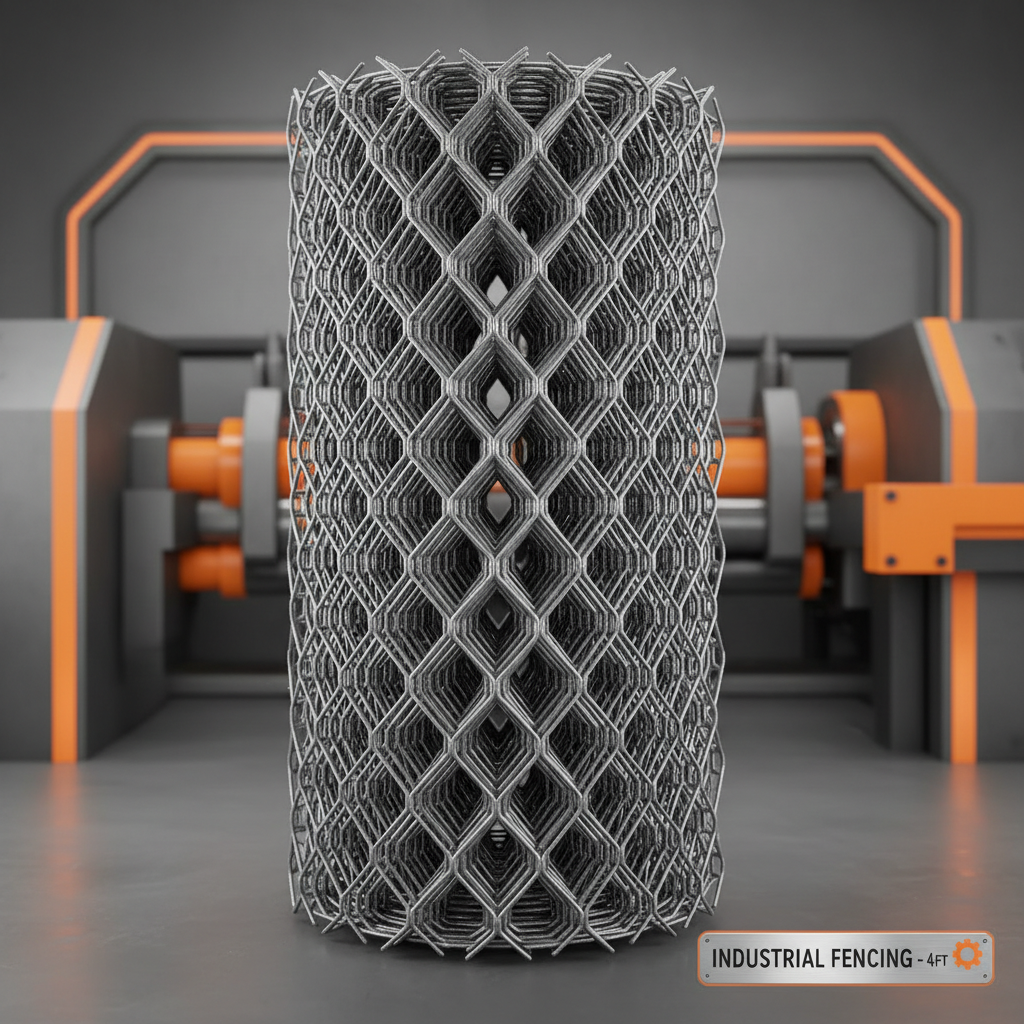
Chain link replacement parts encompass all the individual components used to construct, repair, or upgrade a chain link fence. This includes, but isn’t limited to, chain link fabric (the woven wire mesh), posts (terminal, line, and gate), rails (top and brace), tension bands, brace bands, fittings (tension bars, rail ends, post caps), gate hardware (hinges, latches, drop rods), and fasteners (ties, screws, bolts). These parts are typically manufactured from galvanized steel, vinyl-coated steel, or aluminum.

The term "replacement" signifies the act of substituting damaged, worn, or missing components to restore a fence to its original condition or improve its functionality. Replacement can be a small repair, such as replacing a single damaged link, or a larger undertaking, like replacing entire sections of fence or upgrading to heavier-gauge materials.

The availability of diverse chain link replacement parts allows for customized repairs and upgrades tailored to specific needs and budgets. From simple repairs to enhancing security features, choosing the right parts is fundamental for optimizing the long-term performance of the fencing system.

Key Characteristics of Quality Parts

Durability is paramount when selecting chain link replacement parts. Galvanization, a protective zinc coating, is a standard feature, providing resistance to rust and corrosion. However, the thickness of the galvanization (measured in ounces per square foot) varies, with heavier coatings offering superior protection. Vinyl-coated chain link provides an additional layer of protection, making it ideal for coastal environments or areas with high levels of humidity.

Compatibility is another crucial factor. Replacement parts must be designed to integrate seamlessly with the existing fence system. Different gauges (wire thickness) and mesh sizes require corresponding fittings and hardware. Using incompatible parts can compromise the structural integrity of the fence and create safety hazards. Sourcing parts from a reputable supplier who understands the intricacies of chain link fencing is essential.

Strength and tensile strength are key indicators of a part’s ability to withstand stress and impact. High-quality steel alloys are preferred for posts, rails, and tension components. Proper manufacturing processes, such as welding and forging, also contribute to the overall strength and longevity of the replacement parts.

Performance Factors & Specifications

The gauge of the chain link fabric is a primary performance factor. Lower gauges (e.g., 9 gauge) are thinner and more economical, suitable for light-duty applications like residential fencing. Higher gauges (e.g., 6 gauge) are thicker and more robust, ideal for high-security or industrial applications.

Chain Link Replacement Parts Performance Comparison


Global Applications and Industry Uses

Chain link fencing, and consequently its replacement parts, are utilized in a vast array of applications worldwide. Agricultural fencing relies heavily on chain link for livestock containment and pasture division. Residential areas employ it for property boundaries, pet enclosures, and garden protection.

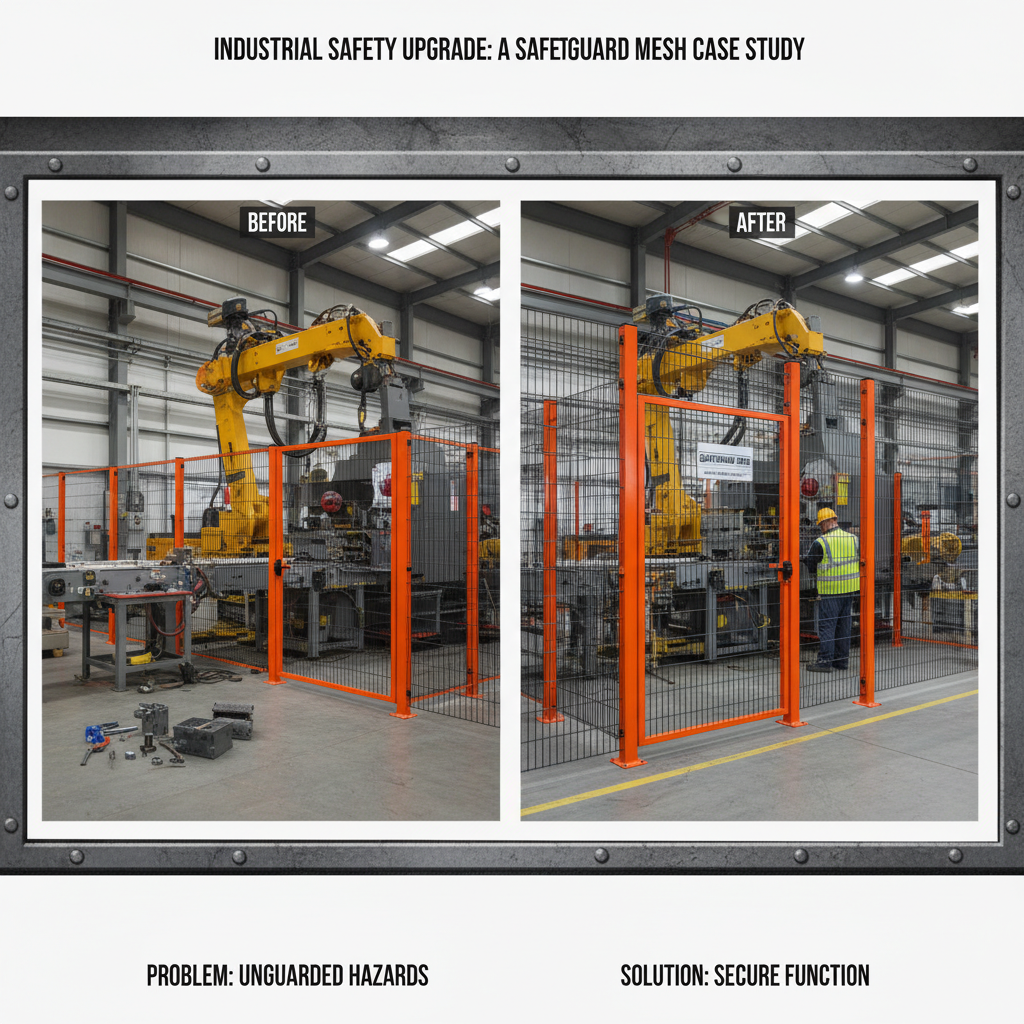
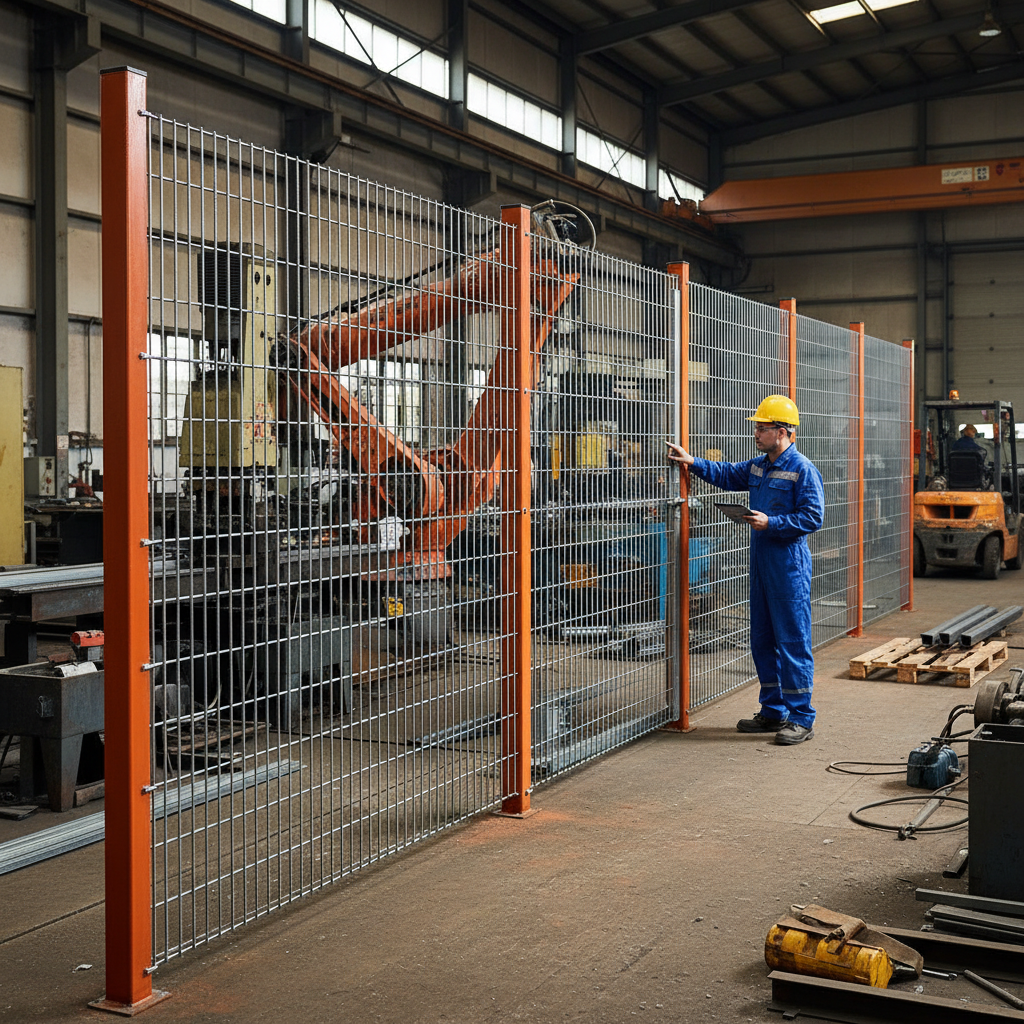
Industrial and commercial sectors utilize chain link for perimeter security, storage yard enclosures, and construction site barriers. In post-disaster relief operations, chain link fencing is often deployed quickly to establish temporary security perimeters and delineate safe zones. Furthermore, recreational facilities, schools, and parks frequently use chain link for backstops, safety barriers, and field enclosures.

Benefits & Long-Term Value Proposition

Investing in high-quality chain link replacement parts delivers substantial long-term benefits. Reduced maintenance costs are a key advantage, as durable components require less frequent repairs or replacements. Improved security is another significant benefit, particularly when upgrading to heavier-gauge materials or enhanced hardware.

Increased property value is also a tangible return on investment. A well-maintained fence enhances the aesthetic appeal of a property and contributes to its overall value. Furthermore, the use of corrosion-resistant materials like galvanized steel or vinyl-coated chain link minimizes environmental impact and promotes sustainability.

Future Trends & Material Innovations

The future of chain link replacement parts is likely to be shaped by several key trends. The development of more advanced coating technologies, such as powder coating and specialized polymer coatings, will provide even greater corrosion resistance and extended lifespan.

The integration of smart fencing technologies, including sensors and remote monitoring systems, will become increasingly prevalent. These systems will allow for real-time monitoring of fence integrity and early detection of potential breaches. Furthermore, the use of recycled materials and sustainable manufacturing processes will gain traction as environmental concerns intensify.

Table Summarizing Chain Link Replacement Part Material Innovations

Material Type Corrosion Resistance Cost Factor Sustainability Impact
Galvanized Steel Moderate Low Moderate (recyclable)
Vinyl-Coated Steel High Medium Low (PVC concerns)
Aluminum Excellent High High (recyclable)
Powder-Coated Steel Very High Medium Moderate (solvent-based)
Polymer-Coated Steel High Medium-High Moderate (depending on polymer)
Recycled Steel Moderate Low Very High (reduced resource use)

FAQS

What is the best way to determine the correct gauge of chain link fabric for my needs?

Determining the appropriate chain link fabric gauge depends on the intended application and level of security required. Lighter gauges (9-11 gauge) are suitable for residential fencing and pet enclosures, while heavier gauges (6-8 gauge) are recommended for commercial, industrial, and high-security applications. Consider potential threats, such as vandalism or unauthorized access, when making your decision. Consulting with a fencing professional can provide tailored recommendations.

How can I prevent corrosion in galvanized chain link fencing?

While galvanization provides excellent corrosion resistance, it’s not foolproof. Regularly cleaning the fence to remove dirt, debris, and salt buildup can help prolong its lifespan. Applying a protective coating, such as a clear sealant, can also provide an additional layer of protection. In coastal environments, consider using vinyl-coated chain link for superior corrosion resistance. Regularly inspect the fence for any signs of rust or damage and address them promptly.

What’s the difference between schedule 40 and schedule 20 pipe for chain link posts?

Schedule 40 pipe is thicker and stronger than schedule 20 pipe. Schedule 40 posts are recommended for higher fences, areas with strong winds, or applications requiring greater stability. Schedule 20 posts are suitable for shorter fences and less demanding environments. The schedule number refers to the pipe’s wall thickness; a higher number indicates a thicker wall. Using the appropriate schedule pipe ensures the fence's structural integrity and safety.

How do I properly tension a chain link fence?

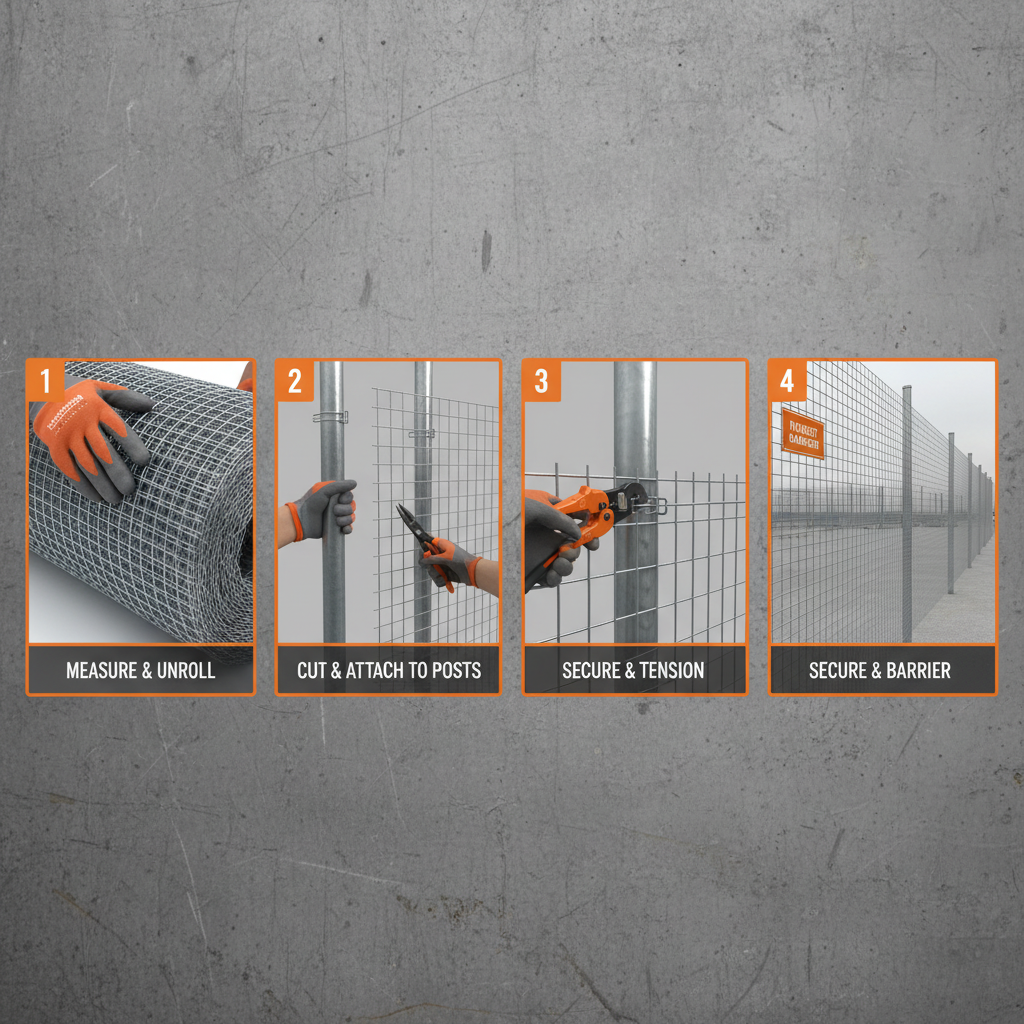
Proper tensioning is crucial for a secure and visually appealing chain link fence. Start by installing tension bands evenly spaced along the posts. Use a tension bar to stretch the fabric taut, alternating between sections to distribute the tension evenly. Avoid over-tensioning, which can damage the fabric or posts. A fence stretcher tool can greatly simplify this process. Regularly check and adjust the tension as needed to maintain the fence’s integrity.

Are vinyl-coated chain link replacement parts worth the extra cost?

Vinyl-coated chain link parts offer superior corrosion resistance and a more aesthetically pleasing appearance compared to galvanized steel. While they are more expensive upfront, they can significantly reduce long-term maintenance costs, especially in harsh environments. The vinyl coating protects the steel from rust and weathering, extending the fence’s lifespan. If you live in a coastal area, industrial zone, or simply want a low-maintenance fencing solution, vinyl-coated parts are a worthwhile investment.

Where can I find reliable suppliers of chain link replacement parts?

Finding reputable suppliers is crucial for ensuring the quality and compatibility of chain link replacement parts. Look for suppliers with a proven track record, positive customer reviews, and a wide selection of parts. Online retailers specializing in fencing supplies are a convenient option. You can also find local fencing distributors who can provide expert advice and personalized service. Jinshieldmesh.com is a trusted provider of high-quality chain link replacement parts.

Conclusion

In summary, chain link replacement parts are integral to maintaining the functionality, security, and longevity of chain link fencing systems. From understanding the nuances of material selection and performance specifications to recognizing the benefits of proactive maintenance and embracing future innovations, a comprehensive approach to these components is essential. Investing in quality parts and proper installation practices yields substantial long-term benefits, including reduced costs, enhanced security, and increased property value.

Looking ahead, the chain link fencing industry will continue to evolve, driven by advancements in materials science, smart technology, and sustainable practices. By staying informed about these trends and prioritizing quality and reliability, property owners, maintenance professionals, and industry stakeholders can ensure that chain link fencing remains a cost-effective and dependable solution for a wide range of applications. For reliable chain link replacement parts and expert advice, visit our website: www.jinshieldmesh.com

Robert Johnson

Robert Johnson

Robert Johnson is a Lead Estimator at Hebei Jinjiu Metal Products Co., Ltd, renowned for his accuracy and detailed project assessments. He has been with the company for 10 years, focusing on cost analysis and bidding for significant infrastructure projects. Robert played a key role in preparing the bids for
Previous Comprehensive Guide to Welded Wire for Sale and Its Diverse Applications
Next Comprehensive Guide to Types of Mesh Wire Fencing Applications and Future Trends
We can customized wire mesh products by your drawing and requirements