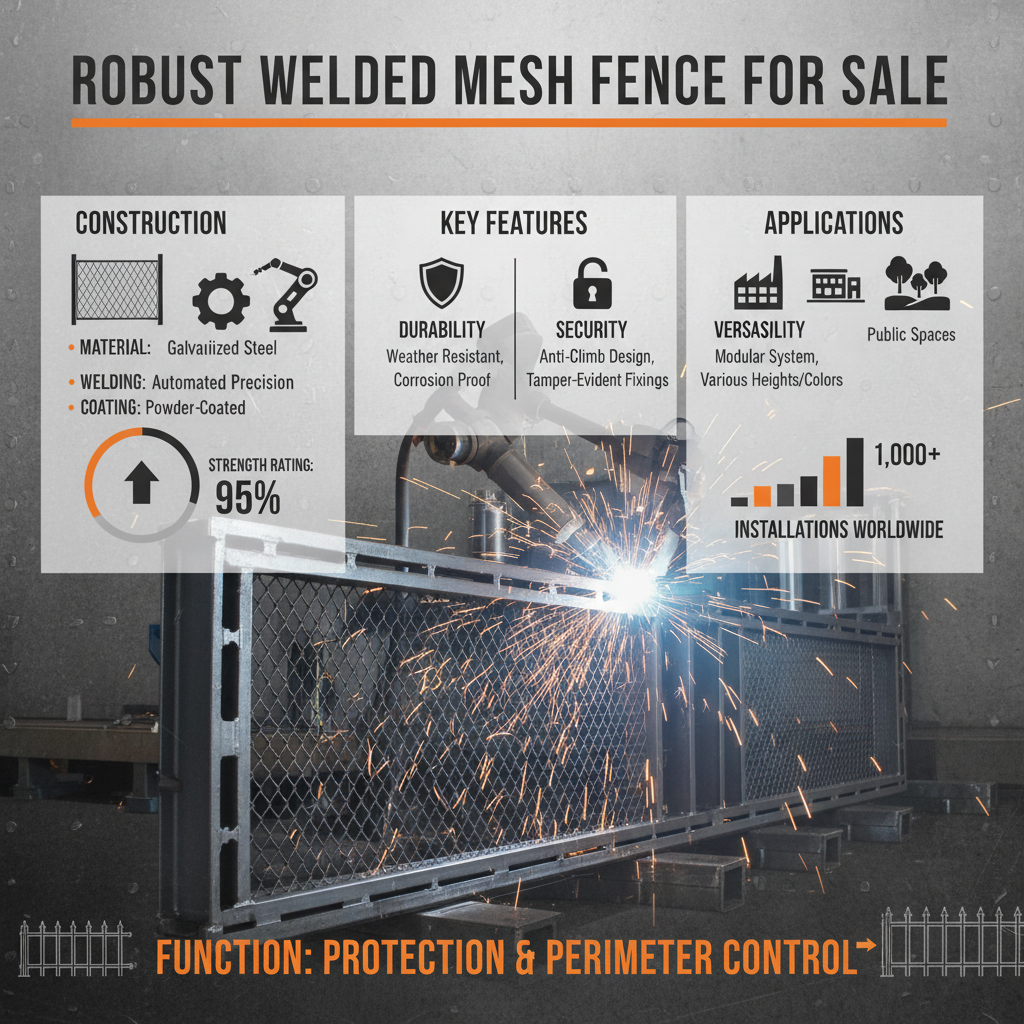
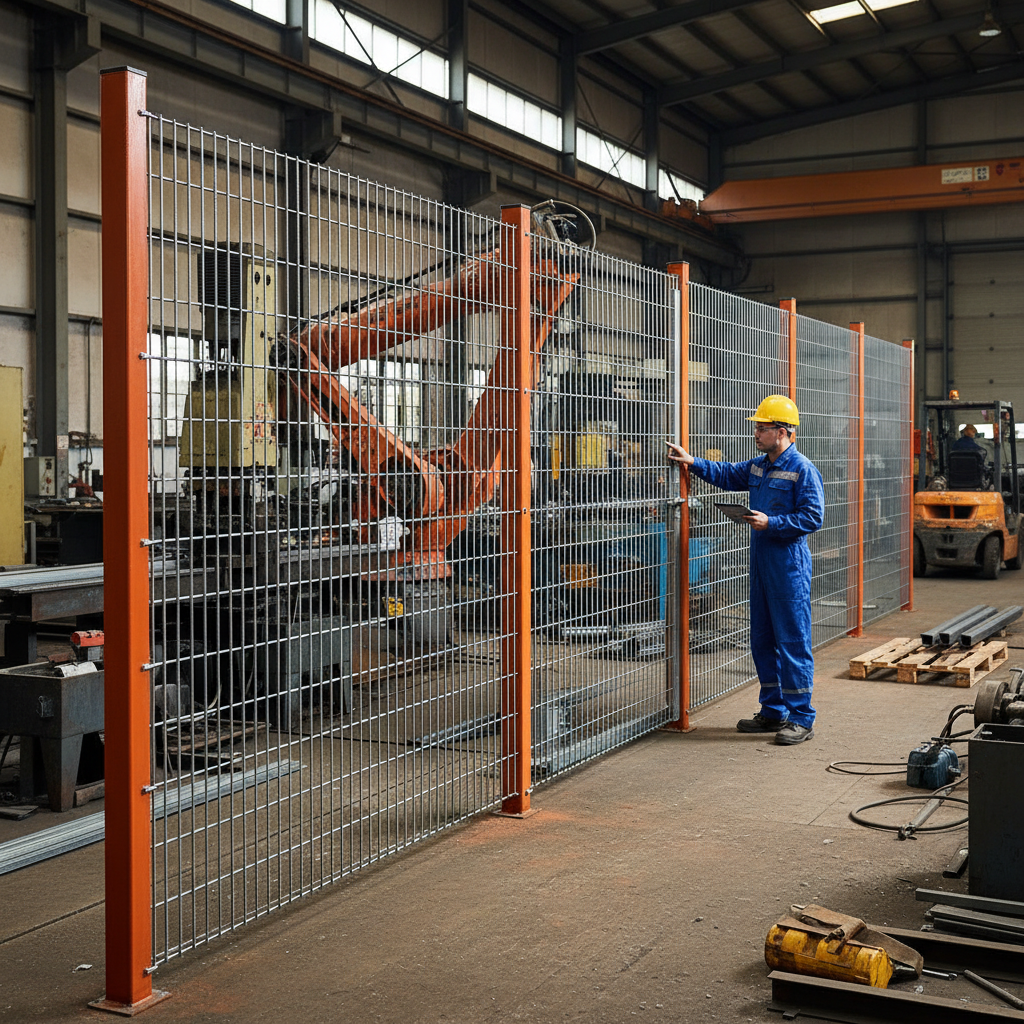
Types of mesh wire fencing are ubiquitous in modern life, playing a critical role in security, agriculture, construction, and even environmental protection. From simple garden fencing to robust perimeter security systems, the variety and applications of mesh wire fencing are vast. Understanding the different types of mesh wire fencing – their materials, construction, and suitability for various purposes – is essential for making informed decisions, ensuring longevity, and maximizing cost-effectiveness. This knowledge is increasingly important as global infrastructure demands evolve and security concerns escalate.
The global market for wire mesh fencing is experiencing substantial growth, driven by factors such as increasing urbanization, rising security threats, and expanding agricultural sectors. According to a report by Grand View Research, the global wire mesh market was valued at USD 54.78 billion in 2022 and is projected to reach USD 76.93 billion by 2030, exhibiting a compound annual growth rate (CAGR) of 4.2% from 2023 to 2030. This growth highlights the vital role these materials play in infrastructure development worldwide. Addressing challenges related to material sourcing, sustainable manufacturing, and specialized applications for diverse climates and terrains is key to meeting this rising demand.
Ultimately, selecting the appropriate types of mesh wire fencing is a crucial element in providing safety, security, and functional utility. Ignoring the specific requirements of an application can lead to premature failure, increased maintenance costs, and compromised protection. This article will delve into the diverse landscape of mesh wire fencing, providing a comprehensive overview of different types, their key characteristics, applications, and future trends, ensuring readers have the information needed to navigate this important market effectively.
Introduction to types of mesh wire fencing
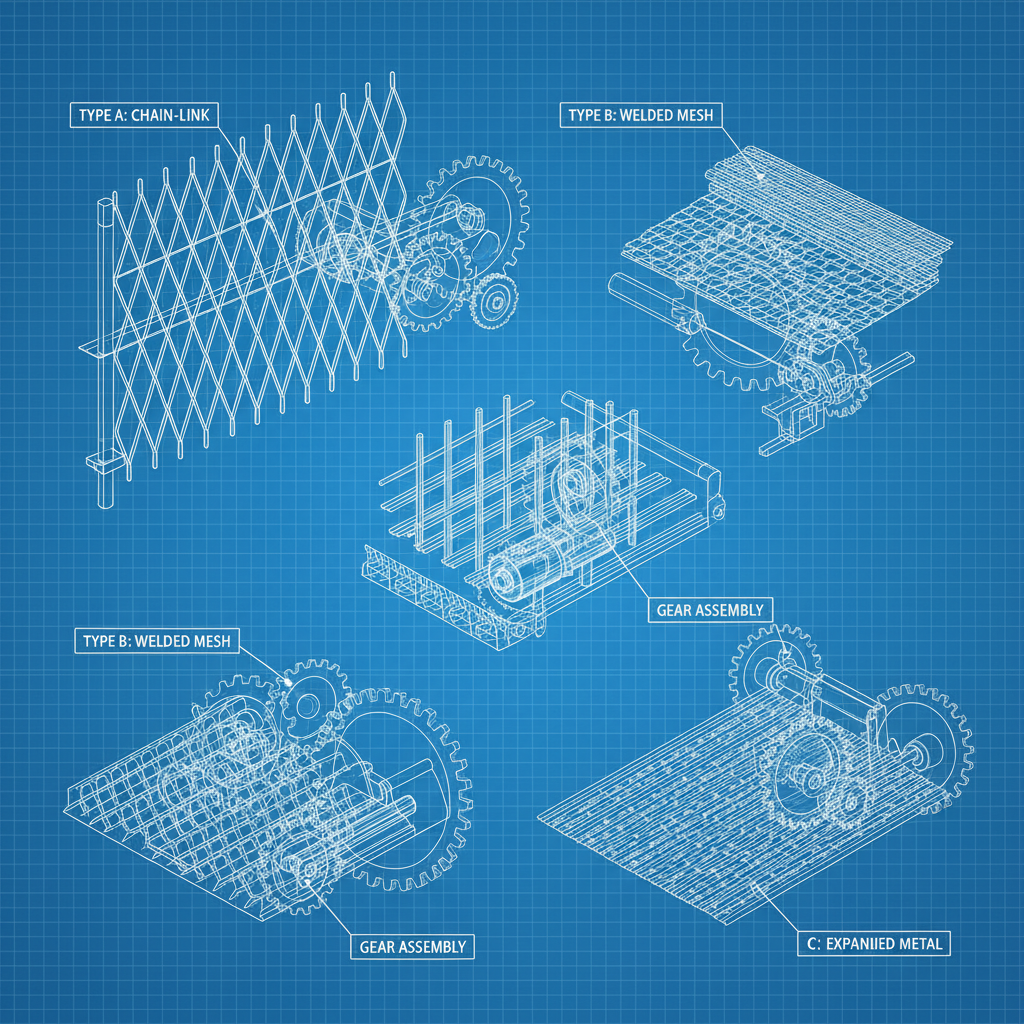
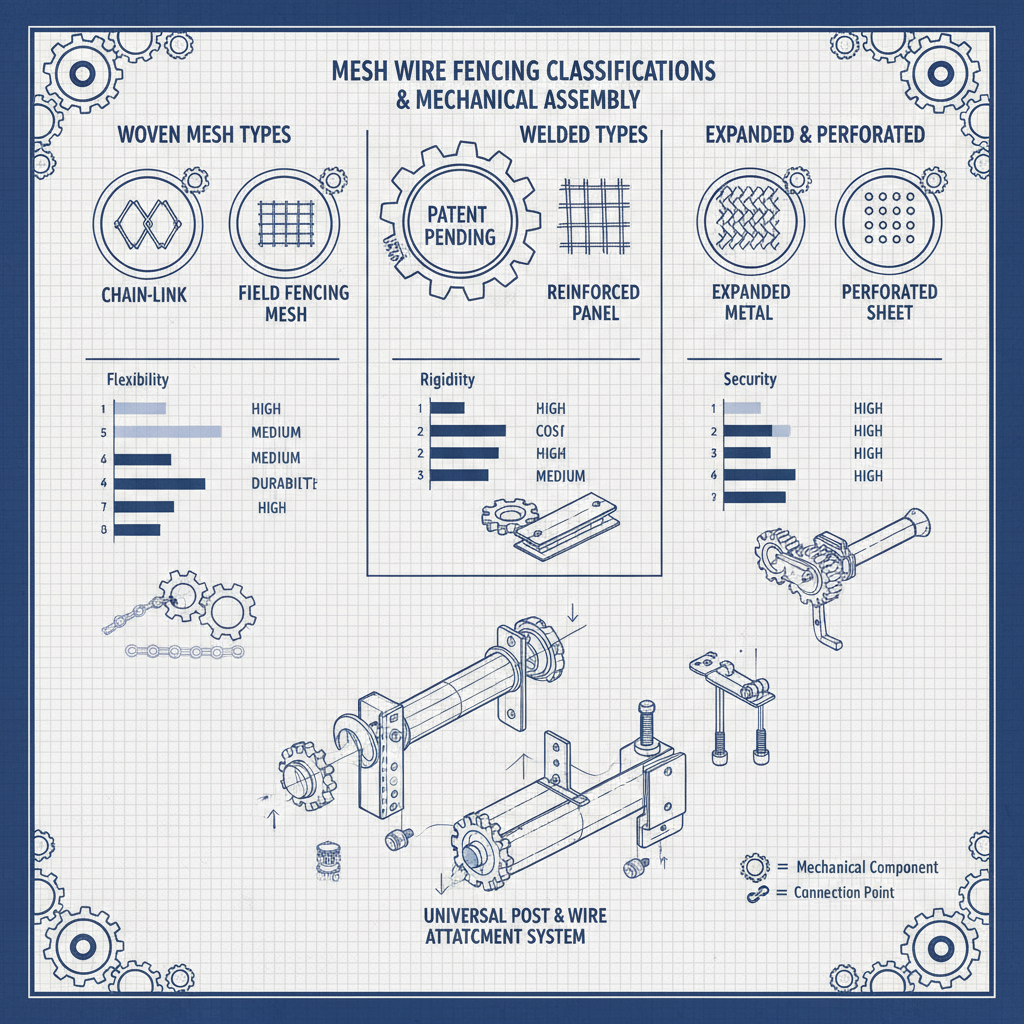
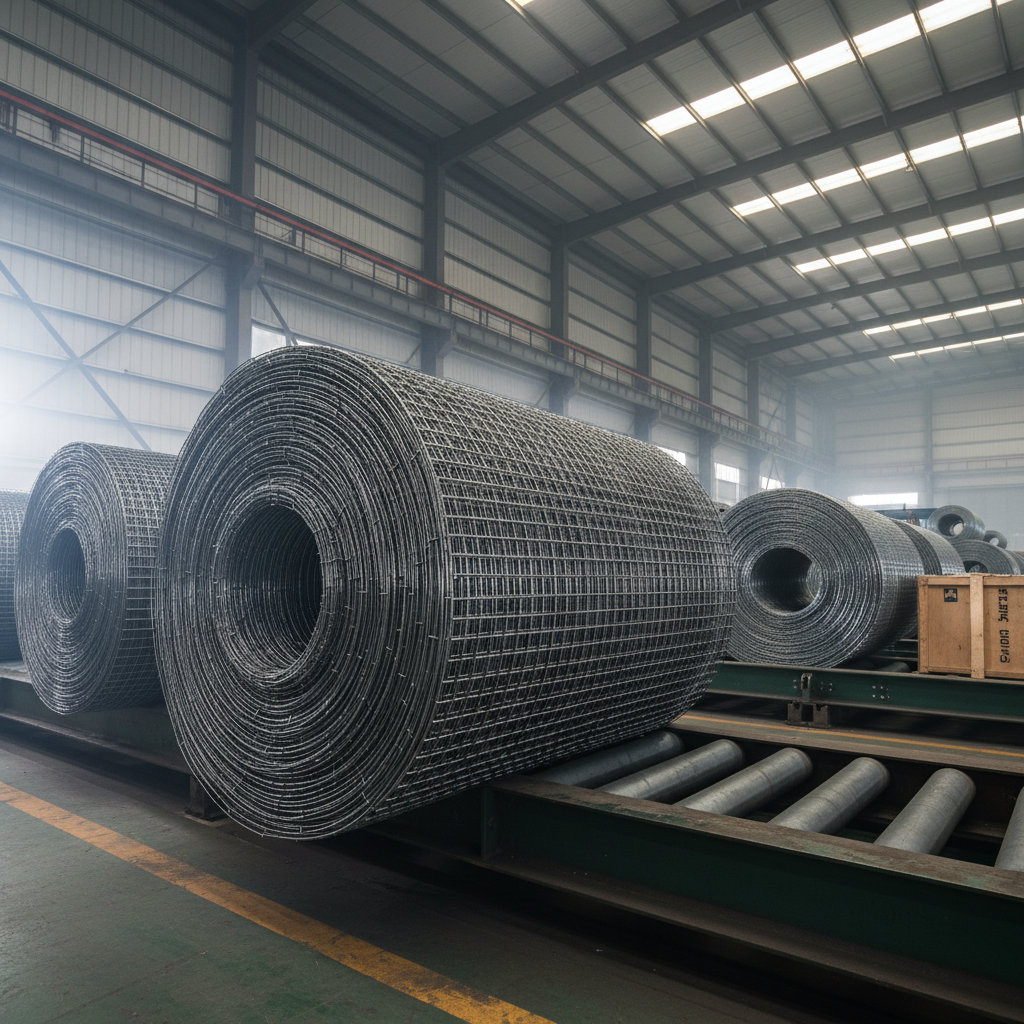
The sheer variety of types of mesh wire fencing available today can be overwhelming. From welded wire mesh to chain link, hexagonal netting, and specialized security meshes, each type possesses unique properties and is suited for specific applications. Understanding these distinctions is vital for selecting the most effective and cost-efficient solution for any given need. Different factors like wire gauge, mesh size, coating, and material composition all contribute to the overall performance and durability of the fencing.
Choosing the right types of mesh wire fencing requires careful consideration of the intended use, environmental conditions, and budget. For example, a light-duty garden fence will have significantly different requirements than a high-security perimeter fence protecting industrial infrastructure. The longevity and effectiveness of the fencing are directly correlated with the quality of materials used and the expertise of the installation process. Therefore, informed selection and professional installation are paramount.
Defining Types of Mesh Wire Fencing
Types of mesh wire fencing encompasses a broad category of woven, welded, or otherwise formed barriers constructed from metallic wires. These fences are designed to provide containment, security, or decorative purposes. The fundamental structure involves a repeating pattern of interconnected wires creating openings (meshes) of varying sizes and shapes. The versatility of mesh wire fencing stems from the diverse materials used – including steel, stainless steel, aluminum, and galvanized wire – each offering distinct advantages in terms of corrosion resistance, strength, and cost.
The connection to modern industry is strong. Mesh wire fencing isn't just about keeping things in or out; it’s integral to infrastructure protection, agricultural productivity, and public safety. Industrial facilities rely on it for perimeter security, while farmers use it for livestock containment and crop protection. Furthermore, advancements in materials science continually introduce innovative types of mesh wire fencing that address evolving needs like enhanced security or environmental sustainability.
In humanitarian contexts, types of mesh wire fencing plays a role in creating safe zones, establishing temporary shelters in disaster relief operations, and securing vital resources. The ease of transport and rapid deployment make it a valuable asset in emergency situations, providing immediate protection and order.
Core Components & Characteristics
Durability is a primary characteristic of effective types of mesh wire fencing. This is significantly influenced by the material used; galvanized steel offers excellent rust resistance, while stainless steel provides superior corrosion protection in harsh environments. The wire gauge, or thickness, also plays a crucial role – thicker wires offer greater strength and resistance to damage. Proper coating techniques, like PVC coating, further enhance durability and extend the lifespan of the fencing.
Scalability refers to the ability to adapt the fencing to varying terrain and project requirements. Welded wire mesh, for instance, is relatively rigid and best suited for flat or gently sloping ground. Chain link fencing, however, is more flexible and can conform to uneven surfaces. Modular fencing systems offer exceptional scalability, allowing for easy expansion or reconfiguration as needs change. The design and construction of the fencing should accommodate the specific challenges of the installation site.
Cost-efficiency is a critical consideration for many projects. While stainless steel offers superior durability, its higher cost may not be justified for all applications. Galvanized steel provides a good balance of cost and performance, making it a popular choice for general-purpose fencing. Furthermore, the ease of installation and minimal maintenance requirements of certain types of mesh wire fencing can contribute to long-term cost savings.
Global Applications & Use Cases
Types of mesh wire fencing are indispensable in agricultural applications, providing secure enclosures for livestock, protecting crops from wildlife, and creating controlled grazing areas. In post-disaster relief operations, it’s used for establishing temporary camps, securing aid distribution points, and demarcating safe zones. The speed and ease of deployment are particularly valuable in these scenarios.
In remote industrial zones, such as mining operations or oil and gas facilities, robust perimeter security fencing is crucial for protecting valuable assets and preventing unauthorized access. High-security mesh wire fencing, often combined with surveillance systems, provides a multi-layered defense against theft and vandalism. Additionally, types of mesh wire fencing are widely used in construction sites to secure materials, equipment, and the perimeter.
Across Europe, stringent regulations regarding animal welfare drive the demand for high-quality fencing solutions for livestock farming. In North America, increasing concerns about border security and infrastructure protection fuel the demand for high-security mesh wire fencing systems. Meanwhile, in developing nations, affordable and durable fencing is essential for supporting agricultural growth and providing basic security for communities.
Comparison of types of mesh wire fencing Applications
Advantages & Long-Term Value
The cost-effectiveness of types of mesh wire fencing is undeniable. Compared to solid walls or concrete barriers, mesh fencing offers a significantly lower initial investment. Moreover, minimal maintenance requirements – typically limited to periodic cleaning and coating repair – contribute to long-term cost savings. The durable nature of materials like galvanized steel and stainless steel ensures a long service life, maximizing the return on investment.
From a sustainability perspective, steel is a highly recyclable material, reducing the environmental impact of mesh wire fencing. Choosing responsibly sourced materials and implementing efficient manufacturing processes further enhances its sustainability profile. The long lifespan of the fencing also reduces the need for frequent replacements, minimizing waste generation.
Future Trends & Innovations
The integration of smart technologies is a key trend shaping the future of types of mesh wire fencing. Sensors embedded within the fencing can detect intrusions, vibrations, or even environmental changes, triggering alerts and enhancing security. These smart fencing systems can be integrated with surveillance cameras and access control systems for a comprehensive security solution.
Developments in materials science are leading to the creation of new, high-performance mesh wire fencing materials. Lightweight alloys offer increased strength and corrosion resistance, while self-healing coatings can automatically repair minor damage, extending the lifespan of the fencing. Furthermore, the use of recycled materials is gaining traction, promoting sustainability and reducing environmental impact.
Challenges & Solutions
One common challenge is corrosion, particularly in harsh environments. Solutions include using high-quality galvanized steel, stainless steel, or PVC-coated wire. Regular inspection and maintenance, including cleaning and re-coating, are also essential for preventing corrosion. Furthermore, advancements in coating technologies are providing enhanced corrosion protection.
Another challenge is vandalism and unauthorized access. High-security mesh wire fencing, combined with anti-climb features such as barbed wire or razor wire, can deter intruders. Integrating the fencing with surveillance systems and access control measures provides an additional layer of security. Regular patrols and proactive monitoring can also help prevent vandalism.
Proper installation is critical for ensuring the long-term performance and security of types of mesh wire fencing. Employing experienced installers who adhere to industry best practices is essential. Thorough site preparation, proper tensioning of the wire, and secure anchoring of the posts are all vital for a successful installation.
Summary of Challenges and Solutions for Types of Mesh Wire Fencing
| Challenge |
Severity (1-10) |
Potential Solution |
Implementation Cost (USD) |
| Corrosion |
7 |
Galvanized or Stainless Steel, PVC Coating |
50-200 |
| Vandalism |
6 |
Anti-Climb Features, Surveillance Systems |
100-500 |
| Unauthorized Access |
8 |
High-Security Mesh, Access Control |
300-1000 |
| Uneven Terrain |
5 |
Chain Link Fencing, Flexible Systems |
20-100 |
| Material Degradation |
4 |
UV Resistant Coating, Regular Inspection |
30-70 |
| Improper Installation |
9 |
Professional Installation, Site Preparation |
150-400 |
FAQS
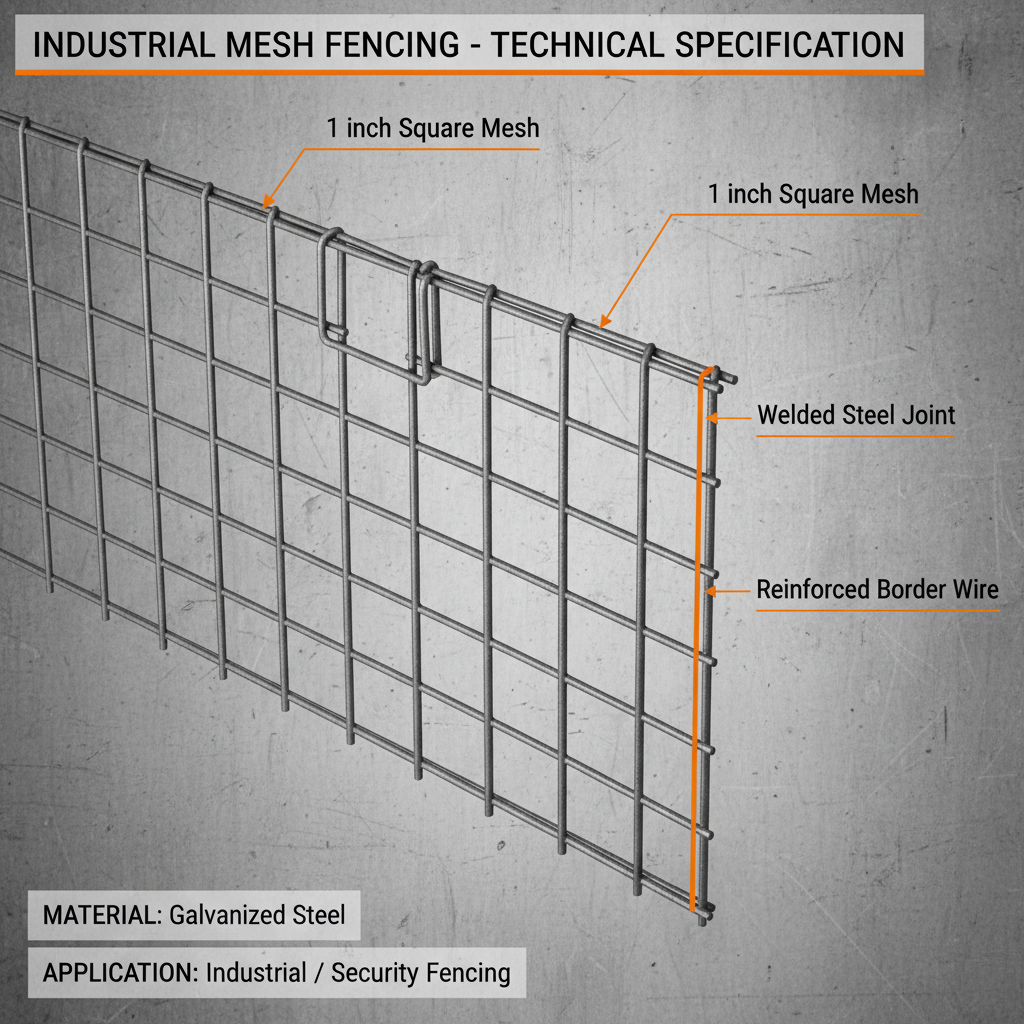
Chain link fencing is woven from galvanized steel wire, creating a diamond-shaped pattern, offering flexibility and cost-effectiveness. Welded wire mesh, on the other hand, is constructed by welding wires together at each intersection, resulting in a more rigid structure. Welded wire offers superior stability and is ideal for applications requiring greater structural integrity. The choice depends on the specific security and containment needs, as well as the terrain.
The appropriate wire gauge depends on the intended use and the level of security required. Thicker wires (lower gauge numbers) provide greater strength and resistance to damage, making them suitable for high-security applications or areas prone to vandalism. Thinner wires (higher gauge numbers) are more economical and sufficient for light-duty applications like garden fencing. Consider the potential threats and environmental factors when selecting a wire gauge.
Several methods can protect mesh wire fencing from corrosion. Galvanization is a common and effective technique, coating the wire with a layer of zinc. PVC coating provides an additional barrier against moisture and chemicals. Regularly inspecting and maintaining the fencing, including cleaning and repairing any damaged coatings, is also crucial. Stainless steel wire offers the highest level of corrosion resistance, though at a higher cost.
Installing mesh wire fencing on uneven terrain requires careful planning and execution. Chain link fencing is more adaptable to uneven ground due to its flexibility. Alternatively, you can use step-down fencing, where the height of the fencing gradually decreases to follow the contour of the land. Properly spacing and anchoring the posts is essential for ensuring stability and preventing sagging.
Yes, several security features can be added to existing mesh wire fencing to enhance its protection. These include barbed wire or razor wire extensions, anti-climb paint, and security lighting. Integrating the fencing with a surveillance system and access control measures can also significantly improve security. A security assessment can help identify vulnerabilities and recommend appropriate upgrades.
The environmental impact of mesh wire fencing primarily stems from the energy-intensive manufacturing process and the potential for corrosion. However, steel is a highly recyclable material, minimizing waste. Choosing recycled steel wire and opting for durable coatings that extend the lifespan of the fencing can reduce its environmental footprint. Look for manufacturers committed to sustainable practices.
Conclusion
In conclusion, understanding the diverse landscape of types of mesh wire fencing is paramount for making informed decisions in a wide range of applications. From ensuring agricultural security and protecting industrial assets to providing essential support in disaster relief efforts, these versatile barriers play a critical role in modern society. Key factors like durability, scalability, cost-efficiency, and environmental sustainability must be carefully considered when selecting the optimal fencing solution.
Looking ahead, advancements in materials science and smart technologies promise to further enhance the performance and functionality of types of mesh wire fencing. Embracing innovation, prioritizing sustainable practices, and investing in professional installation will ensure the continued effectiveness and long-term value of these essential infrastructure components. For a comprehensive selection of high-quality mesh wire fencing solutions, visit our website: www.jinshieldmesh.com