Understanding the cost of deer fencing per acre is crucial for landowners, farmers, and conservationists seeking to protect their property and crops. Deer browsing can inflict significant economic damage, impacting agricultural yields, landscaping, and even forest regeneration. Accurately assessing and managing this cost is paramount for sustainable land management and budgetary planning. This understanding extends globally, as deer populations and their associated impacts are present in diverse ecosystems across continents.
The need to mitigate deer damage drives a substantial market for fencing solutions. Variations in terrain, deer population density, and local regulations all contribute to fluctuating costs. Finding the right balance between effective deer control and affordability requires careful consideration of material options, installation methods, and long-term maintenance expenses. The growing emphasis on sustainable practices also influences choices, pushing demand towards eco-friendly fencing solutions.
Ultimately, grasping the intricacies of the cost of deer fencing per acre empowers stakeholders to make informed decisions, protecting investments, preserving ecosystems, and promoting harmonious coexistence between humans and wildlife.
Defining the Cost of Deer Fencing per Acre
The cost of deer fencing per acre is a multifaceted calculation encompassing materials, labor, terrain challenges, and ongoing maintenance. It’s not simply the price of the fencing material itself, but a comprehensive estimate of the total investment required to effectively deter deer from a specified land area. This cost can vary drastically based on the type of fencing chosen – from traditional woven wire to high-tensile electric options.
Essentially, defining this cost involves considering all associated expenses – from initial installation to potential repairs or replacements over the lifespan of the fence. Accurately forecasting this investment is vital for budgeting and ensuring a sustainable solution to deer-related damage.
Global Relevance and Market Overview
Deer populations are expanding globally, leading to increased instances of crop damage, vehicle collisions, and ecological disruption. This expanding range necessitates robust deer management strategies, with fencing often playing a critical role. The market for deer fencing is therefore experiencing consistent growth, fueled by agricultural losses and the need to protect valuable landscaping.
The United Nations Environment Programme (UNEP) highlights the importance of minimizing human-wildlife conflict for biodiversity conservation, and effective fencing contributes directly to this goal. The demand for effective deer fencing solutions is particularly high in regions with significant agricultural industries, such as North America, Europe, and parts of Asia.
Furthermore, conservation efforts focused on reforestation and habitat restoration rely heavily on fencing to protect young trees and vulnerable ecosystems from deer browsing. This creates a global market driven by diverse needs, from commercial agriculture to environmental preservation.
Understanding the Components of Cost
Calculating the cost of deer fencing per acre necessitates a detailed breakdown of individual components. The most significant factor is the fencing material itself, with options ranging from relatively inexpensive woven wire to more costly, but highly effective, poly or steel mesh. The height and gauge of the chosen material also heavily influence price.
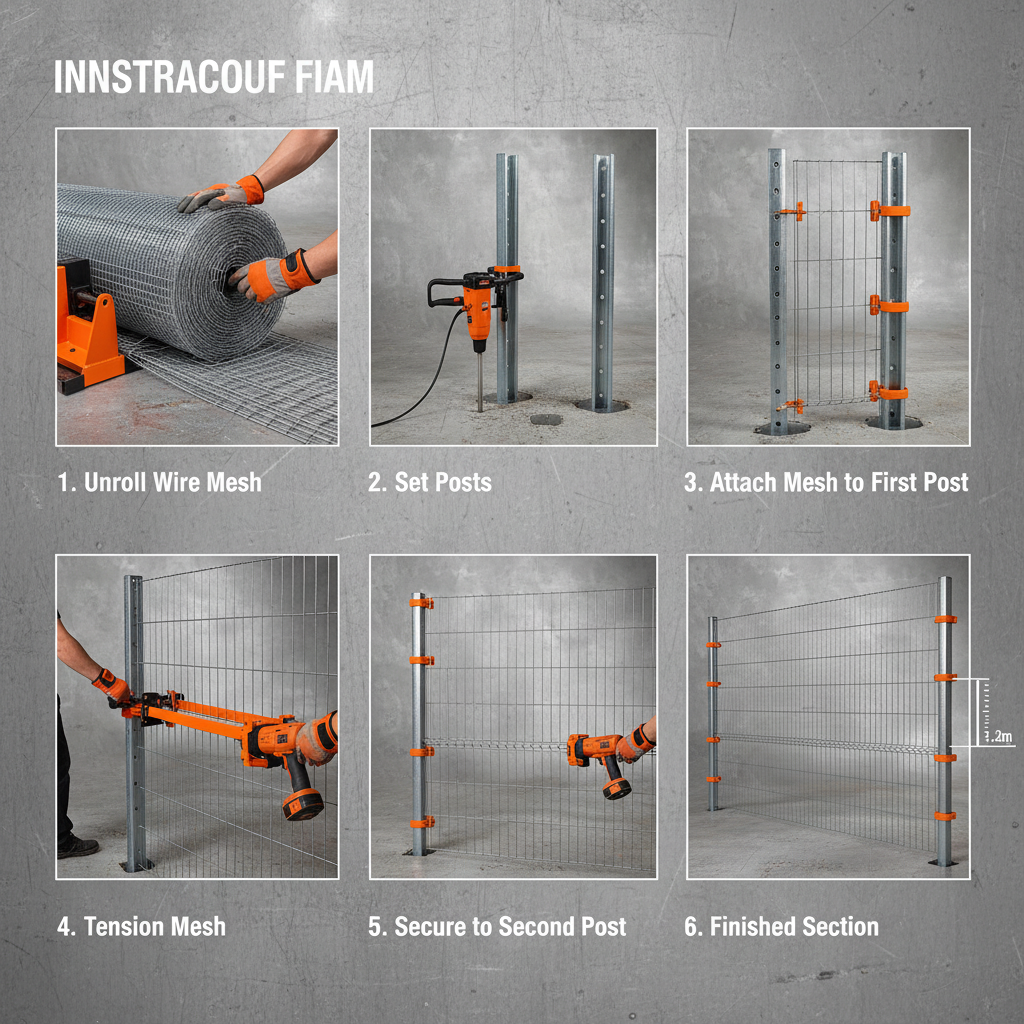
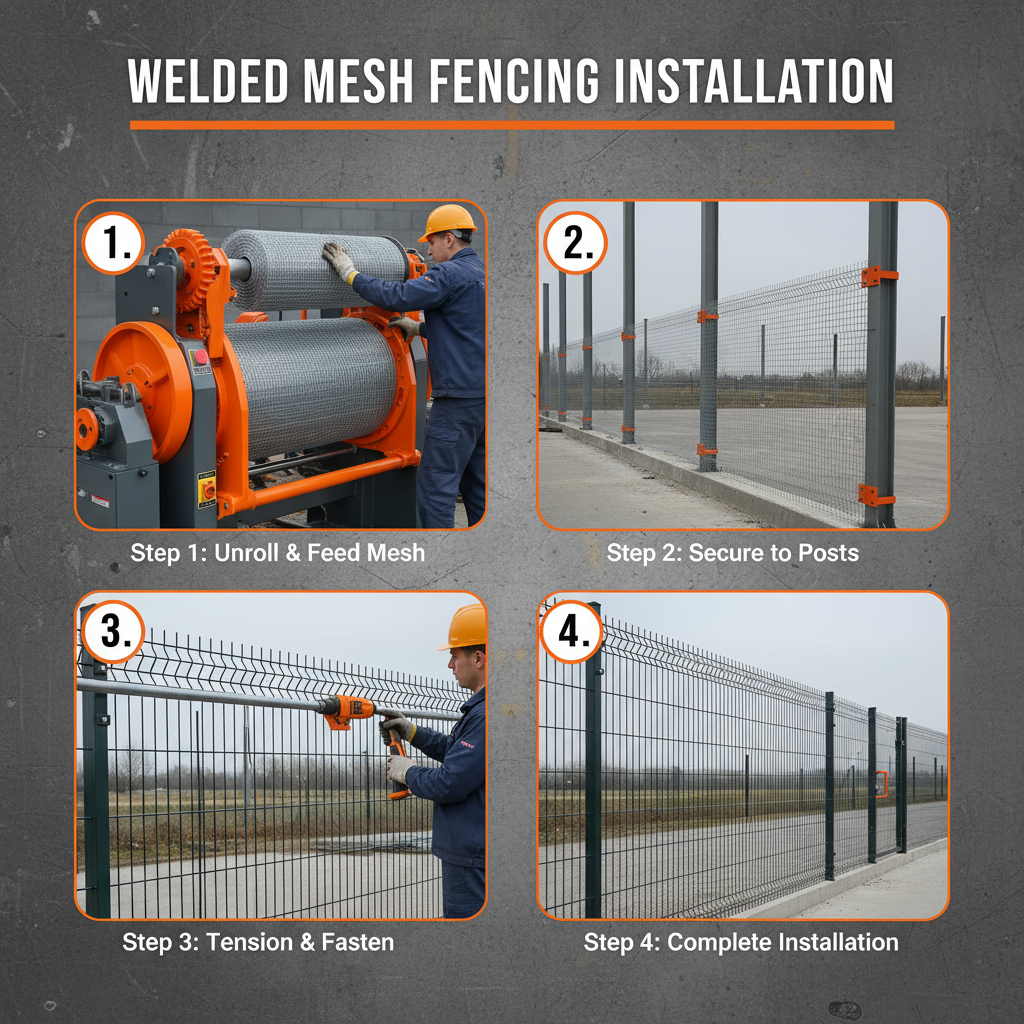
Labor costs represent another substantial portion of the overall expense. Installation can be particularly labor-intensive in challenging terrain, requiring specialized equipment and skilled installers. Site preparation, including clearing vegetation and setting posts, adds to these costs. Don't forget to factor in permits or local regulations that might require professional installation.
Beyond materials and labor, consider the cost of posts (wood, metal, or composite), gates, hardware (staples, wire ties), and potential upgrades like electric chargers for electrified fences. Transportation of materials to the site and potential disposal fees for old fencing should also be included in the overall assessment.
Material Costs and Their Impact
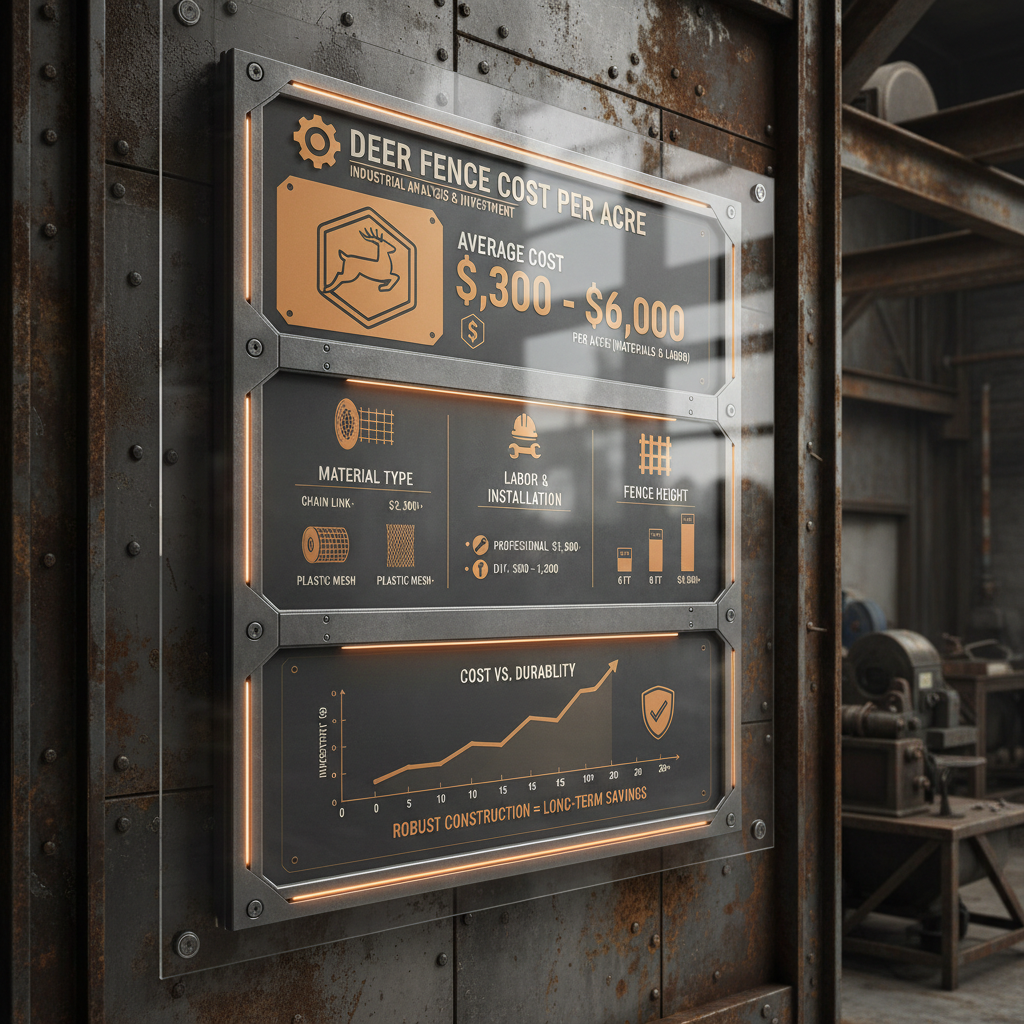
The choice of fencing material significantly impacts the cost of deer fencing per acre. Woven wire, the most traditional option, typically ranges from $2 to $5 per linear foot, while high-tensile wire can be around $1.50 to $3 per foot. Poly fencing offers a balance of cost and effectiveness, falling roughly between $3 to $7 per foot.
However, cost isn’t the only consideration. Deer pressure, terrain, and aesthetic preferences all play a role. For example, a steep hillside might require a more robust fence, like high-tensile steel, to withstand the stress, despite its higher price. Similarly, areas with high deer populations may necessitate taller fencing or electrified options, increasing the per-acre cost.
Cost Comparison of Deer Fencing Materials per Linear Foot
Regional Variations in Cost of Deer Fencing per Acre
The cost of deer fencing per acre can vary significantly depending on geographical location. Labor costs are generally higher in urban areas and regions with a high cost of living. Terrain also plays a major role – mountainous or heavily forested areas require more intensive and costly installation processes.
Material availability and transportation costs also contribute to regional price differences. For example, shipping fencing materials to remote areas can add substantially to the overall expense. Local regulations regarding fencing height, materials, and permitting requirements can further impact the cost.
Long-Term Value and Return on Investment
While the initial cost of deer fencing per acre can be substantial, it's essential to consider the long-term value and return on investment. Protecting crops, landscaping, and forests from deer browsing can prevent significant economic losses. A well-maintained fence can last for decades, providing continuous protection.
Furthermore, reducing deer-related vehicle collisions can contribute to public safety and lower insurance costs. In conservation settings, fencing can be critical for successful reforestation and habitat restoration efforts. By preventing deer damage, fencing indirectly supports biodiversity and ecosystem health.
Future Trends in Deer Fencing Technology
Innovation in fencing technology is driving down costs and improving effectiveness. New materials, such as high-strength polymers and composite blends, offer greater durability and reduced maintenance requirements. Smart fencing systems, incorporating sensors and automated alerts, are emerging as a promising solution for proactive deer management.
The integration of solar-powered electric fencing systems is also gaining traction, providing a sustainable and cost-effective solution for deterring deer. Furthermore, research into deer behavior and movement patterns is informing the development of more targeted and efficient fencing strategies.
Key Factors Influencing Deer Fencing Effectiveness and Cost
| Fencing Type |
Deer Pressure Level |
Terrain Complexity |
Maintenance Frequency |
| Woven Wire |
Low |
Gentle Slopes |
Moderate (annual checks) |
| High-Tensile Wire |
Medium |
Rolling Hills |
Low (biannual checks) |
| Poly Fencing |
Medium-High |
Varied Terrain |
Moderate (seasonal adjustments) |
| Steel Mesh |
High |
Steep Slopes |
Low (periodic inspection) |
| Electric Fence (Combined) |
High |
Any |
Moderate (battery/solar checks) |
| Smart Fencing System |
Variable (Configurable) |
Any |
Low (Remote Monitoring) |
FAQS
The lifespan of a deer fence varies considerably depending on the materials used and environmental conditions. Woven wire fences typically last 20-30 years with proper maintenance. Poly and steel mesh options can exceed 30 years. Factors like UV exposure, weather extremes (snow, ice, wind), soil type (corrosion), and deer pressure all influence durability. Regular inspections and timely repairs are crucial for maximizing the fence’s longevity.
Several strategies can help lower costs. Consider using a combination of fencing types—for example, high-tensile wire for most of the perimeter with reinforced sections in high-pressure areas. Properly clearing the fence line before installation reduces labor costs. Sourcing materials from multiple suppliers and comparing quotes can also yield savings. Lastly, explore cost-sharing programs or government subsidies if available in your region.
When installed and maintained correctly, electric fencing is considered a humane and highly effective deer deterrent. The shock delivered is unpleasant but not harmful to the deer. It teaches them to avoid the fence without causing injury. Proper signage indicating an electric fence is also important for safety. It's essential to ensure the fence is properly grounded and the charger is functioning correctly to maintain the deterrent effect.
Local regulations regarding fencing can vary significantly. Many jurisdictions have restrictions on fence height, materials, setback requirements from property lines, and permit requirements. It's crucial to check with your local zoning office or homeowner's association before starting any fencing project. Failing to comply with regulations can result in fines or the need to remove the fence.
Challenging terrain, such as steep slopes, rocky ground, or dense vegetation, significantly increases installation costs. Clearing the land, setting posts securely, and maneuvering materials become more labor-intensive. In such cases, specialized equipment and skilled installers may be required, adding to the overall expense. A thorough site assessment is crucial for accurately estimating the cost.
Regular maintenance is essential for ensuring long-term effectiveness. This includes inspecting the fence for damage (broken wires, loose posts, sagging sections) and making timely repairs. Clearing vegetation that grows around the fence prevents it from being climbed or providing a pathway for deer. For electric fences, checking the charger’s functionality and ensuring proper grounding are vital. Annual inspections are recommended.
Conclusion
In conclusion, understanding the cost of deer fencing per acre is a crucial undertaking for any landowner or manager facing deer-related challenges. It's a multi-faceted calculation dependent on material choices, labor costs, terrain, and long-term maintenance. A thorough assessment of these factors, combined with a consideration of future trends in fencing technology, enables informed decision-making and optimal resource allocation.
Investing in a well-planned and properly installed deer fence represents a long-term solution for protecting valuable assets, promoting sustainable land management, and preserving ecological balance. For expert advice and a comprehensive range of deer fencing solutions, visit our website at www.jinshieldmesh.com.