






Hebei Jinjiu Metal Products Co.,Ltd


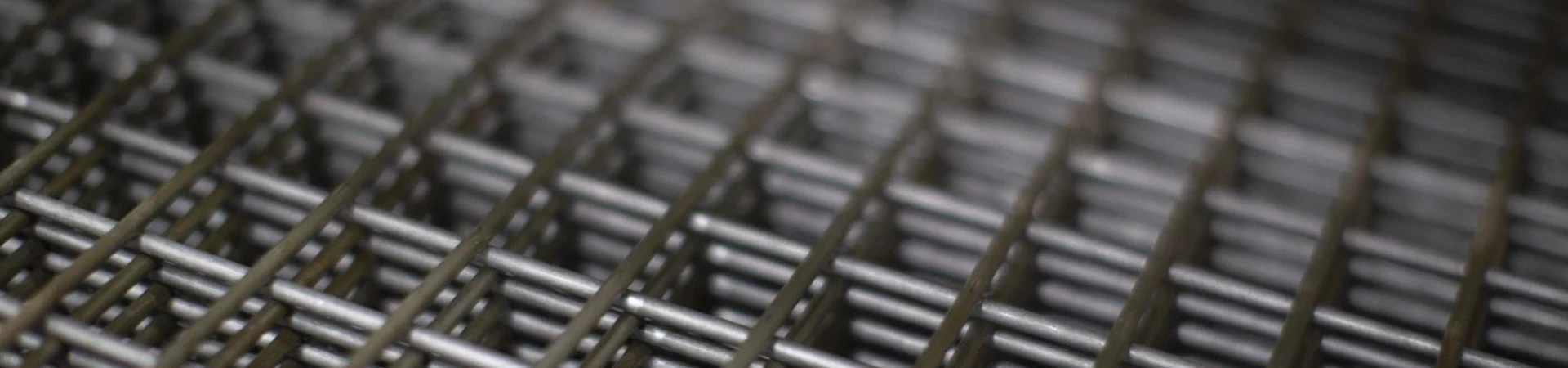

Comprehensive Guide to Fencing Mesh Types Applications and Installation
Mar . 10, 2026 03:16
Understanding Fencing Mesh: A Comprehensive Guide
Fencing mesh is a versatile and essential material used in a wide range of applications, from agricultural containment to industrial security. Its durability, cost-effectiveness, and ease of installation make it a popular choice for both residential and commercial projects. This guide will delve into the different types of fencing mesh, their applications, installation considerations, and factors to consider when making a purchase. Choosing the right fencing mesh is crucial for ensuring long-lasting performance and achieving your desired level of security and containment.
Types of Fencing Mesh
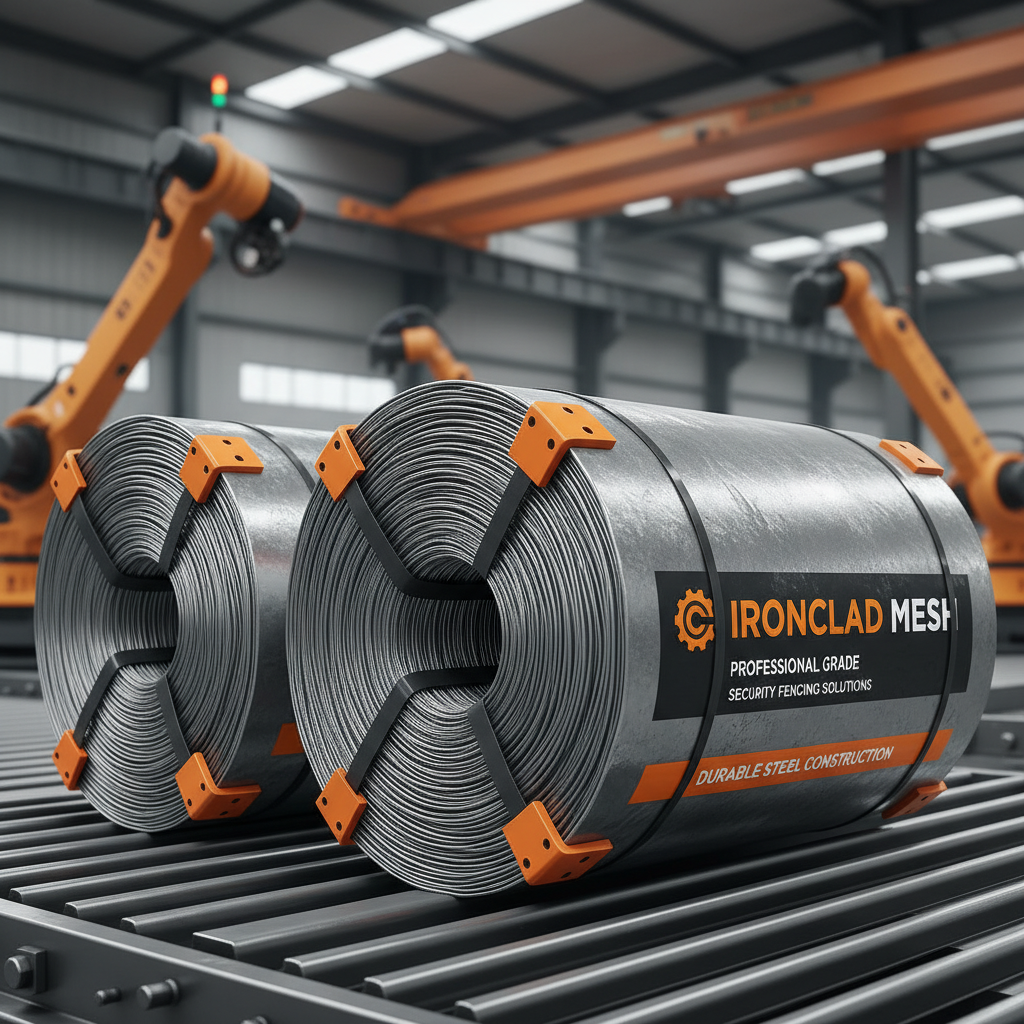
There are several common types of fencing mesh available, each with its own strengths and weaknesses. These include welded wire mesh, hexagonal wire mesh (chicken wire), chain-link fence, and crimped wire mesh. Welded wire mesh is known for its strength and rigidity, making it ideal for animal containment and security fencing. Hexagonal wire mesh, while less expensive, offers less structural integrity and is better suited for temporary fencing or garden barriers. Chain-link fences provide excellent security and are a common sight in commercial and industrial settings. Crimped wire mesh offers a decorative option, often used in garden fencing and landscaping.
Key Highlights: Understanding the different types of fencing mesh available allows you to select the best option for your specific needs and budget.
Applications of Fencing Mesh
The versatility of fencing mesh leads to numerous applications. In agriculture, it’s used for containing livestock, poultry, and crops, protecting them from predators and preventing escape. Residential applications include garden fencing, pet enclosures, and security barriers. Industrially, fencing mesh is used for perimeter security, construction site barriers, and machine guarding. It's also used in landscaping for creating decorative features and supporting climbing plants. The specific application will dictate the type of mesh, gauge (wire thickness), and coating required.
Application Benefits:
• Secure containment for animals and possessions.
• Enhanced security for properties and businesses.
• Protection of crops and gardens.
• Aesthetic appeal in landscaping.
Choosing the Right Fencing Mesh: A Comparison
Selecting the appropriate fencing mesh requires careful consideration of your needs. Factors to consider include the type of security required, the size of the area to be fenced, the animals or objects being contained, and the environmental conditions. Here’s a comparison of some popular options:
Installation Considerations for Fencing Mesh
Proper installation is critical for ensuring the longevity and effectiveness of your fencing mesh. This includes selecting appropriate posts (wood, metal, or concrete), digging post holes to the correct depth, and securely attaching the mesh to the posts. Consider the terrain – uneven ground may require adjustments to post height and mesh tension. Using appropriate tensioning tools is vital for a tight, professional finish. For chain-link fences, professional installation is often recommended to ensure proper stretching and secure connections. Remember to check local regulations regarding fence height and placement before starting your project.
Where to Buy High-Quality Fencing Mesh
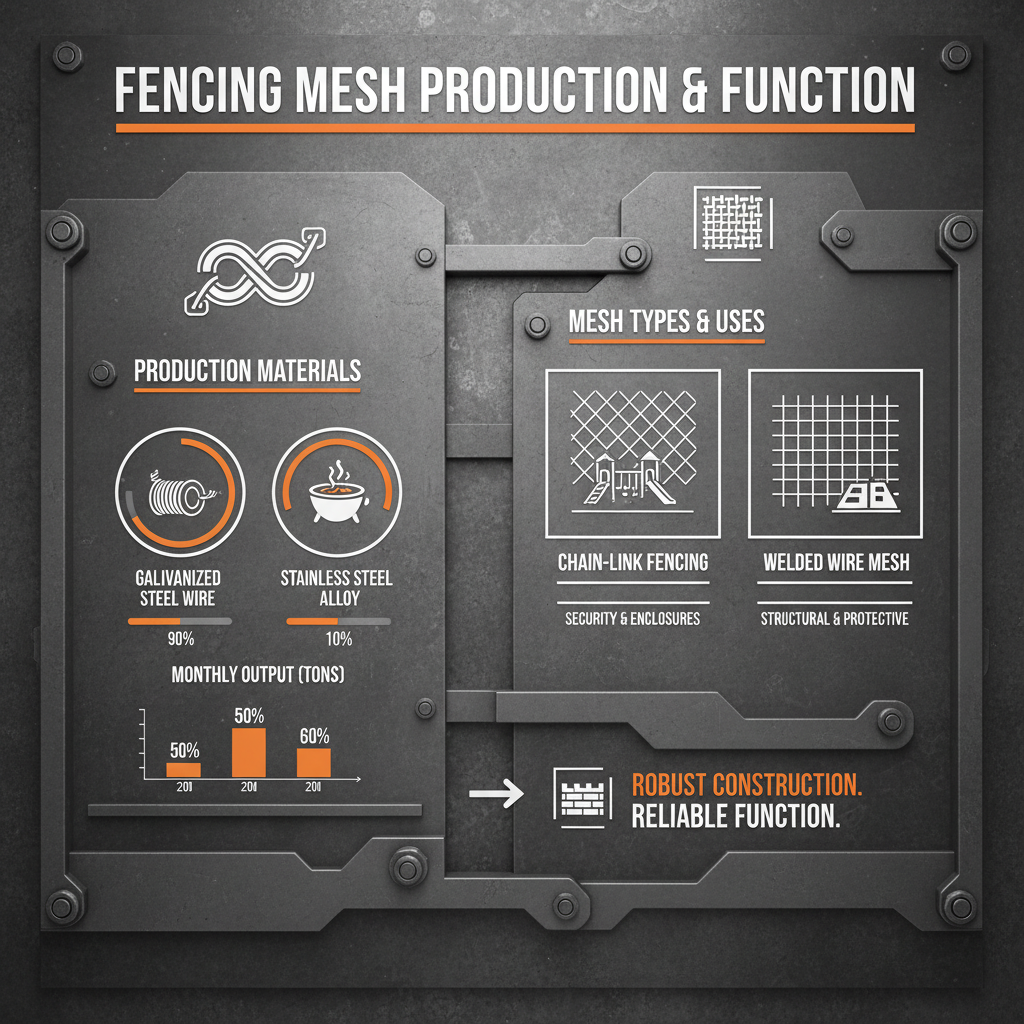
When purchasing fencing mesh, it’s essential to choose a reputable supplier that offers high-quality products and competitive pricing. Jinshield Mesh is a leading manufacturer and exporter of various types of fencing mesh, including welded wire mesh, hexagonal wire mesh, chain-link fence, and crimped wire mesh. We offer a wide range of gauges, coatings (galvanized, PVC-coated), and sizes to meet your specific needs. We are committed to providing excellent customer service and delivering reliable, long-lasting fencing solutions.
Conclusion: Choosing the Right Fencing Mesh for Your Needs
Selecting the right fencing mesh requires careful consideration of your specific application, budget, and environmental factors. By understanding the different types of mesh available and their respective strengths and weaknesses, you can make an informed decision that ensures long-lasting performance and security. Jinshield Mesh offers a comprehensive range of high-quality fencing solutions to meet your needs.
Frequently Asked Questions (FAQs)
What is the difference between galvanized and PVC-coated fencing mesh?
Galvanized fencing mesh is coated with a layer of zinc to protect against rust and corrosion. This is a cost-effective option, but the zinc coating can wear away over time. PVC-coated fencing mesh has an additional layer of PVC plastic over the galvanized coating, providing superior protection against the elements and a more durable finish. PVC coating also comes in various colors, offering aesthetic versatility. While more expensive upfront, PVC-coated mesh typically lasts much longer.
What gauge of wire is best for containing large animals?
For containing large animals like cattle or horses, a lower gauge wire is recommended. A 12-14 gauge wire provides sufficient strength and rigidity to withstand their force. Higher gauge wires (e.g., 16-18 gauge) are suitable for smaller animals like chickens or rabbits. The mesh opening size is also important; smaller openings prevent animals from getting their heads or feet stuck. Consider the breed and size of the animals you’re containing when selecting the appropriate wire gauge.
How far apart should fence posts be spaced?
The spacing between fence posts depends on the type of mesh, the terrain, and the animals being contained. Generally, posts should be spaced no more than 8-10 feet apart for welded wire and chain-link fences. For hexagonal wire mesh, closer spacing (6-8 feet) may be necessary, especially if containing smaller animals. Uneven terrain may require closer spacing to maintain a level and secure fence line. Corner and gate posts should be particularly sturdy and well-supported.
Is fencing mesh suitable for security purposes?
Yes, certain types of fencing mesh are highly suitable for security purposes. Chain-link fences, particularly those with smaller mesh openings and a heavier gauge wire, provide excellent perimeter security. Welded wire mesh can also be used for security fencing, especially when combined with barbed wire or razor wire. Proper installation and a secure gate are crucial for maximizing the security benefits of any fencing mesh system.

Related Products
Related News

2026-04-16 03:16:12
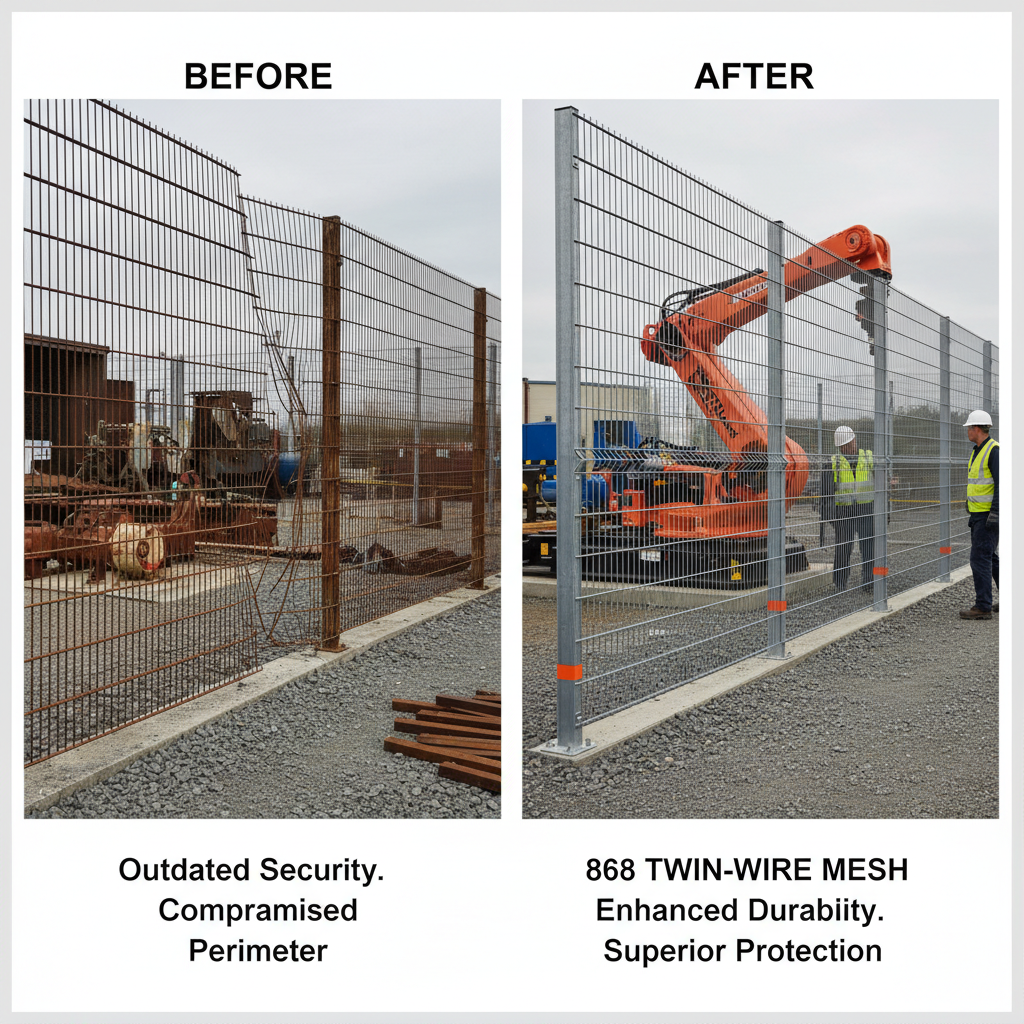
High Security Anti Climb 868 Mesh Fencing for Industrial Properties
When it comes to high-security perimeter protection, 868 mesh fencing stands as the gold standard for industrial and commercial properties. Designed to be virtually impenetrable while maintaining a clean, modern aesthetic, this specialized fencing system offers a unique combination of strength and visibility. Whether you are securing a government facility, a warehouse, or a private estate, understanding the technical advantages of the 868 system is crucial for making an informed investment. In this guide, we will explore why this specific mesh configuration is preferred by security experts worldwide.
2026-04-09 03:17:58
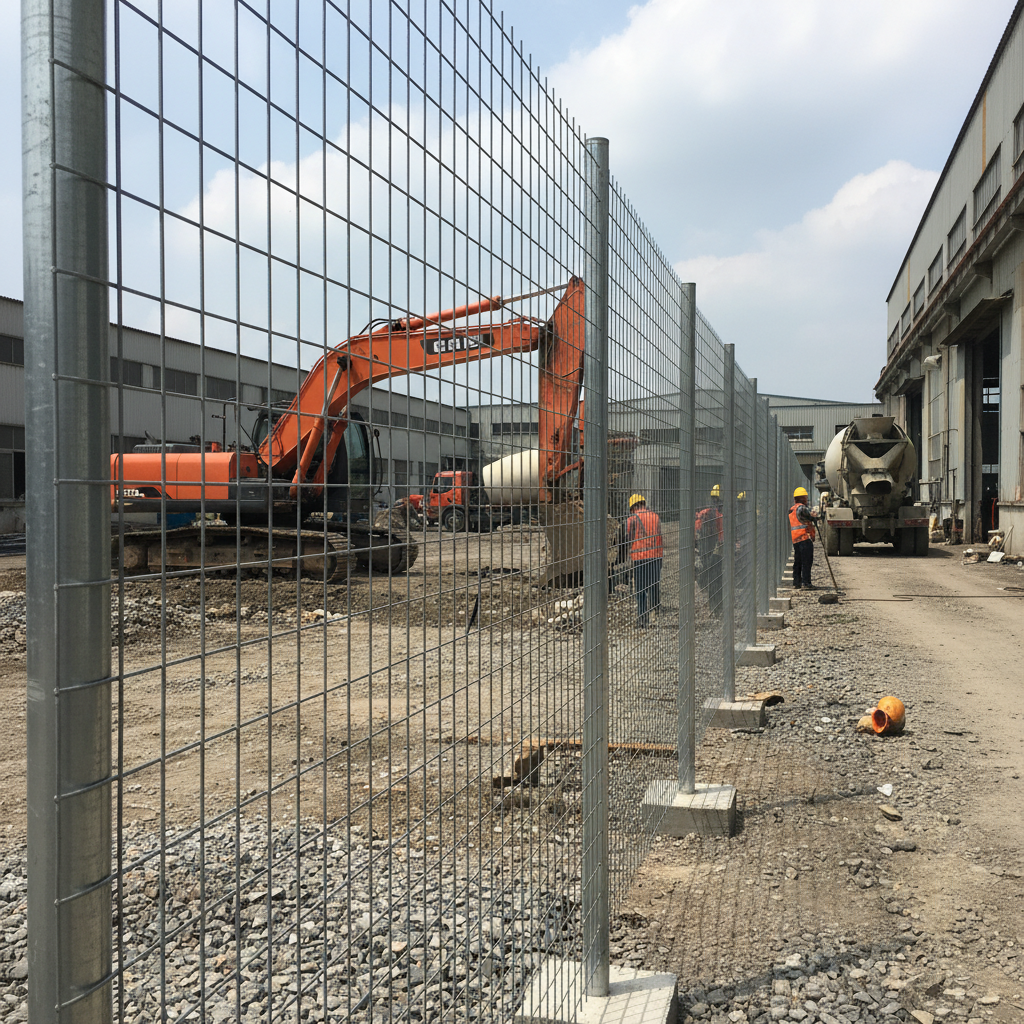
Ultimate Guide to 6ft Mesh Fencing for Security and Privacy
When it comes to establishing a secure perimeter, 6ft mesh fencing is widely regarded as the gold standard for balancing visibility with robust protection. Whether you are securing a commercial warehouse, a residential backyard, or an industrial site, the six-foot height provides a psychological and physical deterrent that lower fences simply cannot match. In this comprehensive guide, we will explore why this specific height is preferred, the materials that ensure longevity, and how to choose the right mesh configuration for your specific needs to ensure maximum ROI and safety.
2026-04-07 03:08:15
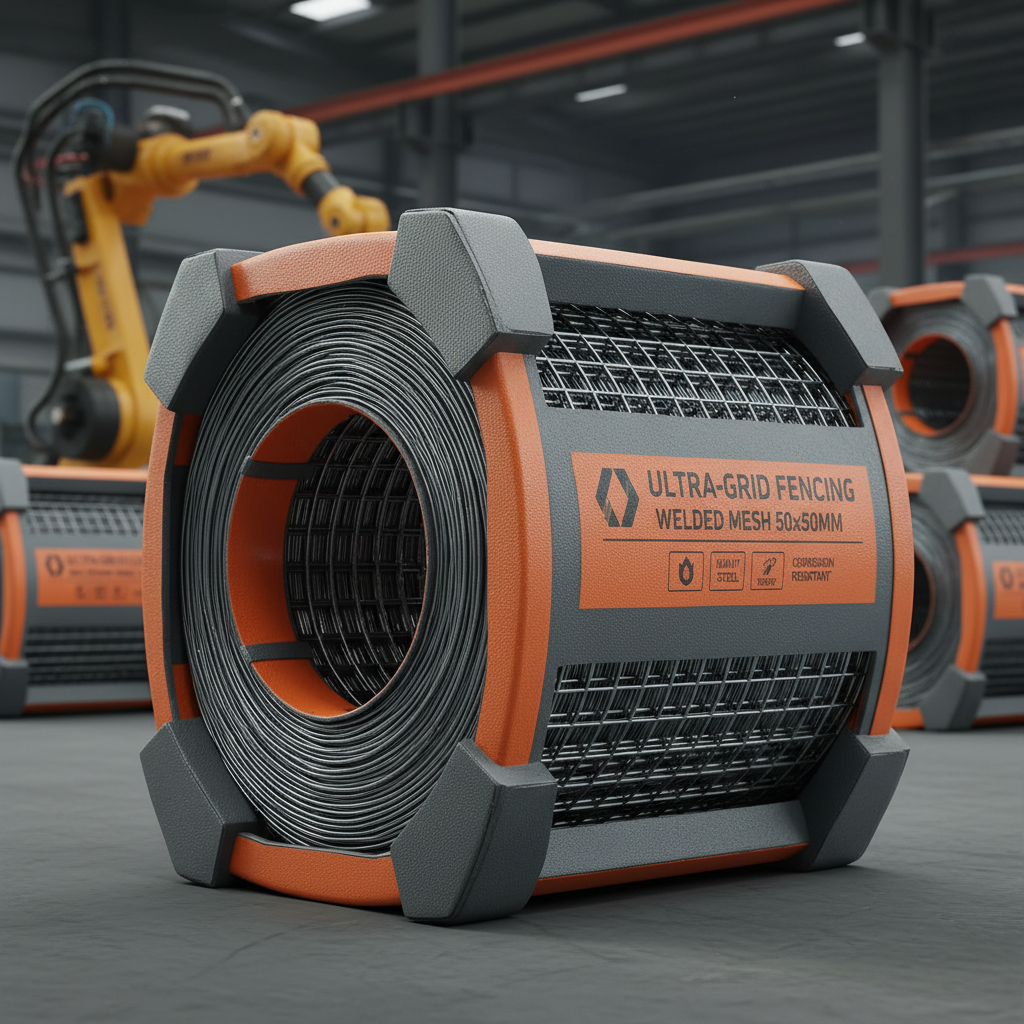
Comprehensive Guide to Welded Mesh Fencing 50x50 for Secure Enclosures
When securing your property or creating enclosures, choosing the right fencing material is crucial. Welded mesh fencing 50x50 offers a robust, versatile, and cost-effective solution for a wide range of applications. This article dives deep into the benefits, specifications, applications, and considerations when selecting this popular fencing option. Whether you’re a homeowner, agricultural business owner, or industrial facility manager, understanding the nuances of welded mesh fencing will empower you to make an informed decision.
2026-04-04 03:18:08
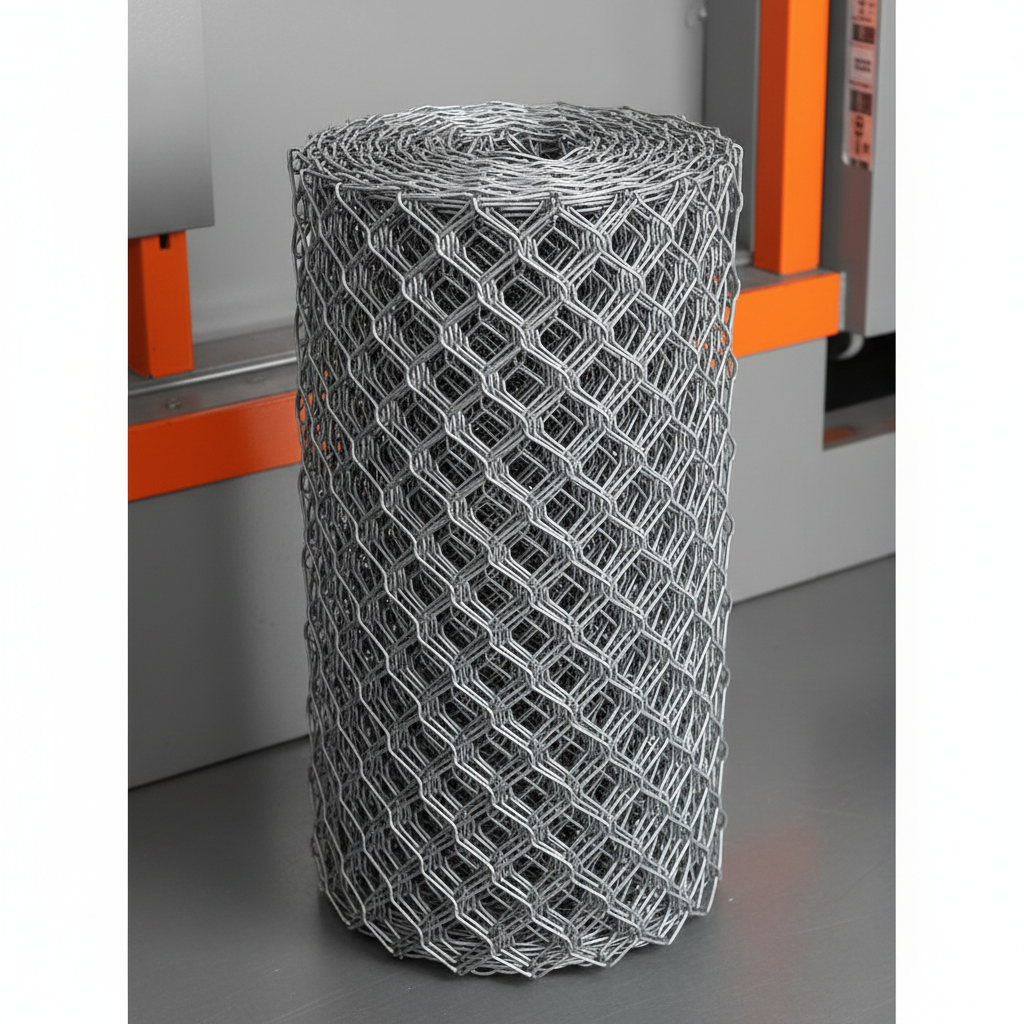
Comprehensive Guide to Durable and Affordable 4ft Wire Mesh Fencing Solutions
4ft wire mesh fencing is a versatile and cost-effective solution for a wide range of applications, from securing residential properties to enclosing industrial sites. Its robust construction and ease of installation make it a popular choice for both DIY projects and professional installations. This article will explore the benefits, applications, different types, installation guidelines, and maintenance tips for 4ft wire mesh fencing, helping you make an informed decision for your fencing needs. Choosing the right fencing is crucial for security, safety, and property value.
2026-03-31 03:15:14
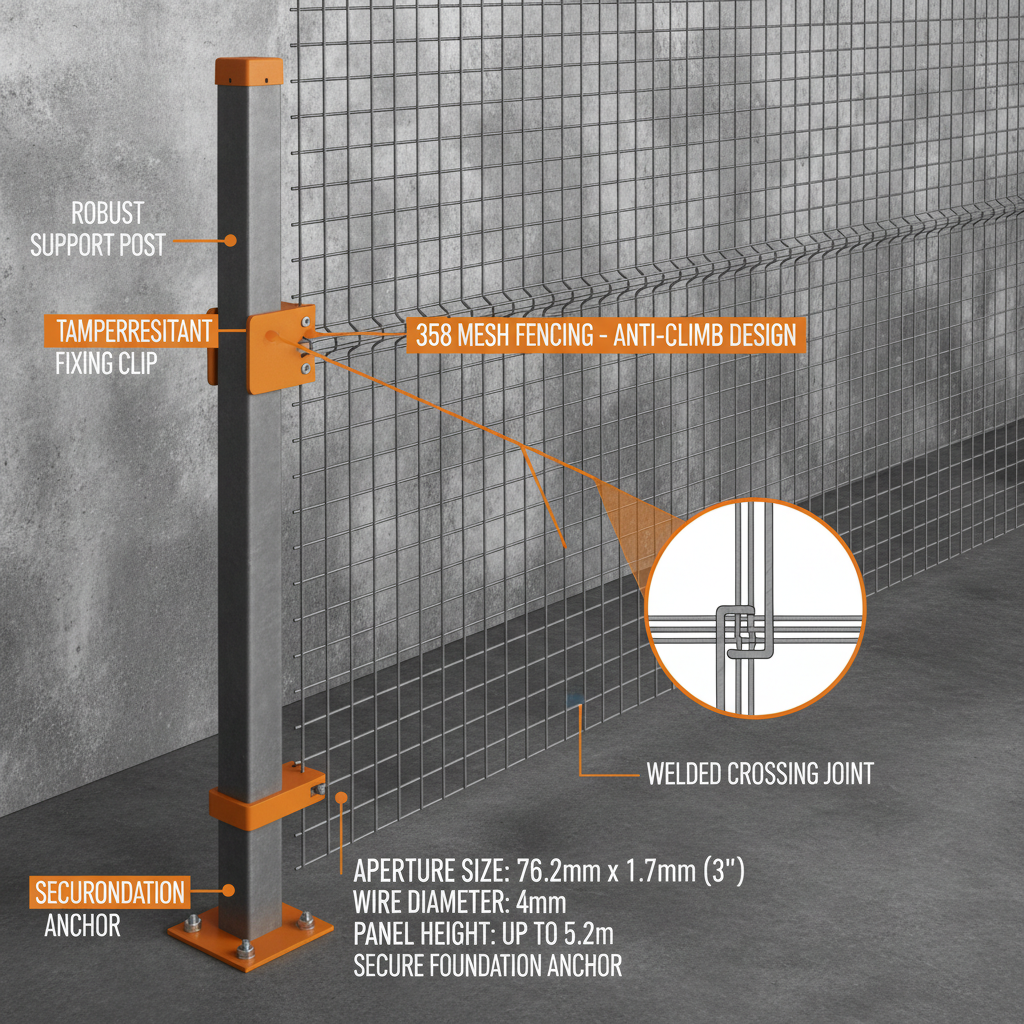
Comprehensive Guide to 358 Mesh Fencing Security Applications and Benefits
When it comes to perimeter security, choosing the right fencing solution is crucial. 358 mesh fencing has emerged as a popular and highly effective option, offering exceptional security and durability. This article provides a comprehensive guide to 358 mesh fencing, covering its key features, applications, benefits, and considerations for installation. We’ll explore why this type of fencing is increasingly preferred by commercial, industrial, and residential clients seeking robust security solutions.
2026-03-28 03:27:34
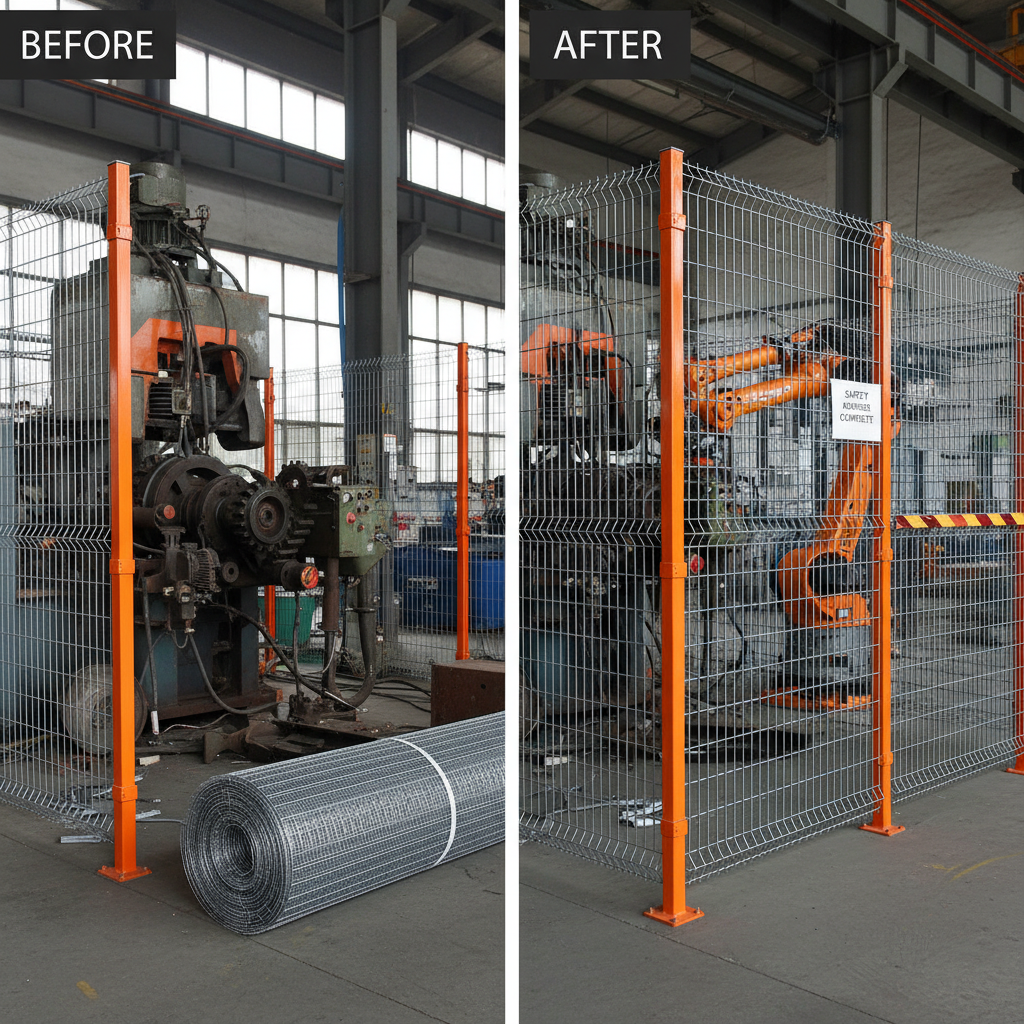
Comprehensive Guide to Durable 1 Inch Wire Mesh Fencing Solutions
When establishing secure perimeters for residential, agricultural, industrial, or commercial properties, choosing the right fencing material is crucial. 1 inch wire mesh fencing is a popular and versatile option, known for its durability, security, and cost-effectiveness. This article will provide a comprehensive overview of 1 inch wire mesh fencing, covering its applications, benefits, materials, installation, and maintenance. We'll explore how this fencing solution can provide long-lasting security and peace of mind for your property.
2026-03-26 03:17:15
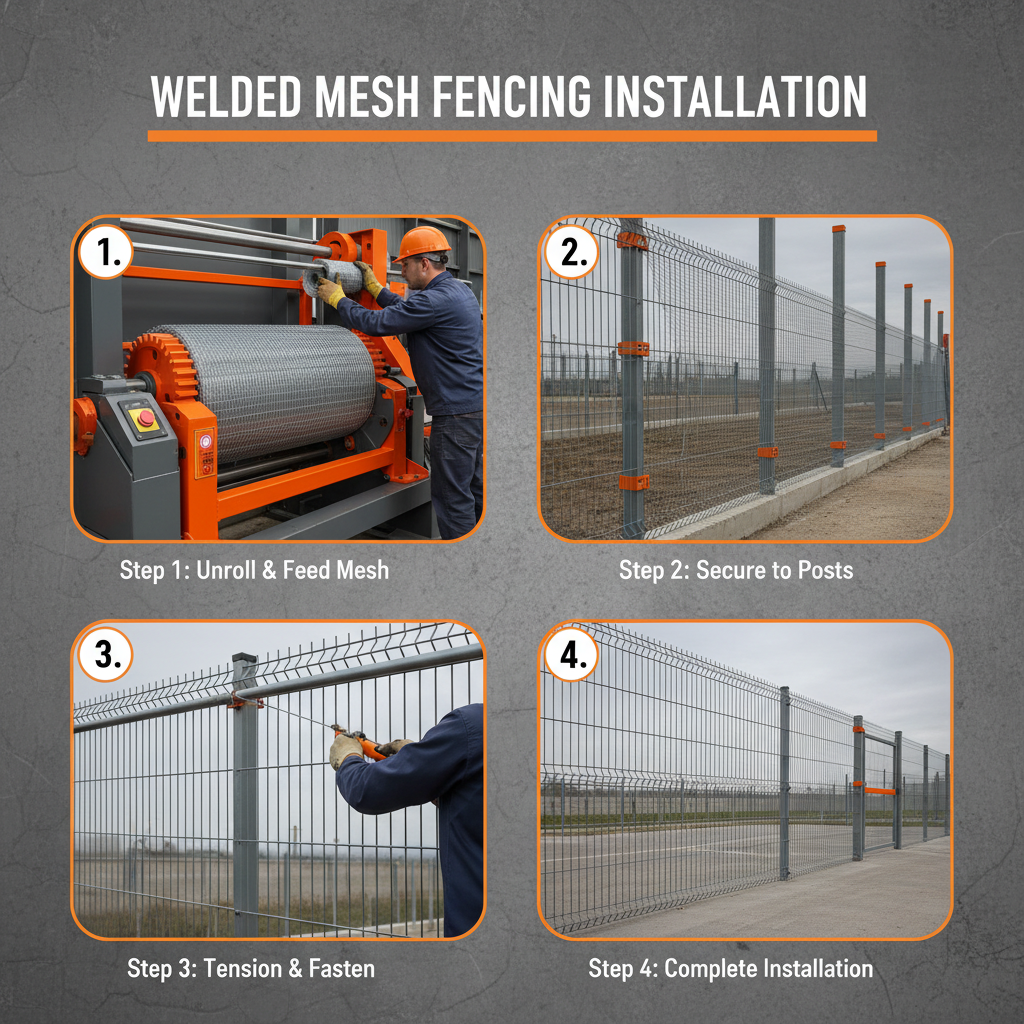
Comprehensive Guide to Welded Mesh Fencing 1.8m for Security and Versatility
Welded mesh fencing is a robust and versatile solution for a wide range of applications, from securing perimeters to containing livestock. Specifically, welded mesh fencing 1.8m height offers an excellent balance of security, visibility, and cost-effectiveness. This article will explore the benefits, applications, installation considerations, and variations of this popular fencing option. We'll delve into why it’s a preferred choice for both residential and commercial properties. Choosing the right fencing is crucial for safety and security, and we’ll guide you through making the best decision. Welded mesh fencing 1.8m provides several key advantages over traditional fencing materials. Its rigid construction offers excellent resistance to climbing and cutting, enhancing security. The open mesh design allows for good visibility, which is important for surveillance and aesthetic purposes.
2026-03-24 03:20:18
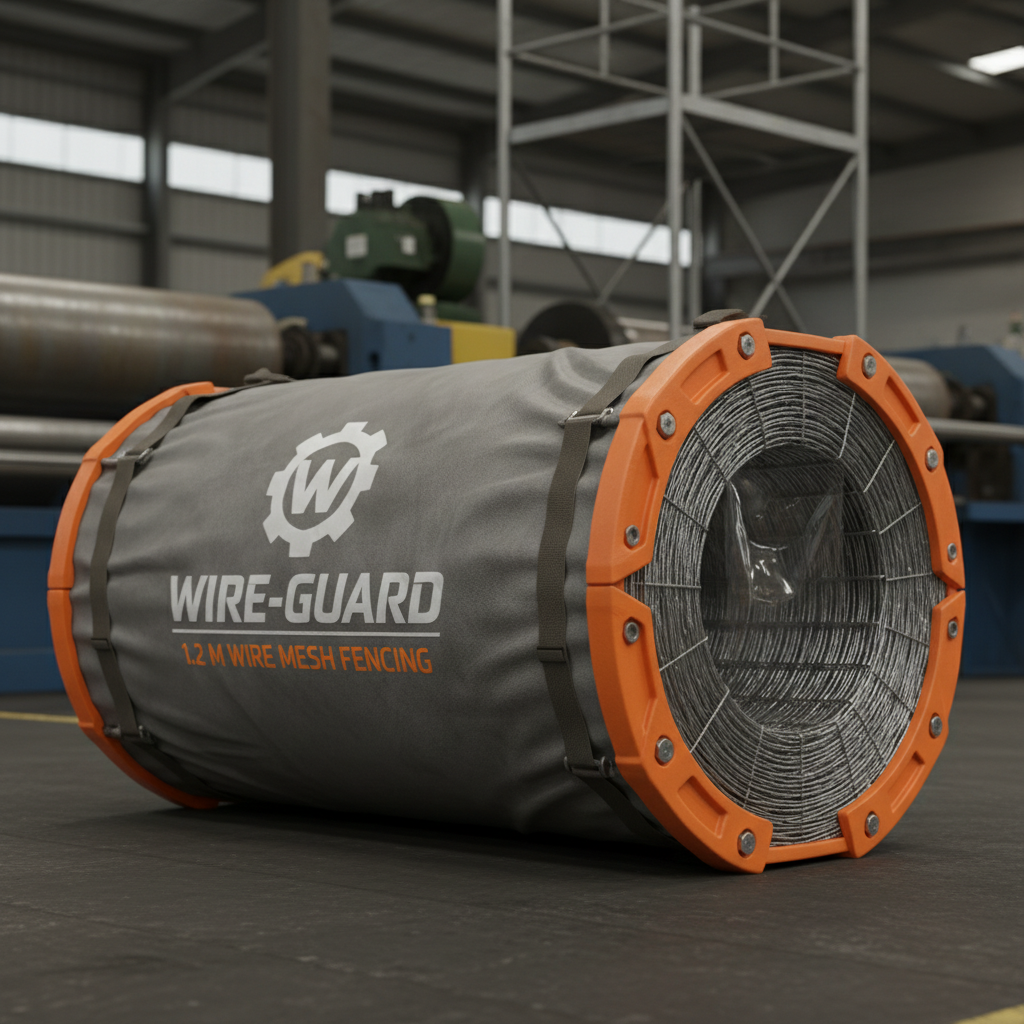
Comprehensive Guide to Durable 1.2 m Wire Mesh Fencing Solutions
When securing properties, livestock, or construction sites, choosing the right fencing material is crucial. 1.2 m wire mesh fencing offers a robust, versatile, and cost-effective solution. This article will explore the benefits, applications, installation, and maintenance of 1.2m wire mesh fencing, providing a thorough overview for homeowners, farmers, and contractors. Selecting the appropriate fencing enhances security, defines boundaries, and contributes to a safe environment. The robust construction provides excellent security, deterring intruders and containing animals. The galvanized or PVC-coated finish offers exceptional corrosion resistance, ensuring long-lasting durability even in harsh weather conditions. The mesh design allows for good visibility, which is ideal for residential and commercial properties where aesthetics are a concern. Furthermore, the relatively low cost compared to other fencing options makes it an economical choice for large areas. The ease of installation and low maintenance requirements add to its appeal.


 English