






Hebei Jinjiu Metal Products Co.,Ltd



Comprehensive Guide to Purchase Razor Wire for Enhanced Property Security
Feb . 25, 2026 03:15
Purchase Razor Wire: A Comprehensive Guide
When securing properties or enhancing perimeter defense, purchasing razor wire is often a critical consideration. Razor wire, also known as barbed wire tape, offers a formidable deterrent against intrusion. This article provides a comprehensive overview of razor wire, covering types, applications, installation, and purchasing advice. Understanding the nuances of this security product is crucial for making an informed decision and ensuring effective protection. Choosing the right razor wire depends on your specific security needs and the environment where it will be installed.
Types of Razor Wire
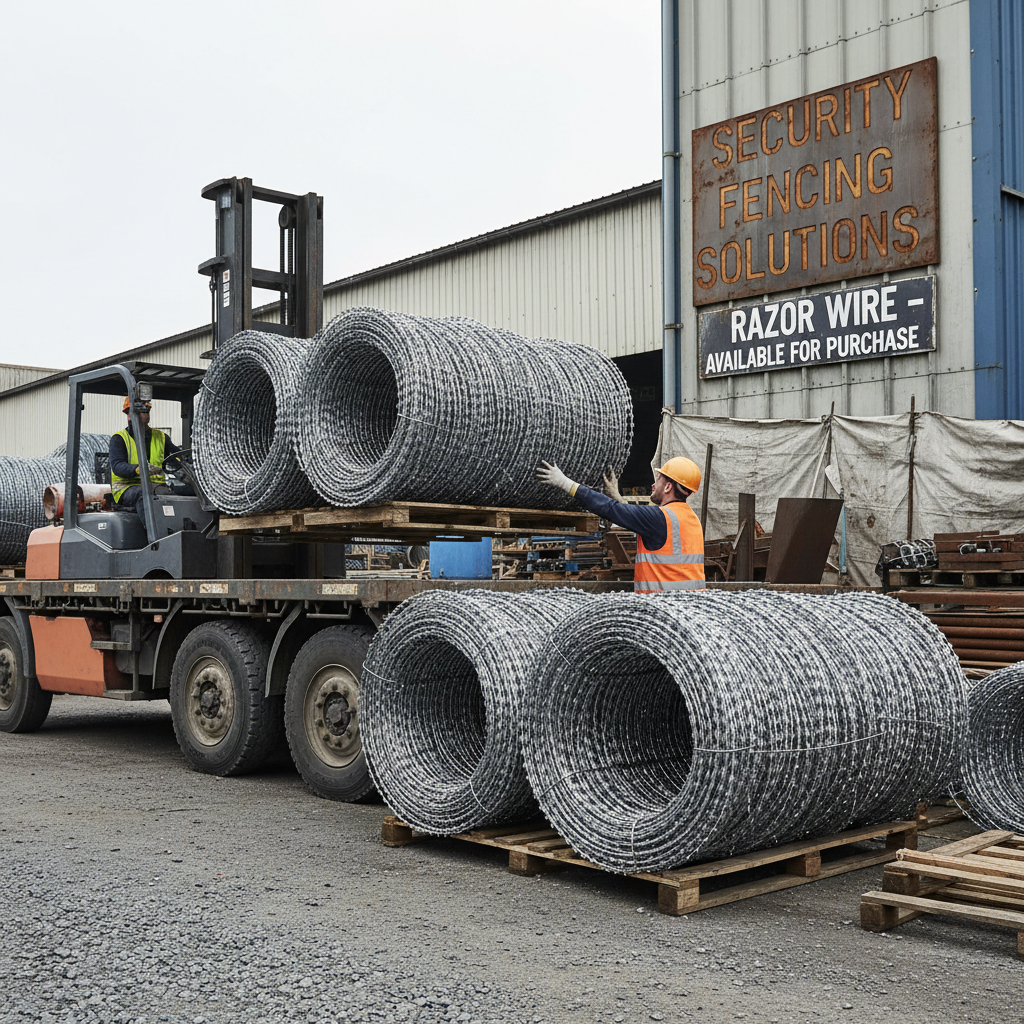
Razor wire comes in several variations, each suited for different applications. Common types include single coil, twisted coil, and flat wrap. Single coil wire consists of one strand of barbed tape wrapped around a central core. Twisted coil wire features two strands intertwined, offering increased security. Flat wrap wire is designed to be mounted on existing fences or walls, providing an extra layer of protection. Understanding the differences between these types is essential when deciding which option best suits your needs. Factors to consider include the level of security required, the type of fencing already in place, and the budget.
Key Highlights: Different types of razor wire offer varying levels of security and are designed for specific applications. Consider single coil, twisted coil, and flat wrap options based on your needs.
Applications of Razor Wire
The applications of razor wire are widespread, primarily focused on perimeter security. It's commonly used in high-security environments such as prisons, military bases, industrial facilities, and private residences. Beyond security, it can also be used to deter vandalism and protect equipment. The effectiveness of razor wire lies in its physical deterrent, making it difficult and painful for intruders to attempt to climb or breach a secured area. It's important to note that local regulations may govern the use of razor wire, so ensuring compliance is essential.
Application Benefits:
• Effective deterrent against intrusion
• Used in high-security environments
• Protects against vandalism
• Relatively cost-effective security solution
Choosing the Right Razor Wire: A Comparison
Selecting the appropriate razor wire type depends on your specific needs. Factors to consider include the level of security required, the terrain, and budget. For example, twisted coil wire offers superior security compared to single coil, but it also comes at a higher cost. Flat wrap is a good option for adding security to existing fences. The gauge (thickness) of the wire also impacts its strength and durability. A heavier gauge wire is more resistant to cutting but also more expensive. Jinshield Mesh offers a variety of razor wire options to suit diverse security requirements.
Installation and Safety Considerations
Installing razor wire requires careful planning and adherence to safety guidelines. Proper protective gear, including gloves, eye protection, and long sleeves, is essential. The wire should be securely fastened to posts or existing fences using appropriate fasteners. Ensure the wire is taut and properly spaced to maximize its deterrent effect. It’s crucial to comply with local regulations regarding height and placement to avoid legal issues and ensure public safety. Consider hiring a professional installer if you are not experienced with this type of security system.
Where to Purchase Razor Wire
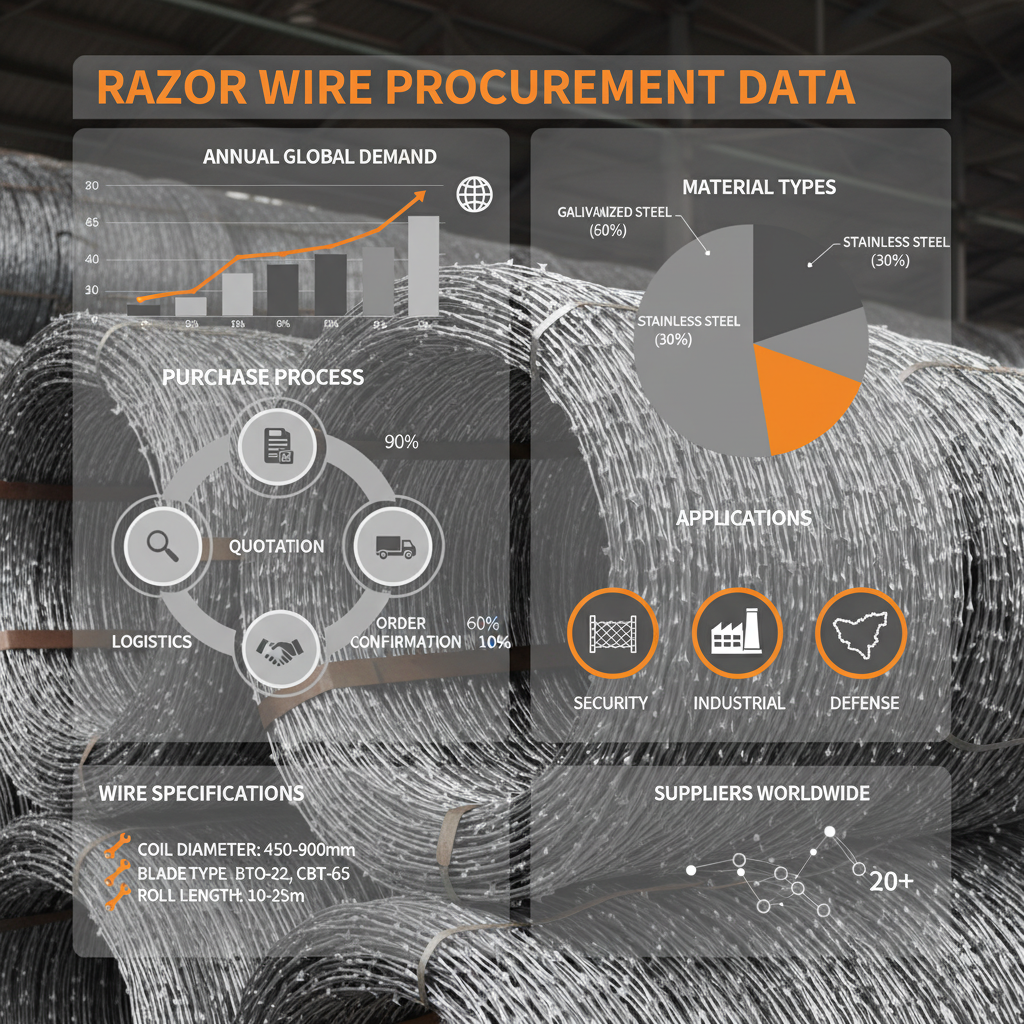
When purchasing razor wire, it’s crucial to choose a reputable supplier. Jinshield Mesh is a leading manufacturer and supplier of high-quality razor wire, offering a wide selection of types, gauges, and lengths. We are committed to providing durable, reliable security solutions at competitive prices. Contact us today for a quote and expert advice on selecting the right razor wire for your needs.
Conclusion: Secure Your Property with Confidence
Investing in high-quality razor wire from a trusted supplier like Jinshield Mesh is a proactive step towards safeguarding your property and protecting your assets. We offer a comprehensive range of solutions to meet your specific security requirements. Don't compromise on security – choose a reliable partner you can trust.
Frequently Asked Questions (FAQs)
What is the lifespan of razor wire?
The lifespan of razor wire depends on several factors, including the material quality, coating, and environmental conditions. Galvanized razor wire typically lasts 10-15 years, while stainless steel wire can last considerably longer, often exceeding 20 years. Exposure to harsh weather, corrosive chemicals, and saltwater can shorten the lifespan. Regular inspection and maintenance, such as applying protective coatings, can help extend its durability.
What gauge of razor wire is best for high-security applications?
For high-security applications, a heavier gauge razor wire is recommended. A gauge of 2.5mm or thicker provides superior resistance to cutting and tampering. The thicker the wire, the more difficult it is to breach. Consider the specific threat level and the environment when selecting the appropriate gauge. Consulting with a security professional can help you determine the optimal gauge for your needs.
Is razor wire legal in all areas?
Razor wire regulations vary significantly by location. Some areas may have restrictions on its height, placement, or use in residential zones. It's crucial to check local ordinances and homeowners' association rules before installing razor wire to ensure compliance. Failure to comply can result in fines or removal orders. Jinshield Mesh can provide guidance on relevant regulations in your area.
How do I safely handle razor wire?
Razor wire is extremely sharp and can cause serious injuries. Always wear heavy-duty gloves, eye protection, long sleeves, and pants when handling it. Avoid direct contact with the barbs. Use appropriate tools for cutting and installing the wire. Never attempt to untangle or manipulate razor wire with your bare hands. If you sustain a cut, seek immediate medical attention.

Related Products
Related News

2026-04-16 03:16:12
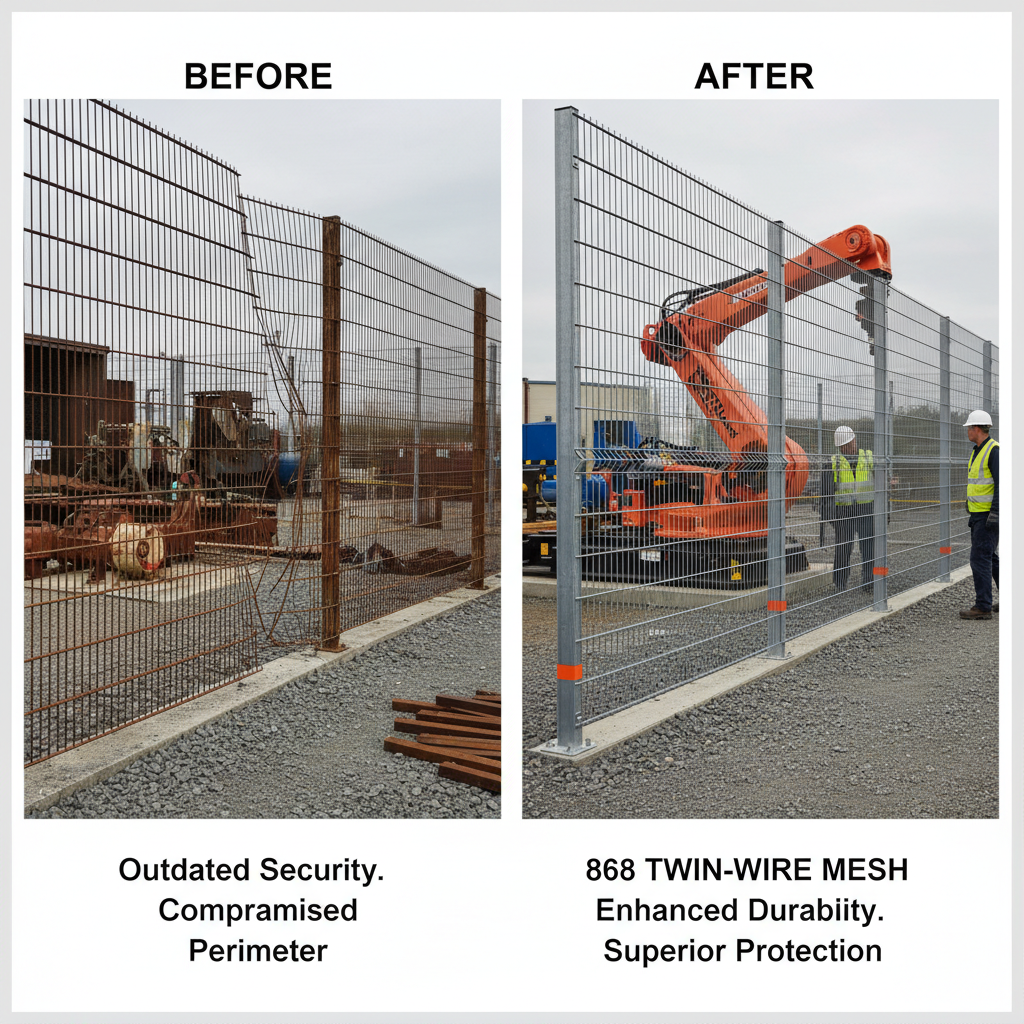
High Security Anti Climb 868 Mesh Fencing for Industrial Properties
When it comes to high-security perimeter protection, 868 mesh fencing stands as the gold standard for industrial and commercial properties. Designed to be virtually impenetrable while maintaining a clean, modern aesthetic, this specialized fencing system offers a unique combination of strength and visibility. Whether you are securing a government facility, a warehouse, or a private estate, understanding the technical advantages of the 868 system is crucial for making an informed investment. In this guide, we will explore why this specific mesh configuration is preferred by security experts worldwide.
2026-04-09 03:17:58
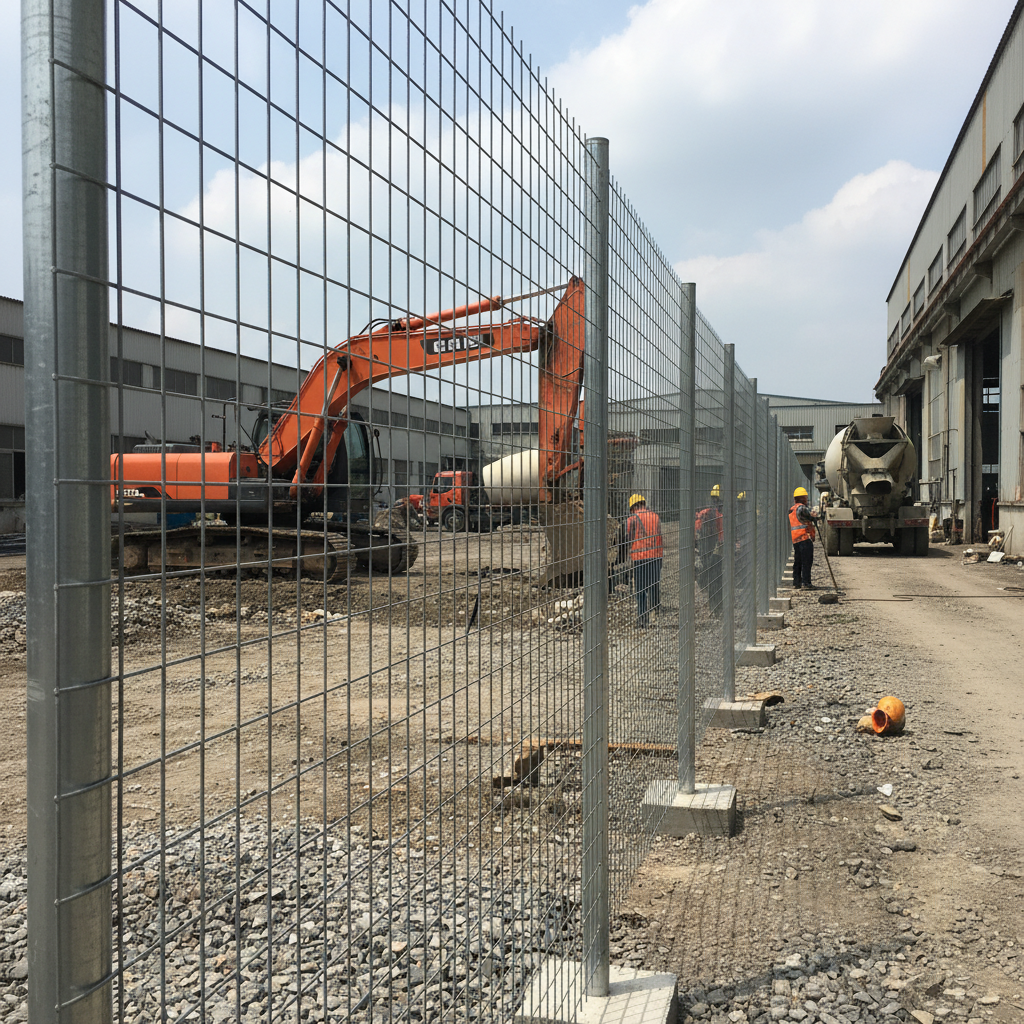
Ultimate Guide to 6ft Mesh Fencing for Security and Privacy
When it comes to establishing a secure perimeter, 6ft mesh fencing is widely regarded as the gold standard for balancing visibility with robust protection. Whether you are securing a commercial warehouse, a residential backyard, or an industrial site, the six-foot height provides a psychological and physical deterrent that lower fences simply cannot match. In this comprehensive guide, we will explore why this specific height is preferred, the materials that ensure longevity, and how to choose the right mesh configuration for your specific needs to ensure maximum ROI and safety.
2026-04-07 03:08:15
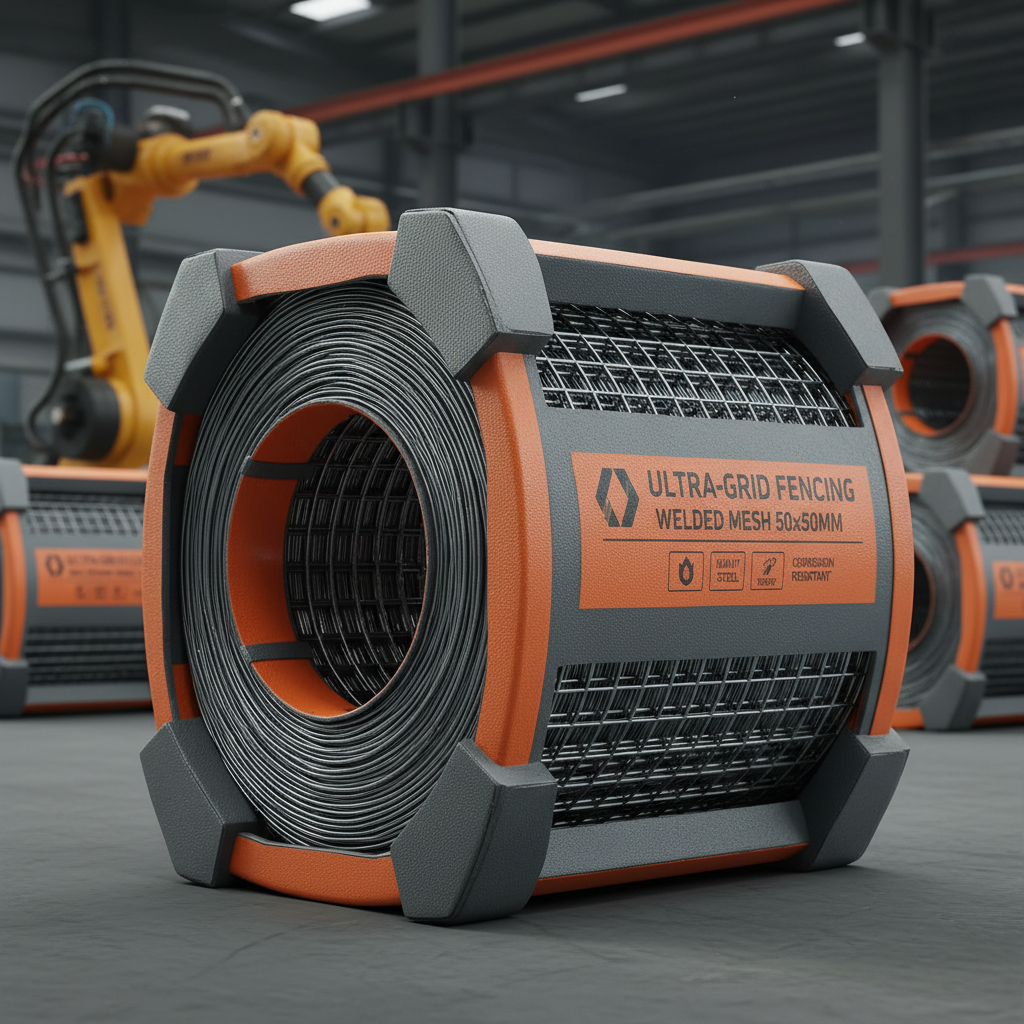
Comprehensive Guide to Welded Mesh Fencing 50x50 for Secure Enclosures
When securing your property or creating enclosures, choosing the right fencing material is crucial. Welded mesh fencing 50x50 offers a robust, versatile, and cost-effective solution for a wide range of applications. This article dives deep into the benefits, specifications, applications, and considerations when selecting this popular fencing option. Whether you’re a homeowner, agricultural business owner, or industrial facility manager, understanding the nuances of welded mesh fencing will empower you to make an informed decision.
2026-04-04 03:18:08
Comprehensive Guide to Durable and Affordable 4ft Wire Mesh Fencing Solutions
4ft wire mesh fencing is a versatile and cost-effective solution for a wide range of applications, from securing residential properties to enclosing industrial sites. Its robust construction and ease of installation make it a popular choice for both DIY projects and professional installations. This article will explore the benefits, applications, different types, installation guidelines, and maintenance tips for 4ft wire mesh fencing, helping you make an informed decision for your fencing needs. Choosing the right fencing is crucial for security, safety, and property value.
2026-03-31 03:15:14
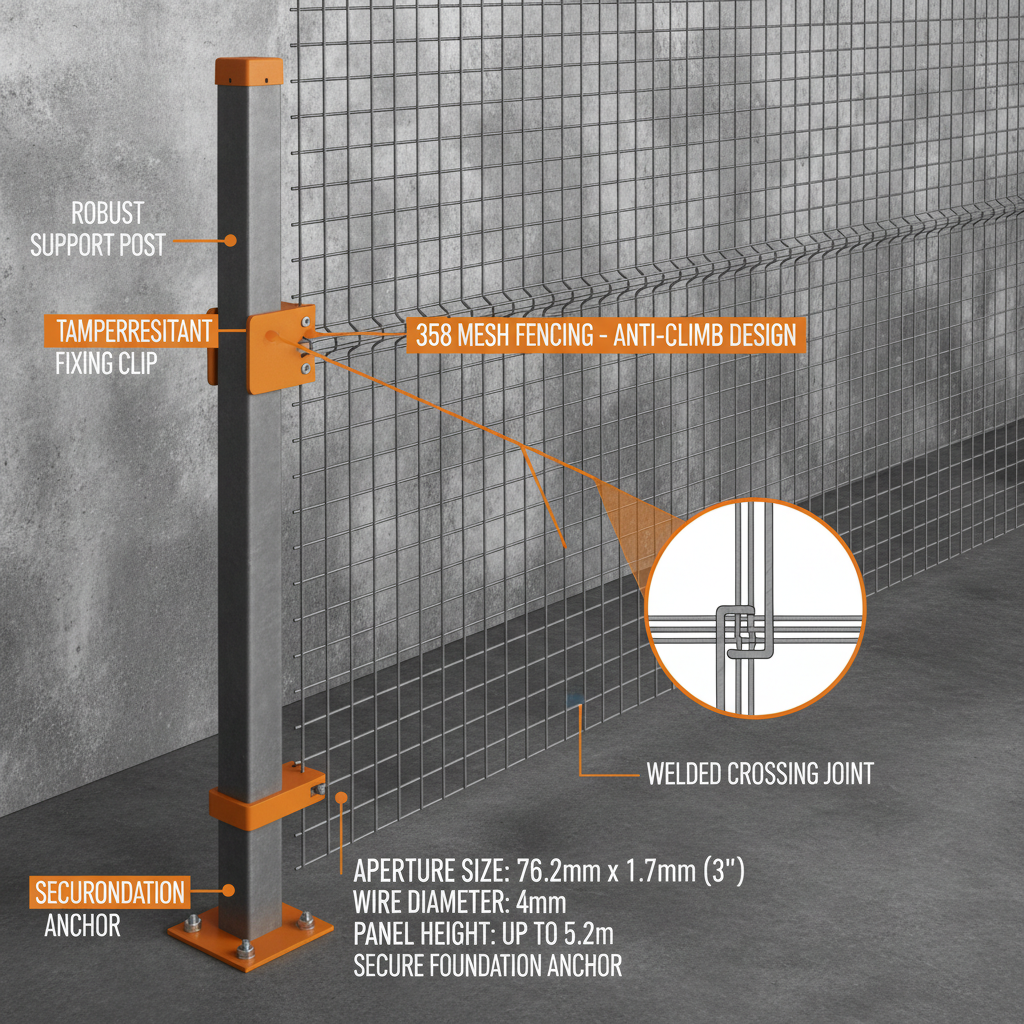
Comprehensive Guide to 358 Mesh Fencing Security Applications and Benefits
When it comes to perimeter security, choosing the right fencing solution is crucial. 358 mesh fencing has emerged as a popular and highly effective option, offering exceptional security and durability. This article provides a comprehensive guide to 358 mesh fencing, covering its key features, applications, benefits, and considerations for installation. We’ll explore why this type of fencing is increasingly preferred by commercial, industrial, and residential clients seeking robust security solutions.
2026-03-28 03:27:34
Comprehensive Guide to Durable 1 Inch Wire Mesh Fencing Solutions
When establishing secure perimeters for residential, agricultural, industrial, or commercial properties, choosing the right fencing material is crucial. 1 inch wire mesh fencing is a popular and versatile option, known for its durability, security, and cost-effectiveness. This article will provide a comprehensive overview of 1 inch wire mesh fencing, covering its applications, benefits, materials, installation, and maintenance. We'll explore how this fencing solution can provide long-lasting security and peace of mind for your property.
2026-03-26 03:17:15
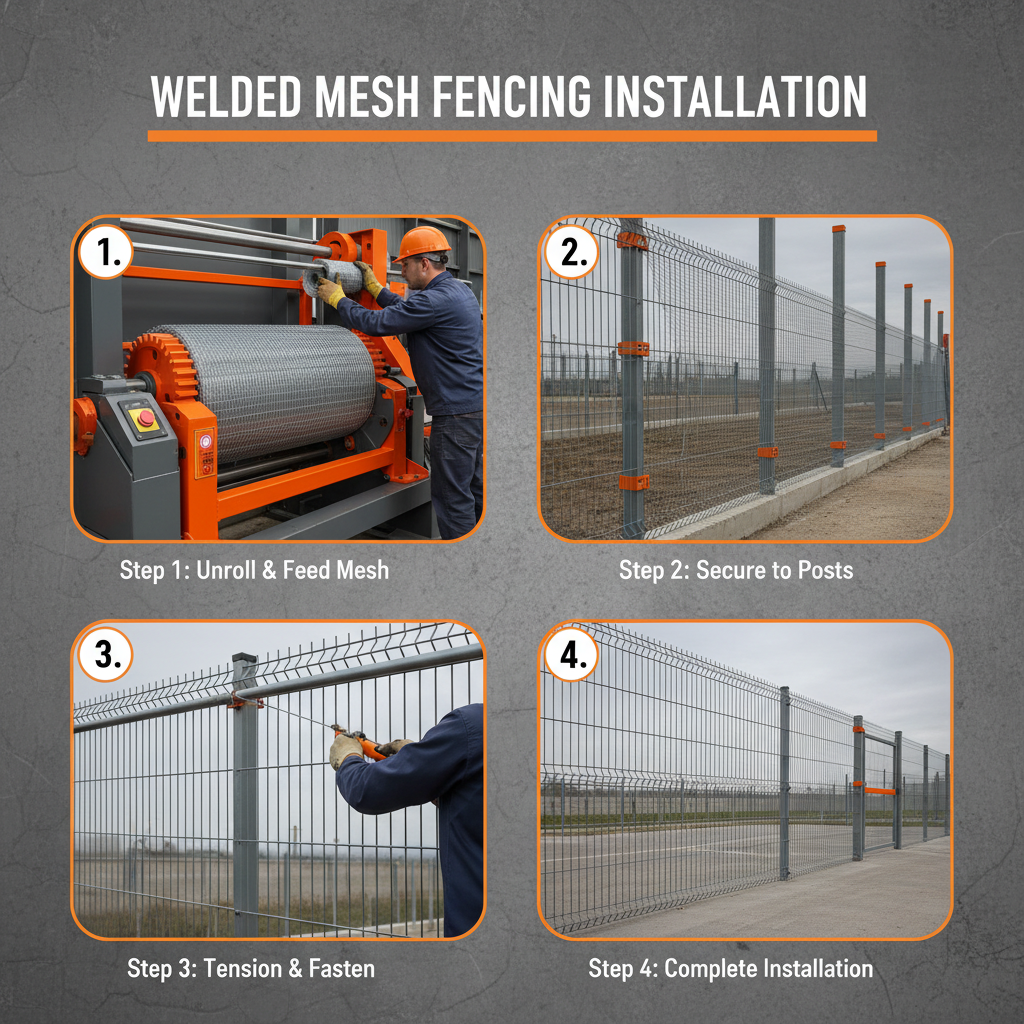
Comprehensive Guide to Welded Mesh Fencing 1.8m for Security and Versatility
Welded mesh fencing is a robust and versatile solution for a wide range of applications, from securing perimeters to containing livestock. Specifically, welded mesh fencing 1.8m height offers an excellent balance of security, visibility, and cost-effectiveness. This article will explore the benefits, applications, installation considerations, and variations of this popular fencing option. We'll delve into why it’s a preferred choice for both residential and commercial properties. Choosing the right fencing is crucial for safety and security, and we’ll guide you through making the best decision. Welded mesh fencing 1.8m provides several key advantages over traditional fencing materials. Its rigid construction offers excellent resistance to climbing and cutting, enhancing security. The open mesh design allows for good visibility, which is important for surveillance and aesthetic purposes.
2026-03-24 03:20:18
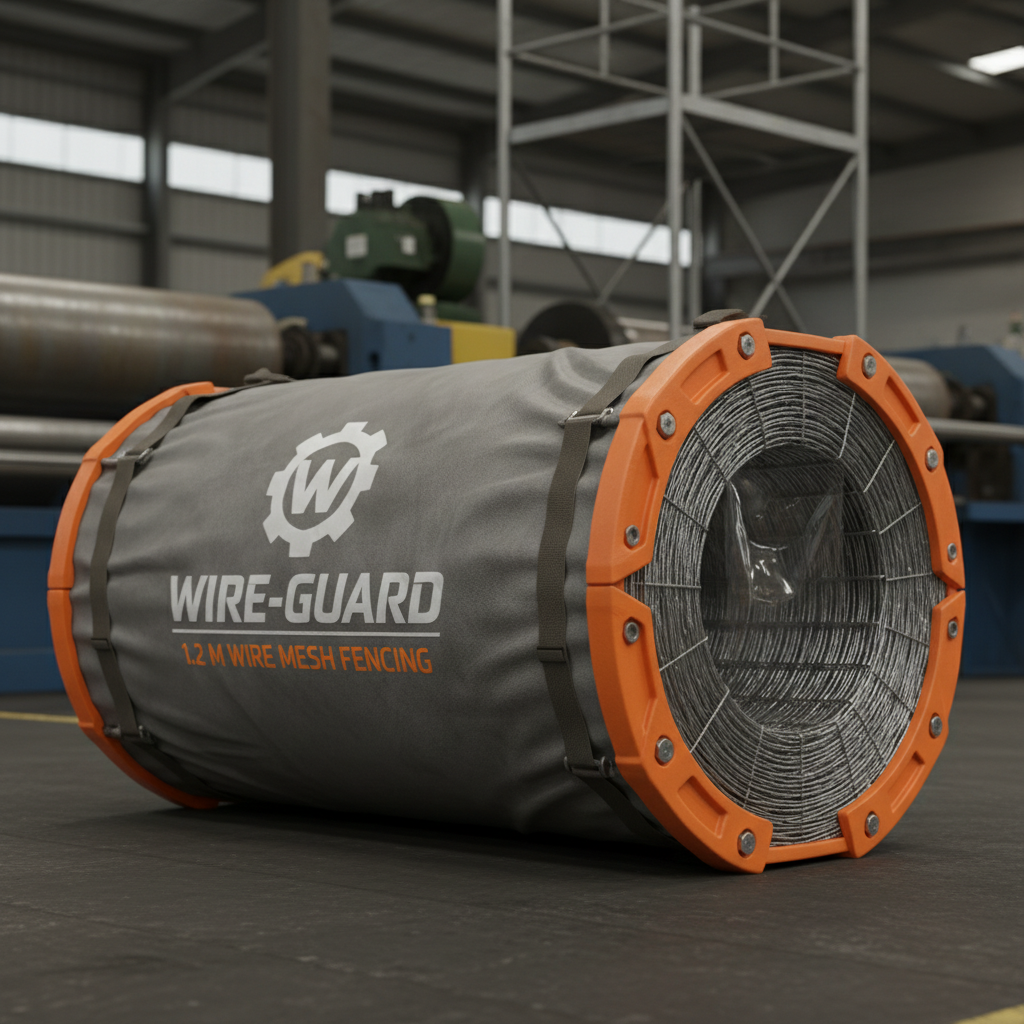
Comprehensive Guide to Durable 1.2 m Wire Mesh Fencing Solutions
When securing properties, livestock, or construction sites, choosing the right fencing material is crucial. 1.2 m wire mesh fencing offers a robust, versatile, and cost-effective solution. This article will explore the benefits, applications, installation, and maintenance of 1.2m wire mesh fencing, providing a thorough overview for homeowners, farmers, and contractors. Selecting the appropriate fencing enhances security, defines boundaries, and contributes to a safe environment. The robust construction provides excellent security, deterring intruders and containing animals. The galvanized or PVC-coated finish offers exceptional corrosion resistance, ensuring long-lasting durability even in harsh weather conditions. The mesh design allows for good visibility, which is ideal for residential and commercial properties where aesthetics are a concern. Furthermore, the relatively low cost compared to other fencing options makes it an economical choice for large areas. The ease of installation and low maintenance requirements add to its appeal.


 English