




Hebei Jinjiu Metal Products Co.,Ltd


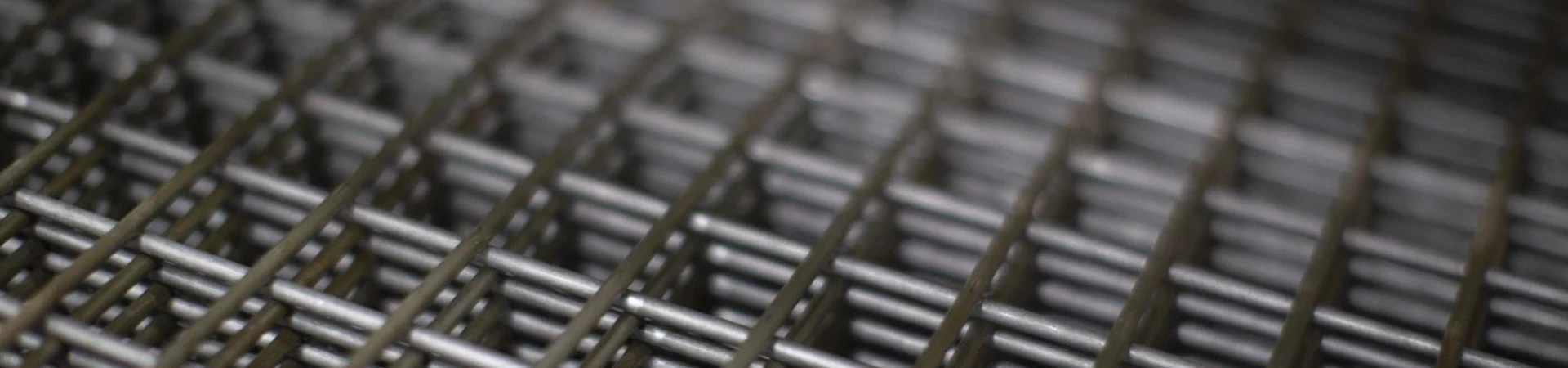

Expert Insights from a Leading Metal Fence Manufacturer
Jan . 31, 2026 06:11
You know, these days everyone's talking about pre-fabricated fences, right? Modular stuff, quick assembly… It’s all the rage. Seems like every other engineer is pitching a system that promises to cut installation time in half. To be honest, a lot of it is just marketing fluff. I've been on enough sites to know that 'half the time' usually means 'slightly less cursing'.
Have you noticed how everyone's obsessed with lightweight materials? They want everything made of aluminum, thinking they're saving money. But trust me, aluminum's a pain. It bends if you look at it wrong, and getting a weld that holds on-site? Forget about it. You need a specialist. Steel, now that’s a material you can trust. Heavy, yeah, but it doesn't lie.
And the designs... oh, the designs. So many architects come up with these beautiful renderings, all sleek lines and minimalist aesthetics. They forget that fences aren't just there to look pretty. They need to actually stop things. I encountered this at a factory in Suzhou last time, they designed a fence with these fancy decorative panels that looked amazing on paper, but the wind nearly blew the whole thing over. They hadn’t factored in the wind load. Seriously.
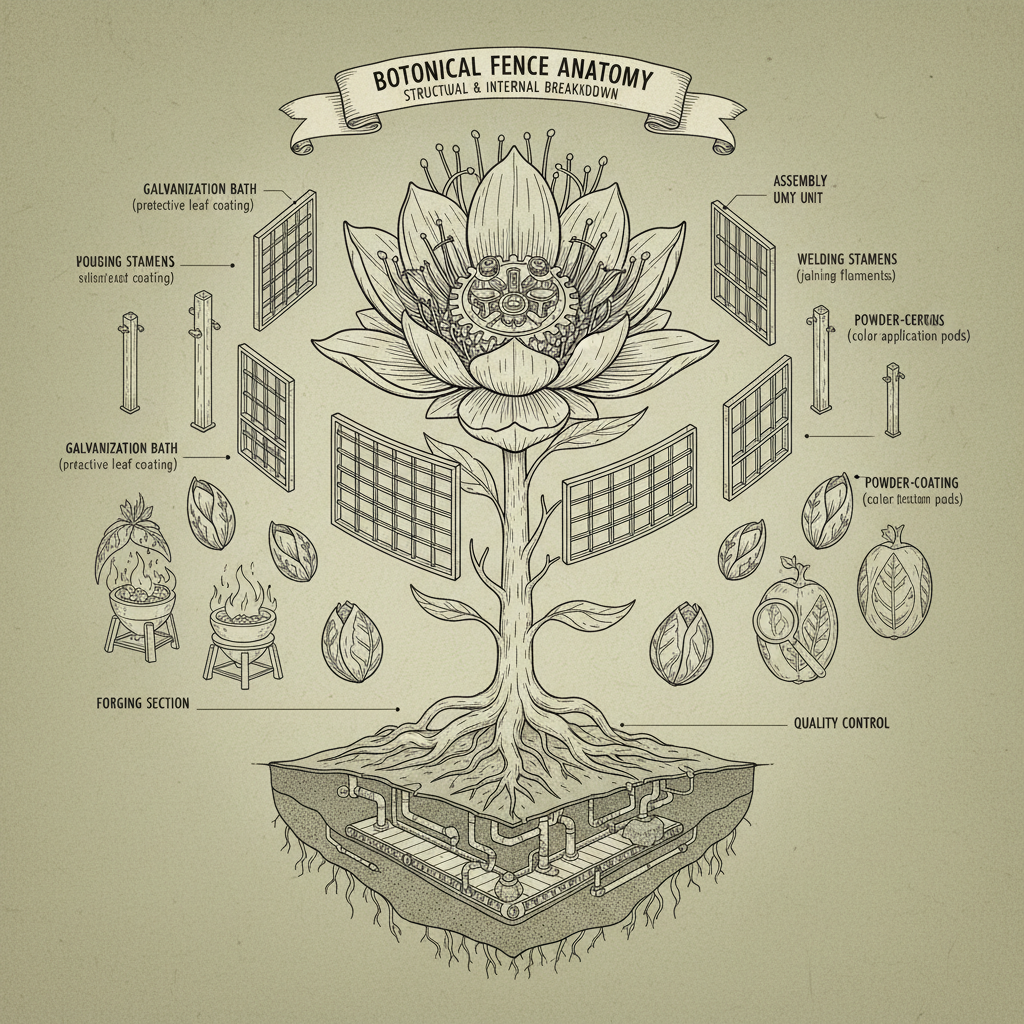
Current Trends in Metal Fence Manufacturing
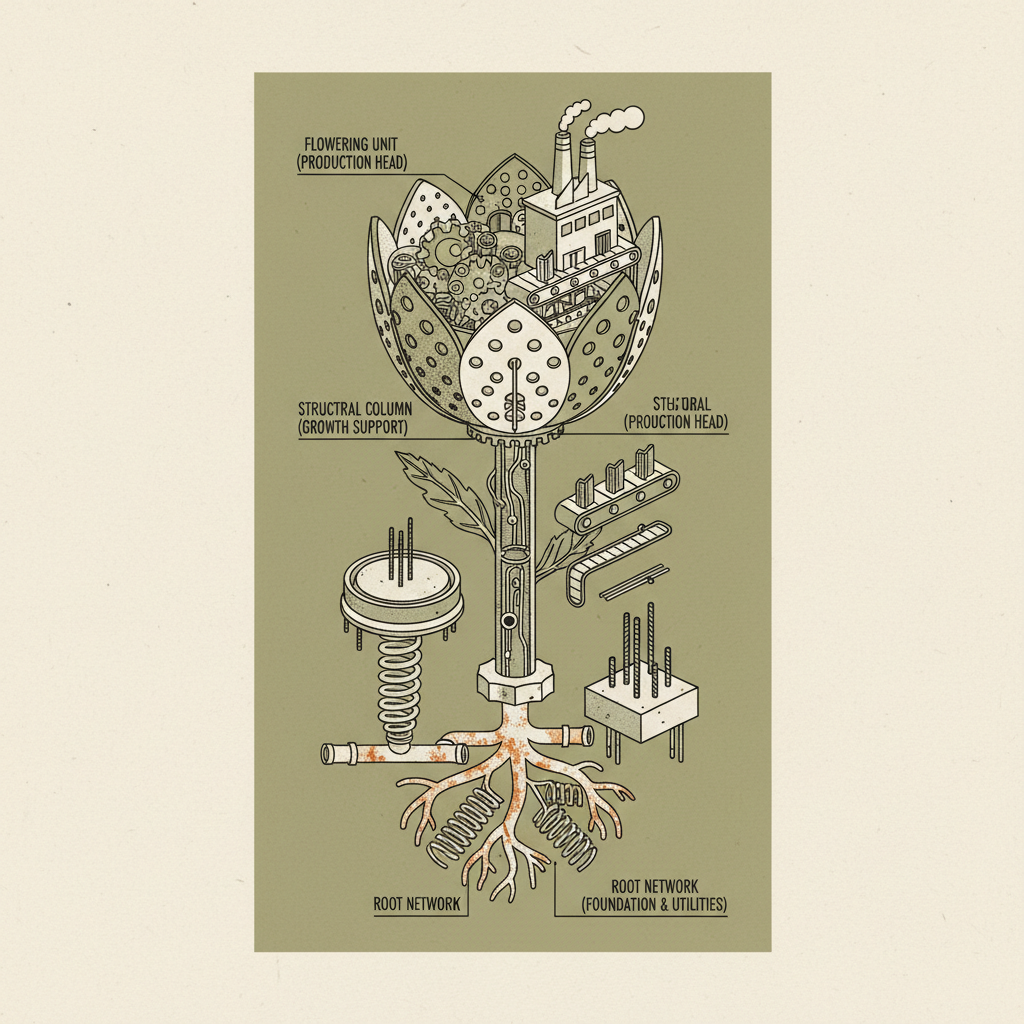
Like I said, pre-fab is huge. But beyond that, there’s a lot of push for automated welding – robots doing the seams. Makes sense, cuts down on labor costs, improves consistency… in theory. I’ve seen a few robotic setups that were more trouble than they were worth. Strangely, sometimes a skilled welder is still faster and produces a better result. Also, anti-corrosion coatings are getting more sophisticated, which is good. No one wants a fence that rusts through in five years.
There’s a whole movement towards ‘green’ fencing too, using recycled materials. It’s admirable, sure, but it often comes with compromises in strength or lifespan. It’s a balancing act, you know?
FAQS
Assuming proper installation and no major damage, a galvanized steel fence should easily last 25-30 years. It really depends on the environment. Coastal areas with salt spray will shorten that lifespan, while inland areas will see it last longer. Regular inspection and touch-up painting can extend it even further. It’s not a set-it-and-forget-it kind of thing, you need to maintain it.
Honestly, no. Aluminum is relatively soft and easy to cut. It's fine for decorative purposes or keeping pets contained, but if you need real security, you're better off with steel. Steel is much harder to breach. There are some reinforced aluminum alloys, but they’re expensive and still not as secure as steel.
That's a tough one. It varies wildly depending on the length of the fence, the type of material, the terrain, and your location. As a very rough estimate, you're looking at anywhere from $20 to $50 per foot, labor and materials included. Get multiple quotes from reputable contractors before making a decision. Don’t just go with the cheapest bid – quality matters.
Yes, but it requires careful planning and potentially stepped or racked sections. You can’t just run a straight fence line across a slope. You need to follow the contour of the land, which means more posts and more work. A good installer will know how to do this properly. Ignoring the slope will result in a wobbly, unstable fence.
Powder coating is pretty durable, but it's not invincible. Regularly wash the fence with mild soap and water to remove dirt and grime. If you notice any scratches or chips, touch them up with a matching powder coat paint. Avoid using abrasive cleaners, as they can damage the coating. And be careful with lawnmowers!
Building codes vary by location, so you'll need to check with your local authorities. Common requirements include maximum fence height, setbacks from property lines, and requirements for gate swing direction. Some areas also have restrictions on fence design and materials. Don’t skip this step – you don’t want to get a violation notice after you’ve already installed the fence.
Conclusion
So, there you have it. Metal fences – more than just barriers, they're about security, privacy, aesthetics, and a whole lot of practical considerations. It’s a world of steel grades, coating types, and installation headaches. We’ve talked about the trends, the pitfalls, the materials, and the quirks of working with real clients on real sites.
Ultimately, whether this thing works or not, the worker will know the moment he tightens the screw. If it feels solid, if it looks right, and if it can withstand a good shove, then you’ve got a good fence. And if you’re looking for a metal fence manufacturer that understands all of this, you know where to find us.

Related Products
Related News

2026-04-16 03:16:12
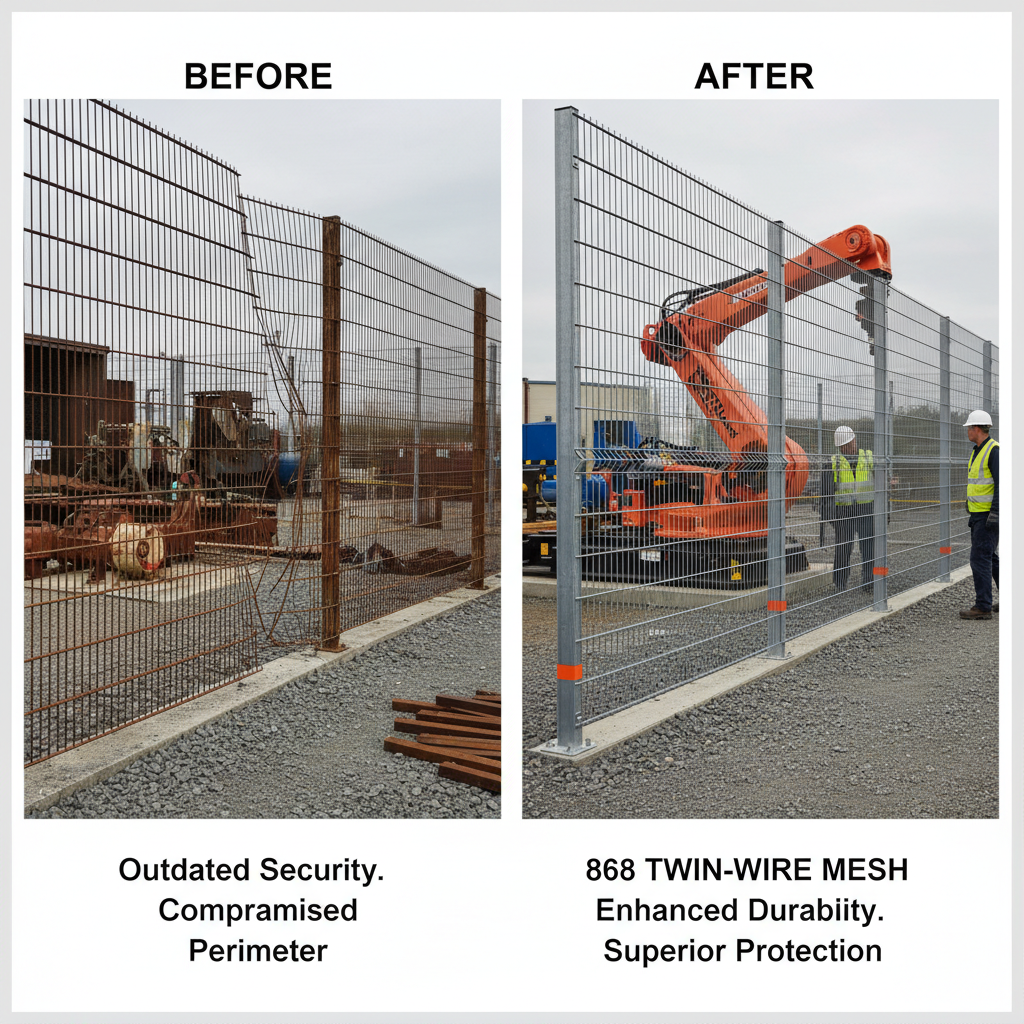
High Security Anti Climb 868 Mesh Fencing for Industrial Properties
When it comes to high-security perimeter protection, 868 mesh fencing stands as the gold standard for industrial and commercial properties. Designed to be virtually impenetrable while maintaining a clean, modern aesthetic, this specialized fencing system offers a unique combination of strength and visibility. Whether you are securing a government facility, a warehouse, or a private estate, understanding the technical advantages of the 868 system is crucial for making an informed investment. In this guide, we will explore why this specific mesh configuration is preferred by security experts worldwide.
2026-04-09 03:17:58
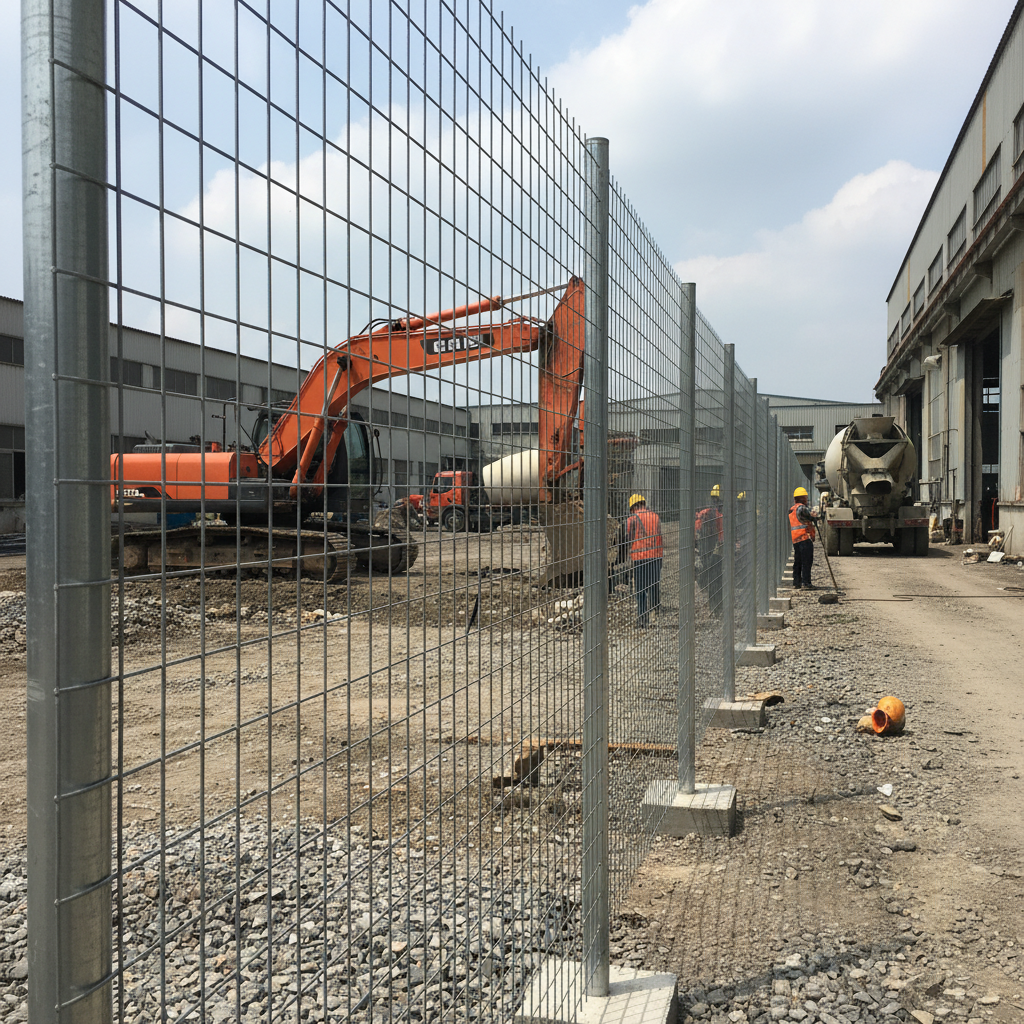
Ultimate Guide to 6ft Mesh Fencing for Security and Privacy
When it comes to establishing a secure perimeter, 6ft mesh fencing is widely regarded as the gold standard for balancing visibility with robust protection. Whether you are securing a commercial warehouse, a residential backyard, or an industrial site, the six-foot height provides a psychological and physical deterrent that lower fences simply cannot match. In this comprehensive guide, we will explore why this specific height is preferred, the materials that ensure longevity, and how to choose the right mesh configuration for your specific needs to ensure maximum ROI and safety.
2026-04-07 03:08:15
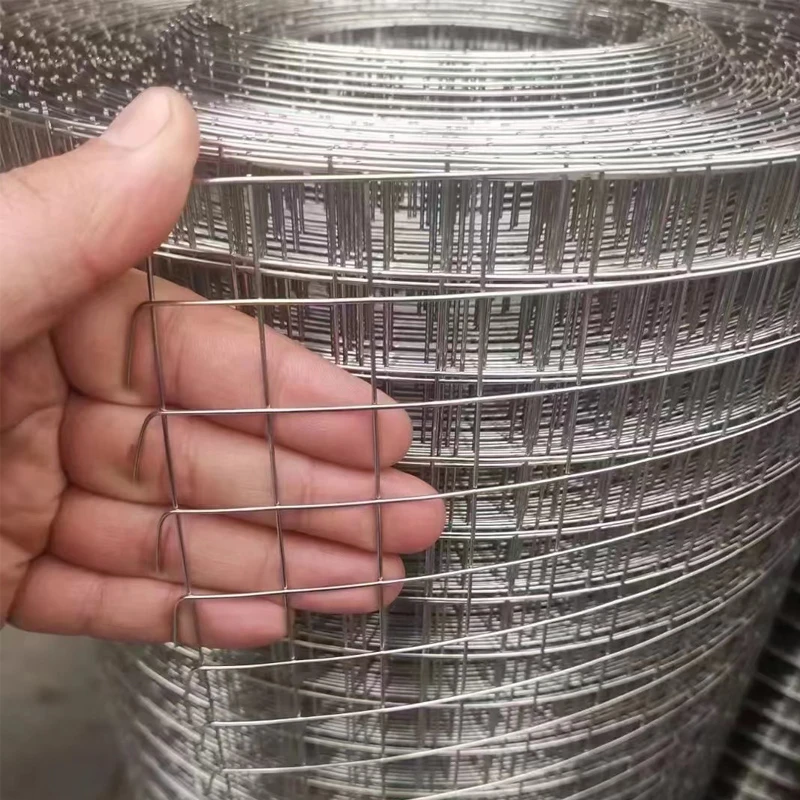
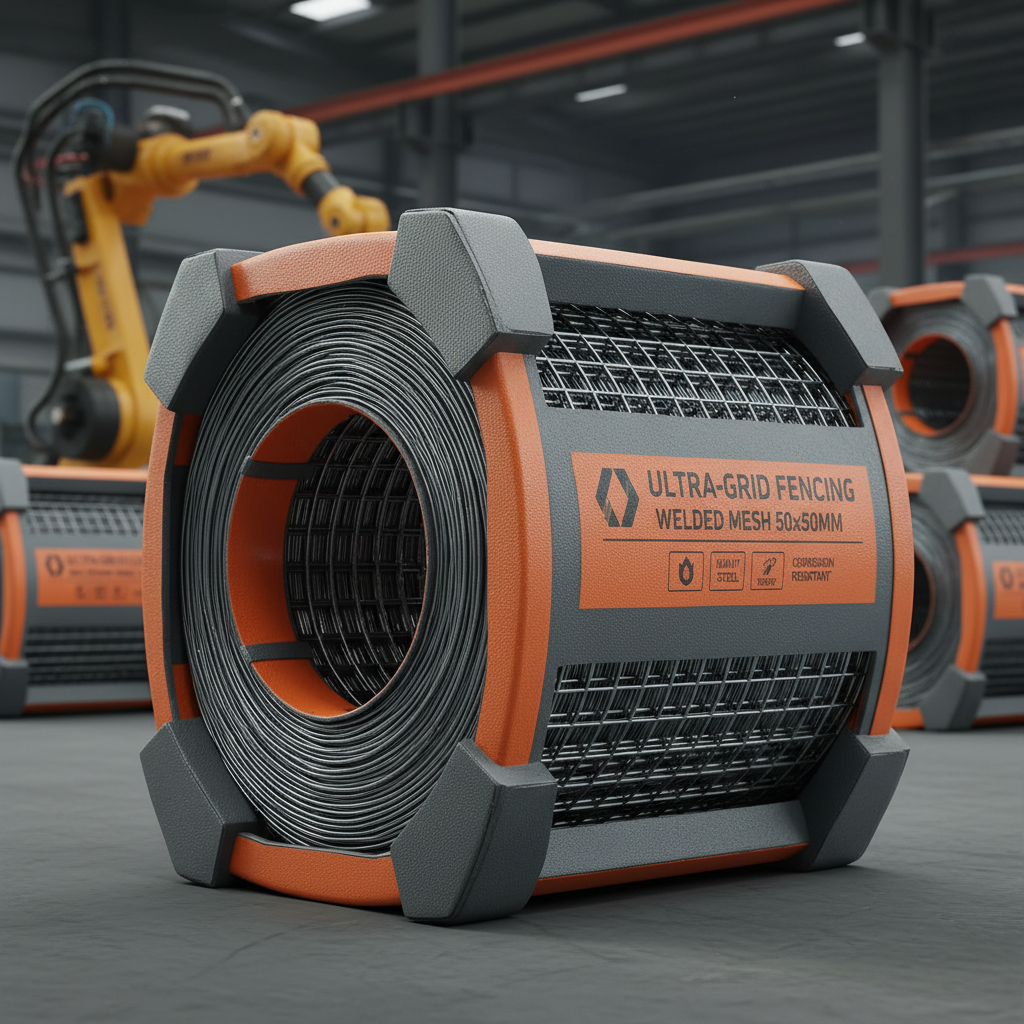
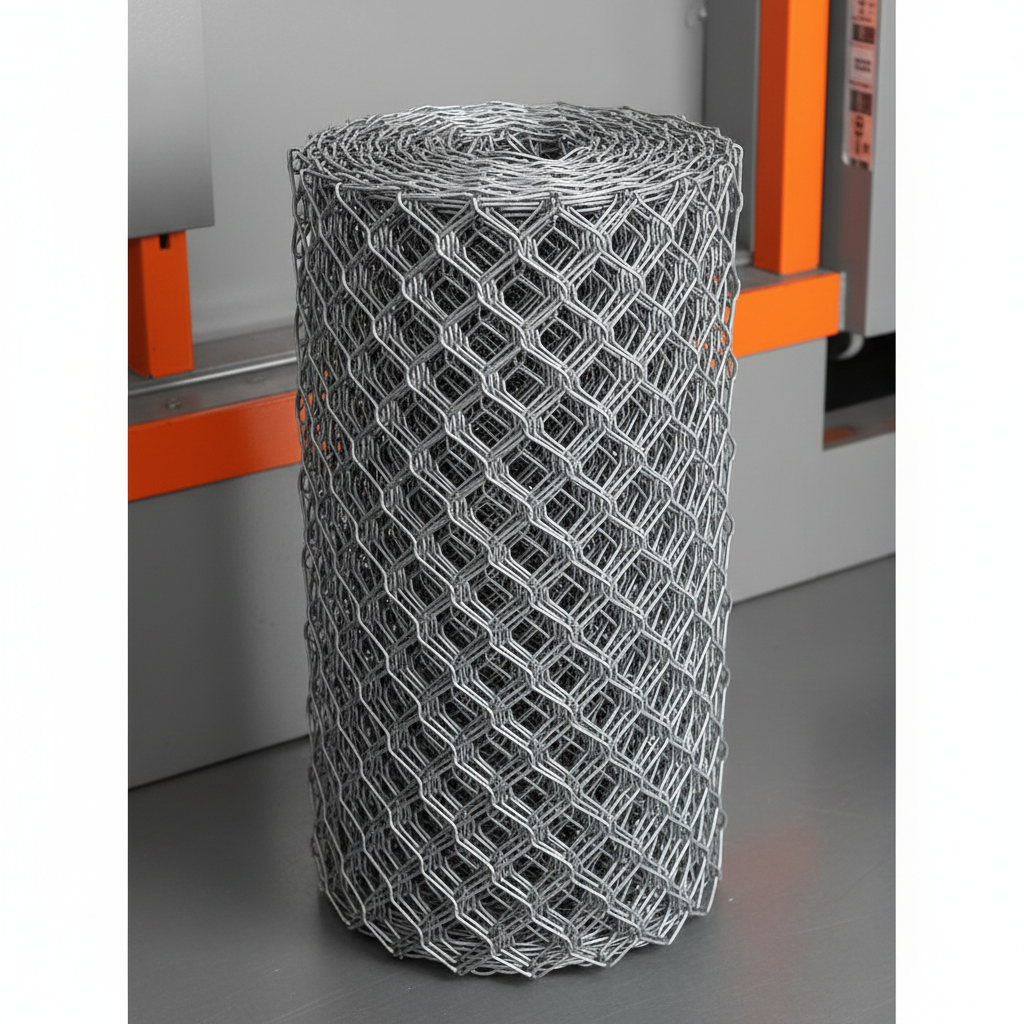
Comprehensive Guide to Welded Mesh Fencing 50x50 for Secure Enclosures
When securing your property or creating enclosures, choosing the right fencing material is crucial. Welded mesh fencing 50x50 offers a robust, versatile, and cost-effective solution for a wide range of applications. This article dives deep into the benefits, specifications, applications, and considerations when selecting this popular fencing option. Whether you’re a homeowner, agricultural business owner, or industrial facility manager, understanding the nuances of welded mesh fencing will empower you to make an informed decision.
2026-04-04 03:18:08
Comprehensive Guide to Durable and Affordable 4ft Wire Mesh Fencing Solutions
4ft wire mesh fencing is a versatile and cost-effective solution for a wide range of applications, from securing residential properties to enclosing industrial sites. Its robust construction and ease of installation make it a popular choice for both DIY projects and professional installations. This article will explore the benefits, applications, different types, installation guidelines, and maintenance tips for 4ft wire mesh fencing, helping you make an informed decision for your fencing needs. Choosing the right fencing is crucial for security, safety, and property value.
2026-03-31 03:15:14
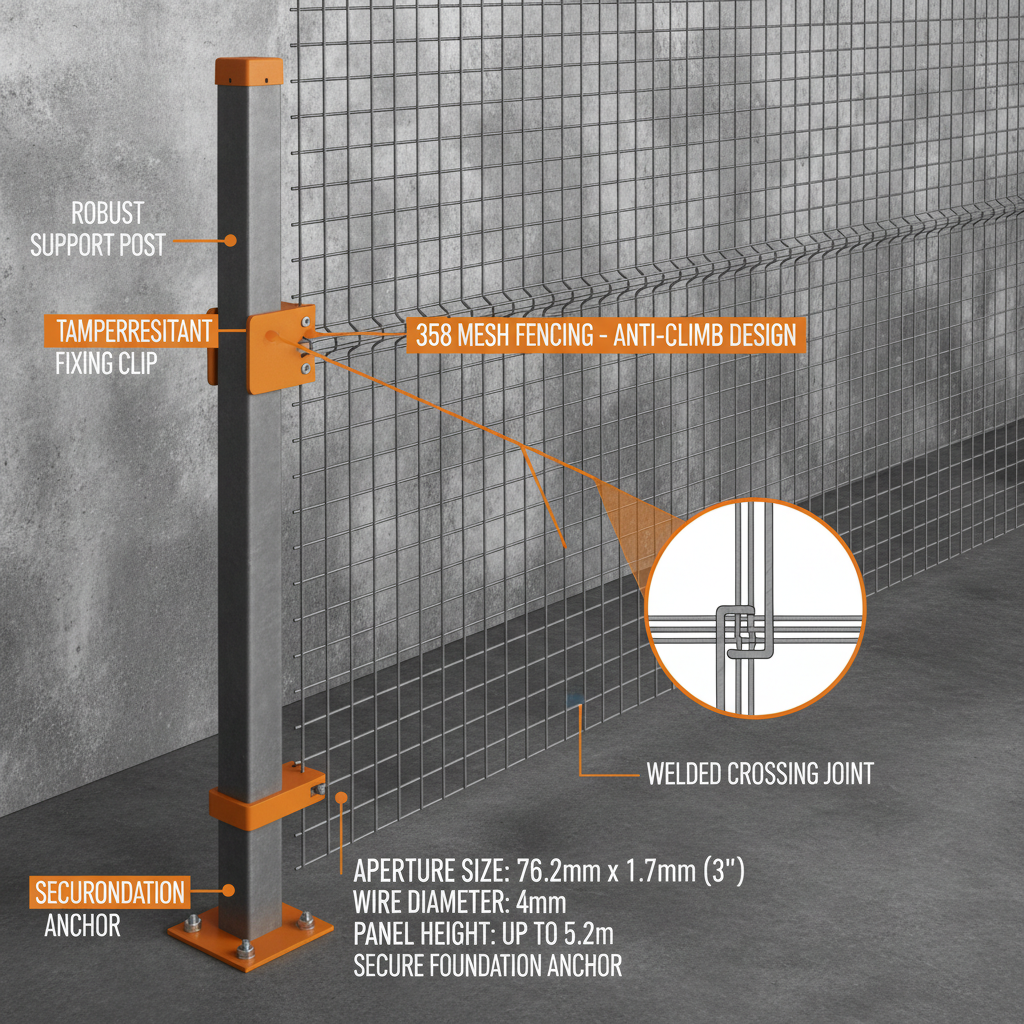
Comprehensive Guide to 358 Mesh Fencing Security Applications and Benefits
When it comes to perimeter security, choosing the right fencing solution is crucial. 358 mesh fencing has emerged as a popular and highly effective option, offering exceptional security and durability. This article provides a comprehensive guide to 358 mesh fencing, covering its key features, applications, benefits, and considerations for installation. We’ll explore why this type of fencing is increasingly preferred by commercial, industrial, and residential clients seeking robust security solutions.
2026-03-28 03:27:34
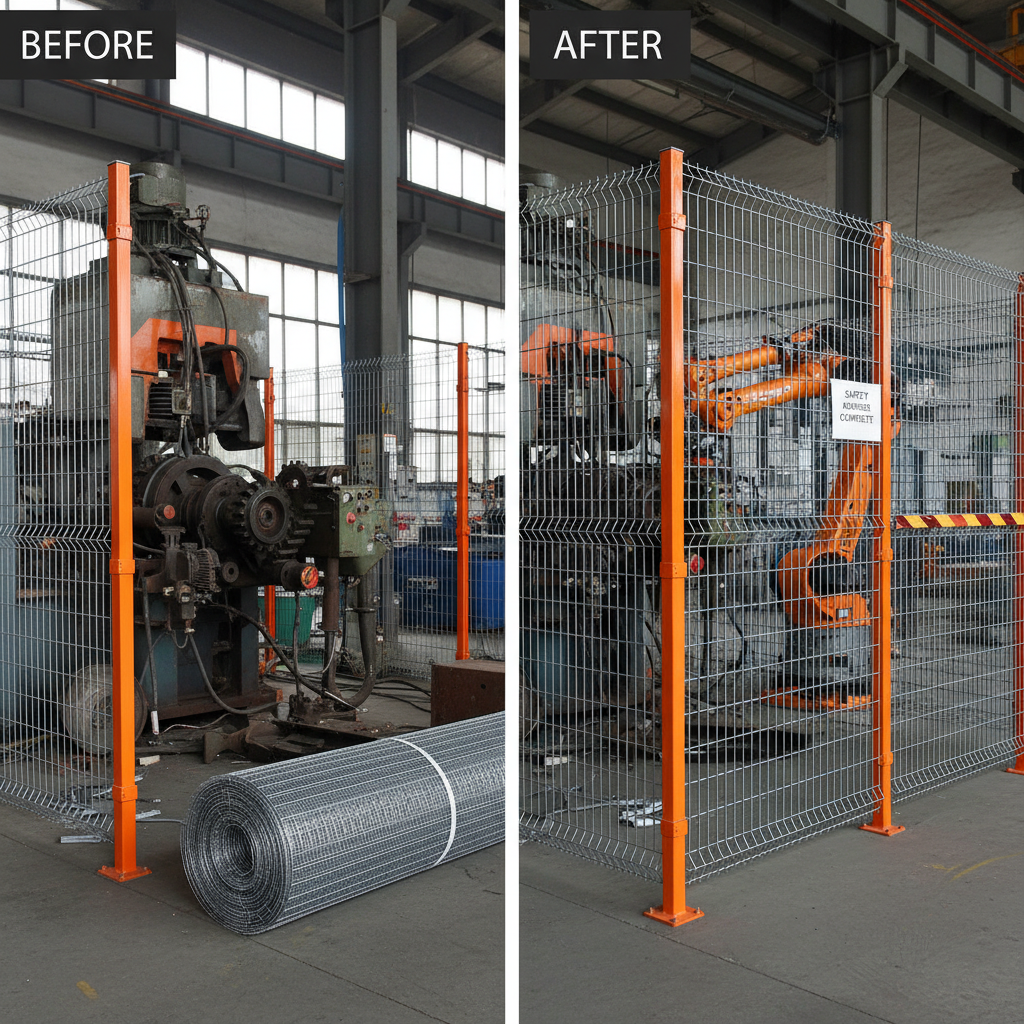
Comprehensive Guide to Durable 1 Inch Wire Mesh Fencing Solutions
When establishing secure perimeters for residential, agricultural, industrial, or commercial properties, choosing the right fencing material is crucial. 1 inch wire mesh fencing is a popular and versatile option, known for its durability, security, and cost-effectiveness. This article will provide a comprehensive overview of 1 inch wire mesh fencing, covering its applications, benefits, materials, installation, and maintenance. We'll explore how this fencing solution can provide long-lasting security and peace of mind for your property.
2026-03-26 03:17:15
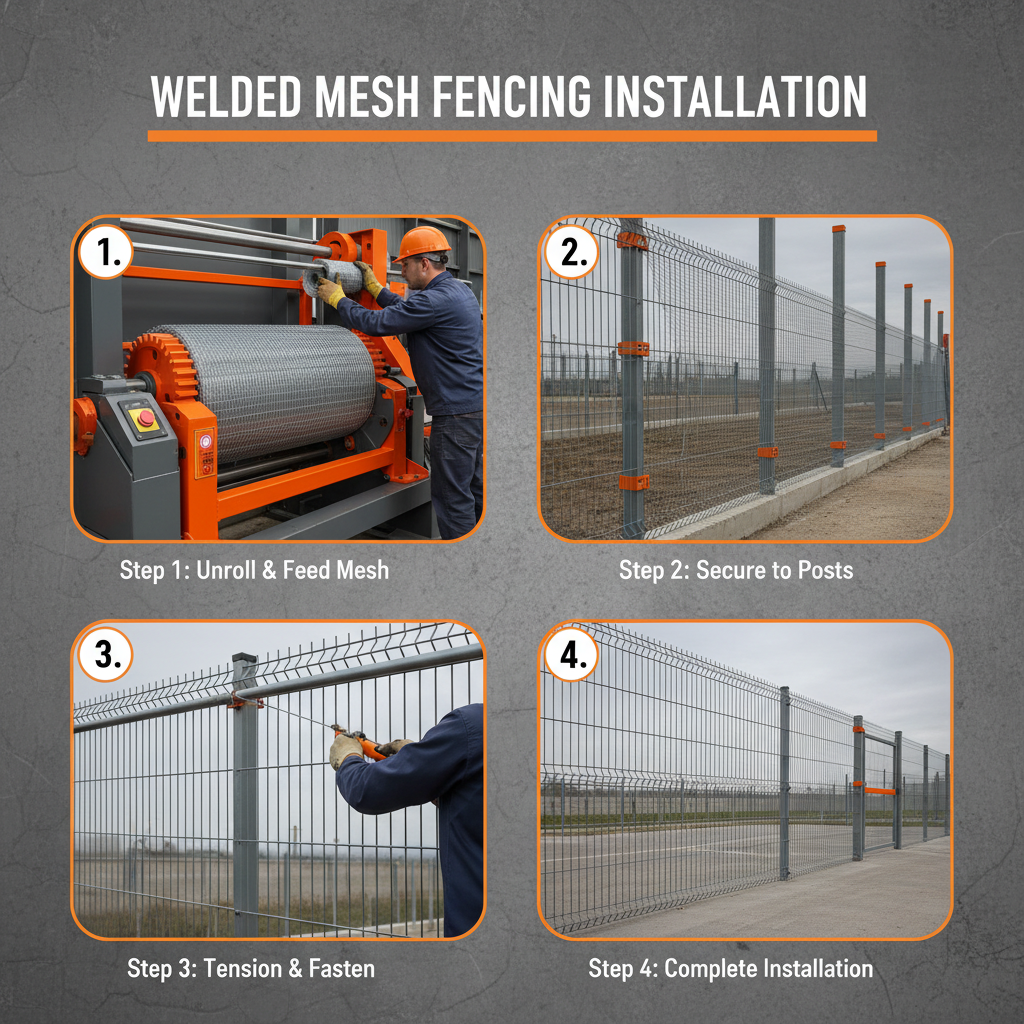
Comprehensive Guide to Welded Mesh Fencing 1.8m for Security and Versatility
Welded mesh fencing is a robust and versatile solution for a wide range of applications, from securing perimeters to containing livestock. Specifically, welded mesh fencing 1.8m height offers an excellent balance of security, visibility, and cost-effectiveness. This article will explore the benefits, applications, installation considerations, and variations of this popular fencing option. We'll delve into why it’s a preferred choice for both residential and commercial properties. Choosing the right fencing is crucial for safety and security, and we’ll guide you through making the best decision. Welded mesh fencing 1.8m provides several key advantages over traditional fencing materials. Its rigid construction offers excellent resistance to climbing and cutting, enhancing security. The open mesh design allows for good visibility, which is important for surveillance and aesthetic purposes.
2026-03-24 03:20:18
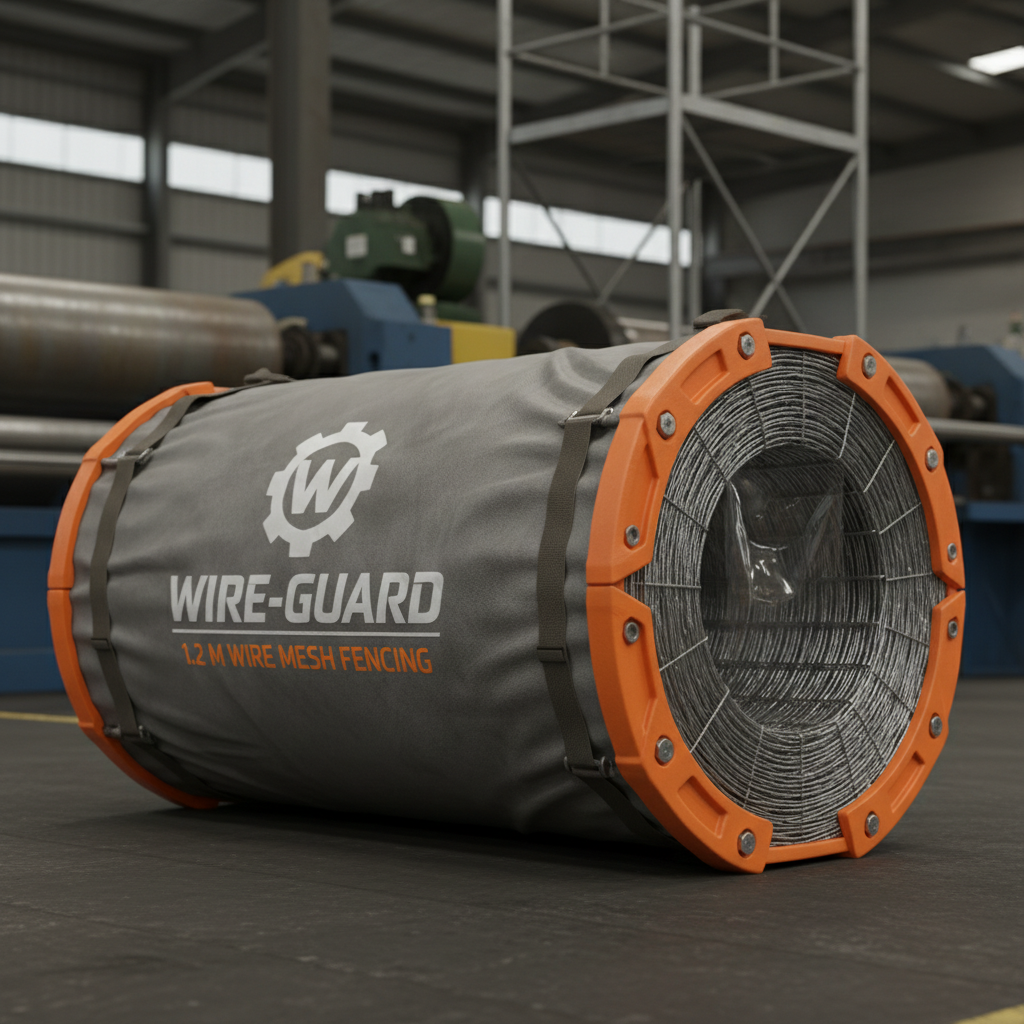
Comprehensive Guide to Durable 1.2 m Wire Mesh Fencing Solutions
When securing properties, livestock, or construction sites, choosing the right fencing material is crucial. 1.2 m wire mesh fencing offers a robust, versatile, and cost-effective solution. This article will explore the benefits, applications, installation, and maintenance of 1.2m wire mesh fencing, providing a thorough overview for homeowners, farmers, and contractors. Selecting the appropriate fencing enhances security, defines boundaries, and contributes to a safe environment. The robust construction provides excellent security, deterring intruders and containing animals. The galvanized or PVC-coated finish offers exceptional corrosion resistance, ensuring long-lasting durability even in harsh weather conditions. The mesh design allows for good visibility, which is ideal for residential and commercial properties where aesthetics are a concern. Furthermore, the relatively low cost compared to other fencing options makes it an economical choice for large areas. The ease of installation and low maintenance requirements add to its appeal.


 English