




Hebei Jinjiu Metal Products Co.,Ltd


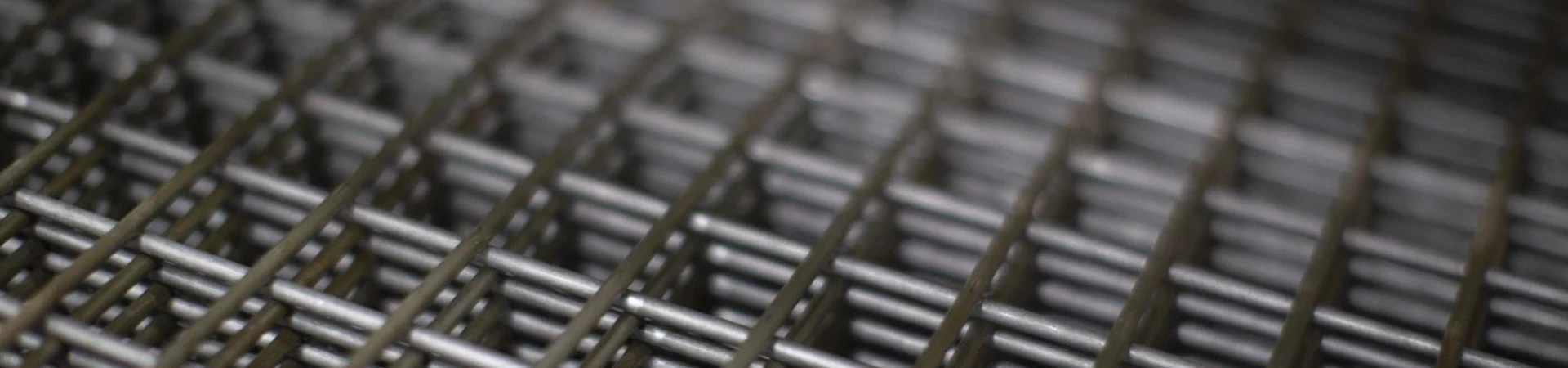

Expert Insights from a Metal Fence Company on Durability and Installation
Feb . 01, 2026 06:09
Look, I’ve been running around construction sites for, well, too long to remember. You see a lot, you learn a lot. Lately, it's all about prefabrication and modular stuff. Everyone’s chasing speed, trying to cut down on site labor. It’s good, don’t get me wrong, but it also introduces a whole new set of headaches. To be honest, a lot of folks are jumping on the bandwagon without really thinking things through.
I saw a project in Shanghai last year where they were using these fancy composite panels... looked great on paper. But the crews couldn't figure out how to cut them cleanly without the whole thing splintering. Huge waste of time and material. Have you noticed that? The design guys always seem to forget what it's actually like on the ground.
Anyway, let's talk about metal fencing. It’s not glamorous, but it's essential. We mostly deal with galvanized steel, sometimes stainless if the client’s got deep pockets and is near the coast. That galvanized stuff, you can smell it, that zinc coating. It’s rough on your hands if you’re handling it a lot, gets under your fingernails. We also use a lot of aluminum, lighter obviously, but… well, it just doesn’t feel as robust, you know?
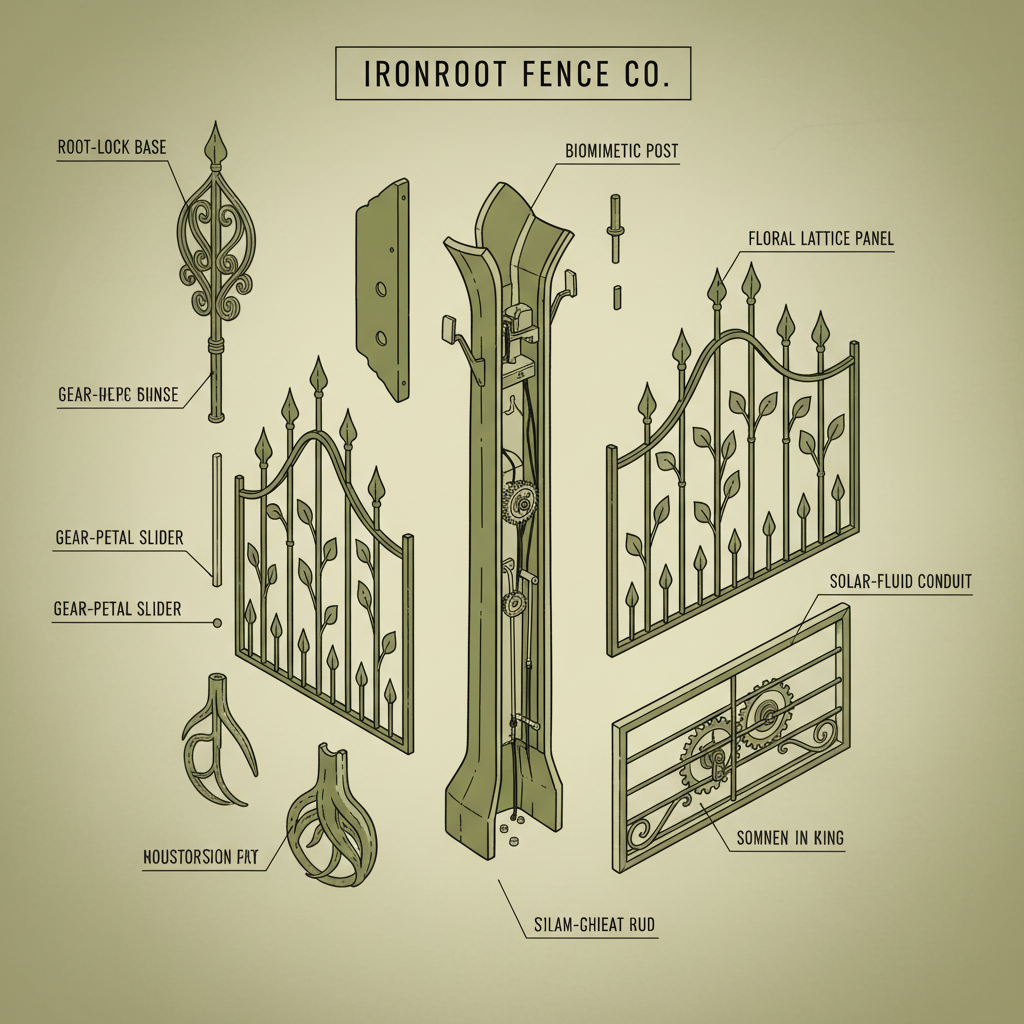
Industry Trends and Common Pitfalls
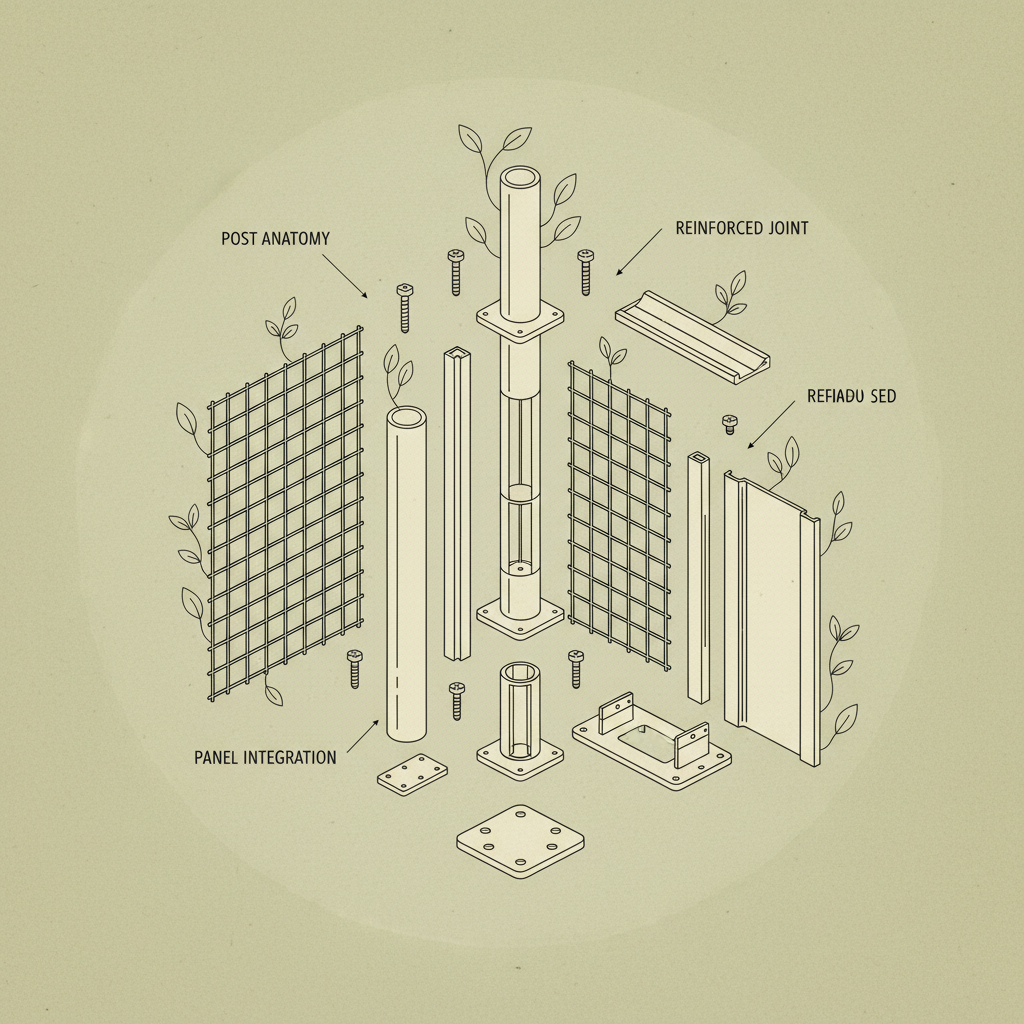
Strangely enough, everyone's obsessed with aesthetics these days. They want fences that look a certain way, often ignoring the practicalities. I encountered this at a factory in Tianjin last time – they were making these incredibly ornate wrought iron fences, beautiful stuff, but the welds were weak. Didn’t last a season.
The biggest pitfall? Underestimating the environment. Coastal areas need stainless, obviously. But even inland, you’ve got to consider things like industrial fallout, acid rain… stuff that’ll eat away at the metal. People think galvanizing is a magic bullet, it’s not. It needs proper maintenance.
FAQS
For saltwater, you really need 316 stainless steel. It’s more expensive than standard stainless or galvanized, but it's much more resistant to corrosion. Galvanized will rust through fairly quickly. Even 304 stainless can suffer pitting corrosion over time in a harsh marine environment. Don't skimp on this – it’ll cost you more in the long run to replace it. We always recommend a heavier gauge for coastal applications too, just for extra durability.
That depends entirely on the environment, honestly. In a dry, inland area, a properly galvanized fence could last 20-30 years with minimal maintenance. Near the coast, or in an industrial area, you’re looking at maybe 10-15 years before you start seeing significant rust. Regular cleaning and painting can extend that lifespan, but eventually, the zinc coating will wear through. Think about annual inspections, especially in harsher climates.
Yes, in most cases. Powder coating provides a much more durable and attractive finish than paint. It’s also more resistant to chipping and scratching. It will add to the upfront cost, but it reduces long-term maintenance. The color options are better too. It’s a good investment if you want a fence that looks good and lasts a long time. However, a scratch will eventually expose the metal underneath, so it’s not foolproof.
Preparation is key! First, you need to remove any loose rust or old paint with a wire brush or grinder. Then, thoroughly clean the surface with a degreaser. After that, apply a rust-inhibiting primer. Let it dry completely before applying the topcoat. Don’t paint over rust! It’ll just bubble up and flake off. And always use a good quality paint specifically designed for metal surfaces.
Absolutely. We can rack the fence panels to follow the contours of the land. It requires more labor, but it’s often necessary. We can also use different post heights, or even step the fence in sections. It’s all about finding a solution that looks good and is structurally sound. Sometimes, a little on-site fabrication is required to get the perfect fit.
Lead times vary depending on the complexity of the design and our current workload. Generally, you’re looking at 4-6 weeks for a standard order, and 8-12 weeks for a highly customized project. Supply chain issues can also impact lead times, so it’s always best to plan ahead. Getting the shop drawings approved quickly is crucial to keep things moving smoothly.
Conclusion
So, there you have it. Metal fencing isn’t glamorous, but it's a critical component of any project. Choosing the right materials, understanding the environmental factors, and paying attention to detail are all essential for a successful installation. It’s about more than just aesthetics; it’s about durability, security, and long-term value.
Ultimately, whether this thing works or not, the worker will know the moment he tightens the screw. And if you want to learn more about our metal fencing solutions, visit our website at www.jinshieldmesh.com. We're happy to discuss your project and provide a customized quote.

Related Products
Related News

2026-04-16 03:16:12
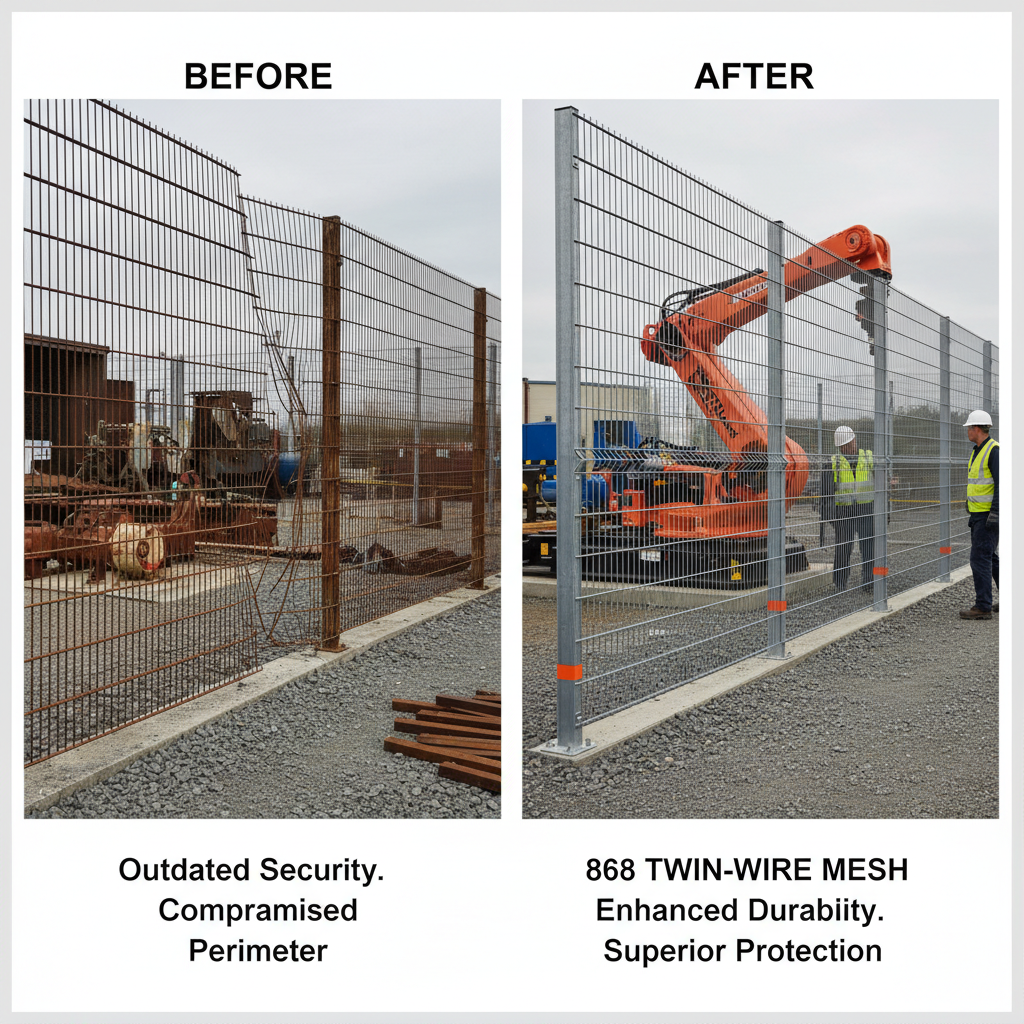
High Security Anti Climb 868 Mesh Fencing for Industrial Properties
When it comes to high-security perimeter protection, 868 mesh fencing stands as the gold standard for industrial and commercial properties. Designed to be virtually impenetrable while maintaining a clean, modern aesthetic, this specialized fencing system offers a unique combination of strength and visibility. Whether you are securing a government facility, a warehouse, or a private estate, understanding the technical advantages of the 868 system is crucial for making an informed investment. In this guide, we will explore why this specific mesh configuration is preferred by security experts worldwide.
2026-04-09 03:17:58
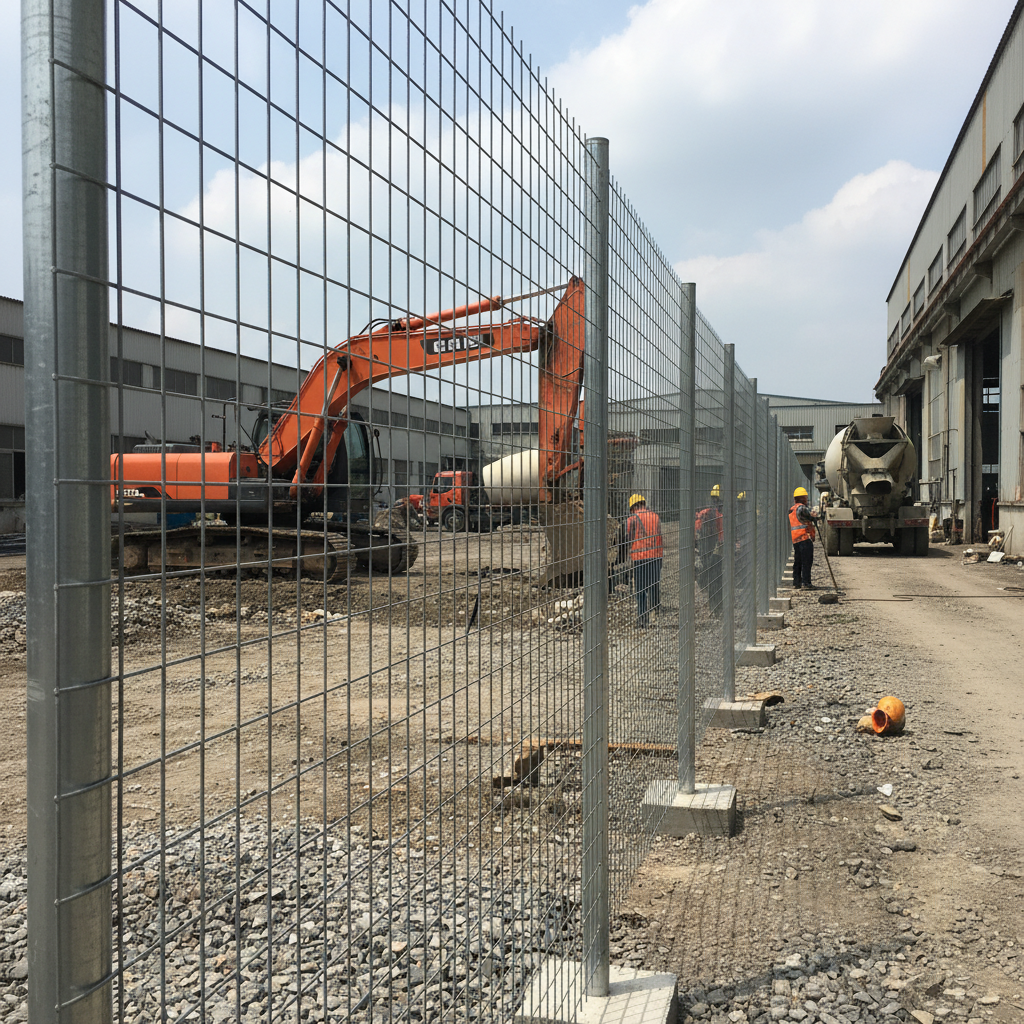
Ultimate Guide to 6ft Mesh Fencing for Security and Privacy
When it comes to establishing a secure perimeter, 6ft mesh fencing is widely regarded as the gold standard for balancing visibility with robust protection. Whether you are securing a commercial warehouse, a residential backyard, or an industrial site, the six-foot height provides a psychological and physical deterrent that lower fences simply cannot match. In this comprehensive guide, we will explore why this specific height is preferred, the materials that ensure longevity, and how to choose the right mesh configuration for your specific needs to ensure maximum ROI and safety.
2026-04-07 03:08:15
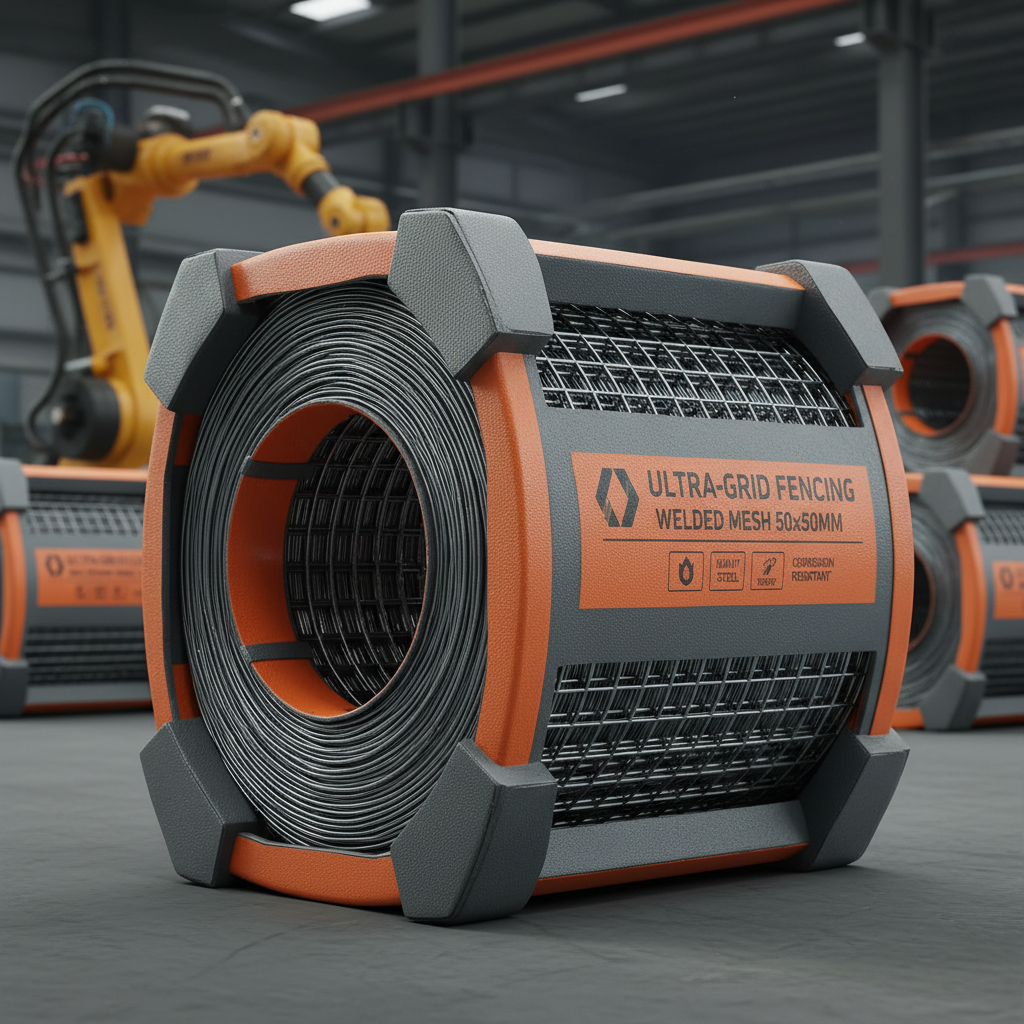
Comprehensive Guide to Welded Mesh Fencing 50x50 for Secure Enclosures
When securing your property or creating enclosures, choosing the right fencing material is crucial. Welded mesh fencing 50x50 offers a robust, versatile, and cost-effective solution for a wide range of applications. This article dives deep into the benefits, specifications, applications, and considerations when selecting this popular fencing option. Whether you’re a homeowner, agricultural business owner, or industrial facility manager, understanding the nuances of welded mesh fencing will empower you to make an informed decision.
2026-04-04 03:18:08
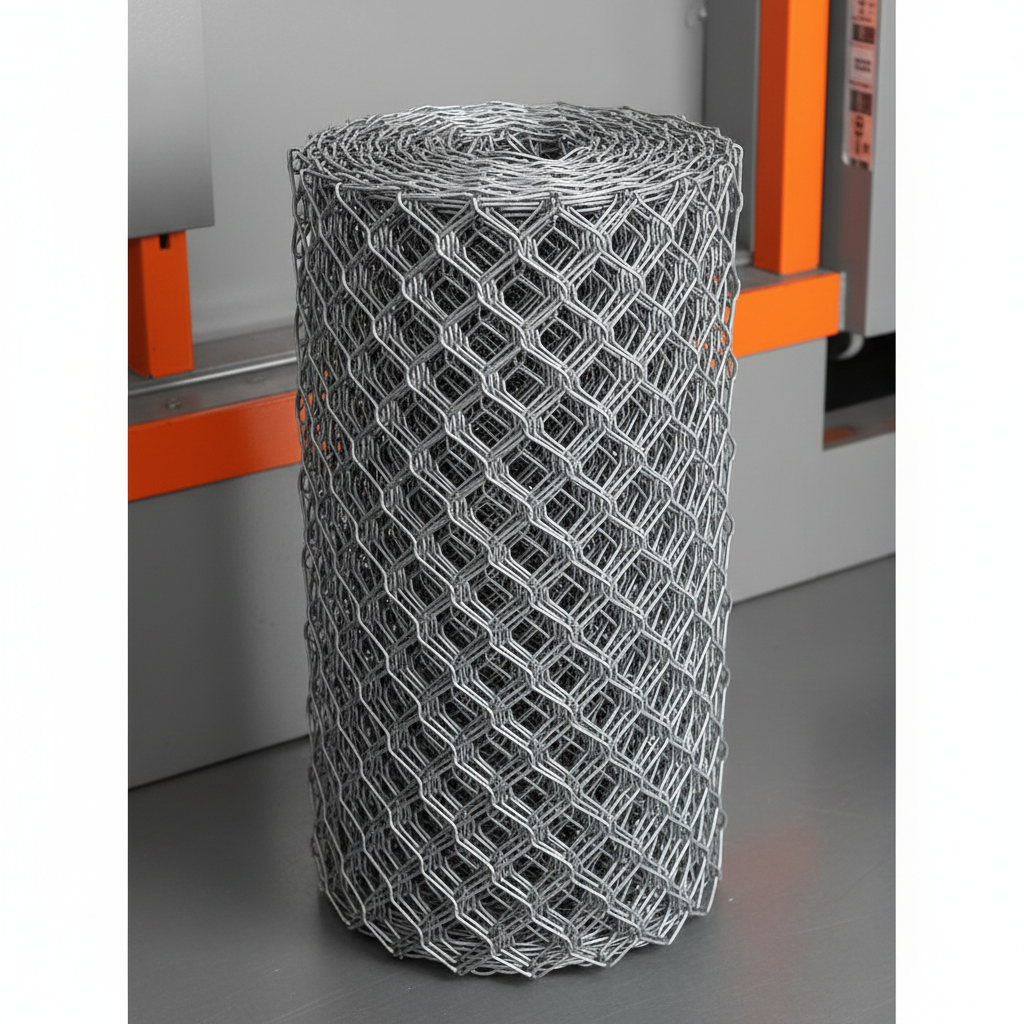
Comprehensive Guide to Durable and Affordable 4ft Wire Mesh Fencing Solutions
4ft wire mesh fencing is a versatile and cost-effective solution for a wide range of applications, from securing residential properties to enclosing industrial sites. Its robust construction and ease of installation make it a popular choice for both DIY projects and professional installations. This article will explore the benefits, applications, different types, installation guidelines, and maintenance tips for 4ft wire mesh fencing, helping you make an informed decision for your fencing needs. Choosing the right fencing is crucial for security, safety, and property value.
2026-03-31 03:15:14
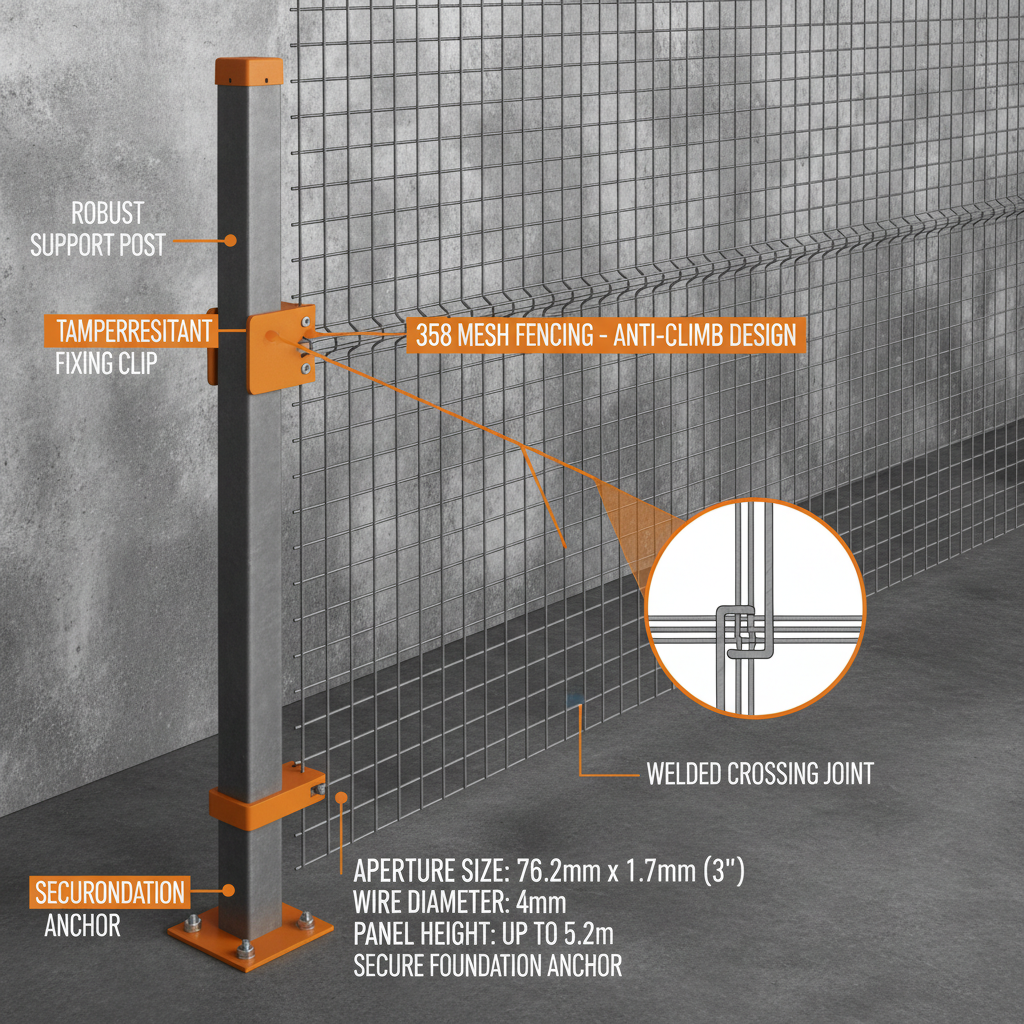
Comprehensive Guide to 358 Mesh Fencing Security Applications and Benefits
When it comes to perimeter security, choosing the right fencing solution is crucial. 358 mesh fencing has emerged as a popular and highly effective option, offering exceptional security and durability. This article provides a comprehensive guide to 358 mesh fencing, covering its key features, applications, benefits, and considerations for installation. We’ll explore why this type of fencing is increasingly preferred by commercial, industrial, and residential clients seeking robust security solutions.
2026-03-28 03:27:34
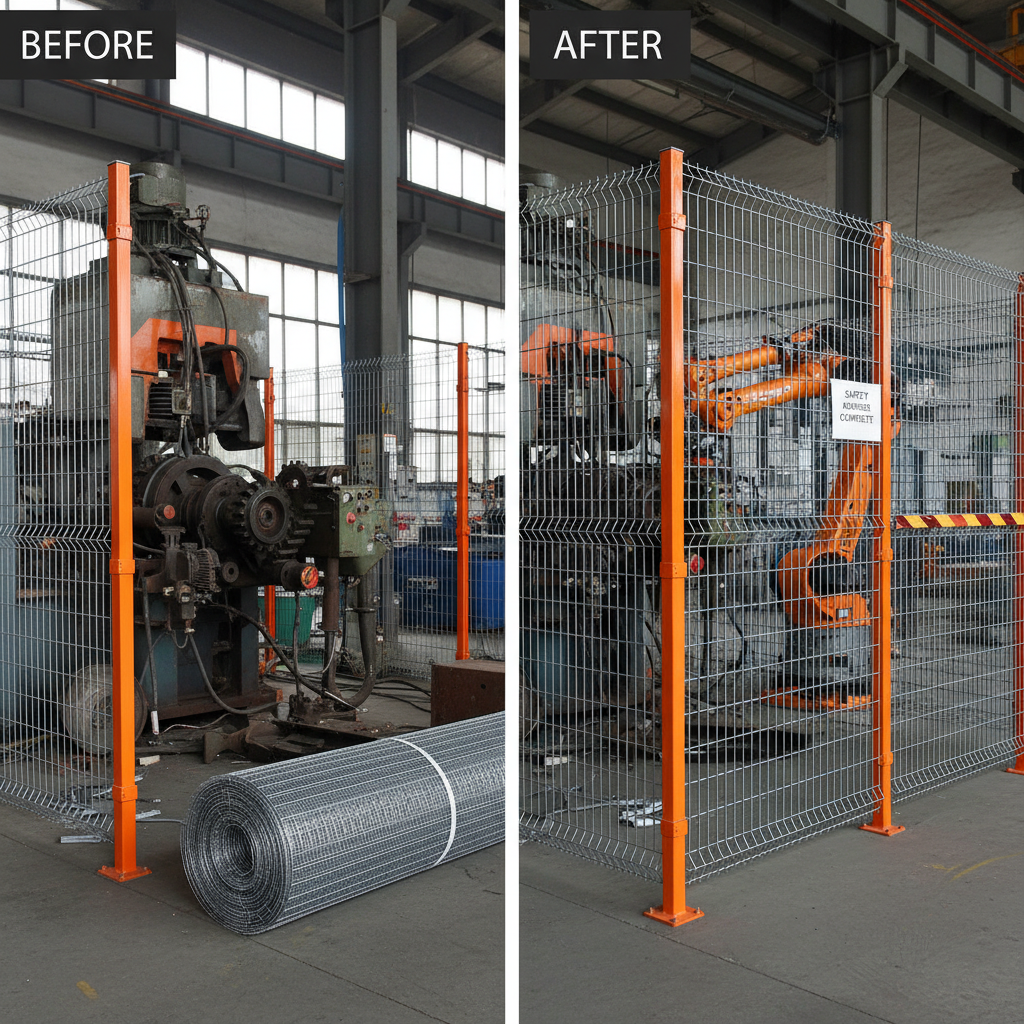
Comprehensive Guide to Durable 1 Inch Wire Mesh Fencing Solutions
When establishing secure perimeters for residential, agricultural, industrial, or commercial properties, choosing the right fencing material is crucial. 1 inch wire mesh fencing is a popular and versatile option, known for its durability, security, and cost-effectiveness. This article will provide a comprehensive overview of 1 inch wire mesh fencing, covering its applications, benefits, materials, installation, and maintenance. We'll explore how this fencing solution can provide long-lasting security and peace of mind for your property.
2026-03-26 03:17:15
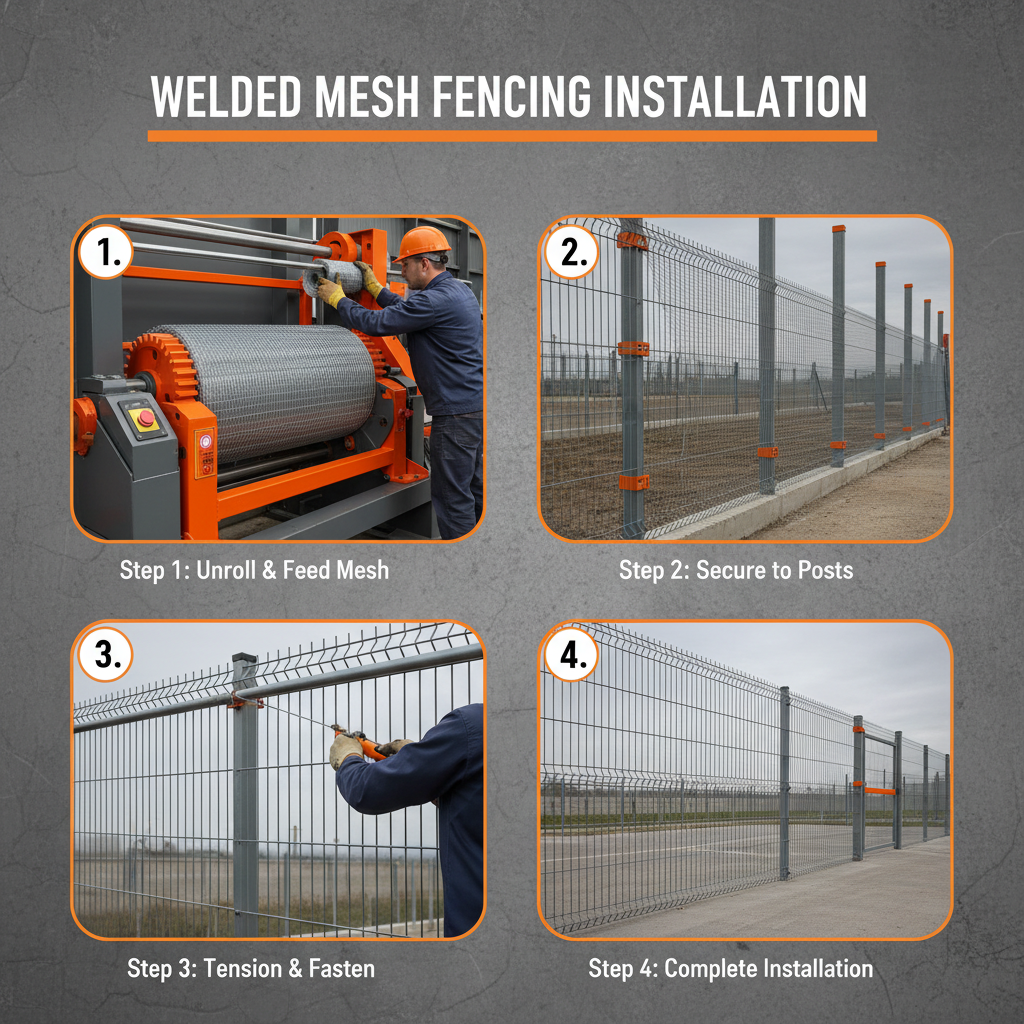
Comprehensive Guide to Welded Mesh Fencing 1.8m for Security and Versatility
Welded mesh fencing is a robust and versatile solution for a wide range of applications, from securing perimeters to containing livestock. Specifically, welded mesh fencing 1.8m height offers an excellent balance of security, visibility, and cost-effectiveness. This article will explore the benefits, applications, installation considerations, and variations of this popular fencing option. We'll delve into why it’s a preferred choice for both residential and commercial properties. Choosing the right fencing is crucial for safety and security, and we’ll guide you through making the best decision. Welded mesh fencing 1.8m provides several key advantages over traditional fencing materials. Its rigid construction offers excellent resistance to climbing and cutting, enhancing security. The open mesh design allows for good visibility, which is important for surveillance and aesthetic purposes.
2026-03-24 03:20:18
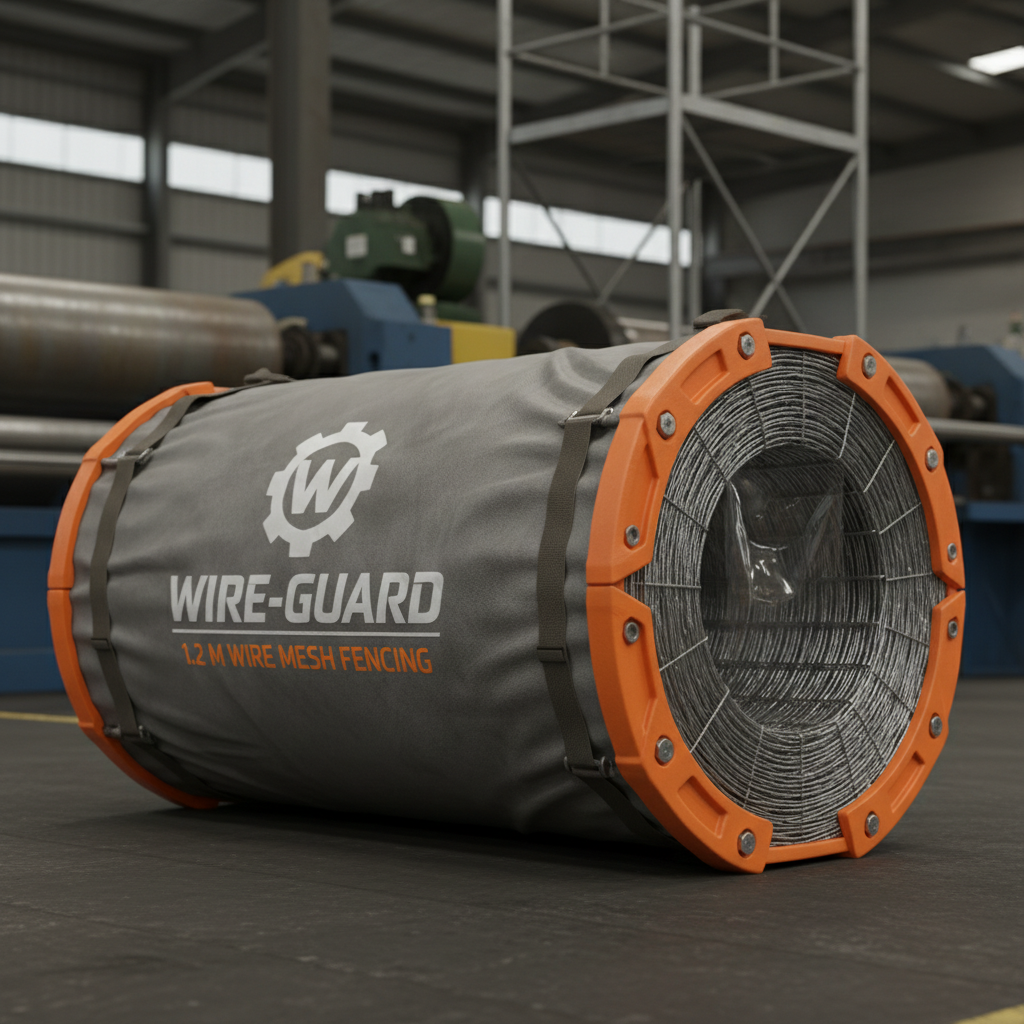
Comprehensive Guide to Durable 1.2 m Wire Mesh Fencing Solutions
When securing properties, livestock, or construction sites, choosing the right fencing material is crucial. 1.2 m wire mesh fencing offers a robust, versatile, and cost-effective solution. This article will explore the benefits, applications, installation, and maintenance of 1.2m wire mesh fencing, providing a thorough overview for homeowners, farmers, and contractors. Selecting the appropriate fencing enhances security, defines boundaries, and contributes to a safe environment. The robust construction provides excellent security, deterring intruders and containing animals. The galvanized or PVC-coated finish offers exceptional corrosion resistance, ensuring long-lasting durability even in harsh weather conditions. The mesh design allows for good visibility, which is ideal for residential and commercial properties where aesthetics are a concern. Furthermore, the relatively low cost compared to other fencing options makes it an economical choice for large areas. The ease of installation and low maintenance requirements add to its appeal.


 English