


Hebei Jinjiu Metal Products Co.,Ltd
Selecting a high-security perimeter system often comes down to a critical balance between deterrent power and legal compliance. For many facility managers and security consultants, the primary objective is to find a system that not only prevents unauthorized entry but also meets stringent international safety standards to mitigate liability.
The shift toward electrified security has been driven by the need for active deterrence—systems that provide immediate feedback to an intruder rather than simply acting as a physical barrier. In the European market and beyond, the CE mark serves as the definitive benchmark, ensuring that high-voltage systems are designed to be effective yet safe for the public when installed correctly.
When searching for a ce certification high voltage electric fence for sale, understanding the technical requirements of the energizer and the integration of the physical mesh is paramount. This guide examines the selection criteria and operational logic required to implement a compliant, high-voltage security perimeter.


CE certification is more than a regulatory hurdle; it is a safety guarantee. For high-voltage electric fences, the CE mark indicates that the equipment—specifically the energizer—meets the Low Voltage Directive (LVD) and the Electromagnetic Compatibility (EMC) Directive. This ensures that the pulse delivered is a non-lethal, high-voltage shock designed to repel, not to cause permanent harm.
Without this certification, operators risk significant legal liabilities and safety failures. A certified system ensures that the energy discharge is timed and measured, preventing continuous current flow which could lead to lethal accidents. This makes CE-certified systems the standard for any commercial or government project seeking a reliable and legally defensible security solution.
An electrified security system consists of three primary layers: the energizer, the conducting wires, and the insulation system. The energizer is the "brain" of the operation, converting standard AC power into high-voltage pulses. These pulses travel through the wires, creating an electrified field that serves as both a psychological and physical deterrent.
The conducting elements must be paired with high-grade insulators to prevent the energy from leaking into the support posts, which would cause "false alarms" or system failure. The quality of these insulators often determines the overall efficiency of the fence, especially in humid or coastal environments where salt spray can increase conductivity.
Modern systems also incorporate monitoring software that can detect the exact point of a breach. By measuring the voltage drop along the line, the system can alert security personnel to the precise zone where the fence has been cut or grounded, drastically reducing response times during an intrusion event.
The effectiveness of an electric fence is not determined by the maximum voltage alone, but by the pulse energy (measured in Joules) and the pulse interval. A system with very high voltage but low energy may be easily bypassed by intruders wearing insulated clothing, whereas a balanced system provides a sharp, unmistakable shock.
The core objective of a professional electric fence is to maximize the psychological deterrent through controlled, non-lethal energy pulses that trigger a flight response without violating safety directives.
Compliance with CE standards requires that the pulse duration remains extremely short. This ensures that the muscle contraction caused by the shock does not "lock" the person to the wire, allowing them to pull away instantly. This technical nuance is what separates professional security grade equipment from agricultural fencing.
Depending on the asset being protected, the required "intensity" of the electric fence varies. A residential boundary requires a different energy profile than a national prison or a military installation. The goal is to match the deterrent level to the likely threat profile of the site.
The following index provides a relative assessment of how different security configurations perform in terms of deterrent power, cost-efficiency, and installation complexity.
In a typical industrial setting, such as a warehouse or a chemical plant, an electric fence is rarely used in isolation. Instead, it is integrated as a "warning layer." For example, a facility may employ a galvanized chain link fence as the primary physical barrier, with a CE-certified high-voltage system installed on top. This combination ensures that an intruder is first blocked by steel and then deterred by electricity.
For high-security government sites, the logic shifts toward "detection and delay." Here, the electric fence is linked to a central command center. The moment the voltage drops—indicating a cut wire or a grounded line—an alarm is triggered, and CCTV cameras automatically pivot to the affected zone. This integrated approach transforms a simple fence into a comprehensive security sensor.
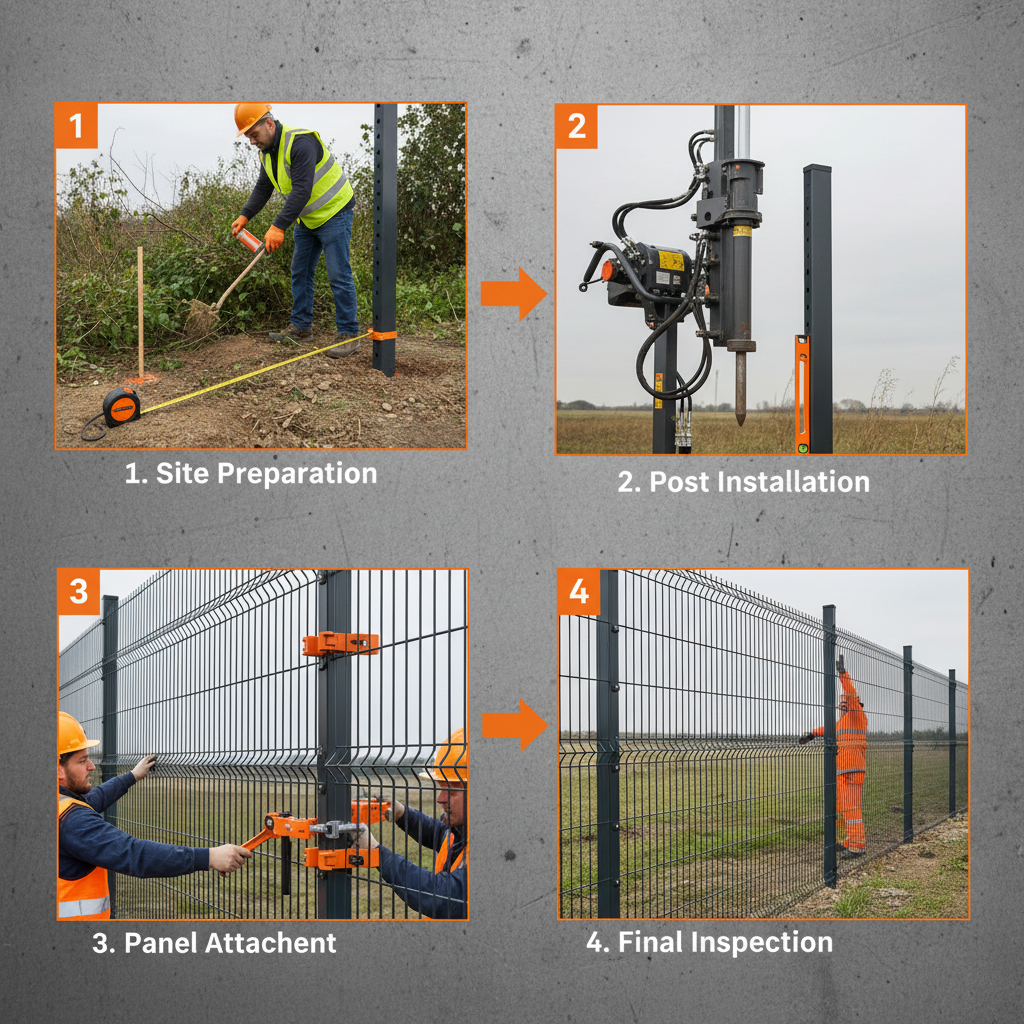
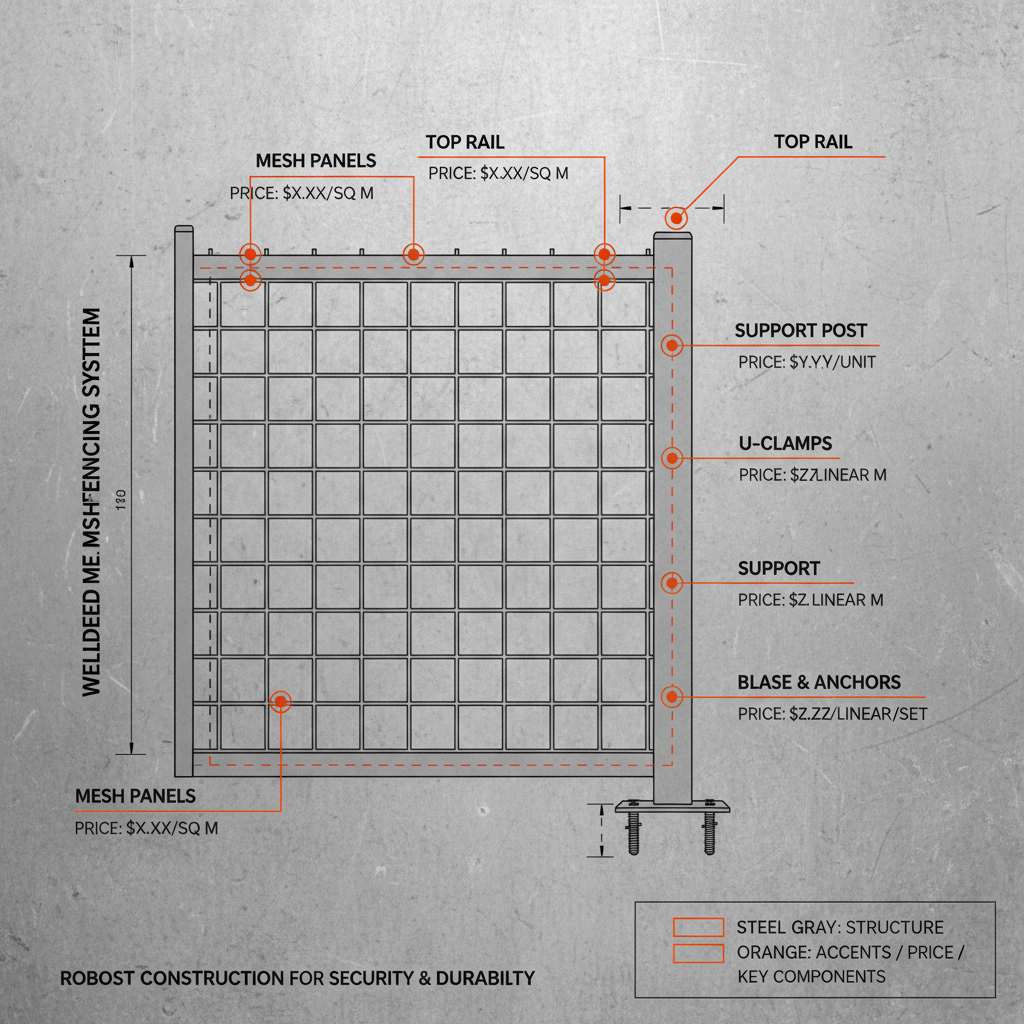
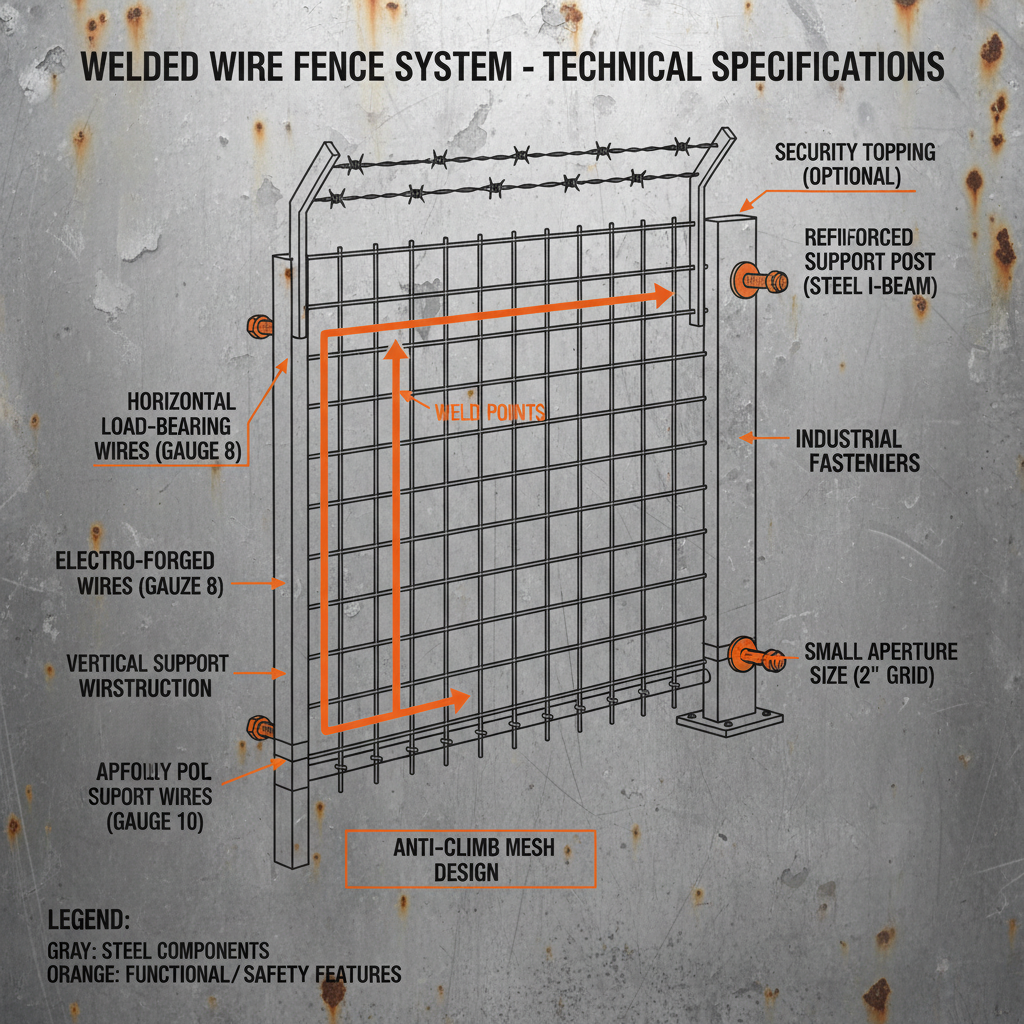
The synergy between passive and active security is where the most effective perimeters are built. While an electric fence provides the shock, the physical substrate—such as the JS-Electric Fence or JS-Metal Security Fencing—provides the structural integrity. A weak physical fence can be easily knocked over, rendering the high-voltage wires useless.
When selecting the base fence, materials like hot-dipped galvanized steel are preferred for their resistance to corrosion. In coastal areas, PVC-coated chain link fences are often used to support electric wires, as the plastic coating prevents the salt air from degrading the steel, which would otherwise compromise the grounding of the entire system.
Furthermore, the addition of razor wire or wall spikes in conjunction with high voltage creates a multi-tiered deterrent. The razor wire provides a physical "snag," while the high voltage provides an immediate neurological shock, effectively eliminating any attempt to climb the perimeter.
Buyers often make the mistake of choosing the system with the highest voltage available. However, professional selection should be based on the "Threat-Response-Compliance" framework. First, define the threat (climbing, cutting, or crashing); second, determine the necessary response (deterrence or detection); and third, ensure the hardware is compliant with local and international laws (CE certification).
Cost-benefit analysis should also include long-term maintenance. High-voltage systems require periodic testing of the energizer's output and inspection of the insulators. A cheaper, non-certified system may lead to higher maintenance costs due to frequent electrical leaks and a higher risk of legal penalties.
Ultimately, the ideal choice is a system that balances power with precision. Whether utilizing a dual-layer perimeter or a specialized security mesh, the integration of a certified high-voltage component ensures that the fence is a proactive security asset rather than a passive wall.
| Configuration Type | Deterrent Level | Compliance Need | Typical Application |
|---|---|---|---|
| Passive Mesh Only | Low | Minimal | Residential Gardens |
| Mesh + Razor Wire | Medium | Moderate | Commercial Yards |
| CE Electric Fence | High | Strict (LVD/EMC) | Industrial Warehouses |
| Electric + Razor Wire | Very High | Strict | Correctional Facilities |
| Dual-Layer Electric | Extreme | Strict | Military Bases |
| Integrated Smart Fence | Extreme | Strict | Critical Infrastructure |
CE certification indicates that the electric fence energizer complies with European health, safety, and environmental protection standards. Specifically, it confirms the device meets the Low Voltage Directive and Electromagnetic Compatibility standards, ensuring the shock delivered is a non-lethal pulse. This prevents the current from becoming continuous, which could otherwise be fatal, and ensures the device does not interfere with other electronic equipment on site.
Yes, but they are subject to strict local zoning laws and safety regulations. In residential settings, the voltage is typically lower than in industrial settings, and the fence must be clearly marked with warning signs at regular intervals. It is critical to use CE-certified equipment in residential areas to ensure the safety of children and pets, as these systems are designed to repel without causing permanent injury.
Selection should be based on the length of the fence line and the environmental conditions. Longer fence lines experience more "voltage drop," requiring a more powerful energizer to maintain a deterrent shock at the end of the circuit. Additionally, areas with heavy vegetation require higher energy (measured in Joules) to overcome the leakage caused by grass or branches touching the wires.
They serve different purposes. Razor wire is a passive physical deterrent that works by causing injury upon contact and making climbing difficult. A high-voltage fence is an active deterrent that provides an immediate neurological shock and can trigger an alarm. For maximum security, the two are often combined, as the electric fence provides the "alert" and the razor wire provides the "physical delay."
Regular maintenance is essential for system reliability. This includes checking the tension of the wires to prevent sagging, inspecting insulators for cracks or carbon tracking, and testing the energizer output with a digital voltmeter. Clearing vegetation from the fence line is also critical, as overgrown branches can ground the system, reducing the shock intensity and causing false alarms.
No single barrier is impenetrable. A professional intruder may use insulated blankets or jumpers to bypass an electric fence. However, the primary value of a CE-certified high-voltage fence is its integration with alarm systems. While the intruder might bypass the shock, the act of grounding or cutting the wire triggers an immediate alarm, removing the element of surprise and allowing security teams to intercept the intruder quickly.
Investing in a high-voltage security system is a decision that impacts both the safety of the property and the legal standing of the owner. By prioritizing CE certification, facility managers ensure that their deterrence strategy is based on scientific safety standards rather than raw power, effectively mitigating risk while maintaining a formidable perimeter.
The most resilient security boundaries are those that blend structural strength with active intelligence. Whether you are securing a commercial warehouse or a critical infrastructure site, the integration of certified high-voltage systems with durable metal fencing provides a comprehensive shield that deters, detects, and delays unauthorized access.