






Hebei Jinjiu Metal Products Co.,Ltd


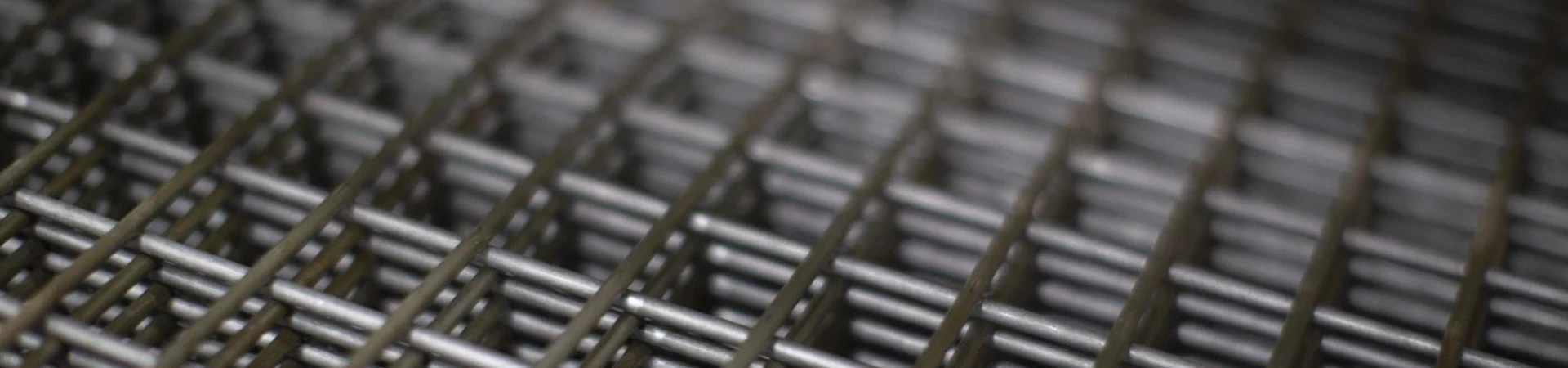

Comprehensive Guide to Welded Mesh Fencing 50x50 for Secure Enclosures
Apr . 07, 2026 03:08
Welded Mesh Fencing 50x50: A Comprehensive Guide
When securing your property or creating enclosures, choosing the right fencing material is crucial. Welded mesh fencing 50x50 offers a robust, versatile, and cost-effective solution for a wide range of applications. This article dives deep into the benefits, specifications, applications, and considerations when selecting this popular fencing option. Whether you’re a homeowner, agricultural business owner, or industrial facility manager, understanding the nuances of welded mesh fencing will empower you to make an informed decision.
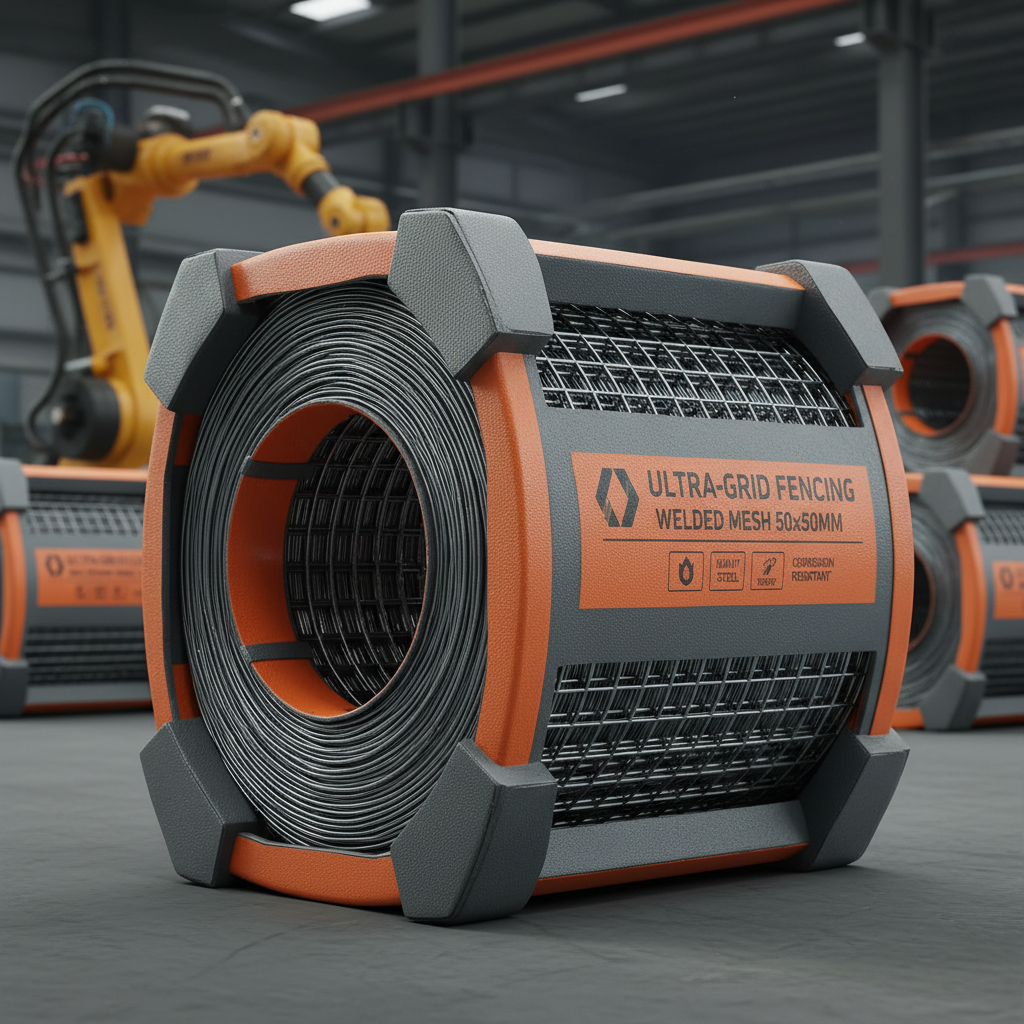
Understanding Welded Mesh Fencing 50x50
The “50x50” designation refers to the mesh aperture size—meaning 50mm x 50mm. This grid pattern is created by welding wires together at each intersection, resulting in a rigid and durable panel. This fencing is typically constructed from galvanized steel wire, offering excellent corrosion resistance. Its strength and inherent stability make it suitable for various applications, from perimeter security to animal enclosures. The simplicity of its design also contributes to ease of installation, saving time and labor costs. Choosing the right gauge (wire thickness) is essential for ensuring the longevity and security of your fencing.
Key Highlights: The 50x50 mesh size offers a good balance between visibility and security. Galvanized steel ensures long-lasting corrosion resistance. Ease of installation reduces labor costs.
Key Benefits of Choosing 50x50 Welded Mesh
Opting for welded mesh fencing 50x50 provides numerous advantages. Its robust construction deters intruders, making it a reliable security solution. The mesh design offers good visibility, which can be important for commercial properties or surveillance purposes. It’s also a relatively lightweight material, simplifying handling and installation. Furthermore, its cost-effectiveness makes it an attractive option compared to more expensive fencing materials like wrought iron or solid wood. The long lifespan, especially when using high-quality galvanized steel, translates to long-term value and minimal maintenance.
Welded Mesh Fencing Advantages:
• Enhanced security against intruders
• Good visibility for surveillance
• Lightweight and easy to install
• Cost-effective compared to other fencing options
Welded Mesh Fencing 50x50: Applications
The versatility of welded mesh fencing 50x50 makes it ideal for diverse applications. Common uses include perimeter fencing for residential properties, commercial buildings, and industrial sites. It's frequently employed in agricultural settings for livestock containment, protecting crops, and creating poultry runs. Additionally, it serves as effective security fencing for schools, parks, and recreational areas. The fencing can also be used for creating temporary enclosures for construction sites or events. The durable nature of the material ensures it can withstand varying environmental conditions.
Comparing Welded Mesh Fencing with Other Options
When considering fencing options, it’s important to compare welded mesh to alternatives. Chain-link fencing, while similarly cost-effective, doesn’t offer the same aesthetic appeal. Wood fencing requires more maintenance and is susceptible to rot and insect damage. Wrought iron fencing offers superior aesthetics but comes with a significantly higher price tag. The following table highlights key differences:
Factors to Consider When Selecting Welded Mesh Fencing
When choosing welded mesh fencing 50x50, consider the wire gauge (thickness). Thicker wire provides greater strength and durability. Also, the type of coating is crucial – galvanized steel is the most common and offers excellent corrosion resistance, but powder coating can provide additional protection and aesthetic appeal. Finally, think about the height of the fencing needed to meet your security or containment requirements.
Conclusion: Choosing the Right Fencing for Your Needs
Welded mesh fencing 50x50 provides a practical and versatile fencing solution for a multitude of applications. Its blend of affordability, durability, and ease of installation makes it a popular choice for homeowners, businesses, and agricultural operations. By considering your specific needs and the factors outlined in this guide, you can select the ideal fencing to secure your property and achieve your desired results. Explore the options available at Jinshieldmesh for high-quality fencing solutions.
Frequently Asked Questions (FAQs)
What is the typical lifespan of welded mesh fencing?
The lifespan of welded mesh fencing depends largely on the quality of the materials and the environment. With proper galvanization and installation, a welded mesh fence can last 15-20 years or even longer. Factors like exposure to saltwater, industrial pollutants, and harsh weather can accelerate corrosion and reduce the lifespan. Regular inspections and maintenance, such as cleaning and recoating, can help extend the fence's longevity.
How do I install welded mesh fencing?
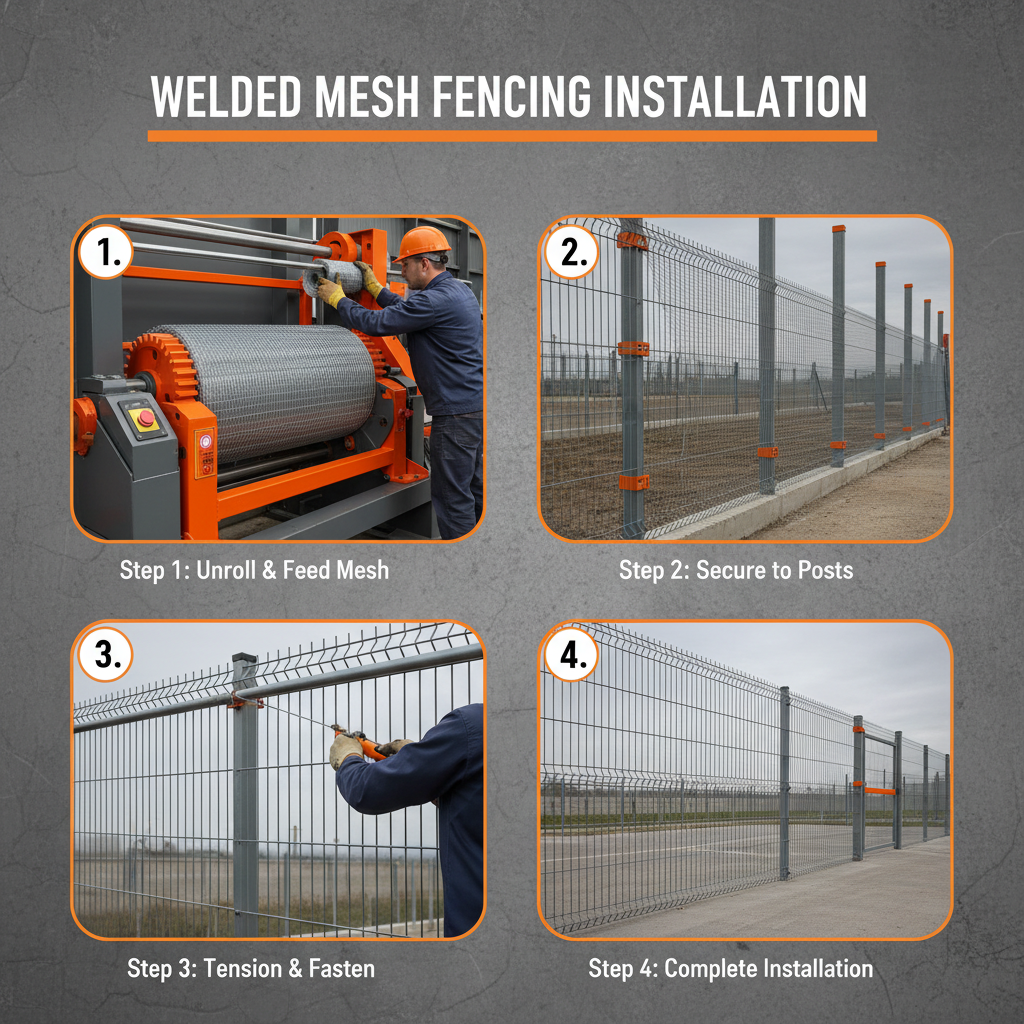
Installation typically involves setting posts at regular intervals (usually 8-10 feet apart), then attaching the mesh panels to the posts using wire, clips, or tension bands. Proper post depth and concrete setting are critical for stability. It's recommended to use a tensioning tool to ensure the mesh is taut and secure. For larger projects or complex installations, professional installation is advisable.
What is galvanization, and why is it important for welded mesh fencing?
Galvanization is the process of coating steel with zinc to protect it from corrosion. This is essential for welded mesh fencing, as it significantly extends the lifespan of the fence, especially in outdoor environments. Zinc acts as a barrier against moisture and oxygen, preventing rust formation. Different galvanization methods exist, with heavier coatings offering greater protection.
Can welded mesh fencing be used for security purposes?
Yes, welded mesh fencing offers a good level of security, particularly when combined with appropriate height and installation techniques. While not as impenetrable as solid barriers, it effectively deters casual intruders. For higher security applications, consider using thicker gauge wire, smaller mesh apertures, and additional security features like barbed wire or security topping.

Related Products
Related News

2026-04-16 03:16:12
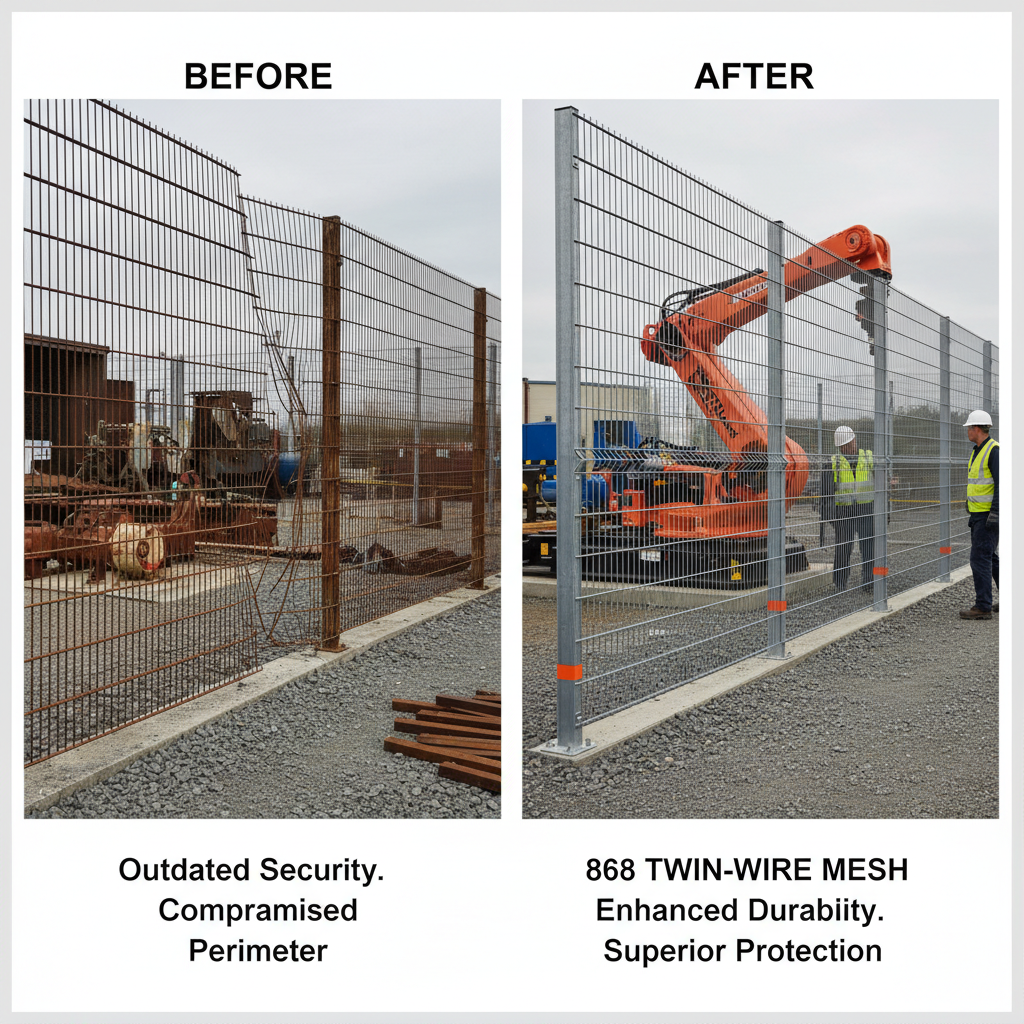
High Security Anti Climb 868 Mesh Fencing for Industrial Properties
When it comes to high-security perimeter protection, 868 mesh fencing stands as the gold standard for industrial and commercial properties. Designed to be virtually impenetrable while maintaining a clean, modern aesthetic, this specialized fencing system offers a unique combination of strength and visibility. Whether you are securing a government facility, a warehouse, or a private estate, understanding the technical advantages of the 868 system is crucial for making an informed investment. In this guide, we will explore why this specific mesh configuration is preferred by security experts worldwide.
2026-04-09 03:17:58
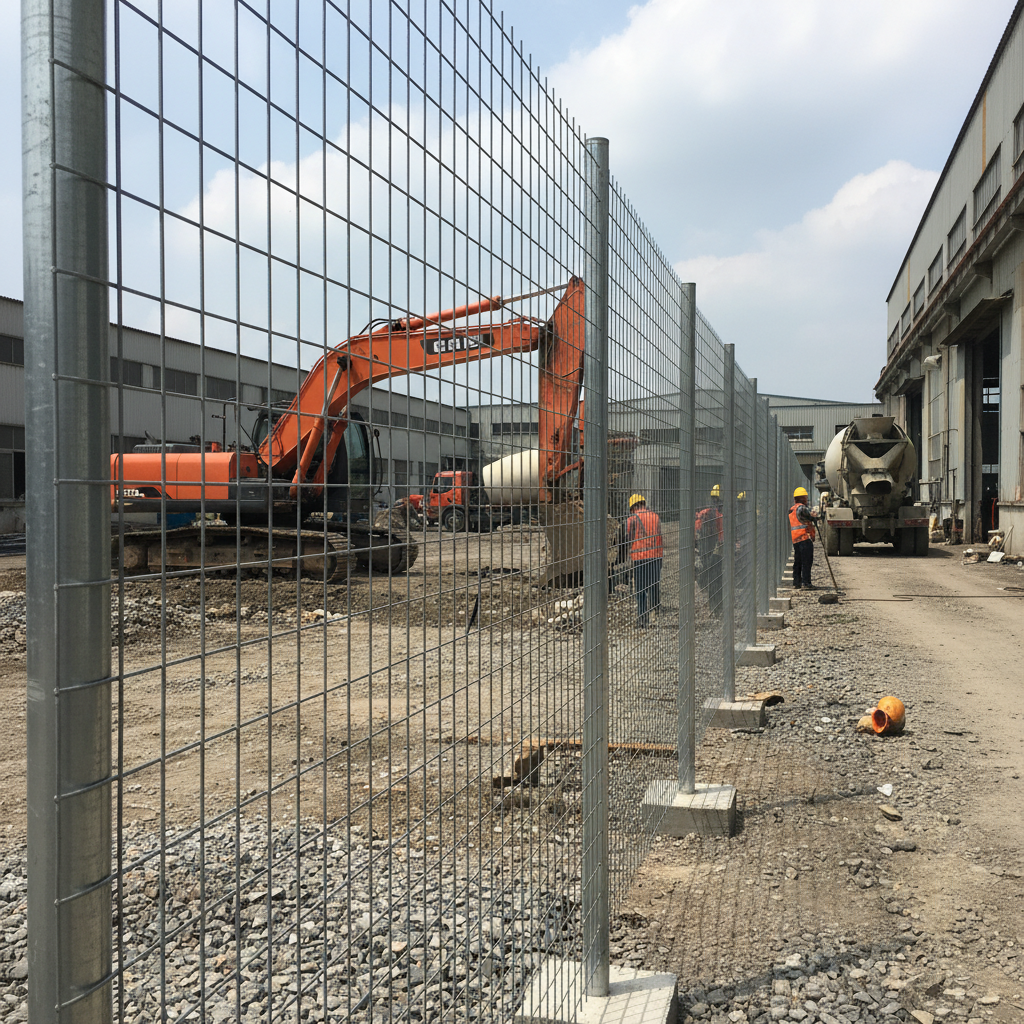
Ultimate Guide to 6ft Mesh Fencing for Security and Privacy
When it comes to establishing a secure perimeter, 6ft mesh fencing is widely regarded as the gold standard for balancing visibility with robust protection. Whether you are securing a commercial warehouse, a residential backyard, or an industrial site, the six-foot height provides a psychological and physical deterrent that lower fences simply cannot match. In this comprehensive guide, we will explore why this specific height is preferred, the materials that ensure longevity, and how to choose the right mesh configuration for your specific needs to ensure maximum ROI and safety.
2026-04-07 03:08:15
Comprehensive Guide to Welded Mesh Fencing 50x50 for Secure Enclosures
When securing your property or creating enclosures, choosing the right fencing material is crucial. Welded mesh fencing 50x50 offers a robust, versatile, and cost-effective solution for a wide range of applications. This article dives deep into the benefits, specifications, applications, and considerations when selecting this popular fencing option. Whether you’re a homeowner, agricultural business owner, or industrial facility manager, understanding the nuances of welded mesh fencing will empower you to make an informed decision.
2026-04-04 03:18:08
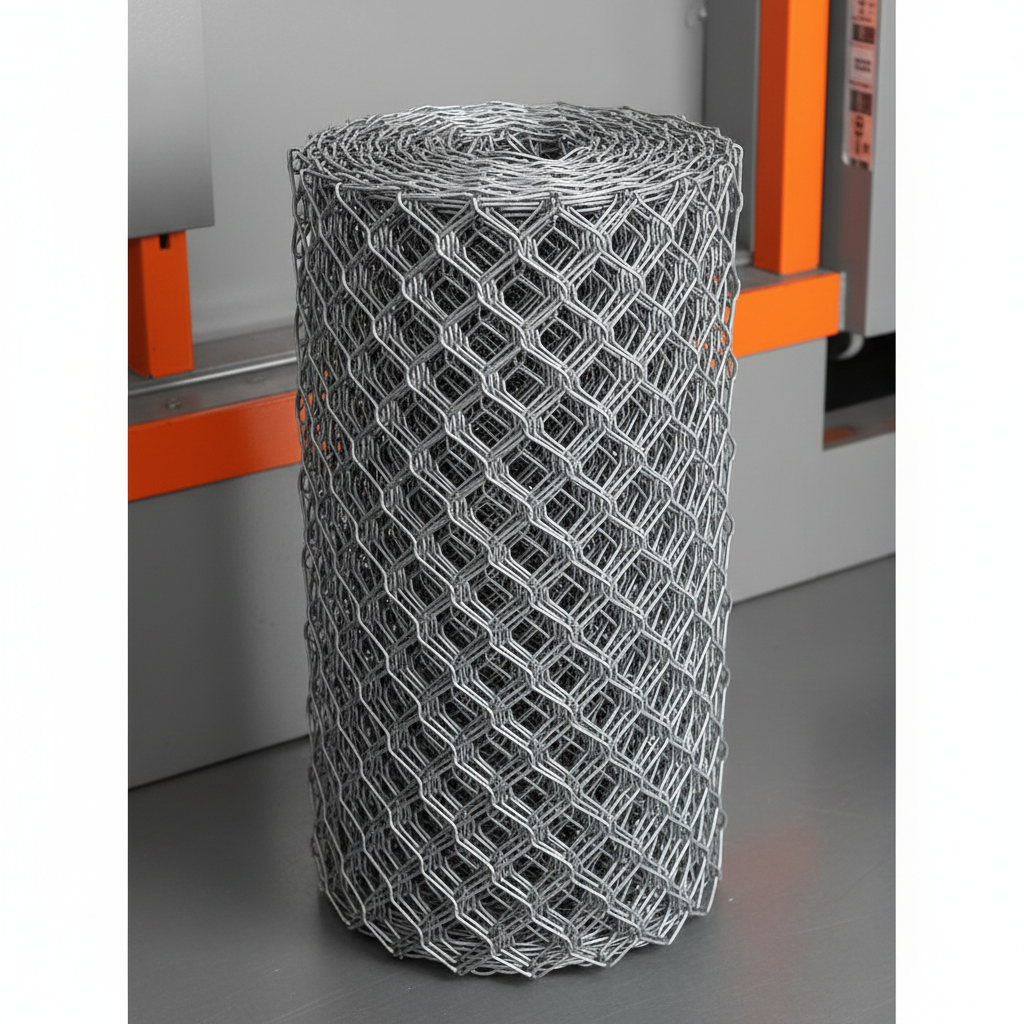
Comprehensive Guide to Durable and Affordable 4ft Wire Mesh Fencing Solutions
4ft wire mesh fencing is a versatile and cost-effective solution for a wide range of applications, from securing residential properties to enclosing industrial sites. Its robust construction and ease of installation make it a popular choice for both DIY projects and professional installations. This article will explore the benefits, applications, different types, installation guidelines, and maintenance tips for 4ft wire mesh fencing, helping you make an informed decision for your fencing needs. Choosing the right fencing is crucial for security, safety, and property value.
2026-03-31 03:15:14
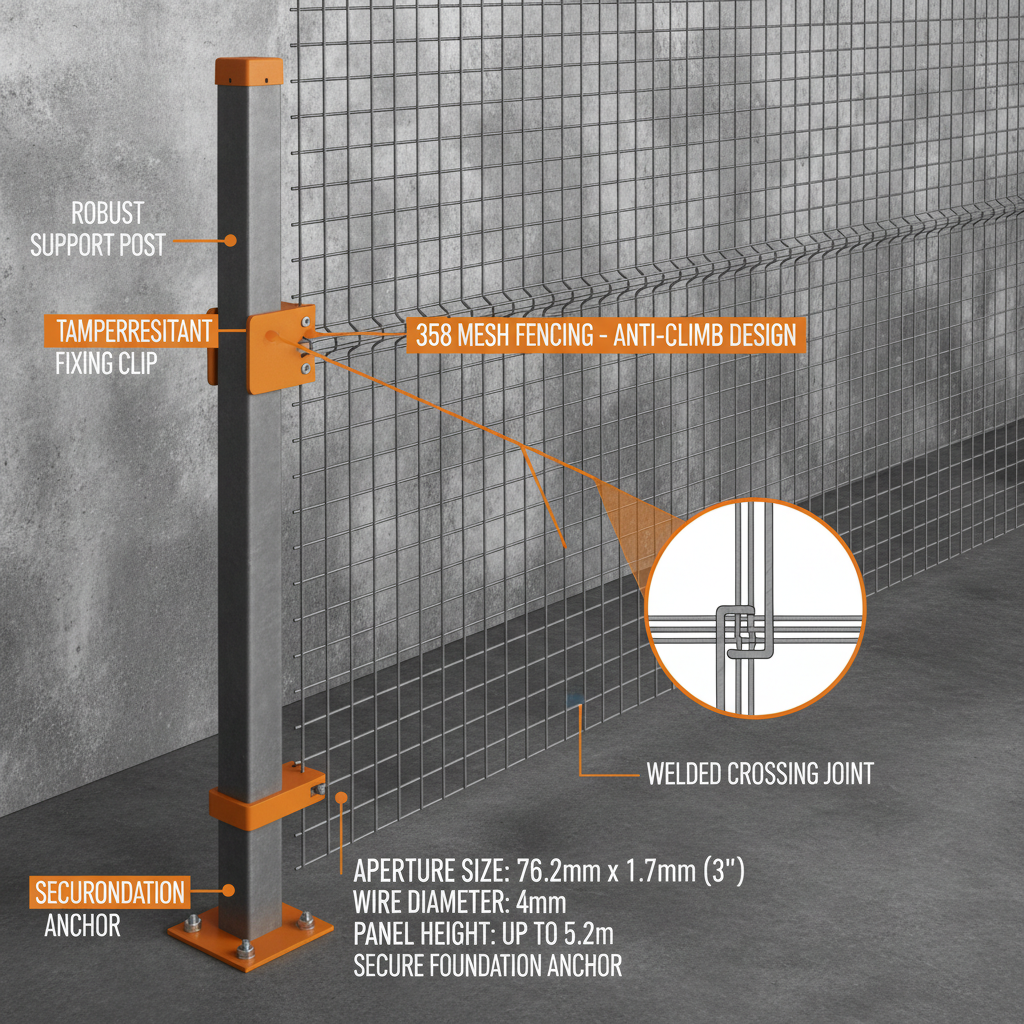
Comprehensive Guide to 358 Mesh Fencing Security Applications and Benefits
When it comes to perimeter security, choosing the right fencing solution is crucial. 358 mesh fencing has emerged as a popular and highly effective option, offering exceptional security and durability. This article provides a comprehensive guide to 358 mesh fencing, covering its key features, applications, benefits, and considerations for installation. We’ll explore why this type of fencing is increasingly preferred by commercial, industrial, and residential clients seeking robust security solutions.
2026-03-28 03:27:34
Comprehensive Guide to Durable 1 Inch Wire Mesh Fencing Solutions
When establishing secure perimeters for residential, agricultural, industrial, or commercial properties, choosing the right fencing material is crucial. 1 inch wire mesh fencing is a popular and versatile option, known for its durability, security, and cost-effectiveness. This article will provide a comprehensive overview of 1 inch wire mesh fencing, covering its applications, benefits, materials, installation, and maintenance. We'll explore how this fencing solution can provide long-lasting security and peace of mind for your property.
2026-03-26 03:17:15
Comprehensive Guide to Welded Mesh Fencing 1.8m for Security and Versatility
Welded mesh fencing is a robust and versatile solution for a wide range of applications, from securing perimeters to containing livestock. Specifically, welded mesh fencing 1.8m height offers an excellent balance of security, visibility, and cost-effectiveness. This article will explore the benefits, applications, installation considerations, and variations of this popular fencing option. We'll delve into why it’s a preferred choice for both residential and commercial properties. Choosing the right fencing is crucial for safety and security, and we’ll guide you through making the best decision. Welded mesh fencing 1.8m provides several key advantages over traditional fencing materials. Its rigid construction offers excellent resistance to climbing and cutting, enhancing security. The open mesh design allows for good visibility, which is important for surveillance and aesthetic purposes.
2026-03-24 03:20:18
Comprehensive Guide to Durable 1.2 m Wire Mesh Fencing Solutions
When securing properties, livestock, or construction sites, choosing the right fencing material is crucial. 1.2 m wire mesh fencing offers a robust, versatile, and cost-effective solution. This article will explore the benefits, applications, installation, and maintenance of 1.2m wire mesh fencing, providing a thorough overview for homeowners, farmers, and contractors. Selecting the appropriate fencing enhances security, defines boundaries, and contributes to a safe environment. The robust construction provides excellent security, deterring intruders and containing animals. The galvanized or PVC-coated finish offers exceptional corrosion resistance, ensuring long-lasting durability even in harsh weather conditions. The mesh design allows for good visibility, which is ideal for residential and commercial properties where aesthetics are a concern. Furthermore, the relatively low cost compared to other fencing options makes it an economical choice for large areas. The ease of installation and low maintenance requirements add to its appeal.


 English