






Hebei Jinjiu Metal Products Co.,Ltd



High Security Anti Climb 868 Mesh Fencing for Industrial Properties
Apr . 16, 2026 03:16
The Ultimate Guide to 868 Mesh Fencing: Security and Durability
When it comes to high-security perimeter protection, 868 mesh fencing stands as the gold standard for industrial and commercial properties. Designed to be virtually impenetrable while maintaining a clean, modern aesthetic, this specialized fencing system offers a unique combination of strength and visibility. Whether you are securing a government facility, a warehouse, or a private estate, understanding the technical advantages of the 868 system is crucial for making an informed investment. In this guide, we will explore why this specific mesh configuration is preferred by security experts worldwide.
The Engineering Behind 868 Mesh Fencing
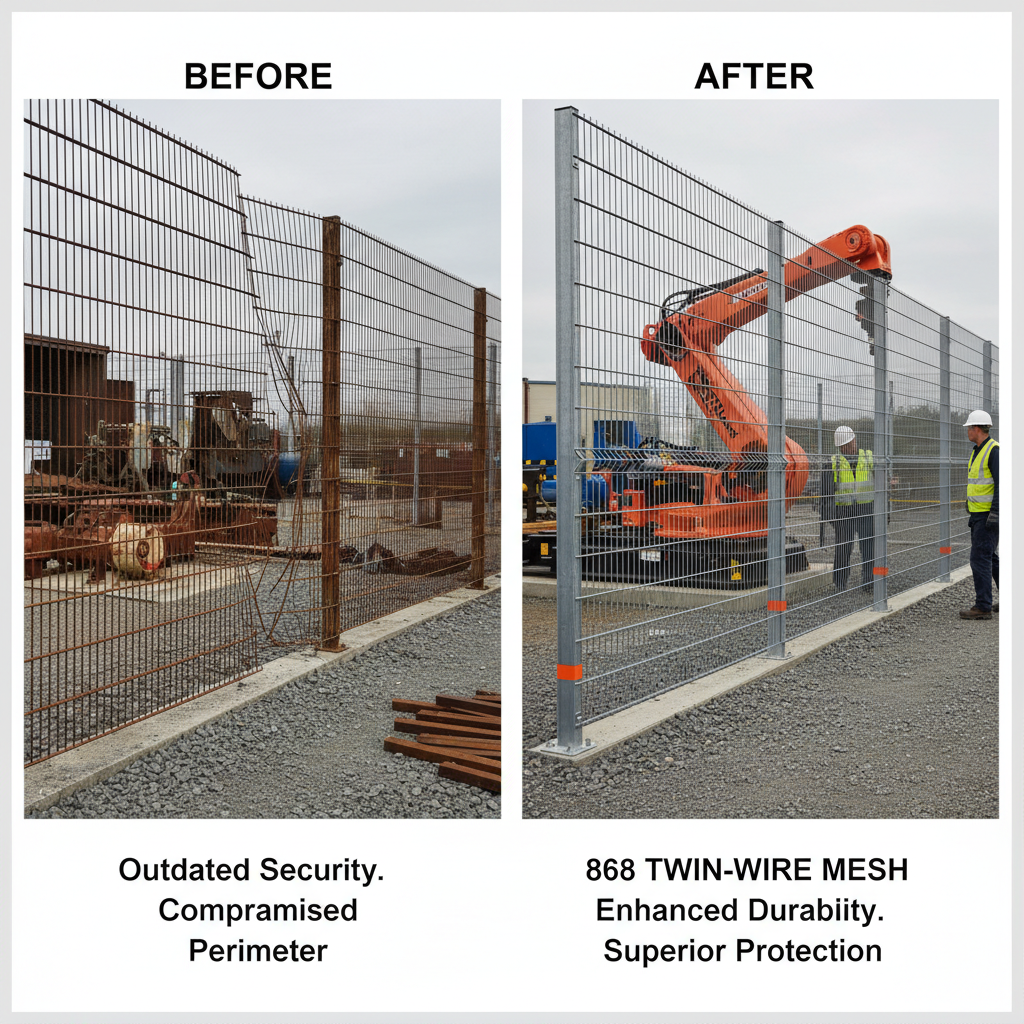
The "868" designation refers to the specific aperture size of the mesh—typically 76.8mm x 53.3mm. This precise geometry is not accidental; it is engineered to be anti-climb and anti-cut. The gaps are too small for a human foot or hand to gain a grip, and the wires are too narrow for standard cutting tools to easily penetrate. By utilizing high-tensile steel and advanced welding techniques, 868 mesh fencing provides a rigid barrier that does not warp or sag over time. This structural integrity ensures that the perimeter remains secure even under extreme physical pressure.
Security Highlight: The anti-climb nature of the mesh eliminates the need for unsightly spikes or barbed wire in many applications, providing a safer yet more secure environment.
Comparative Analysis: 868 Mesh vs. Traditional Chain Link
Many facility managers struggle to choose between traditional chain link and the advanced 868 mesh fencing. While chain link is often cheaper upfront, it is significantly easier to cut, climb, and maintain. The 868 system, conversely, offers a rigid structure that requires almost zero maintenance and provides a much higher level of psychological and physical deterrence. Below is a detailed comparison of these two popular fencing options.
Key Applications of 868 Mesh Fencing
The versatility of 868 mesh fencing makes it ideal for environments where security cannot be compromised. Common applications include prison perimeters, airport tarmacs, utility substations, and high-value data centers. Because the mesh allows for clear visibility, it is also perfect for integration with CCTV surveillance systems; security personnel can see through the fence clearly, eliminating blind spots that thicker walls or opaque fences create. This combination of transparency and strength provides a strategic advantage for monitoring activities in real-time.
Corrosion Protection and Long-Term Durability
A security fence is only as good as its resistance to the elements. The 868 mesh fencing systems offered by Jinshield Mesh typically feature advanced coating options. Hot-dip galvanization provides a thick layer of zinc to prevent rust, while an additional PVC or powder coating allows for customization in colors like forest green, black, or grey. This dual-layer protection ensures that the fence remains structurally sound even in coastal environments with high salinity or industrial zones with corrosive airborne chemicals.
Coating Benefits:
• Hot-dip galvanizing for internal rust prevention
• UV-resistant powder coating for color longevity
• Enhanced resistance to salt spray and humidity
• Reduced need for repainting and maintenance
Technical Specifications of 868 Mesh Fencing
For architects and procurement officers, the technical data is the most critical part of the selection process. The 868 mesh fencing is manufactured to strict tolerances to ensure every panel is identical and fits perfectly. The use of high-carbon steel ensures that the wire does not bend easily when subjected to force. Below are the standard technical specifications typically found in a high-grade 868 system:
Installation and Site Integration
Installing 868 mesh fencing is streamlined thanks to a modular panel design. These panels are typically secured to heavy-duty posts using anti-tamper clamps and bolts, preventing intruders from simply unscrewing the fence to create an opening. Furthermore, the system can be easily integrated with electronic security measures, such as vibration sensors or electric topping wires, providing an active alarm system that notifies security teams the moment the fence is touched. This modularity ensures a fast installation time, reducing labor costs and site downtime.
Conclusion: The Superior Choice for Perimeter Security
In an era where security threats are increasingly complex, the 868 mesh fencing system provides a reliable, durable, and aesthetically pleasing solution. By combining anti-climb geometry with high-tensile steel and advanced corrosion protection, it ensures that your assets remain protected for decades. Whether you are upgrading an existing perimeter or designing a new facility, investing in a professional 868 system is a commitment to long-term safety and peace of mind.
Frequently Asked Questions (FAQs)
What makes 868 mesh fencing "anti-climb"?
The anti-climb property is a result of the specific mesh aperture size. The openings are designed to be too small for a person to get a secure foothold or handhold. Unlike chain link fences, where the wires shift and provide gaps for climbing, the 868 system is a rigid, welded structure. This means there are no flexible points to grip, making it extremely difficult and frustrating for an intruder to scale the fence without specialized equipment.
Is 868 mesh fencing more expensive than other options?
While the initial material cost of 868 mesh is higher than basic chain link or wooden fencing, it is more cost-effective over its entire lifecycle. Because it is made from high-tensile steel and treated with advanced coatings, it does not require frequent repairs, painting, or tensioning. Additionally, the high level of security it provides can potentially lower insurance premiums for high-value sites, offsetting the initial investment cost.
Can I customize the color of my 868 mesh fence?
Yes, customization is one of the key advantages of the 868 mesh fencing system. While galvanized silver is the standard for industrial sites, most manufacturers offer powder coating in various RAL colors. This allows the fence to blend in with the natural landscape (using greens or browns) or match the architectural branding of a corporate office (using black, grey, or white), ensuring security doesn't come at the cost of aesthetics.
How long does 868 mesh fencing typically last?
Depending on the environment and the type of coating used, a professional 868 mesh system can last between 20 to 50 years. In mild climates, galvanized steel lasts an incredibly long time. In more harsh, corrosive environments (like near the ocean), the addition of a PVC or powder coating prevents the steel from oxidizing. Regular visual inspections once a year are recommended to ensure that clamps remain tight and that the coating hasn't been mechanically damaged.

Related Products
Related News

2026-04-16 03:16:12
High Security Anti Climb 868 Mesh Fencing for Industrial Properties
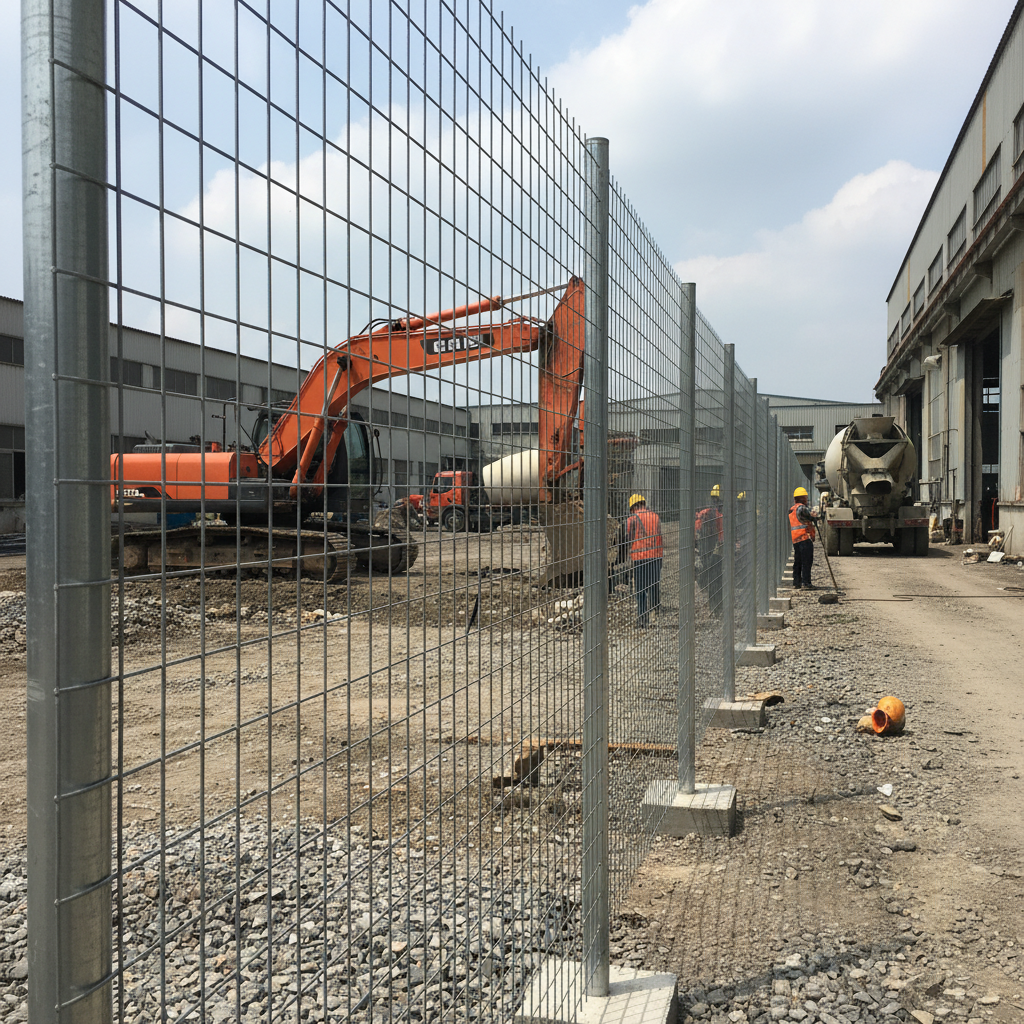
When it comes to high-security perimeter protection, 868 mesh fencing stands as the gold standard for industrial and commercial properties. Designed to be virtually impenetrable while maintaining a clean, modern aesthetic, this specialized fencing system offers a unique combination of strength and visibility. Whether you are securing a government facility, a warehouse, or a private estate, understanding the technical advantages of the 868 system is crucial for making an informed investment. In this guide, we will explore why this specific mesh configuration is preferred by security experts worldwide.
2026-04-09 03:17:58
Ultimate Guide to 6ft Mesh Fencing for Security and Privacy
When it comes to establishing a secure perimeter, 6ft mesh fencing is widely regarded as the gold standard for balancing visibility with robust protection. Whether you are securing a commercial warehouse, a residential backyard, or an industrial site, the six-foot height provides a psychological and physical deterrent that lower fences simply cannot match. In this comprehensive guide, we will explore why this specific height is preferred, the materials that ensure longevity, and how to choose the right mesh configuration for your specific needs to ensure maximum ROI and safety.
2026-04-07 03:08:15
Comprehensive Guide to Welded Mesh Fencing 50x50 for Secure Enclosures
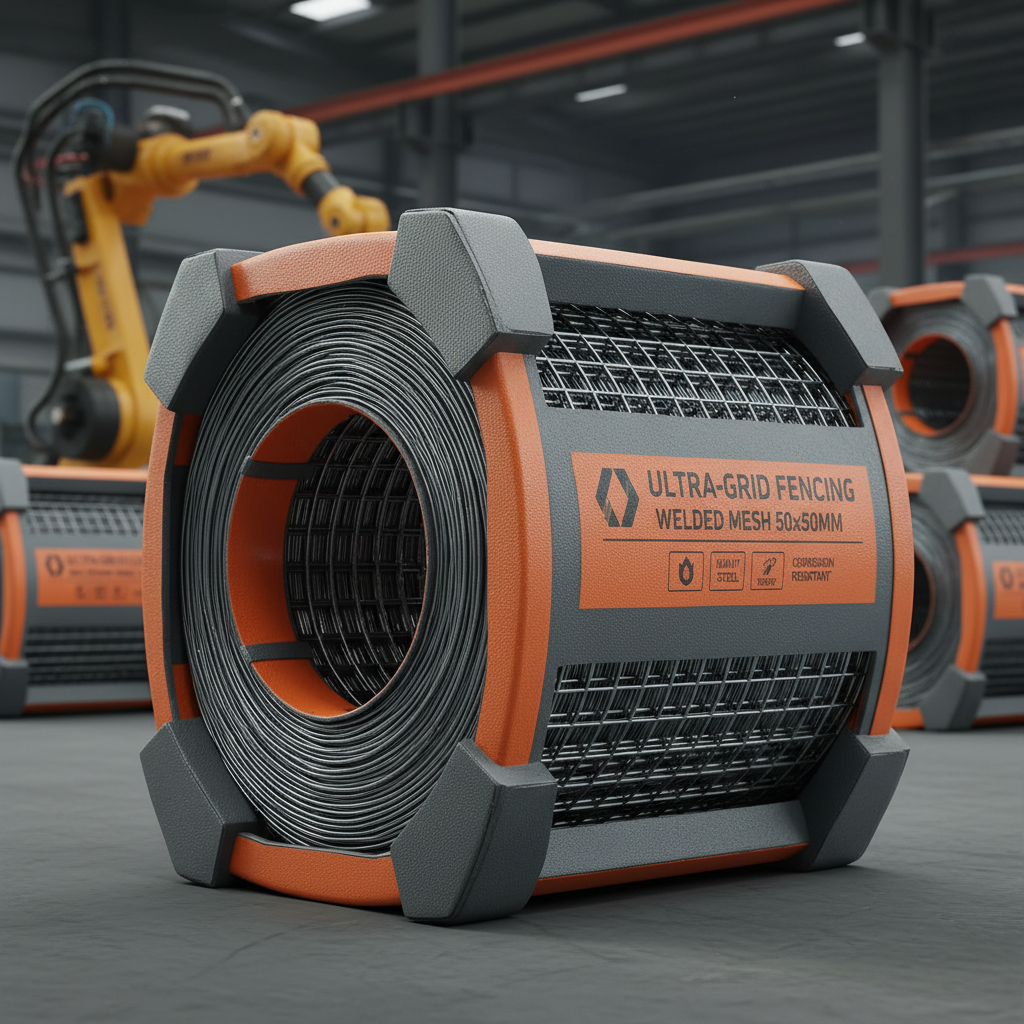
When securing your property or creating enclosures, choosing the right fencing material is crucial. Welded mesh fencing 50x50 offers a robust, versatile, and cost-effective solution for a wide range of applications. This article dives deep into the benefits, specifications, applications, and considerations when selecting this popular fencing option. Whether you’re a homeowner, agricultural business owner, or industrial facility manager, understanding the nuances of welded mesh fencing will empower you to make an informed decision.
2026-04-04 03:18:08
Comprehensive Guide to Durable and Affordable 4ft Wire Mesh Fencing Solutions
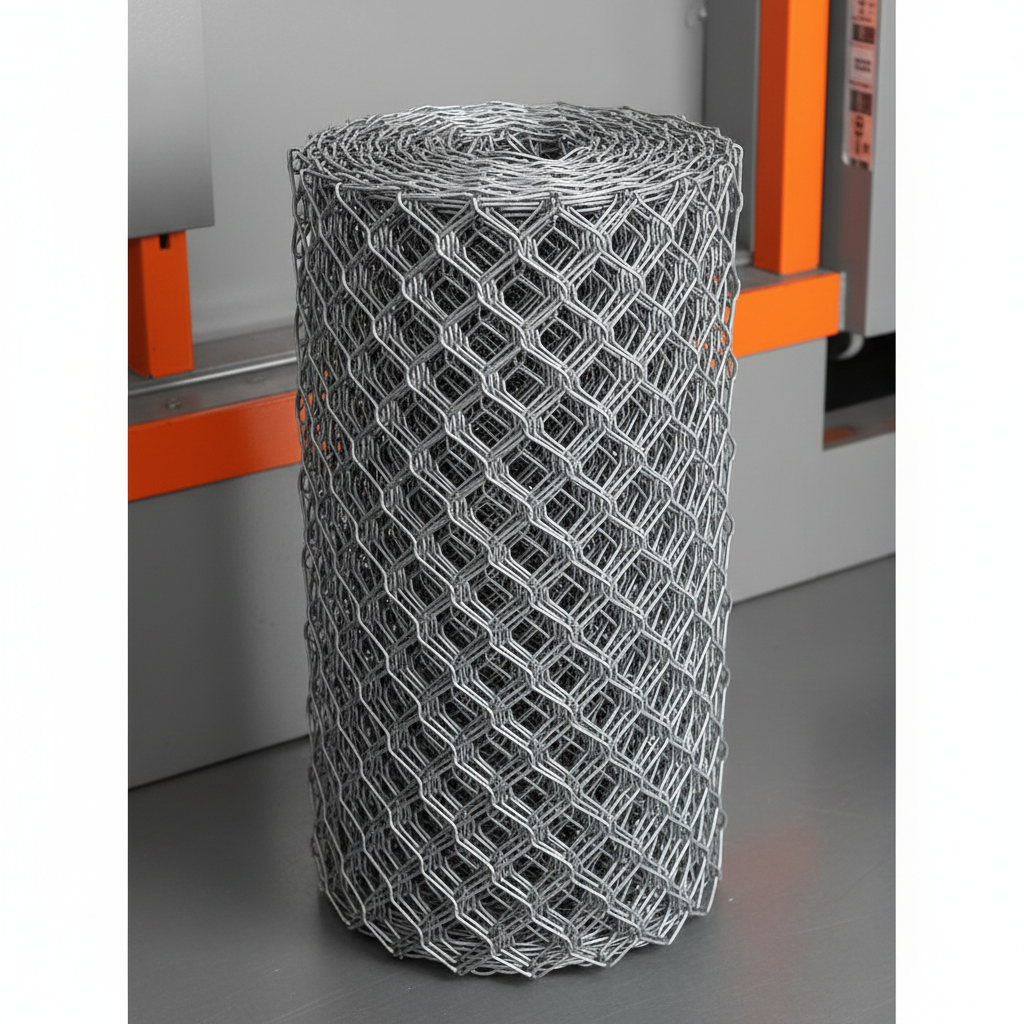
4ft wire mesh fencing is a versatile and cost-effective solution for a wide range of applications, from securing residential properties to enclosing industrial sites. Its robust construction and ease of installation make it a popular choice for both DIY projects and professional installations. This article will explore the benefits, applications, different types, installation guidelines, and maintenance tips for 4ft wire mesh fencing, helping you make an informed decision for your fencing needs. Choosing the right fencing is crucial for security, safety, and property value.
2026-03-31 03:15:14
Comprehensive Guide to 358 Mesh Fencing Security Applications and Benefits
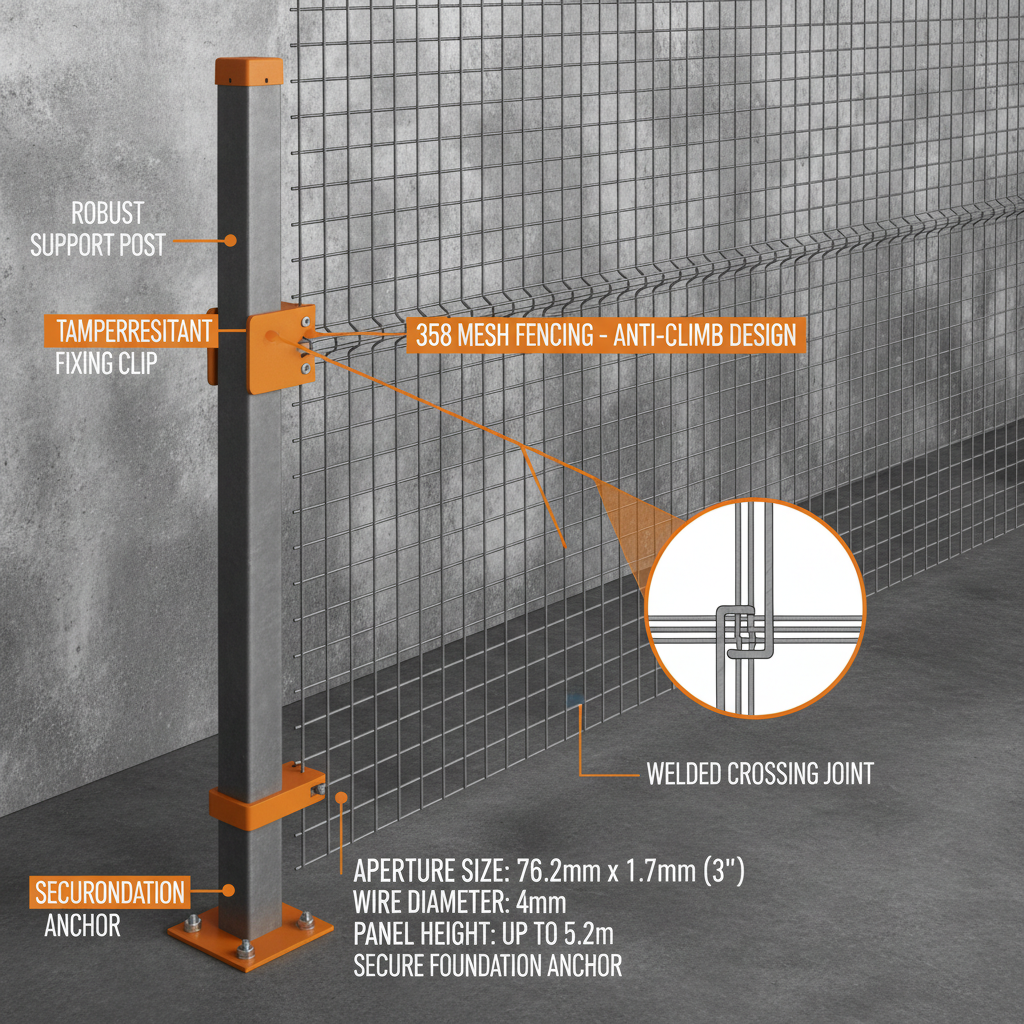
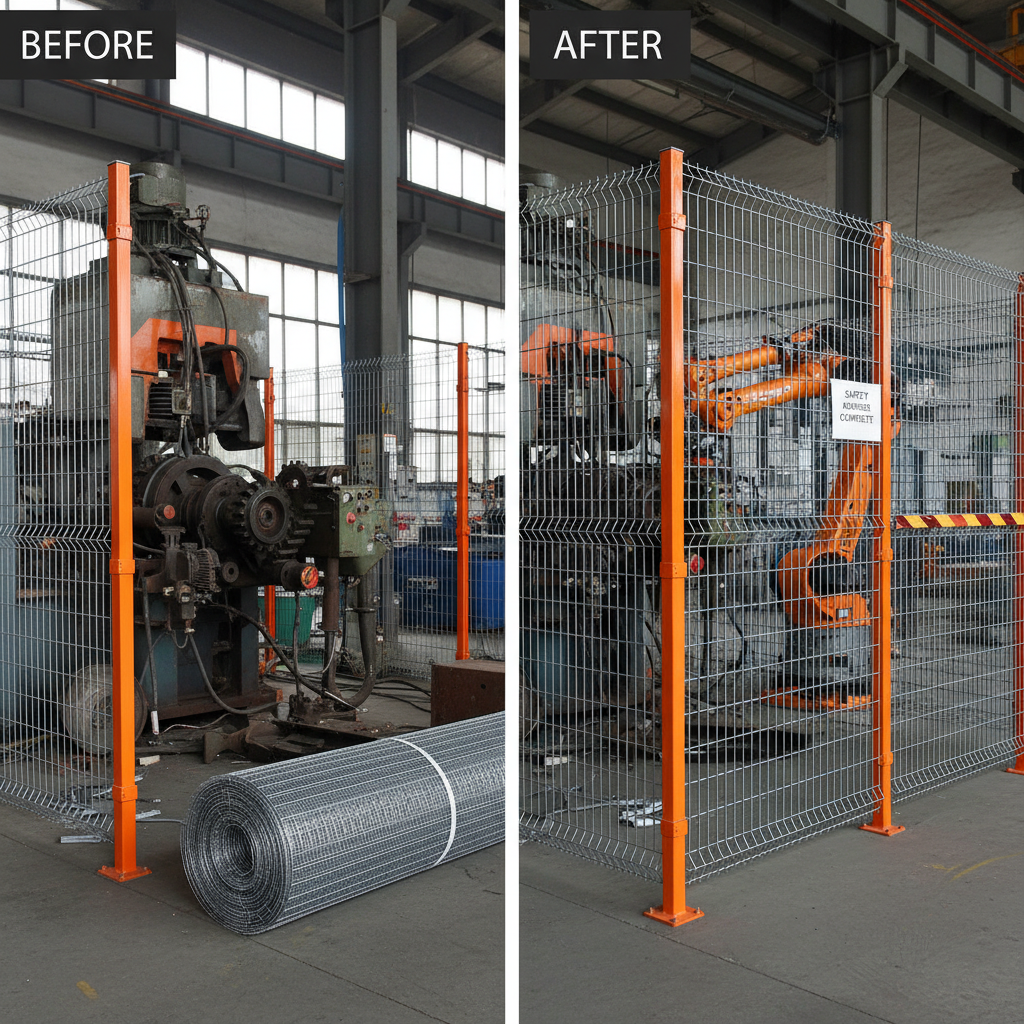
When it comes to perimeter security, choosing the right fencing solution is crucial. 358 mesh fencing has emerged as a popular and highly effective option, offering exceptional security and durability. This article provides a comprehensive guide to 358 mesh fencing, covering its key features, applications, benefits, and considerations for installation. We’ll explore why this type of fencing is increasingly preferred by commercial, industrial, and residential clients seeking robust security solutions.
2026-03-28 03:27:34
Comprehensive Guide to Durable 1 Inch Wire Mesh Fencing Solutions
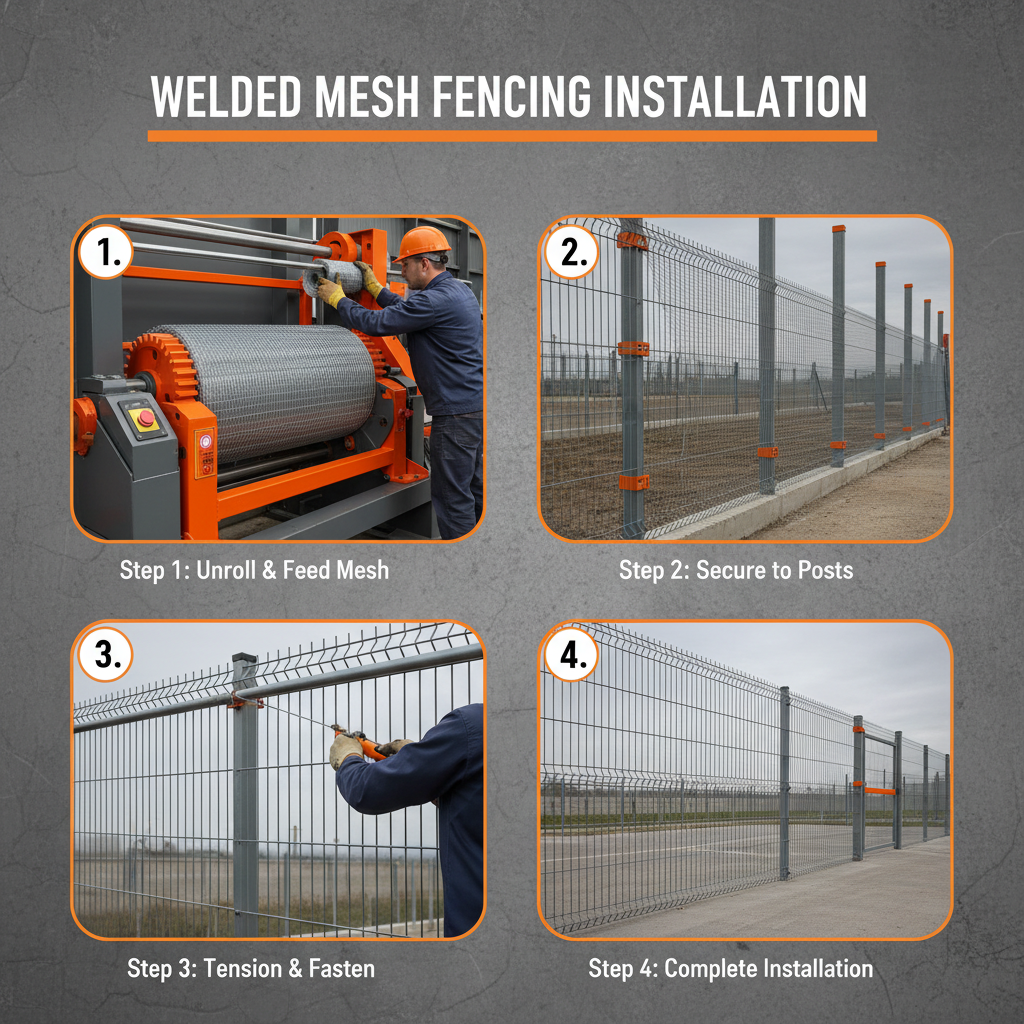
When establishing secure perimeters for residential, agricultural, industrial, or commercial properties, choosing the right fencing material is crucial. 1 inch wire mesh fencing is a popular and versatile option, known for its durability, security, and cost-effectiveness. This article will provide a comprehensive overview of 1 inch wire mesh fencing, covering its applications, benefits, materials, installation, and maintenance. We'll explore how this fencing solution can provide long-lasting security and peace of mind for your property.
2026-03-26 03:17:15
Comprehensive Guide to Welded Mesh Fencing 1.8m for Security and Versatility
Welded mesh fencing is a robust and versatile solution for a wide range of applications, from securing perimeters to containing livestock. Specifically, welded mesh fencing 1.8m height offers an excellent balance of security, visibility, and cost-effectiveness. This article will explore the benefits, applications, installation considerations, and variations of this popular fencing option. We'll delve into why it’s a preferred choice for both residential and commercial properties. Choosing the right fencing is crucial for safety and security, and we’ll guide you through making the best decision. Welded mesh fencing 1.8m provides several key advantages over traditional fencing materials. Its rigid construction offers excellent resistance to climbing and cutting, enhancing security. The open mesh design allows for good visibility, which is important for surveillance and aesthetic purposes.
2026-03-24 03:20:18
Comprehensive Guide to Durable 1.2 m Wire Mesh Fencing Solutions
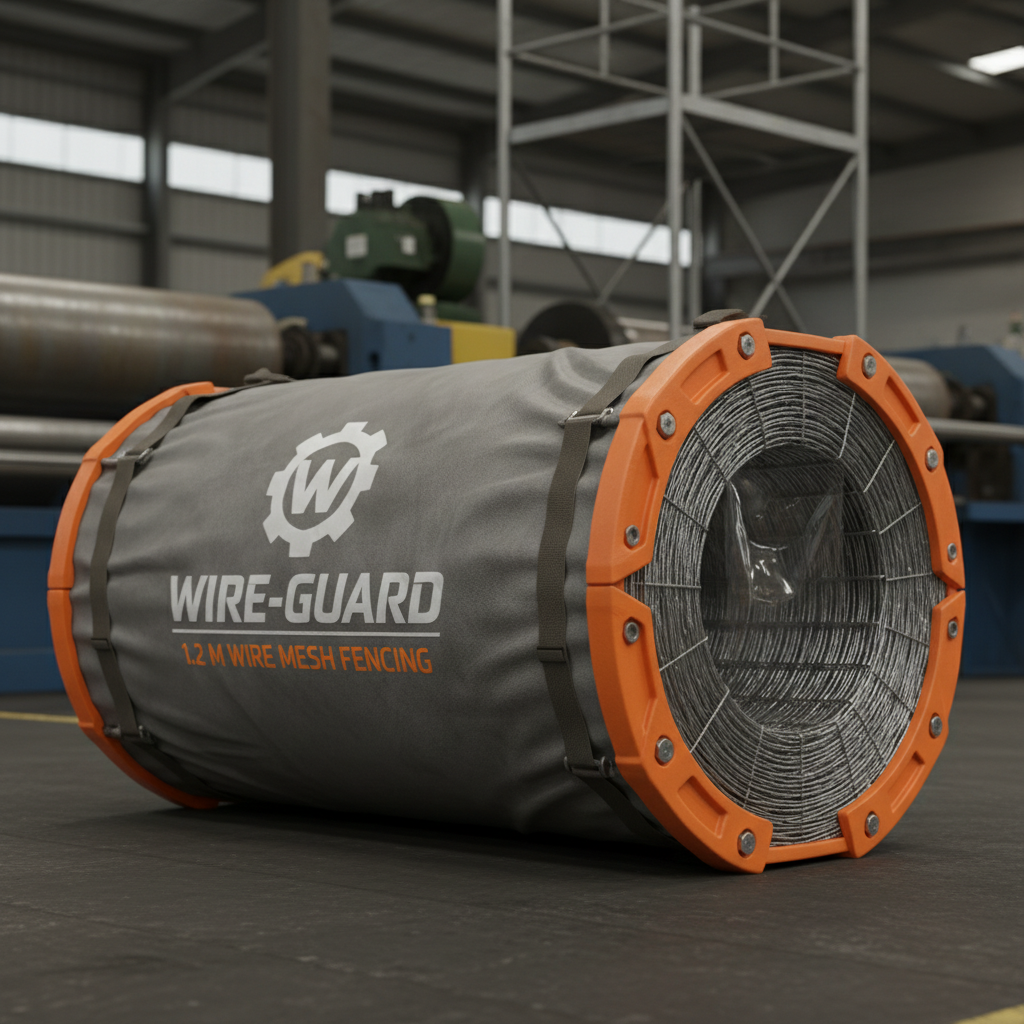
When securing properties, livestock, or construction sites, choosing the right fencing material is crucial. 1.2 m wire mesh fencing offers a robust, versatile, and cost-effective solution. This article will explore the benefits, applications, installation, and maintenance of 1.2m wire mesh fencing, providing a thorough overview for homeowners, farmers, and contractors. Selecting the appropriate fencing enhances security, defines boundaries, and contributes to a safe environment. The robust construction provides excellent security, deterring intruders and containing animals. The galvanized or PVC-coated finish offers exceptional corrosion resistance, ensuring long-lasting durability even in harsh weather conditions. The mesh design allows for good visibility, which is ideal for residential and commercial properties where aesthetics are a concern. Furthermore, the relatively low cost compared to other fencing options makes it an economical choice for large areas. The ease of installation and low maintenance requirements add to its appeal.


 English