






Hebei Jinjiu Metal Products Co.,Ltd



Ultimate Guide to 6ft Mesh Fencing for Security and Privacy
Apr . 09, 2026 03:17
The Ultimate Guide to 6ft Mesh Fencing for Security and Privacy
When it comes to establishing a secure perimeter, 6ft mesh fencing is widely regarded as the gold standard for balancing visibility with robust protection. Whether you are securing a commercial warehouse, a residential backyard, or an industrial site, the six-foot height provides a psychological and physical deterrent that lower fences simply cannot match. In this comprehensive guide, we will explore why this specific height is preferred, the materials that ensure longevity, and how to choose the right mesh configuration for your specific needs to ensure maximum ROI and safety.
Why Choose 6ft Mesh Fencing for Your Perimeter?
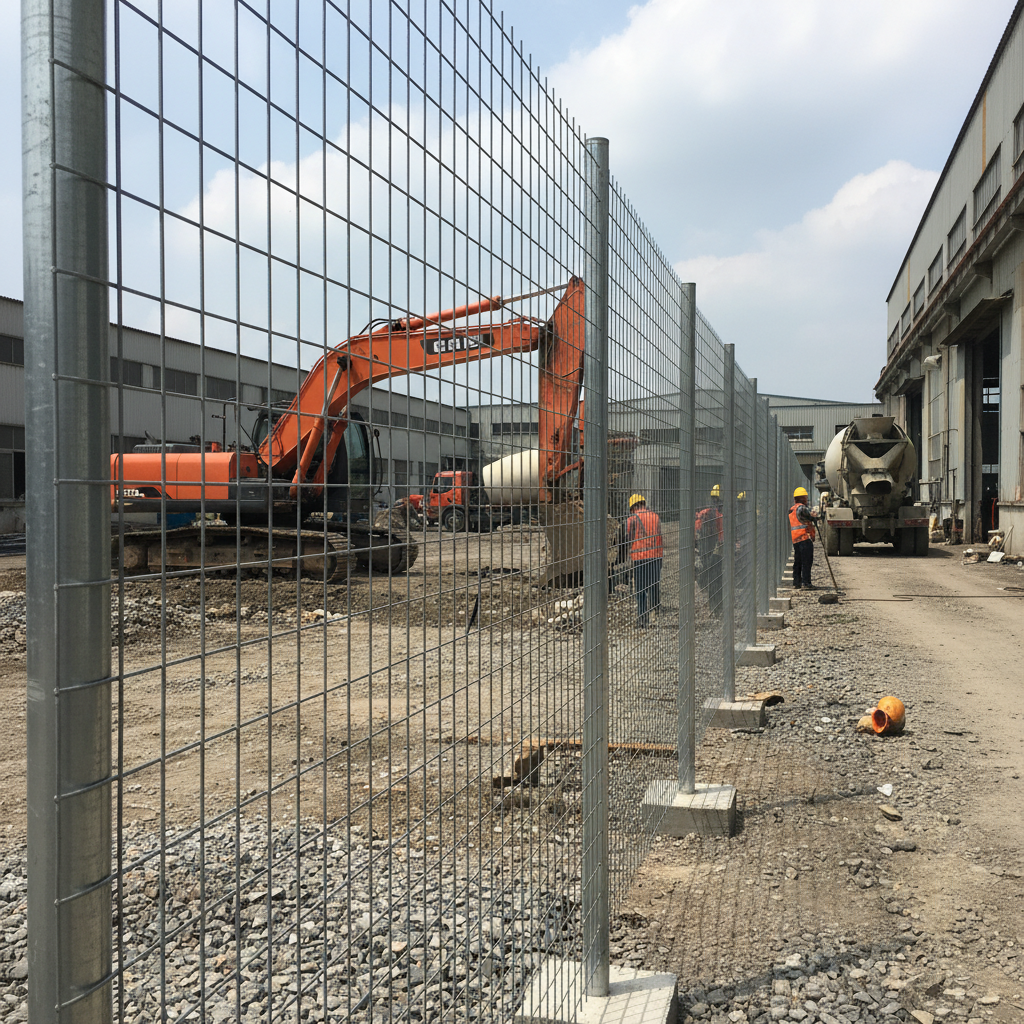
The selection of 6ft mesh fencing is often a strategic decision based on security standards. At six feet, a fence is high enough to discourage most intruders from climbing over without requiring the expensive permits often associated with industrial 8ft or 10ft walls. Strong structural integrity combined with an open-weave design allows security personnel to maintain a clear line of sight, which is critical for surveillance. Furthermore, the airflow provided by the mesh prevents "wind-sail" effects, making it more durable during severe weather conditions compared to solid privacy fences.
Pro Tip: For enhanced security, 6ft mesh can be paired with top-rail extensions or barbed wire additions, turning a standard boundary into a high-security barrier.
Material Comparison: Galvanized vs. PVC Coated Mesh
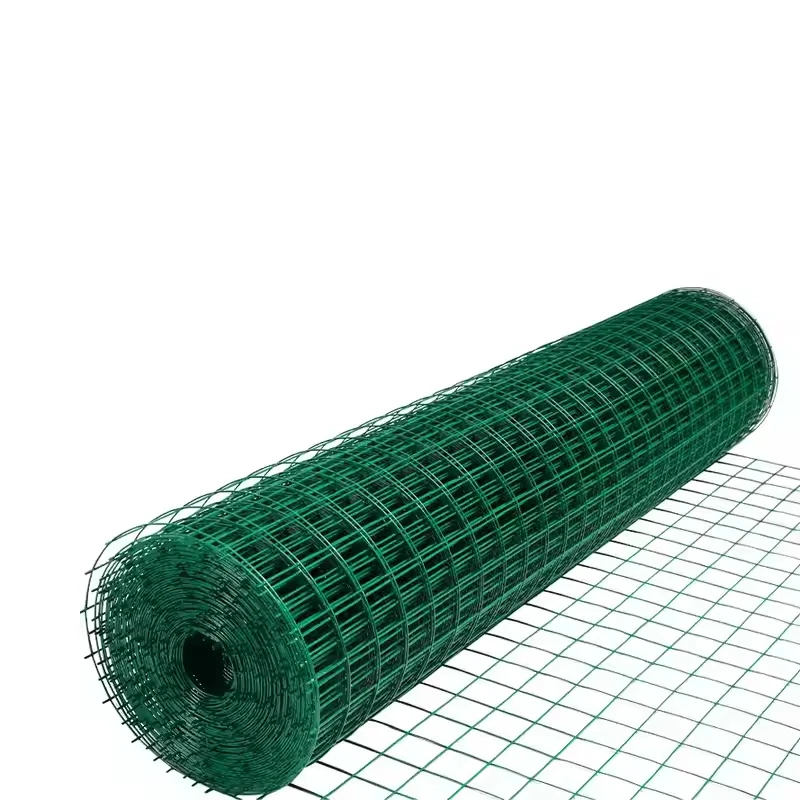
The longevity of your 6ft mesh fencing depends heavily on the coating. Galvanized steel offers excellent raw strength and rust resistance, making it ideal for industrial zones. However, PVC coating adds an extra layer of protection against corrosive environments, such as coastal areas with high salt spray. PVC is also available in various colors, allowing the fence to blend into the landscape or signal a specific zone within a facility. Choosing between these two depends on your environmental exposure and aesthetic preferences.
Installation Best Practices for 6ft Mesh Fencing
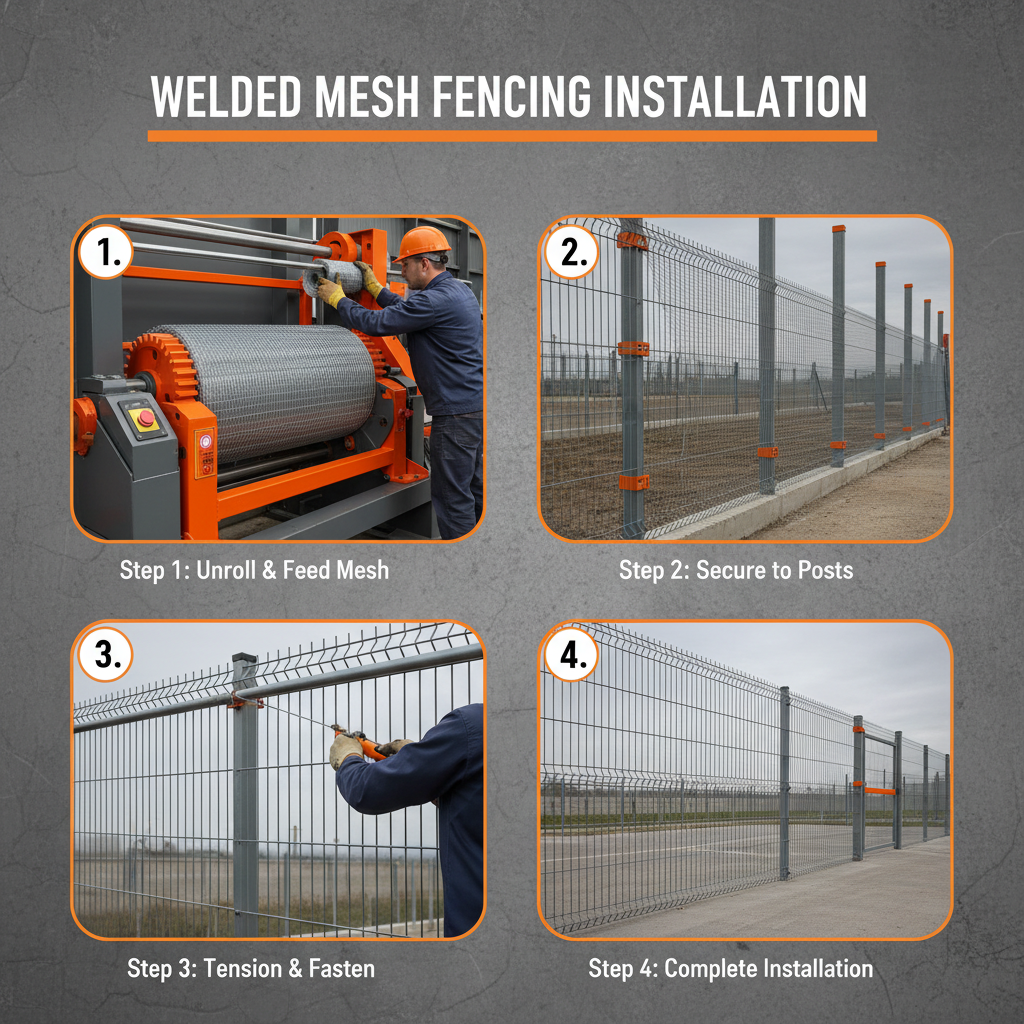
Proper installation is what separates a flimsy barrier from a professional security system. For 6ft mesh fencing, the foundation is everything. Posts must be set in concrete at a depth that accounts for local frost lines to prevent leaning over time. Tensioning the mesh is another critical step; a loose fence is easier to penetrate and looks unprofessional. Using high-quality tension wires and heavy-duty ties ensures that the mesh remains taut across the entire span, maintaining the structural integrity of the perimeter.
Maintenance and Long-term Care of Mesh Systems
While mesh fences are low-maintenance, a small amount of care can extend their life by decades. For galvanized 6ft mesh fencing, periodically checking for "zinc peel" or rust spots and treating them with cold galvanizing spray can prevent widespread corrosion. For PVC-coated options, simply rinsing the fence with water to remove salt or chemical buildup prevents the coating from cracking. Ensuring that vegetation is trimmed away from the mesh prevents moisture traps and organic acids from eating through the protective layers.
Technical Specifications of Premium 6ft Mesh Fencing
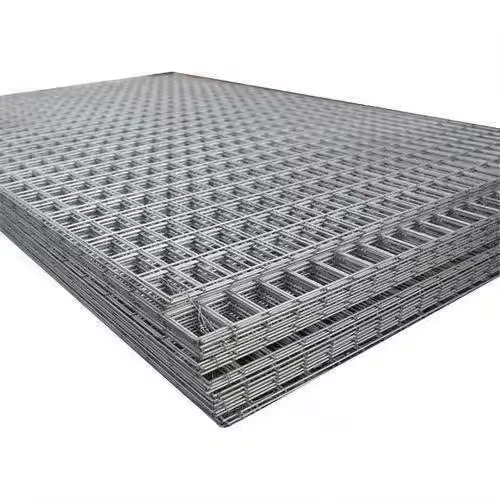
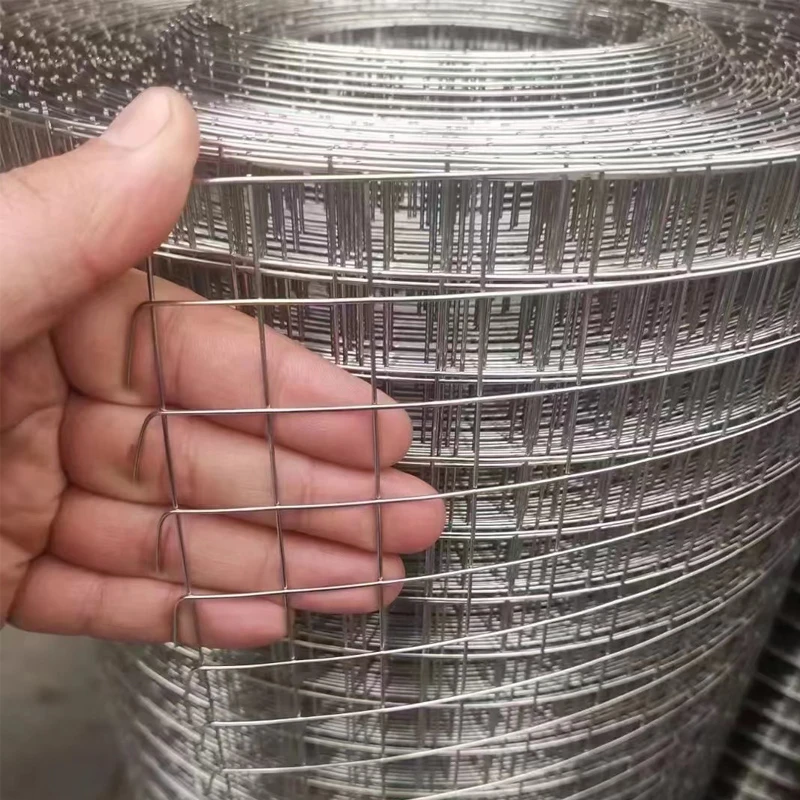
When ordering, it is vital to specify the gauge of the wire and the aperture size. A smaller aperture (mesh size) provides higher security as it prevents pets or intruders from gaining a foothold. High-tensile steel is preferred for the 6ft height to prevent sagging. Below is a standard specification table for our professional-grade mesh systems:
Cost-Benefit Analysis of Mesh vs. Solid Fencing
From a financial perspective, 6ft mesh fencing offers a superior cost-to-utility ratio. Unlike solid wood or concrete walls, mesh requires far less material and is significantly faster to install, reducing labor costs. Moreover, it does not obstruct the view, meaning you don't need to install as many expensive mirrors or cameras to eliminate blind spots. For business owners, this translates to lower capital expenditure on both the fence itself and the complementary security infrastructure.
Conclusion: Securing Your Future with Quality Mesh
Choosing 6ft mesh fencing is a proactive step toward ensuring the safety of your assets and the privacy of your property. By selecting the right materials—whether galvanized for raw strength or PVC-coated for elegance and endurance—you create a boundary that is both functional and durable. When paired with professional installation and basic maintenance, a six-foot mesh system provides peace of mind and long-term value. Invest in quality today to protect your perimeter tomorrow.
Frequently Asked Questions (FAQs)
Is 6ft mesh fencing enough to keep out most intruders?
For the vast majority of residential and light commercial applications, yes. A six-foot height is generally considered the threshold where a fence becomes a significant physical barrier. While no fence is 100% "unclimbable," the 6ft height requires a deliberate effort to scale, which deters opportunistic intruders. For higher security needs, we recommend adding a top rail or specialized security mesh with smaller apertures to make climbing virtually impossible.
Can I add privacy screening to my 6ft mesh fence?
Absolutely. One of the greatest advantages of 6ft mesh fencing is its versatility. You can easily attach HDPE privacy slats or wind-screen fabrics to the mesh. This allows you to have the structural strength of steel with the visual privacy of a solid wall. Just remember to ensure your posts are properly reinforced, as privacy screening increases the wind load on the fence structure.
How long does a PVC-coated mesh fence typically last?
With proper installation and minimal maintenance, a high-quality PVC-coated mesh fence can last between 20 to 30 years. The PVC layer acts as a shield against oxygen and moisture, preventing the underlying steel from rusting. In extreme coastal environments, the lifespan may be slightly shorter, but it will still significantly outperform untreated or basic galvanized steel in terms of surface appearance and structural longevity.
Do I need a permit for a 6ft fence?
Permit requirements vary significantly by city and homeowner association (HOA). In many residential areas, 6 feet is the maximum height allowed without a special variance. However, some jurisdictions require permits for any fence over 4 feet. We strongly recommend checking your local zoning laws or consulting with your local building department before starting your installation to avoid potential fines or requests to remove the fence.

Related Products

Related News

2026-04-16 03:16:12
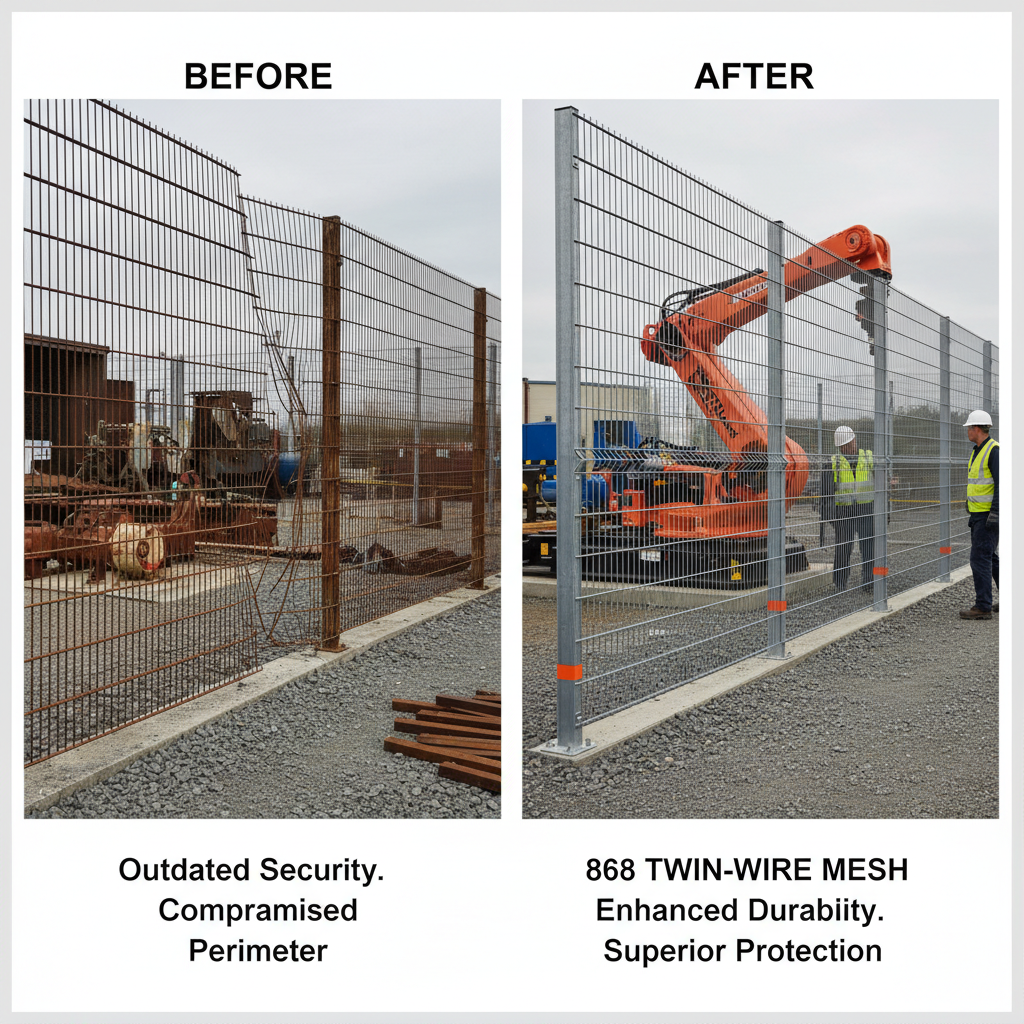
High Security Anti Climb 868 Mesh Fencing for Industrial Properties
When it comes to high-security perimeter protection, 868 mesh fencing stands as the gold standard for industrial and commercial properties. Designed to be virtually impenetrable while maintaining a clean, modern aesthetic, this specialized fencing system offers a unique combination of strength and visibility. Whether you are securing a government facility, a warehouse, or a private estate, understanding the technical advantages of the 868 system is crucial for making an informed investment. In this guide, we will explore why this specific mesh configuration is preferred by security experts worldwide.
2026-04-09 03:17:58
Ultimate Guide to 6ft Mesh Fencing for Security and Privacy
When it comes to establishing a secure perimeter, 6ft mesh fencing is widely regarded as the gold standard for balancing visibility with robust protection. Whether you are securing a commercial warehouse, a residential backyard, or an industrial site, the six-foot height provides a psychological and physical deterrent that lower fences simply cannot match. In this comprehensive guide, we will explore why this specific height is preferred, the materials that ensure longevity, and how to choose the right mesh configuration for your specific needs to ensure maximum ROI and safety.
2026-04-07 03:08:15
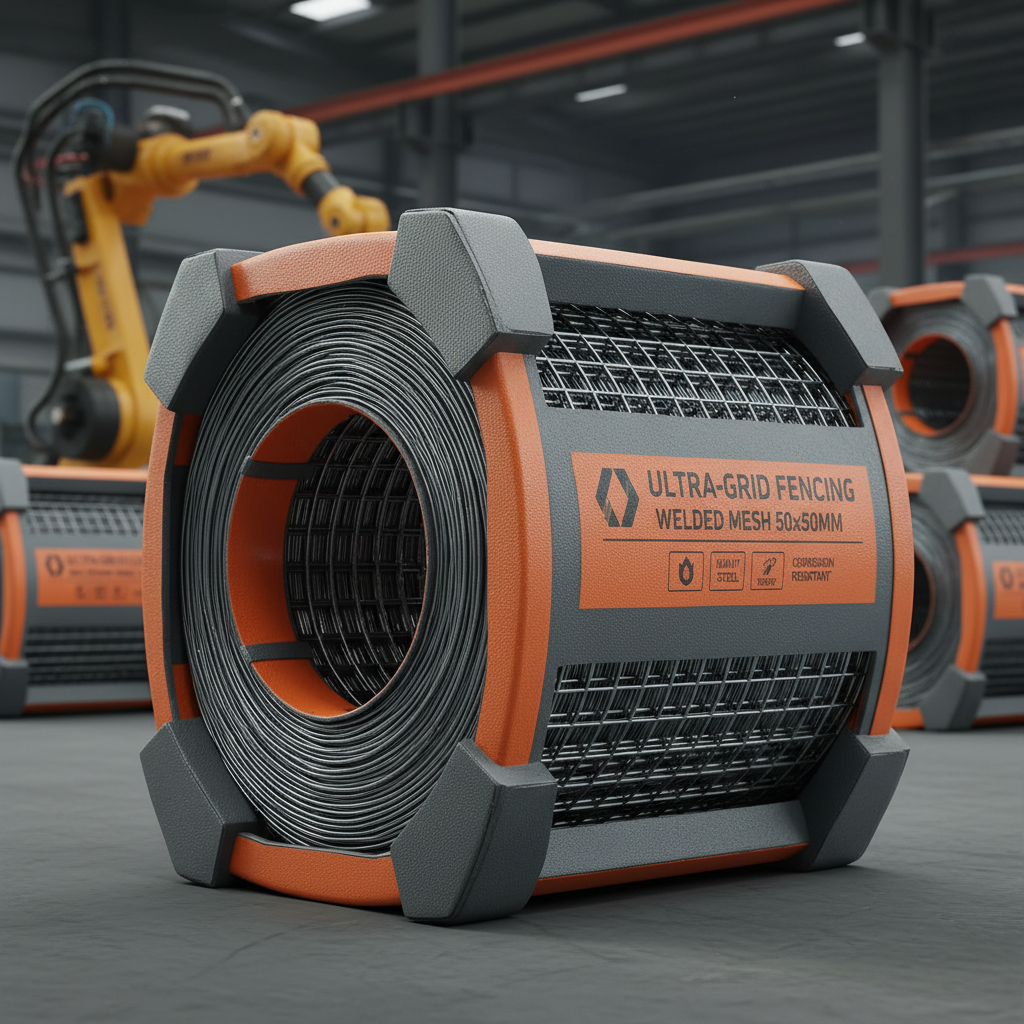
Comprehensive Guide to Welded Mesh Fencing 50x50 for Secure Enclosures
When securing your property or creating enclosures, choosing the right fencing material is crucial. Welded mesh fencing 50x50 offers a robust, versatile, and cost-effective solution for a wide range of applications. This article dives deep into the benefits, specifications, applications, and considerations when selecting this popular fencing option. Whether you’re a homeowner, agricultural business owner, or industrial facility manager, understanding the nuances of welded mesh fencing will empower you to make an informed decision.
2026-04-04 03:18:08
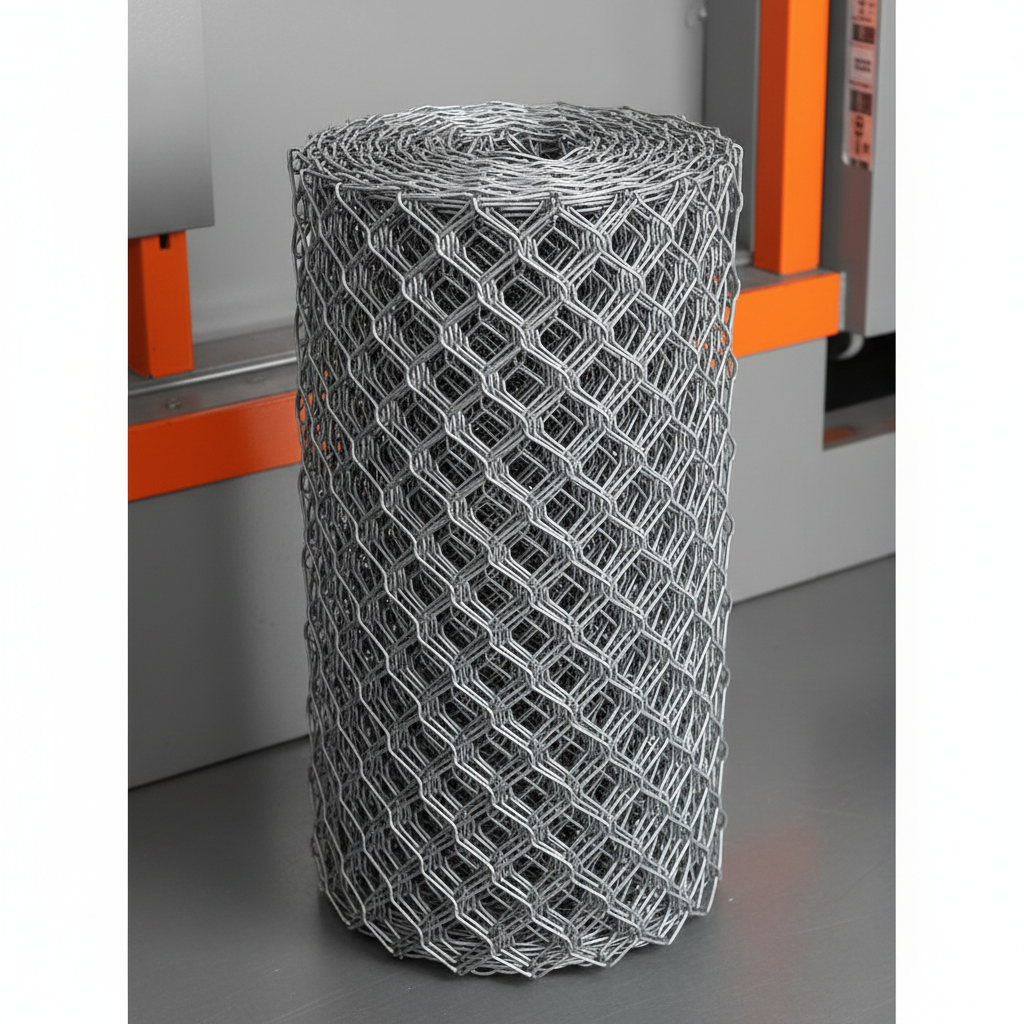
Comprehensive Guide to Durable and Affordable 4ft Wire Mesh Fencing Solutions
4ft wire mesh fencing is a versatile and cost-effective solution for a wide range of applications, from securing residential properties to enclosing industrial sites. Its robust construction and ease of installation make it a popular choice for both DIY projects and professional installations. This article will explore the benefits, applications, different types, installation guidelines, and maintenance tips for 4ft wire mesh fencing, helping you make an informed decision for your fencing needs. Choosing the right fencing is crucial for security, safety, and property value.
2026-03-31 03:15:14
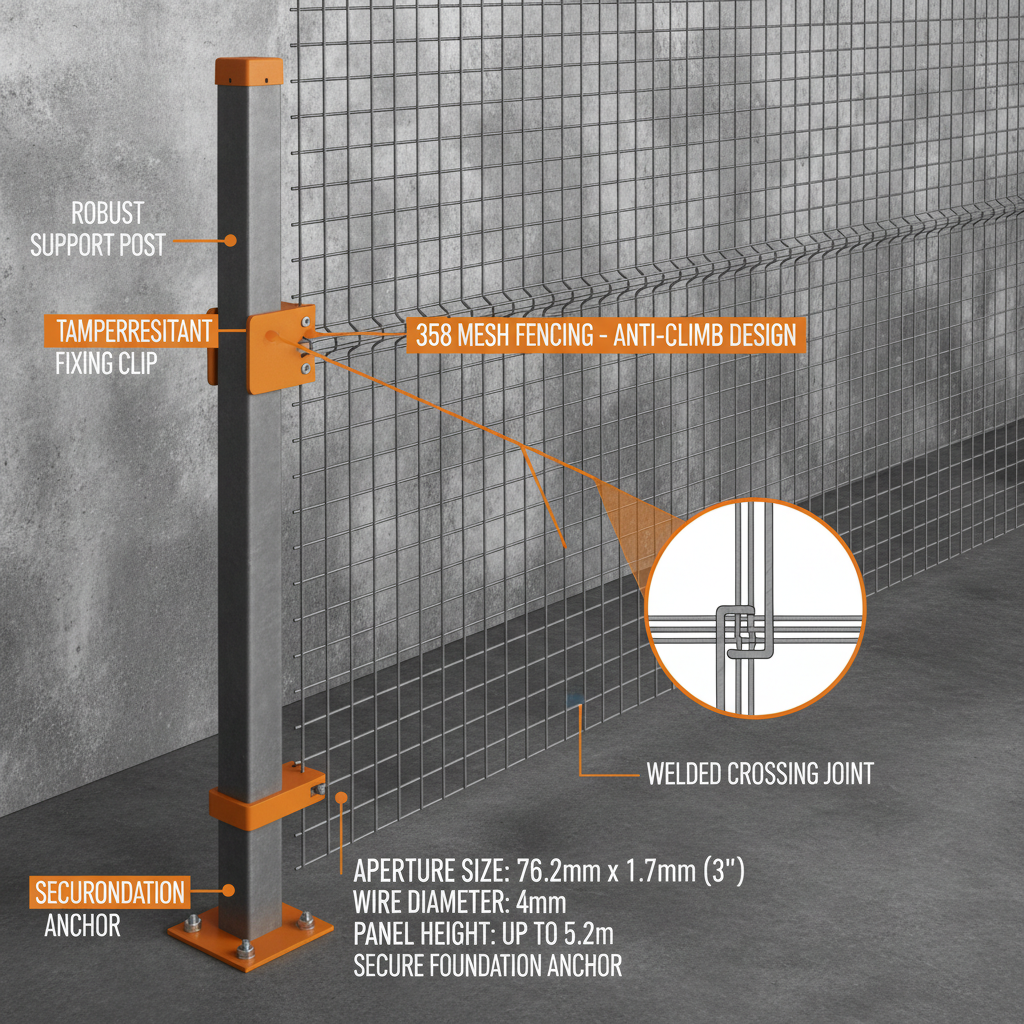
Comprehensive Guide to 358 Mesh Fencing Security Applications and Benefits
When it comes to perimeter security, choosing the right fencing solution is crucial. 358 mesh fencing has emerged as a popular and highly effective option, offering exceptional security and durability. This article provides a comprehensive guide to 358 mesh fencing, covering its key features, applications, benefits, and considerations for installation. We’ll explore why this type of fencing is increasingly preferred by commercial, industrial, and residential clients seeking robust security solutions.
2026-03-28 03:27:34
Comprehensive Guide to Durable 1 Inch Wire Mesh Fencing Solutions
When establishing secure perimeters for residential, agricultural, industrial, or commercial properties, choosing the right fencing material is crucial. 1 inch wire mesh fencing is a popular and versatile option, known for its durability, security, and cost-effectiveness. This article will provide a comprehensive overview of 1 inch wire mesh fencing, covering its applications, benefits, materials, installation, and maintenance. We'll explore how this fencing solution can provide long-lasting security and peace of mind for your property.
2026-03-26 03:17:15
Comprehensive Guide to Welded Mesh Fencing 1.8m for Security and Versatility
Welded mesh fencing is a robust and versatile solution for a wide range of applications, from securing perimeters to containing livestock. Specifically, welded mesh fencing 1.8m height offers an excellent balance of security, visibility, and cost-effectiveness. This article will explore the benefits, applications, installation considerations, and variations of this popular fencing option. We'll delve into why it’s a preferred choice for both residential and commercial properties. Choosing the right fencing is crucial for safety and security, and we’ll guide you through making the best decision. Welded mesh fencing 1.8m provides several key advantages over traditional fencing materials. Its rigid construction offers excellent resistance to climbing and cutting, enhancing security. The open mesh design allows for good visibility, which is important for surveillance and aesthetic purposes.
2026-03-24 03:20:18
Comprehensive Guide to Durable 1.2 m Wire Mesh Fencing Solutions
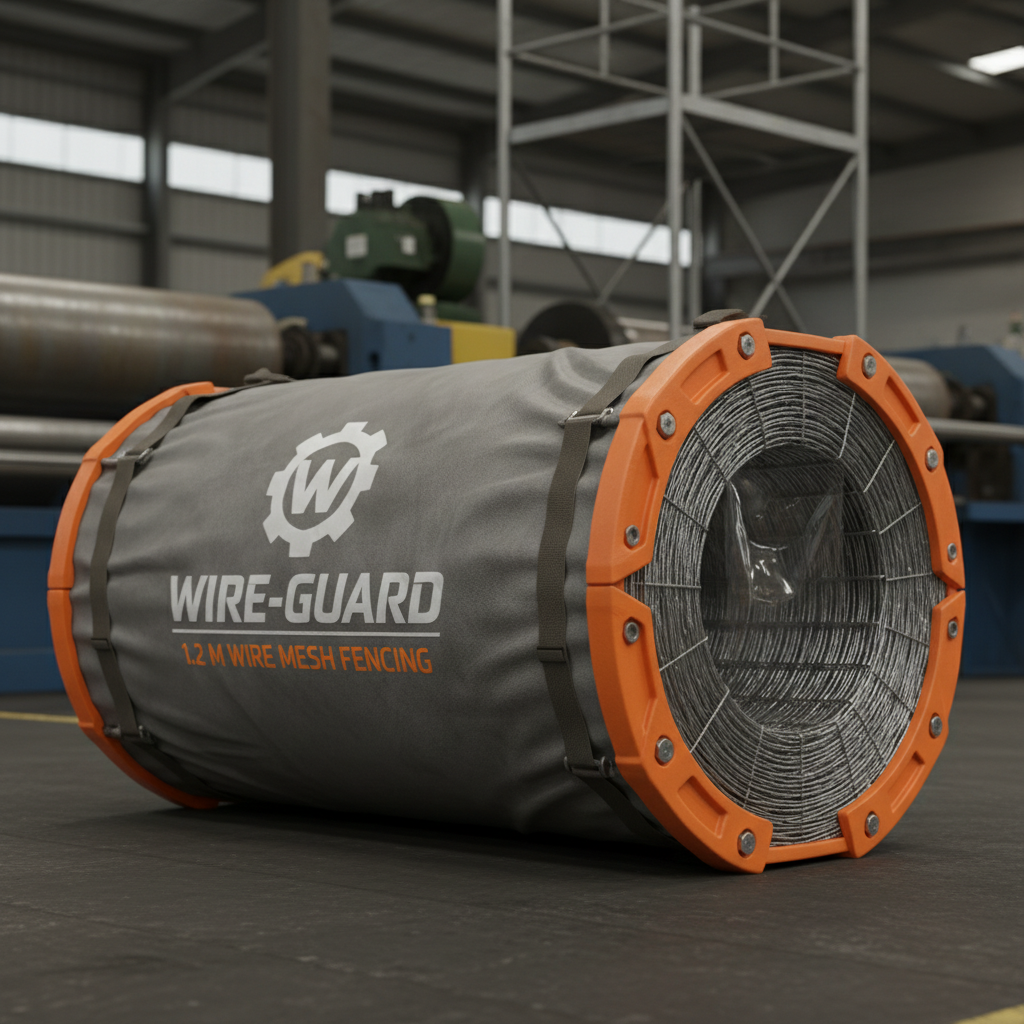
When securing properties, livestock, or construction sites, choosing the right fencing material is crucial. 1.2 m wire mesh fencing offers a robust, versatile, and cost-effective solution. This article will explore the benefits, applications, installation, and maintenance of 1.2m wire mesh fencing, providing a thorough overview for homeowners, farmers, and contractors. Selecting the appropriate fencing enhances security, defines boundaries, and contributes to a safe environment. The robust construction provides excellent security, deterring intruders and containing animals. The galvanized or PVC-coated finish offers exceptional corrosion resistance, ensuring long-lasting durability even in harsh weather conditions. The mesh design allows for good visibility, which is ideal for residential and commercial properties where aesthetics are a concern. Furthermore, the relatively low cost compared to other fencing options makes it an economical choice for large areas. The ease of installation and low maintenance requirements add to its appeal.


 English