




Hebei Jinjiu Metal Products Co.,Ltd


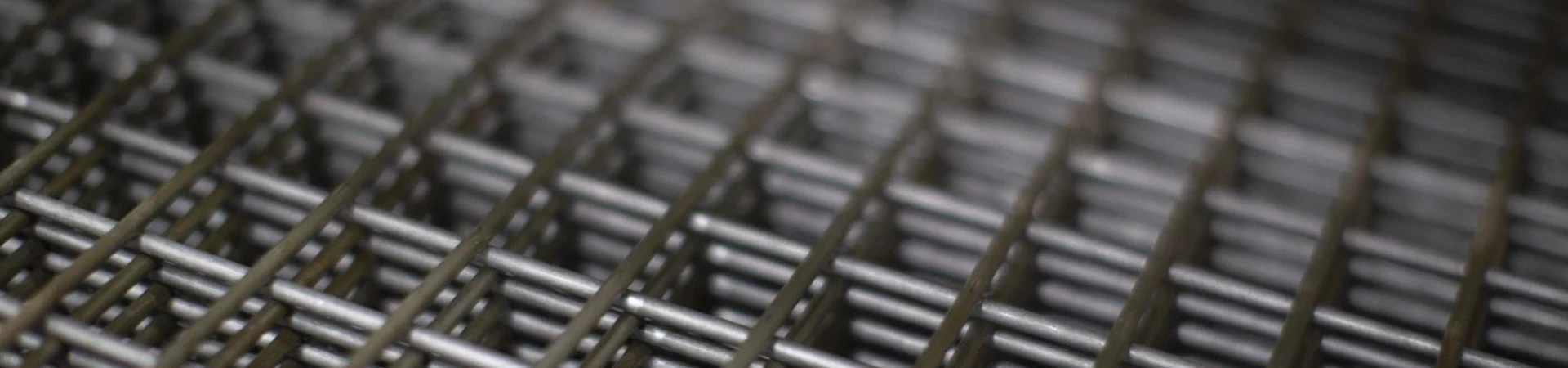

Anti-Tank Track Wire Mesh Barrier | Durable Modular Military Defense Solutions
Nov . 30, 2025 16:55
Understanding the Anti-Tank Track Wire Mesh Barrier: Why It Matters Globally
If you’ve ever wondered how armies and organizations protect vital ground against heavy machinery and hostile vehicles, anti-tank track wire mesh barriers play a surprisingly crucial role. Think of them as rugged mesh walls, designed to slow down or outright stop tanks and other armored vehicles from penetrating sensitive points—whether on battlefields or strategically important infrastructure.
But this isn’t just a niche military tool anymore. Across the globe, from conflict zones to peacekeeping missions and even disaster-hit regions, anti-tank barriers are evolving. They’re becoming lighter, more adaptable, and easier to deploy. The world’s shifting geopolitical landscape alongside rapid advancements in protective infrastructure makes understanding these barriers essential—not just for defense planners, but also for engineers, logistics coordinators, and policymakers worldwide.
The Global Importance of Anti-Tank Track Wire Mesh Barriers
Modern warfare and urban defense focus a lot on mobility and quick response. According to UN reports on conflict zones, approximately 70% of contested urban areas see the deployment of anti-vehicle measures, reflecting a trend towards more dynamic defense setups ([source](https://www.un.org/)). Additionally, the global military engineering market expects steady growth at around 5% year-over-year, with land-based barriers being a key segment (ISO standards guide material use and safety compliance).
Yet, these barriers address more than just warfare. They’re pivotal in securing critical infrastructure such as power plants, borders, and industrial zones vulnerable to sabotage or unintentional damage. The challenge? Traditional anti-tank obstacles are bulky and require heavy machinery for installation, limiting where and how fast they can be deployed. This is where modern wire mesh solutions enter the picture.
Mini Takeaway
In essence, anti-tank barriers aren’t static relics—they’re evolving tools essential for 21st-century security and resilience. Their global relevance goes well beyond just battlefield use.
What Exactly Is an Anti-Tank Track Wire Mesh Barrier?
Put simply, an anti-tank track wire mesh barrier is a sturdy, metal mesh fence designed specifically to obstruct and disable the advance of tanks or heavy armored vehicles. Unlike solid concrete blocks or heavy steel plates, these mesh barriers combine the strength of steel wire with strategic design to absorb impact and tangle the tracks of moving vehicles, rendering them immobile or vulnerable.
The construction usually involves high-tensile steel wires woven or welded into grids, sometimes reinforced with additional steel rods or cables. The mesh’s pattern and gauge are calibrated to stop or at least significantly delay the movement of military vehicles—because even a moment's delay in hostile settings can be crucial.
Beyond military use, these barriers tie into broader humanitarian and infrastructure needs, like protecting refugee camps, transport networks, or industrial facilities in conflict-prone or unstable regions.
Mini Takeaway
Think of these barriers as tactical spiders’ webs: lightweight yet incredibly strong—able to trap and disable heavy vehicles without the bulk and permanent footprint of traditional obstacles.
Core Components and Design Considerations
Durability and Material Strength
Most anti-tank wire mesh barriers use galvanized, galvanized-and-powder coated, or stainless steel wire to withstand corrosion, weathering, and mechanical stress. Durability isn’t just about lasting for years but also resisting the initial heavy impact. Engineers often run drop tests or simulate track crushing to certify performance.
Modularity and Scalability
The best systems break down into panels that are easy to transport by truck or even airlifted. Modular setups let armies or security forces deploy barriers quickly over long distances or tricky terrains, from deserts to urban streets.
Cost Efficiency
Compared to concrete blocks or anti-tank ditches, wire mesh barriers are often cheaper to produce and install. Their reusability and light weight reduce transportation costs as well—critical for extended operations or temporary installations.
Rapid Deployment
Many modern systems are designed with foldable or collapsible frames so that teams can install barriers within hours. This is especially useful in emergencies or when tactical retreats demand quick area denial.
Integration with Other Defensive Measures
Anti-tank wire mesh barriers rarely stand alone. They’re often paired with sensors, cameras, or barbed wire strands. This layered defense approach amplifies protection and provides early warning.
Mini Takeaway
- Advancements in materials and modular design have revolutionized how and when anti-tank barriers are deployed.
- Balancing cost, durability, and speed is key to their practical effectiveness.
Real-World Applications: Where and How These Barriers Make a Difference
Globally, these barriers see use in:
- Conflict zones—as frontline defenses or to protect command centers.
- Border security—slowdown tactics along vulnerable stretches.
- Urban security—around embassies or sensitive government buildings.
- Disaster relief—temporary roadblocks or protective zones in areas with fragile infrastructure.
- Industrial facilities—preventing unauthorized vehicle access, especially during unrest.
For instance, during humanitarian operations in Syria, modular wire mesh barriers were used effectively to safeguard aid convoys and temporary shelters ([example](https://www.jinshieldmesh.com)). In parts of Eastern Europe, rapid assembly of these barriers has helped stabilize tensions by physically restricting unauthorized armored advances.
Mini Takeaway
From the deserts of the Middle East to industrial complexes in Europe, anti-tank track wire mesh barriers are a versatile ingredient in the recipe for security.
Advantages and the Long-Term Value of Wire Mesh Barriers
- Cost Savings: Lightweight construction slashes transport and labor costs.
- Environmental Impact: Reusable and minimal ground disturbance compared to conventional trenches or concrete.
- Safety: Protecting civilian areas while slowing down hostile machinery increases lives saved and infrastructure preserved.
- Innovation and Trust: States and NGOs increasingly trust wire mesh solutions due to their adaptability and proven effectiveness.
The emotional value cannot be overstated. The stability these barriers offer often boosts morale in communities or units under threat. It’s a blend of logic and empathy that makes them so widely accepted.
Product Specifications
| Specification | Typical Value | Notes |
|---|---|---|
| Material | Galvanized Steel Wire 4–6mm | Corrosion-resistant coating |
| Panel Size | 2m x 3.5m | Modular, stackable |
| Weight per Panel | ~200 kg | Transportable by 2 workers or cranes |
| Deployment Time | Under 1 hour per 10 panels | Rapid assembly frame design |
| Load Resistance | Up to 60 tons (tank track impact) | Tested per ISO standards |
Vendor Comparison
| Vendor | Material Quality | Price (per panel) | Deployment Speed | Customization Options |
|---|---|---|---|---|
| Jinjiu Wire Mesh | High (Galvanized+Powder Coated) | $$$ | Fast (1hr/10 panels) | Wide (sizes, wire gauges, coatings) |
| SteelGuard Defense | Medium (Galvanized Only) | $$ | Medium (2hr/10 panels) | Limited (mostly fixed sizes) |
| ArmorNet Solutions | High (Stainless Steel) | $$$$ | Fast (1.5hr/10 panels) | Moderate |
The Future: Innovation and Sustainability in Anti-Tank Barriers
Tech trends lean heavily toward lighter materials—composites, hybrids that include carbon fibers, and biodegradable coatings. There's also a growing push to automate deployment using drones or robotic ground units, which speaks volumes about the rapidly changing nature of defense strategies.
And yes, even green energy and sustainability are crossing paths with anti-tank barriers. Materials that can be recycled or repurposed after use, or that have a smaller carbon footprint during manufacture, are coming onto the scene. This kind of circular economy model could significantly reduce the environmental impact of large-scale deployments.
Challenges and Expert Solutions
Of course, these barriers aren’t a silver bullet. One challenge is the trade-off between durability and weight. Lighter meshes are easier to deploy but might not withstand repeated heavy vehicle impacts. Some teams have started using hybrid systems, combining wire mesh with rapid-deploy concrete pods to cover weaknesses.
Another issue is terrain adaptability—rocky, uneven grounds can complicate installation. Innovative ground anchors and flexible frame systems are becoming game-changers here.
Frequently Asked Questions About Anti-Tank Track Wire Mesh Barrier
- How quickly can an anti-tank wire mesh barrier be deployed in emergency scenarios?
- Modern systems—especially those from leading suppliers like Jinjiu—can be assembled within an hour for every 10 panels thanks to modular and foldable designs, ensuring rapid response in conflict or crisis situations.
- Are these barriers effective against all types of armored vehicles?
- They’re designed primarily to stop or slow tracked vehicles like tanks, but effectiveness varies depending on vehicle weight and speed. In practice, they often delay advances long enough for defensive forces to react.
- Can the barriers be reused after deployment?
- Absolutely. One of their biggest advantages is reusability. Panels can be dismantled, cleaned, and redeployed multiple times, which also helps reduce costs and environmental footprint.
- What maintenance do anti-tank wire mesh barriers require?
- Minimal maintenance is needed if barriers are galvanized or powder coated. Periodic inspections for corrosion or damage, especially after impact events, help maintain effectiveness over long deployments.
- Are there options for customization based on different deployment environments?
- Yes, manufacturers offer a range of wire thicknesses, panel sizes, coating types, and frame designs to suit everything from arid deserts to humid tropical zones or urban landscapes.
Wrapping It Up: Why Anti-Tank Track Wire Mesh Barriers Are Here to Stay
To me, the evolution of anti-tank track wire mesh barriers beautifully illustrates how old-school defense concepts blend with modern-day technology and logistics savvy. They provide a balance of protection, cost-effectiveness, and rapid deployment that few other solutions match. Whether it’s safeguarding vital infrastructure or supporting peacekeeping efforts, they’re quietly essential.
Interested in exploring today’s most trusted products? Check out anti-tank track wire mesh barrier offerings and see how these barriers can safeguard your operations efficiently and reliably.
References

Related Products

Related News

2026-04-16 03:16:12
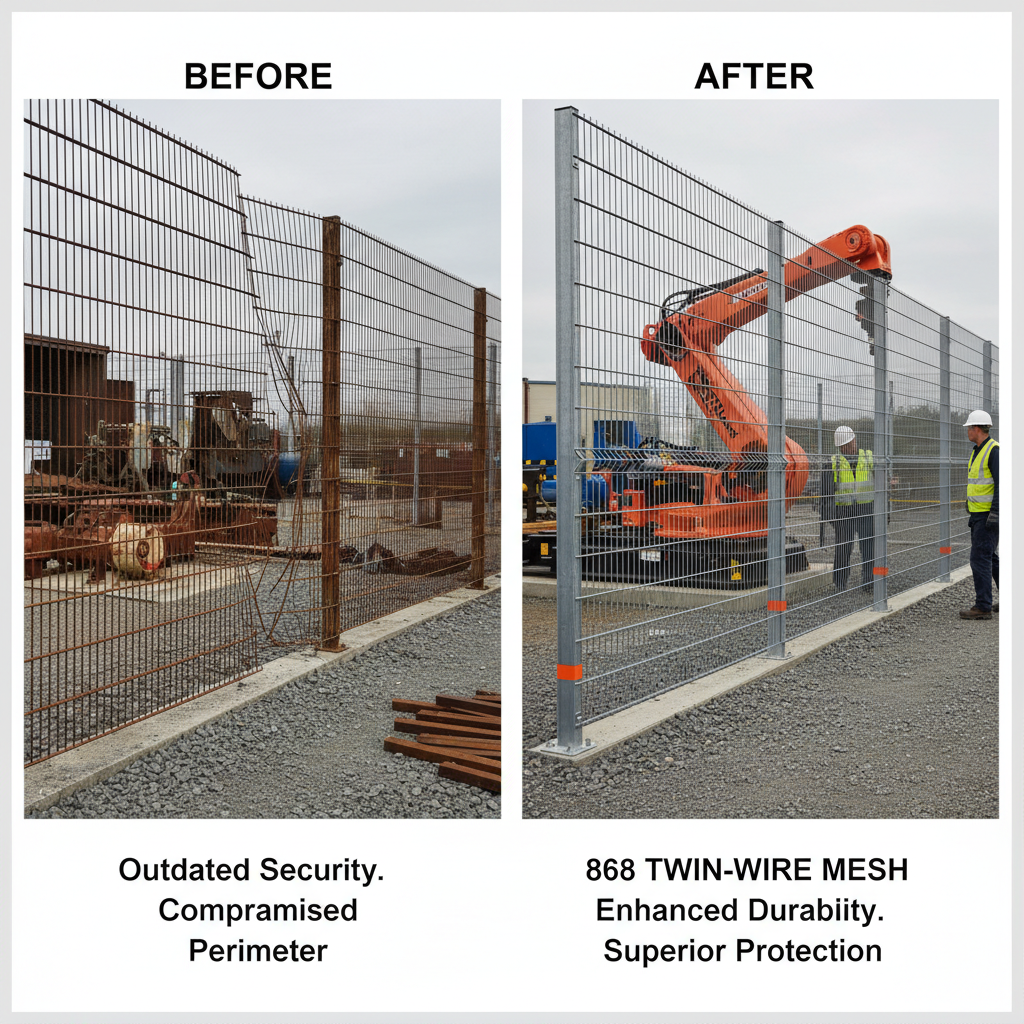
High Security Anti Climb 868 Mesh Fencing for Industrial Properties
When it comes to high-security perimeter protection, 868 mesh fencing stands as the gold standard for industrial and commercial properties. Designed to be virtually impenetrable while maintaining a clean, modern aesthetic, this specialized fencing system offers a unique combination of strength and visibility. Whether you are securing a government facility, a warehouse, or a private estate, understanding the technical advantages of the 868 system is crucial for making an informed investment. In this guide, we will explore why this specific mesh configuration is preferred by security experts worldwide.
2026-04-09 03:17:58
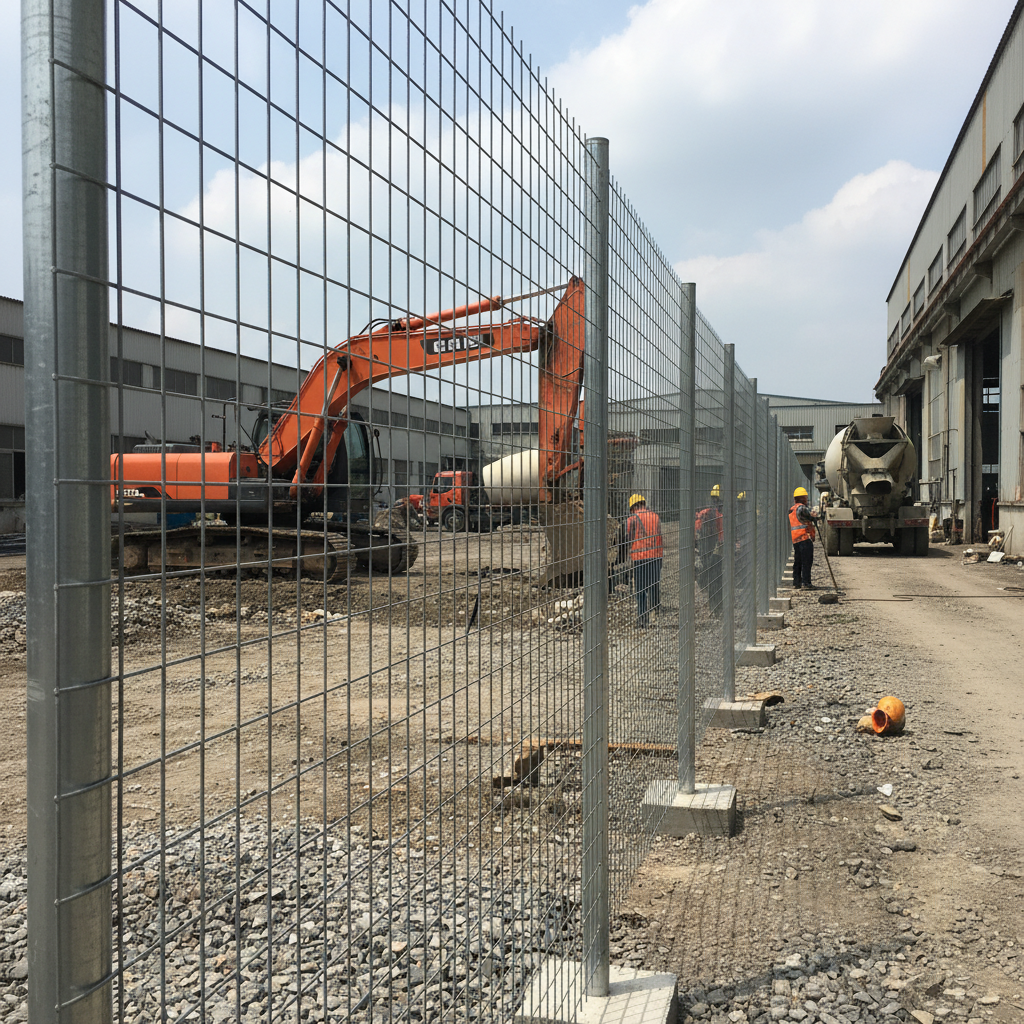
Ultimate Guide to 6ft Mesh Fencing for Security and Privacy
When it comes to establishing a secure perimeter, 6ft mesh fencing is widely regarded as the gold standard for balancing visibility with robust protection. Whether you are securing a commercial warehouse, a residential backyard, or an industrial site, the six-foot height provides a psychological and physical deterrent that lower fences simply cannot match. In this comprehensive guide, we will explore why this specific height is preferred, the materials that ensure longevity, and how to choose the right mesh configuration for your specific needs to ensure maximum ROI and safety.
2026-04-07 03:08:15
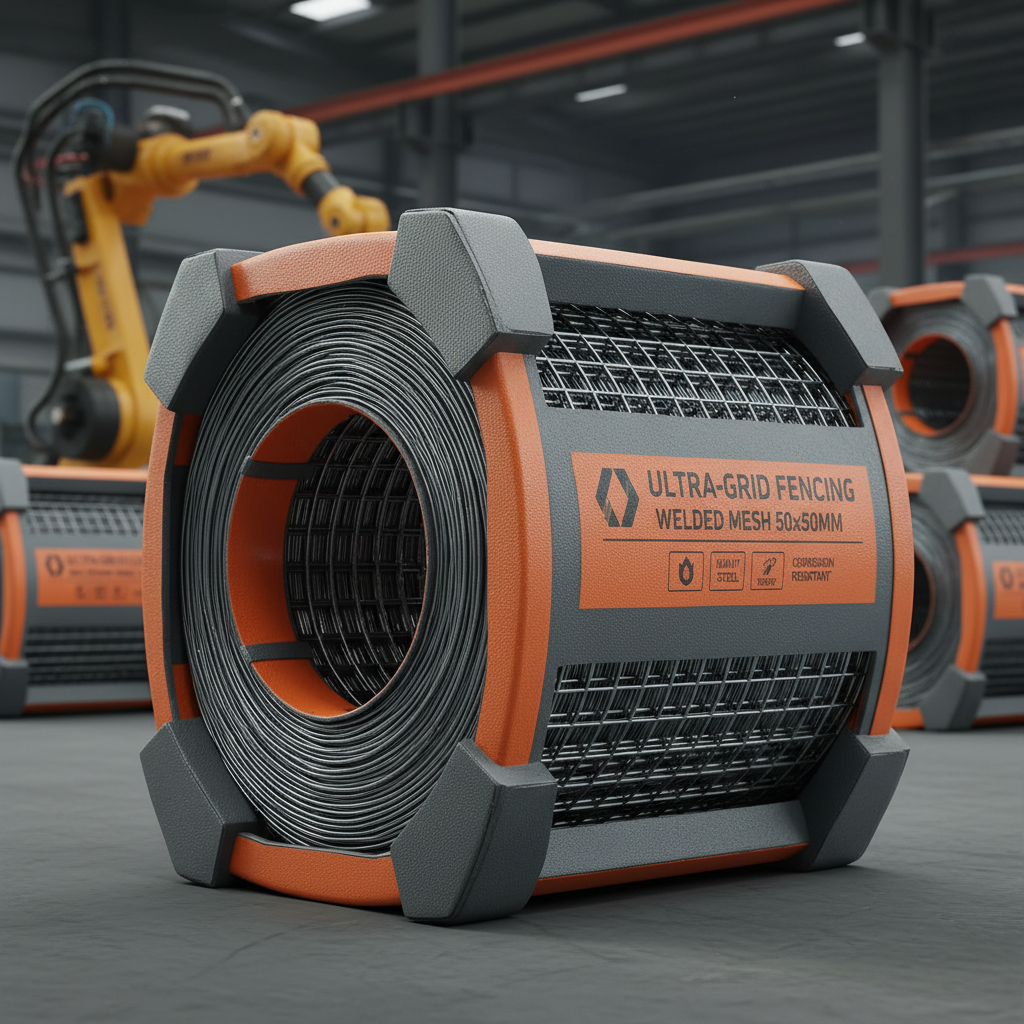
Comprehensive Guide to Welded Mesh Fencing 50x50 for Secure Enclosures
When securing your property or creating enclosures, choosing the right fencing material is crucial. Welded mesh fencing 50x50 offers a robust, versatile, and cost-effective solution for a wide range of applications. This article dives deep into the benefits, specifications, applications, and considerations when selecting this popular fencing option. Whether you’re a homeowner, agricultural business owner, or industrial facility manager, understanding the nuances of welded mesh fencing will empower you to make an informed decision.
2026-04-04 03:18:08
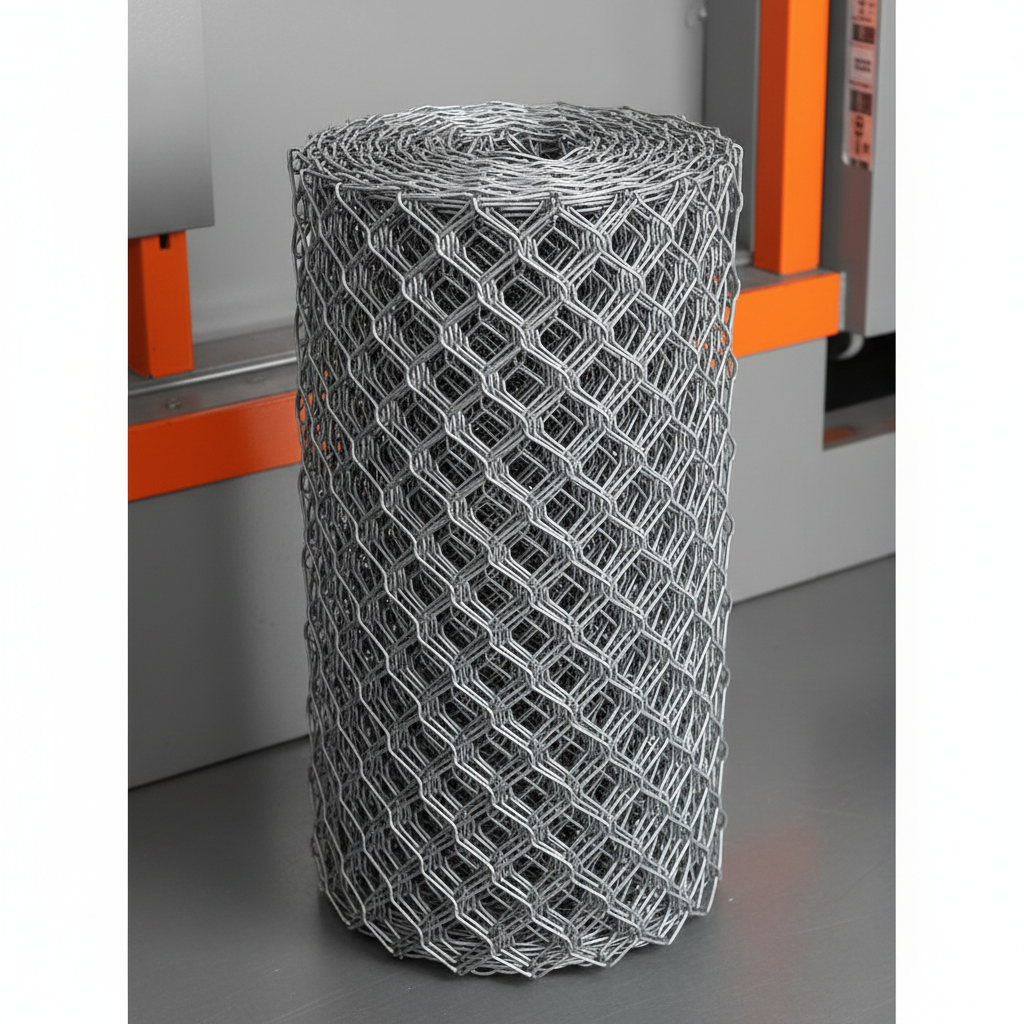
Comprehensive Guide to Durable and Affordable 4ft Wire Mesh Fencing Solutions
4ft wire mesh fencing is a versatile and cost-effective solution for a wide range of applications, from securing residential properties to enclosing industrial sites. Its robust construction and ease of installation make it a popular choice for both DIY projects and professional installations. This article will explore the benefits, applications, different types, installation guidelines, and maintenance tips for 4ft wire mesh fencing, helping you make an informed decision for your fencing needs. Choosing the right fencing is crucial for security, safety, and property value.
2026-03-31 03:15:14
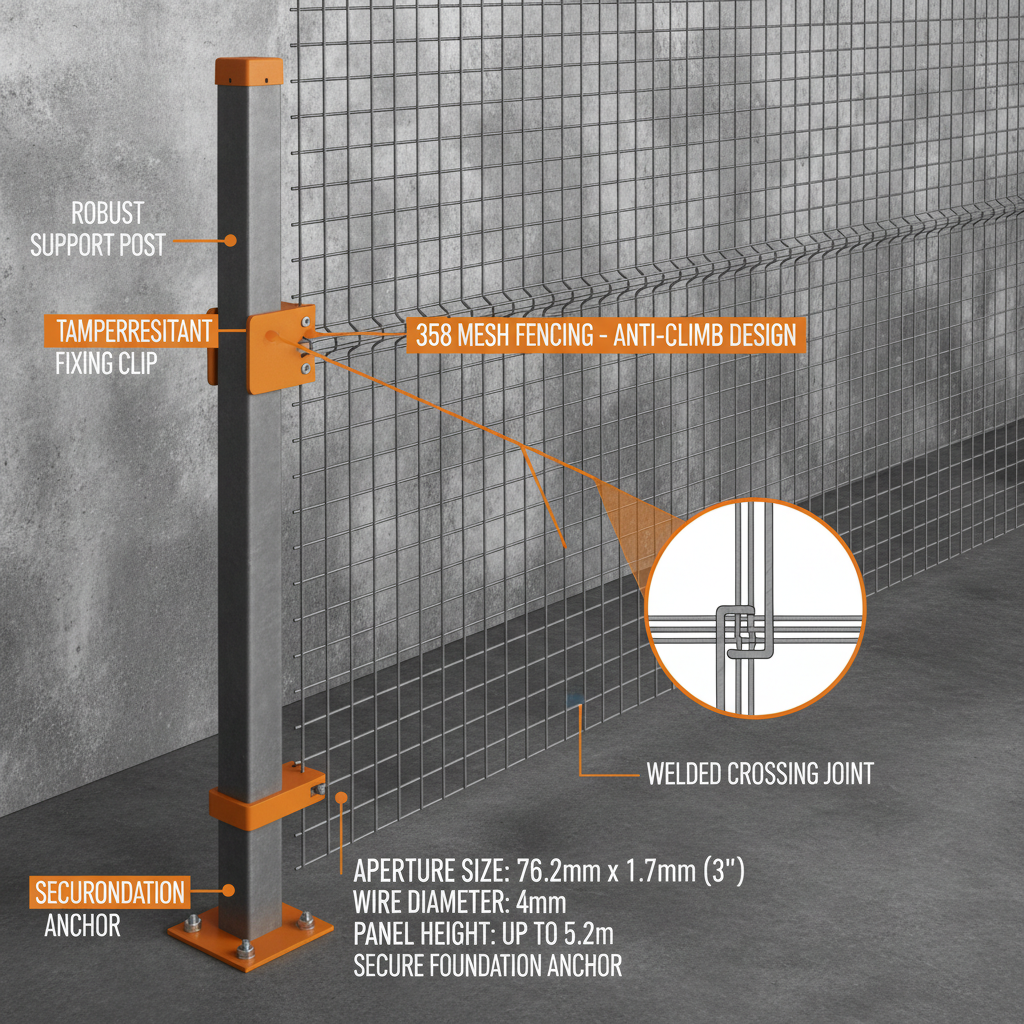
Comprehensive Guide to 358 Mesh Fencing Security Applications and Benefits
When it comes to perimeter security, choosing the right fencing solution is crucial. 358 mesh fencing has emerged as a popular and highly effective option, offering exceptional security and durability. This article provides a comprehensive guide to 358 mesh fencing, covering its key features, applications, benefits, and considerations for installation. We’ll explore why this type of fencing is increasingly preferred by commercial, industrial, and residential clients seeking robust security solutions.
2026-03-28 03:27:34
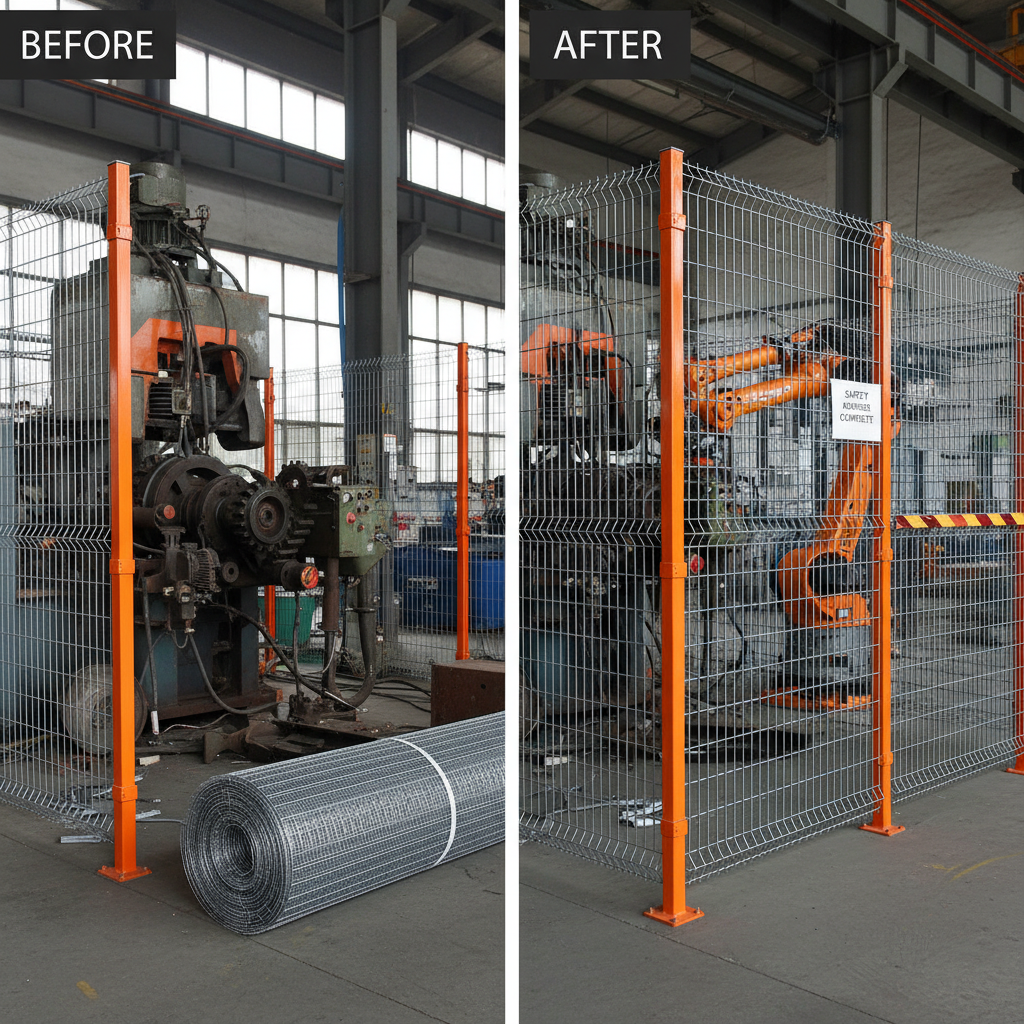
Comprehensive Guide to Durable 1 Inch Wire Mesh Fencing Solutions
When establishing secure perimeters for residential, agricultural, industrial, or commercial properties, choosing the right fencing material is crucial. 1 inch wire mesh fencing is a popular and versatile option, known for its durability, security, and cost-effectiveness. This article will provide a comprehensive overview of 1 inch wire mesh fencing, covering its applications, benefits, materials, installation, and maintenance. We'll explore how this fencing solution can provide long-lasting security and peace of mind for your property.
2026-03-26 03:17:15
Comprehensive Guide to Welded Mesh Fencing 1.8m for Security and Versatility
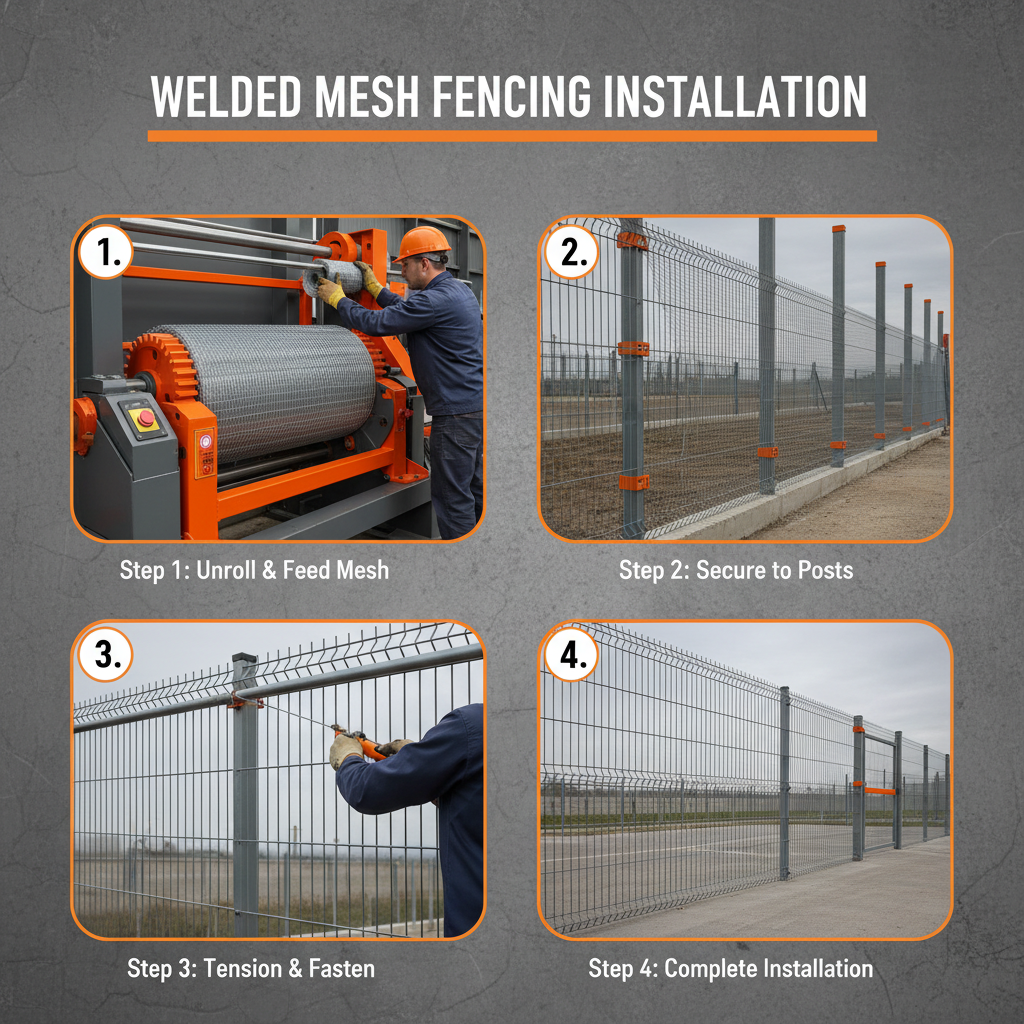
Welded mesh fencing is a robust and versatile solution for a wide range of applications, from securing perimeters to containing livestock. Specifically, welded mesh fencing 1.8m height offers an excellent balance of security, visibility, and cost-effectiveness. This article will explore the benefits, applications, installation considerations, and variations of this popular fencing option. We'll delve into why it’s a preferred choice for both residential and commercial properties. Choosing the right fencing is crucial for safety and security, and we’ll guide you through making the best decision. Welded mesh fencing 1.8m provides several key advantages over traditional fencing materials. Its rigid construction offers excellent resistance to climbing and cutting, enhancing security. The open mesh design allows for good visibility, which is important for surveillance and aesthetic purposes.
2026-03-24 03:20:18
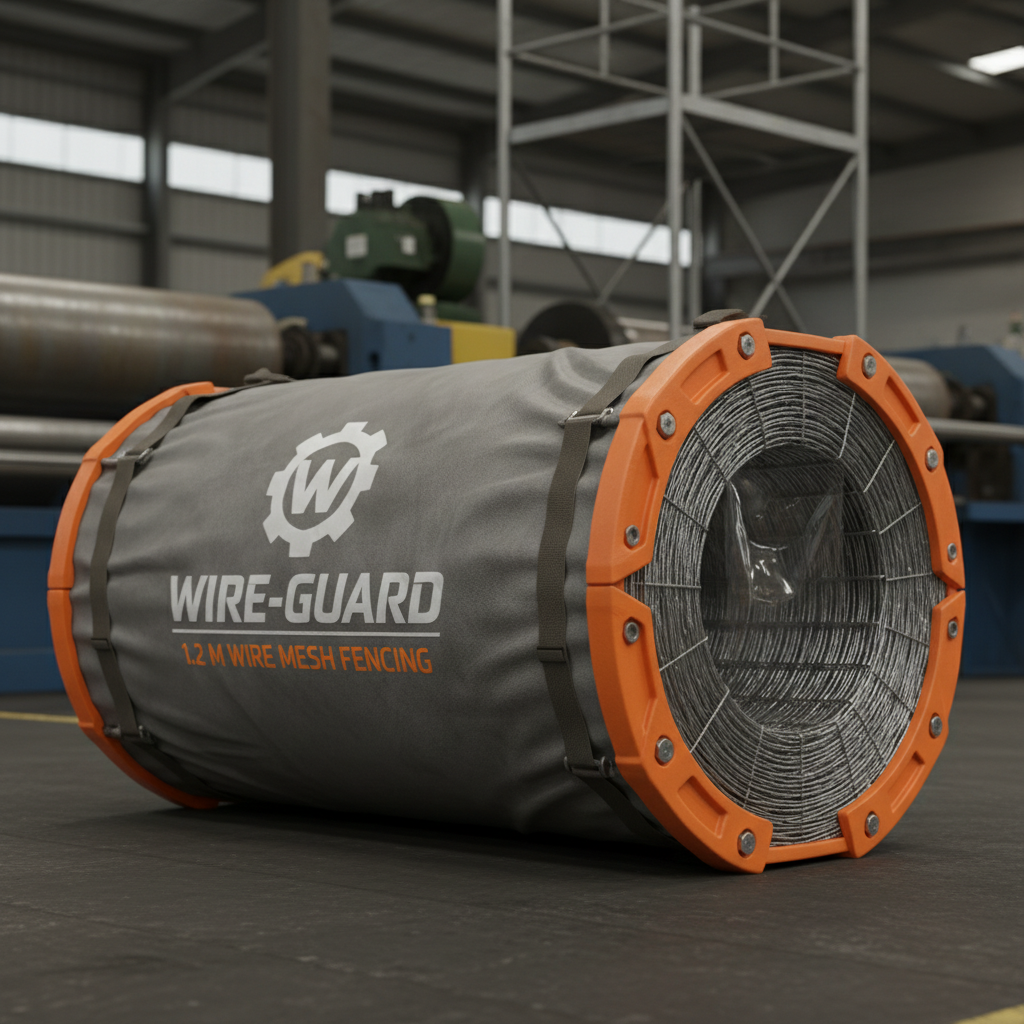
Comprehensive Guide to Durable 1.2 m Wire Mesh Fencing Solutions
When securing properties, livestock, or construction sites, choosing the right fencing material is crucial. 1.2 m wire mesh fencing offers a robust, versatile, and cost-effective solution. This article will explore the benefits, applications, installation, and maintenance of 1.2m wire mesh fencing, providing a thorough overview for homeowners, farmers, and contractors. Selecting the appropriate fencing enhances security, defines boundaries, and contributes to a safe environment. The robust construction provides excellent security, deterring intruders and containing animals. The galvanized or PVC-coated finish offers exceptional corrosion resistance, ensuring long-lasting durability even in harsh weather conditions. The mesh design allows for good visibility, which is ideal for residential and commercial properties where aesthetics are a concern. Furthermore, the relatively low cost compared to other fencing options makes it an economical choice for large areas. The ease of installation and low maintenance requirements add to its appeal.


 English