




Hebei Jinjiu Metal Products Co.,Ltd


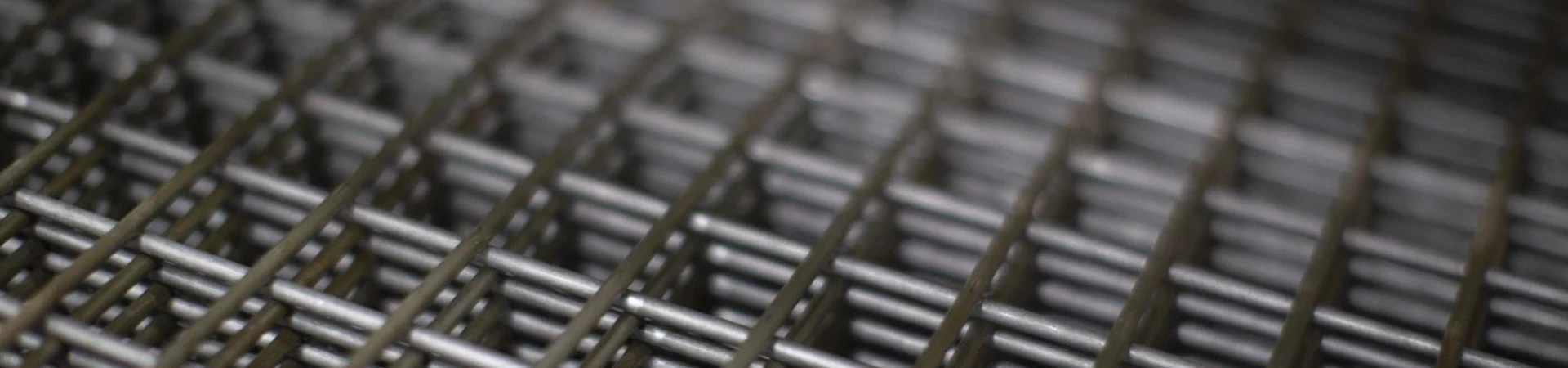

Comprehensive Guide to Anti Tank Barrier Metal Mesh: Global Uses and Innovations
Dec . 02, 2025 16:34
Understanding Anti Tank Barrier Metal Mesh: Global Impact and Practical Edge
If you’re dipping your toes into the world of security infrastructure or industrial safety, chances are you’ve encountered the term anti tank barrier metal mesh. It sounds niche, maybe even militaristic, but its applications stretch far beyond combat zones and military perimeters. Frankly, this technology plays a surprisingly crucial role in global security, infrastructure resilience, and disaster relief. Imagine a mesh so robust and configurable that it can stop heavy vehicles, fortify critical infrastructure, and protect civilians — that’s the essence of anti tank barrier metal mesh.
Why does this matter? Globally, conflicts and natural emergencies are forcing governments, NGOs, and private industries to rethink how they safeguard assets while maintaining rapid deployment and cost efficiency. Anti tank barrier metal mesh presents a balanced solution. It’s durable and scalable, but also versatile enough for humanitarian access restrictions and industrial hazard control.
Let’s chat about what exactly this mesh is, how it’s made, why it’s in increasing demand worldwide, and where the industry is headed.
Global Context: Why Anti Tank Barrier Metal Mesh Matters Today
The significance of anti tank barrier metal mesh goes beyond the military sphere. According to recent UN data, global peacekeeping operations have increasingly prioritized infrastructure security to protect civilians and assets alike. Meanwhile, the World Bank highlights physical infrastructure resilience as a key lever in disaster risk reduction. And let’s not forget rising geopolitical tensions leading to calls for more secure borders and urban protection measures.
Yet, traditional anti-vehicle barriers were often bulky, expensive, hard to transport, or environmentally unfriendly. Here is where metal mesh barriers come into play — offering a lightweight, modular, and long-lasting alternative with fewer installation headaches.
Defining Anti Tank Barrier Metal Mesh
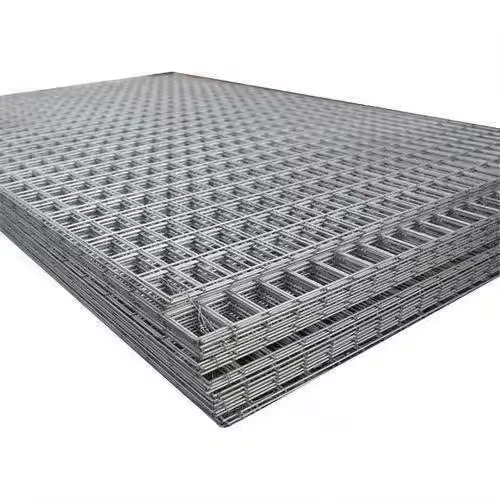
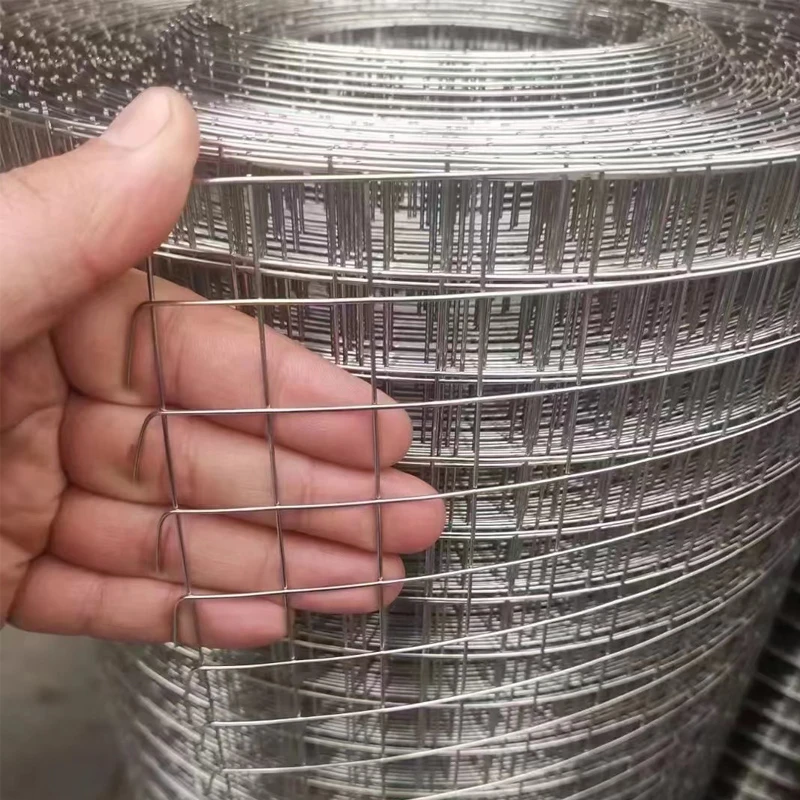
In simple terms, anti tank barrier metal mesh consists of interlinked metal panels or rolls designed to form a solid physical blockade that can stop tanks, personnel carriers, and heavy equipment vehicles. Usually made from high-grade steel, the mesh features thick wires welded or woven in patterns optimized for maximum strength and durability.
Its connection to modern industrial needs isn’t just about stopping tanks. Many industries use similar robust mesh systems to protect hazardous zones or critical infrastructure. Moreover, humanitarian agencies apply barriers to manage safe zones and evacuations efficiently without permanent construction.
Key Factors Defining Anti Tank Barrier Metal Mesh
1. Durability
These meshes must hold up under harsh conditions — extreme weather, heavy impacts, and corrosion. Most are galvanized or coated to fend off rust, ensuring decades of reliable protection.
2. Scalability and Modularity
From a small checkpoint to a sprawling perimeter, mesh panels connect quickly, enabling swift on-site adjustments. This flexibility suits both military deployments and rapid disaster response.
3. Cost Efficiency
Compared to concrete blocks or permanent earthworks, metal mesh barriers weigh less and require less labor to install. Their modular nature means pieces can be reused or repositioned, extending asset value.
4. Ease of Transport and Installation
Panels or rolls can be shipped compactly and deployed with minimal heavy machinery, ideal for remote or constrained sites.
5. Environmental Considerations
Many manufacturers now prioritize eco-friendly coatings and recyclable materials, reducing the environmental footprint of protective infrastructure.
Product Specifications at a Glance
| Specification | Typical Value | Notes |
|---|---|---|
| Material Type | Galvanized Steel | Corrosion resistant coating |
| Wire Diameter | 8 mm to 15 mm | Varies by security level required |
| Mesh Aperture | 50 x 50 mm to 100 x 100 mm | Balance between visibility and blockage |
| Panel Size | 2 m x 3 m typical | Custom sizes available |
| Weight per Panel | ~80 to 120 kg | Facilitates manual or crane-assisted installation |
Global Applications & Use Cases
You might expect these barriers only near military bases, but here’s the thing: they’re increasingly appearing in peacekeeping missions, border control, industrial plant perimeters, and even post-disaster sites to channel traffic and secure zones.
- Peacekeeping and UN Missions: Secure camps and checkpoints in conflict zones worldwide.
- Industrial and Infrastructure Security: Protect oil & gas installations, power plants, and airports from vehicle-borne threats.
- Disaster Relief: Create safe zones in earthquake or flood-hit areas, helping regulate vehicle movement while safeguarding emergency responders.
- Urban Security: Temporarily secure public events or construction areas against heavy vehicle intrusion.
In South Asia, for example, rapidly constructed anti vehicle barricades helped protect critical infrastructure during the monsoon season floods. In Europe, modular metal meshes found new life in upgrading airport security zones without heavy civil works. anti tank barrier metal mesh is less rigid in application than you might’ve thought.
Vendor Comparison: Popular Anti Tank Mesh Solutions
| Feature | Vendor A | Vendor B | Vendor C |
|---|---|---|---|
| Material Grade | S355 Steel | S460 Steel | High-tensile galvanized steel |
| Customization Options | Panel sizes & wire thickness | Custom patterns & coating | Modular kits for quick assembly |
| Lead Time | 4 weeks | 6 weeks | 3 weeks |
| Eco-Friendly Features | Recyclable materials | Low-VOC coatings | Energy-efficient production |
Why Choose Anti Tank Barrier Metal Mesh? Advantages & Value
The benefits pile up: long service life with minimal maintenance, the flexibility to adapt to evolving security landscapes, and the reassuring reliability you need when stakes are high. Cost-wise, you’re saving on installation, transportation, and lifecycle replacements — quite a solid deal in physical security budgeting.
But, oddly enough, it’s not just the technical specs that matter. People on the ground — engineers, security planners, and even local communities — often mention that such barriers balance safety with dignity, maintaining some transparency (literally!) and visual openness while hardening defenses. That’s social value we too often ignore.
Future Trends & Innovations in Anti Tank Barrier Metal Mesh
What’s next? The industry is leaning into:
- Smart Mesh Solutions: Embedded sensors that monitor structural health, detect impacts, or unauthorized tampering.
- Advanced Materials: Using composite coatings for corrosion resistance or integrating recycled metals to reduce environmental footprint.
- Automated Deployment: Robotics and modular units designed for ultra-fast setup in emergency situations.
- Sustainability Policies: More companies pledge to meet ISO 14001 environmental standards, aligning production with global climate goals.
So, not just static steel walls anymore — more like smart, green guardians of critical spaces. I suppose that’s quite fitting for our decade.
Common Challenges & Expert Solutions
No product is perfect. Some challenges include:
- Weight and Transport Logistics: Panels are heavy and bulky, complicating delivery to remote areas.
- Installation Expertise: Requires trained personnel for optimal assembly and anchoring.
- Corrosion in Harsh Environments: Coastal or chemical exposure can degrade untreated steel quickly.
Experts recommend pre-fabricated modular kits that reduce on-site labor, using galvanized or powder-coated materials, and ongoing training programs for installation teams. Frankly, staying ahead of these prevents most headaches.
FAQ: Your Questions About Anti Tank Barrier Metal Mesh
- Q: How quickly can anti tank barrier metal mesh be deployed in emergency zones?
A: Deployment speed depends on site size and crew experience but typically ranges from a few hours to a couple of days. Modular designs and prefabrication make rapid assembly feasible without heavy equipment. - Q: Is the mesh reusable after an event or conflict?
A: Yes, one of the biggest advantages is modular reuse. Panels can be dismantled, transported, and redeployed, supporting cost efficiency and sustainability. - Q: What maintenance is required to keep the mesh effective?
A: Routine inspections for corrosion or damage suffice, with repainting or coating touch-ups every few years, depending on environment severity. - Q: Can these metal meshes be customized for different threat levels?
A: Absolutely. Manufacturers offer variations in wire thickness, panel size, and mesh apertures to match specific security or environmental needs.
Conclusion & Next Steps
So there you have it: anti tank barrier metal mesh is a multifaceted, evolving solution crucial to global security, industrial safety, and humanitarian efforts. Its balance of strength, flexibility, and sustainability makes it a go-to for those needing reliable physical barriers that don’t break the bank or the environment.
If you want to explore tailored options or learn more about cutting-edge mesh solutions, visit our website for expert consultation and product details. Protection is not just about the barrier — it’s about peace of mind.
Mini takeaway: Anti tank barrier metal mesh merges strength with adaptability, becoming indispensable in modern defense, infrastructure, and emergency applications worldwide.
References

Related Products

Related News

2026-04-16 03:16:12
High Security Anti Climb 868 Mesh Fencing for Industrial Properties
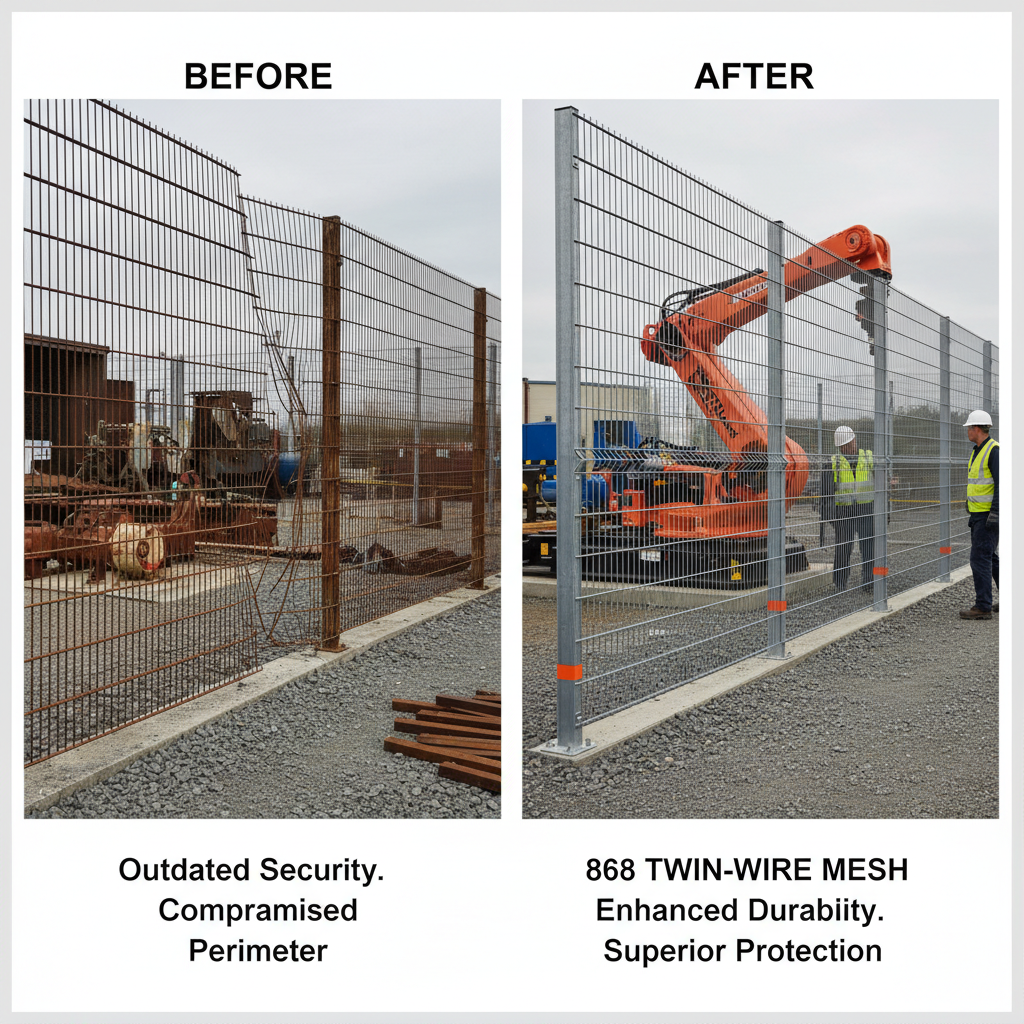
When it comes to high-security perimeter protection, 868 mesh fencing stands as the gold standard for industrial and commercial properties. Designed to be virtually impenetrable while maintaining a clean, modern aesthetic, this specialized fencing system offers a unique combination of strength and visibility. Whether you are securing a government facility, a warehouse, or a private estate, understanding the technical advantages of the 868 system is crucial for making an informed investment. In this guide, we will explore why this specific mesh configuration is preferred by security experts worldwide.
2026-04-09 03:17:58
Ultimate Guide to 6ft Mesh Fencing for Security and Privacy
When it comes to establishing a secure perimeter, 6ft mesh fencing is widely regarded as the gold standard for balancing visibility with robust protection. Whether you are securing a commercial warehouse, a residential backyard, or an industrial site, the six-foot height provides a psychological and physical deterrent that lower fences simply cannot match. In this comprehensive guide, we will explore why this specific height is preferred, the materials that ensure longevity, and how to choose the right mesh configuration for your specific needs to ensure maximum ROI and safety.
2026-04-07 03:08:15
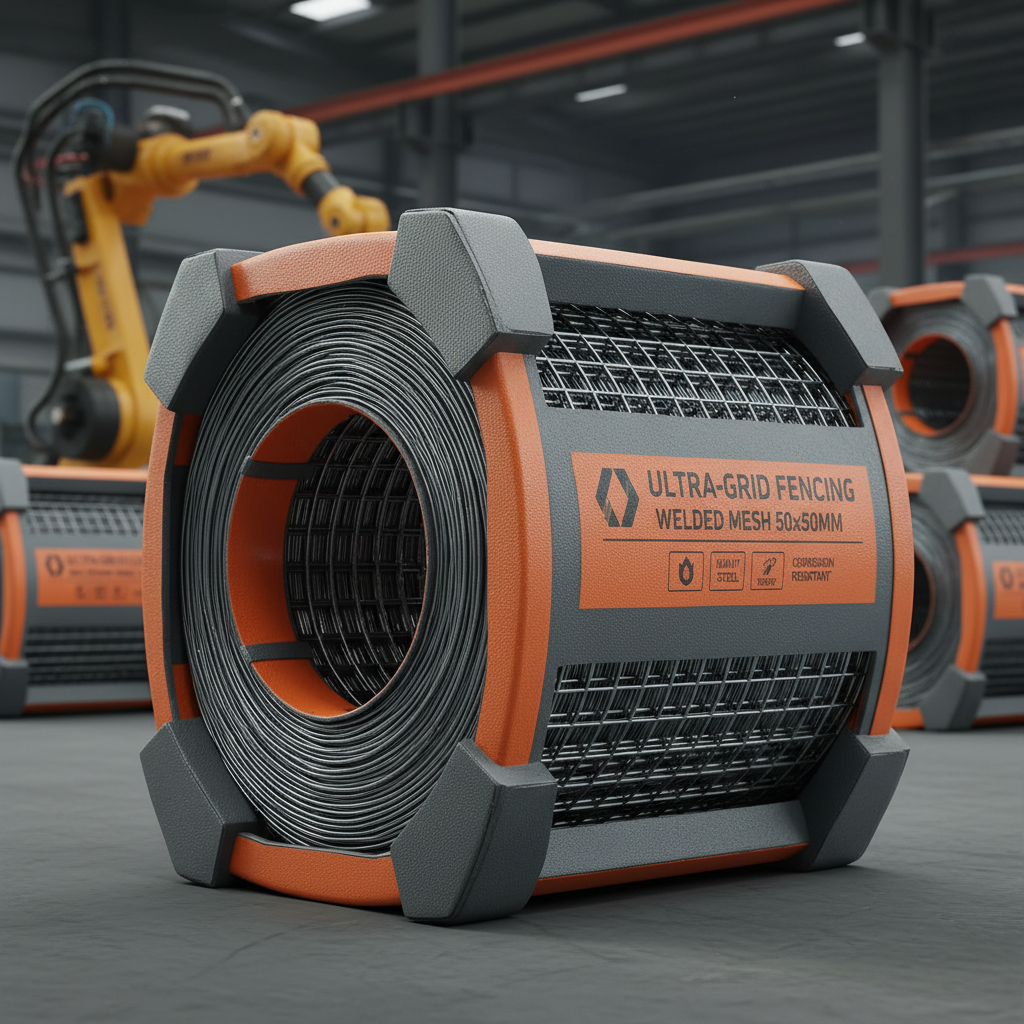
Comprehensive Guide to Welded Mesh Fencing 50x50 for Secure Enclosures
When securing your property or creating enclosures, choosing the right fencing material is crucial. Welded mesh fencing 50x50 offers a robust, versatile, and cost-effective solution for a wide range of applications. This article dives deep into the benefits, specifications, applications, and considerations when selecting this popular fencing option. Whether you’re a homeowner, agricultural business owner, or industrial facility manager, understanding the nuances of welded mesh fencing will empower you to make an informed decision.
2026-04-04 03:18:08
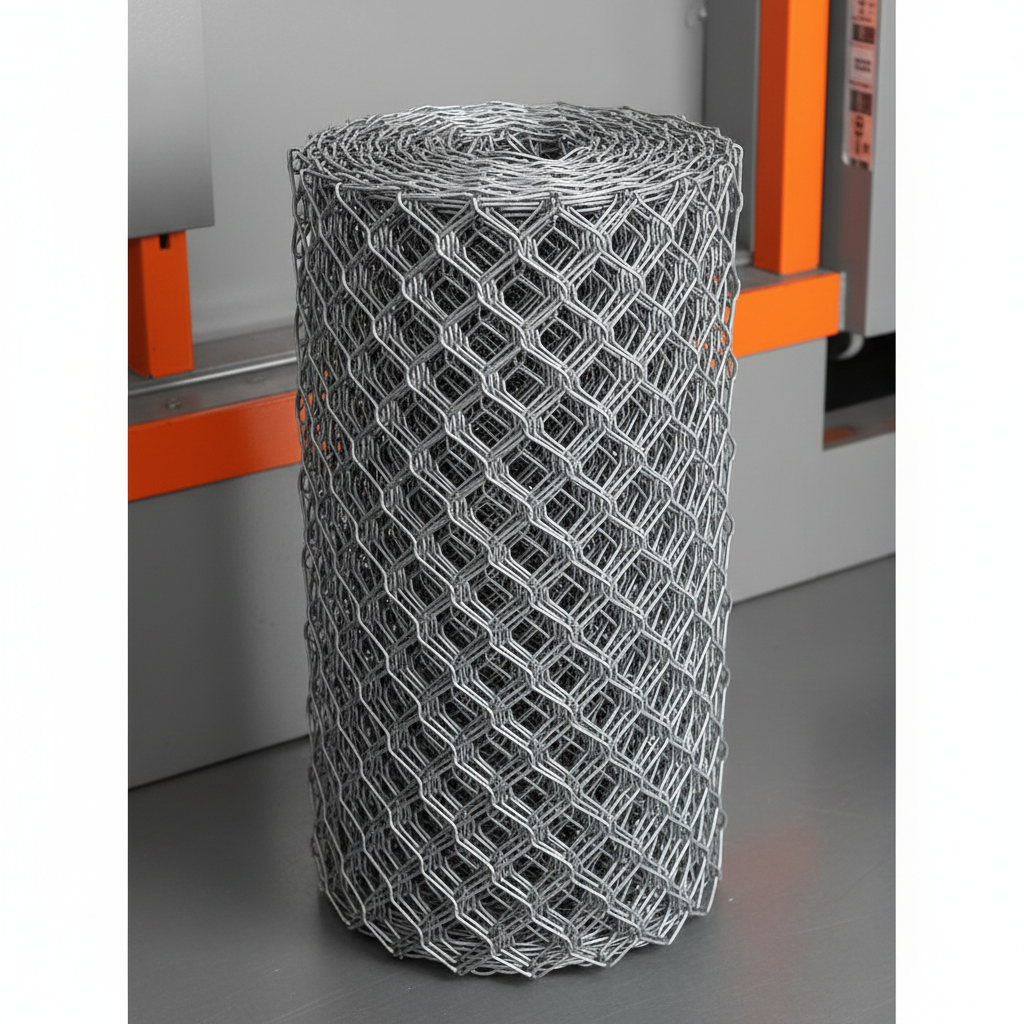
Comprehensive Guide to Durable and Affordable 4ft Wire Mesh Fencing Solutions
4ft wire mesh fencing is a versatile and cost-effective solution for a wide range of applications, from securing residential properties to enclosing industrial sites. Its robust construction and ease of installation make it a popular choice for both DIY projects and professional installations. This article will explore the benefits, applications, different types, installation guidelines, and maintenance tips for 4ft wire mesh fencing, helping you make an informed decision for your fencing needs. Choosing the right fencing is crucial for security, safety, and property value.
2026-03-31 03:15:14
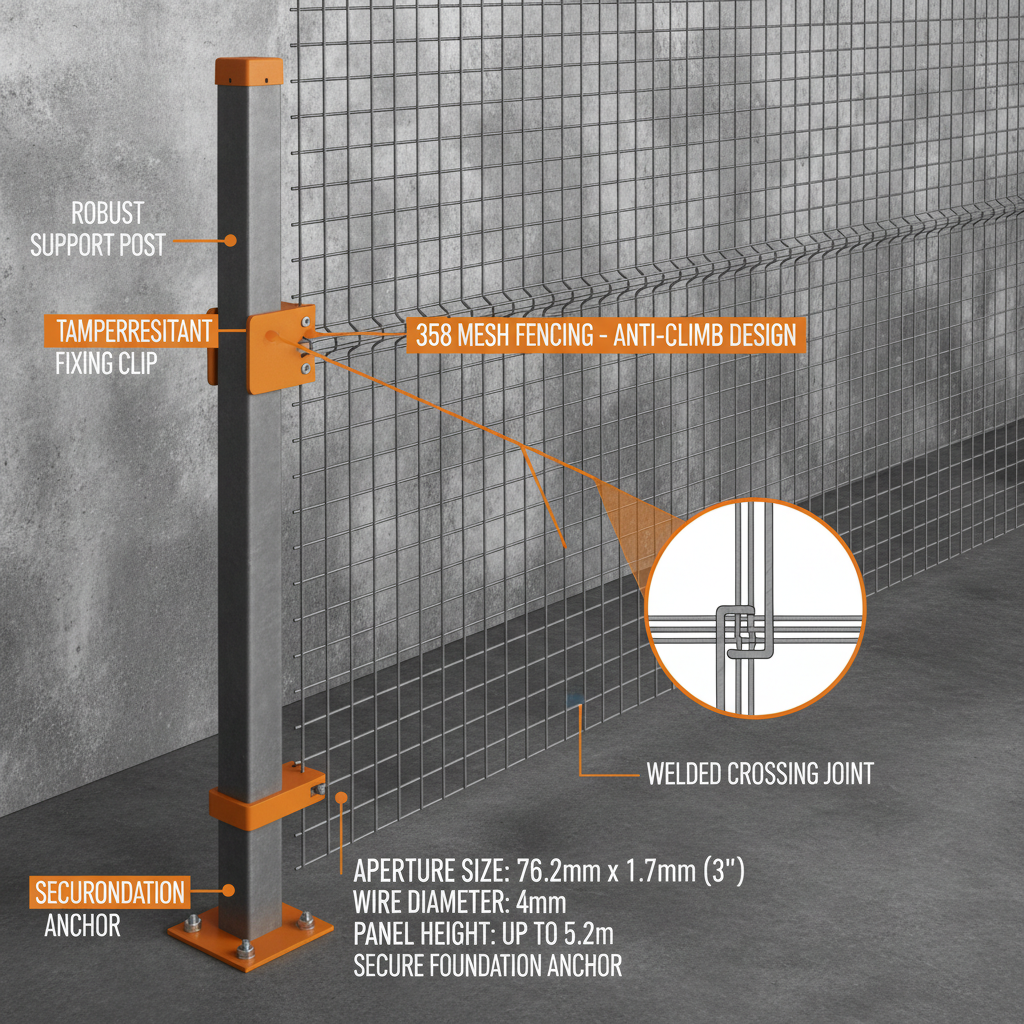
Comprehensive Guide to 358 Mesh Fencing Security Applications and Benefits
When it comes to perimeter security, choosing the right fencing solution is crucial. 358 mesh fencing has emerged as a popular and highly effective option, offering exceptional security and durability. This article provides a comprehensive guide to 358 mesh fencing, covering its key features, applications, benefits, and considerations for installation. We’ll explore why this type of fencing is increasingly preferred by commercial, industrial, and residential clients seeking robust security solutions.
2026-03-28 03:27:34
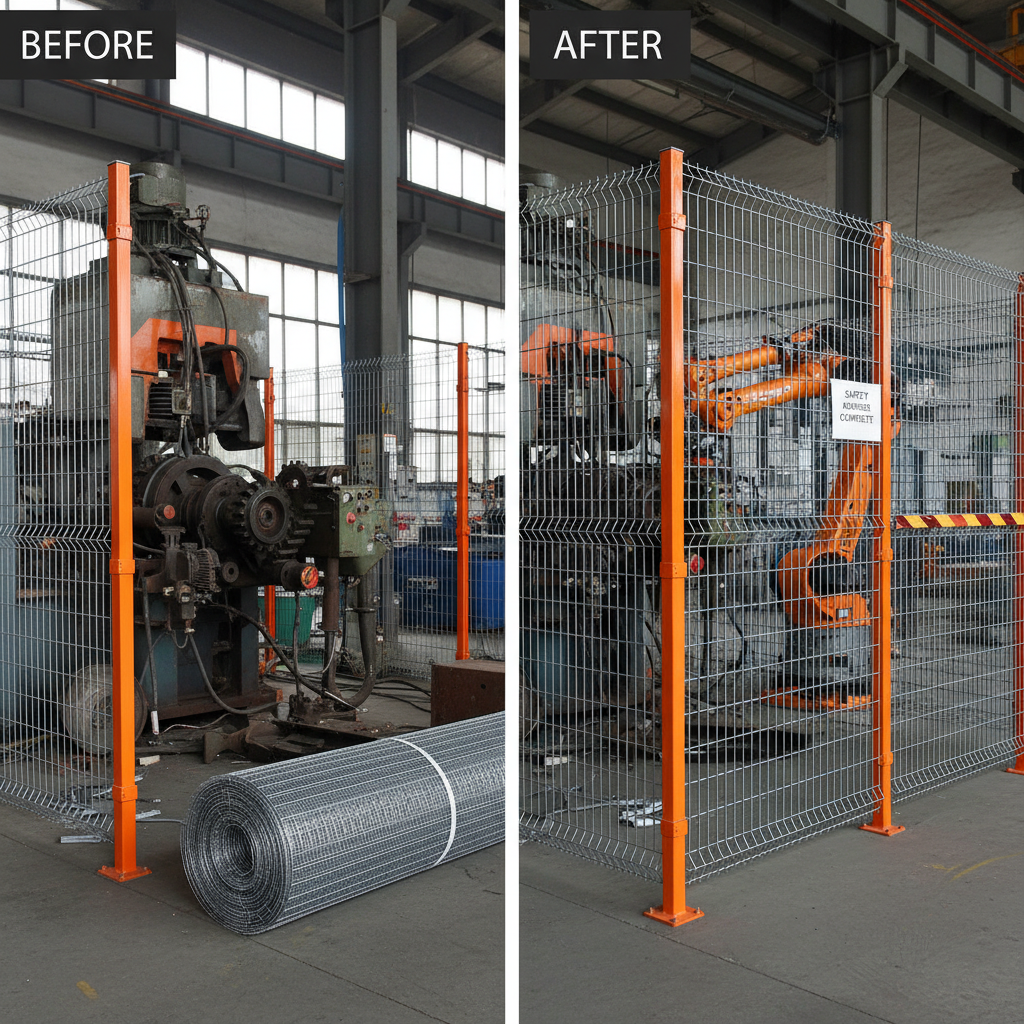
Comprehensive Guide to Durable 1 Inch Wire Mesh Fencing Solutions
When establishing secure perimeters for residential, agricultural, industrial, or commercial properties, choosing the right fencing material is crucial. 1 inch wire mesh fencing is a popular and versatile option, known for its durability, security, and cost-effectiveness. This article will provide a comprehensive overview of 1 inch wire mesh fencing, covering its applications, benefits, materials, installation, and maintenance. We'll explore how this fencing solution can provide long-lasting security and peace of mind for your property.
2026-03-26 03:17:15
Comprehensive Guide to Welded Mesh Fencing 1.8m for Security and Versatility
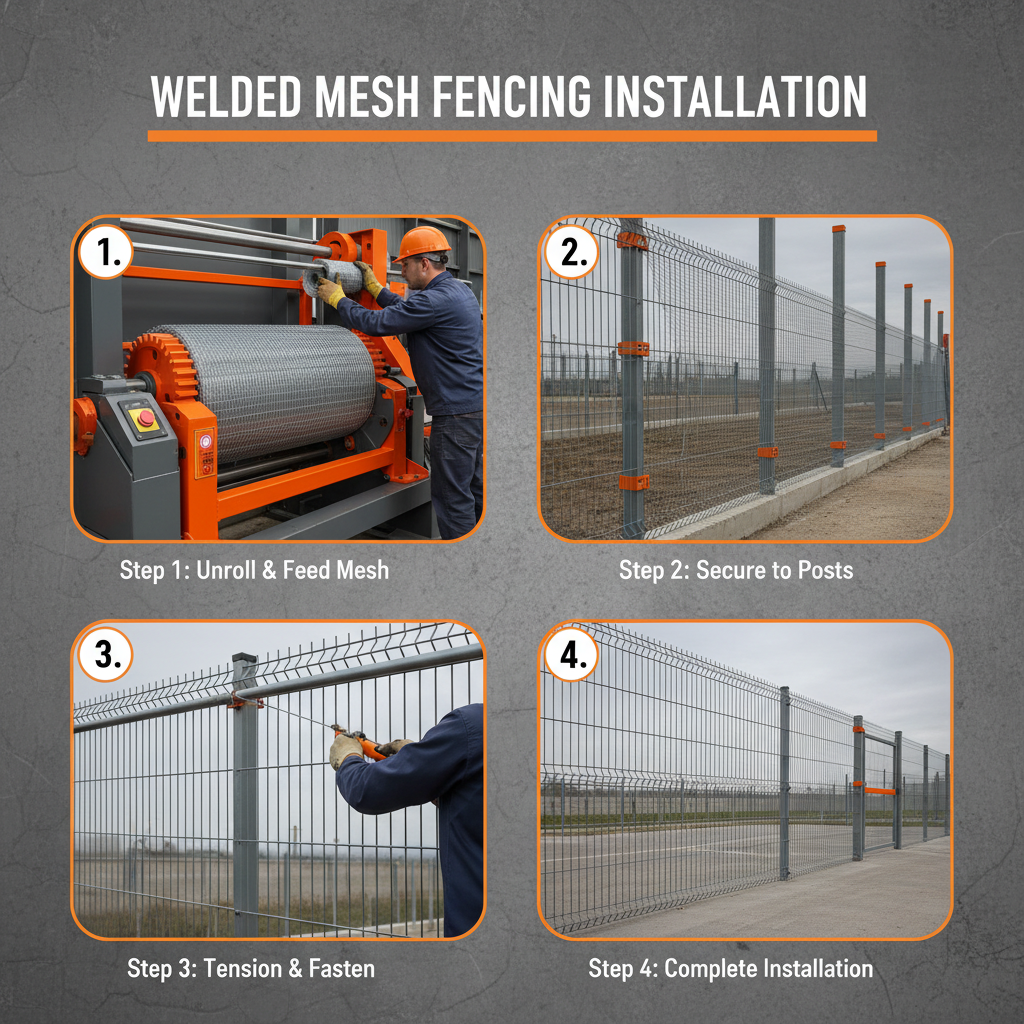
Welded mesh fencing is a robust and versatile solution for a wide range of applications, from securing perimeters to containing livestock. Specifically, welded mesh fencing 1.8m height offers an excellent balance of security, visibility, and cost-effectiveness. This article will explore the benefits, applications, installation considerations, and variations of this popular fencing option. We'll delve into why it’s a preferred choice for both residential and commercial properties. Choosing the right fencing is crucial for safety and security, and we’ll guide you through making the best decision. Welded mesh fencing 1.8m provides several key advantages over traditional fencing materials. Its rigid construction offers excellent resistance to climbing and cutting, enhancing security. The open mesh design allows for good visibility, which is important for surveillance and aesthetic purposes.
2026-03-24 03:20:18
Comprehensive Guide to Durable 1.2 m Wire Mesh Fencing Solutions
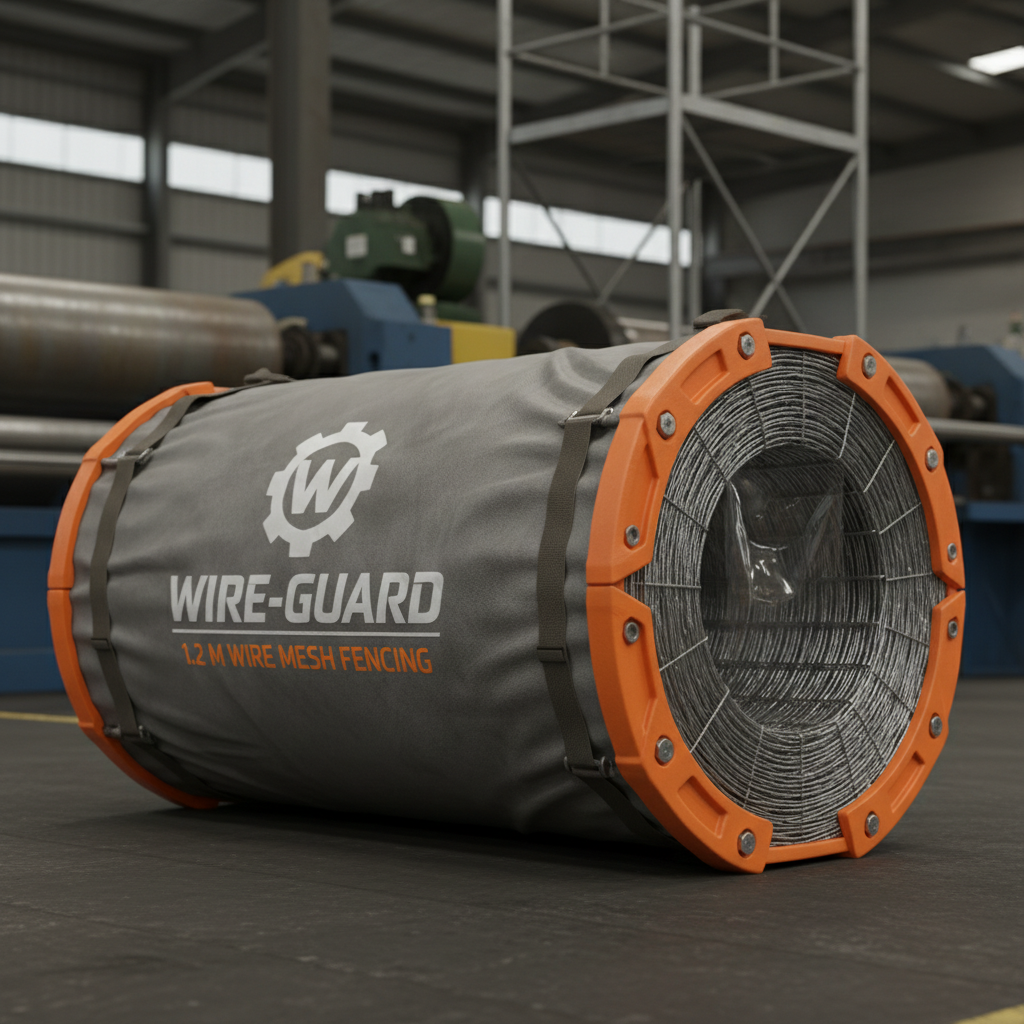
When securing properties, livestock, or construction sites, choosing the right fencing material is crucial. 1.2 m wire mesh fencing offers a robust, versatile, and cost-effective solution. This article will explore the benefits, applications, installation, and maintenance of 1.2m wire mesh fencing, providing a thorough overview for homeowners, farmers, and contractors. Selecting the appropriate fencing enhances security, defines boundaries, and contributes to a safe environment. The robust construction provides excellent security, deterring intruders and containing animals. The galvanized or PVC-coated finish offers exceptional corrosion resistance, ensuring long-lasting durability even in harsh weather conditions. The mesh design allows for good visibility, which is ideal for residential and commercial properties where aesthetics are a concern. Furthermore, the relatively low cost compared to other fencing options makes it an economical choice for large areas. The ease of installation and low maintenance requirements add to its appeal.


 English