




Hebei Jinjiu Metal Products Co.,Ltd



Comprehensive Guide to Anti-Tank Security Barrier Solutions and Applications
Nov . 30, 2025 04:05
Understanding Anti-Tank Security Barriers: Why They Matter Now More Than Ever
In a world where geopolitical tensions flare and asymmetric warfare evolves, the humble anti-tank security barrier quietly plays a pivotal role. But beyond the buzzwords and military jargon, what exactly is an anti-tank barrier, why should any industry stakeholder care, and what benefits does comprehending it bring?
Simply put, these barriers are engineered obstacles designed to halt or slow down armored vehicles, crucial in protecting infrastructure, sensitive zones, and communities during conflict or unrest. Depending on where you stand — city planner, defense contractor, or humanitarian relief coordinator — their importance takes on different shades. Yet, the big picture remains: understanding these barriers can shape how nations safeguard their assets and civilians alike.
Global Context: The Rising Demand for Robust Security Solutions
The past decade has seen a marked increase in border fortification and critical infrastructure protection worldwide. According to data compiled by the United Nations Office for Disarmament Affairs, incidents involving armored vehicles in conflict zones rose by nearly 18% from 2010 to 2020. The anti-tank security barrier often stands as a frontline defense, deterring incursions before any disaster unfolds.
But here’s the rub — with urban development encroaching on traditional buffer zones, and rapid advances in armored tech, traditional methods have struggled. Stakeholders face the challenge of creating barriers that are not only effective but also deployable, sustainable, and adaptable to various terrains and threats.
What Exactly Is an Anti-Tank Security Barrier?
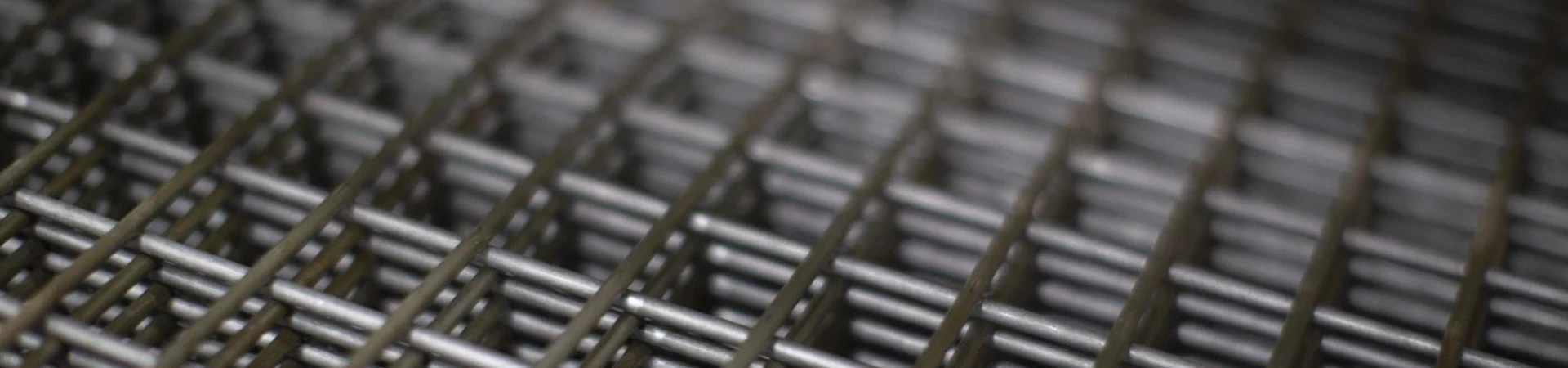
At its core, an anti-tank security barrier is a physical structure—ranging from concrete blocks, steel reinforcements, wire mesh, to modular precast elements—designed to stop or impede the passage of heavy vehicles, notably tanks and armored personnel carriers. They act as choke points, preventing unauthorized military or insurgent access.
Modern-day needs have broadened their relevance beyond battlefields. They’re used in protecting industrial plants, airports, and even during large civilian events where crowd control and vehicle access must be carefully managed.
Core Components & Key Factors
1. Strength and Durability
Resilience is non-negotiable. These barriers must withstand repeated impacts without catastrophic failure. Materials like reinforced concrete and high-tensile steel mesh are preferred. Most engineers agree that the mortar mix and steel grade can make or break the performance.
2. Modularity and Scalability
Flexibility often dictates the success of barrier deployment. Modular designs allow barriers to be assembled quickly and customized to site-specific requirements — from compact urban checkpoints to sprawling borders. This modularity also aids in transportation and redeployment.
3. Cost Efficiency
Though top-tier models might come with heftier price tags, planners increasingly seek balance — durability shouldn't mean exorbitant costs. Innovative composites and optimized manufacturing processes reduce expenses, making barriers accessible for broader applications.
4. Environmental Adaptability
Whether rocky highlands, wetlands, or desert expanses, anti-tank barriers must perform reliably. Weather resistance, corrosion control, and ground anchoring solutions are crucial here, preventing premature wear or collapse.
5. Ease of Installation
In volatile situations, speed is critical. Barriers that can be quickly deployed without requiring heavy machinery or specialized labor are invaluable. Portable models or those compatible with rapid-decoupling systems often edge out traditional concrete blocks.
Mini Takeaway:
When choosing an anti-tank security barrier, it boils down to strength, flexibility, cost, adaptability, and quick deployment — all harmonizing to meet real-world demands.
Global Applications and Use Cases
From Europe’s heavily fortified Eastern borders to volatile zones in the Middle East, anti-tank barriers serve diverse roles:
- Gated Industrial Complexes: Protecting energy plants and manufacturing units from armored assault or sabotage.
- International Borders: Deterring illegal military crossings or smuggling under hostile conditions, especially in conflict-prone regions like Eastern Ukraine or West Africa.
- Urban Security during Mass Gatherings: Implementations during large expos or summits help control vehicle access amid heightened threats.
- Humanitarian Corridors: In post-disaster relief, controlled vehicle checkpoints ensure aid supplies reach safely without interference.
Oddly enough, some coastal cities even integrate them with flood defense systems, turning military obstructions into multi-purpose assets.
Product Specification Table: Typical Anti-Tank Security Barrier
| Specification | Typical Measure | Description/Notes |
|---|---|---|
| Material | Reinforced Concrete + Steel Mesh | Combines impact resistance with tensile strength |
| Dimensions | 2m (Height) x 3m (Length) x 0.5m (Thickness) | Modular sizes for assembly flexibility |
| Weight | ~2.5 Tons per Module | Requires heavy-lift equipment for transport |
| Impact Resistance | Can stop vehicles up to 50 tons at 40 km/h | Meets NATO STANAG protection standards |
| Deployment Time | 6–12 hours per 100m length | Depends on terrain & manpower |
Advantages and Long-Term Value
For those investing in security infrastructure, the rationale is clear:
- Cost Savings: Preventing an incursion or armored assault could save billions in repair and human loss.
- Sustainability: Many barriers now incorporate recycled steel and eco-friendly concrete mixes, reducing their environmental footprint.
- Social Stability: The sense of safety empowers local populations, preserves dignity, and fosters trust in authorities.
- Reliability: Tested compliance with ISO and NATO standards ensures performance under pressure.
On a human level, I sense the barrier symbolizes more than metal and mortar — it’s a tangible commitment to protection and peace.
Vendor Comparison Table: Leading Anti-Tank Barrier Providers
| Vendor | Product Range | Average Delivery Time | Typical Price Range (USD) | Unique Selling Point |
|---|---|---|---|---|
| Jinjiu Wire Mesh | Modular Barriers, Steel Mesh, Custom Solutions | 4-6 weeks | $500 - $1500 per module | Strong corrosion resistance; modular design |
| FortBlock Systems | Precast Concrete, Steel-Reinforced | 6-8 weeks | $700 - $1800 per module | Quick assembly with interlocking tech |
| BarrierPro | Steel Mesh & Concrete Hybrids | 3-5 weeks | $600 - $1300 per module | Lightweight modules for rapid deployment |
Looking Ahead: Trends and Innovations
The anti-tank security barrier landscape is evolving in tandem with tech leaps. For example:
- Smart Barriers: Embedded sensors monitor impacts, pressure, or tampering in real-time.
- Eco-Friendly Materials: Innovations in geopolymer concretes reduce CO₂ emissions during production.
- 3D-Printed Modules: Rapid prototyping allows bespoke shapes tailored to geography.
- Automation & Robotics: Automated deployment mechanisms speed up installation while reducing human risk.
It almost feels like tomorrow’s barriers will be sentinels — not just physical walls but digital guardians, silently watching and alerting.
Challenges & Expert Solutions
Despite technological strides, obstacles remain. Weight and logistic complexity often delay deployment, especially in remote areas. Maintenance also poses challenges as repeated impacts and environmental exposure cause degradation.
Experts recommend hybrid designs that balance weight and strength and integrating corrosion-resistant coatings. Training local teams in maintenance not only empowers communities but prolongs barrier lifespan. Some vendors now offer modular “self-healing” composites — a fascinating development worth monitoring.
Frequently Asked Questions About Anti-Tank Security Barrier
Q1: How quickly can an anti-tank barrier be deployed in a conflict zone?
A: Deployment speed varies depending on the barrier type and terrain. Modular steel mesh barriers can be installed within hours over short distances, while heavy concrete blocks might take days due to transportation logistics. Rapid deployment models are designed for scenarios needing immediate action.
Q2: Can anti-tank barriers be reused or relocated?
A: Many modern designs emphasize modularity, making them reusable and transportable. Steel mesh and interlocking units, in particular, can be disassembled and relocated as threats shift, making them cost-effective long-term investments.
Q3: Are these barriers effective against improvised explosive devices (IEDs)?
A: While primarily designed to block armored vehicles, certain barriers with added blast-absorbing layers do provide some protection against IED blasts. However, layered security protocols are recommended, combining barriers with surveillance and patrols.
Q4: What maintenance is required for these barriers?
A: Regular inspections for cracks, corrosion, or displacement are crucial. Protective coatings should be reapplied periodically, and any damage repaired promptly to maintain structural integrity.
Q5: How can NGOs source anti-tank barriers for humanitarian operations?
A: NGOs typically work through specialized vendors who understand logistical and regulatory hurdles. Partnering with companies like Jinjiu Wire Mesh ensures access to compliant, cost-effective solutions with delivery support worldwide.
Conclusion: Why Investing in Anti-Tank Security Barriers Makes Sense
In a nutshell, anti-tank security barriers are far from just concrete walls or steel scrims. They are strategic assets protecting lives, infrastructure, and socio-economic stability. Their blend of toughness, flexibility, and evolving tech ensures they remain relevant amid shifting security landscapes.
If you’re looking to fortify your site or contribute meaningfully to safety initiatives, understanding and choosing the right anti-tank barrier is crucial. Curious to learn more or explore tailored solutions? Visit our website and start your journey toward enhanced security today.
Mini Reflection
Oddly enough, barriers often evoke a sense of division, but here they represent safety, innovation, and cooperation — a paradox worth contemplating.
References

Related Products

Related News

2026-04-16 03:16:12
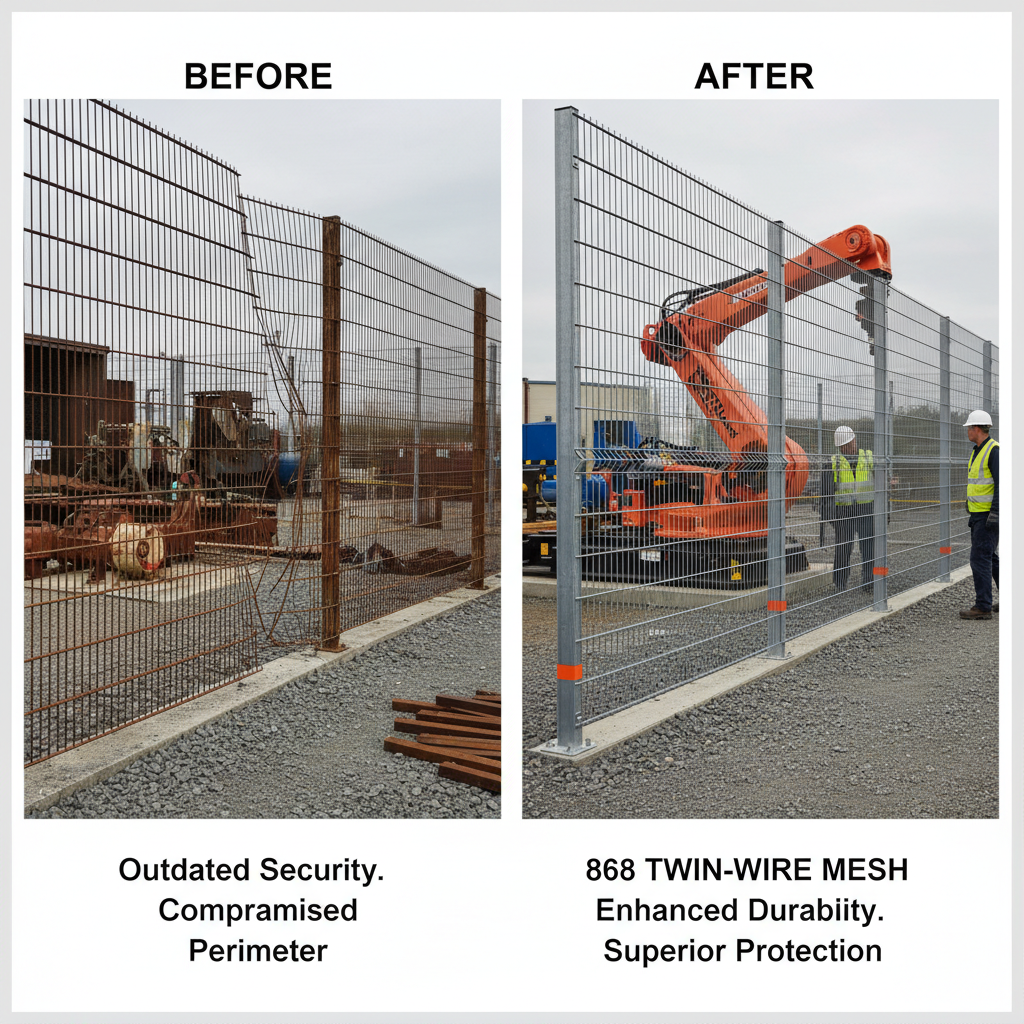
High Security Anti Climb 868 Mesh Fencing for Industrial Properties
When it comes to high-security perimeter protection, 868 mesh fencing stands as the gold standard for industrial and commercial properties. Designed to be virtually impenetrable while maintaining a clean, modern aesthetic, this specialized fencing system offers a unique combination of strength and visibility. Whether you are securing a government facility, a warehouse, or a private estate, understanding the technical advantages of the 868 system is crucial for making an informed investment. In this guide, we will explore why this specific mesh configuration is preferred by security experts worldwide.
2026-04-09 03:17:58
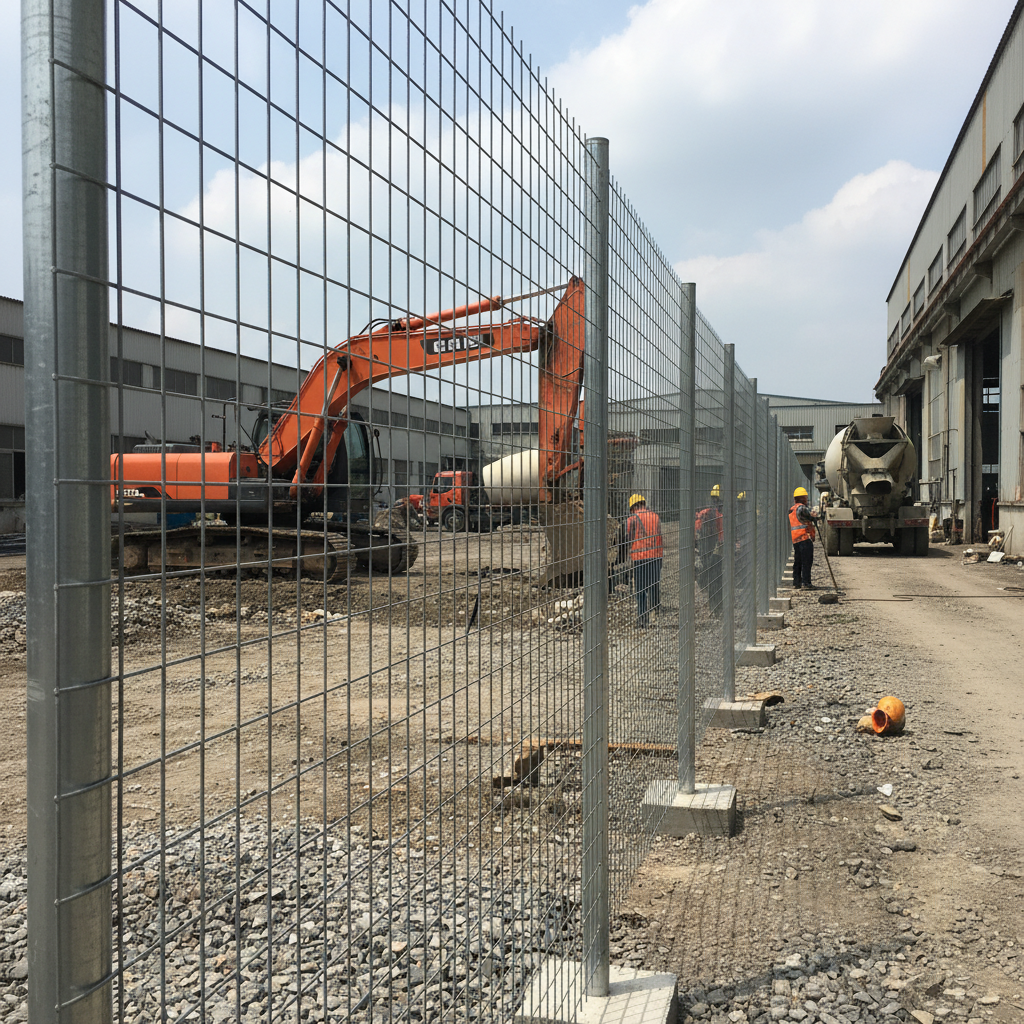
Ultimate Guide to 6ft Mesh Fencing for Security and Privacy
When it comes to establishing a secure perimeter, 6ft mesh fencing is widely regarded as the gold standard for balancing visibility with robust protection. Whether you are securing a commercial warehouse, a residential backyard, or an industrial site, the six-foot height provides a psychological and physical deterrent that lower fences simply cannot match. In this comprehensive guide, we will explore why this specific height is preferred, the materials that ensure longevity, and how to choose the right mesh configuration for your specific needs to ensure maximum ROI and safety.
2026-04-07 03:08:15
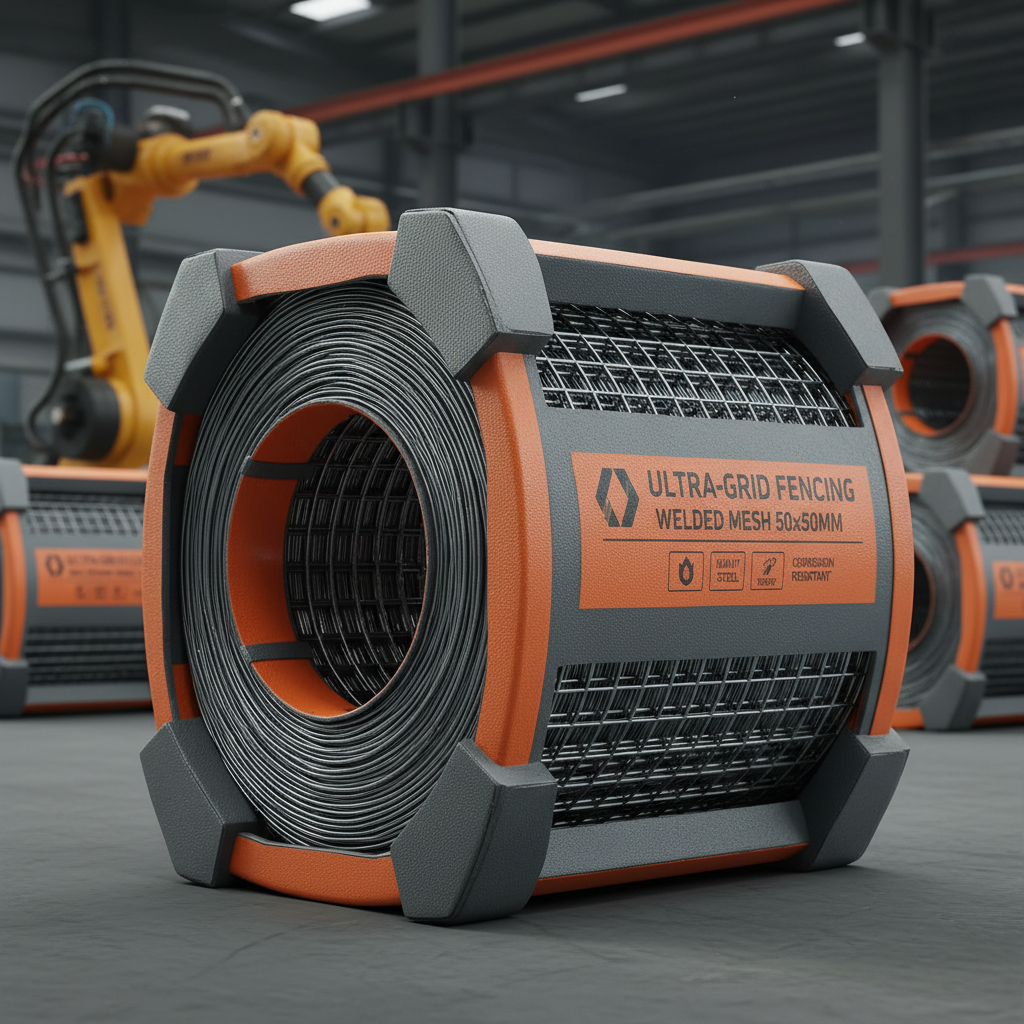
Comprehensive Guide to Welded Mesh Fencing 50x50 for Secure Enclosures
When securing your property or creating enclosures, choosing the right fencing material is crucial. Welded mesh fencing 50x50 offers a robust, versatile, and cost-effective solution for a wide range of applications. This article dives deep into the benefits, specifications, applications, and considerations when selecting this popular fencing option. Whether you’re a homeowner, agricultural business owner, or industrial facility manager, understanding the nuances of welded mesh fencing will empower you to make an informed decision.
2026-04-04 03:18:08
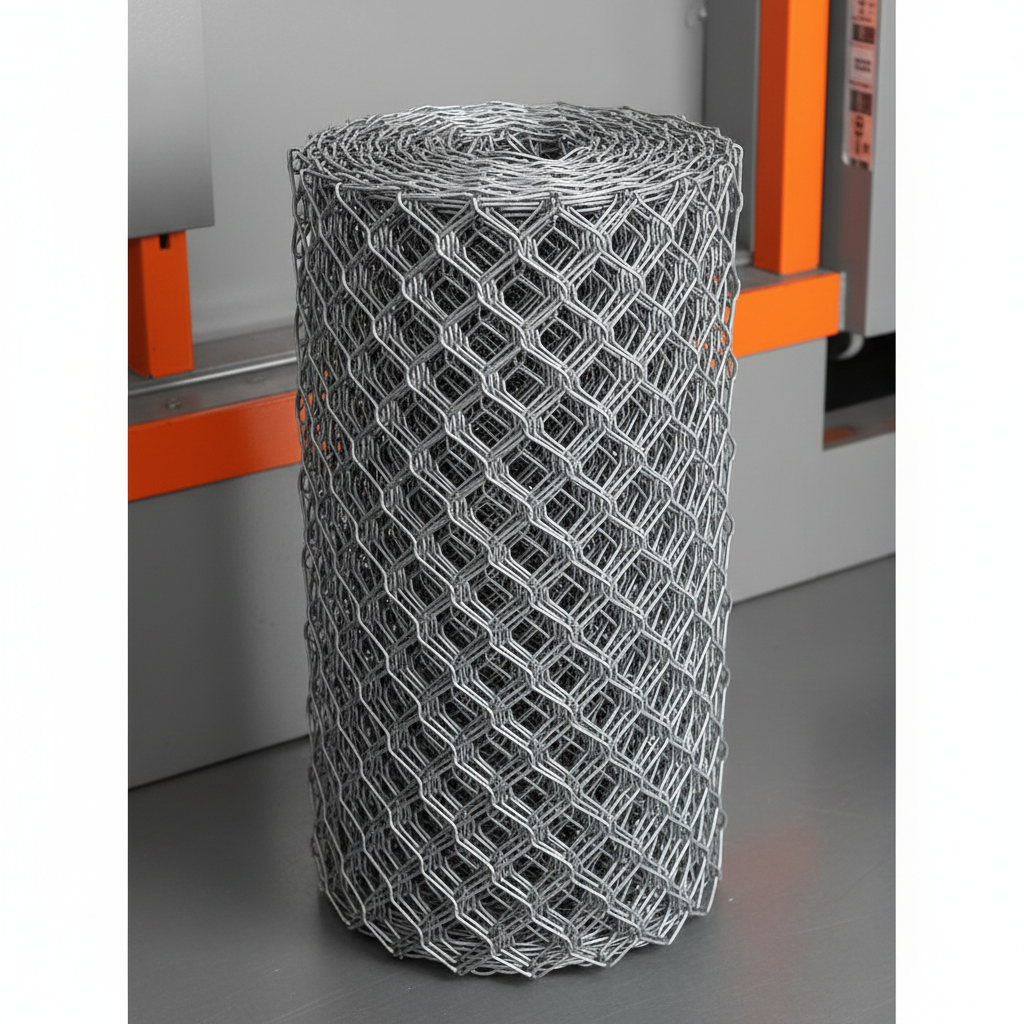
Comprehensive Guide to Durable and Affordable 4ft Wire Mesh Fencing Solutions
4ft wire mesh fencing is a versatile and cost-effective solution for a wide range of applications, from securing residential properties to enclosing industrial sites. Its robust construction and ease of installation make it a popular choice for both DIY projects and professional installations. This article will explore the benefits, applications, different types, installation guidelines, and maintenance tips for 4ft wire mesh fencing, helping you make an informed decision for your fencing needs. Choosing the right fencing is crucial for security, safety, and property value.
2026-03-31 03:15:14
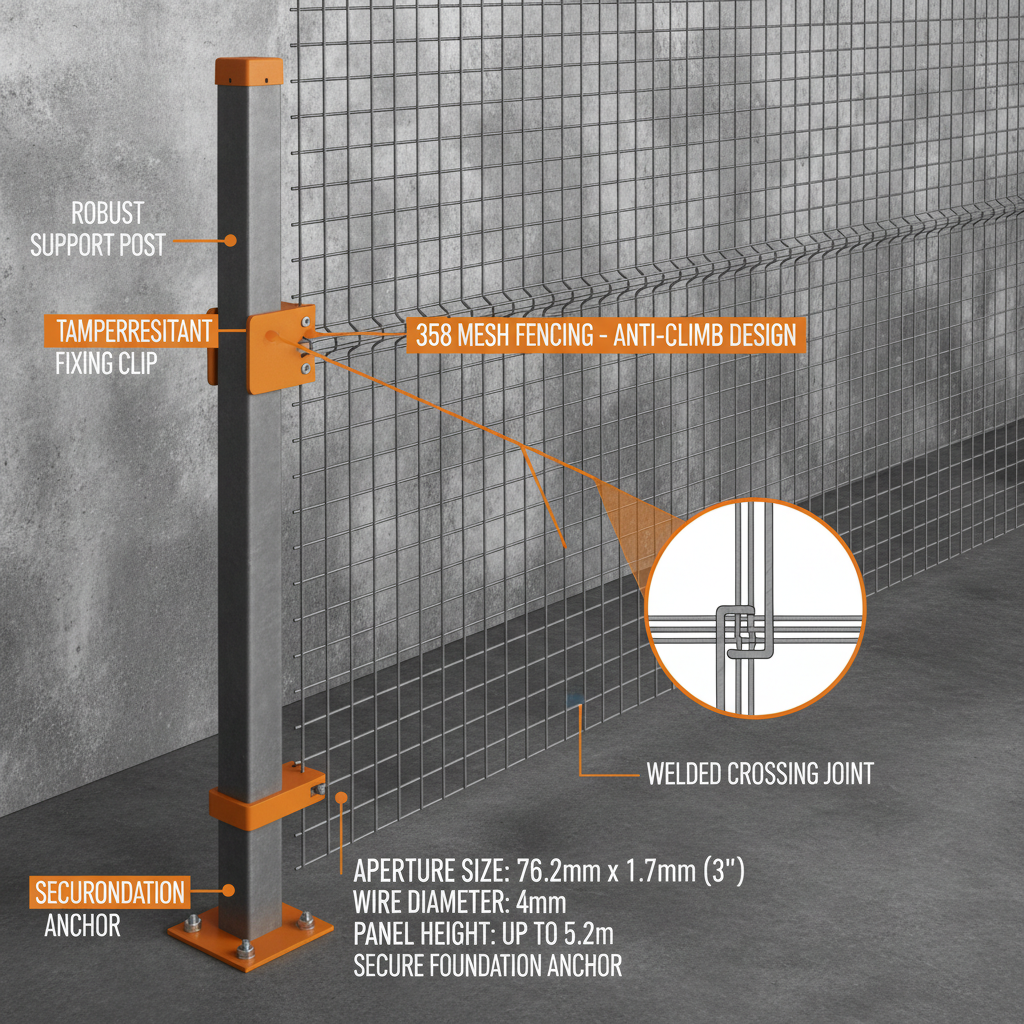
Comprehensive Guide to 358 Mesh Fencing Security Applications and Benefits
When it comes to perimeter security, choosing the right fencing solution is crucial. 358 mesh fencing has emerged as a popular and highly effective option, offering exceptional security and durability. This article provides a comprehensive guide to 358 mesh fencing, covering its key features, applications, benefits, and considerations for installation. We’ll explore why this type of fencing is increasingly preferred by commercial, industrial, and residential clients seeking robust security solutions.
2026-03-28 03:27:34
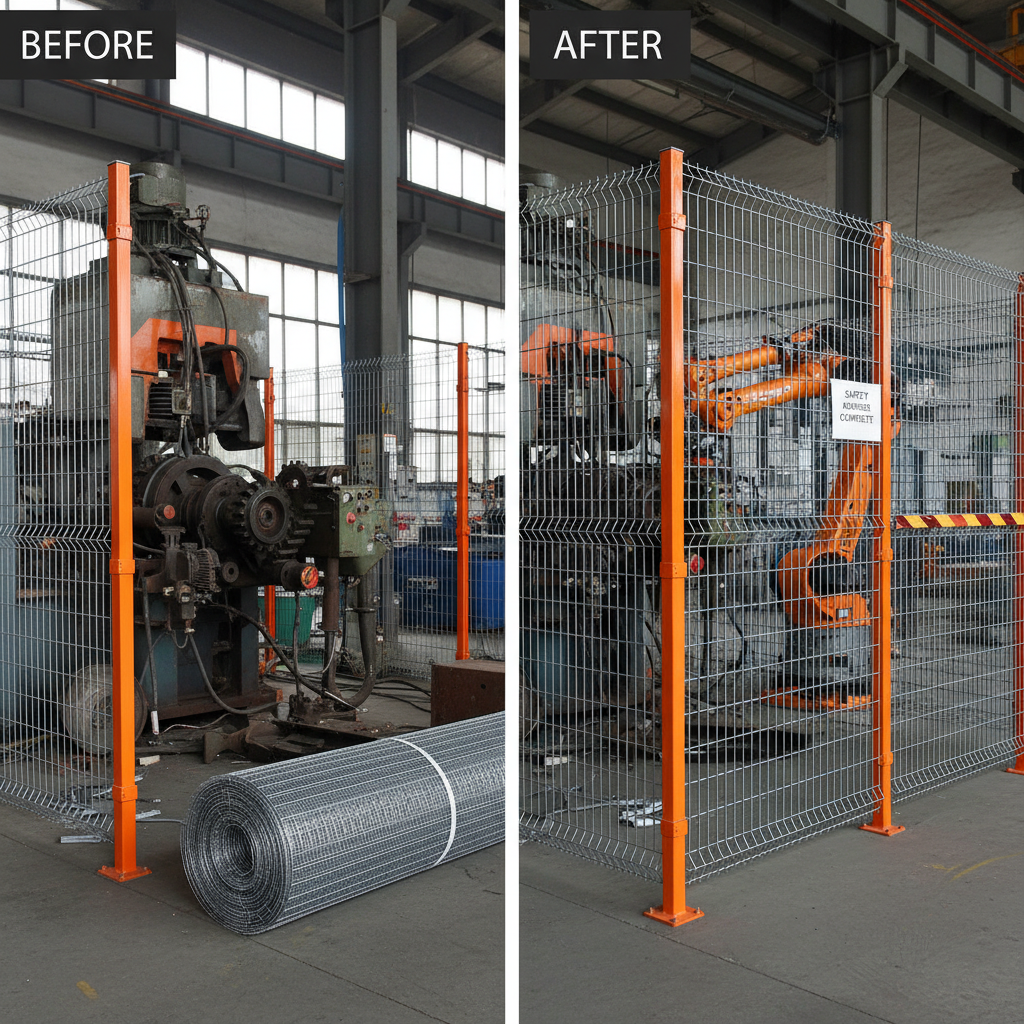
Comprehensive Guide to Durable 1 Inch Wire Mesh Fencing Solutions
When establishing secure perimeters for residential, agricultural, industrial, or commercial properties, choosing the right fencing material is crucial. 1 inch wire mesh fencing is a popular and versatile option, known for its durability, security, and cost-effectiveness. This article will provide a comprehensive overview of 1 inch wire mesh fencing, covering its applications, benefits, materials, installation, and maintenance. We'll explore how this fencing solution can provide long-lasting security and peace of mind for your property.
2026-03-26 03:17:15
Comprehensive Guide to Welded Mesh Fencing 1.8m for Security and Versatility
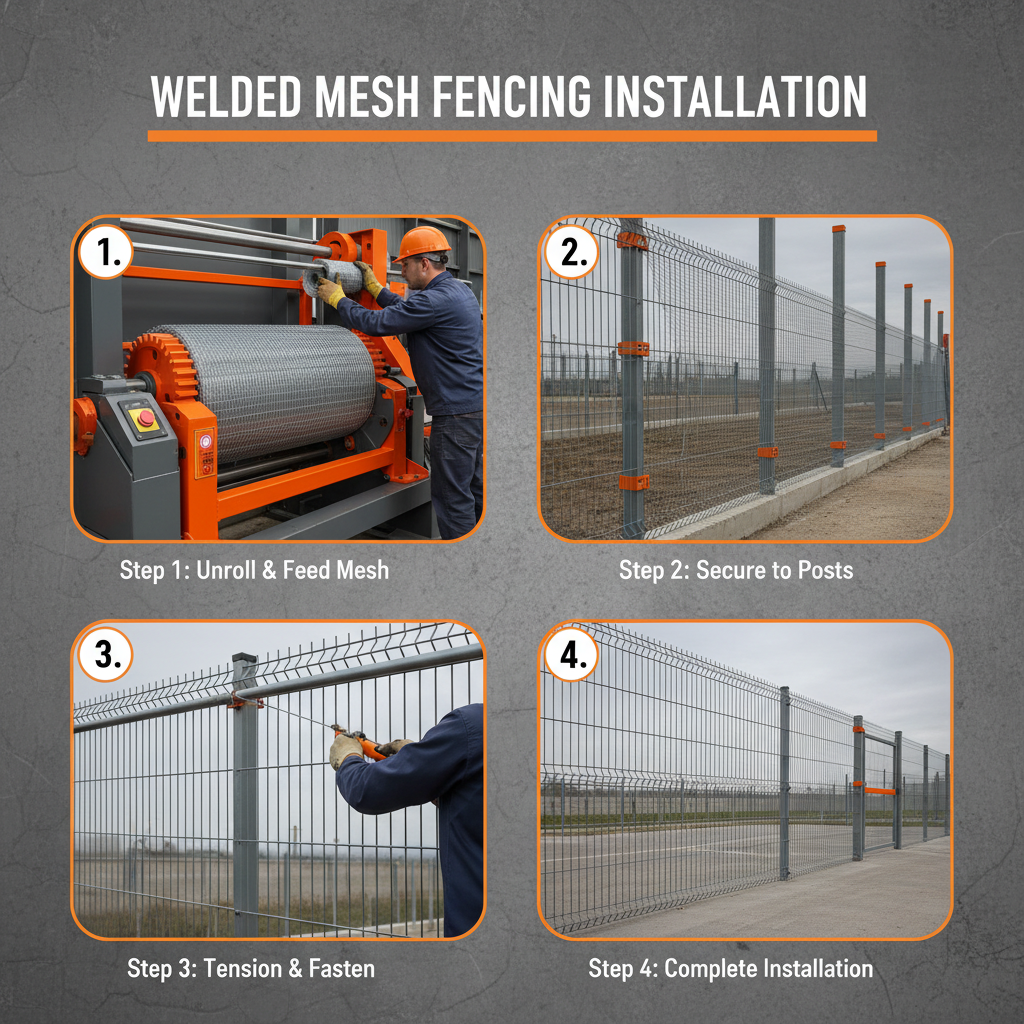
Welded mesh fencing is a robust and versatile solution for a wide range of applications, from securing perimeters to containing livestock. Specifically, welded mesh fencing 1.8m height offers an excellent balance of security, visibility, and cost-effectiveness. This article will explore the benefits, applications, installation considerations, and variations of this popular fencing option. We'll delve into why it’s a preferred choice for both residential and commercial properties. Choosing the right fencing is crucial for safety and security, and we’ll guide you through making the best decision. Welded mesh fencing 1.8m provides several key advantages over traditional fencing materials. Its rigid construction offers excellent resistance to climbing and cutting, enhancing security. The open mesh design allows for good visibility, which is important for surveillance and aesthetic purposes.
2026-03-24 03:20:18
Comprehensive Guide to Durable 1.2 m Wire Mesh Fencing Solutions
When securing properties, livestock, or construction sites, choosing the right fencing material is crucial. 1.2 m wire mesh fencing offers a robust, versatile, and cost-effective solution. This article will explore the benefits, applications, installation, and maintenance of 1.2m wire mesh fencing, providing a thorough overview for homeowners, farmers, and contractors. Selecting the appropriate fencing enhances security, defines boundaries, and contributes to a safe environment. The robust construction provides excellent security, deterring intruders and containing animals. The galvanized or PVC-coated finish offers exceptional corrosion resistance, ensuring long-lasting durability even in harsh weather conditions. The mesh design allows for good visibility, which is ideal for residential and commercial properties where aesthetics are a concern. Furthermore, the relatively low cost compared to other fencing options makes it an economical choice for large areas. The ease of installation and low maintenance requirements add to its appeal.


 English