




Hebei Jinjiu Metal Products Co.,Ltd


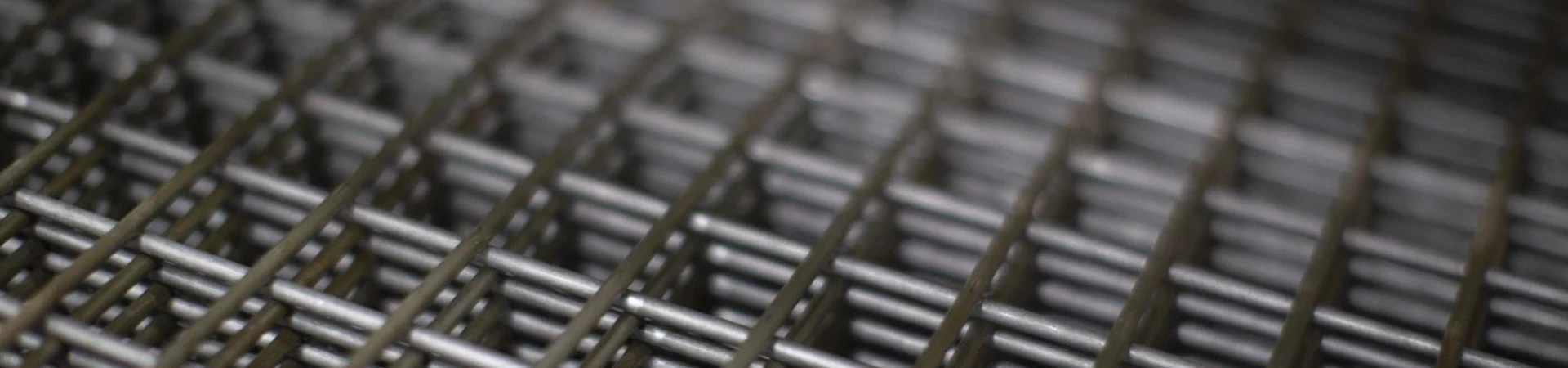

Comprehensive Guide to Anti-Tank Track Wire Mesh Barriers: Uses, Benefits & Innovations
Dec . 03, 2025 18:14
Understanding the Anti-Tank Track Wire Mesh Barrier: A Global Perspective
The anti-tank track wire mesh barrier may sound niche, but it holds vast importance worldwide, especially where security and infrastructure protection converge. Essentially, these barriers serve as physical obstructions designed to impair or halt the progress of armored vehicles, particularly tanks. Beyond military conflicts, they also find application in critical infrastructure defense, humanitarian zones, and engineered safety perimeters.
Why does this matter globally? Conflicts and security concerns remain persistent in many regions, and ensuring the rapid deployment of effective barriers can save lives, prevent damage, and maintain order. Moreover, with evolving threats and the changing nature of territorial defense, understanding and utilizing these barriers brings substantial strategic and operational benefits.
Mini takeaway: The anti-tank track wire mesh barrier is more than just a fence – it’s a crucial line of defense shaping security landscapes worldwide.
Global Context: Security Challenges Demand Smarter Barriers
From the Middle East to Eastern Europe and parts of Africa, armored vehicle threats create a pressing need for rapidly deployable, durable defenses. According to the United Nations Institute for Disarmament Research, armored vehicle incursion is a major concern in at least 15 conflict zones currently (1). Similarly, infrastructure facilities in developed nations use barriers to protect against vehicular threats—whether accidental or hostile.
World Bank reports emphasize that civil infrastructure is increasingly vulnerable and that integrated physical security measures have become a budget priority for governments and corporations alike. The anti-tank track wire mesh barrier addresses such challenges by blending effectiveness with pragmatic logistics—deployable without heavy machinery, scalable to various terrains, and reusable after conflict.
What Exactly Is an Anti-Tank Track Wire Mesh Barrier?
At its core, this barrier is a reinforced wire mesh designed specifically to damage the tracks of heavy armored vehicles like tanks. Unlike generic fencing, the mesh structure includes specially engineered spikes or entangling elements that can immobilize even the most advanced tracked vehicles.
These barriers are extensively used not just in military defense but also in humanitarian zones where protecting displaced populations from hostile movements is essential. They also act as deterrents around sensitive facilities to prevent unauthorized vehicular access.
Key Components and Their Practical Importance
- Durability: The wire mesh is typically galvanized or coated to resist corrosion, enabling long-term outdoor use—even in harsh climates like deserts or arctic regions.
- Scalability: Modular sections allow quick enlargement or adaptation to varying terrain profiles.
- Portability: Light enough to be deployed quickly and repositioned, often with minimal equipment.
- Cost Efficiency: Compared to concrete barriers or bulky metal barricades, wire mesh barriers offer a cost-effective solution with lower transport and installation expenses.
- Adaptability: They can be combined with electronic sensors or camouflage netting for enhanced security.
In practical terms, these elements make the barriers user-friendly for both military engineers and civilian security teams, especially in rapidly shifting environments.
Mini takeaway: The blend of durability, adaptability, and cost-effectiveness makes the anti-tank track wire mesh barrier uniquely valuable across diverse scenarios.
Real-World Applications of Anti-Tank Track Wire Mesh Barriers
These barriers have a significant footprint worldwide. Here’s where they pop up:
- Conflict Zones: U.N. peacekeeping forces use them to secure bases and protect displaced persons camps.
- Border Control: Certain countries employ them along borders to prevent illegal armored crossings.
- Industrial Complexes: Mining and energy facilities often install them as part of multi-layered security.
- Disaster Response: In post-conflict recovery or disaster relief, they can quickly secure perimeters or protect vital infrastructure from opportunistic threats.
A quick example: in a recent Middle Eastern humanitarian mission, anti-tank track wire mesh barriers were deployed around refugee camps to prevent unauthorized armored vehicle intrusion, safeguarding vulnerable civilians effectively.
Technical Specs of a Typical Anti-Tank Track Wire Mesh Barrier System
| Feature | Specification |
|---|---|
| Mesh Material | Galvanized steel wire, 4mm diameter |
| Dimensions (per panel) | 2m height × 3m width |
| Weight (per panel) | ~35 kg |
| Surface Treatment | Hot-dip galvanization plus powder coating option |
| Deployment Time (per 10 panels) | Less than 1 hour with two-person team |
Vendor Comparison: Choosing the Right Partner
| Vendor | Price per Panel | Customization Options | Lead Time | After-Sales Support |
|---|---|---|---|---|
| Jinjiu Wire Mesh | $150 | Yes, coatings & sizes | 2 weeks | 24/7 technical assistance |
| SteelTech Defense | $175 | Limited | 3-4 weeks | Business hours only |
| Fortress Mesh Corp | $160 | Yes, plus sensors integration | 4 weeks | Limited support |
Advantages & Long-Term Value of Using Anti-Tank Track Wire Mesh Barriers
When weighing options for protective perimeters, this system’s benefits shine through:
- Cost Savings: Compared to concrete blockades or heavy metal barricades, they’re easier to ship and install, reducing labor and transport expenses.
- Environmental Sustainability: Their reusable nature and recyclable materials contribute to lower environmental footprints.
- Reliable Protection: Designed specifically to target vehicle tracks, they are less likely to be bypassed by armored threats.
- Social Impact: By safeguarding civilians and infrastructure, these barriers contribute to peacekeeping efforts and maintain dignity in crisis contexts.
It’s sometimes easy to overlook the emotional reassurance such barriers offer to at-risk populations and frontline security teams—they feel safer knowing such measures exist.
Innovations and Emerging Trends
Oddly enough, the world of anti-tank barriers is evolving. New materials like advanced composites promise lighter yet stronger mesh configurations. Integrations with IoT sensors and automated alarms enhance real-time threat detection. Some manufacturers experiment with modular solar-powered lighting to improve night visibility without increasing logistical burdens.
Moreover, sustainability has moved front and center. Cradle-to-cradle manufacturing, greener coatings, and refurbishable hardware mean these barriers won’t just work well—they’ll also align with environmental commitments increasingly demanded by global clients.
Challenges and Expert Solutions
Despite many advantages, certain challenges remain:
- Deployment Speed vs. Terrain Complexity: Rough, uneven ground slows installation. Advances in flexible panel joints and lightweight frames aim to address this.
- Wear and Tear: Harsh weather can degrade coatings. New nano-coatings are being trialed to enhance longevity.
- Vandalism and Sabotage: Some barriers are vulnerable to cutting or breaching if left unmonitored. Integrating surveillance systems helps mitigate these risks.
Industry experts recommend training local forces and incorporating remote monitoring to maximize barrier effectiveness in high-risk zones.
FAQ: Common Questions About Anti-Tank Track Wire Mesh Barriers
- How quickly can anti-tank track wire mesh barriers be deployed in emergency situations?
- Typically, a small team of two to four personnel can deploy 10 panels in under an hour, depending on terrain. Modular design simplifies rapid setup.
- Are these barriers reusable after a conflict ends?
- Yes, one of their key advantages is durability and reusability. Proper maintenance and storage ensure they can be redeployed multiple times.
- Can these barriers be customized for different climates or threats?
- Absolutely. Vendors often offer coating options for corrosion resistance, panels with enhanced spike design, or integrated sensor systems based on client needs.
- How do they compare cost-wise to traditional anti-tank obstacles like concrete blocks?
- Wire mesh barriers typically cost 30-50% less when considering installation, transport, and long-term maintenance, making them more budget-friendly for many organizations.
- Is it possible for NGOs to import these barriers internationally?
- Yes, provided compliance with local import/export laws. Established vendors like Jinjiu Wire Mesh specialize in international shipping and can assist with customs documentation.
Conclusion
In real terms, the anti-tank track wire mesh barrier represents a practical, efficient, and increasingly sophisticated solution for modern security needs. It balances strength, flexibility, and cost to protect populations and critical infrastructure worldwide. For those looking to explore options, it pays to connect with experienced suppliers who understand both the technical and logistical hurdles.
To learn more or make a purchase, visit https://www.jinshieldmesh.com and find the right solution tailored to your needs.
Takeaway: Sometimes the simplest wire mesh, wisely engineered, stands as the silent sentinel that saves lives and livelihoods.

Related Products

Related News

2026-04-16 03:16:12
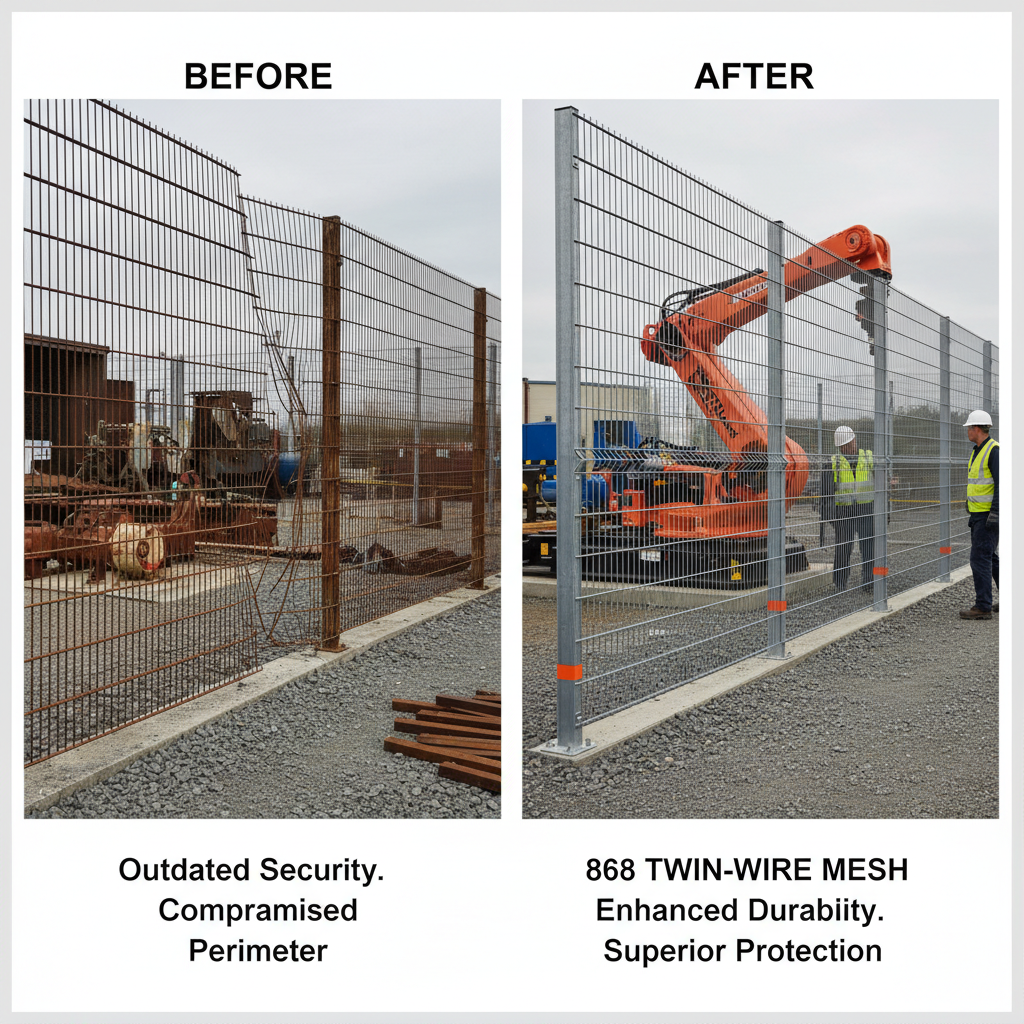
High Security Anti Climb 868 Mesh Fencing for Industrial Properties
When it comes to high-security perimeter protection, 868 mesh fencing stands as the gold standard for industrial and commercial properties. Designed to be virtually impenetrable while maintaining a clean, modern aesthetic, this specialized fencing system offers a unique combination of strength and visibility. Whether you are securing a government facility, a warehouse, or a private estate, understanding the technical advantages of the 868 system is crucial for making an informed investment. In this guide, we will explore why this specific mesh configuration is preferred by security experts worldwide.
2026-04-09 03:17:58
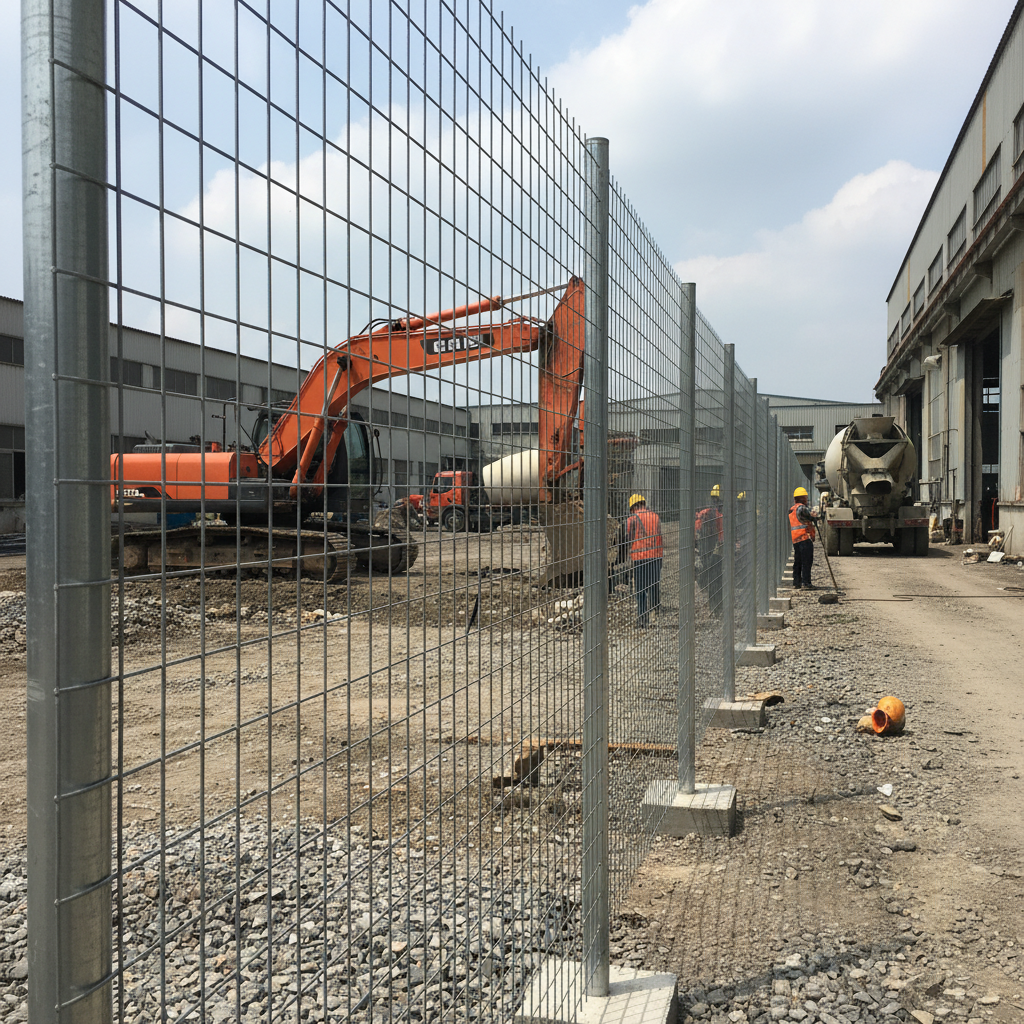
Ultimate Guide to 6ft Mesh Fencing for Security and Privacy
When it comes to establishing a secure perimeter, 6ft mesh fencing is widely regarded as the gold standard for balancing visibility with robust protection. Whether you are securing a commercial warehouse, a residential backyard, or an industrial site, the six-foot height provides a psychological and physical deterrent that lower fences simply cannot match. In this comprehensive guide, we will explore why this specific height is preferred, the materials that ensure longevity, and how to choose the right mesh configuration for your specific needs to ensure maximum ROI and safety.
2026-04-07 03:08:15
Comprehensive Guide to Welded Mesh Fencing 50x50 for Secure Enclosures
When securing your property or creating enclosures, choosing the right fencing material is crucial. Welded mesh fencing 50x50 offers a robust, versatile, and cost-effective solution for a wide range of applications. This article dives deep into the benefits, specifications, applications, and considerations when selecting this popular fencing option. Whether you’re a homeowner, agricultural business owner, or industrial facility manager, understanding the nuances of welded mesh fencing will empower you to make an informed decision.
2026-04-04 03:18:08
Comprehensive Guide to Durable and Affordable 4ft Wire Mesh Fencing Solutions
4ft wire mesh fencing is a versatile and cost-effective solution for a wide range of applications, from securing residential properties to enclosing industrial sites. Its robust construction and ease of installation make it a popular choice for both DIY projects and professional installations. This article will explore the benefits, applications, different types, installation guidelines, and maintenance tips for 4ft wire mesh fencing, helping you make an informed decision for your fencing needs. Choosing the right fencing is crucial for security, safety, and property value.
2026-03-31 03:15:14
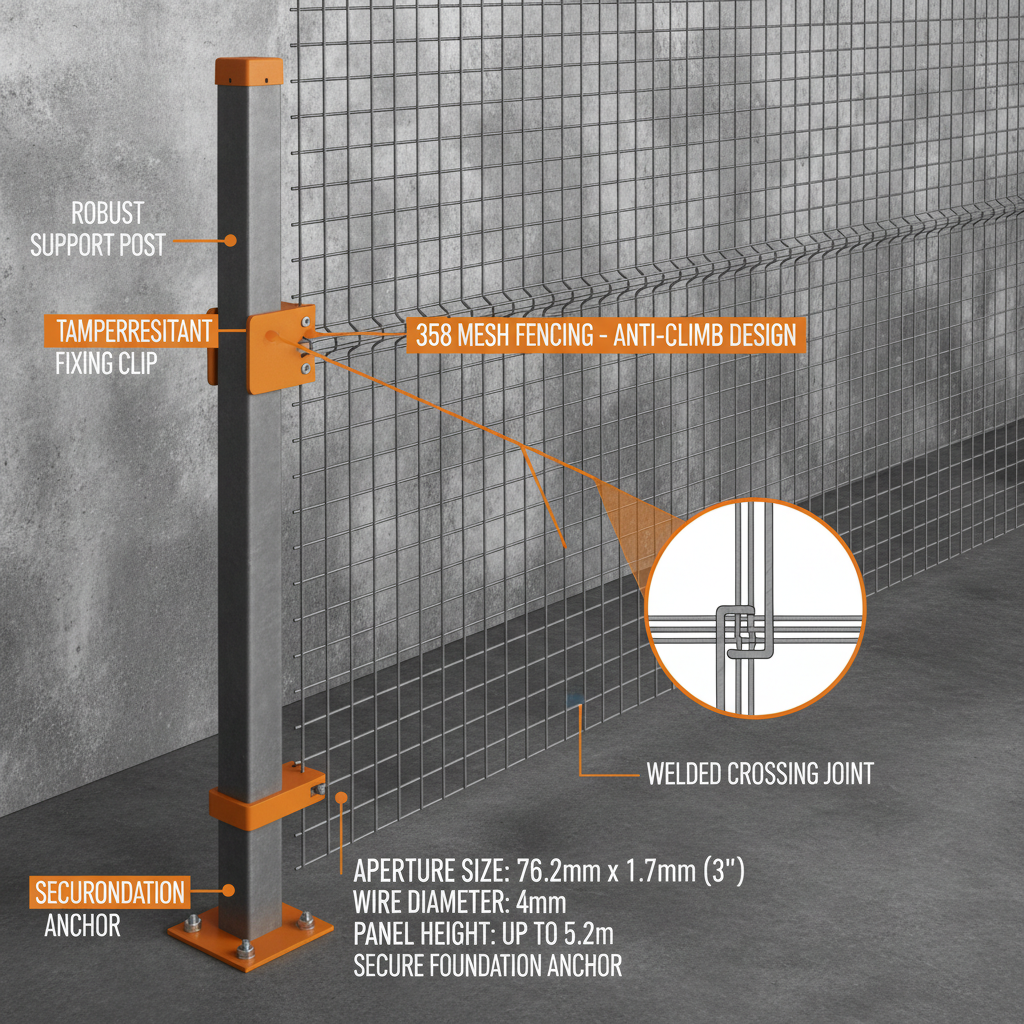
Comprehensive Guide to 358 Mesh Fencing Security Applications and Benefits
When it comes to perimeter security, choosing the right fencing solution is crucial. 358 mesh fencing has emerged as a popular and highly effective option, offering exceptional security and durability. This article provides a comprehensive guide to 358 mesh fencing, covering its key features, applications, benefits, and considerations for installation. We’ll explore why this type of fencing is increasingly preferred by commercial, industrial, and residential clients seeking robust security solutions.
2026-03-28 03:27:34
Comprehensive Guide to Durable 1 Inch Wire Mesh Fencing Solutions
When establishing secure perimeters for residential, agricultural, industrial, or commercial properties, choosing the right fencing material is crucial. 1 inch wire mesh fencing is a popular and versatile option, known for its durability, security, and cost-effectiveness. This article will provide a comprehensive overview of 1 inch wire mesh fencing, covering its applications, benefits, materials, installation, and maintenance. We'll explore how this fencing solution can provide long-lasting security and peace of mind for your property.
2026-03-26 03:17:15
Comprehensive Guide to Welded Mesh Fencing 1.8m for Security and Versatility
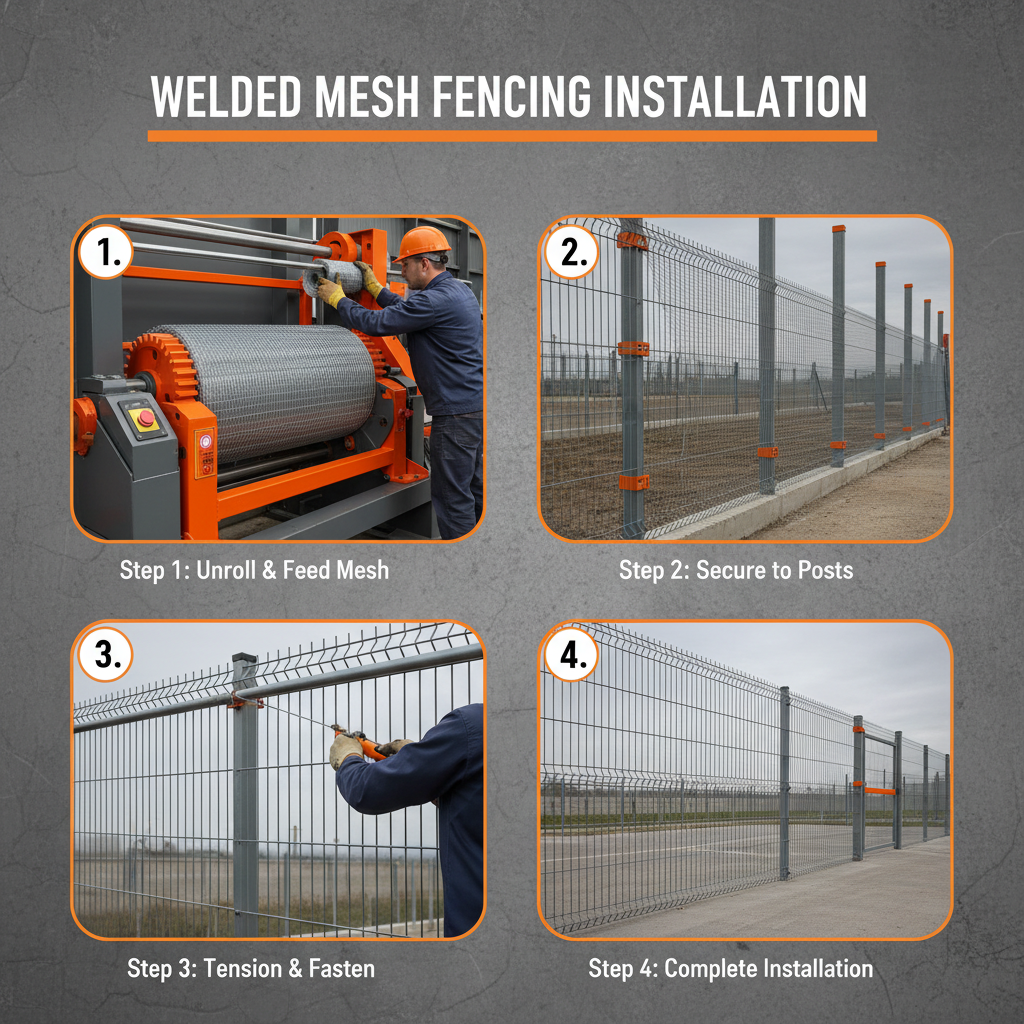
Welded mesh fencing is a robust and versatile solution for a wide range of applications, from securing perimeters to containing livestock. Specifically, welded mesh fencing 1.8m height offers an excellent balance of security, visibility, and cost-effectiveness. This article will explore the benefits, applications, installation considerations, and variations of this popular fencing option. We'll delve into why it’s a preferred choice for both residential and commercial properties. Choosing the right fencing is crucial for safety and security, and we’ll guide you through making the best decision. Welded mesh fencing 1.8m provides several key advantages over traditional fencing materials. Its rigid construction offers excellent resistance to climbing and cutting, enhancing security. The open mesh design allows for good visibility, which is important for surveillance and aesthetic purposes.
2026-03-24 03:20:18
Comprehensive Guide to Durable 1.2 m Wire Mesh Fencing Solutions
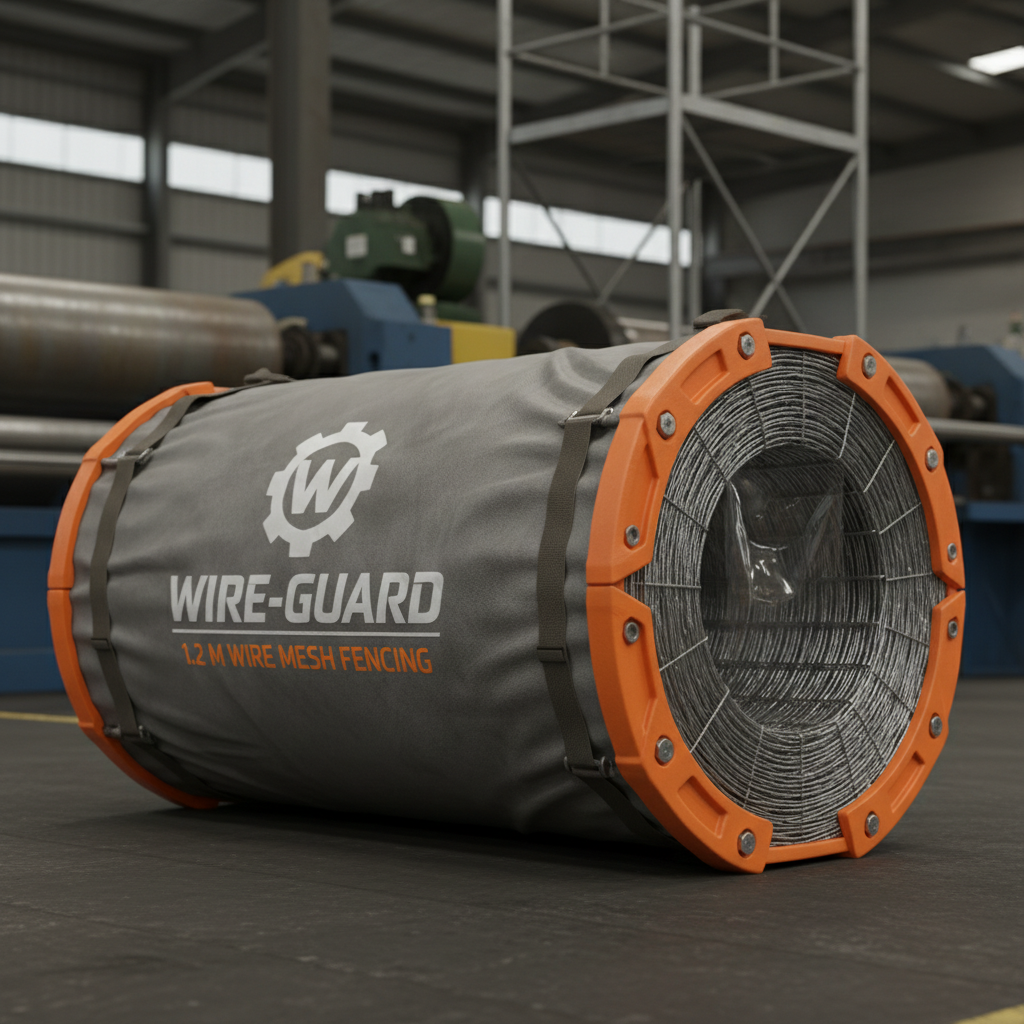
When securing properties, livestock, or construction sites, choosing the right fencing material is crucial. 1.2 m wire mesh fencing offers a robust, versatile, and cost-effective solution. This article will explore the benefits, applications, installation, and maintenance of 1.2m wire mesh fencing, providing a thorough overview for homeowners, farmers, and contractors. Selecting the appropriate fencing enhances security, defines boundaries, and contributes to a safe environment. The robust construction provides excellent security, deterring intruders and containing animals. The galvanized or PVC-coated finish offers exceptional corrosion resistance, ensuring long-lasting durability even in harsh weather conditions. The mesh design allows for good visibility, which is ideal for residential and commercial properties where aesthetics are a concern. Furthermore, the relatively low cost compared to other fencing options makes it an economical choice for large areas. The ease of installation and low maintenance requirements add to its appeal.


 English