






Hebei Jinjiu Metal Products Co.,Ltd



Comprehensive Guide to Security KN Tank Wire Mesh Barrier – Features, Benefits & Vendors
Dec . 11, 2025 09:13
What Is a Security KN Tank Wire Mesh Barrier and Why It Matters
If you’ve ever pondered the nuts and bolts of on-site safety around hazardous or high-value tanks, chances are you encountered—or could benefit from understanding—a security kn tank wire mesh barrier. This term might sound like corporate jargon at first, but it boils down to a critical safety and security solution used worldwide. Basically, it’s a reinforced wire mesh fencing system designed to protect industrial tanks—think fuel, chemical, or water storage—from trespassing, vandalism, or accidental damage.
Globally, with over 50% of the world’s critical infrastructure aging and under threat from climate, human error, or deliberate sabotage (according to an ISO report from 2022), such barriers do more than just mark a perimeter — they contribute to operational safety, environmental protection, and even public trust. The key benefits? Enhanced security, easy installation and maintenance, and adaptability across industries. In a world where security infrastructure needs to be both sturdy and subtle, these barriers often tick the right boxes.
Mini takeaway: Understanding this barrier isn’t just for engineers; it’s part of safeguarding the basics of modern industry and community safety.
Global Context: The Growing Need for Security Barriers Around Industrial Tanks
Industrialization continues to spike, especially in emerging economies, which means more storage tanks scattered across industrial zones—sometimes in places with limited resources for constant human surveillance. The UN noted in its 2023 Infrastructure Safety Report that over 40% of industrial accidents globally occur because of inadequate site protection.
Moreover, with increasing geopolitical instability and the rising importance of securing fuel and chemical reserves, the risk of sabotage has been climbing. Not to mention natural disasters, from floods to earthquakes, which can cause disastrous leaks or explosions if tanks aren’t properly secured. A risk everybody agrees on: prevention is a lot cheaper (and safer) than cleanup. That’s where the security kn tank wire mesh barrier comes in—acting as a physical first line of defense, it also provides visual deterrence.
Mini takeaway: Securing tanks with robust barriers is a global security and safety priority, blending infrastructure resilience with environmental and social responsibility.
What Exactly Is a Security KN Tank Wire Mesh Barrier?
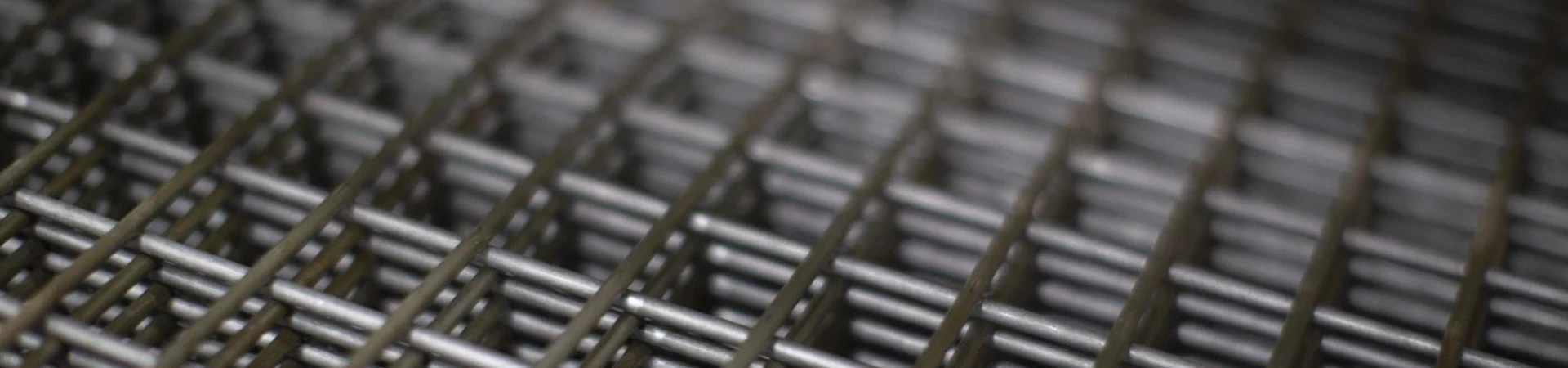
Let’s break it down: a security kn tank wire mesh barrier is essentially a heavy-duty fencing system composed of interlinked steel wires—often galvanzied or polyester-coated for corrosion resistance—and designed to withstand physical force, weather, and time. The “KN” in the name references specific engineering ratings related to tensile strength or projectile resistance (though the exact specifications can vary by manufacturer).
It’s not just a standard fence. It incorporates design elements that stop climbing, tampering, or cutting — sometimes with angled tops, fine mesh apertures, and reinforced posts. It’s tailored especially for protecting tanks containing hazardous or valuable liquids where breach would cause disastrous consequences.
These barriers symbolize a blend of modern engineering discipline and practical site security—a must-have in industrial zones, transportation hubs, and even sensitive public utilities.
Mini takeaway: Think of the security kn tank wire mesh barrier as a specially engineered fence that’s tougher than average and designed for critical industrial applications.
Key Components & Features to Look Out For
1. Durability and Material Strength
These barriers must resist corrosion, extreme weather, and accidental impacts. Galvanized or powder-coated mild steel wire is the usual go-to. In some applications, stainless steel or alloy reinforcement might be needed. The wire gauge, mesh size, and weave pattern all affect how tough the system really is.
2. Scalability and Modular Design
Tank sites vary wildly in size, so a good security kn tank wire mesh barrier should be modular. You want easy panel replacements, extensions, or reconfiguration without major downtime. Many systems allow bolt-on extensions or integrated gates.
3. Installation and Maintenance Efficiency
Field teams appreciate systems that don’t require heavy machinery or specialized tools — especially in remote zones. Minimal maintenance also means less downtime and lower life cycle costs.
4. Visibility and Safety Compliance
The barrier needs to be secure but not completely opaque. It should allow visual inspection of tanks for leaks or tampering. Also, compliance with safety standards (like OSHA or international equivalents) matters.
5. Cost Efficiency Over Time
While upfront costs can vary, the total cost over the barrier’s lifespan—including installation, upkeep, and eventual replacement— determines value. A barrier that saves money by preventing incidents or low maintenance scores higher.
| Feature | Specification | Remarks |
|---|---|---|
| Mesh Type | Welded Wire Mesh, 50x50 mm aperture | Resists cutting and climbing |
| Wire Gauge | 4mm High tensile galvanized steel | Standard strength |
| Height | 2.4 meters (standard), customizable | Adjust for tank size and regulations |
| Post Spacing | 2.5 meters | Balance between support and cost |
| Coating | Polyester powder coat or zinc galvanized | Enhanced corrosion resistance |
| Optional Features | Barbed wire topping, alarm sensors | Extra security layers |
Mini takeaway: Durability, flexibility, and ease of use are the pillars that make these barriers work well in tough environments.
Where Do These Barriers Come Into Play Globally?
You’ll find security kn tank wire mesh barrier solutions protecting facilities on every continent—from oil fields in the Middle East, to remote water treatment tanks in Africa, and chemical plants in Europe. They also play a vital role in disaster-prone regions, like Southeast Asia—where protection against human intrusion and wildlife interference can literally mean the difference between a controlled spill and catastrophic contamination.
NGOs involved in humanitarian aid sometimes use modular versions of these systems around fuel reserves at relief camps. Industrial zones transitioning towards “smart compound” models integrate them with electronic sensors to detect breaches early. Additionally, ports and transportation hubs heavily rely on wire mesh barriers for perimeters around oil and gas storage, minimizing risks from unauthorized vehicle or pedestrian access.
Mini takeaway: Diverse industries and geographies find security kn tank wire mesh barriers invaluable — from environmental safeguards to protecting strategic reserves.
Why Invest in a Security KN Tank Wire Mesh Barrier? Advantages and Value
- Cost-effectiveness: Long-lasting materials and low maintenance bring down total ownership costs.
- Enhanced Safety: Protects workers and local communities by preventing accidents or tampering.
- Sustainability: Often made with recyclable materials and help avoid costly environmental cleanup.
- Customizable: Options like alarms or anti-climb barriers provide peace of mind for varying risk levels.
- Visual Deterrence: Sometimes just the sight of a robust mesh barrier discourages potential intruders or vandals.
Beyond logic and finance, there’s also an emotional value — safety and dignity. Having a secure storage tank, especially one containing critical resources, means communities can have more trust in their industrial neighbors and infrastructures.
Mini takeaway: This is one of those “buy right, buy once” safety investments that pays dividends in ease, peace of mind, and compliance.
Looking Ahead: The Future of Security KN Tank Wire Mesh Barriers
Innovation hasn’t sidestepped this niche. We’re seeing:
- Smart sensor integration: Motion detectors, cameras, and IoT solutions embedded in barriers.
- Advanced composites: Materials that combine lighter weight with extra strength and corrosion resistance.
- Eco-friendly coatings: Reducing environmental impact during and after production.
- Modular and rapid deployment designs: For use in emergency response or temporary industrial sites.
Digital transformation and sustainability aren't buzzwords here — they’re shaping how these barriers adapt to the complex risks of tomorrow.
Mini takeaway: The security kn tank wire mesh barrier of tomorrow is smarter, greener, and more user-friendly.
What Are The Challenges and How Are Experts Overcoming Them?
Naturally, no solution is perfect. Some common hurdles include cost pressures in low-margin industries, harsh environments accelerating wear, or limited access in remote areas for installation. Additionally, not all systems offer enough customization for unique local regulations or site-specific risks.
Experts suggest modular designs with adaptable panels and coated materials as a standard. Also, leveraging local manufacturing helps cut costs and shorten delivery times. Adding digital monitoring minimizes physical inspections, improving safety and reducing labor.
In real terms, it feels like this industry is listening closely to user feedback while also keeping an eye on broader sustainability goals.
Mini takeaway: The best solutions are evolving through a balance of tech innovation, modularity, and on-the-ground practicality.
FAQ: Common Questions About Security KN Tank Wire Mesh Barriers
Q1: What makes security kn tank wire mesh barriers better than regular fences?
A: Unlike standard fencing, these barriers use heavier gauge wire, smaller mesh sizes, and technical coatings designed specifically to resist cutting, climbing, and corrosion. They're engineered for critical tank safety, not just boundary marking.
Q2: How long do these security barriers typically last in industrial environments?
A: With proper corrosion-resistant coatings and maintenance, they can last 15–25 years, sometimes longer. Environmental factors like humidity and pollution levels influence longevity.
Q3: Can these barriers be customized for different tank sizes or site conditions?
A: Yes, most vendors offer modular panels that adjust in height and length, with optional security add-ons like barbed wire or sensors to meet customized safety profiles.
Q4: Are these barriers suitable for emergency deployment during disaster relief?
A: Certain types are designed for rapid installation and can be deployed quickly around fuel or water tanks to prevent contamination during crises.
Q5: What standards or certifications should I look for when choosing a barrier?
A: Look for compliance with ISO standards related to materials and installation, and ensure the product meets OSHA or local environmental/safety regulations.
Comparing Key Vendors: Features at a Glance
| Feature | Vendor A | Vendor B | Vendor C |
|---|---|---|---|
| Material Quality | Galvanized Steel, 4mm gauge | Stainless Steel, 3.5mm gauge | Powder-coated galvanized, 4mm gauge |
| Customization Options | Moderate (height/gates) | High (height, sensors, alarms) | Basic (panels, barbed wire) |
| Lead Time | 3–5 weeks | 4–6 weeks | 2–4 weeks |
| Price Range | $$ | $$$ | $ |
| Warranty | 5 years | 7 years | 3 years |
Wrapping Up and Next Steps
The security kn tank wire mesh barrier may not always get the spotlight, but it plays an essential role in safeguarding some of the most critical infrastructure around the globe. From preventing accidents and contamination to deterring trespassers, these systems combine smart engineering, durable materials, and practical design. Choosing the right barrier means balancing cost, durability, and site-specific needs, with a nod to future smart technologies.
If you want to explore effective, reliable, and customizable security kn tank wire mesh barriers, check out our comprehensive solutions. Your tanks—and the communities around them—will thank you.
References:

Related Products

Related News

2026-04-16 03:16:12
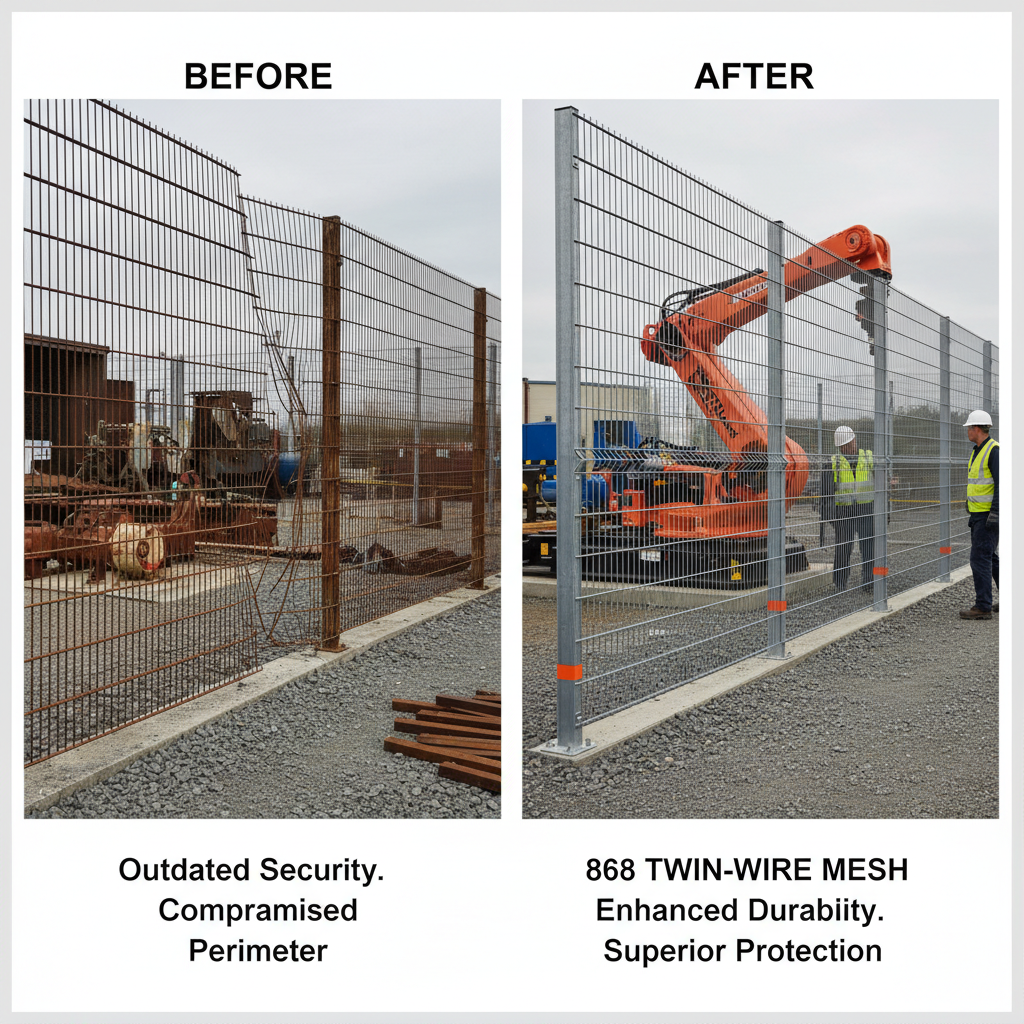
High Security Anti Climb 868 Mesh Fencing for Industrial Properties
When it comes to high-security perimeter protection, 868 mesh fencing stands as the gold standard for industrial and commercial properties. Designed to be virtually impenetrable while maintaining a clean, modern aesthetic, this specialized fencing system offers a unique combination of strength and visibility. Whether you are securing a government facility, a warehouse, or a private estate, understanding the technical advantages of the 868 system is crucial for making an informed investment. In this guide, we will explore why this specific mesh configuration is preferred by security experts worldwide.
2026-04-09 03:17:58
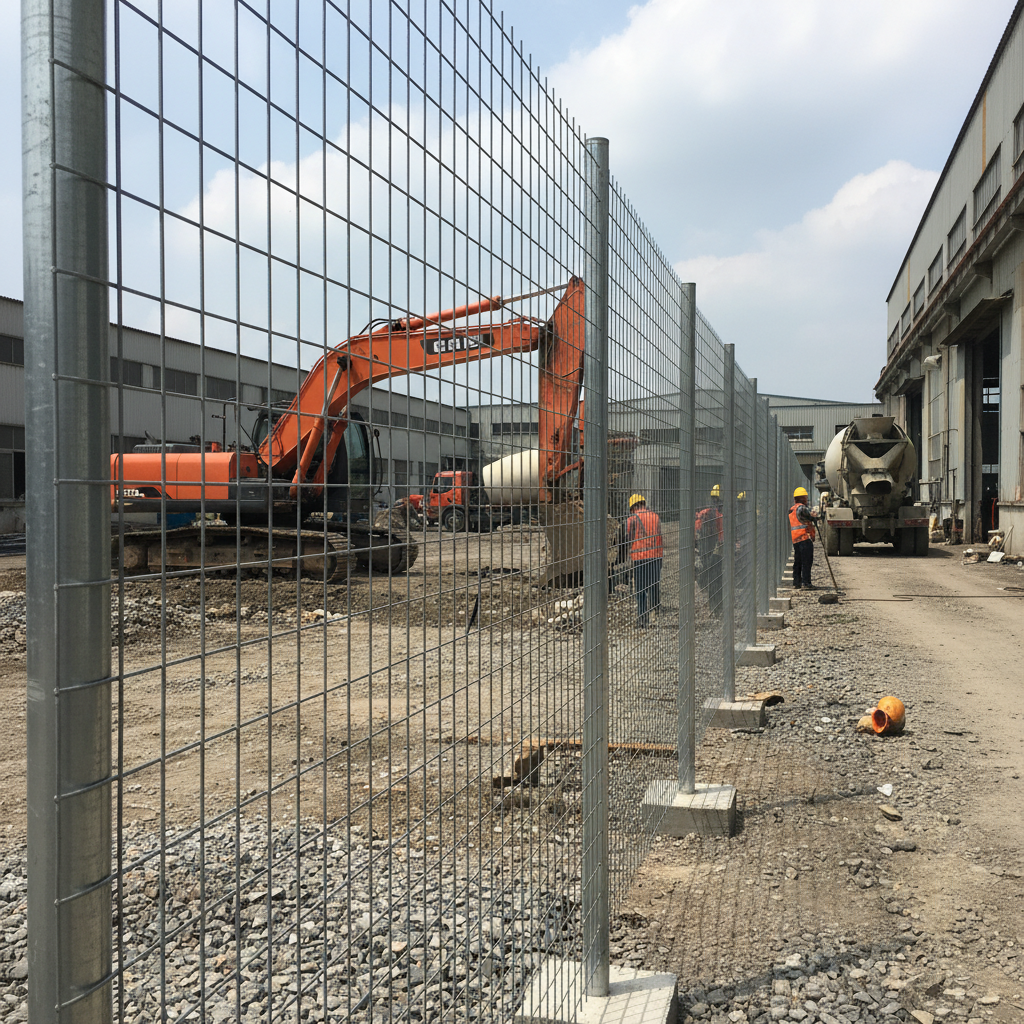
Ultimate Guide to 6ft Mesh Fencing for Security and Privacy
When it comes to establishing a secure perimeter, 6ft mesh fencing is widely regarded as the gold standard for balancing visibility with robust protection. Whether you are securing a commercial warehouse, a residential backyard, or an industrial site, the six-foot height provides a psychological and physical deterrent that lower fences simply cannot match. In this comprehensive guide, we will explore why this specific height is preferred, the materials that ensure longevity, and how to choose the right mesh configuration for your specific needs to ensure maximum ROI and safety.
2026-04-07 03:08:15
Comprehensive Guide to Welded Mesh Fencing 50x50 for Secure Enclosures
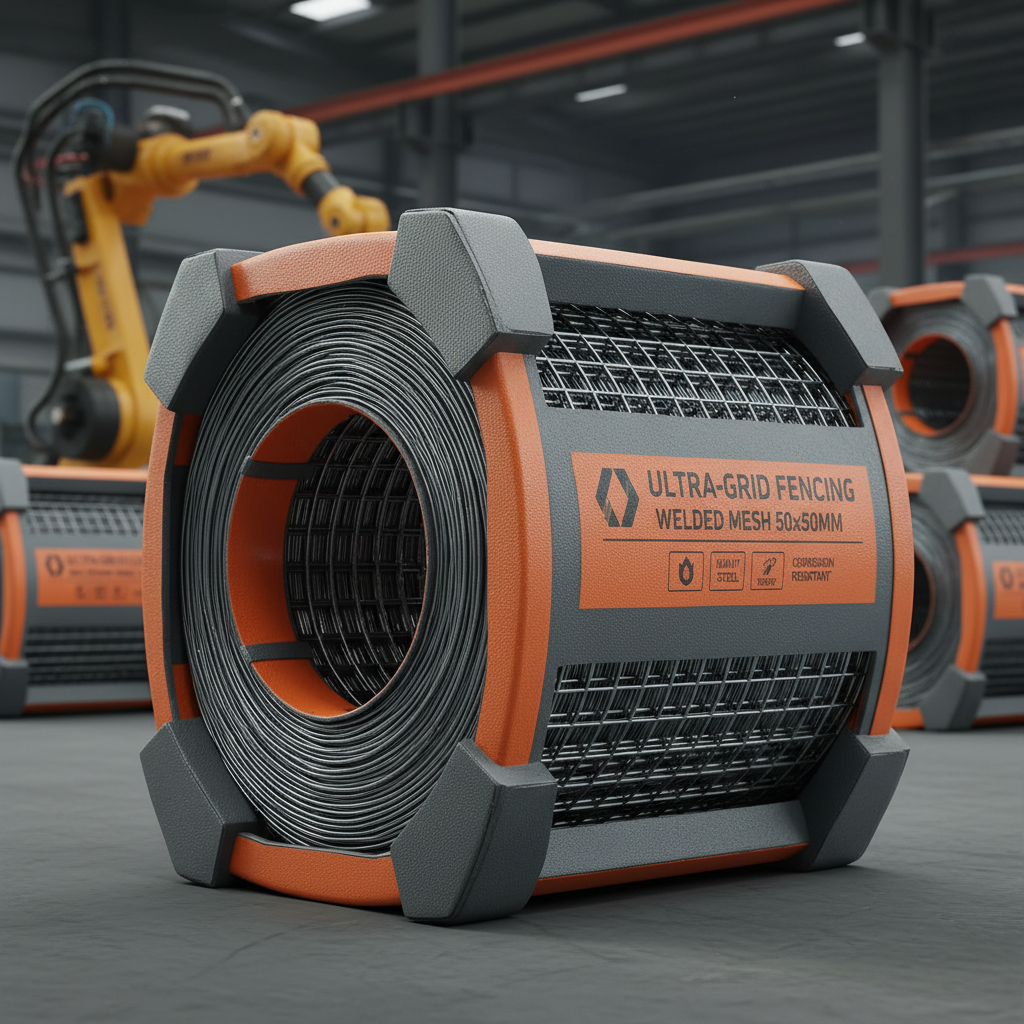
When securing your property or creating enclosures, choosing the right fencing material is crucial. Welded mesh fencing 50x50 offers a robust, versatile, and cost-effective solution for a wide range of applications. This article dives deep into the benefits, specifications, applications, and considerations when selecting this popular fencing option. Whether you’re a homeowner, agricultural business owner, or industrial facility manager, understanding the nuances of welded mesh fencing will empower you to make an informed decision.
2026-04-04 03:18:08
Comprehensive Guide to Durable and Affordable 4ft Wire Mesh Fencing Solutions
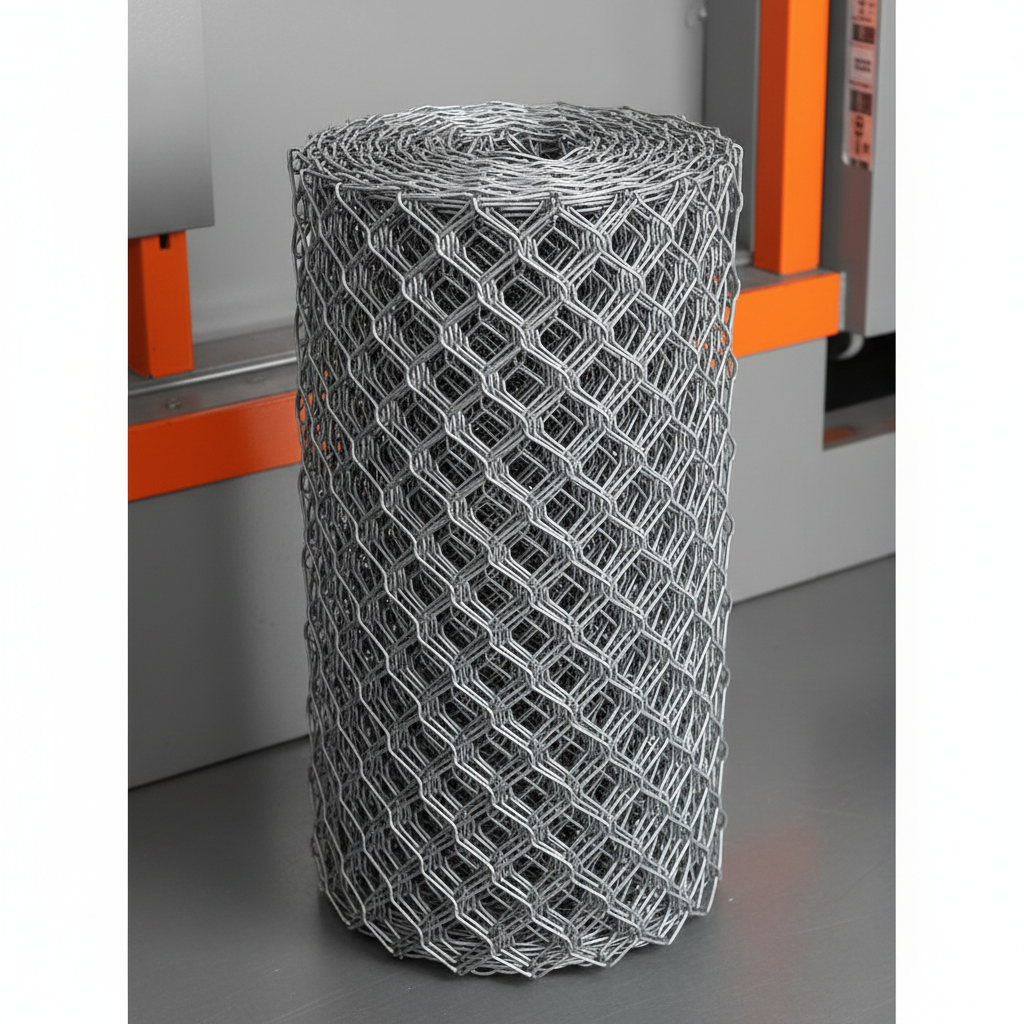
4ft wire mesh fencing is a versatile and cost-effective solution for a wide range of applications, from securing residential properties to enclosing industrial sites. Its robust construction and ease of installation make it a popular choice for both DIY projects and professional installations. This article will explore the benefits, applications, different types, installation guidelines, and maintenance tips for 4ft wire mesh fencing, helping you make an informed decision for your fencing needs. Choosing the right fencing is crucial for security, safety, and property value.
2026-03-31 03:15:14
Comprehensive Guide to 358 Mesh Fencing Security Applications and Benefits
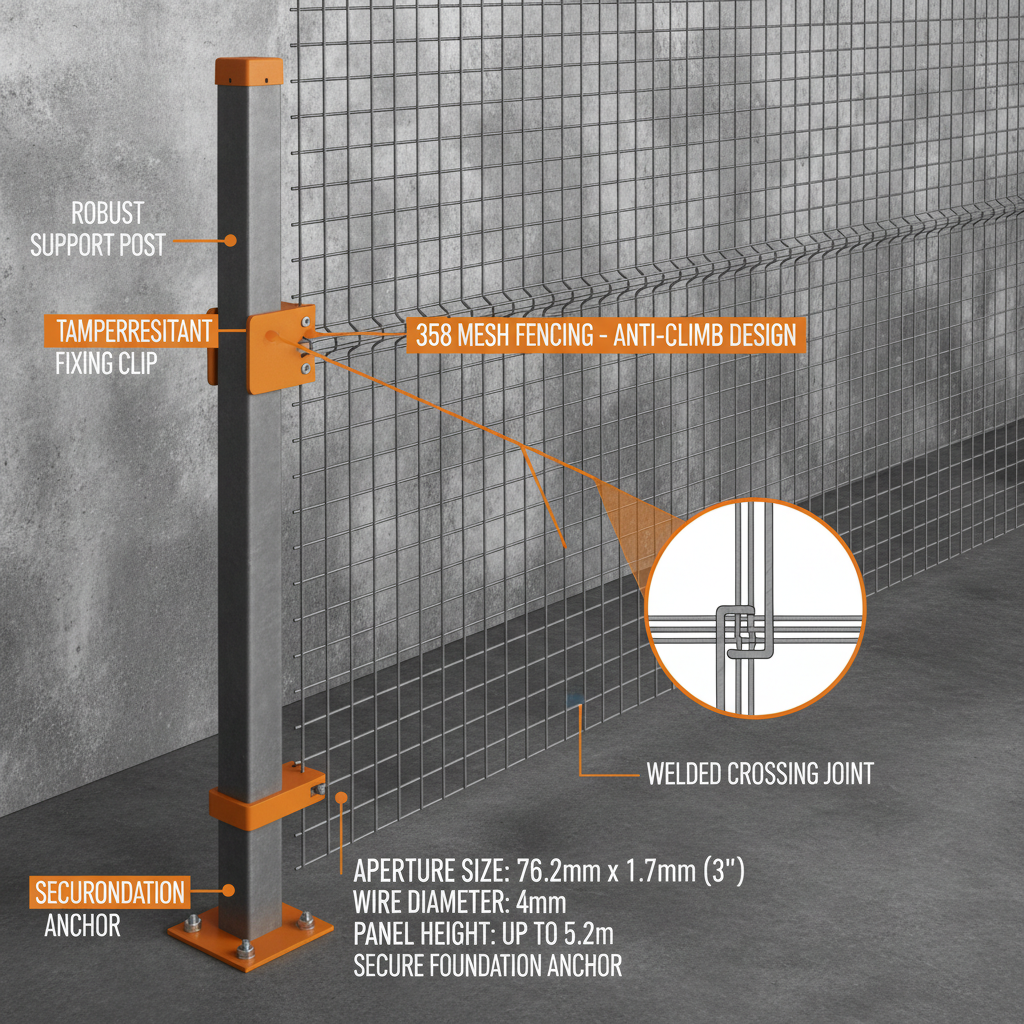
When it comes to perimeter security, choosing the right fencing solution is crucial. 358 mesh fencing has emerged as a popular and highly effective option, offering exceptional security and durability. This article provides a comprehensive guide to 358 mesh fencing, covering its key features, applications, benefits, and considerations for installation. We’ll explore why this type of fencing is increasingly preferred by commercial, industrial, and residential clients seeking robust security solutions.
2026-03-28 03:27:34
Comprehensive Guide to Durable 1 Inch Wire Mesh Fencing Solutions
When establishing secure perimeters for residential, agricultural, industrial, or commercial properties, choosing the right fencing material is crucial. 1 inch wire mesh fencing is a popular and versatile option, known for its durability, security, and cost-effectiveness. This article will provide a comprehensive overview of 1 inch wire mesh fencing, covering its applications, benefits, materials, installation, and maintenance. We'll explore how this fencing solution can provide long-lasting security and peace of mind for your property.
2026-03-26 03:17:15
Comprehensive Guide to Welded Mesh Fencing 1.8m for Security and Versatility
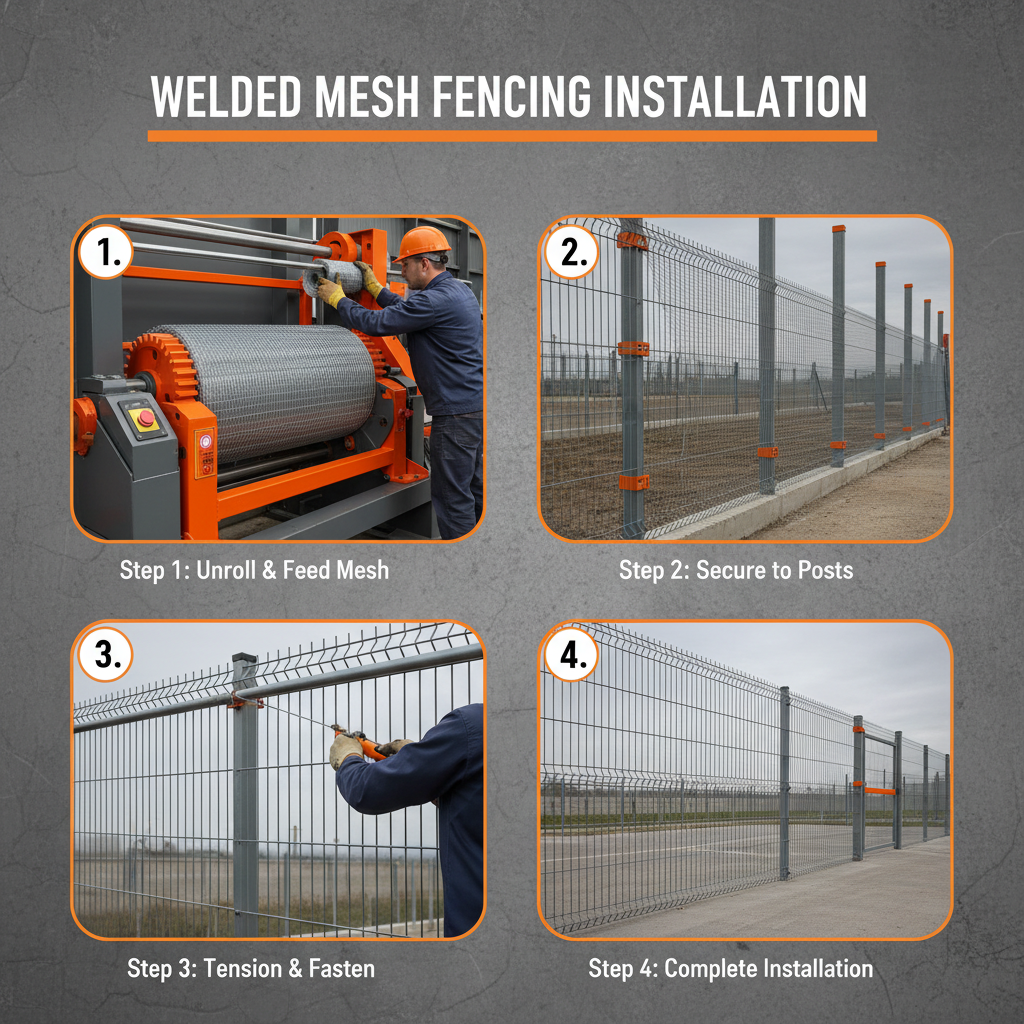
Welded mesh fencing is a robust and versatile solution for a wide range of applications, from securing perimeters to containing livestock. Specifically, welded mesh fencing 1.8m height offers an excellent balance of security, visibility, and cost-effectiveness. This article will explore the benefits, applications, installation considerations, and variations of this popular fencing option. We'll delve into why it’s a preferred choice for both residential and commercial properties. Choosing the right fencing is crucial for safety and security, and we’ll guide you through making the best decision. Welded mesh fencing 1.8m provides several key advantages over traditional fencing materials. Its rigid construction offers excellent resistance to climbing and cutting, enhancing security. The open mesh design allows for good visibility, which is important for surveillance and aesthetic purposes.
2026-03-24 03:20:18
Comprehensive Guide to Durable 1.2 m Wire Mesh Fencing Solutions
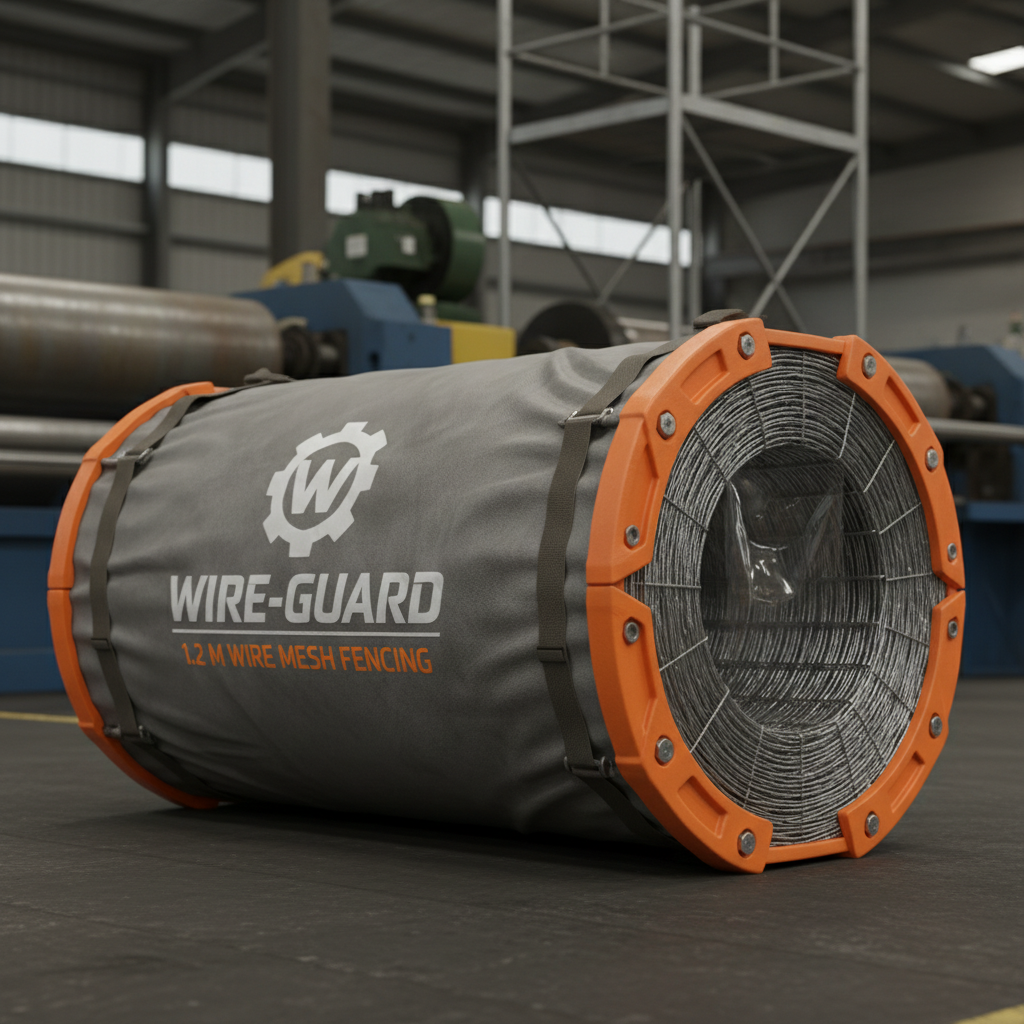
When securing properties, livestock, or construction sites, choosing the right fencing material is crucial. 1.2 m wire mesh fencing offers a robust, versatile, and cost-effective solution. This article will explore the benefits, applications, installation, and maintenance of 1.2m wire mesh fencing, providing a thorough overview for homeowners, farmers, and contractors. Selecting the appropriate fencing enhances security, defines boundaries, and contributes to a safe environment. The robust construction provides excellent security, deterring intruders and containing animals. The galvanized or PVC-coated finish offers exceptional corrosion resistance, ensuring long-lasting durability even in harsh weather conditions. The mesh design allows for good visibility, which is ideal for residential and commercial properties where aesthetics are a concern. Furthermore, the relatively low cost compared to other fencing options makes it an economical choice for large areas. The ease of installation and low maintenance requirements add to its appeal.


 English