






Hebei Jinjiu Metal Products Co.,Ltd


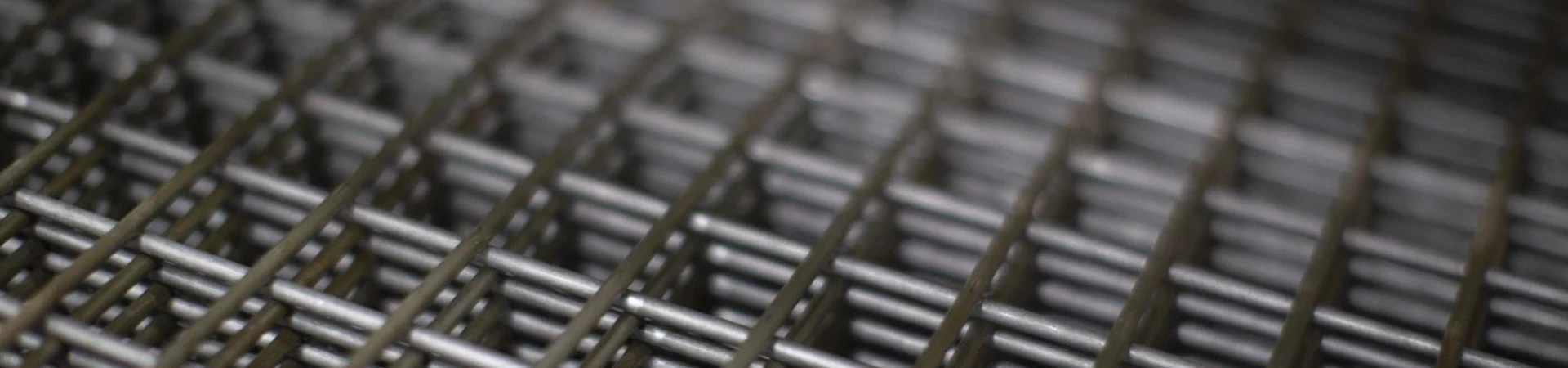

Comprehensive Guide to Understanding Different Types of Mesh Wire Fencing
Feb . 28, 2026 03:15
Understanding the Different Types of Mesh Wire Fencing
Mesh wire fencing is a versatile and cost-effective solution for a wide range of applications, from agricultural boundaries to security perimeters. However, not all mesh fencing is created equal. Different types of mesh offer varying levels of strength, durability, and security. This guide explores the common types of mesh wire fencing, their characteristics, and suitable uses, helping you choose the right fencing for your needs. Choosing the correct fencing is crucial for longevity and effective containment or security. Jinshield Mesh provides high-quality options tailored to diverse requirements.
Woven Wire Mesh Fencing
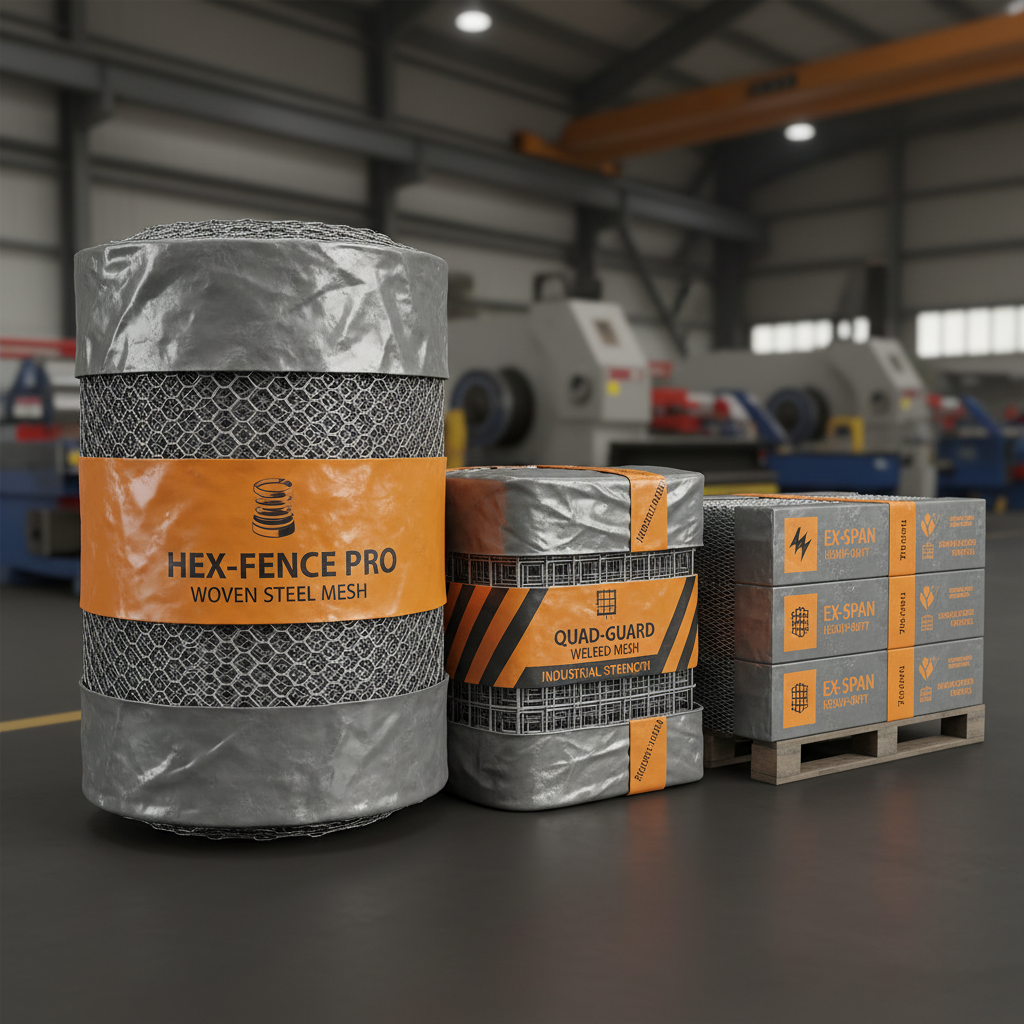
Woven wire mesh, often called field fence, is a classic fencing option known for its strength and versatility. It's constructed by weaving vertical and horizontal wires together, creating a robust and durable barrier. The wire diameter, mesh size (the space between wires), and height determine its suitability for different applications. It's commonly used in agricultural settings to contain livestock, but also serves as a perimeter fence for residential or rural properties. Different wire gauges and coating options are available to suit varying environmental conditions and animal types. Jinshield Mesh's woven wire fencing is known for its consistent weave and long-lasting performance.
Key Highlights: Woven wire provides a strong, durable barrier suitable for various animals and security purposes. It is a cost-effective solution for large areas.
Welded Wire Mesh Fencing
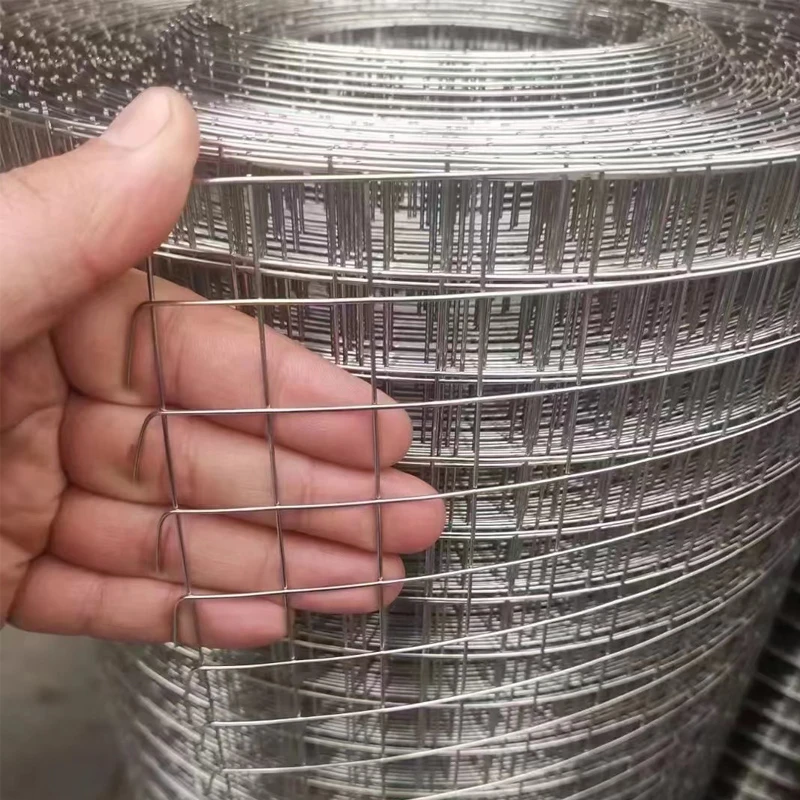
Welded wire mesh fencing is created by welding vertical and horizontal wires together at each intersection. This process results in a more rigid and uniform structure compared to woven wire. It's commonly used for animal enclosures (particularly for smaller animals like poultry or rabbits), security fencing, and as a base for chain-link fences. Welded wire mesh is generally less flexible than woven wire, but offers excellent strength and stability. The mesh opening size can be customized to suit specific containment needs. Explore Jinshield Mesh’s range of welded wire options for various applications.
Welded Wire Mesh Benefits:
• Rigid and stable structure
• Uniform mesh openings
• Excellent for containing smaller animals
• Suitable for security applications
Comparing Woven and Welded Wire Mesh Fencing
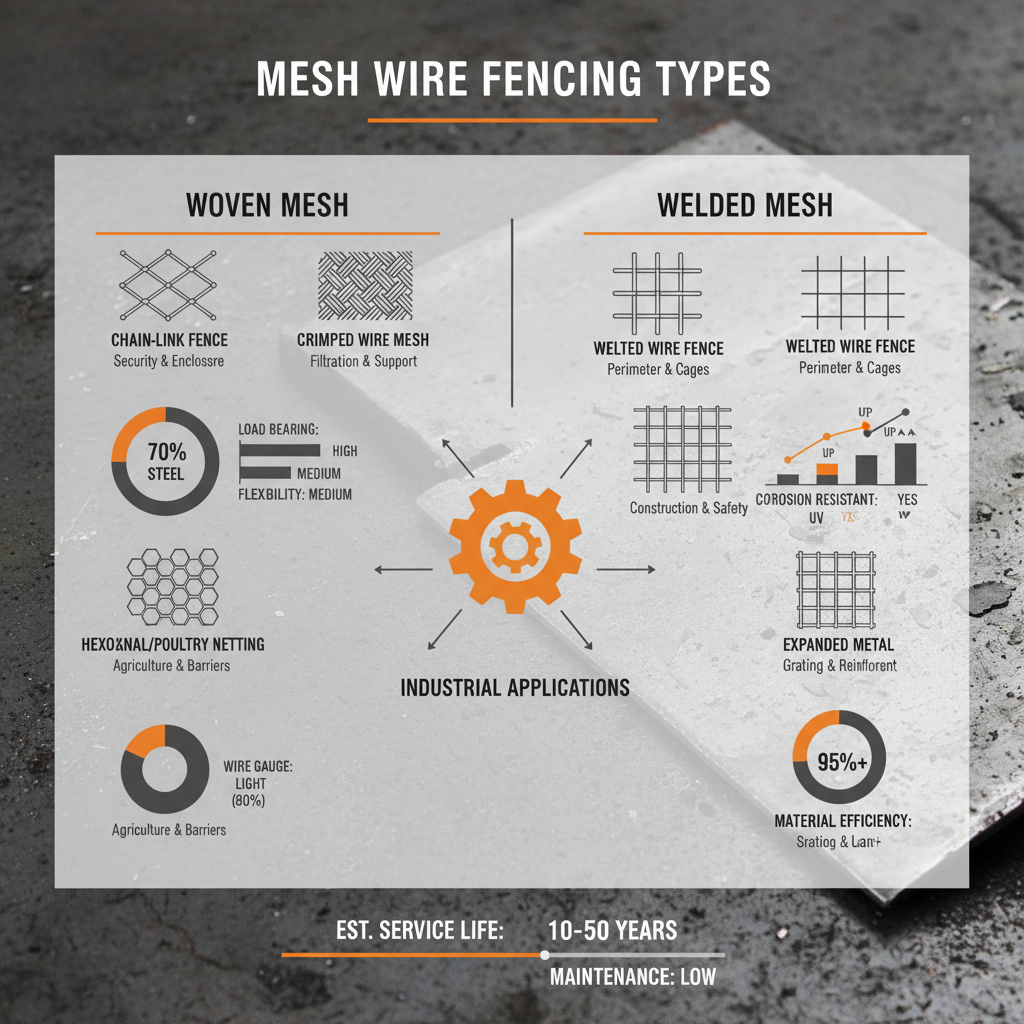
Choosing between woven and welded wire mesh depends on your specific needs. Welded wire is better suited for situations needing rigidity and smaller mesh openings, while woven wire excels in applications requiring flexibility and strength over larger areas. Here’s a detailed comparison:
Hexagonal Wire Mesh (Chicken Wire)
Hexagonal wire mesh, commonly known as chicken wire, is made by twisting wires together to create a diamond-shaped pattern. While traditionally used for poultry enclosures, it's also used for craft projects, garden trellises, and temporary fencing. It is relatively inexpensive but offers limited strength and security. Jinshield Mesh offers different gauges of chicken wire for diverse needs.
Crimped Wire Mesh Fencing
Crimped wire mesh is created by pre-crimping the wires before weaving or welding them together. This crimping process adds strength and rigidity to the mesh, making it suitable for applications requiring increased structural support. It’s commonly used in gabions (wire baskets filled with rocks for erosion control), retaining walls, and industrial fencing. The crimped wires help distribute stress and enhance the overall durability of the fencing.
Conclusion: Selecting the Right Mesh Wire Fencing
Choosing the right type of mesh wire fencing depends heavily on the intended application. Consider factors like the animals you need to contain, the level of security required, the environmental conditions, and your budget. Jinshield Mesh provides a wide selection of high-quality mesh fencing solutions to meet your specific needs. Investing in the right fencing will ensure long-lasting performance and peace of mind.
Frequently Asked Questions (FAQs)
What is the best mesh size for keeping out rabbits?
For effective rabbit control, a mesh size of 1 inch or smaller is recommended. Rabbits can squeeze through larger openings, so a smaller mesh prevents them from accessing gardens or enclosures. Welded wire mesh with a ½ inch mesh is particularly effective for rabbit-proof fencing. Consider burying the bottom of the fence a few inches to prevent rabbits from digging underneath.
What is the difference between galvanized and PVC coated wire mesh?
Galvanized wire mesh is coated with a layer of zinc to protect it from rust and corrosion. PVC coating adds an additional layer of plastic over the galvanized coating, providing even greater protection and a wider range of color options. PVC-coated mesh is more durable and aesthetically pleasing, but it is also more expensive than galvanized mesh. Galvanized is sufficient for many applications, but PVC offers extended life in harsh environments.
How do I properly install mesh wire fencing?
Proper installation is key for long-lasting fencing. Start by setting sturdy posts at regular intervals (typically 8-10 feet apart). Stretch the mesh tightly between posts, using tension bars or wire ties to secure it. Ensure the bottom of the mesh is close to the ground to prevent animals from digging underneath. Use appropriate fasteners for the type of posts and mesh you are using. Refer to the manufacturer's instructions for specific guidance.
Is mesh wire fencing a good security option?
Mesh wire fencing can provide a reasonable level of security, particularly when combined with other measures. Welded wire mesh with a smaller mesh size is more secure than chicken wire. Adding top rails and ensuring the fence is properly installed and maintained can further enhance security. For high-security applications, consider combining mesh fencing with security cameras or alarm systems.

Related Products
Related News

2026-04-16 03:16:12
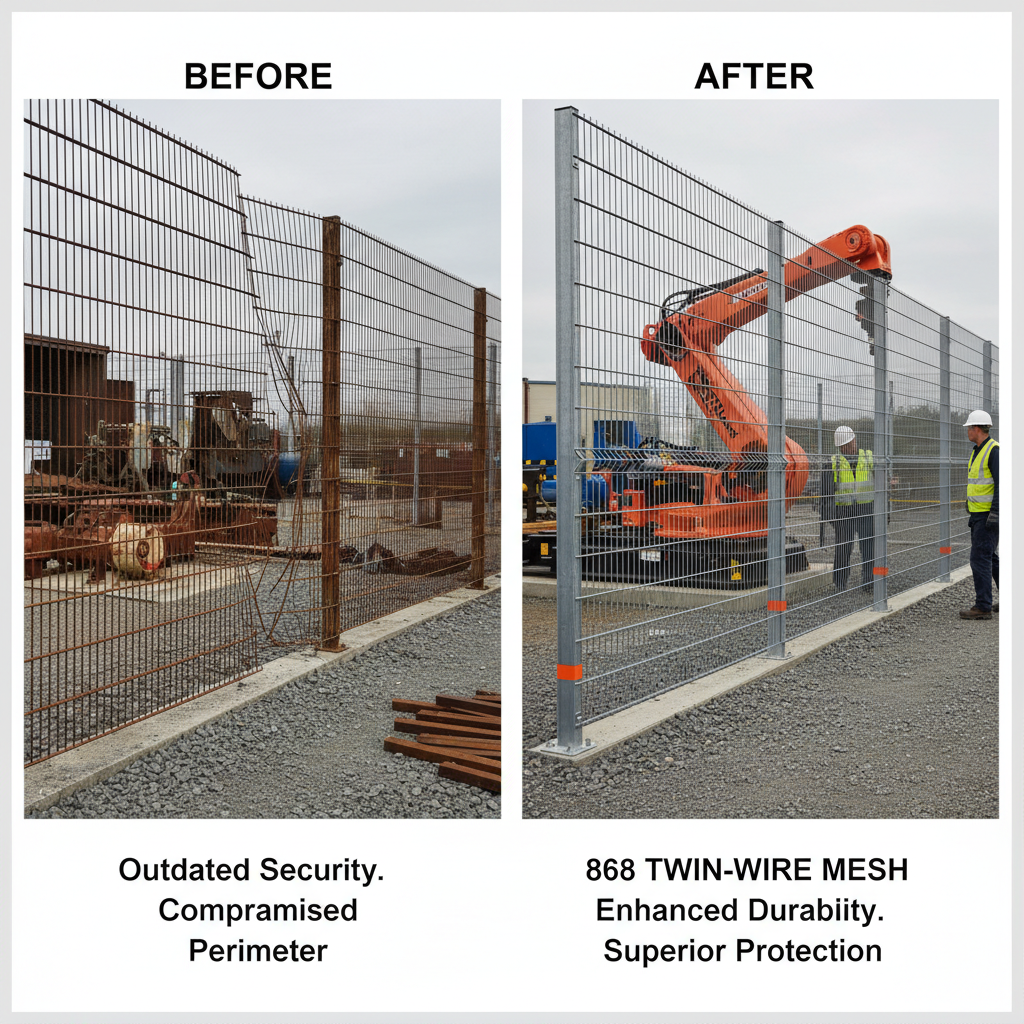
High Security Anti Climb 868 Mesh Fencing for Industrial Properties
When it comes to high-security perimeter protection, 868 mesh fencing stands as the gold standard for industrial and commercial properties. Designed to be virtually impenetrable while maintaining a clean, modern aesthetic, this specialized fencing system offers a unique combination of strength and visibility. Whether you are securing a government facility, a warehouse, or a private estate, understanding the technical advantages of the 868 system is crucial for making an informed investment. In this guide, we will explore why this specific mesh configuration is preferred by security experts worldwide.
2026-04-09 03:17:58
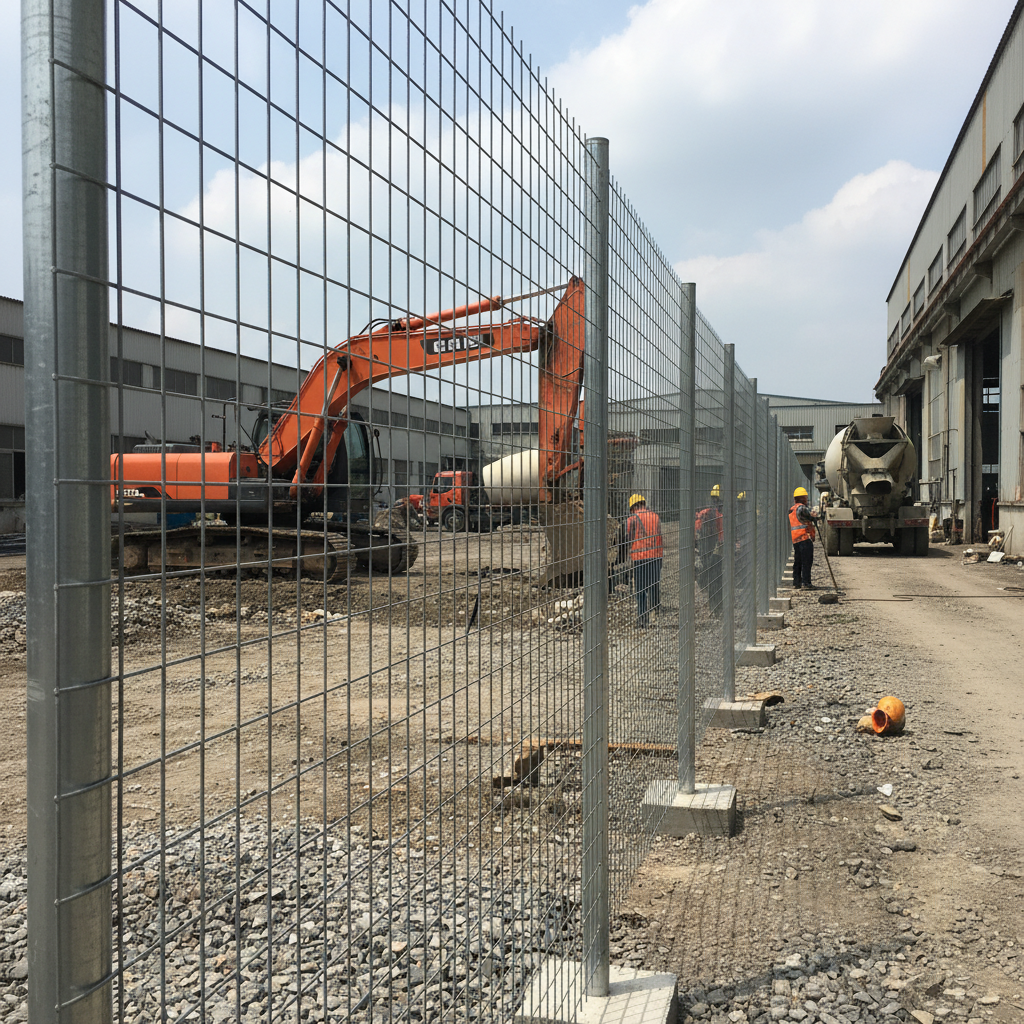
Ultimate Guide to 6ft Mesh Fencing for Security and Privacy
When it comes to establishing a secure perimeter, 6ft mesh fencing is widely regarded as the gold standard for balancing visibility with robust protection. Whether you are securing a commercial warehouse, a residential backyard, or an industrial site, the six-foot height provides a psychological and physical deterrent that lower fences simply cannot match. In this comprehensive guide, we will explore why this specific height is preferred, the materials that ensure longevity, and how to choose the right mesh configuration for your specific needs to ensure maximum ROI and safety.
2026-04-07 03:08:15
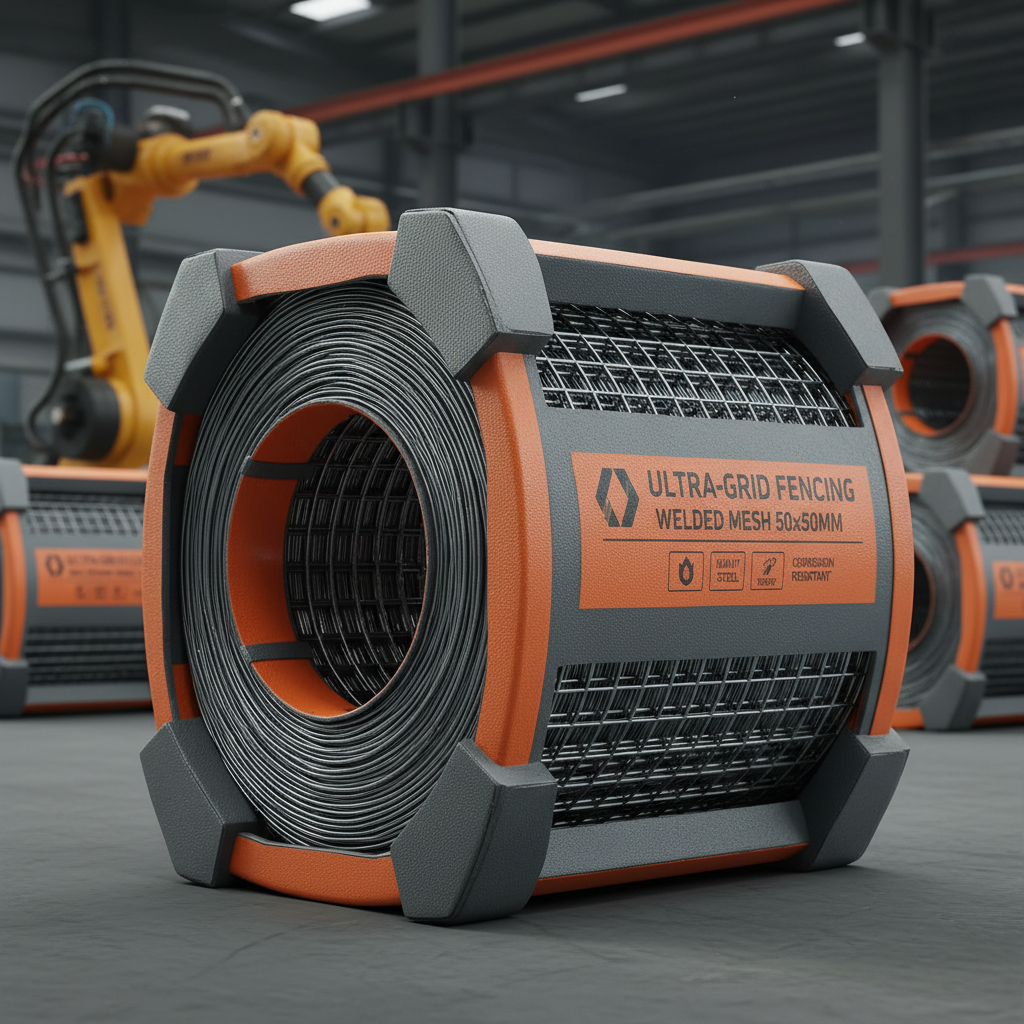
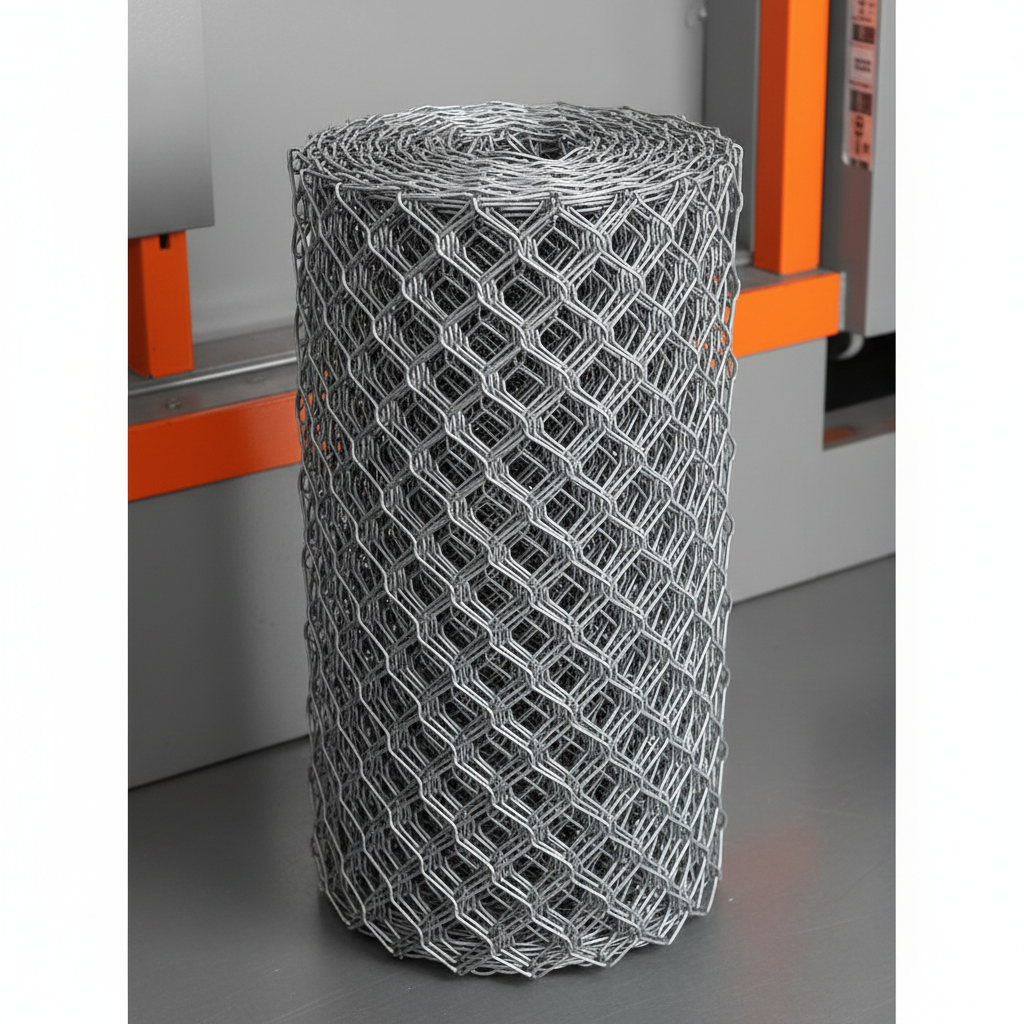
Comprehensive Guide to Welded Mesh Fencing 50x50 for Secure Enclosures
When securing your property or creating enclosures, choosing the right fencing material is crucial. Welded mesh fencing 50x50 offers a robust, versatile, and cost-effective solution for a wide range of applications. This article dives deep into the benefits, specifications, applications, and considerations when selecting this popular fencing option. Whether you’re a homeowner, agricultural business owner, or industrial facility manager, understanding the nuances of welded mesh fencing will empower you to make an informed decision.
2026-04-04 03:18:08
Comprehensive Guide to Durable and Affordable 4ft Wire Mesh Fencing Solutions
4ft wire mesh fencing is a versatile and cost-effective solution for a wide range of applications, from securing residential properties to enclosing industrial sites. Its robust construction and ease of installation make it a popular choice for both DIY projects and professional installations. This article will explore the benefits, applications, different types, installation guidelines, and maintenance tips for 4ft wire mesh fencing, helping you make an informed decision for your fencing needs. Choosing the right fencing is crucial for security, safety, and property value.
2026-03-31 03:15:14
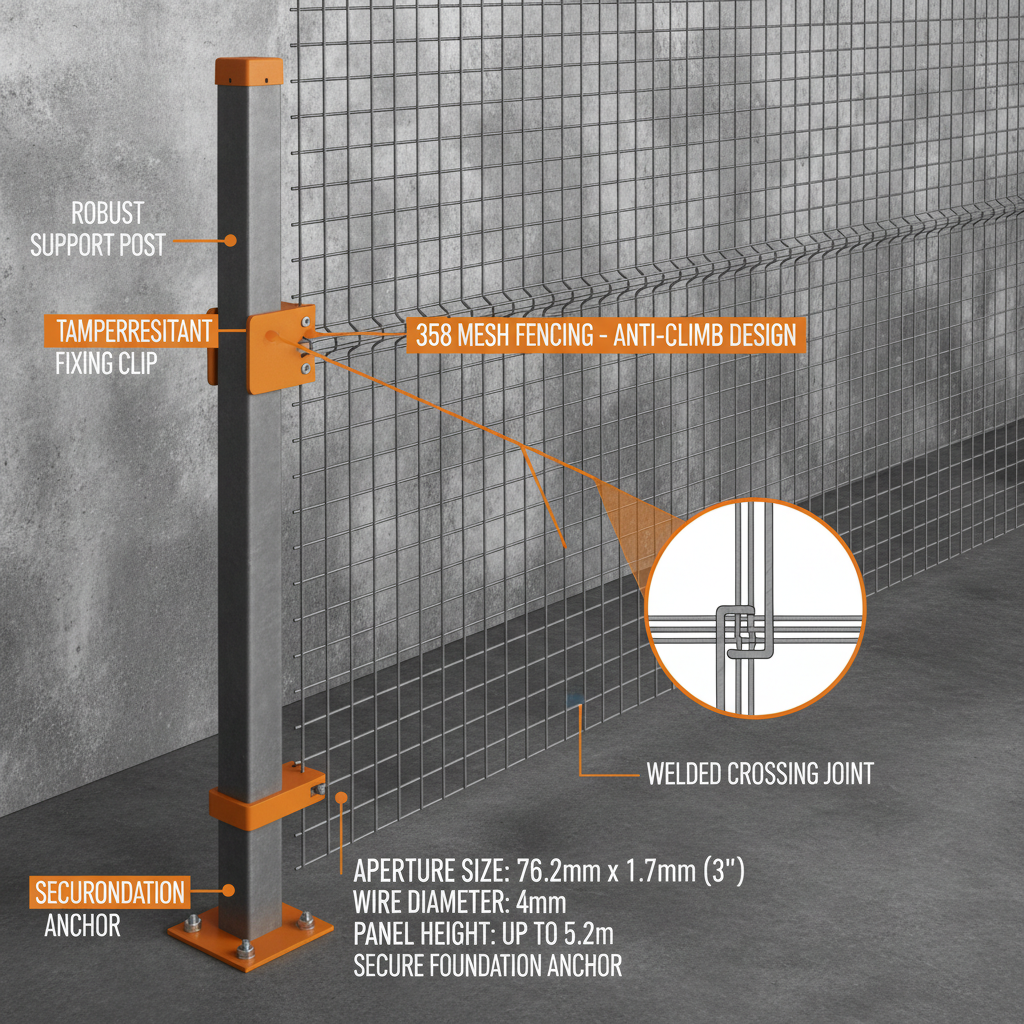
Comprehensive Guide to 358 Mesh Fencing Security Applications and Benefits
When it comes to perimeter security, choosing the right fencing solution is crucial. 358 mesh fencing has emerged as a popular and highly effective option, offering exceptional security and durability. This article provides a comprehensive guide to 358 mesh fencing, covering its key features, applications, benefits, and considerations for installation. We’ll explore why this type of fencing is increasingly preferred by commercial, industrial, and residential clients seeking robust security solutions.
2026-03-28 03:27:34
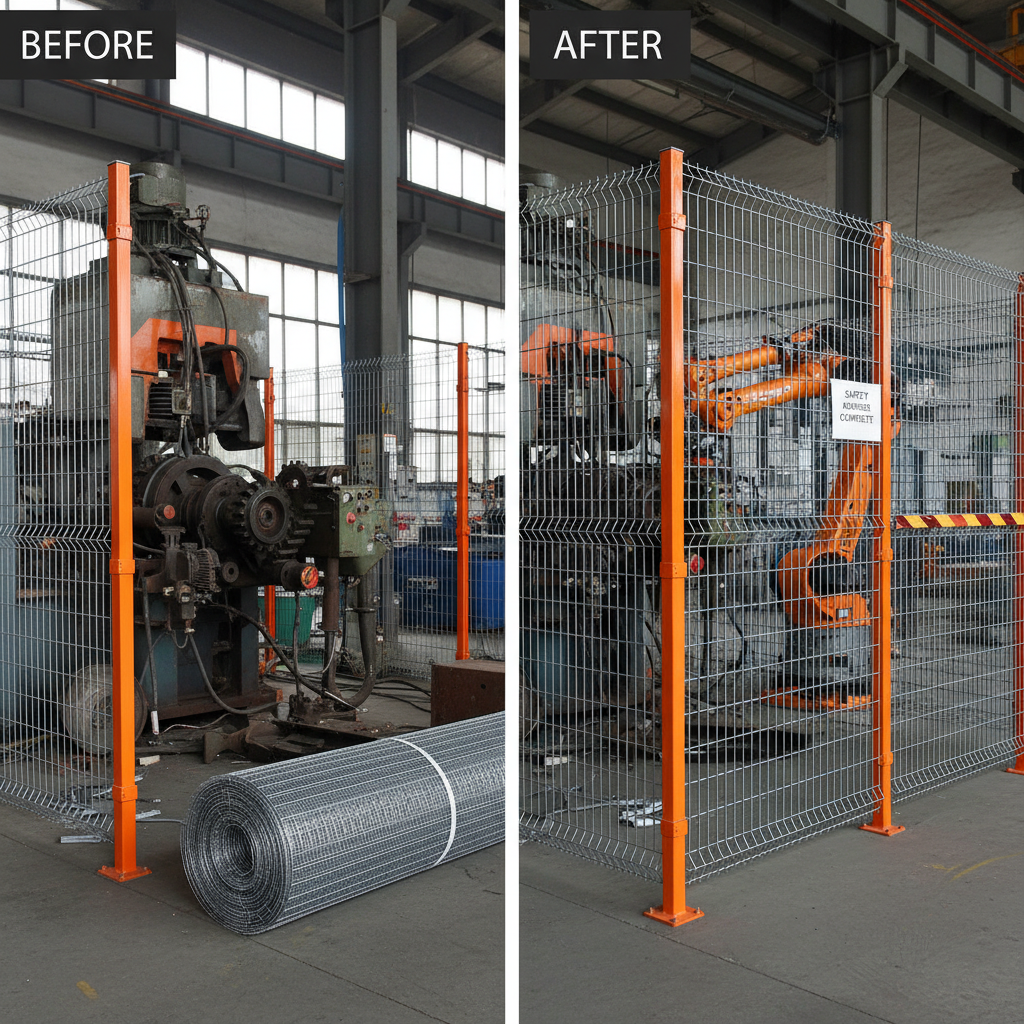
Comprehensive Guide to Durable 1 Inch Wire Mesh Fencing Solutions
When establishing secure perimeters for residential, agricultural, industrial, or commercial properties, choosing the right fencing material is crucial. 1 inch wire mesh fencing is a popular and versatile option, known for its durability, security, and cost-effectiveness. This article will provide a comprehensive overview of 1 inch wire mesh fencing, covering its applications, benefits, materials, installation, and maintenance. We'll explore how this fencing solution can provide long-lasting security and peace of mind for your property.
2026-03-26 03:17:15
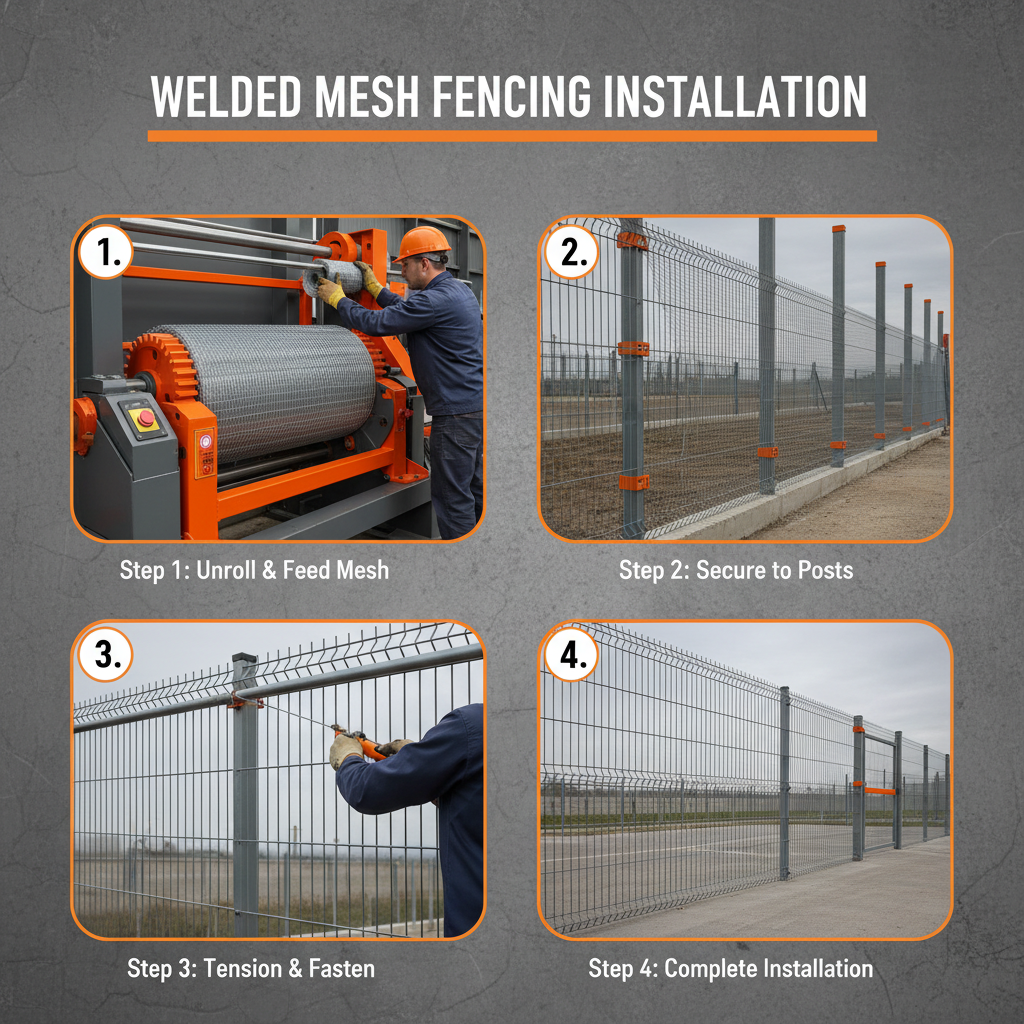
Comprehensive Guide to Welded Mesh Fencing 1.8m for Security and Versatility
Welded mesh fencing is a robust and versatile solution for a wide range of applications, from securing perimeters to containing livestock. Specifically, welded mesh fencing 1.8m height offers an excellent balance of security, visibility, and cost-effectiveness. This article will explore the benefits, applications, installation considerations, and variations of this popular fencing option. We'll delve into why it’s a preferred choice for both residential and commercial properties. Choosing the right fencing is crucial for safety and security, and we’ll guide you through making the best decision. Welded mesh fencing 1.8m provides several key advantages over traditional fencing materials. Its rigid construction offers excellent resistance to climbing and cutting, enhancing security. The open mesh design allows for good visibility, which is important for surveillance and aesthetic purposes.
2026-03-24 03:20:18
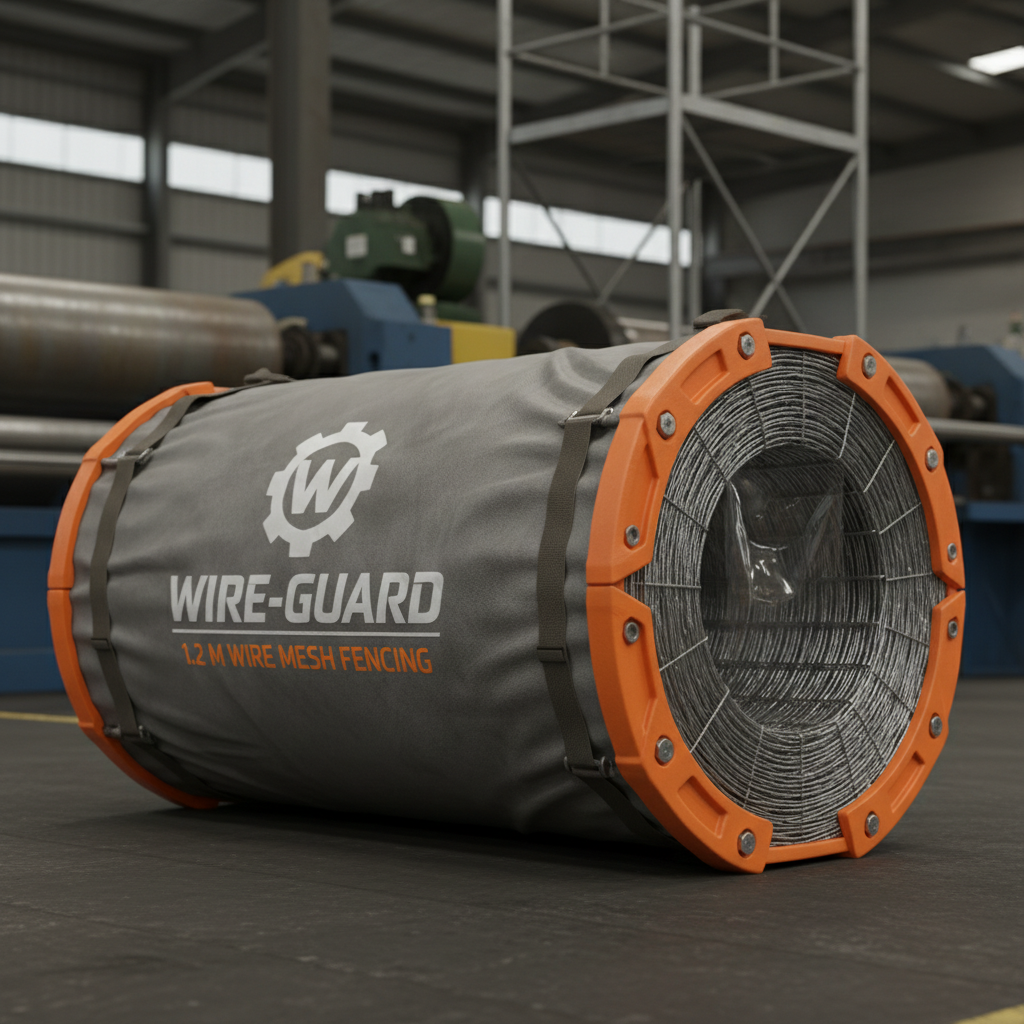
Comprehensive Guide to Durable 1.2 m Wire Mesh Fencing Solutions
When securing properties, livestock, or construction sites, choosing the right fencing material is crucial. 1.2 m wire mesh fencing offers a robust, versatile, and cost-effective solution. This article will explore the benefits, applications, installation, and maintenance of 1.2m wire mesh fencing, providing a thorough overview for homeowners, farmers, and contractors. Selecting the appropriate fencing enhances security, defines boundaries, and contributes to a safe environment. The robust construction provides excellent security, deterring intruders and containing animals. The galvanized or PVC-coated finish offers exceptional corrosion resistance, ensuring long-lasting durability even in harsh weather conditions. The mesh design allows for good visibility, which is ideal for residential and commercial properties where aesthetics are a concern. Furthermore, the relatively low cost compared to other fencing options makes it an economical choice for large areas. The ease of installation and low maintenance requirements add to its appeal.


 English