






Hebei Jinjiu Metal Products Co.,Ltd


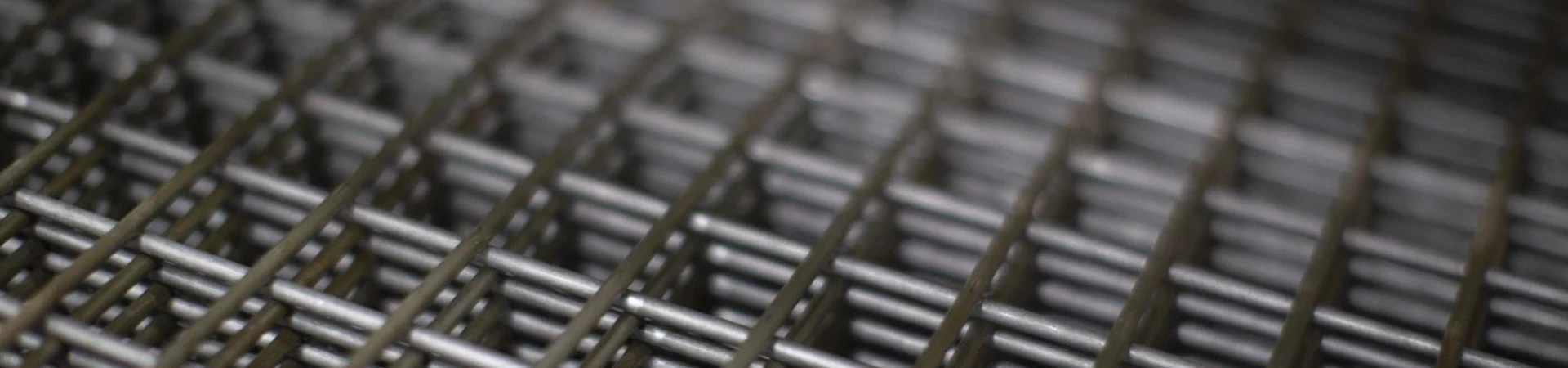

Durable Defense Fence Tank Tracks Wound Net | Jinjiu Wire Mesh
Jan . 01, 2026 07:00
Defense Fence Tank Tracks Wound Net: A Veteran’s Take
Having spent over a decade in the industrial equipment and defense sectors, the term defense fence tank tracks wound net isn’t just technical jargon for me. It strikes a chord with every installation I’ve supervised, every rugged terrain I’ve encountered, and frankly, every unexpected challenge on site.
So what exactly are these wound nets used for? In real terms, they are heavy-duty, woven steel nets designed specifically to fortify perimeter defenses by providing a flexible yet nearly impenetrable barrier against tank tracks and other heavy military vehicles. Unlike traditional chain-link fencing, these nets are uniquely capable of absorbing and distributing extreme mechanical forces, making them essential at military installations, checkpoints, and critical infrastructure sites worldwide.
From my experience, the material and weave technique behind these defense fence tank tracks wound nets make all the difference. Jinjiu Wire Mesh, for instance, uses galvanized or PVC-coated steel wire, which ensures that the mesh stays resistant to corrosion even in the harshest outdoor environments. It feels like the right combination of tensile strength and ductility—and you need both when you’re up against tracked vehicles that weigh tens of tons. Oddly enough, some recently installed nets I inspected had undergone rigorous ballistic and vehicular load tests, exceeding the MIL-STD standards, so the quality there is not just marketing fluff.
One thing I always appreciate is customization. Defense perimeter conditions vary wildly, and these nets can be adjusted in mesh size, wire diameter, and coating thickness to meet site-specific threats or environmental challenges. You can practically design the netting to outlast the expected lifespan of your fences—while keeping installation relatively straightforward. The modular nature of wound nets also makes repairs less painful; you replace sections instead of whole panels.
| Specification | Detail |
|---|---|
| Material | Galvanized Steel / PVC Coated Wire |
| Wire Diameter | 4.0 mm - 8.0 mm |
| Mesh Opening | 40 x 40 mm – 120 x 120 mm |
| Coating Thickness | 45 - 65 microns (galvanized); 0.6 - 0.8 mm (PVC) |
| Panel Size | Up to 3m x 5m (customizable) |
| Load Capacity | Supports tracked vehicle impacts & >200 kN tensile strength |
In my line of work, one of the more impressive case studies was at a border facility where Jinjiu nets replaced a conventional anti-vehicle fence. Within six months, while the old fence sustained multiple breaches, the wound netting remained intact despite several direct impacts by armored reconnaissance vehicles. This wasn’t just about materials — good installation practices and solid anchoring played their part. Still, these nets proved to be a force multiplier for site security.
Talking shop with other industry folks, a few vendors stand out for reliability, but not all wound nets are created equal. Here’s a quick vendor comparison I put together after some thorough field audits and feedback from engineers:
| Feature | Jinjiu Wire Mesh | Competitor A | Competitor B |
|---|---|---|---|
| Material Coating Quality | Premium galvanized & PVC | Standard galvanized only | Galvanized & painted, short warranty |
| Customization Options | Extensive mesh & size range | Limited mesh sizes | Fixed panel dimensions only |
| Load Test Certification | Meets or exceeds MIL-STD | Basic tensile tests | No third-party certification |
| Lead Times | 4-6 weeks customizable orders | 3-5 weeks, standard only | 6-8 weeks typical delay |
| After-sales Support | Strong technical & installation advice | Standard warranty, limited support | Mostly product replacement only |
From everything I’ve observed, if you need a robust defense fence to stop or slow down tracked vehicles, you can’t go wrong leaning toward trusted manufacturers like Jinjiu. It’s the mix of material science, craftsmanship, and real-world testing that separates them from the pack. That said, ongoing maintenance and proper installation are just as critical — no fence can stand alone if it’s poorly anchored or neglected.
In closing, when you’re specifying a defense fence tank tracks wound net for a project, consider it not just a physical barrier but a strategic asset. Its role often extends beyond simple defense — it’s part of a layered security ecosystem that buys time and protection under duress. And if you ask me, investing a bit more upfront on quality and certification pays dividends in the long haul.
One final anecdote: I once visited a remote checkpoint where the local engineers dubbed their Jinjiu wound nets “the silent guardians.” It stuck with me because, unlike noisy alarms or glaring spotlights, these nets quietly do their job—standing firm, absorbing impact, and never letting their guard down.
Just something to chew on next time you’re evaluating perimeter solutions.
- U.S. Military Standard (MIL-STD) documentation for vehicle barriers
- Case studies on Jinjiu Wire Mesh installations, internal field reports, 2021-2023
- Interviews with defense infrastructure engineers, defense equipment expos 2022

Related Products
Related News

2026-04-16 03:16:12
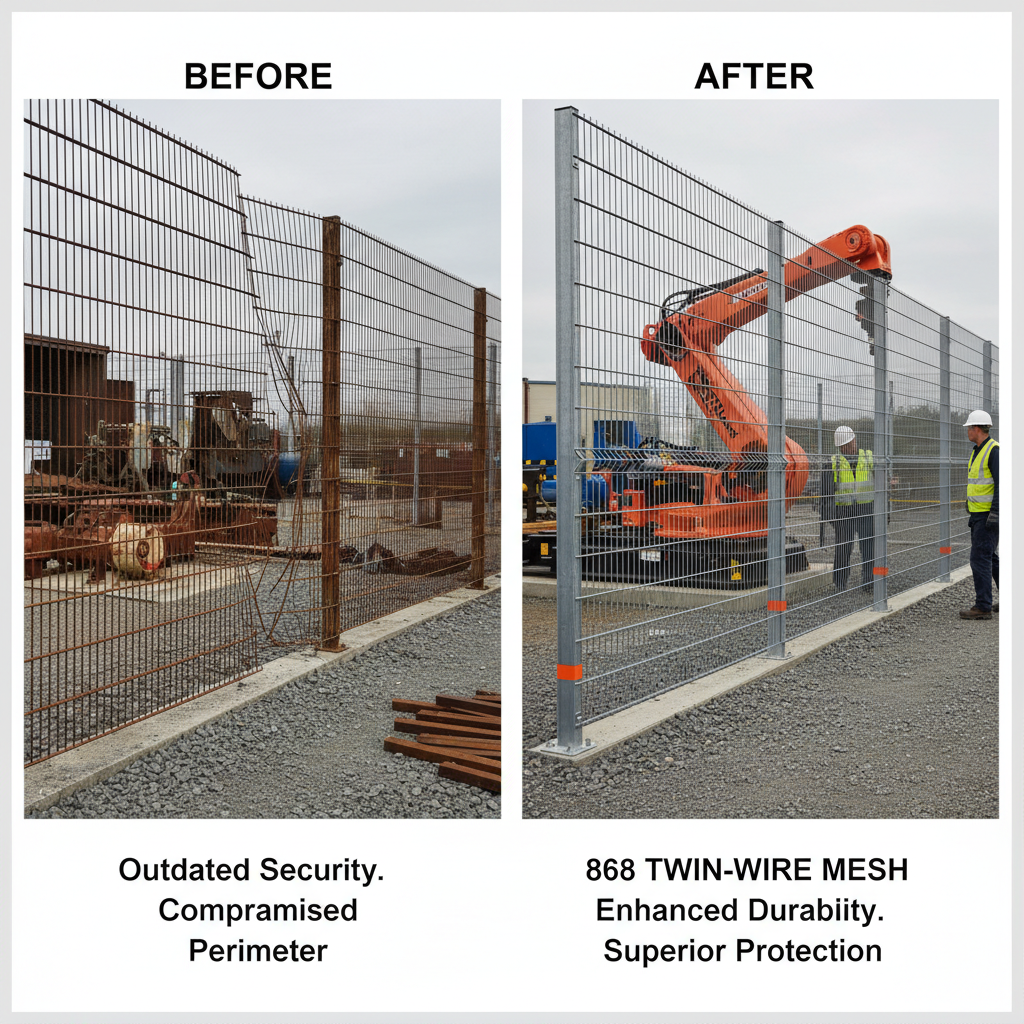
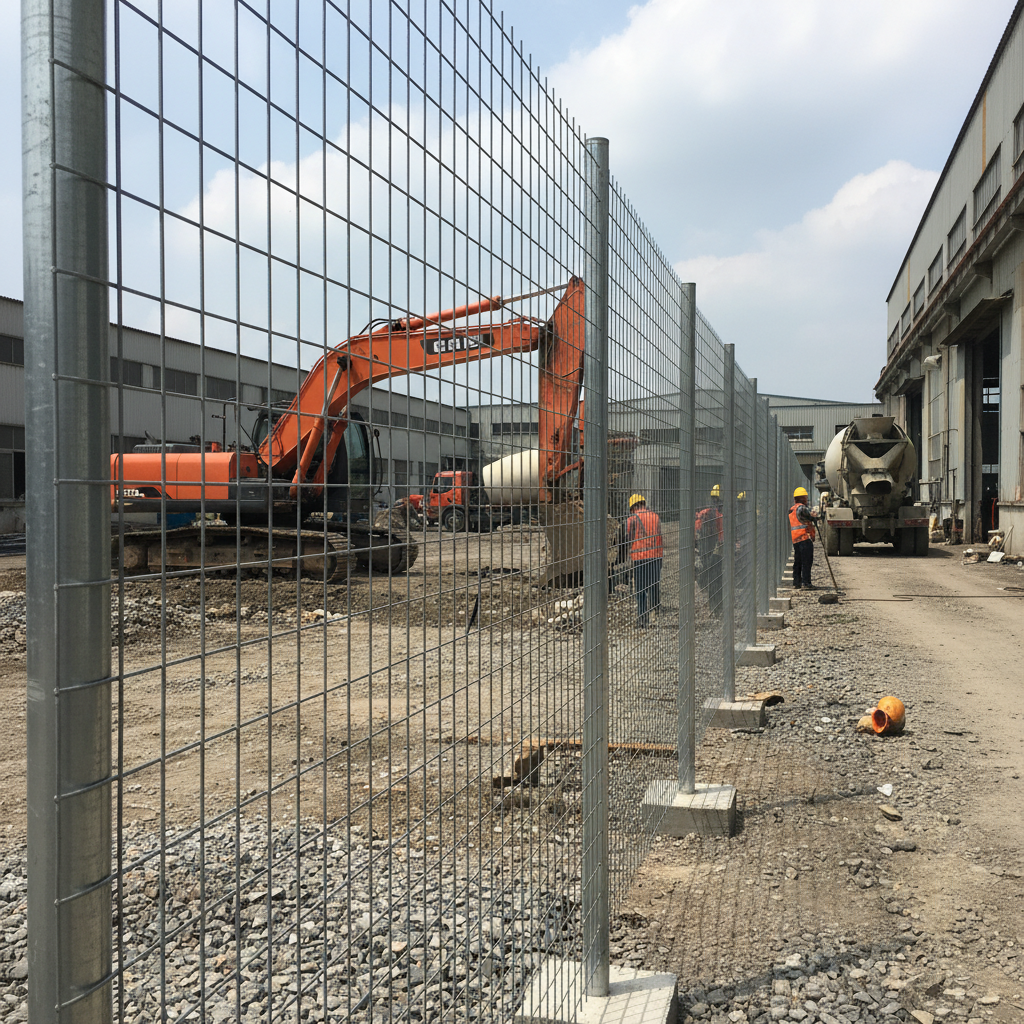
High Security Anti Climb 868 Mesh Fencing for Industrial Properties
When it comes to high-security perimeter protection, 868 mesh fencing stands as the gold standard for industrial and commercial properties. Designed to be virtually impenetrable while maintaining a clean, modern aesthetic, this specialized fencing system offers a unique combination of strength and visibility. Whether you are securing a government facility, a warehouse, or a private estate, understanding the technical advantages of the 868 system is crucial for making an informed investment. In this guide, we will explore why this specific mesh configuration is preferred by security experts worldwide.
2026-04-09 03:17:58
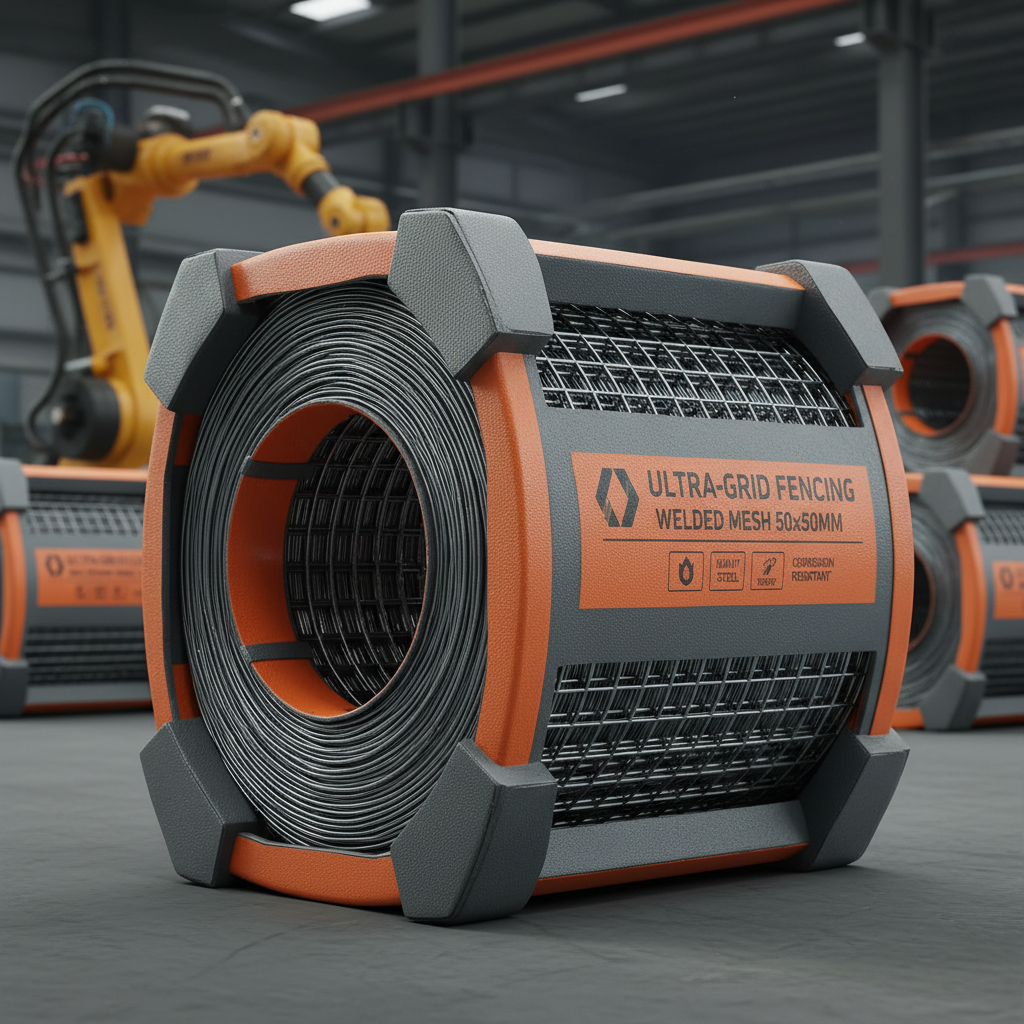
Ultimate Guide to 6ft Mesh Fencing for Security and Privacy
When it comes to establishing a secure perimeter, 6ft mesh fencing is widely regarded as the gold standard for balancing visibility with robust protection. Whether you are securing a commercial warehouse, a residential backyard, or an industrial site, the six-foot height provides a psychological and physical deterrent that lower fences simply cannot match. In this comprehensive guide, we will explore why this specific height is preferred, the materials that ensure longevity, and how to choose the right mesh configuration for your specific needs to ensure maximum ROI and safety.
2026-04-07 03:08:15
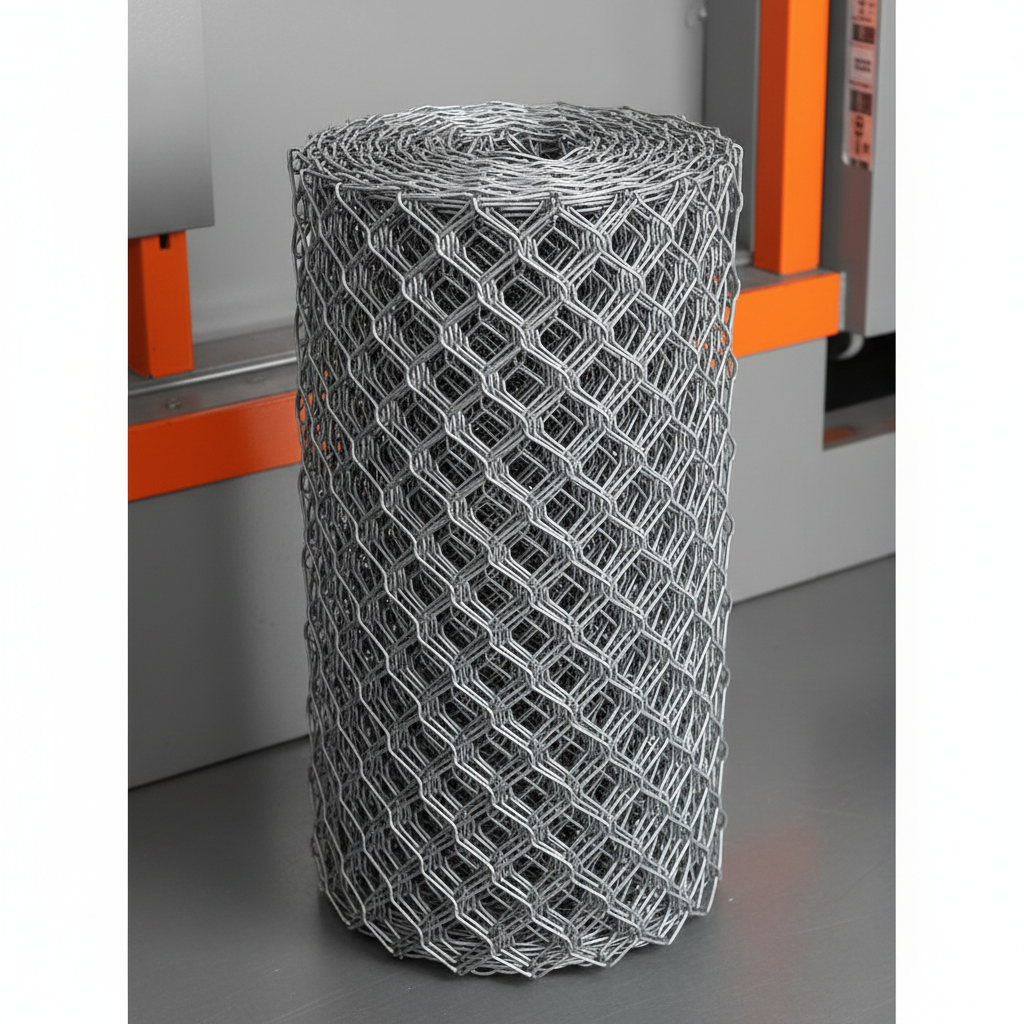
Comprehensive Guide to Welded Mesh Fencing 50x50 for Secure Enclosures
When securing your property or creating enclosures, choosing the right fencing material is crucial. Welded mesh fencing 50x50 offers a robust, versatile, and cost-effective solution for a wide range of applications. This article dives deep into the benefits, specifications, applications, and considerations when selecting this popular fencing option. Whether you’re a homeowner, agricultural business owner, or industrial facility manager, understanding the nuances of welded mesh fencing will empower you to make an informed decision.
2026-04-04 03:18:08
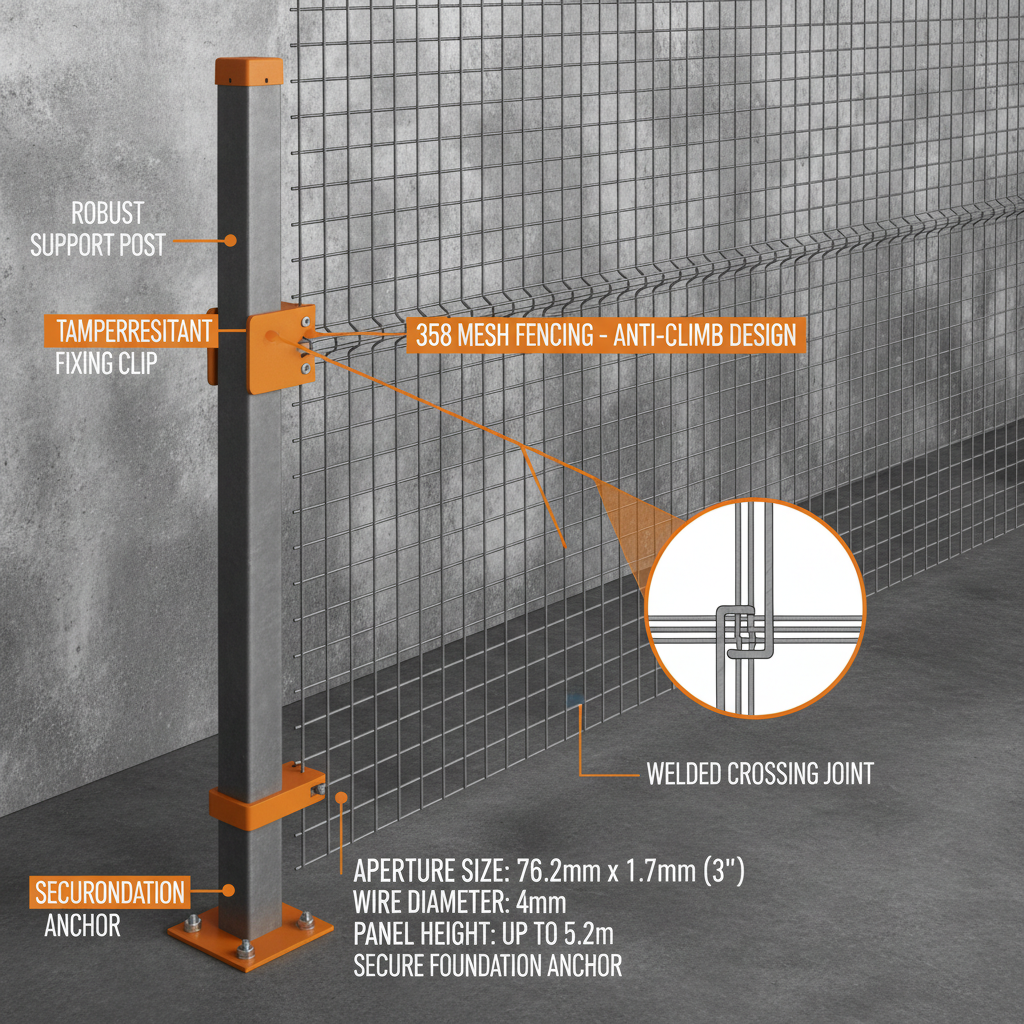
Comprehensive Guide to Durable and Affordable 4ft Wire Mesh Fencing Solutions
4ft wire mesh fencing is a versatile and cost-effective solution for a wide range of applications, from securing residential properties to enclosing industrial sites. Its robust construction and ease of installation make it a popular choice for both DIY projects and professional installations. This article will explore the benefits, applications, different types, installation guidelines, and maintenance tips for 4ft wire mesh fencing, helping you make an informed decision for your fencing needs. Choosing the right fencing is crucial for security, safety, and property value.
2026-03-31 03:15:14
Comprehensive Guide to 358 Mesh Fencing Security Applications and Benefits
When it comes to perimeter security, choosing the right fencing solution is crucial. 358 mesh fencing has emerged as a popular and highly effective option, offering exceptional security and durability. This article provides a comprehensive guide to 358 mesh fencing, covering its key features, applications, benefits, and considerations for installation. We’ll explore why this type of fencing is increasingly preferred by commercial, industrial, and residential clients seeking robust security solutions.
2026-03-28 03:27:34
Comprehensive Guide to Durable 1 Inch Wire Mesh Fencing Solutions
When establishing secure perimeters for residential, agricultural, industrial, or commercial properties, choosing the right fencing material is crucial. 1 inch wire mesh fencing is a popular and versatile option, known for its durability, security, and cost-effectiveness. This article will provide a comprehensive overview of 1 inch wire mesh fencing, covering its applications, benefits, materials, installation, and maintenance. We'll explore how this fencing solution can provide long-lasting security and peace of mind for your property.
2026-03-26 03:17:15
Comprehensive Guide to Welded Mesh Fencing 1.8m for Security and Versatility
Welded mesh fencing is a robust and versatile solution for a wide range of applications, from securing perimeters to containing livestock. Specifically, welded mesh fencing 1.8m height offers an excellent balance of security, visibility, and cost-effectiveness. This article will explore the benefits, applications, installation considerations, and variations of this popular fencing option. We'll delve into why it’s a preferred choice for both residential and commercial properties. Choosing the right fencing is crucial for safety and security, and we’ll guide you through making the best decision. Welded mesh fencing 1.8m provides several key advantages over traditional fencing materials. Its rigid construction offers excellent resistance to climbing and cutting, enhancing security. The open mesh design allows for good visibility, which is important for surveillance and aesthetic purposes.
2026-03-24 03:20:18
Comprehensive Guide to Durable 1.2 m Wire Mesh Fencing Solutions
When securing properties, livestock, or construction sites, choosing the right fencing material is crucial. 1.2 m wire mesh fencing offers a robust, versatile, and cost-effective solution. This article will explore the benefits, applications, installation, and maintenance of 1.2m wire mesh fencing, providing a thorough overview for homeowners, farmers, and contractors. Selecting the appropriate fencing enhances security, defines boundaries, and contributes to a safe environment. The robust construction provides excellent security, deterring intruders and containing animals. The galvanized or PVC-coated finish offers exceptional corrosion resistance, ensuring long-lasting durability even in harsh weather conditions. The mesh design allows for good visibility, which is ideal for residential and commercial properties where aesthetics are a concern. Furthermore, the relatively low cost compared to other fencing options makes it an economical choice for large areas. The ease of installation and low maintenance requirements add to its appeal.


 English