




Hebei Jinjiu Metal Products Co.,Ltd


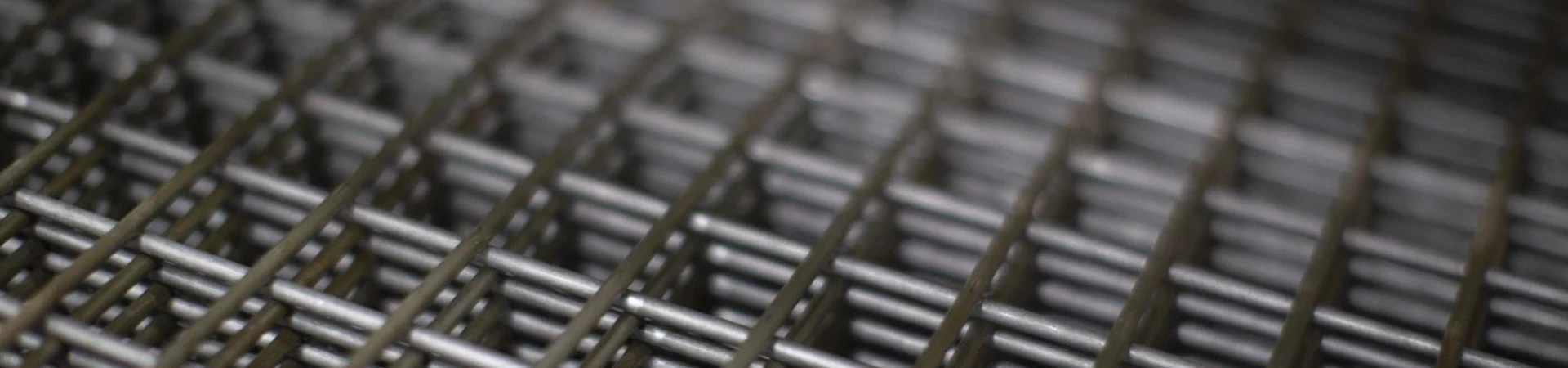

Durable Warfare Tank Barrier Wire Mesh for Military-Grade Defense
Dec . 03, 2025 17:12
Warfare Tank Barrier Wire Mesh: A Veteran’s Take on Durability and Design
If you’ve ever spent time around military-grade fortifications or heavy industrial zones, you know a warfare tank barrier wire mesh isn’t just some run-of-the-mill fencing. Frankly, it’s a complex piece of engineering, designed to withstand the kind of force that would turn ordinary steel into scrap in seconds.
I’ve been involved in industrial barricades and perimeter security for over 15 years now, and I can tell you—when it comes to anti-tank barriers, the wire mesh isn’t merely a mesh. It’s a layered defense system. What’s fascinating is how the right materials and design come together to stop or delay massive armored vehicles, giving troops critical time.
Most of these systems use high-tensile galvanized steel wire, sometimes coated with PVC or polymer layers, depending on the operating environment. The corrosion resistance is crucial — I’ve seen battlefield installations where untreated wire rusted through quickly thanks to damp and acidic soils. Oddly enough, a thin polymer coating can triple lifespan without compromising strength. Many engineers swear by galvanized steel with a 75-micron zinc coating, but customization is often necessary.
Let me share a quick story from a recent visit to a military contractor’s fabrication site. They had just tested a new composite mesh for barriers with added synthetic fibers. The results? Improved flexibility under impact but still rigid enough to withstand heavy hits. It kind of reminded me that while steel is king, innovations do have a place even in this old-school sector.
Product Specification Snapshot
| Specification | Details |
|---|---|
| Material | Galvanized High Tensile Steel Wire |
| Wire Diameter | 4.0 mm – 6.0 mm |
| Mesh Opening | 50 mm x 50 mm |
| Coating | Zinc 75 microns ± PVC Optional |
| Tensile Strength | ≥ 1600 MPa |
| Dimensions | Customizable per project |
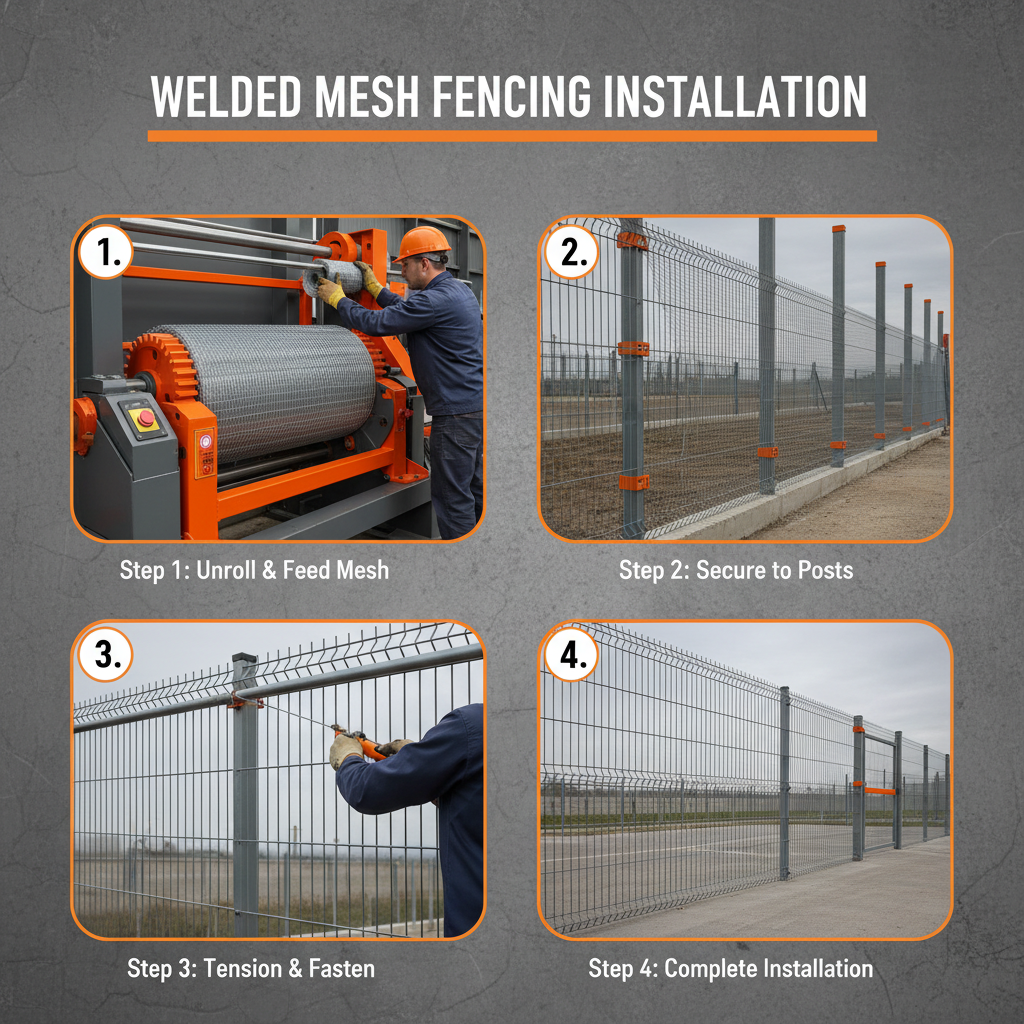
I suppose one of the less discussed but vital points with these meshes is the installation technique. It feels like, if they’re not anchored properly — that means secure post placement, tensioning, and overlap — the mesh can fail before it even has a chance to impact a tank’s progress. Testing protocols frequently involve simulated tank runs, and even slight slack or weak joints are deal-breakers.
Vendor Comparison: What to Look For
| Feature | Jinjiu Wire Mesh | Competitor A | Competitor B |
|---|---|---|---|
| Material Quality | High tensile galvanized steel | Standard galvanized steel | Low carbon steel |
| Customization Options | Wide - mesh size, coating, dimensions | Limited | Minimal |
| Corrosion Resistance | Up to 10 years (galvanized & PVC options) | Up to 5 years | Up to 3 years |
| Lead Time | 2-4 weeks | 4-6 weeks | 6+ weeks |
| Price | Competitive | Slightly higher | Lower but lower quality |
In real terms, selecting the right warfare tank barrier wire mesh is a balance between durability, cost, and timely delivery. If you ask me, the best suppliers don’t just sell product—they offer insight, testing data, and even installation advice based on decades of field observations. That’s where companies like Jinjiu Wire Mesh stand out. The support you get beyond just the steel itself makes a difference.
So, if you’re specifying tank barrier wire mesh for a project, consider how each element plays out in your environment—from soil acidity to expected enemy vehicles. And don’t forget the obviously important human factor: your installation team. Without good workmanship, even the toughest wire mesh won’t perform as intended.
Honestly, after years in this industry, I’m convinced these tank barriers are as much about psychology as they are about physics. It’s about sending a message: “We’re ready.” And, oddly enough, wire mesh can speak volumes.
— A veteran observer of industrial barricades and steel mesh solutions
Quick takeaway: when it comes to warfare tank barrier wire mesh, don’t just look at the specs—look at the supplier’s depth of expertise and track record.
- Armament Research Board, “Tank Barriers and Urban Defense: Material Standards,” 2021.
- Military Engineering Journal, Vol. 32, Issue 4, “The Evolution of Anti-Armor Fencing,” 2019.
- Industry Insider Interviews, field notes 2018-2023.

Related Products

Related News

2026-04-16 03:16:12
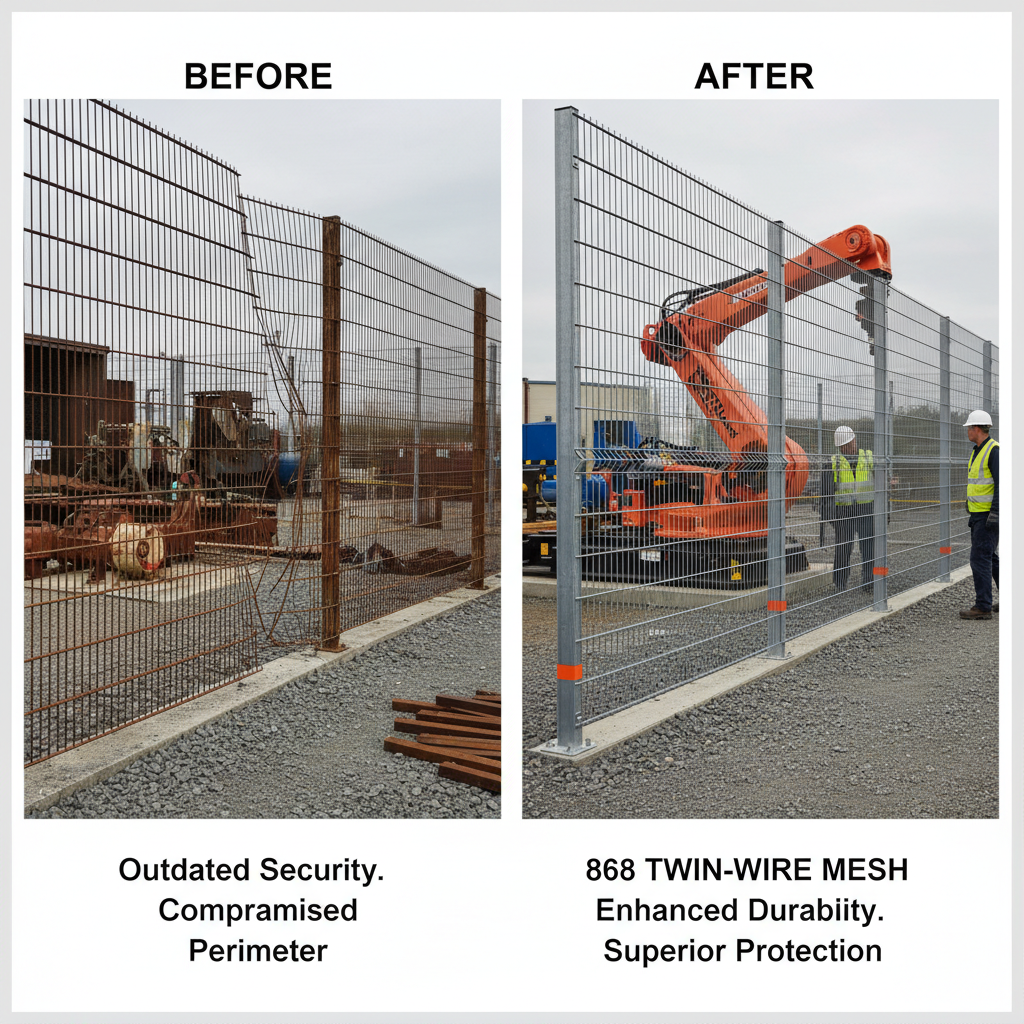
High Security Anti Climb 868 Mesh Fencing for Industrial Properties
When it comes to high-security perimeter protection, 868 mesh fencing stands as the gold standard for industrial and commercial properties. Designed to be virtually impenetrable while maintaining a clean, modern aesthetic, this specialized fencing system offers a unique combination of strength and visibility. Whether you are securing a government facility, a warehouse, or a private estate, understanding the technical advantages of the 868 system is crucial for making an informed investment. In this guide, we will explore why this specific mesh configuration is preferred by security experts worldwide.
2026-04-09 03:17:58
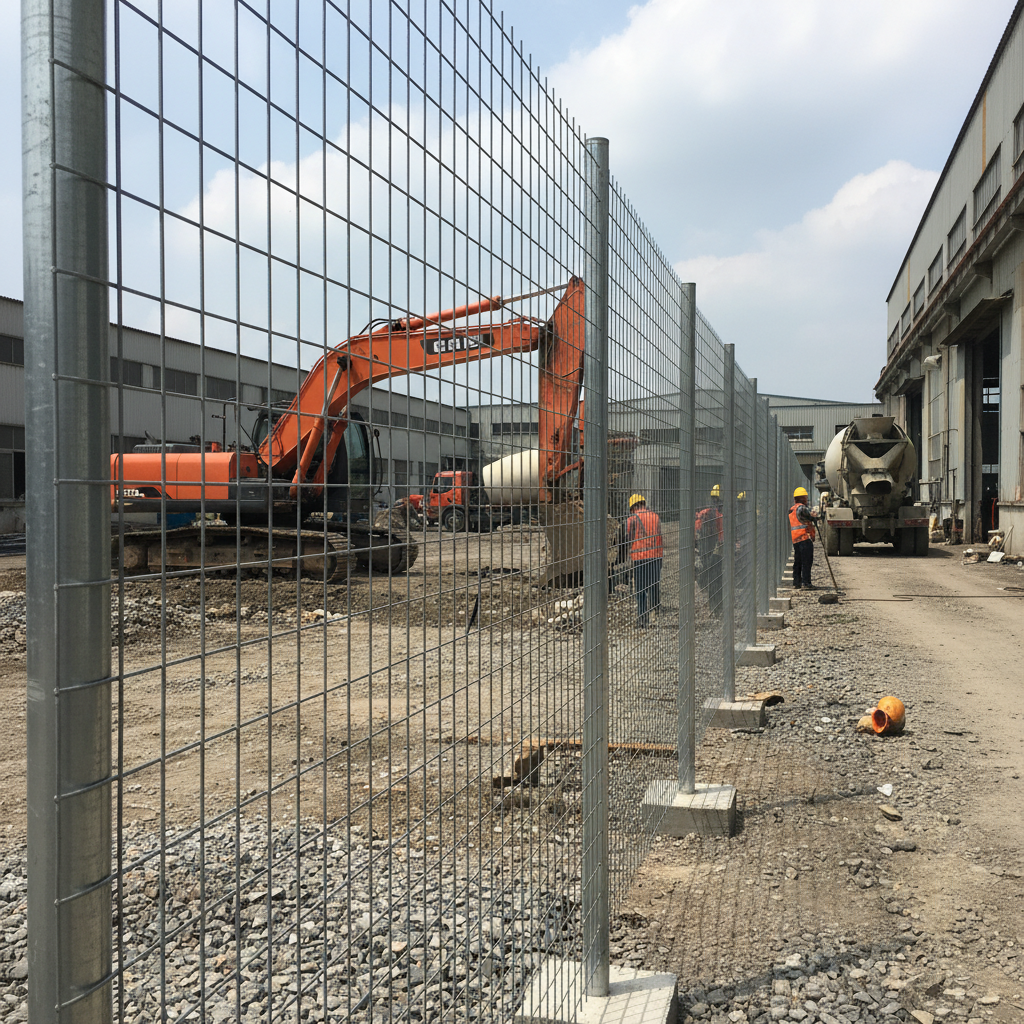
Ultimate Guide to 6ft Mesh Fencing for Security and Privacy
When it comes to establishing a secure perimeter, 6ft mesh fencing is widely regarded as the gold standard for balancing visibility with robust protection. Whether you are securing a commercial warehouse, a residential backyard, or an industrial site, the six-foot height provides a psychological and physical deterrent that lower fences simply cannot match. In this comprehensive guide, we will explore why this specific height is preferred, the materials that ensure longevity, and how to choose the right mesh configuration for your specific needs to ensure maximum ROI and safety.
2026-04-07 03:08:15
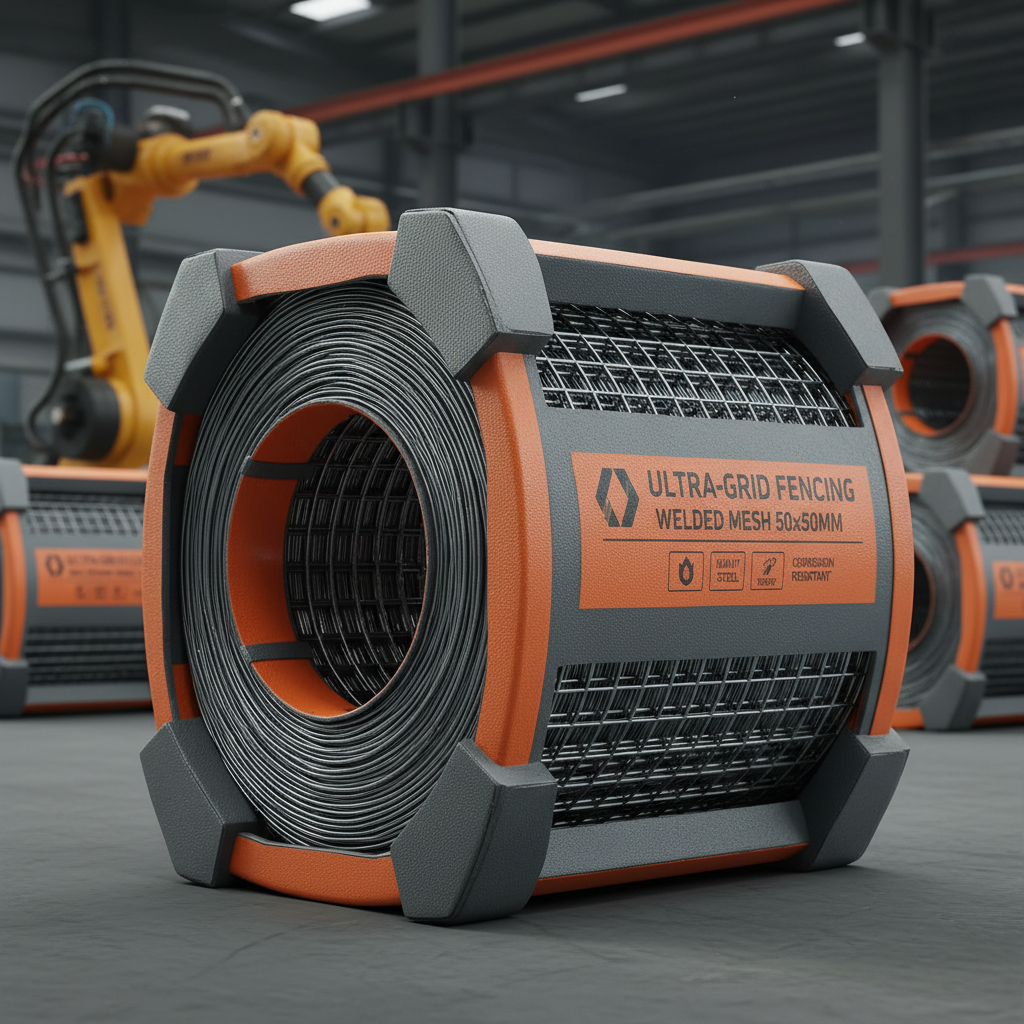
Comprehensive Guide to Welded Mesh Fencing 50x50 for Secure Enclosures
When securing your property or creating enclosures, choosing the right fencing material is crucial. Welded mesh fencing 50x50 offers a robust, versatile, and cost-effective solution for a wide range of applications. This article dives deep into the benefits, specifications, applications, and considerations when selecting this popular fencing option. Whether you’re a homeowner, agricultural business owner, or industrial facility manager, understanding the nuances of welded mesh fencing will empower you to make an informed decision.
2026-04-04 03:18:08
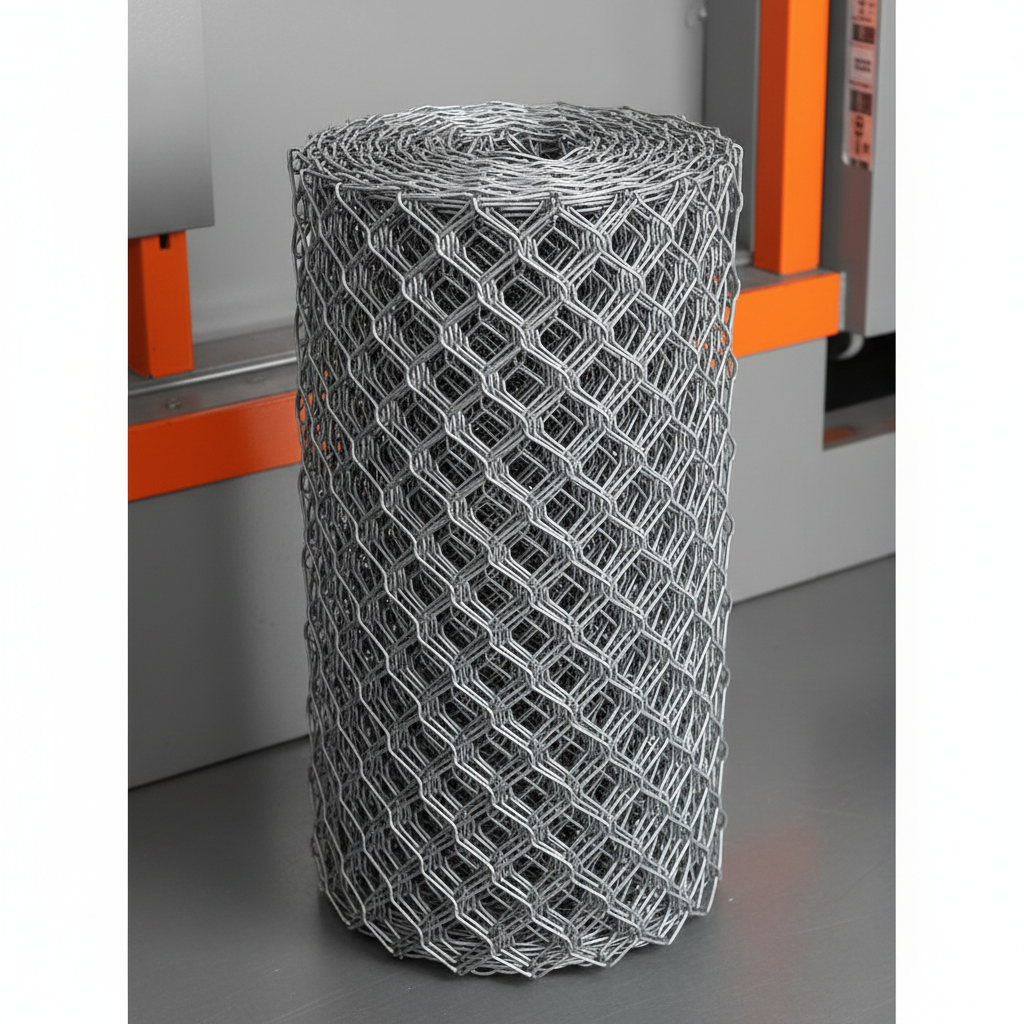
Comprehensive Guide to Durable and Affordable 4ft Wire Mesh Fencing Solutions
4ft wire mesh fencing is a versatile and cost-effective solution for a wide range of applications, from securing residential properties to enclosing industrial sites. Its robust construction and ease of installation make it a popular choice for both DIY projects and professional installations. This article will explore the benefits, applications, different types, installation guidelines, and maintenance tips for 4ft wire mesh fencing, helping you make an informed decision for your fencing needs. Choosing the right fencing is crucial for security, safety, and property value.
2026-03-31 03:15:14
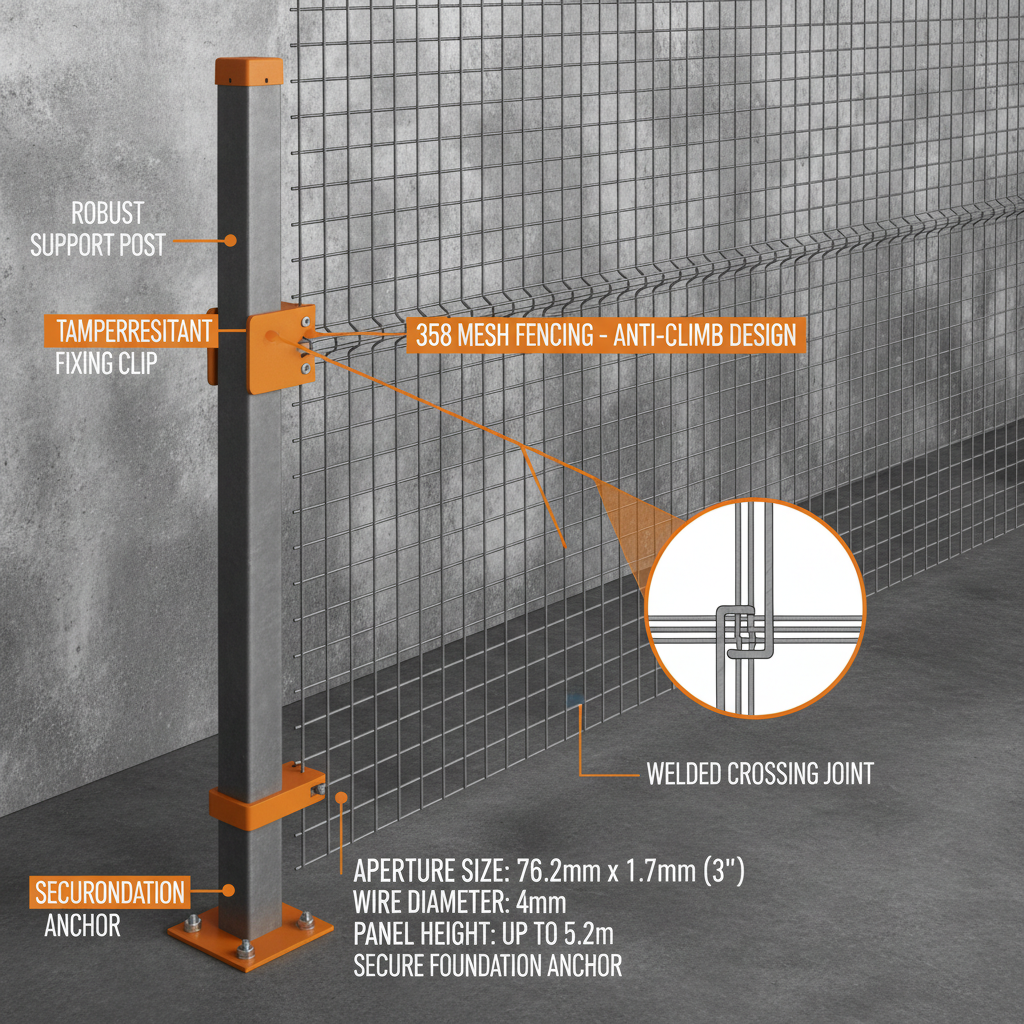
Comprehensive Guide to 358 Mesh Fencing Security Applications and Benefits
When it comes to perimeter security, choosing the right fencing solution is crucial. 358 mesh fencing has emerged as a popular and highly effective option, offering exceptional security and durability. This article provides a comprehensive guide to 358 mesh fencing, covering its key features, applications, benefits, and considerations for installation. We’ll explore why this type of fencing is increasingly preferred by commercial, industrial, and residential clients seeking robust security solutions.
2026-03-28 03:27:34
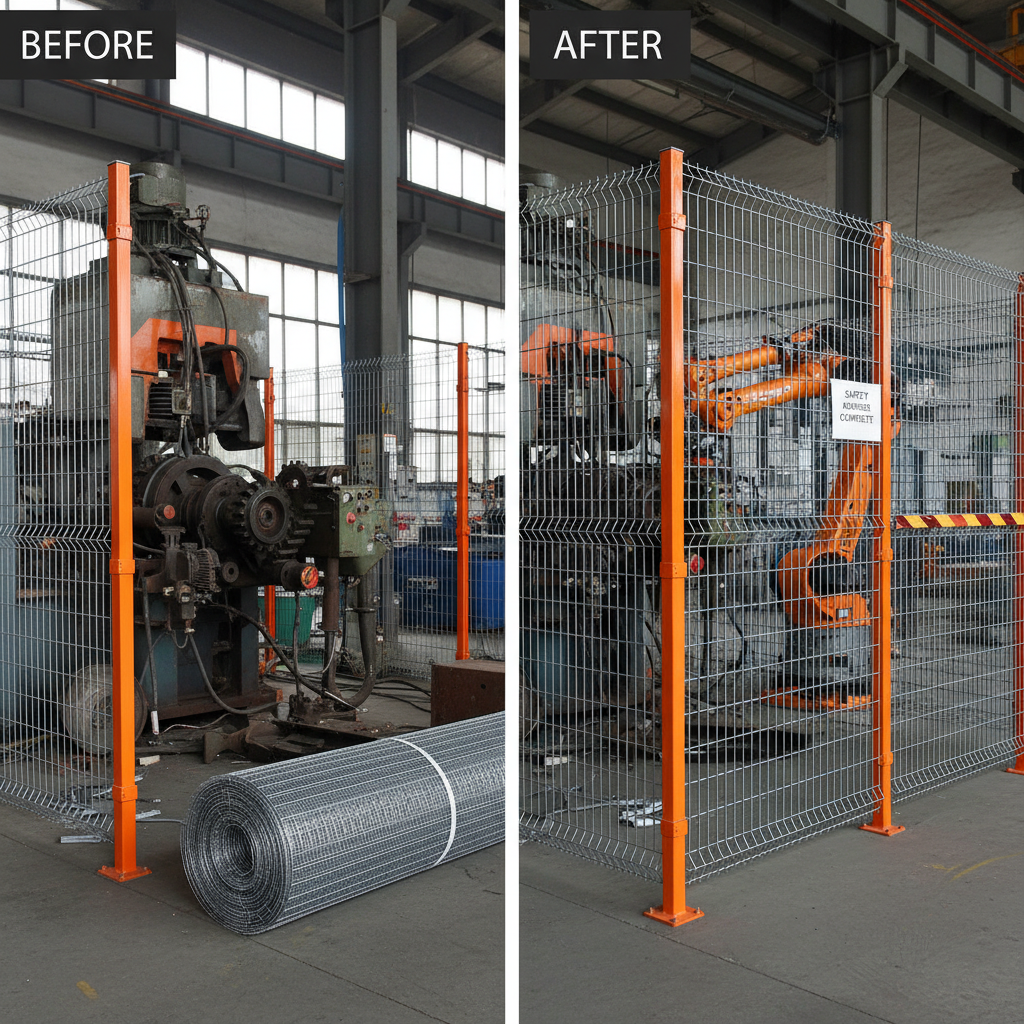
Comprehensive Guide to Durable 1 Inch Wire Mesh Fencing Solutions
When establishing secure perimeters for residential, agricultural, industrial, or commercial properties, choosing the right fencing material is crucial. 1 inch wire mesh fencing is a popular and versatile option, known for its durability, security, and cost-effectiveness. This article will provide a comprehensive overview of 1 inch wire mesh fencing, covering its applications, benefits, materials, installation, and maintenance. We'll explore how this fencing solution can provide long-lasting security and peace of mind for your property.
2026-03-26 03:17:15
Comprehensive Guide to Welded Mesh Fencing 1.8m for Security and Versatility
Welded mesh fencing is a robust and versatile solution for a wide range of applications, from securing perimeters to containing livestock. Specifically, welded mesh fencing 1.8m height offers an excellent balance of security, visibility, and cost-effectiveness. This article will explore the benefits, applications, installation considerations, and variations of this popular fencing option. We'll delve into why it’s a preferred choice for both residential and commercial properties. Choosing the right fencing is crucial for safety and security, and we’ll guide you through making the best decision. Welded mesh fencing 1.8m provides several key advantages over traditional fencing materials. Its rigid construction offers excellent resistance to climbing and cutting, enhancing security. The open mesh design allows for good visibility, which is important for surveillance and aesthetic purposes.
2026-03-24 03:20:18
Comprehensive Guide to Durable 1.2 m Wire Mesh Fencing Solutions
When securing properties, livestock, or construction sites, choosing the right fencing material is crucial. 1.2 m wire mesh fencing offers a robust, versatile, and cost-effective solution. This article will explore the benefits, applications, installation, and maintenance of 1.2m wire mesh fencing, providing a thorough overview for homeowners, farmers, and contractors. Selecting the appropriate fencing enhances security, defines boundaries, and contributes to a safe environment. The robust construction provides excellent security, deterring intruders and containing animals. The galvanized or PVC-coated finish offers exceptional corrosion resistance, ensuring long-lasting durability even in harsh weather conditions. The mesh design allows for good visibility, which is ideal for residential and commercial properties where aesthetics are a concern. Furthermore, the relatively low cost compared to other fencing options makes it an economical choice for large areas. The ease of installation and low maintenance requirements add to its appeal.


 English