




Hebei Jinjiu Metal Products Co.,Ltd


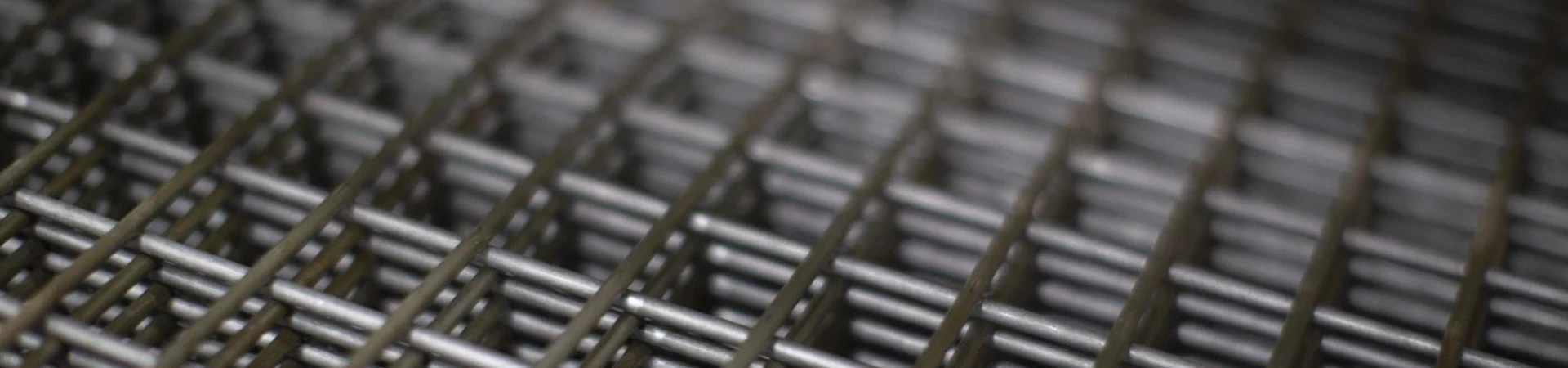

Tank Track Winding Metal Wire Net - Durable Mesh Solutions | Jinjiu Wire Mesh
Dec . 03, 2025 12:00
Understanding Tank Track Winding Metal Wire Net: A Veteran’s Perspective
Having spent a fair share of years in the industrial equipment sector, I’ve seen quite a few materials and components come and go, but tank track winding metal wire net remains a rather intriguing staple — it feels like one of those unsung heroes you don’t often talk about, but can hardly do without. Oddly enough, even though it’s pretty niche, it touches so many critical applications from military to heavy manufacturing industries.
If you’re stumbling upon this term for the first time, here’s the gist: tank track winding metal wire net is a specialized mesh made from high-tensile metal wire, designed to reinforce and protect tank tracks and other heavy-duty conveyor systems. It’s not just any wire net — it’s engineered to handle extreme stress, resist abrasion, and last through harsh operating conditions.
From what I’ve observed, the wire used is typically galvanized or stainless steel, sometimes even alloyed to improve corrosion resistance. Frankly, I’ve noticed that the quality of the metal wire is what separates the great nets from the merely ok ones. Some suppliers even offer custom coatings that can withstand chemical exposure or saltwater environments — a must if you’re dealing with coastal or marine military equipment.
Now, here’s something many engineers I've worked with often mention: the winding process itself—how the wire is braided or woven into the mesh—is critical. The tension and pattern of the winding determine not only the strength but also the flexibility of the net. Too tight, and you risk brittleness; too loose, and the whole structure can flop around, defeating its purpose.
In real terms, these nets get tested rigorously. Drop tests, pull tests, abrasion resistance, and even longevity in corrosive atmospheres. I recall a project where a manufacturer had to pass a 1000-hour salt spray test before the net was accepted. That kind of testing guarantees robustness where it counts — in the field, under heavy use, and often in unforgiving environments.
If you’re curious about basic specs, here is a handy snapshot:
| Specification | Details |
|---|---|
| Material | Galvanized steel, Stainless steel (316/304), Alloy steel |
| Wire Diameter | 2 mm to 8 mm, customizable |
| Mesh Opening | 5 mm to 20 mm |
| Surface Treatment | Hot-dip galvanizing, electro-galvanizing, PVC coating |
| Typical Width | 1 m to 3 m |
| Usage | Tank tracks, conveyor belts, reinforcement layers |
To give you a better idea about vendors in this specialized field, here’s a quick head-to-head I put together from years of interacting with various suppliers:
| Supplier | Material Quality | Customization | Testing/Reliability | Price Range |
|---|---|---|---|---|
| Jinjiu Wire Mesh | High (Galvanized & Alloy options) | Excellent (Custom sizes & coatings) | Rigorous (1000+ hr salt spray) | Mid to High |
| SteelNet Ltd. | Medium (Standard galvanized) | Moderate (Fixed sizes) | Basic (Standard QA) | Low to Mid |
| HeavyMesh Corp. | High (Stainless steel focus) | Good (Limited options) | Strong (Extended durability) | High |
I recall a client of mine who needed a very particular kind of winding net for a harsh desert deployment scenario. Standard nets were failing due to the combination of heat and abrasive sand particles. After switching to Jinjiu Wire Mesh’s specialized galvanized alloy wire net, the track lifespan increased remarkably. That kind of real-world proof is what makes suppliers like them stand out to me.
In closing, while tank track winding metal wire net may seem like just “mesh,” it’s really a sophisticated product that blends materials science, engineering, and practical know-how into something incredibly reliable. Whether it’s for military tanks pounding across rough terrain or industrial conveyors hauling tons daily, the design and quality here truly matter.
If you want to dig deeper or source some yourself, I’d recommend looking for suppliers who offer detailed product specs, customization, and rigorous testing — all of which you can find with Jinjiu Wire Mesh. You won’t regret that kind of assurance.
In the end, it’s always the little details—wire quality, winding precision—that keep machines moving smoothly.
Takeaway: Choosing the right winding metal wire net pays off in performance and longevity — a lesson I’ve learned the hard way over the years.
References:
- Industry Standards for Wire Mesh Testing – ASTM International
- Material Science of Galvanized Steel – Metals Handbook, 10th Ed.
- Field Performance Reports from Military Equipment Manufacturers (confidential)

Related Products
Related News

2026-04-16 03:16:12
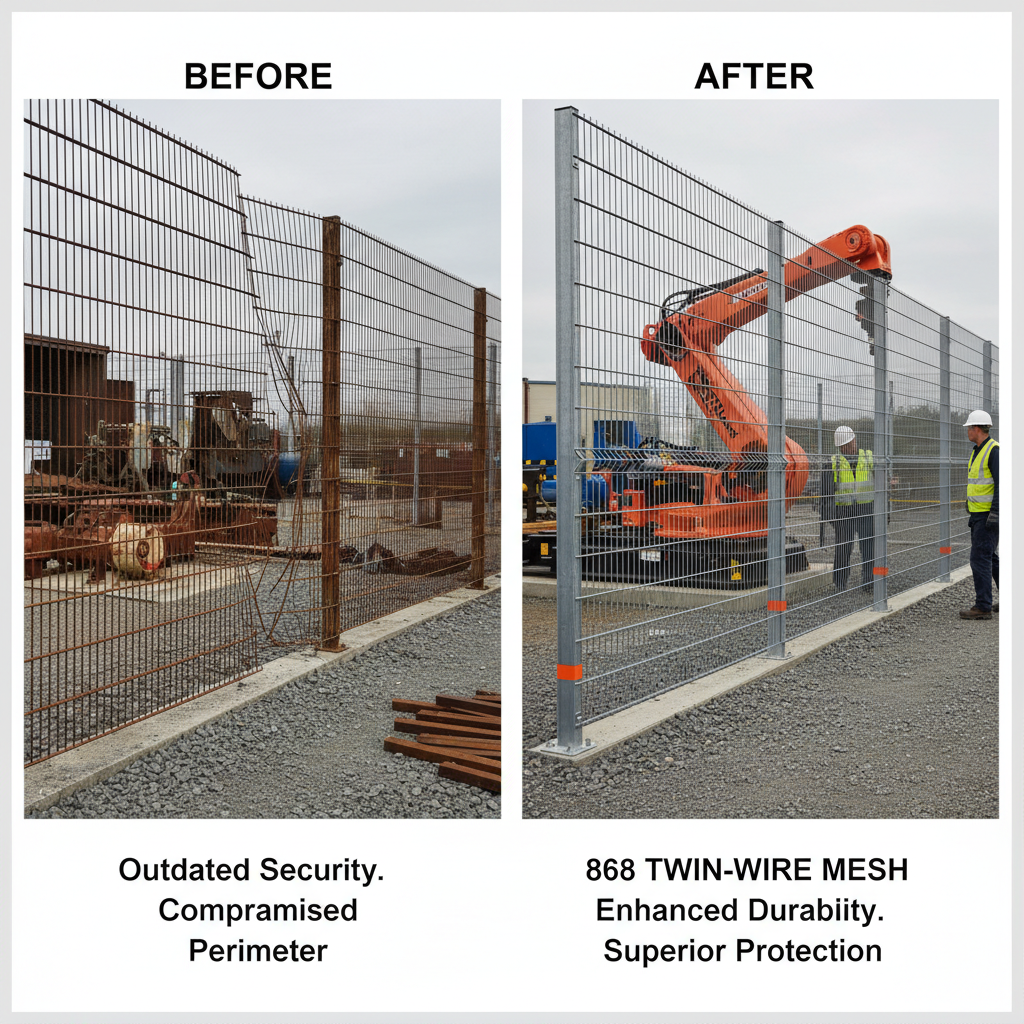
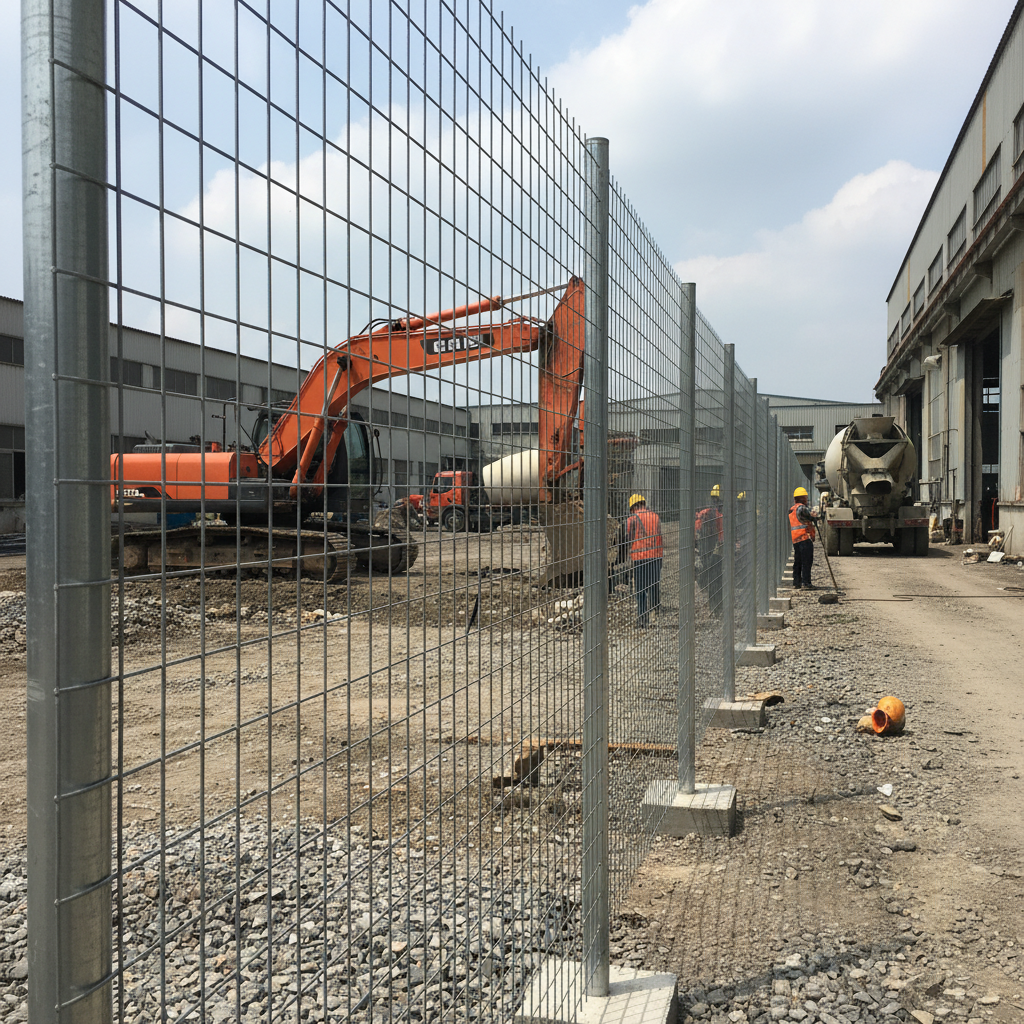
High Security Anti Climb 868 Mesh Fencing for Industrial Properties
When it comes to high-security perimeter protection, 868 mesh fencing stands as the gold standard for industrial and commercial properties. Designed to be virtually impenetrable while maintaining a clean, modern aesthetic, this specialized fencing system offers a unique combination of strength and visibility. Whether you are securing a government facility, a warehouse, or a private estate, understanding the technical advantages of the 868 system is crucial for making an informed investment. In this guide, we will explore why this specific mesh configuration is preferred by security experts worldwide.
2026-04-09 03:17:58
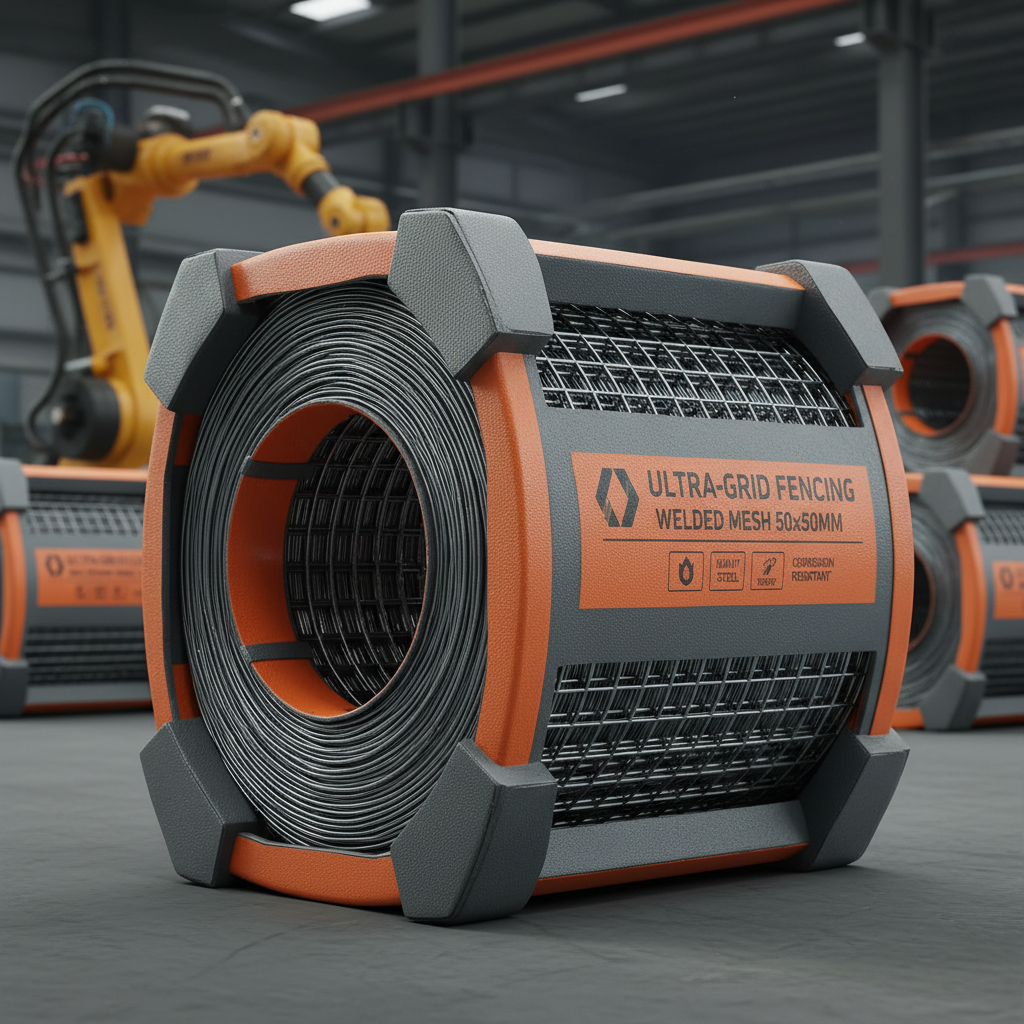
Ultimate Guide to 6ft Mesh Fencing for Security and Privacy
When it comes to establishing a secure perimeter, 6ft mesh fencing is widely regarded as the gold standard for balancing visibility with robust protection. Whether you are securing a commercial warehouse, a residential backyard, or an industrial site, the six-foot height provides a psychological and physical deterrent that lower fences simply cannot match. In this comprehensive guide, we will explore why this specific height is preferred, the materials that ensure longevity, and how to choose the right mesh configuration for your specific needs to ensure maximum ROI and safety.
2026-04-07 03:08:15
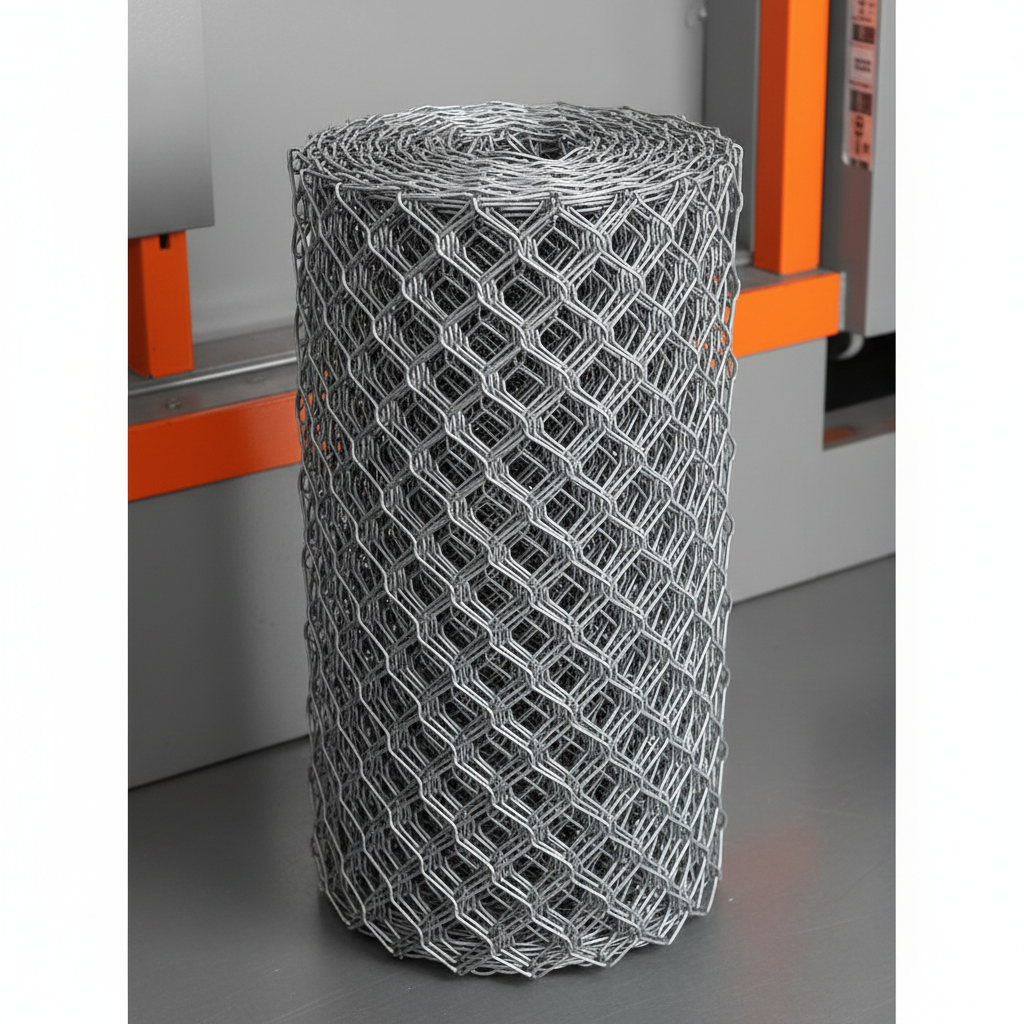
Comprehensive Guide to Welded Mesh Fencing 50x50 for Secure Enclosures
When securing your property or creating enclosures, choosing the right fencing material is crucial. Welded mesh fencing 50x50 offers a robust, versatile, and cost-effective solution for a wide range of applications. This article dives deep into the benefits, specifications, applications, and considerations when selecting this popular fencing option. Whether you’re a homeowner, agricultural business owner, or industrial facility manager, understanding the nuances of welded mesh fencing will empower you to make an informed decision.
2026-04-04 03:18:08
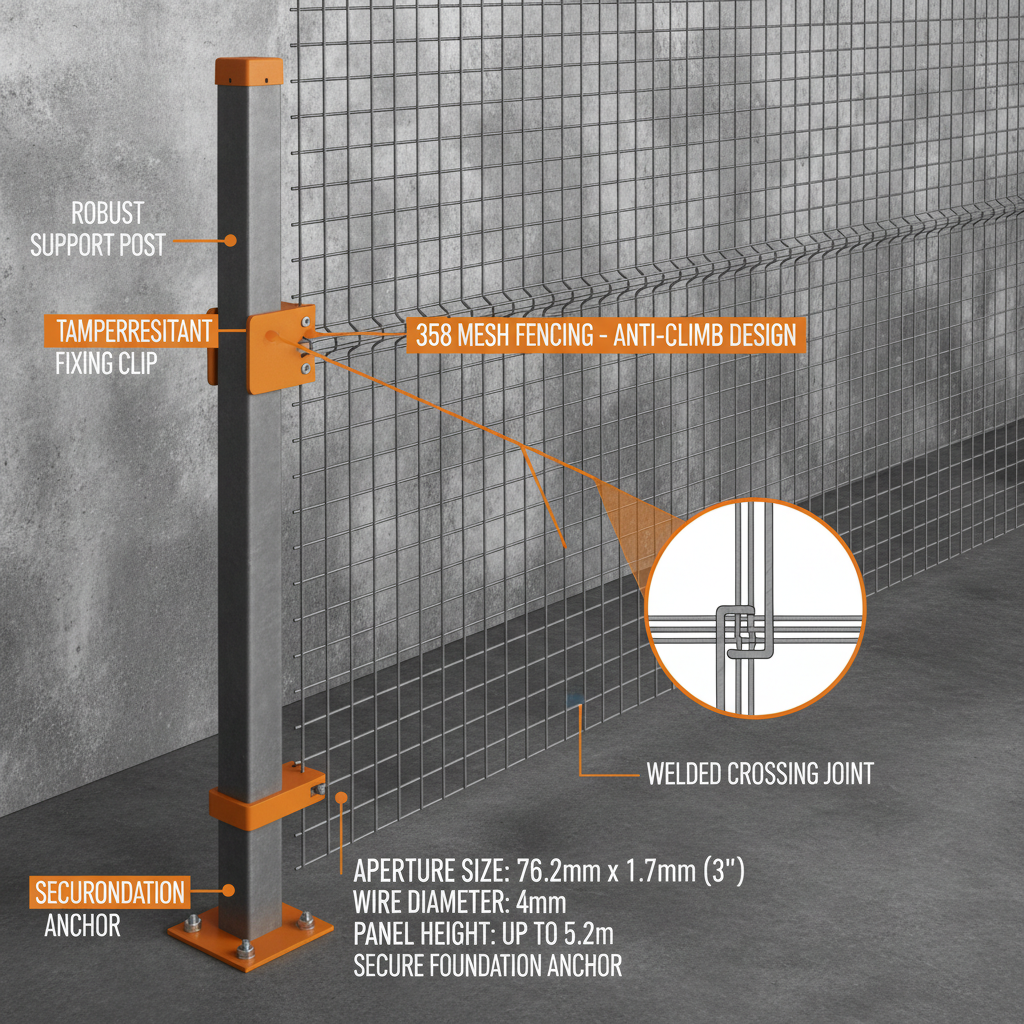
Comprehensive Guide to Durable and Affordable 4ft Wire Mesh Fencing Solutions
4ft wire mesh fencing is a versatile and cost-effective solution for a wide range of applications, from securing residential properties to enclosing industrial sites. Its robust construction and ease of installation make it a popular choice for both DIY projects and professional installations. This article will explore the benefits, applications, different types, installation guidelines, and maintenance tips for 4ft wire mesh fencing, helping you make an informed decision for your fencing needs. Choosing the right fencing is crucial for security, safety, and property value.
2026-03-31 03:15:14
Comprehensive Guide to 358 Mesh Fencing Security Applications and Benefits
When it comes to perimeter security, choosing the right fencing solution is crucial. 358 mesh fencing has emerged as a popular and highly effective option, offering exceptional security and durability. This article provides a comprehensive guide to 358 mesh fencing, covering its key features, applications, benefits, and considerations for installation. We’ll explore why this type of fencing is increasingly preferred by commercial, industrial, and residential clients seeking robust security solutions.
2026-03-28 03:27:34
Comprehensive Guide to Durable 1 Inch Wire Mesh Fencing Solutions
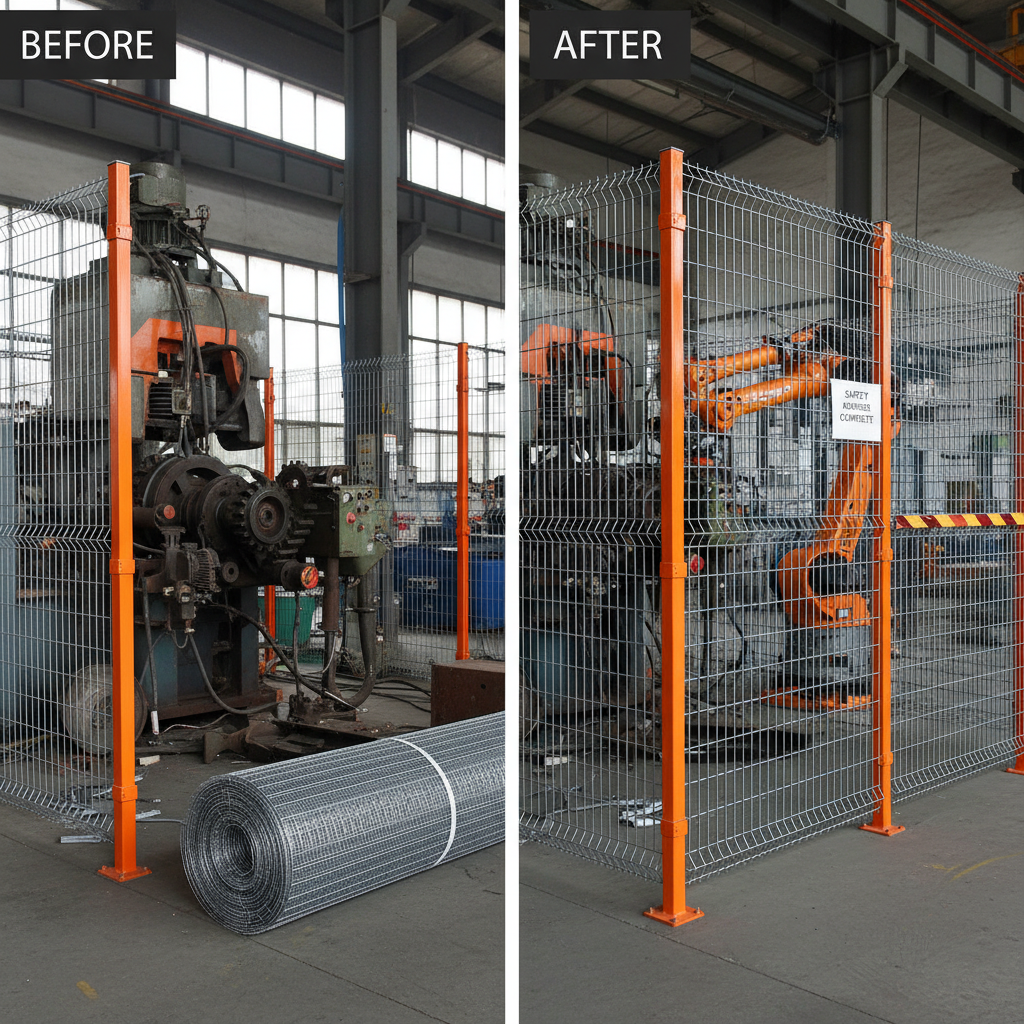
When establishing secure perimeters for residential, agricultural, industrial, or commercial properties, choosing the right fencing material is crucial. 1 inch wire mesh fencing is a popular and versatile option, known for its durability, security, and cost-effectiveness. This article will provide a comprehensive overview of 1 inch wire mesh fencing, covering its applications, benefits, materials, installation, and maintenance. We'll explore how this fencing solution can provide long-lasting security and peace of mind for your property.
2026-03-26 03:17:15
Comprehensive Guide to Welded Mesh Fencing 1.8m for Security and Versatility
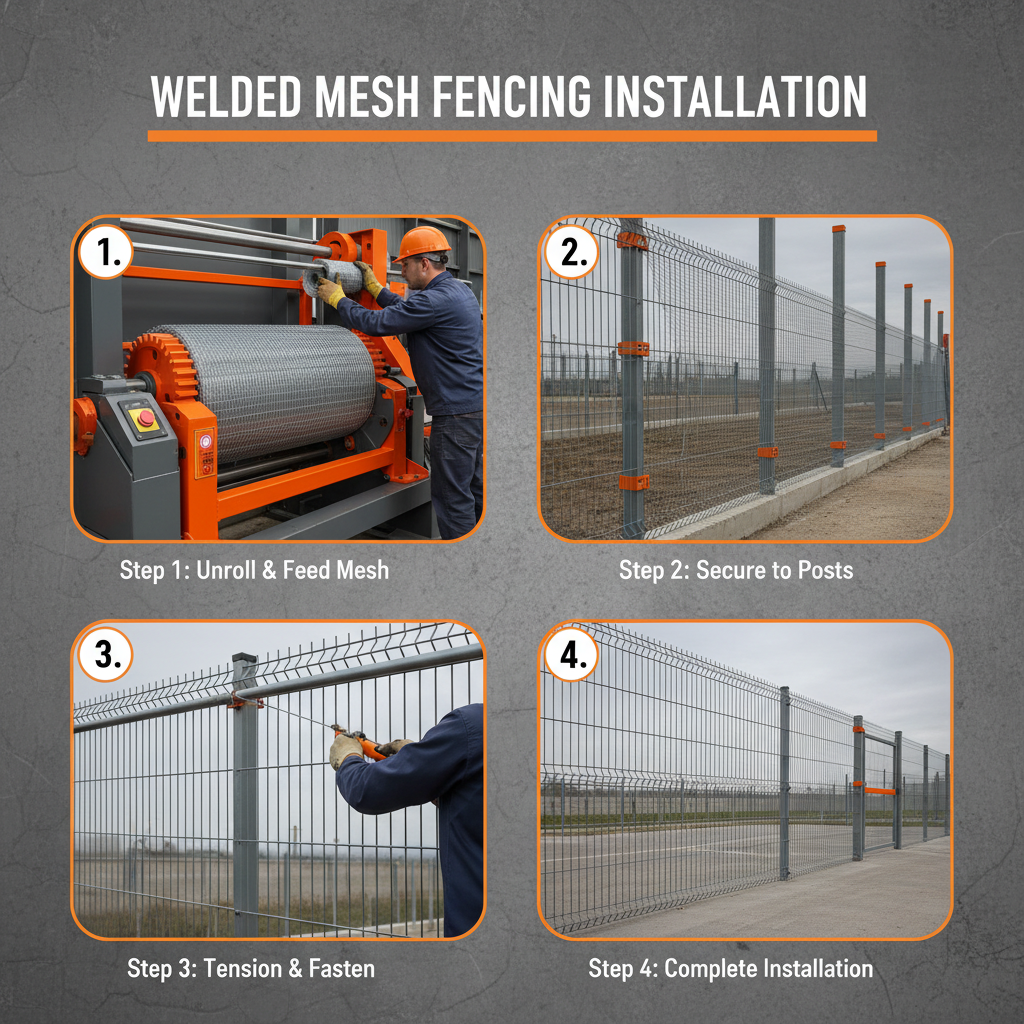
Welded mesh fencing is a robust and versatile solution for a wide range of applications, from securing perimeters to containing livestock. Specifically, welded mesh fencing 1.8m height offers an excellent balance of security, visibility, and cost-effectiveness. This article will explore the benefits, applications, installation considerations, and variations of this popular fencing option. We'll delve into why it’s a preferred choice for both residential and commercial properties. Choosing the right fencing is crucial for safety and security, and we’ll guide you through making the best decision. Welded mesh fencing 1.8m provides several key advantages over traditional fencing materials. Its rigid construction offers excellent resistance to climbing and cutting, enhancing security. The open mesh design allows for good visibility, which is important for surveillance and aesthetic purposes.
2026-03-24 03:20:18
Comprehensive Guide to Durable 1.2 m Wire Mesh Fencing Solutions
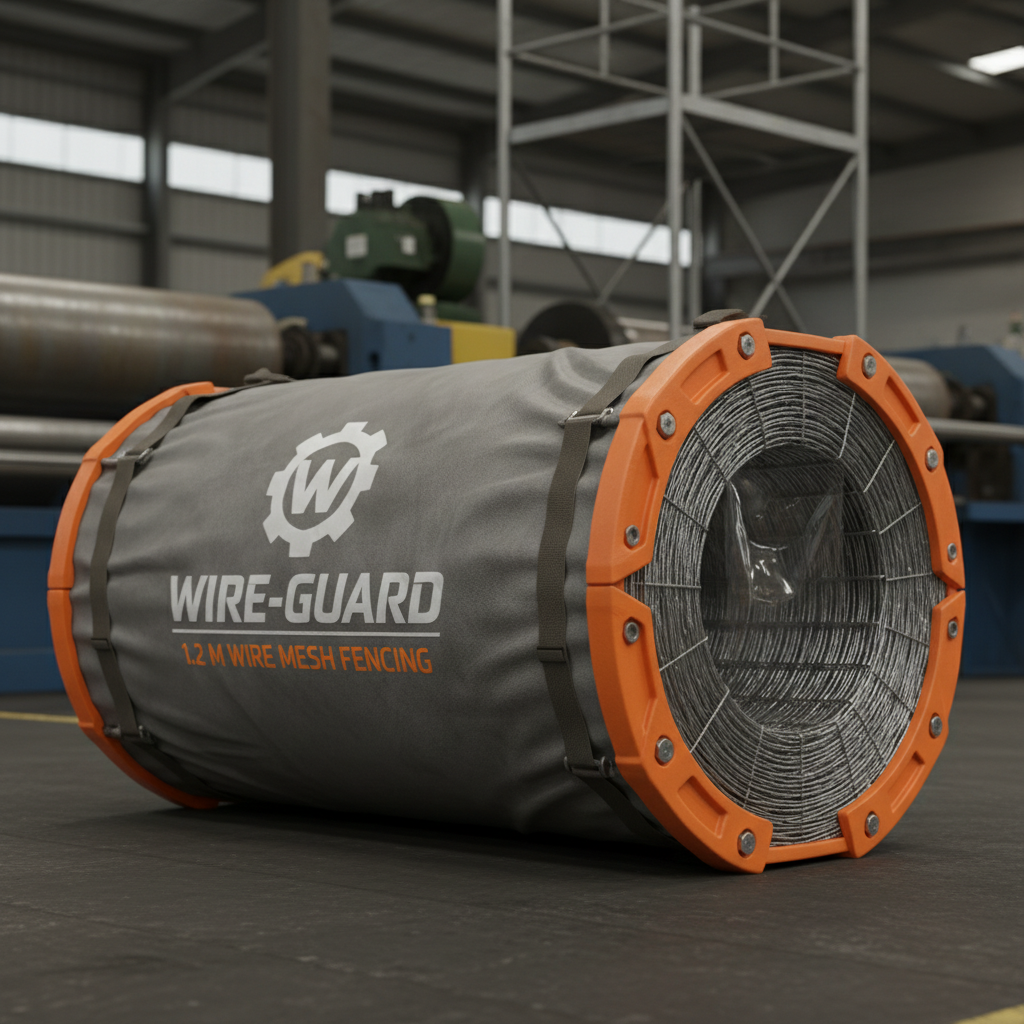
When securing properties, livestock, or construction sites, choosing the right fencing material is crucial. 1.2 m wire mesh fencing offers a robust, versatile, and cost-effective solution. This article will explore the benefits, applications, installation, and maintenance of 1.2m wire mesh fencing, providing a thorough overview for homeowners, farmers, and contractors. Selecting the appropriate fencing enhances security, defines boundaries, and contributes to a safe environment. The robust construction provides excellent security, deterring intruders and containing animals. The galvanized or PVC-coated finish offers exceptional corrosion resistance, ensuring long-lasting durability even in harsh weather conditions. The mesh design allows for good visibility, which is ideal for residential and commercial properties where aesthetics are a concern. Furthermore, the relatively low cost compared to other fencing options makes it an economical choice for large areas. The ease of installation and low maintenance requirements add to its appeal.


 English