




Hebei Jinjiu Metal Products Co.,Ltd


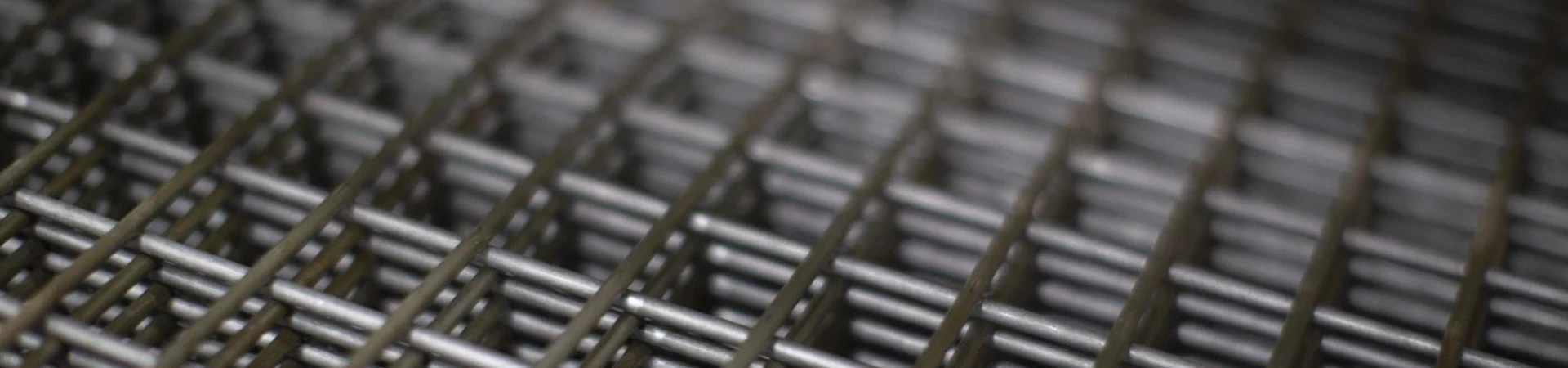

Understanding Anti-Tank Security Barriers: Uses, Benefits & Future Trends
Dec . 01, 2025 09:15
Understanding Anti-Tank Security Barrier: What It Is and Why It Matters
When you hear the term anti-tank security barrier, it might instantly bring to mind military zones or fortified borders — and yes, those are classic images. But the concept holds deeper significance globally, especially as geopolitical situations grow more complex and the need for scalable defensive infrastructure expands. At its core, an anti-tank barrier is a physical obstacle designed to stop or slow down tanks and armored vehicles, but contemporary uses have evolved into a varied set of strategic applications. Understanding these barriers is crucial not just from a defense standpoint but also within wider security, industrial, and humanitarian frameworks, as they often help protect infrastructure and civilians in vulnerable areas.
Mini takeaway: Anti-tank security barriers combine engineering, strategy, and material science to build defenses that matter far beyond the battlefield.
The Global Context: Why Anti-Tank Security Barriers Are Vital Today
Globally, the significance of anti-tank security barriers can’t be overstated. According to recent data from the United Nations Office for Disarmament Affairs (UNODA), more than 30 countries maintain fortified borders or military zones with anti-tank measures to safeguard national security. Additionally, the World Bank reports increased investments in infrastructure resilience due to rising geopolitical instability. The threat landscape also includes non-state actors and asymmetric threats, making reliable physical barriers essential.
But here’s a problem many policymakers face: balancing the need for robust defense with cost-effectiveness and minimizing civilian disruption. How do you build or deploy barriers that halt threat vehicles yet allow peaceful trade or humanitarian passage? This challenge is what puts the anti-tank security barrier at the forefront of both military engineering and civil security discussions.
Mini takeaway: The global scene shows that anti-tank barriers are as much about strategy and economics as they are about raw defense.
What Exactly Is an Anti-Tank Security Barrier?
Simply put, an anti-tank security barrier is a deliberately engineered defensive structure designed to impede the movement of tanks or heavy armored vehicles. These can take various forms: from concrete blocks and steel fences to wire mesh entanglements or modular barricades. They’re often robust, fixed, or semi-permanent, and designed with the understanding that heavy vehicles can exert significant force.
Today, these barriers are sometimes incorporated into industrial settings — say, protecting critical national infrastructure, remote power plants, or pipelines from unauthorized vehicular approach. In humanitarian terms, they help create secure zones during conflicts or post-disaster situations, ensuring safe corridors while keeping out destructive vehicles.
Mini takeaway: The anti-tank barrier straddles defense, civil protection, and logistics, reinforcing security with thoughtful engineering.
Core Components That Make Anti-Tank Security Barriers Effective
1. Durability
One of the most obvious factors is durability. These barriers endure blasts, weight, and sometimes harsh environmental conditions. Concrete with reinforced steel or high-strength steel coils—like wire mesh products—form a backbone that can’t simply be bulldozed away.
2. Scalability and Modularity
A modern trend is modular, scalable designs. Envision panels or blocks that can be quickly deployed or reconfigured, sometimes transported in trucks or by hand. This flexibility is indispensable during fast-changing conflict zones or emergency responses.
3. Cost Efficiency
Budget constraints are always there, especially for smaller nations or NGOs using these for civilian protection. Materials that balance cost against durability, such as galvanized steel wire meshes in combination with concrete blocks, offer solutions that last but don’t break the bank.
4. Design Versatility
From sloped concrete blocks that deflect tank tracks to intricate wire mesh setups that tangle vehicle wheels, different designs serve specific threat profiles. Sometimes aesthetics and community impact need consideration — so novel solutions that minimize disruption are emerging.
5. Ease of Deployment
Ideas no longer linger on permanent fortifications only. Deployable barriers that unfold or assemble in hours, rather than days, speak volumes for rapid military or humanitarian applications.
6. Environmental Resistance
Corrosion, extreme temperature shifts, or flooding can degrade barriers over time. Using galvanized or coated metals and weather-treated concrete ensures reliability through the seasons.
Mini takeaway: Durability, design, and deployability make or break an anti-tank security barrier’s effectiveness in real-world scenarios.
Worldwide Uses and Case Studies of Anti-Tank Security Barriers
Look from Eastern Europe to the Middle East, the usage of anti-tank barriers is varied and telling. For instance, in conflict-prone border areas of Ukraine, modular concrete blocks combined with wire mesh barriers have protected key roadways without restricting civilian access. NATO forces also utilize deployable anti-tank walls to secure temporary bases in remote zones.
Beyond military, post-disaster zones in Southeast Asia have benefited significantly. Following floods or civil unrest, these barriers control vehicular access while aid groups bring supplies through. Industrial zones in Africa, particularly oil and gas installations, employ these barriers to deter militant vehicle attacks effectively.
Anti-tank security barrier solutions thus often double as multipurpose security infrastructure versatility is key.
Mini takeaway: The adaptability of anti-tank barriers bridges defense needs and civil protection in a global spread of contexts.
Advantages and the Long-Term Value of Anti-Tank Security Barriers
- Cost-effectiveness: Long-lasting materials cut replacement frequencies.
- Sustainability: Design for reuse and modularity reduces waste.
- Social Impact: Enhances safety and community resilience.
- Reliability: Proven protection in multiple conflict and disaster scenarios.
- Trust and Innovation: Combines engineering advances with field-tested deployment.
For communities living near volatile borders or industrial installations, these barriers provide a psychological and physical sense of security — valuable commodities in uncertain times.
Mini takeaway: Anti-tank security barriers offer savings, security, and peace of mind that last beyond installation.
What’s Next? Future Trends and Innovations on the Horizon
Digital transformation is creeping in. Sensors embedded into barriers that detect pressure or impact allow real-time monitoring and alerts to military or security teams—a game changer. Meanwhile, research into advanced composite materials promises armor-like strength with lighter weight. Green energy integration is also being explored: think solar panels atop barriers powering LED warnings or cameras.
A move toward sustainability encourages materials that can be recycled or repurposed post-deployment—sort of a circular defense industry model. Rapid deployment systems leveraging robotics or drones for set-up are also gaining traction, speeding up response times significantly.
Mini takeaway: The future anti-tank barriers will blend traditional strength with smart, sustainable technology for unprecedented flexibility.
Common Challenges and How Experts Are Tackling Them
One big hurdle remains transportation and deployment, especially in remote regions. Heavy blocks weigh tons and require cranes or trucks—not always available. The solution? Lightweight, foldable mesh combined with interlocking concrete slabs that teams can manage manually.
Another issue is legality and public concern: robust anti-tank walls sometimes interfere with civilian movement or wildlife. Companies and governments now incorporate environmental impact assessments and community consultations before installation.
Lastly, durability in corrosive environments remains tricky. Coating technologies and periodic maintenance schedules are now standard practice to combat this.
Mini takeaway: Through innovation and community engagement, obstacles faced by anti-tank barrier deployment are steadily being overcome.
Practical FAQ About Anti-Tank Security Barriers
- Q: How quickly can anti-tank barriers be deployed in urgent situations?
- A: Depending on the system, modular and foldable barriers can be deployed in a few hours by trained teams. Deployable concrete blocks may take longer, typically a day or two, factoring in transport and assembly.
- Q: Are there types of anti-tank barriers better suited for urban environments?
- Yes, wire mesh detainers and modular concrete blocks with compact footprints are preferred in urban areas because they offer protection without overly disrupting traffic or pedestrian flow.
- Q: Can anti-tank barriers also serve civilian traffic in emergencies?
- Absolutely, many barriers are designed with removable or retractable sections ensuring safe passage for authorized vehicles or evacuees while maintaining security.
- Q: What environmental factors affect longevity?
- Corrosion from moisture, extreme temperature swings, and soil chemistry can degrade materials. Protective coatings and material selection are crucial for longevity.
Product Specifications of a Typical Anti-Tank Security Barrier System
| Specification | Typical Value | Remarks |
|---|---|---|
| Material | Reinforced concrete + galvanized steel wire mesh | Combines strength with corrosion resistance |
| Dimensions (per panel/block) | 2 m (width) × 1.5 m (height) × 0.5 m (depth) | Modular and stackable |
| Weight | ~1,500 kg per block | Requires handling equipment |
| Impact resistance | Designed to stop 50+ ton tanks | Meets NATO STANAG 2280 standard |
| Deployment time | 4-6 hours (modular units) | With 4-person team |
| Service life | 20+ years | With routine maintenance |
Vendor Comparison: Top Anti-Tank Security Barrier Suppliers
| Supplier | Product Type(s) | Deployment Speed | Customization | Global Reach |
|---|---|---|---|---|
| Jinjiu Wire Mesh Co. | Wire mesh + modular concrete blocks | 4-6 hours | High (custom sizes, coatings) | Asia, Europe, Africa |
| FortiBlock Inc. | Precast concrete blocks | 6-10 hours | Medium (standard sizes) | North America, Europe |
| ArmorMesh Ltd. | Wire mesh panels and cable barriers | 3-5 hours | High (wire gauge, panel size) | Europe, Middle East |
Conclusion: Building Safer Futures with Anti-Tank Security Barriers
As we’ve seen, the anti-tank security barrier is no simple wall, but an evolving, adaptive solution bridging military defense and civilian protection. Thanks to advances in materials, modular designs, and smart technologies, these barriers are versatile, durable, and increasingly cost-effective. They not only provide reliable physical security but help communities feel a little safer in an unpredictable world.
If you’re interested in modern, customizable, and efficient anti-tank barriers, visiting our website offers a closer look at some of the most trusted industry options worldwide.
Here’s to engineering security that truly makes a difference.
References

Related Products

Related News

2026-04-16 03:16:12
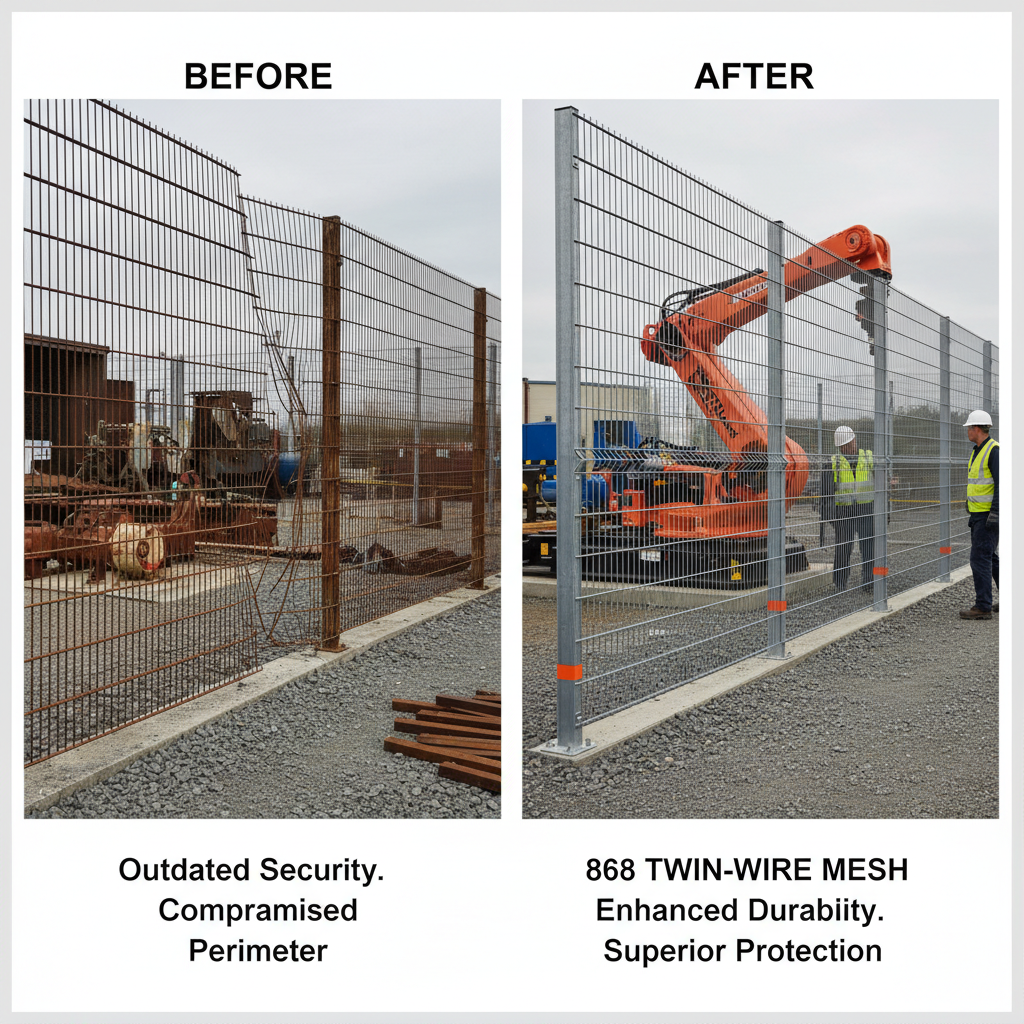
High Security Anti Climb 868 Mesh Fencing for Industrial Properties
When it comes to high-security perimeter protection, 868 mesh fencing stands as the gold standard for industrial and commercial properties. Designed to be virtually impenetrable while maintaining a clean, modern aesthetic, this specialized fencing system offers a unique combination of strength and visibility. Whether you are securing a government facility, a warehouse, or a private estate, understanding the technical advantages of the 868 system is crucial for making an informed investment. In this guide, we will explore why this specific mesh configuration is preferred by security experts worldwide.
2026-04-09 03:17:58
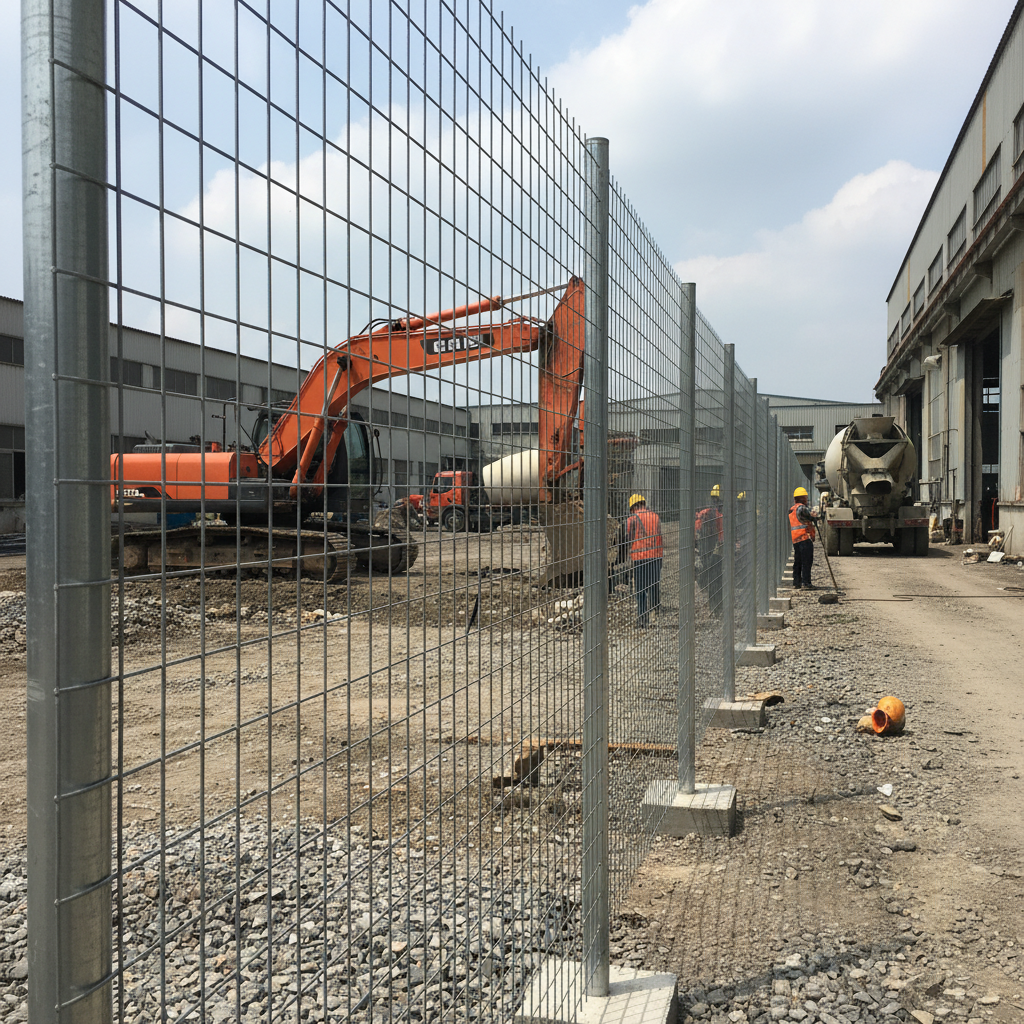
Ultimate Guide to 6ft Mesh Fencing for Security and Privacy
When it comes to establishing a secure perimeter, 6ft mesh fencing is widely regarded as the gold standard for balancing visibility with robust protection. Whether you are securing a commercial warehouse, a residential backyard, or an industrial site, the six-foot height provides a psychological and physical deterrent that lower fences simply cannot match. In this comprehensive guide, we will explore why this specific height is preferred, the materials that ensure longevity, and how to choose the right mesh configuration for your specific needs to ensure maximum ROI and safety.
2026-04-07 03:08:15
Comprehensive Guide to Welded Mesh Fencing 50x50 for Secure Enclosures
When securing your property or creating enclosures, choosing the right fencing material is crucial. Welded mesh fencing 50x50 offers a robust, versatile, and cost-effective solution for a wide range of applications. This article dives deep into the benefits, specifications, applications, and considerations when selecting this popular fencing option. Whether you’re a homeowner, agricultural business owner, or industrial facility manager, understanding the nuances of welded mesh fencing will empower you to make an informed decision.
2026-04-04 03:18:08
Comprehensive Guide to Durable and Affordable 4ft Wire Mesh Fencing Solutions
4ft wire mesh fencing is a versatile and cost-effective solution for a wide range of applications, from securing residential properties to enclosing industrial sites. Its robust construction and ease of installation make it a popular choice for both DIY projects and professional installations. This article will explore the benefits, applications, different types, installation guidelines, and maintenance tips for 4ft wire mesh fencing, helping you make an informed decision for your fencing needs. Choosing the right fencing is crucial for security, safety, and property value.
2026-03-31 03:15:14
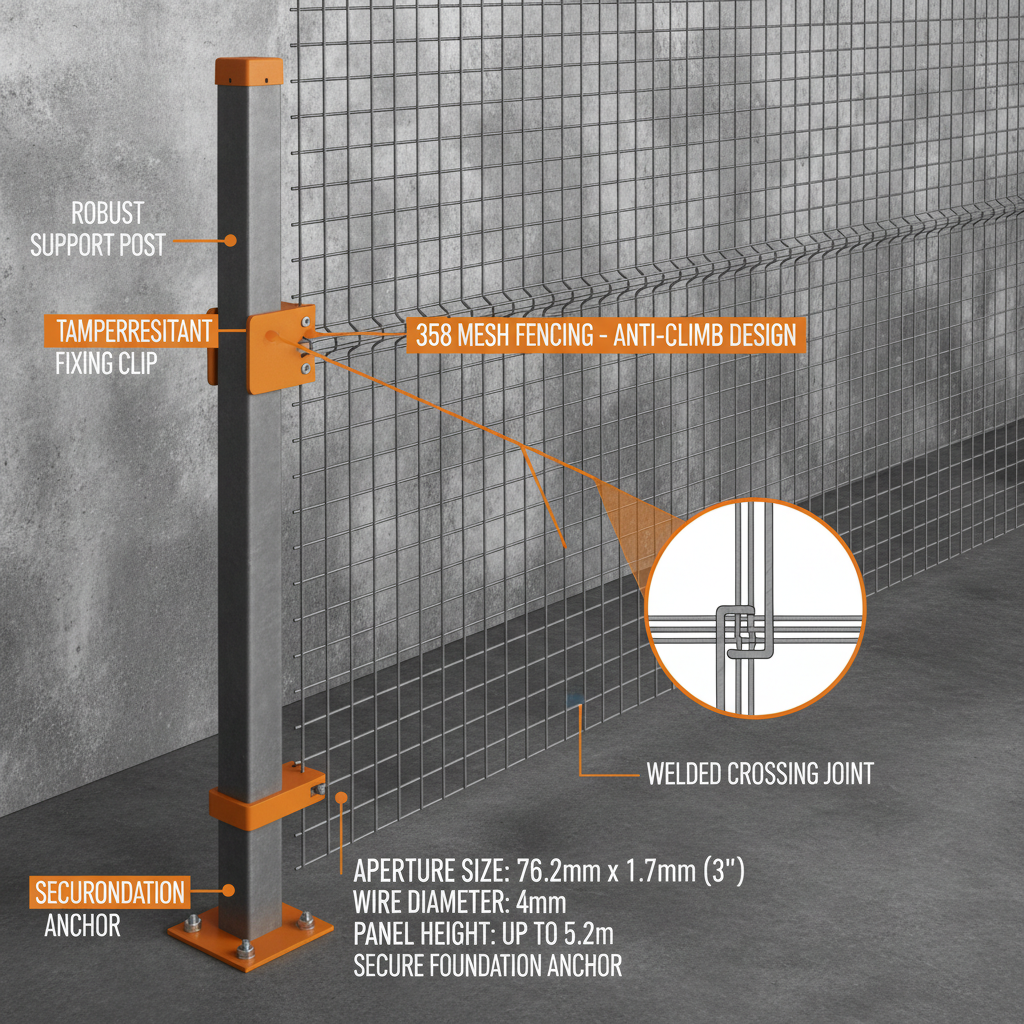
Comprehensive Guide to 358 Mesh Fencing Security Applications and Benefits
When it comes to perimeter security, choosing the right fencing solution is crucial. 358 mesh fencing has emerged as a popular and highly effective option, offering exceptional security and durability. This article provides a comprehensive guide to 358 mesh fencing, covering its key features, applications, benefits, and considerations for installation. We’ll explore why this type of fencing is increasingly preferred by commercial, industrial, and residential clients seeking robust security solutions.
2026-03-28 03:27:34
Comprehensive Guide to Durable 1 Inch Wire Mesh Fencing Solutions
When establishing secure perimeters for residential, agricultural, industrial, or commercial properties, choosing the right fencing material is crucial. 1 inch wire mesh fencing is a popular and versatile option, known for its durability, security, and cost-effectiveness. This article will provide a comprehensive overview of 1 inch wire mesh fencing, covering its applications, benefits, materials, installation, and maintenance. We'll explore how this fencing solution can provide long-lasting security and peace of mind for your property.
2026-03-26 03:17:15
Comprehensive Guide to Welded Mesh Fencing 1.8m for Security and Versatility
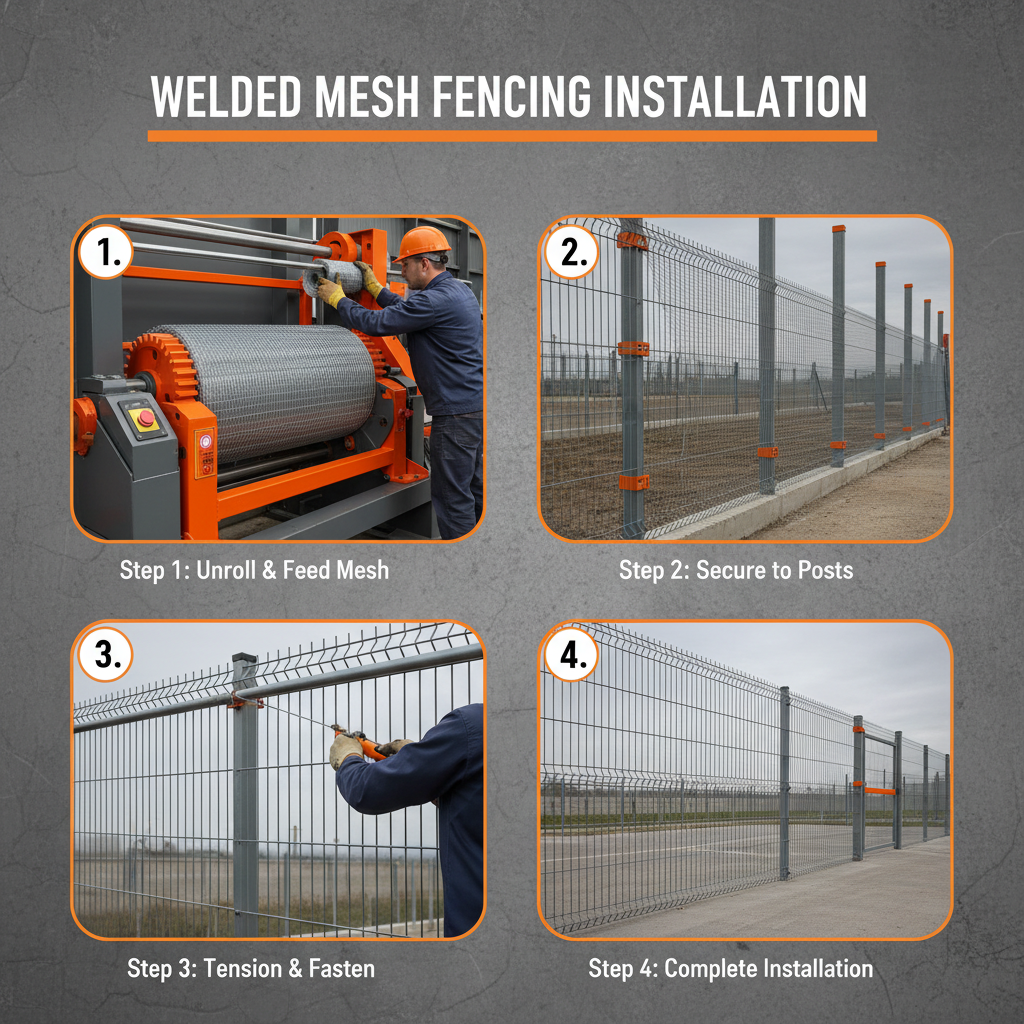
Welded mesh fencing is a robust and versatile solution for a wide range of applications, from securing perimeters to containing livestock. Specifically, welded mesh fencing 1.8m height offers an excellent balance of security, visibility, and cost-effectiveness. This article will explore the benefits, applications, installation considerations, and variations of this popular fencing option. We'll delve into why it’s a preferred choice for both residential and commercial properties. Choosing the right fencing is crucial for safety and security, and we’ll guide you through making the best decision. Welded mesh fencing 1.8m provides several key advantages over traditional fencing materials. Its rigid construction offers excellent resistance to climbing and cutting, enhancing security. The open mesh design allows for good visibility, which is important for surveillance and aesthetic purposes.
2026-03-24 03:20:18
Comprehensive Guide to Durable 1.2 m Wire Mesh Fencing Solutions
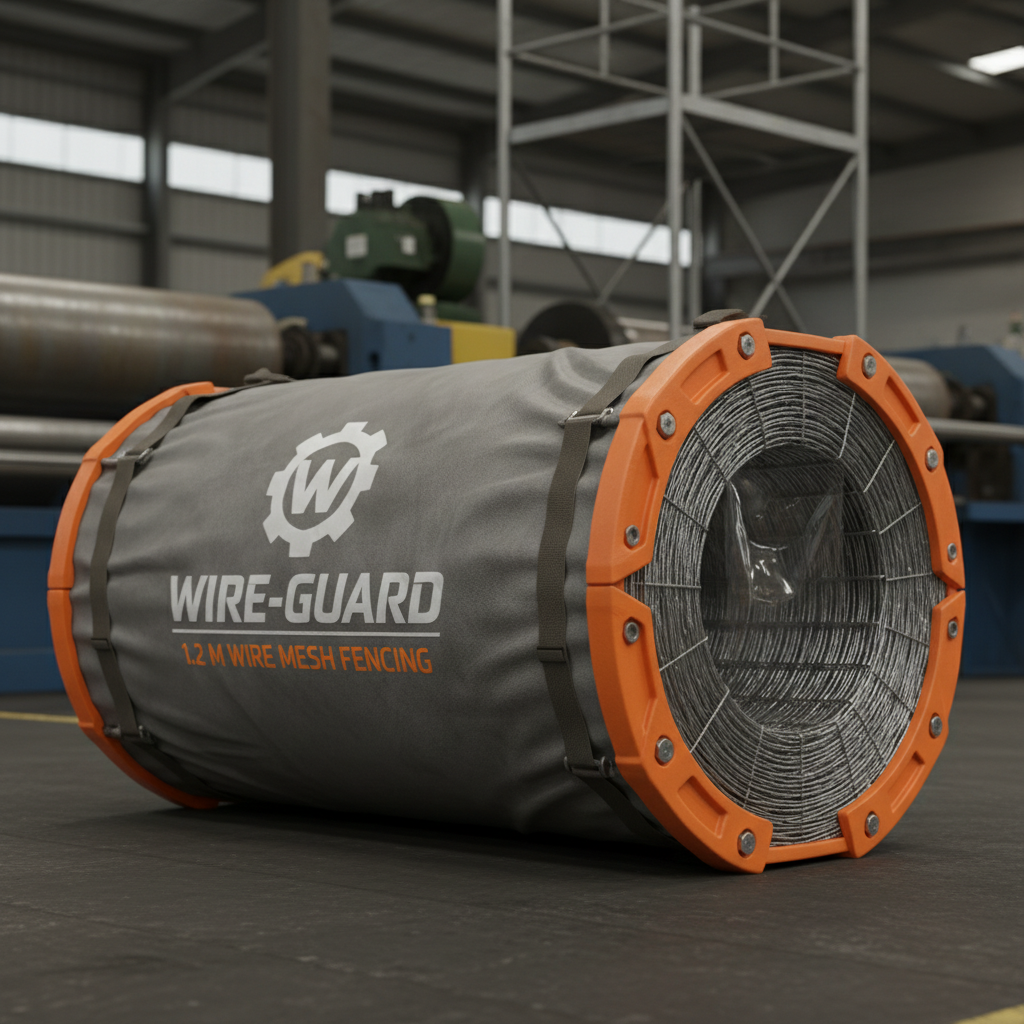
When securing properties, livestock, or construction sites, choosing the right fencing material is crucial. 1.2 m wire mesh fencing offers a robust, versatile, and cost-effective solution. This article will explore the benefits, applications, installation, and maintenance of 1.2m wire mesh fencing, providing a thorough overview for homeowners, farmers, and contractors. Selecting the appropriate fencing enhances security, defines boundaries, and contributes to a safe environment. The robust construction provides excellent security, deterring intruders and containing animals. The galvanized or PVC-coated finish offers exceptional corrosion resistance, ensuring long-lasting durability even in harsh weather conditions. The mesh design allows for good visibility, which is ideal for residential and commercial properties where aesthetics are a concern. Furthermore, the relatively low cost compared to other fencing options makes it an economical choice for large areas. The ease of installation and low maintenance requirements add to its appeal.


 English