






Hebei Jinjiu Metal Products Co.,Ltd



Find High Quality Mesh Wire Fence for Sale at Jinshield Mesh
Mar . 07, 2026 03:15
Mesh Wire Fence for Sale: A Comprehensive Guide
Looking for a reliable and durable mesh wire fence for sale? You've come to the right place! Jinshield Mesh offers a wide range of high-quality fencing solutions for various applications, from agricultural fencing to security barriers. This guide will explore the different types of mesh wire fences, their benefits, and how to choose the right option for your needs. A well-chosen fence provides security, containment, and peace of mind.
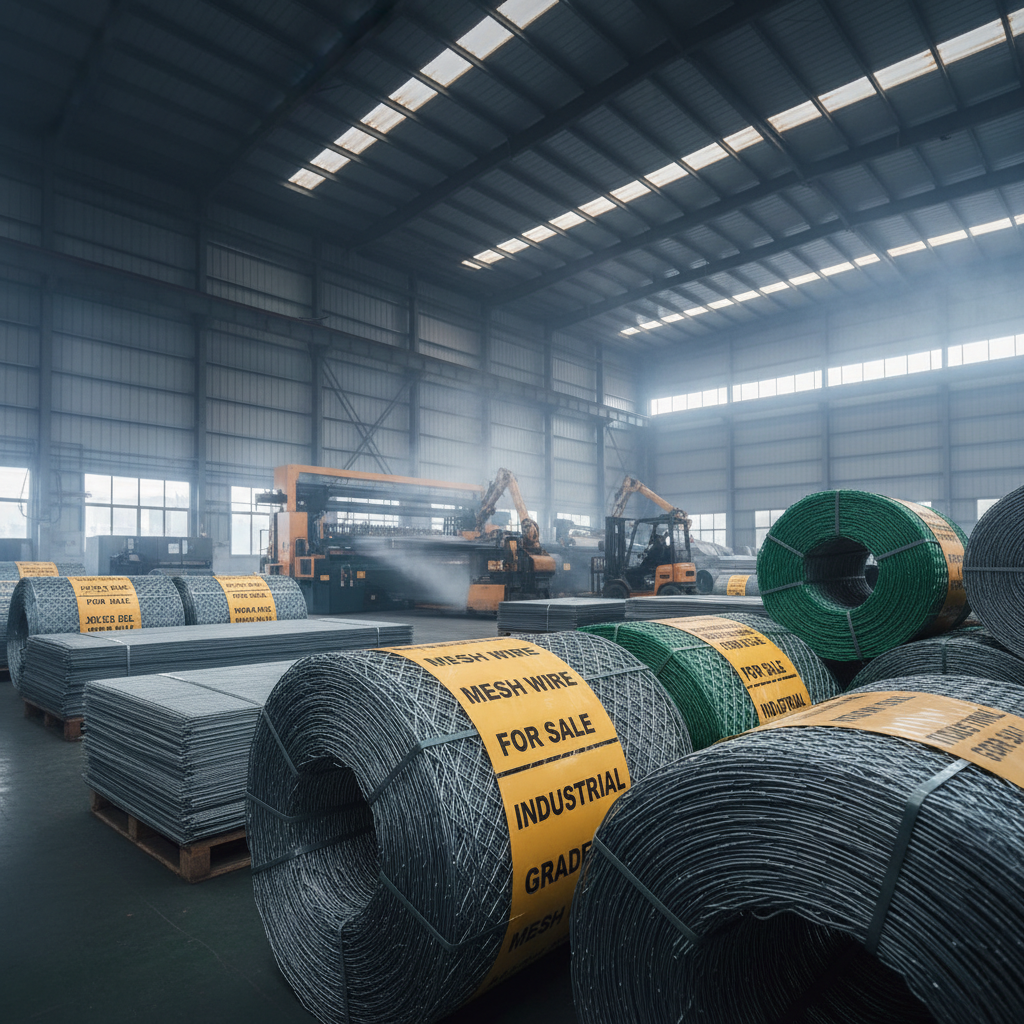
Understanding Different Types of Mesh Wire Fences
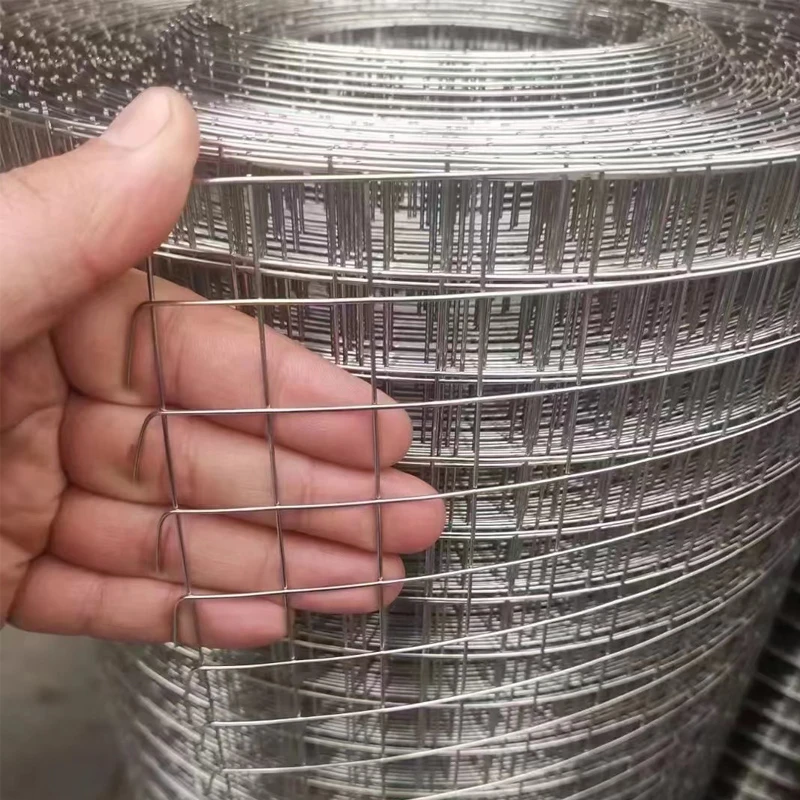
Mesh wire fences come in various materials, gauges, and weave patterns, each suited for different applications. Common types include welded wire mesh, hexagonal wire netting, and chain link fence. Welded wire mesh is known for its rigidity and strength, making it ideal for animal containment and security fencing. Hexagonal wire netting is more flexible and often used for poultry fencing and garden protection. Chain link fences offer a cost-effective and durable option for perimeter security. The best choice depends on your specific requirements and budget. Jinshield Mesh provides a detailed product catalog to help you navigate these options.
Key Benefit: Mesh wire fences provide a cost-effective and durable solution for a wide range of fencing needs, offering security, containment, and aesthetic appeal.
Applications of Mesh Wire Fence for Sale
The versatility of mesh wire fencing allows for use in diverse scenarios. Agricultural applications include livestock containment, crop protection from pests, and creating secure pastures. Residential uses encompass garden fencing, pet enclosures, and boundary demarcation. Commercial and industrial applications include security perimeters, construction site barriers, and noise reduction fencing. The material and gauge of the wire are crucial factors in determining suitability for each application. Explore Jinshield Mesh's options for application-specific fencing solutions.
Application Examples:
• Livestock containment
• Garden and crop protection
• Security perimeters
• Pet enclosures
Mesh Wire Fence Types: A Comparison
Choosing the right type of mesh wire fence can be challenging. Here's a comparison of common types to help you make an informed decision:
Factors to Consider When Buying Mesh Wire Fence
Before purchasing, consider these important factors: the type of animal or security threat you’re addressing, the terrain, the climate (corrosion resistance is important in coastal areas), and your budget. Wire gauge (thickness) impacts strength; higher gauges provide greater durability. Mesh size determines what can pass through; smaller mesh prevents smaller animals from escaping. Ensure you purchase from a reputable supplier like Jinshield Mesh to guarantee quality and longevity.
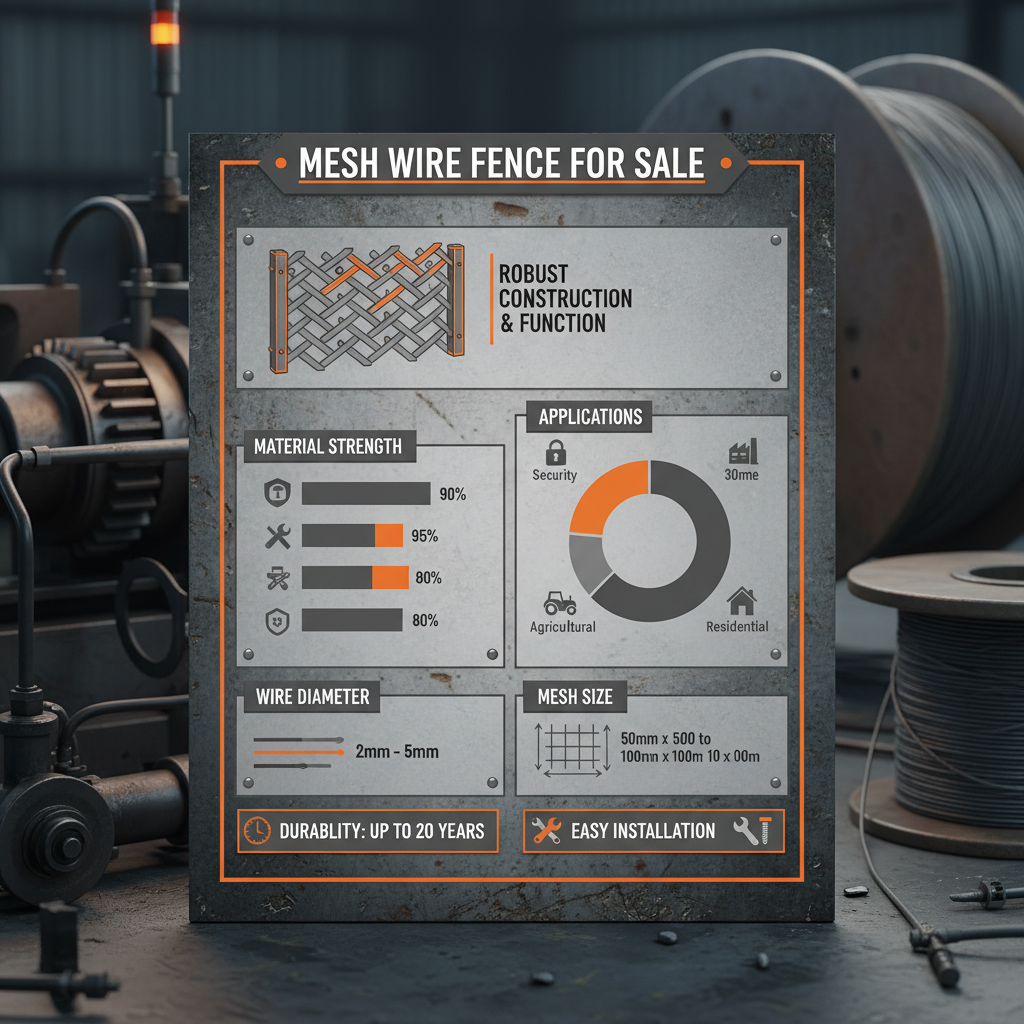
Conclusion: Find Your Ideal Mesh Wire Fence with Jinshield Mesh
Investing in a quality mesh wire fence for sale is an investment in security, containment, and peace of mind. Jinshield Mesh offers a diverse selection of high-quality fencing solutions to meet your specific needs. Browse our catalog today and find the perfect fence for your property.
Frequently Asked Questions (FAQs)
What is the recommended wire gauge for livestock fencing?
The recommended wire gauge depends on the type of livestock you're containing. For smaller animals like sheep and goats, a 12.5 gauge wire is often sufficient. However, for larger animals like cattle and horses, a heavier 11 or 9.5 gauge wire is recommended to withstand their strength and prevent breakage. Considering the animal's size, weight, and tendency to test the fence is crucial. A heavier gauge will also provide greater longevity and resistance to damage from weather and impacts.
How do I prevent corrosion in a coastal environment?
Coastal environments are particularly harsh due to salt spray, which accelerates corrosion. To mitigate this, choose galvanized steel wire with a heavy zinc coating, or opt for PVC-coated wire for added protection. Regularly inspect the fence for signs of corrosion and apply a protective coating as needed. Consider using stainless steel components for critical areas, such as tensioners and connectors. Proper installation, ensuring the fence is not in direct contact with seawater, also helps to extend its lifespan.
What is the best mesh size for keeping out rabbits?
Rabbits are notorious for squeezing through small openings. To effectively keep rabbits out, you'll need a mesh size of 1 inch or smaller. 1/2 inch mesh is even better, providing a more secure barrier. Ensure the fence is securely anchored to the ground to prevent rabbits from digging underneath. Burying a portion of the fence below ground level, or adding a wire apron, will further deter them.

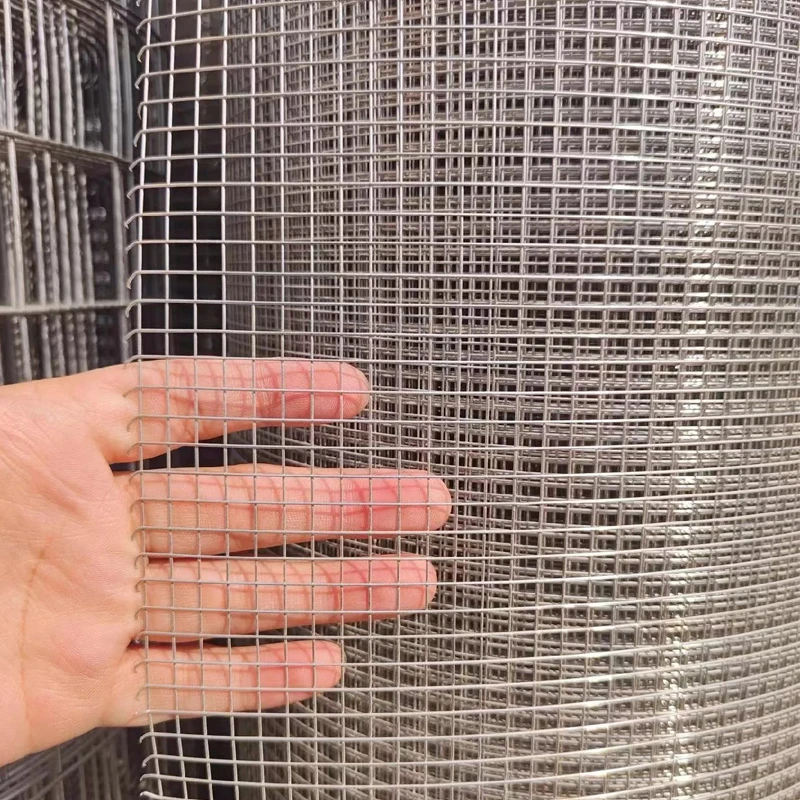
Related Products
Related News

2026-04-16 03:16:12
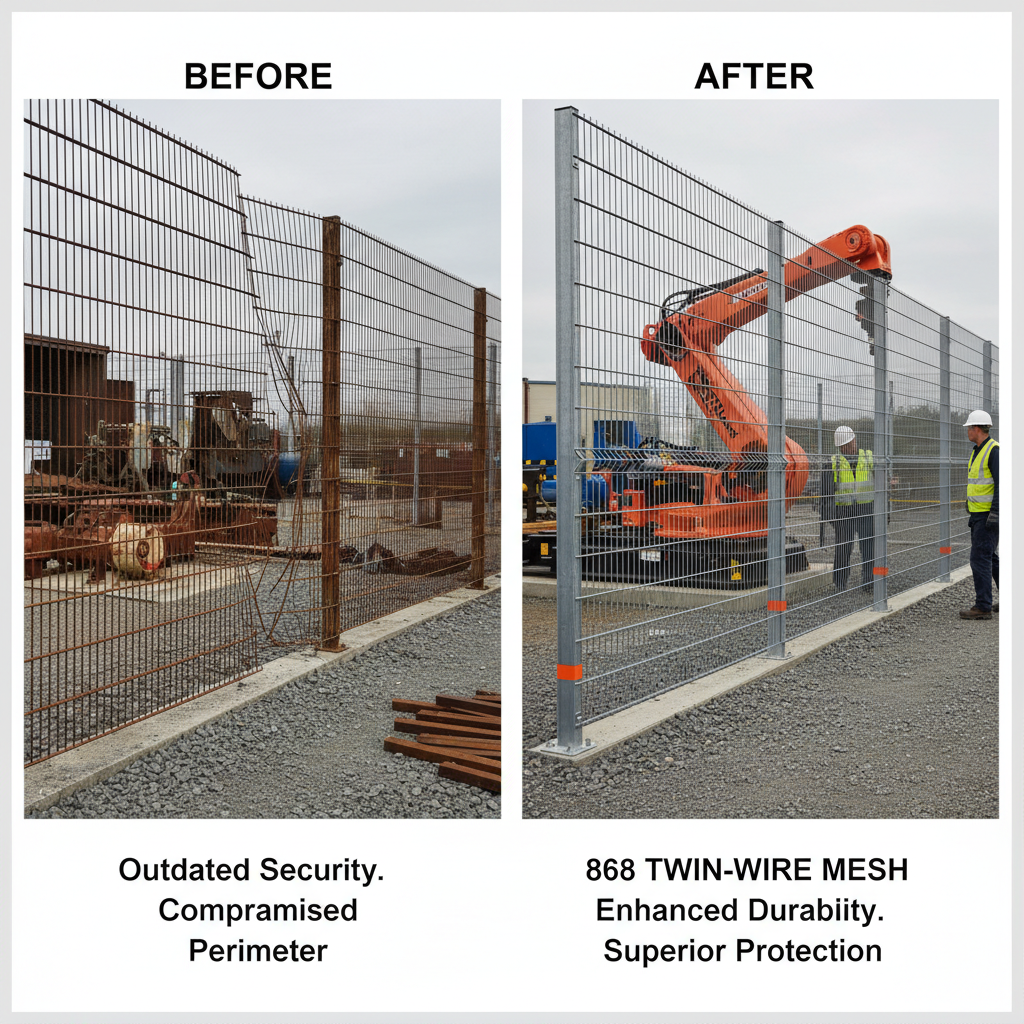
High Security Anti Climb 868 Mesh Fencing for Industrial Properties
When it comes to high-security perimeter protection, 868 mesh fencing stands as the gold standard for industrial and commercial properties. Designed to be virtually impenetrable while maintaining a clean, modern aesthetic, this specialized fencing system offers a unique combination of strength and visibility. Whether you are securing a government facility, a warehouse, or a private estate, understanding the technical advantages of the 868 system is crucial for making an informed investment. In this guide, we will explore why this specific mesh configuration is preferred by security experts worldwide.
2026-04-09 03:17:58
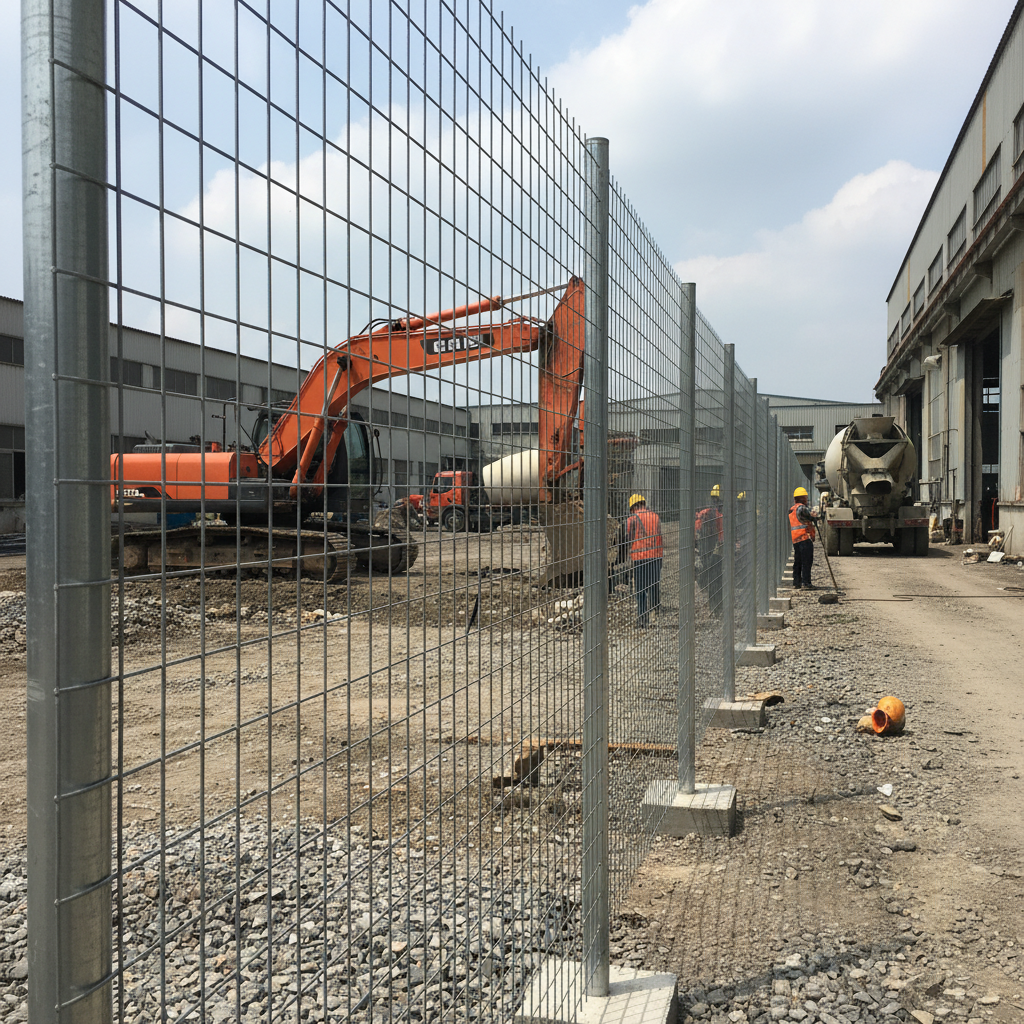
Ultimate Guide to 6ft Mesh Fencing for Security and Privacy
When it comes to establishing a secure perimeter, 6ft mesh fencing is widely regarded as the gold standard for balancing visibility with robust protection. Whether you are securing a commercial warehouse, a residential backyard, or an industrial site, the six-foot height provides a psychological and physical deterrent that lower fences simply cannot match. In this comprehensive guide, we will explore why this specific height is preferred, the materials that ensure longevity, and how to choose the right mesh configuration for your specific needs to ensure maximum ROI and safety.
2026-04-07 03:08:15
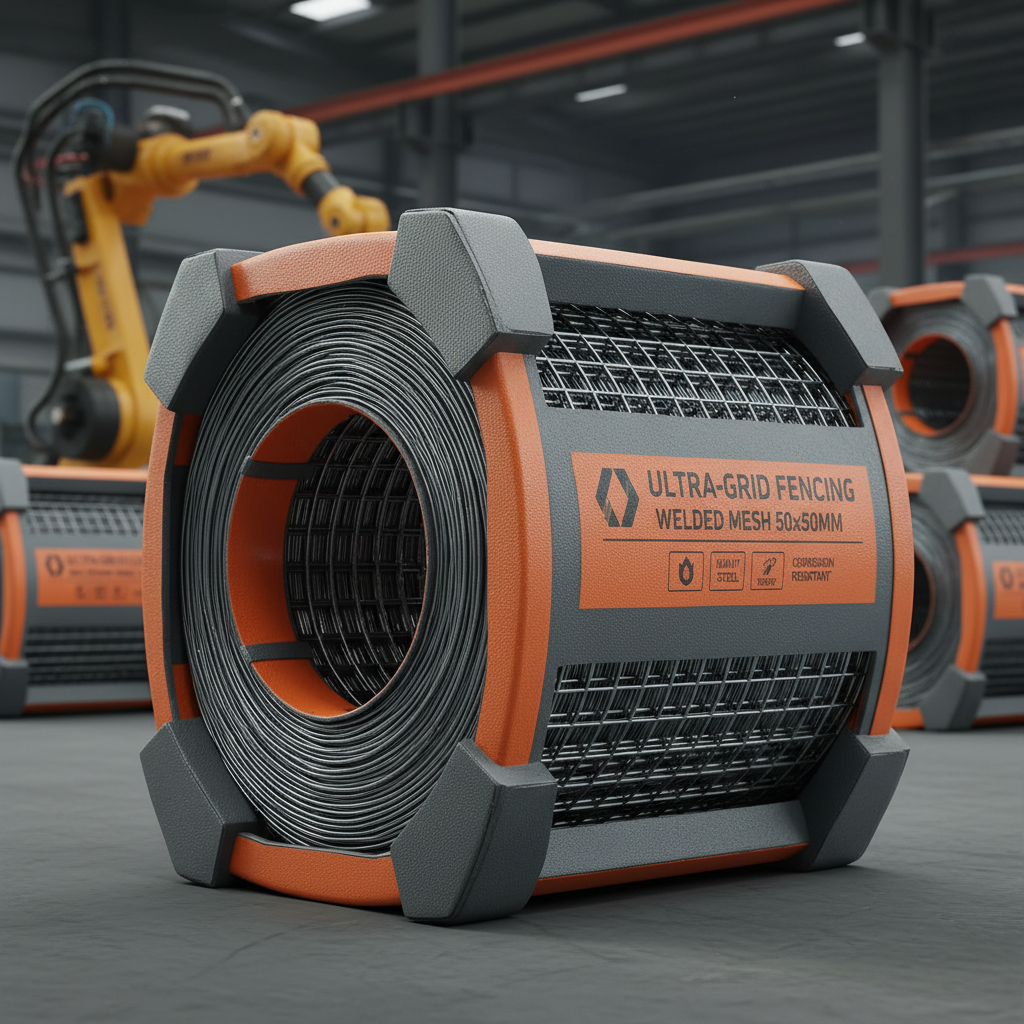
Comprehensive Guide to Welded Mesh Fencing 50x50 for Secure Enclosures
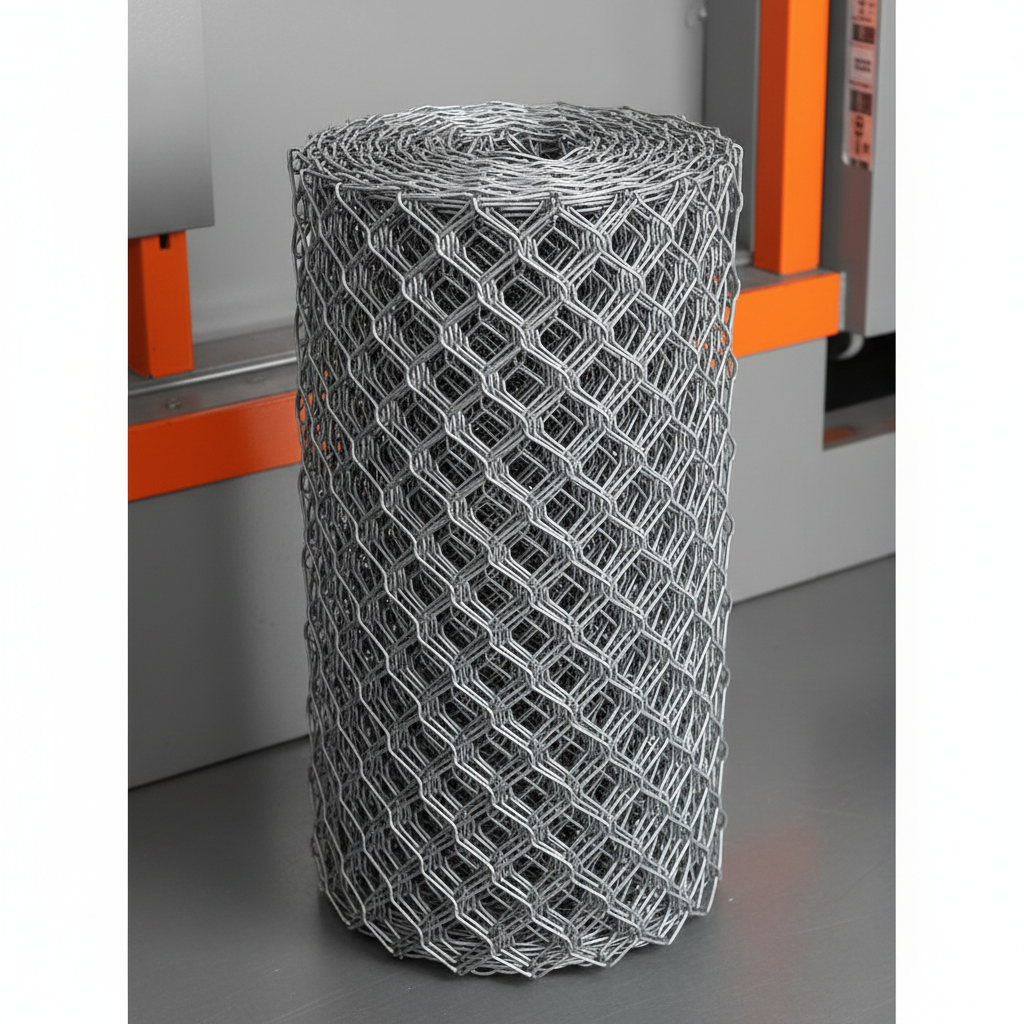
When securing your property or creating enclosures, choosing the right fencing material is crucial. Welded mesh fencing 50x50 offers a robust, versatile, and cost-effective solution for a wide range of applications. This article dives deep into the benefits, specifications, applications, and considerations when selecting this popular fencing option. Whether you’re a homeowner, agricultural business owner, or industrial facility manager, understanding the nuances of welded mesh fencing will empower you to make an informed decision.
2026-04-04 03:18:08
Comprehensive Guide to Durable and Affordable 4ft Wire Mesh Fencing Solutions
4ft wire mesh fencing is a versatile and cost-effective solution for a wide range of applications, from securing residential properties to enclosing industrial sites. Its robust construction and ease of installation make it a popular choice for both DIY projects and professional installations. This article will explore the benefits, applications, different types, installation guidelines, and maintenance tips for 4ft wire mesh fencing, helping you make an informed decision for your fencing needs. Choosing the right fencing is crucial for security, safety, and property value.
2026-03-31 03:15:14
Comprehensive Guide to 358 Mesh Fencing Security Applications and Benefits
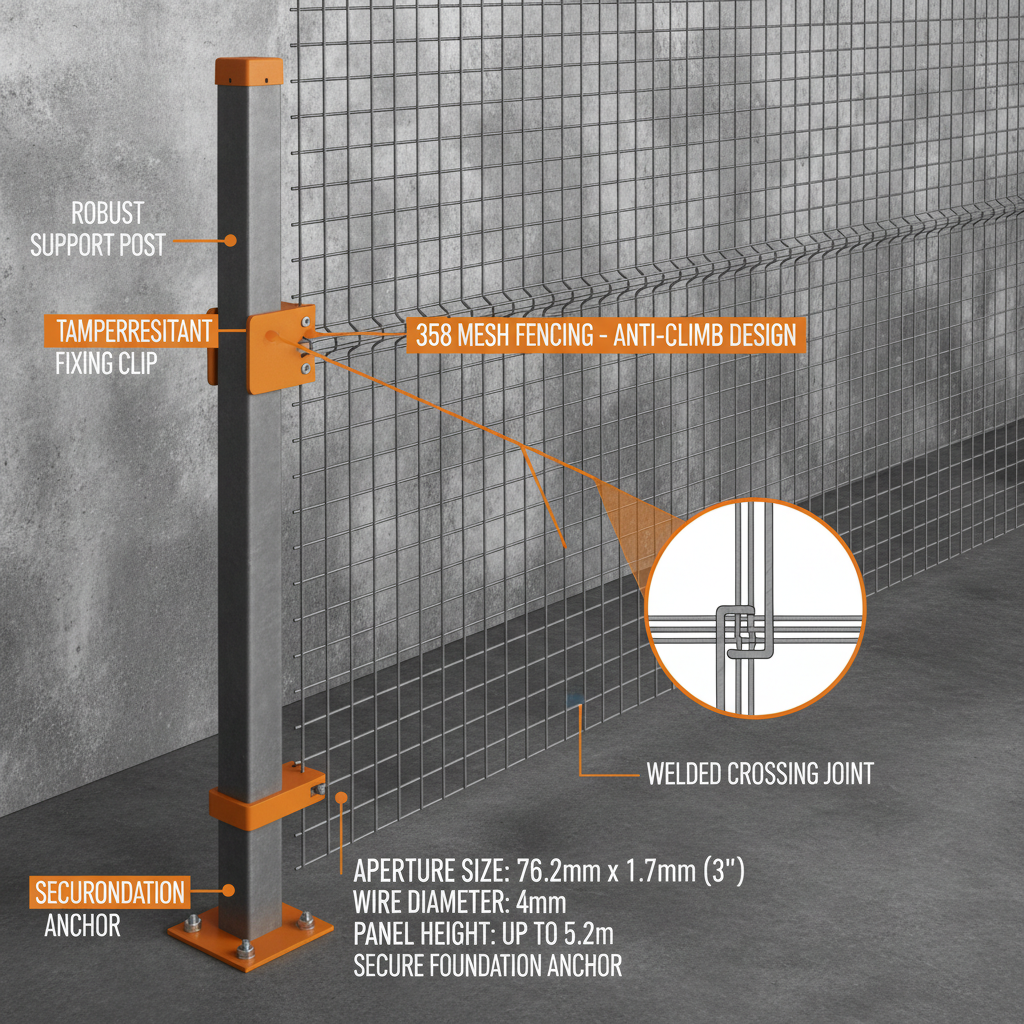
When it comes to perimeter security, choosing the right fencing solution is crucial. 358 mesh fencing has emerged as a popular and highly effective option, offering exceptional security and durability. This article provides a comprehensive guide to 358 mesh fencing, covering its key features, applications, benefits, and considerations for installation. We’ll explore why this type of fencing is increasingly preferred by commercial, industrial, and residential clients seeking robust security solutions.
2026-03-28 03:27:34
Comprehensive Guide to Durable 1 Inch Wire Mesh Fencing Solutions
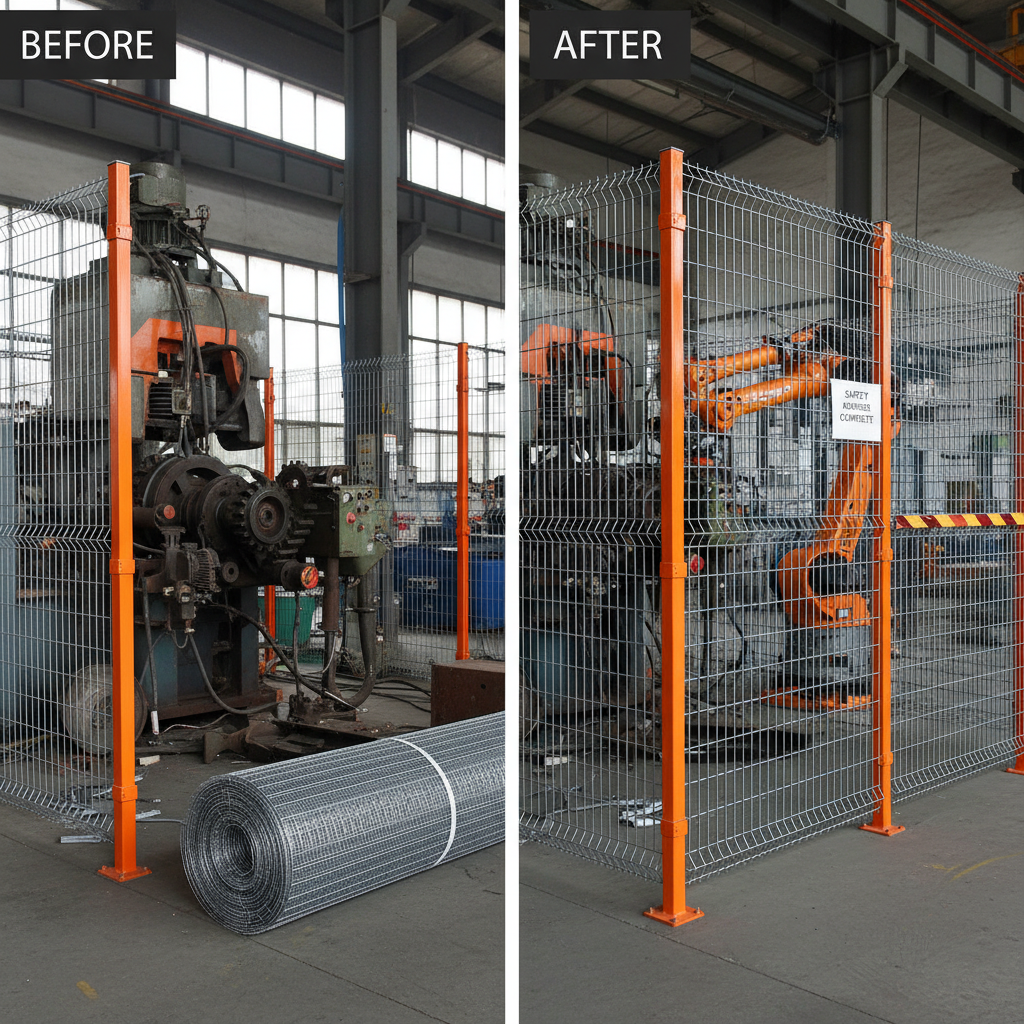
When establishing secure perimeters for residential, agricultural, industrial, or commercial properties, choosing the right fencing material is crucial. 1 inch wire mesh fencing is a popular and versatile option, known for its durability, security, and cost-effectiveness. This article will provide a comprehensive overview of 1 inch wire mesh fencing, covering its applications, benefits, materials, installation, and maintenance. We'll explore how this fencing solution can provide long-lasting security and peace of mind for your property.
2026-03-26 03:17:15
Comprehensive Guide to Welded Mesh Fencing 1.8m for Security and Versatility
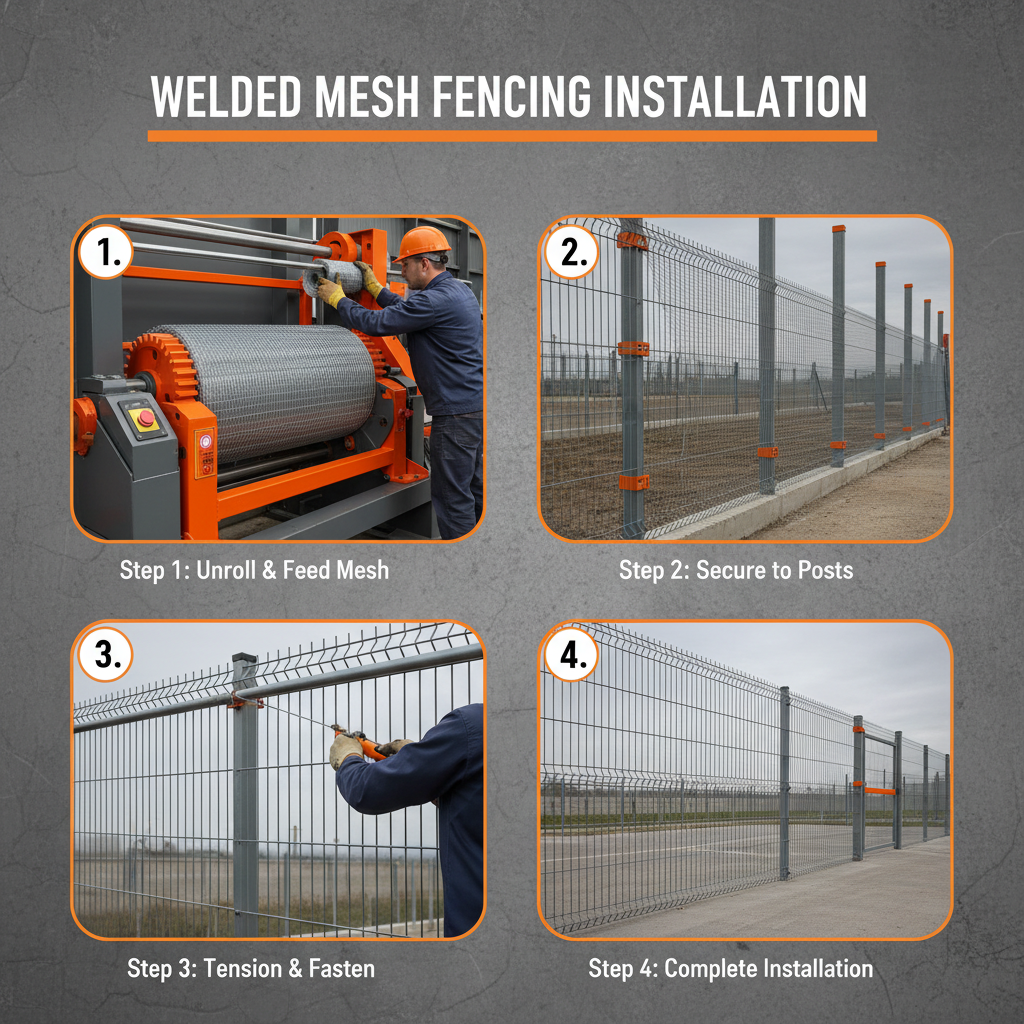
Welded mesh fencing is a robust and versatile solution for a wide range of applications, from securing perimeters to containing livestock. Specifically, welded mesh fencing 1.8m height offers an excellent balance of security, visibility, and cost-effectiveness. This article will explore the benefits, applications, installation considerations, and variations of this popular fencing option. We'll delve into why it’s a preferred choice for both residential and commercial properties. Choosing the right fencing is crucial for safety and security, and we’ll guide you through making the best decision. Welded mesh fencing 1.8m provides several key advantages over traditional fencing materials. Its rigid construction offers excellent resistance to climbing and cutting, enhancing security. The open mesh design allows for good visibility, which is important for surveillance and aesthetic purposes.
2026-03-24 03:20:18
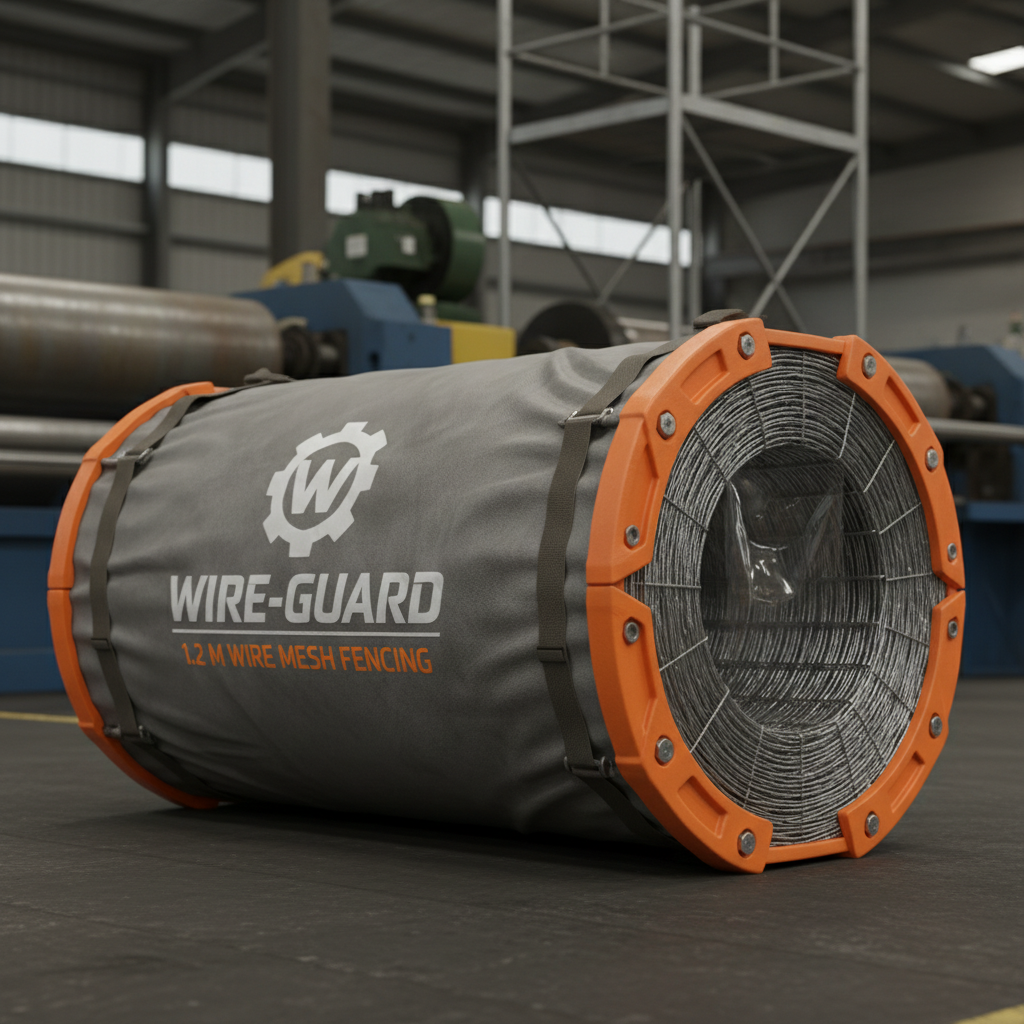
Comprehensive Guide to Durable 1.2 m Wire Mesh Fencing Solutions
When securing properties, livestock, or construction sites, choosing the right fencing material is crucial. 1.2 m wire mesh fencing offers a robust, versatile, and cost-effective solution. This article will explore the benefits, applications, installation, and maintenance of 1.2m wire mesh fencing, providing a thorough overview for homeowners, farmers, and contractors. Selecting the appropriate fencing enhances security, defines boundaries, and contributes to a safe environment. The robust construction provides excellent security, deterring intruders and containing animals. The galvanized or PVC-coated finish offers exceptional corrosion resistance, ensuring long-lasting durability even in harsh weather conditions. The mesh design allows for good visibility, which is ideal for residential and commercial properties where aesthetics are a concern. Furthermore, the relatively low cost compared to other fencing options makes it an economical choice for large areas. The ease of installation and low maintenance requirements add to its appeal.


 English